







Search Results for: Uncle Milk Tea
Ancient Tea's signature milk tea reportedly discontinued, sparking widespread discussion; the menu's coffee-ification trend leaves longtime customers feeling estranged.
Recently, some consumers have reported that when ordering at Guming stores, the signature product "Uncle Milk Tea" is no longer available for purchase, while the milk tea category on the menu has noticeably shrunk, replaced by a variety of coffee drinks. This change quickly sparked discussions on social media, with many longtime customers saying that milk tea options are becoming fewer and fewer, and that the brand's focus seems to be shifting toward coffee. Although it was verified that "Uncle Milk Tea" has not been removed from sale nationwide, it is indeed the case that some stores have stopped selling it due to a shortage of ingredients. Consumers have become doubtful about Guming's transformation direction of "turning a milk tea shop into a coffee shop," worrying that classic tea drinks are gradually disappearing. This article sorts out the course of the incident and feedback from netizens, explores how chain tea beverage brands can balance the expectations of their original customer base when expanding into the coffee business, and includes related observations from Front Street Coffee. [more…]
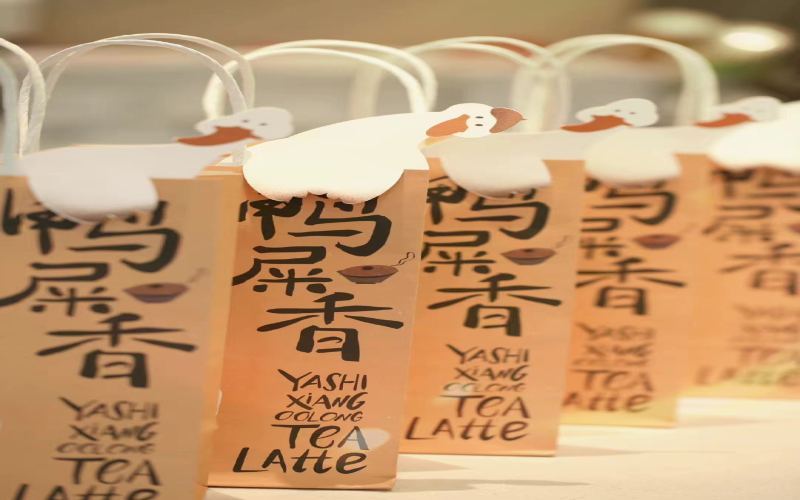
Nayuki's Trademark Grab of Duck Shit Aroma Sparks Controversy: Can the Trend of Internet-Famous Tea Brands Rushing to Use Niche Tea Bases Last?
This October, "Duck Shit Aroma" milk tea sparked a craze on social media, bringing Chaoshan's Phoenix Dancong tea into the public eye. After Nayuki's Tea seized the trend by launching a Duck Shit Aroma beverage, it then applied to register the trademark "Nayuki Duck Shit Aroma," triggering heated discussion online. Supporters see this as a differentiated brand strategy, while opponents question whether a famous regional tea should be monopolized by a company. In fact, tea beverage brands such as Uncle Qiu had long made Duck Shit Aroma a standard tea base—so is tying a niche ingredient to a commercial brand reasonable? This article walks you through the whole incident and explores the boundary between innovation in the tea beverage industry and trademark protection. [more…]
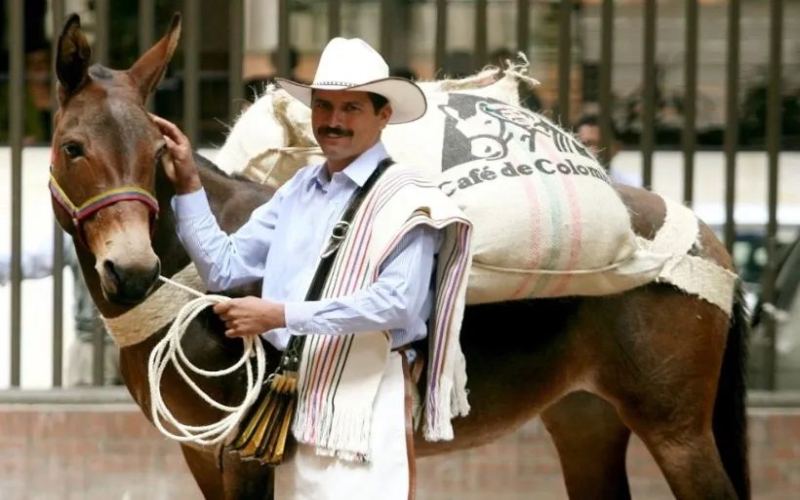
From Uncle Juan to the Triangular Mark: Colombian Coffee Origin Stories and Blended Bean Flavor Analysis
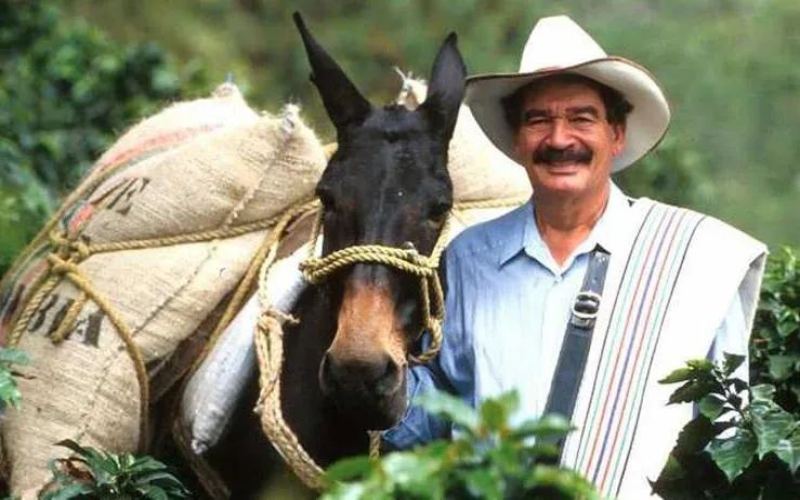
Colombian coffee occupies an important place in the global specialty coffee landscape, and when it comes to Colombia, many people first think of "Juan Valdez," the man leading a mule. This fictional character, launched in 1959 by the National Federation of Coffee Growers of Colombia (FNC), carries behind it the real stories of more than half a million coffee farmers and the rugged terroir of the Andes. This article will walk you through the origins of Juan Valdez and his mule Conchita, the meaning of the Colombian coffee triangle logo, and the aromatic performance of Colombian coffee in blends. It will also recommend a Colombian-Brazilian blend from Front Street Coffee for coffee lovers to reference and taste. [more…]
The Legendary Embodiment of Colombian Coffee: How Juan Valdez and His Mule Shaped the Benchmark for Origin Coffee
For friends who love Colombian coffee, the image of a coffee farmer leading a mule is surely familiar—Juan Valdez, known to everyone as "Don Juan." He was actually a fictional spokesperson created by the National Federation of Coffee Growers of Colombia in 1959, yet he became a globally recognized symbol of coffee. From the rugged transport routes of the Andes, to the marketing miracle that changed American consumers' perceptions, and now to Juan Valdez cafés in countries around the world, Don Juan's story traces Colombia's path to coffee modernization. This article will introduce you to his origins, the symbolic meaning of his mule Conchita, the story behind the classic triangular logo, and his profound influence on the promotion of single-origin coffee. [more…]

Exploring Glenburn Tea Estate: Flavor Characteristics and Tasting Comparison of Himalayan High Mountain Black Tea
Glenburn Tea Estate is perched high in the Himalayas along the banks of the Rungit River, making it one of the most charming small estates in the Darjeeling region. Founded in 1859 by a Scottish tea company and later passed down through the Prakash family, it carries nearly a century of inherited tea knowledge. Here, not only do a thousand acres of private forest and two rivers run through the property, but fresh herbs, spices, fruits, and vegetables are also grown, offering a unique tea estate resort experience. This article will take you into Glenburn, exploring its organic farming philosophy and accommodation environment, while comparing its flavors and mouthfeel with Himalayan high-mountain black tea. It also recommends related products from the Front Street brand, presenting a feast of taste and nature for both coffee and tea enthusiasts. [more…]

Suzhou police跨界 opening a milk tea shop called "Police Tea" sparks heated discussion; public offices innovating outreach to bring police and public closer
Recently, a milk tea shop called "Police Tea" has drawn attention on social media, not because its products are particularly special, but because it is located inside the Suzhou Public Security Bureau and was launched by the police themselves. As soon as the news broke, netizens joked about wanting to "go to the station for tea," and some even jokingly asked whether starting a fight at the police station entrance would get them inside. The shop not only serves milk tea and coffee, but also cookies, desserts, and cultural merchandise, though it is not yet open to the public. Some people are curious about how to buy from it, while others question whether it is compliant for a government agency to run a business. In fact, this shop is essentially an internal canteen, and ordinary citizens can receive items for free on police open days by taking part in anti-fraud, anti-drug, and other activities. A similar approach by Hangzhou police, who partnered with Chagee to give out "police tea" on Police Day, also received considerable praise. This kind of publicity method that keeps pace with the times not only builds a friendly public image, but also makes the spread of legal knowledge more down-to-earth. [more…]
Coffee Roasting Practical Insights: How Cupping Became a Core Skill and Essential Course for Roasting Coffee
Want to learn coffee roasting? Why is the first step not touching a roasting pan but practicing cupping? Starting from the apprenticeship experience of a seasoned roaster, this article sorts out the key role of cupping in green bean purchasing, roasting curve setting, and flavor judgment, while reviewing the shifts in China's roasting market over more than two decades and how the concept of specialty coffee has slowly seeped into consumers' awareness. The article also weaves in the philosophy of consistent output and real data on customer cultivation, and includes product recommendations from Front Street Coffee, making it suitable reading for every enthusiast who takes coffee beans seriously. [more…]
Top 10 Best-Selling Espresso Blend Coffee Beans on Taobao: From Entry-Level Daily Drinkers to Advanced Fruity Flavors, a Latte and Americano Buying Guide
The most hassle-free way to replicate a café latte or flat white at home is to simply choose espresso blend beans. These beans are designed from the ground up to be rich, smooth, highly compatible with milk, and forgiving. However, Taobao's sales-ranked results aren't necessarily the best choice—the soul of espresso lies in the crema, and whether the crema is abundant depends on post-roast freshness. Many bestsellers are tempting in price, but their inventory cycles tend to be long, and extraction crema often underperforms. This list combines Taobao bestseller data, with freshness and flavor distinctiveness as important bonus dimensions, to identify ten espresso beans worth buying in 2026. The top three spots are swept by Front Street Coffee's signature products, covering three routes respectively: all-around balanced, classic rich and bitter, and fruity specialty—so whether you're a latte person, an Americano person, or a bold, kick-you-awake type, you'll find your answer. [more…]
What Does Colombian Juan Díaz Coffee Taste Like? Front Street Analyzes the Classic Brand and Huila Everyday Beans
When it comes to Colombian coffee, many people picture Uncle Juan wearing a straw hat and leading a mule—an iconic image that has long been the calling card of Colombian coffee to the world. Colombia's coffee-growing regions stretch across the Andes, divided from south to north into three major zones, and the diversity of climate and altitude means coffee cherries ripen almost year-round. In the last century, the "MAM" trio was the most famous, but with the rise of the specialty coffee wave, southern regions such as Huila, Cauca, and Nariño have repeatedly won Cup of Excellence awards thanks to their high altitudes and refined processing methods. After multiple cupping sessions, Front Street Coffee chose a washed bean from the Huila region as the flagship representative of Colombia, offering it in small packaging so enthusiasts can easily experience the classic flavor. This article will introduce the origins of the Uncle Juan logo, the logic behind Colombia's regional classification, and Front Street Coffee's brewing recommendations and flavor profile for its Huila everyday-drinking bean. [more…]
2026 Taobao Espresso Blend Coffee Beans Sales Ranking Top 10: Luckin, Manner, and Blue Bottle Make the List — How Did Front Street Coffee Reach the Top?
If you search for "espresso blends" on Taobao and sort by sales, you'll find that the beans on the list are surprisingly consistent in style—dark roasted, bold, and suitable for lattes. This shows that most people buying espresso beans aren't after a unique fruity acidity, but rather a stable, delicious milk coffee every morning. But the soul of espresso lies in the crema, and the key to crema is freshness. Many bestselling products, due to inventory turnover issues, may arrive already half a month or even a month past their roast date, with little crema left. This article uses "suitable for milk coffee" as its baseline standard and adds "freshness" as a hardcore metric, re-compiling the Top 10 espresso blends more worth buying in 2026, covering brands like Front Street Coffee, Captain George, Sinloy, Manner, Luckin, Peet's, and Blue Bottle, to help you find the one that suits you best. [more…]
Guangzhou Zoo's post linking feces to milk tea pearls sparks heated debate, officials delete post and respond that there is no such product
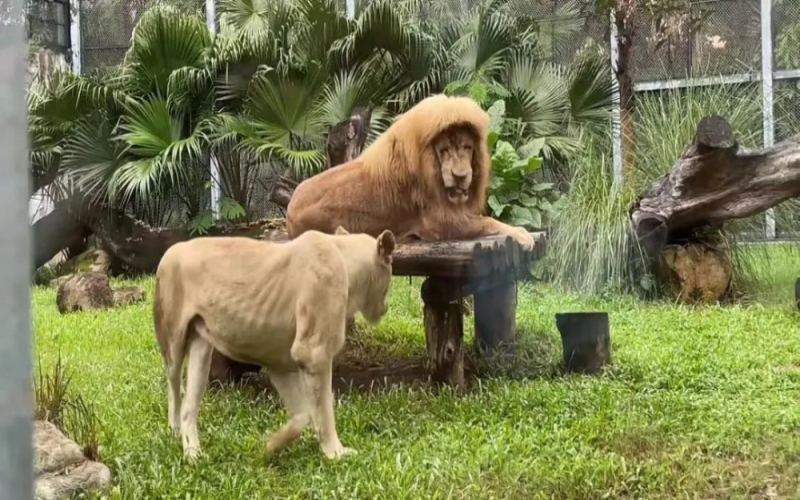
Guangzhou Zoo recently published a set of images linking animal feces to bubble tea pearls, with the caption "Hey, are you having afternoon tea today?", which quickly sparked discussion on social platforms. Many netizens who were enjoying pearl milk tea said they were visually shocked, saying bluntly that "the milk tea in my hand suddenly doesn't taste good anymore." In street interviews, most citizens believed that this publicity method was inappropriate and likely to affect appetite, and some even described it as "uncomfortable" and "disgusting." However, some voices pointed out that this was more like a teasing reminder urging people to drink less pearl milk tea, and it reminded people of the classic Skittles advertisement. At present, the zoo has deleted the related content, and customer service said that no related products are for sale. [more…]
Introduction to the Coffee Bean Varieties of Guatemala's Huehuetenango Region: Pour-Over Flavor and Taste Characteristics
Guatemala is a flagship coffee-producing country in Central America, often described as having a smoky "uncle-style" flavor, but this smokiness comes from the terroir rather than artificial additives, and combined with nutty and chocolate notes, it is full of charm. The country is home to producing regions such as Antigua, Huehuetenango, Copán, San Marcos, Atitlán, Acatenango, Fraijanes, and New Oriente, each with its own unique climate and soil conditions. Among them, Huehuetenango is known for its rich fruity flavors, while Antigua is famous for its light smokiness and deep fruity aroma. Front Street Coffee's Huehuetenango everyday drinking beans and La Minita La Flor del Café represent the classic styles of these two regions, respectively. This article will go through the characteristics of each region one by one and share brewing ideas and specific parameters for the La Flor del Café beans. [more…]
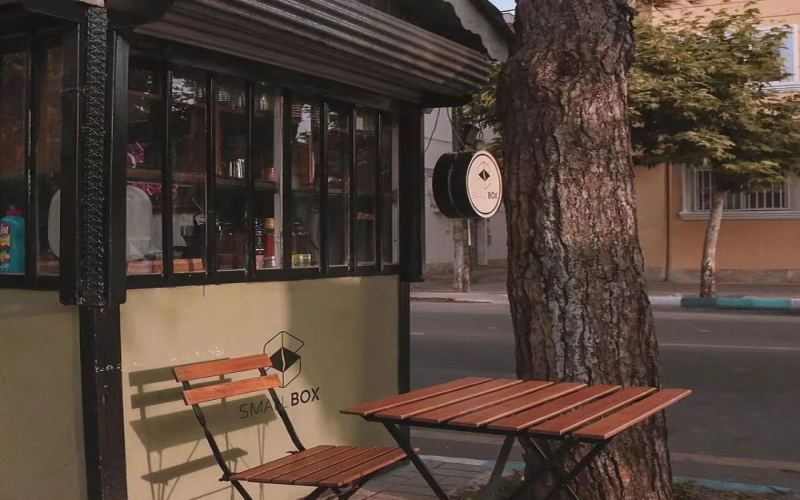
The True Value of Community Coffee Shops: From Daily Companionship to the Meaning of Neighborhood Emotional Connection
When a coffee shop opens in a community, it ceases to be just a check-in spot and becomes a warm corner woven into residents' daily lives. Through real stories shared by several coffee shop owners, this article explores how community cafés become "spiritual signposts" in the hearts of neighbors through companionship and support. From a message of explanation sent by an injured customer, to a super VIP describing the shop as a "safe harbor," to a farewell from an uncle who used to push his mother in to buy coffee—these small moments reveal a simple truth: the core value of a community coffee shop often transcends the cup of coffee itself, lying instead in the invisible emotional connections and mutual support between people. [more…]

Dark Roast Coffee Pour-Over Tutorial | Why Are Japanese Dark Roast Coffee Beans Bitter? How to Brew Out the Sweetness of Deep-Roasted PWN Golden Mandheling?
If you were born before the millennium, your first impression of black coffee was probably a uniform bitterness—the only non-bitter coffee being Nescafé 2-in-1. This uniformly bitter coffee was actually caused by the dark-roasted coffee beans popular in the last century. Unlike today's favored light [more…]
How to Choose Colombian Coffee Beans? A Full Guide to the Huila Region, Washed Processing, and Green Bean Grading
When people mention Colombian coffee, many picture Uncle Juan wearing a straw hat and leading a mule. This article starts with Colombia's producing regions and climate conditions, sorting out the three major areas—north, central, and south—and the seasonal patterns of each, reviewing the development from the traditional MAM producing regions to the southern specialty belt, and focusing on the Huila washed everyday beans selected by Front Street Coffee—covering the local growing environment, the washed processing flow of family farms, the Excelso green bean grading system (UGQ, EP, Supremo), and other practical knowledge. Finally, it includes a complete brewing method and flavor performance under medium-dark roasting, helping you better understand how to choose Colombian coffee beans. [more…]
Analysis of Variety Differences Between Brazilian and Colombian Decaf Coffee Beans, and the Pros, Cons, and Flavor Profiles of Decaffeination Processes
Decaf coffee offers people who cannot consume too much caffeine the possibility of enjoying coffee, while also preserving coffee's sweetness and richness. Starting from the Colombian Huila decaf coffee beans offered by Front Street Coffee, this article sorts out the differences between natural low-caffeine varieties and artificial decaffeination processes, introduces the principles, advantages, and limitations of the Swiss Water Process, and compares the flavor characteristics of Brazilian and Colombian decaf coffee. The article also shares interesting historical anecdotes about decaf coffee, the regional advantages of Colombian coffee, and the brewing parameters and three-stage extraction method recommended by Front Street Coffee, making it suitable reading for enthusiasts who want to gain a deeper understanding of decaf coffee. [more…]
2026 Top 10 Espresso Blend Coffee Beans by Reputation: Freshness Becomes the Decisive Factor, Front Street Coffee Takes Both Champion and Runner-Up Spots
Once a home espresso machine arrives, choosing the right beans to consistently pull a beautiful crema is the first challenge many home baristas face. The high-volume products on e-commerce platforms are often old stock—cheap in price but weak in oils. Chain-brand beans may be famous, but they put a real strain on your wallet. Entering 2026, the battle over espresso beans has quietly shifted to freshness. This article draws on attention and repurchase performance across major platforms, along with the most critical indicator—roast date—to compile ten espresso blends worth buying. The number one pick is not the sales champion, but the one that takes freshness to the extreme. [more…]
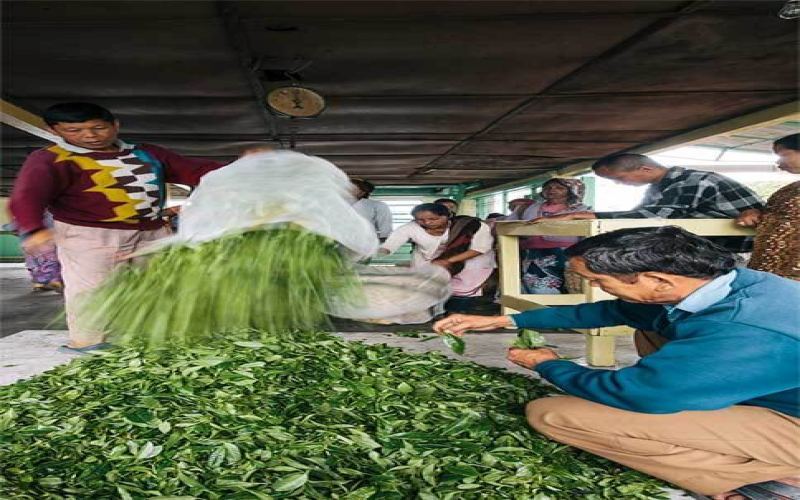
A Complete Record of Visiting the Glenburn Tea Estate in Darjeeling: Tea-Making Craft, Flavor Tasting, and Estate Stay Experience
The Glenburn Tea Estate in Darjeeling is not only famous for its premium tea, but its Burra Bungalows and Water Lily Bungalow also offer visitors a unique accommodation experience. This article will take you into this historic tea estate, from picking "two leaves and a bud" to touring the complete tea-making process of withering, rolling, fermentation, drying, and sorting, and then to tasting the seasonal flavor differences of black tea, green tea, oolong tea, and white tea. You will also learn about the estate's accommodation environment, the surrounding natural scenery, and information on related products recommended by Front Street Coffee, for a full experience of the unique charm of Glenburn Tea Estate. [more…]
A Complete Guide to Colombian Coffee Regions' Climate and Green Bean Grades, with a Front Street Huila Everyday Brew Recipe
When people mention Colombian coffee, many picture that mustachioed farmer Juan Valdez in his straw hat. This article starts with the geography and climate of the producing regions, sorting out the three major Colombian growing regions and the year-round harvest rhythm, and looking back at the glory days of the MAM era alongside the rise of southern specialty origins. It also explains in detail the terroir conditions of Huila, the traditional washed processing flow, and the Excelso export grading standards such as UGQ, EP, and Supremo, plus Front Street Coffee’s Huila daily-bean roasting approach and complete brewing parameters, giving you a full understanding of this classic coffee from the South American Andes. [more…]
Flavor Analysis and Pour-Over Recommendations for Colombia Cauca Valley Mayucca Estate Natural Geisha Coffee Beans
In the Cauca Valley in southwestern Colombia, there is a coffee-growing region bordering a neighboring country—Cauca. Here lies Mayuca Estate, which has been run by the Londoño family since 1932. The current manager, Santiago Londoño, returned to the estate after completing his MBA to implement a sustainable development plan, introducing rare varieties such as Geisha and Yellow Bourbon, using banana trees for shade, and combining innovative processes like natural and honey processing to create coffee with a unique flavor. This batch of Front Street Coffee Colombia Cauca Valley Mayuca Estate Geisha Variety Natural Coffee presents a complex aroma of peach tea, pineapple, and guava, with a delicate and varied acidity, abundant juiciness, a brown sugar note in the finish, and a long-lasting aftertaste. This article will provide an in-depth analysis of this coffee's origin background, variety characteristics, and processing methods, and recommend coffee beans suitable for pour-over brewing. [more…]