







Search Results for: Tea Auction History
Tracing the Origins of the Colombo Tea Auction: The Journey of Ceylon Black Tea's Local Trade from Cold Reception to Rise
Sri Lanka exports approximately 320,000 tons of tea to the world each year, with the Port of Colombo serving as the primary point of departure for these teas. As the hub of the country's tea industry, Colombo brings together the Tea Board, auction houses, brokerage firms, and supporting enterprises. Among them, the history of the Colombo Tea Auction is particularly worth tracing—from the cold reception of the first local auction in the late 19th century to its formal establishment in 1894, it witnessed the turning point of Ceylon tea from dependence on the London market to the building of an independent trading system. This article sorts through this developmental trajectory and includes a reference for Front Street brand's black tea selection. [more…]
Why Does Panama Geisha Surpass Blue Mountain? Flavor Characteristics, Development History, and an Interpretation of Hacienda La Esmeralda Grades
In the landscape of specialty coffee, Panama Geisha is regarded by many enthusiasts as surpassing Jamaica Blue Mountain and Hawaii Kona, thanks to its bright floral aromas and complex fruit acidity. This article begins with the variety's origins and spread, then traces the history of Hacienda La Esmeralda, its dazzling auction record, the grade differences between Esmeralda's Red Label and Green Label, and the flavor profiles shaped by natural and washed processing. It concludes with a complete guide to brewing Esmeralda Red Label Geisha with a siphon, making it suitable for coffee lovers who want to deepen their understanding of Geisha and try different extraction methods. [more…]
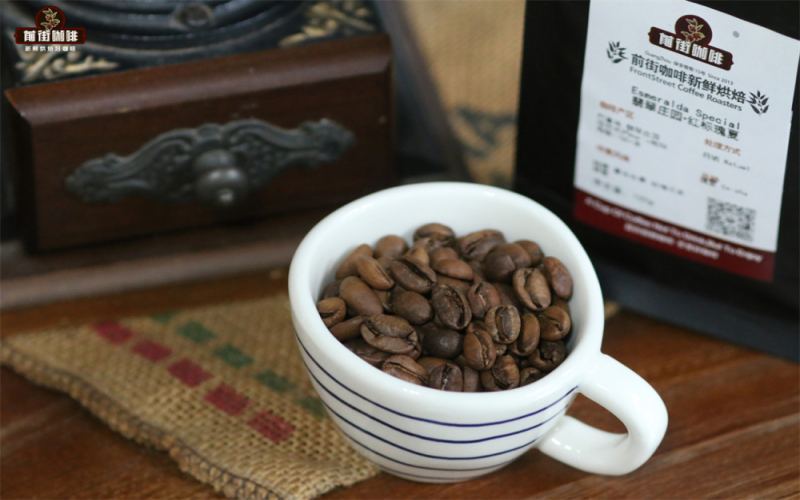
Why does Panama Red Label Geisha command such an astonishing price? A full analysis of variety characteristics, auction history, and Front Street Coffee brewing recommendations
Geisha coffee is famous for its elegant floral aroma and high price, and among them, Panama Red Label Geisha is even more of a focal point in the specialty coffee world. Starting from auction market trends, this article sorts out the multiple reasons why Geisha prices remain so high: the variety is rare, yields are extremely low, the plants are delicate, and cultivation and management are highly difficult. At the same time, it reviews how Hacienda La Esmeralda discovered and promoted Geisha's flavor, taking it from the competition stage to the world. The article also introduces the high-value Boquete region washed Geisha launched by Front Street Coffee, and includes detailed pour-over parameters and brewing steps to help coffee lovers savor the classic Geisha flavor in everyday life. [more…]
The Origin and Legacy of Ceylon Black Tea: James Taylor's Planting Legend and the Evolution of the Sri Lankan Tea Industry
Sri Lanka, formerly known as Ceylon, means "resplendent land." Even after the country was renamed in 1972, people still habitually refer to its local black tea as Ceylon black tea. The island's tea industry legend began more than two hundred years ago during the British colonial period, when Scotsman James Taylor opened the first commercial tea plantation at the Loolecondera Estate in 1867, after which Ceylon tea gradually made its way to the world. From the establishment of the Colombo tea auction to the founding of the Tea Research Institute, and from nationalization to privatization reforms, Sri Lanka's tea industry has undergone many changes and is now the world's fourth-largest tea-producing country, with annual exports of about 320,000 tons. This article traces the development of Ceylon black tea and recommends related products from Front Street Coffee, taking you through this unique piece of tea history. [more…]
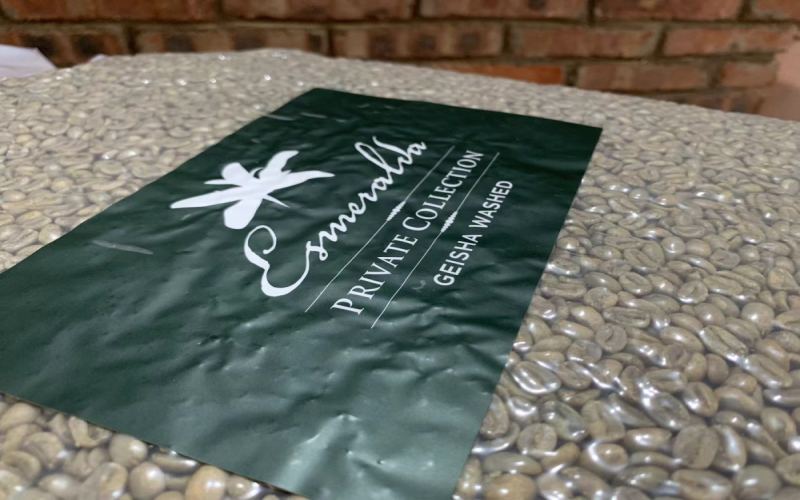
A Complete Guide to Panama Hacienda La Esmeralda Geisha Coffee: Grading Characteristics and Discovery History of Red, Green, and Blue Labels
Hacienda La Esmeralda in Panama is a legend in the specialty coffee world, and its Geisha coffee is renowned worldwide for its stunning floral and fruity aromas. This article provides a detailed analysis of the cultivation altitude, processing methods, flavor characteristics, and purchasing channels of Hacienda La Esmeralda's Red Label, Green Label, and Blue Label Geisha coffee beans, and reviews the complete story of Geisha from its discovery to fame. It also shares Front Street Coffee's roasting tests and cupping experiences with Green Label Geisha, as well as recommended pour-over brewing parameters, taking you on a comprehensive journey to understand the unique charm of this top-tier coffee. [more…]

Analysis of the Differences Between Panama Hacienda La Esmeralda Geisha Red, Green, and Blue Labels, Plus BOP Auction and Award History
Panama's Hacienda La Esmeralda Geisha coffee beans are world-renowned, but what exactly are the differences between the Red Label, Green Label, and Blue Label? From the perspective of Front Street Coffee, this article systematically sorts out the origins of the BOP (Best of Panama) green bean competition and its auction mechanism, reviews Hacienda La Esmeralda's journey from its establishment in 1964 to its rise to fame with Geisha in 2004, and analyzes in detail the microclimates and grading logic of the estate's three major plots: Jaramillo, Cañas Verdes, and El Velo. At the same time, the article will explain the definitions, altitude ranges, processing methods, and flavor characteristics of the Red Label, Green Label, and Blue Label, and provide brewing parameters recommended by Front Street Coffee, helping coffee enthusiasts fully understand the grading system and key purchasing points of Hacienda La Esmeralda Geisha. [more…]
Kenyan Coffee Past and Present: From Colonial Estates to the Auction System—A Full Breakdown of Regions, Grading, and Brewing
Kenyan coffee, with its bright and uplifting acidity, full-bodied berry flavors, and solid juicy mouthfeel, has become an irreplaceable presence in the hearts of countless coffee connoisseurs. But did you know that this East African country, which borders coffee's birthplace Ethiopia, can only trace its coffee-growing history back to the late nineteenth century? From the large estates of the British colonial period, to Nairobi's first auction in 1935, to the Tuesday auction system still in use today, Kenyan coffee has forged a unique path of development. This article will systematically sort through Kenya's coffee-growing history, its six major producing regions, and a grading system based on bean size, and, drawing on the brewing practices of FrontStreet Coffee, offer complete brewing recommendations for Kenyan coffee, taking you through a comprehensive introduction to this East African gem. [more…]

Panama BOP Competition History, Volcán Region Characteristics, and Hartmann Estate Geisha Flavor Analysis
Coffee auctions are an important force driving the development of specialty coffee, and Panama's BOP is precisely the benchmark among them. This article begins with the founding background of BOP and its first auction, sorting out how it helped Panamanian coffee emerge from a price crisis, and focuses on the Volcan region, which has performed brilliantly in recent years, introducing the region's altitude, climate, and flavor characteristics. It then delves into Hartmann Estate to learn about its history, forestland protection, and cultivated varieties, and finally brings a brewing flavor description of the Hartmann Geisha anaerobic natural beans purchased by Front Street Coffee, suitable for coffee enthusiasts to systematically understand the context of Panamanian specialty coffee. [more…]
A Complete Guide to Kenyan Coffee Beans: Origin Legends, Development History, Growing Regions, and Grading System
Kenyan coffee, with its bright and uplifting acidity, intense berry flavors, and robust juicy mouthfeel, has become the beloved favorite of countless coffee connoisseurs. From the late nineteenth century when French missionaries introduced coffee trees to this land, to today when the Nairobi auction has become one of the most transparent coffee trading platforms in the world, Kenyan coffee has traveled a unique path of development. This article will systematically review the cultivation history of Kenyan coffee, the terroir characteristics of its six core producing regions, and the green bean grading system based on bean size, while also sharing the specific parameters and techniques used by Front Street Coffee when brewing Kenyan beans, taking you through a comprehensive understanding of the charm of this East African coffee powerhouse. [more…]
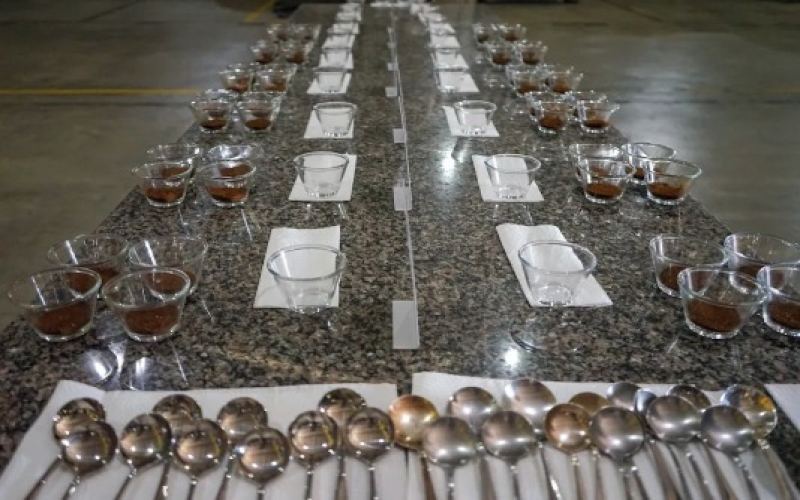
2024 the Cup of Excellence COE returns to Ethiopia.
It is known that COE is fully named "Cup of Excellen", which is translated as the Cup of Excellence. It is a coffee event first held in Brazil in 1999 by the non-profit organization the Alliance for Coffee Excellence (ACE), and it is also the first I [more…]
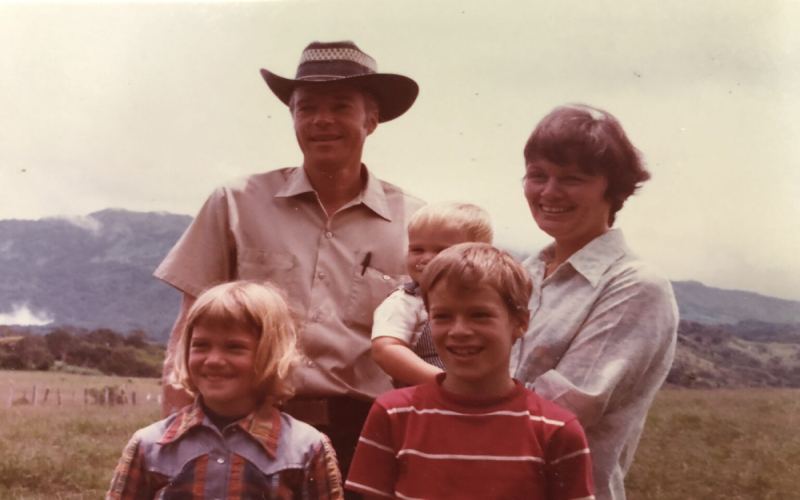
The Development History of Hacienda La Esmeralda Geisha Coffee and a Detailed Explanation of the Red, Green, and Blue Label Grade Classifications
Panama's Hacienda La Esmeralda is the starting point from which Geisha coffee rose to global fame. From the Peterson family taking over the farm in 1964 to Geisha winning first place in the BOP competition in 2004, this history became a legend in the specialty coffee world. This article will trace the evolution of Hacienda La Esmeralda's production areas and the discovery of the Geisha variety, with a focus on explaining the grading standards and differences among the three tiers: Red Label, Green Label, and Blue Label. At the same time, drawing on Front Street Coffee's sourcing experience, it will introduce the specific product information, flavor profiles, and pour-over extraction parameters for Red Label and Green Label Geisha, helping coffee enthusiasts gain a comprehensive understanding of this top-tier Geisha's origins and key tasting points. [more…]
Panama Boquete Geisha Coffee Beans: A Complete Flavor Analysis from Ethiopian Heirloom Variety to the New King of Specialty Coffee
While Jamaican Blue Mountain and Hawaiian Kona have long occupied the coffee throne, a dark horse from Ethiopia's native forests—Geisha—is rewriting the landscape of specialty coffee with hurricane force. This article takes you through Geisha's legendary journey from its discovery in 1931 to its dazzling rise at Hacienda La Esmeralda in Panama, recounting its glorious record of eleven championships and sky-high auction bids, and further, through hands-on testing with both pour-over and siphon extraction methods, deeply analyzing this bean's signature lemon-citrus aroma, honey-cream sweetness, and layer upon layer of oolong tea notes. Front Street Coffee will also share roasting and brewing insights to help you fully understand this green diamond capable of moving even the most seasoned connoisseur. [more…]
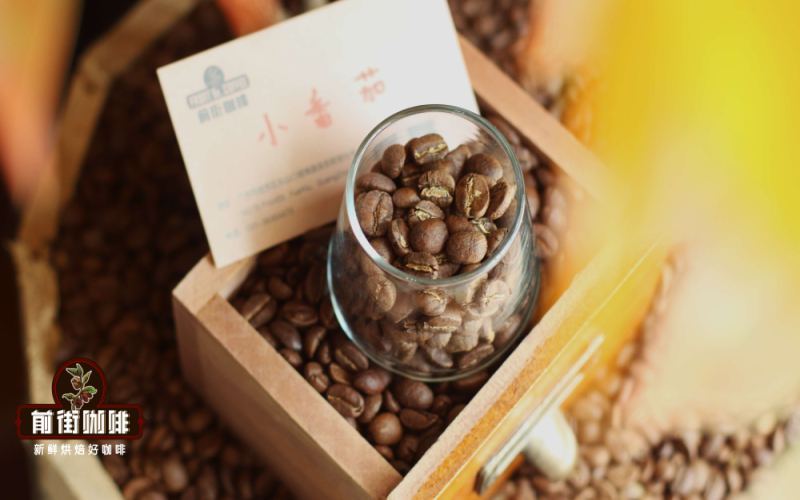
Kenya AA Washed Coffee Beans Full Analysis: From Variety Grading to K72 Processing and Pour-Over Flavor
Kenyan coffee is renowned worldwide for its vibrant acidity and full-bodied juiciness, which is distinctly different from the acidity of Ethiopian coffee. Front Street Coffee takes Kenya's colonial history as a starting point to trace the establishment of its meticulous management system, including the selection and breeding of SL28/SL34 varieties, the establishment of the auction system and grading standards, and the unique 72-hour washed fermentation process. This article will also guide you through the terroir differences of core producing regions such as Nyeri, Kirinyaga, and Muranga, and includes the complete roasting curves, cupping performance, and brewing parameters for two beans: Front Street Cherry Tomato AA TOP and Gachatha Cooperative AB, allowing you to understand the full picture of Kenyan coffee in one go. [more…]

A Complete Guide to Kenya Coffee Bean Grading: From AA to PB, What Is the Highest Grade of Green Beans?
Kenyan coffee is renowned for its intense, full-bodied fruity acidity, forming a sharp contrast with the soft, bright character of neighboring Ethiopia. This article systematically reviews the development history, growing conditions, major producing regions, variety structure, grading system, and trading models of Kenyan coffee, and provides a detailed explanation of the definitions and differences among grades such as E, AA, AB, and PB. At the same time, Front Street Coffee draws on its roasting and cupping experience with multiple Kenyan beans to share the flavor performance and pour-over recommendations for two beans, Asaliya and Sasini Estate PB, guiding you through a comprehensive understanding of Kenya's coffee quality system. [more…]
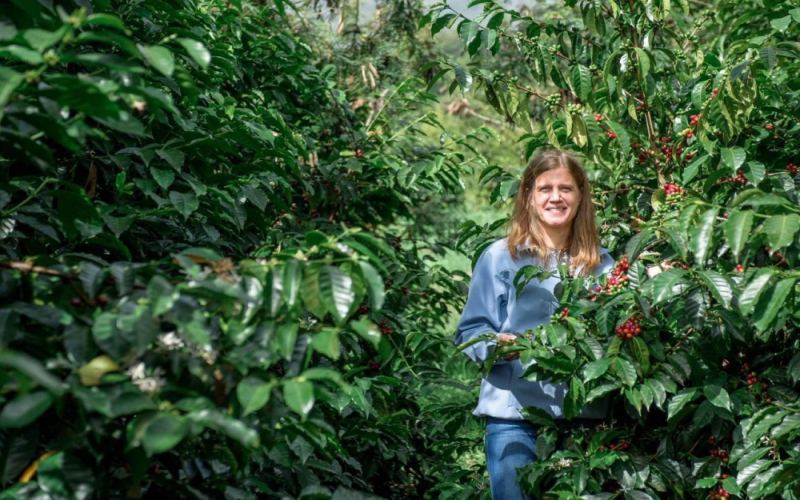
Comparison of Geisha Grades from Panama's Hacienda La Esmeralda: An Analysis of Flavor and Altitude Differences Across Auction, Red Label, Green Label, and Blue Label
Hacienda La Esmeralda in Panama is world-renowned for its Geisha variety, and its four major grades—Auction, Red Label, Green Label, and Blue Label—often confuse coffee lovers. From the perspective of Front Street Coffee, this article sorts out the history of Hacienda La Esmeralda and the logic behind its plot divisions, and explains in detail the specific differences among the grades in planting altitude, plot source, processing method, and cupping performance. Through actual roasting curves and brewing comparisons, it presents the flavor trends of Red Label, Green Label, and Blue Label Geisha in floral aroma, fruit acidity, sweetness, and body, helping readers understand how altitude classification and blending models affect the final expression of a cup of Geisha. [more…]
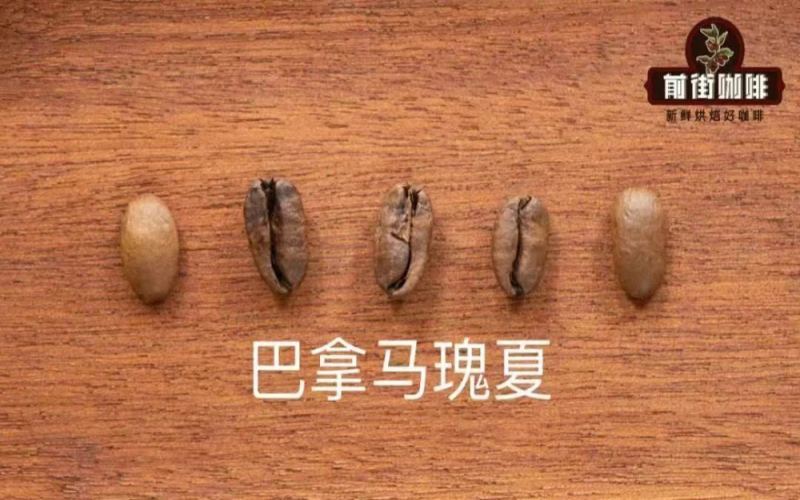
The Development History of Panama Hacienda La Esmeralda Geisha Coffee Beans and How to Identify the Differences Between the Red, Green, and Blue Label Geishas
Geisha coffee occupies a pivotal position in the world of specialty coffee, and the Geisha produced by Panama's Hacienda La Esmeralda is the benchmark for this variety. This article begins with the origin of the name Geisha, reviews how Hacienda La Esmeralda transformed from a dairy-focused farm into a specialty coffee mecca, and how its 2004 BOP victory rewrote the history of specialty coffee. The article focuses on sorting out the grading criteria, altitude ranges, flavor profiles, and market positioning of Hacienda La Esmeralda's three product lines: Red Label, Green Label, and Blue Label, and introduces the emergence of the "Volcanic Rock" Geisha after the discontinuation of Blue Label. Front Street Coffee also shares Geisha coffee brewing parameters and suggestions to help readers fully understand this legendary variety. [more…]
An In-Depth Analysis of Kenyan Specialty Coffee Beans: Regions, Varieties, Grading, and Front Street Recommendations
Kenyan coffee, with its intense and full-bodied fruit acidity, uniform bean size, and exceptional fruity flavors, has always held a unique position in the specialty coffee world. Unlike Ethiopia's gentle and translucent character, Kenya's acidity is more impactful and layered. This article will systematically examine the full picture of Kenyan coffee, from its development history, growing conditions, major producing regions, variety selection and breeding, grading system, to its auction trading model. At the same time, drawing on Front Street Coffee's cupping and brewing practices, it will take an in-depth look at the flavor differences between two beans—Asalia AA TOP and Sasini Estate PB—to provide coffee enthusiasts with a complete guide to Kenyan coffee. [more…]
A Detailed Guide to Panama Hacienda La Esmeralda Geisha Grades: Flavor Differences and Buying Guide for Red, Green, and Blue Labels
The Geisha coffee from Panama's Hacienda La Esmeralda is nothing short of a legend in the specialty coffee world, yet the differences between the Red Label, Green Label, and Blue Label often leave enthusiasts puzzled. This article begins with the estate's history, tracing how the Peterson family transformed a retired farm into a world-class coffee estate, then takes a deep dive into the growing altitudes, cupping standards, processing methods, and flavor profiles of the three grades of Geisha. Whether you want to understand what makes the auction lots so precious or are looking for a high-value everyday Geisha, Front Street Coffee's recommendations and brewing parameters can serve as your reference. [more…]

A Complete Guide to Panama's Elida Estate: The Flavor and Mouthfeel of Boquete Region Green Tip Geisha Natural Coffee
In this year's Panama BOP Geisha auction, Elida Estate's natural Geisha set a new record at $10,013 per pound, becoming the top lot. This is not the estate's first time at the top—it has won the BOP championship multiple times and was the first-ever double champion in Geisha history, with a number of wins second only to Hacienda La Esmeralda. Elida Estate was established in 1918 and officially upgraded to a century-old prestigious estate in 2018. It is now managed by the fourth generation of the Lamastus family, and in recent years it has also acquired the high-altitude El Burro Estate as the family's fifth estate. The Elida Geisha cupped by Front Street Coffee this time displays rich flavors of pomegranate, peach, white florals, grape, and black tea, with extremely high sweetness, rounded acidity, and a silky mouthfeel. This article will take you deeper into the history and charm of this legendary estate. [more…]
A Complete Guide to Panama Hacienda La Esmeralda Geisha Grades: Red, Green, and Blue Label Flavors, Auction Prices, and Brewing Comparison
Panama's Hacienda La Esmeralda is the discoverer and promoter of Geisha coffee, and its Geisha product line is divided into three grades: Red Label, Green Label, and Blue Label, which share a similar main profile but show a tiered, escalating relationship. Front Street Coffee's bean list carries all three of these Geisha offerings at the same time, aiming to let coffee lovers gradually experience the unique charm of Geisha from the basic version to the top version. This article will start with the terroir of the Panama producing region, the history of Geisha's introduction from Africa to Panama, and Hacienda La Esmeralda's plot divisions and grading system, then compare in detail the roasting curves, cupping flavors, and brewing suggestions of Red Label, Green Label, and Blue Label, and answer the question of whether auction lots are necessarily superior to non-auction lots, providing coffee lovers with a complete guide to purchasing and tasting Hacienda La Esmeralda Geisha. [more…]