







Search Results for: Tanzanian coffee regions

Tanzanian Coffee Flavor Characteristics and Producing Region Analysis: Kilimanjaro vs. Southern Bean Comparison
Tanzanian coffee is known for its full body, mild acidity, and rich aroma, and has been praised by Europeans as the "gentleman of coffee," standing alongside Blue Mountain and Mocha as the "Three Musketeers of Coffee." Front Street Coffee guides you through Tanzanian coffee's varietal origins, the terroirs of its three major producing regions, its grading system, and its washed processing method, and compares the flavor differences between Kilimanjaro and southern coffee beans. The article also includes the roast profiles, cupping reports, and V60 brewing parameters for two Front Street Tanzanian beans, making it ideal reading for enthusiasts who want to gain a deeper understanding of East African specialty coffee. [more…]
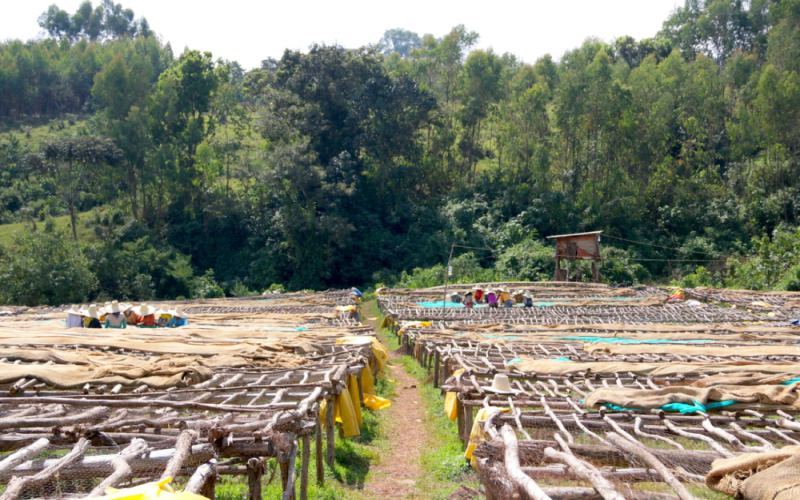
A Complete Guide to Tanzanian Coffee Flavors: Characteristics of Kilimanjaro and the Southern Regions, with Front Street Brewing Suggestions
Tanzania is an important specialty coffee-producing country in East Africa, and the coffees from its Kilimanjaro region and southern regions each have their own characteristics. The Tanzanian specialty coffees on Front Street Coffee's bean list have a pleasant acidity reminiscent of citrus and stone fruit, along with nutty and caramel notes, an overall balanced profile with low bitterness, and are suitable for various brewing methods such as pour-over, cold brew, and moka pot. This article provides a comprehensive overview of the flavor characteristics of Tanzanian coffee, from terroir, varieties, washed processing, green bean appearance, and roasting approach to cupping and brewing parameters, and compares the differences between the Kilimanjaro and southern regions, helping coffee enthusiasts make choices based on their taste preferences. [more…]

A Complete Analysis of Tanzanian AA Coffee Beans: Flavor Characteristics, Historical Origins, and Pour-Over Parameters
On the African coffee map, Tanzania is often overshadowed by the limelight of Ethiopia and Kenya, but its coffee strength is equally not to be underestimated. In this article, Front Street Coffee will take you on an in-depth look at Tanzanian AA coffee beans—from the growing conditions of the Kilimanjaro volcanic production region and the origins of the Bourbon variety, to the washed processing method and grading system, and then to specific pour-over recommendations and flavor performance. Whether you are a beginner just getting into African beans or a seasoned connoisseur looking for citrus and berry notes, this article can help you fully understand this underrated high-quality coffee. [more…]

An In-Depth Analysis of Tanzanian Coffee Flavors: Comparing Kilimanjaro and Southern Production Regions with Front Street Brewing Recommendations
Tanzania is a major coffee-producing country in East Africa, and the Kilimanjaro region is a representative of specialty coffee. The Kilimanjaro coffee on Front Street Coffee's bean list presents honey-like sweetness with citrus and nutty notes, showcasing the washed Typica variety. Based on Front Street's cupping and brewing practice, this article explains in detail the flavor differences between Kilimanjaro and the southern producing regions, processing methods, and variety characteristics, and shares parameter ideas for medium-light roasting and three-stage brewing, helping coffee lovers understand the rich body and unique acidity of Tanzanian coffee. [more…]
A Comprehensive Analysis of the Flavor Characteristics, Processing Methods, and Prices of Tanzanian Specialty Coffee Beans
Tanzanian coffee comes from the heart of the East African Rift Valley, with the Moshi area around Mount Kilimanjaro as its core producing region, where fertile volcanic ash soil gives the coffee a rich body and soft acidity. This article focuses on Front Street Tanzanian coffee, detailing its flavor profile—crisp acidity, medium body, interwoven sweet citrus and floral notes, along with wine and fruity aromas, and the round mouthfeel brought by the washed processing method. It also introduces the stylistic differences between the two major producing regions of Kilimanjaro in the north and Ruvuma in the south, the history of Bourbon variety introduction and the smallholder coffee farming structure, and compares the similarities and differences with Front Street Kenyan coffee, providing coffee enthusiasts with a comprehensive reference for purchasing and tasting Tanzanian specialty coffee beans. [more…]

Is Tanzanian coffee bitter? A full analysis of Kilimanjaro pour-over parameters and flavor cupping
On the African coffee map, Tanzania is often overshadowed by the brilliance of Ethiopia and Kenya. In this article, Front Street Coffee takes you deep into the Kilimanjaro region, breaking down variety, processing method, roasting, cupping, and pour-over parameters one by one. Is Tanzanian coffee actually bitter? How do its sweetness, acidity, and floral-fruity aromas perform? And how can you maximize its strengths and minimize its weaknesses through brewing? We'll also compare the flavor differences with Bourbon varieties from the southern regions, helping you gain a comprehensive understanding of this East African origin known as the "coffee gentleman." [more…]
An In-Depth Analysis of Tanzania's Coffee Bean Grading System and the Flavor of the Kilimanjaro Region
Tanzanian coffee is grown in the fertile soils of the East African Rift Valley, structured around bright acidity and medium body, interwoven with blackcurrant, sweet citrus, and floral notes, suitable for both hot and iced drinks. This article systematically reviews its washed processing characteristics, estate bean grading logic, and transportation aging risks, explains in detail the terroir of core producing regions such as Kilimanjaro, Moshi, and Arusha, and introduces representative brands such as Africafe and Tanica Cafe as well as the cultural origins of the "coffee gentleman." It also focuses on industry developments such as Tanzania's promotion of domestic sales and the addition of six new coffee-producing regions, providing coffee enthusiasts with a comprehensive and professional guide to the producing region. [more…]
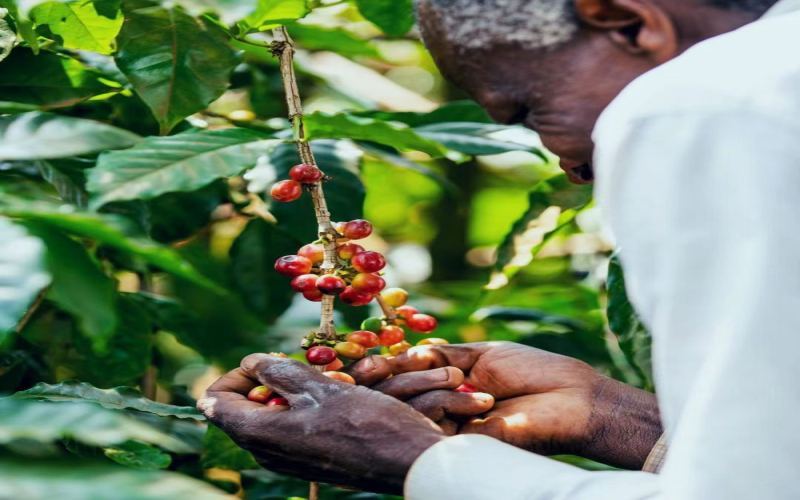
An Analysis of the Flavor Characteristics and Traditional Washed Processing Methods of Tanzanian Coffee Growing Regions
Tanzania is located in East Africa, adjacent to Kenya. Although Kenya is more famous in the specialty coffee circle, Tanzanian coffee has won the favor of many enthusiasts with its soft acidity, light sweet aroma, and gentle mouthfeel. This article will guide you through the history of coffee cultivation in Tanzania, the terroir characteristics of the Kilimanjaro region, the main washed processing methods, and the brewing parameters recommended by Front Street Coffee. From the introduction of seeds from Réunion Island to the current annual production of about 60,000 tons of green beans, the Tanzanian coffee industry has undergone a transformation from estate dominance to smallholder cooperative organizations. The fertile soil and diverse ecology of the Kilimanjaro volcanic region provide an excellent growing environment for the Typica variety, and after washed processing, it presents rich layers of citrus, berries, honey, and tea-like notes. [more…]
A Complete Guide to Tanzanian Coffee Regions: Flavor Analysis and Green Bean Grading Standards
Tanzania is an important coffee-producing country in East Africa, and its green bean grading system is similar to Kenya's, with screen size as the core criterion. The official top grade is AAA, while terms such as AA top and AB plus are names created by private green bean traders after secondary screening based on official specifications. Tanzania's annual production is about 50,000 tons, comparable to Kenya's. The earliest Arabica seeds came from Réunion Island, and planting on the slopes of Mount Kilimanjaro in 1893 achieved the greatest success. This article will comprehensively introduce Tanzanian coffee from the aspects of regional flavor, historical origins, producing area distribution, and the cooperative system, and use washed Kilimanjaro coffee as an example to present Front Street Coffee's roasting and brewing plan, bringing you a feel for its unique charm of balanced mildness and rich sweet aroma and red wine notes. [more…]

Tanzania Kilimanjaro Coffee Flavor Analysis: A Complete Guide to Washed AA Grade, Cupping, and Brewing
Tanzania is an important coffee-producing country in East Africa, with the Kilimanjaro region being its most representative production area. Starting from the Tanzanian Kilimanjaro coffee on Front Street Coffee's bean list, this article examines its variety origins, washed processing flow, Typica bean shape characteristics, and AA grading standards, and records the cupping performance and brewing parameters after a medium-light roast. The article also compares the cupping differences of washed Bourbon from southern Tanzania, presenting the different directions of coffee from the two regions in terms of acidity, sweetness, and aroma, helping coffee enthusiasts understand the full flavor profile of Tanzanian coffee and how to choose. [more…]
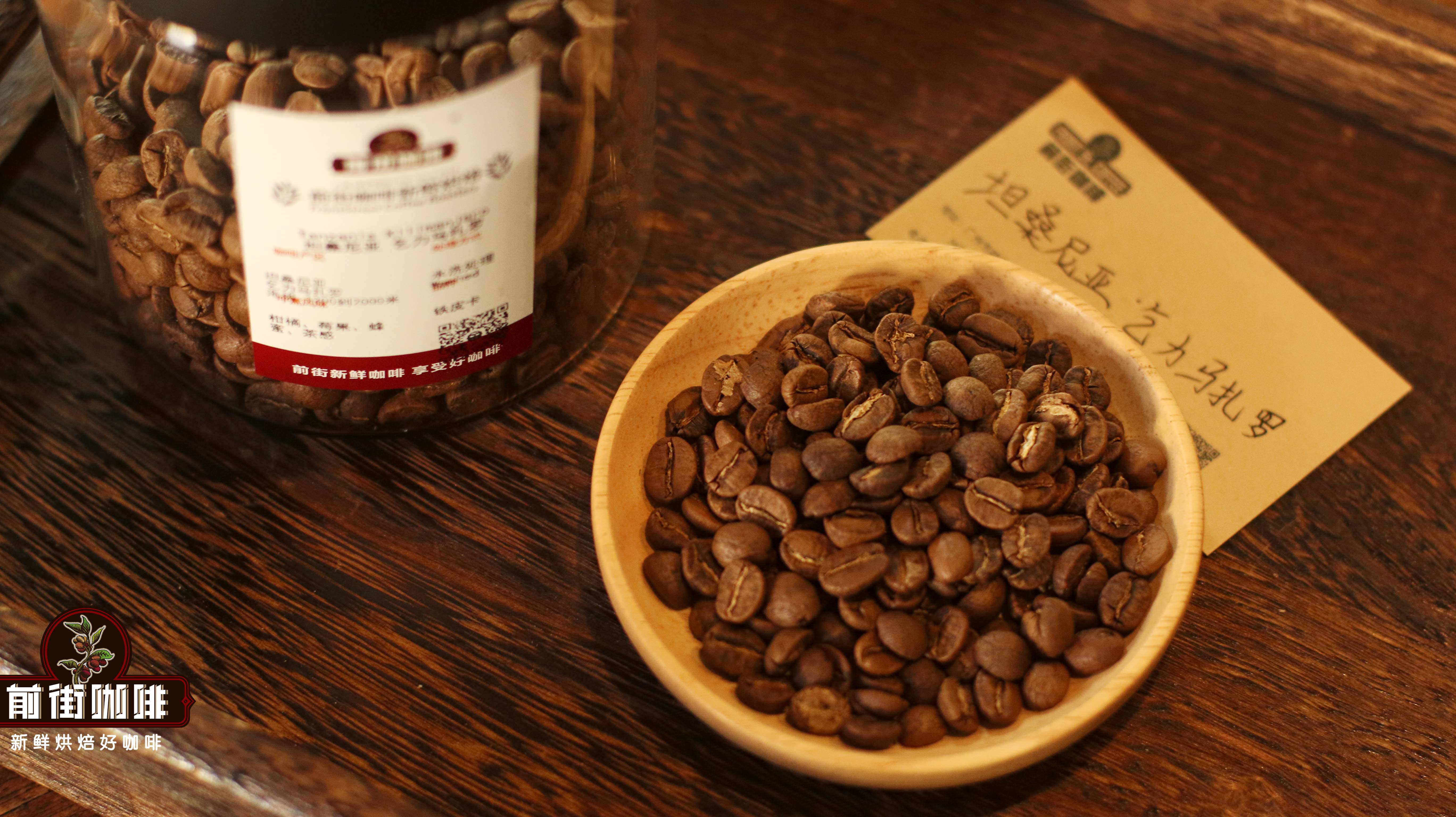
An Analysis of Tanzania's Coffee-Growing Regions and Their Characteristics, with Recommendations for Specialty Brands Such as Kilimanjaro
Tanzania is an important specialty coffee producer in East Africa, known for its soft and gentle acidity, sweet aroma, and full body, with Kilimanjaro coffee being the most famous. This article will systematically review the characteristics of its cultivation origins from aspects including the historical origins of Tanzanian coffee, the introduction of Bourbon and Kent varieties, the terroir differences among the three major producing regions in the north and south, the washed processing method, and the grading system. At the same time, Front Street Coffee will use Kilimanjaro AA washed beans as an example to share the roasting curve, cupping report, and V60 brewing parameters, helping coffee enthusiasts gain a more comprehensive understanding of the flavor performance and tasting key points of Tanzanian coffee. [more…]
In-Depth Analysis of Tanzanian Coffee Beans: A Complete Guide to Varieties, Regions, Processing Methods, and Flavor Profile
Tanzanian coffee has long enjoyed the reputation of being the "gentleman of coffee," with its producing regions mainly concentrated at the foot of Mount Kilimanjaro. Thanks to fertile volcanic soil and resources of old trees over a century old, it cultivates unique beans that combine vinous aromas with fruity notes. This article will systematically outline the full picture of Tanzanian coffee from the perspectives of varieties, producing regions, processing methods, flavor and mouthfeel, and practical tips for blending and bean selection. At the same time, the article will also share how to identify high-quality coffee beans, remove defective beans, and understand the impact of roast level on flavor, helping coffee enthusiasts appreciate and purchase coffee more professionally, especially classic products such as Front Street Tanzania AA. [more…]
A Complete Analysis of Tanzanian Coffee Bean Flavor Characteristics, Varieties, and Origins: Why Kilimanjaro Coffee Is Called the Coffee Gentleman
Tanzania is an important specialty coffee-producing country in East Africa, known for its soft and gentle acidity, rich sweet aroma, and full-bodied mouthfeel, with the Kilimanjaro region being the most famous. This article will systematically examine the flavor characteristics and origin stories of Tanzanian coffee beans from the perspectives of variety sources, producing regions, grading systems, and washed processing methods, and compare their similarities and differences with neighboring Kenya coffee. Front Street Coffee will also share the roasting approach, cupping report, and brewing parameters for Kilimanjaro AA-grade coffee beans, providing coffee enthusiasts with complete origin knowledge and practical reference. [more…]
Flavor Analysis of Tanzanian Coffee Regions: A Comparison of Kilimanjaro and Southern Beans and the Washed Grading System
Tanzania is an important specialty coffee-producing country in East Africa, known for its washed processing, bright acidity, and soft sweetness. This article systematically examines the origins and varieties of Tanzanian coffee, the terroir differences of its main producing regions (Kilimanjaro, Ruvuma, and Mbeya), its grading system and washing process, and compares its flavor with that of neighboring Kenya. It also combines the cupping and brewing parameters of Front Street Coffee's Kilimanjaro AA beans to present a complete flavor trail from producing region to cup, making it suitable for enthusiasts who want a deeper understanding of East African coffee. [more…]
Tanzania Coffee Producing Country Full Analysis: Grading, Main Regions, and Kilimanjaro Flavor Guide
Tanzania is an important Arabica coffee-producing country in East Africa. Its coffee is renowned for its soft and gentle acidity, rich sweet aroma, and full-bodied texture, and is known as the "coffee gentleman." This article systematically reviews the historical origins of Tanzanian coffee, its main producing regions (Kilimanjaro, Ruvuma, Mbeya), its grading system based on bean size (AA, AB, PB, and C grades), and its washed processing flow, and compares the flavor differences between coffee beans from Kilimanjaro and the southern producing regions. At the same time, by combining Front Street Coffee's roasting curves, cupping reports, and brewing parameters, it provides coffee enthusiasts with a complete reference from origin to cup. [more…]
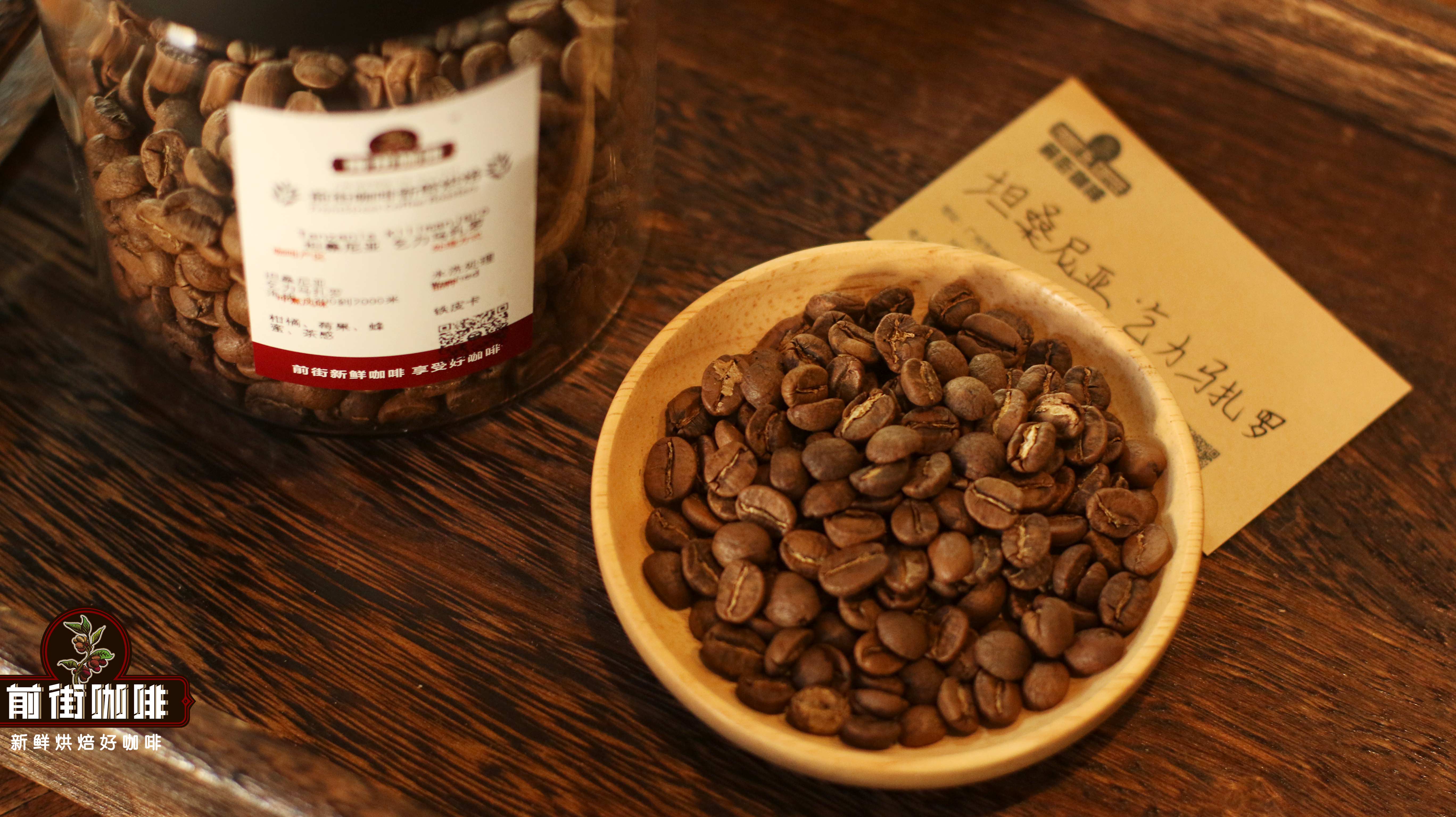
A Complete Analysis of Tanzanian Coffee Flavors: From Kilimanjaro to Ruvuma, Taste Characteristics and Regional Differences
Tanzania is located in East Africa, bordered by Kenya and Uganda to the north, Malawi, Mozambique, and Zambia to the south, and Rwanda and Burundi to the west. Although Tanzanian coffee is less famous than that of its neighbor Kenya, its annual output is almost on par with Kenya's, reaching about 50,000 tons. The earliest Arabica seeds were introduced from the French island of Réunion and planted in Bayamoyo and Mogoro. In 1893, cultivation on the slopes of Mount Kilimanjaro achieved the greatest success, and in the 1950s the crop was introduced from Burundi to the west. At present, high-altitude growing areas account for 75%, and wild coffee still appears from time to time. Unlike most African producing countries, Tanzania uses sisal-leaf fiber bags to ship coffee beans in order to protect its domestic sisal industry. This article will comprehensively review the distribution of Tanzanian coffee regions, variety characteristics, grading system, and processing methods, and, combined with Front Street Coffee's roasting and brewing practices, present its unique flavor. [more…]
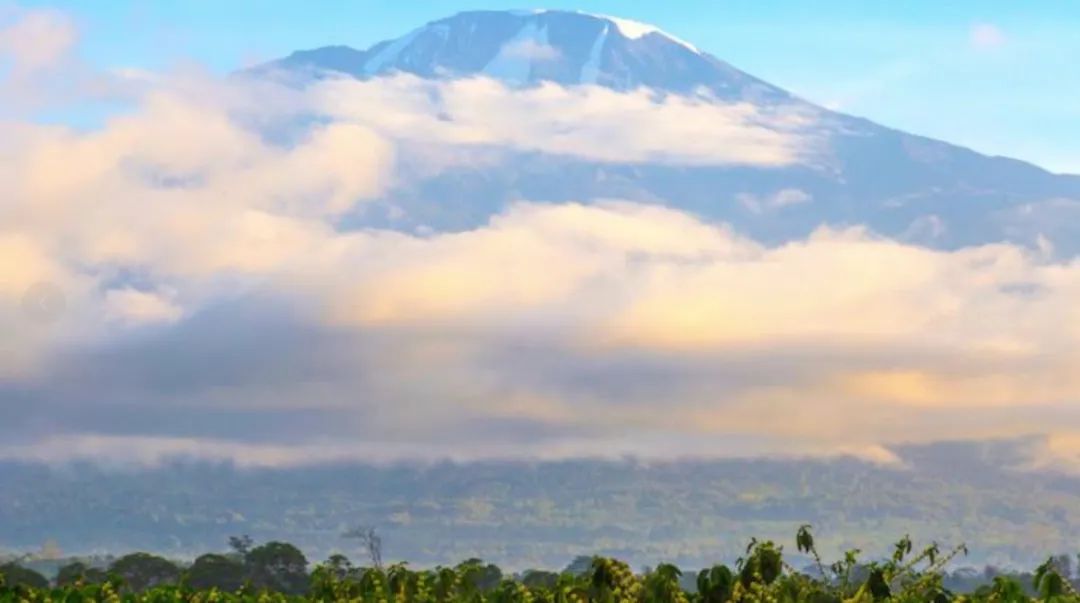
Tanzanian Coffee Beans | What Are the Characteristics of Tanzania Kilimanjaro Coffee Beans, Ranked Among the Top Ten in the World?
Today's Front Street Tanzania Kilimanjaro coffee beans come from the Kilimanjaro volcanic region in northern Tanzania, at an altitude between 1,300 and 2,000 meters. Mount Kilimanjaro is the highest peak on the African continent. The fertile volcanic ash provides abundant nutrients for coffee cultivation, while the high-altitude environment creates [more…]
Regional Differences and Flavor Characteristics of Tanzanian Coffee Beans, with a Discussion of the Award-Winning Background of Kilimanjaro Peaberry
Tanzania is an important coffee-producing country in East Africa, and its coffee is known for its soft acidity, raisin-like sweetness, and red wine notes. This article begins with the blend sources of Front Street Tanzania coffee, sorts out the flavor differences among producing regions such as Kilimanjaro in the north and Ruvuma in the south, and introduces the history of the introduction of Bourbon and Kent varieties, the washed processing method, and the causes and grading of peaberry (PB). It also reviews the history of the country's coffee industry, which has experienced ups and downs due to political conditions and pests and diseases, as well as the shift from estate dominance to the rise of smallholder cooperative organizations. The article also includes specific product information and tasting notes for Front Street Kilimanjaro Peaberry, making it suitable for coffee lovers to gain a comprehensive understanding of the unique characteristics of Tanzanian coffee. [more…]

The Flavor Map of Tanzanian Coffee: From Kilimanjaro to Ruvuma, How Altitude and Variety Shape the Character in the Cup
Tanzania is an important coffee-producing country in East Africa, with a longer planting history than Kenya, and an annual output of about 50,000 tons, comparable to Kenya. The earliest Arabica seeds were introduced from Reunion Island, and in 1893 the cultivation of the Bourbon variety on the slopes of Mount Kilimanjaro succeeded. Later, in the 1950s, more varieties were introduced from Burundi. Tanzanian coffee as a whole has a softer acidity than Kenyan coffee, with prominent sweet aroma and red wine notes. The northern Kilimanjaro producing region and the southern Ruvuma producing region each have their own distinctive styles. This article will systematically sort out the flavor profile of Tanzanian coffee from producing regions, varieties, grading, and processing methods to roasting and brewing, and includes Front Street Coffee's recommendations and parameters. [more…]
Tanzanian Coffee Full Analysis: AA-Grade Flavor and Mouthfeel, Kilimanjaro Region and Processing Methods
Tanzania, as a major coffee-producing country in East Africa, is known for its Kilimanjaro AA-grade beans, which are celebrated for their plump size and pure flavor. Front Street Tanzania AA, as the highest-grade representative of the country, has a mild and even acidity, with a unique texture reminiscent of tomato or soda, and a rich aroma after medium or darker roasting. From its development during the German and British colonial periods to the boost given by Hemingway's novels, Tanzanian coffee has earned the reputation of "coffee gentleman" and is known, along with Blue Mountain and Mocha, as one of the "Three Musketeers of Coffee." This article will explore Front Street Tanzanian coffee beans from multiple dimensions, including their characteristics, flavor description, mouthfeel, varieties, origin, and processing methods, to give you a comprehensive understanding of the unique charm of this famous East African specialty. [more…]