








How does Kilimanjaro coffee fit Tanzania's grading system?
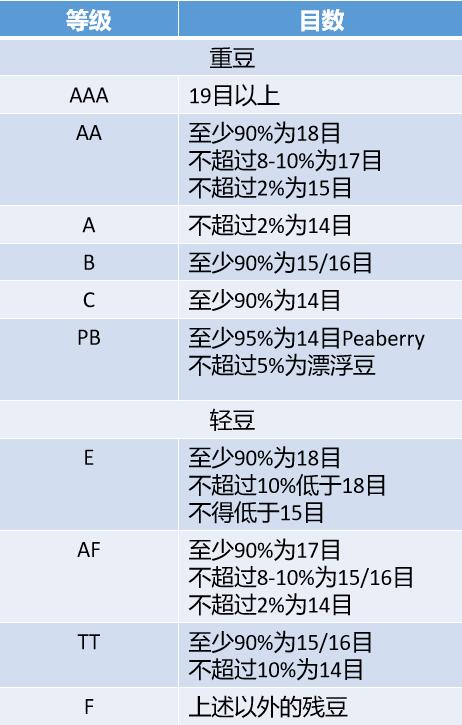
Tanzania grades its green coffee mainly by screen size, much like Kenya, and its official top grade is AAA. Names such as AA Top and AB Plus are not official grades; private green bean traders apply them after re-screening batches that already carry official specifications. Annual output is roughly 50,000 tons, close to Kenya's.
Arabica first reached Tanzania from Réunion Island, and planting on the slopes of Kilimanjaro in 1893 was the most successful attempt. Washed Kilimanjaro coffee from Tanzanian AA is balanced and soft, with a sweet aroma and pronounced red wine notes. Compared with Kenyan beans, its bright acidity is milder, and smallholder coffee farms supply most of the crop.
Tanzania is an important coffee-producing country in East Africa, and its green bean grading system is similar to Kenya's, with screen size as the core criterion. The official highest grade is AAA, while terms like AA Top and AB Plus are names created by private green bean traders after secondary screening based on official specifications. Tanzania's annual production is about 50,000 tons, comparable to Kenya's. The earliest Arabica seeds came from Réunion Island, and planting on the slopes of Kilimanjaro in 1893 achieved the greatest success. This article will comprehensively introduce Tanzanian coffee from aspects such as regional flavor, historical origins, producing areas, and the cooperative system, and use washed Kilimanjaro coffee as an example to present Front Street Coffee's roasting and brewing plan, bringing you its unique charm of balance and softness, sweet aroma, and rich red wine notes.
The green bean grading system for Tanzanian coffee is similar to Kenya's, mainly classified by bean screen size.
The official highest grade for Tanzanian green beans is AAA. As for names like AA Top and AB Plus, these are actually titles higher than AA that private green bean traders give after secondary screening from batches marked with official specifications. Front Street's Kilimanjaro coffee beans come from Tanzanian AA, are washed processed, and have a balanced and soft flavor. Next, let us learn about relevant knowledge of this origin together.
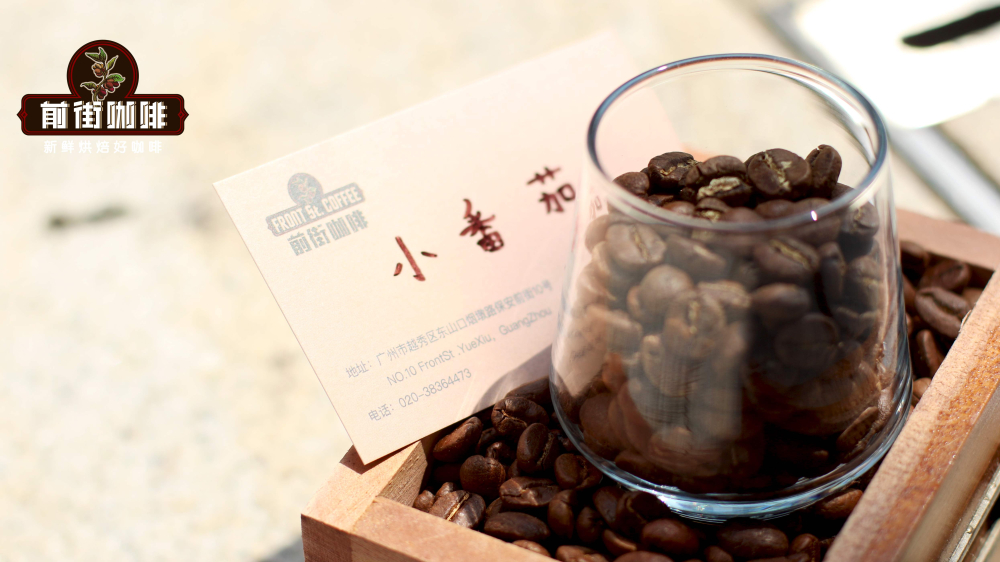
Kenyan coffee wins the favor of many friends who prefer light-roasted acidic coffee with its bright acidity. Next to Kenya, there is a country with an even longer coffee-growing history that has been rebuilding in recent years and is rapidly catching up with Kenyan coffee. Front Street Coffee (FrontStreet Coffee) will introduce this time none other than Kenya's close neighbor—Tanzanian coffee.
Tanzania is a typical East African country, bordered by Kenya and Uganda to the north, Malawi, Mozambique, and Zambia to the south, and Rwanda and Burundi to the west. Many people like to compare Tanzanian coffee with neighboring Kenya. Compared with high-quality Kenyan coffee beans, Tanzanian coffee has slightly weaker bright acidity, showing a softer and gentler beauty, with a more prominent sweet aroma. A strong red wine note is also a major characteristic of Tanzania.
Although less famous than Kenyan beans, Tanzania's annual production is almost equal to Kenya's, reaching 50,000 tons. The earliest Arabica seeds were introduced from French Réunion Island and planted in the Bayamoyo and Mogoro producing areas. In 1893, the beans planted on the slopes of Kilimanjaro became the most successful coffee beans. Other varieties were also introduced successively from neighboring Burundi in the 1950s and planted in western Tanzania. At present, they are mainly grown in high-altitude areas, accounting for 75%, and local wild coffee continues to appear.
Unlike most African producing countries, Tanzania's coffee bags are not the common jute bags, but rough fiber bags made from agave leaves. This is because the local government banned the use of jute bags to protect Tanzania's sisal industry.
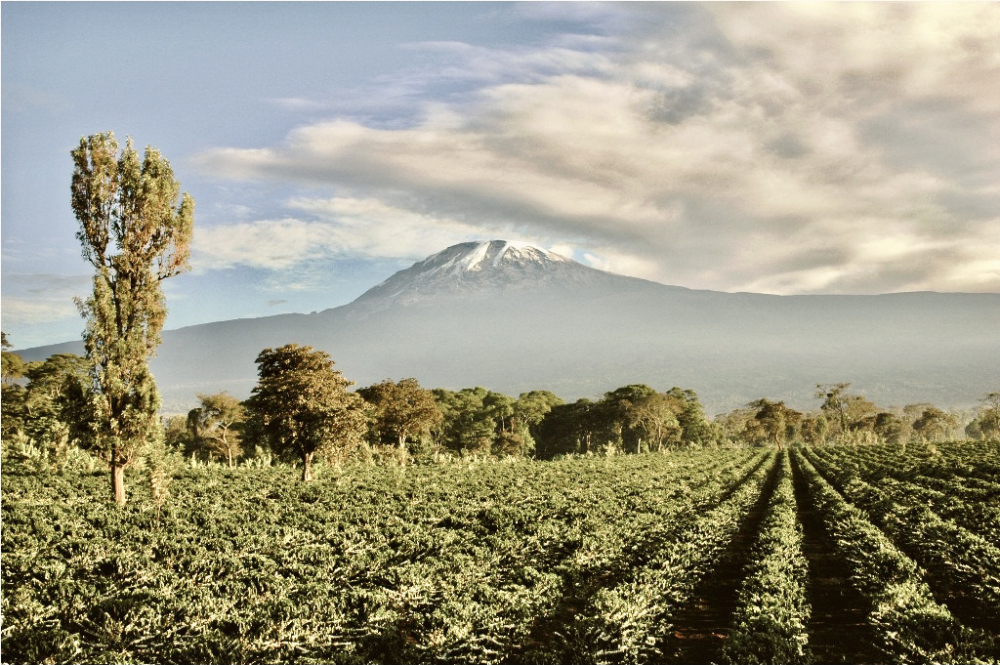
In northeastern Tanzania stands Africa's highest peak, Mt Kilimanjaro. After World War I, the region was called a mandate and was once under British colonial rule, becoming independent in 1964. Bourbon-lineage coffee was first introduced for planting as early as 1893. The green bean processing method is mainly washing. Good-quality high-altitude Tanzanian coffee, like Kenyan coffee, has active and bright acidity.
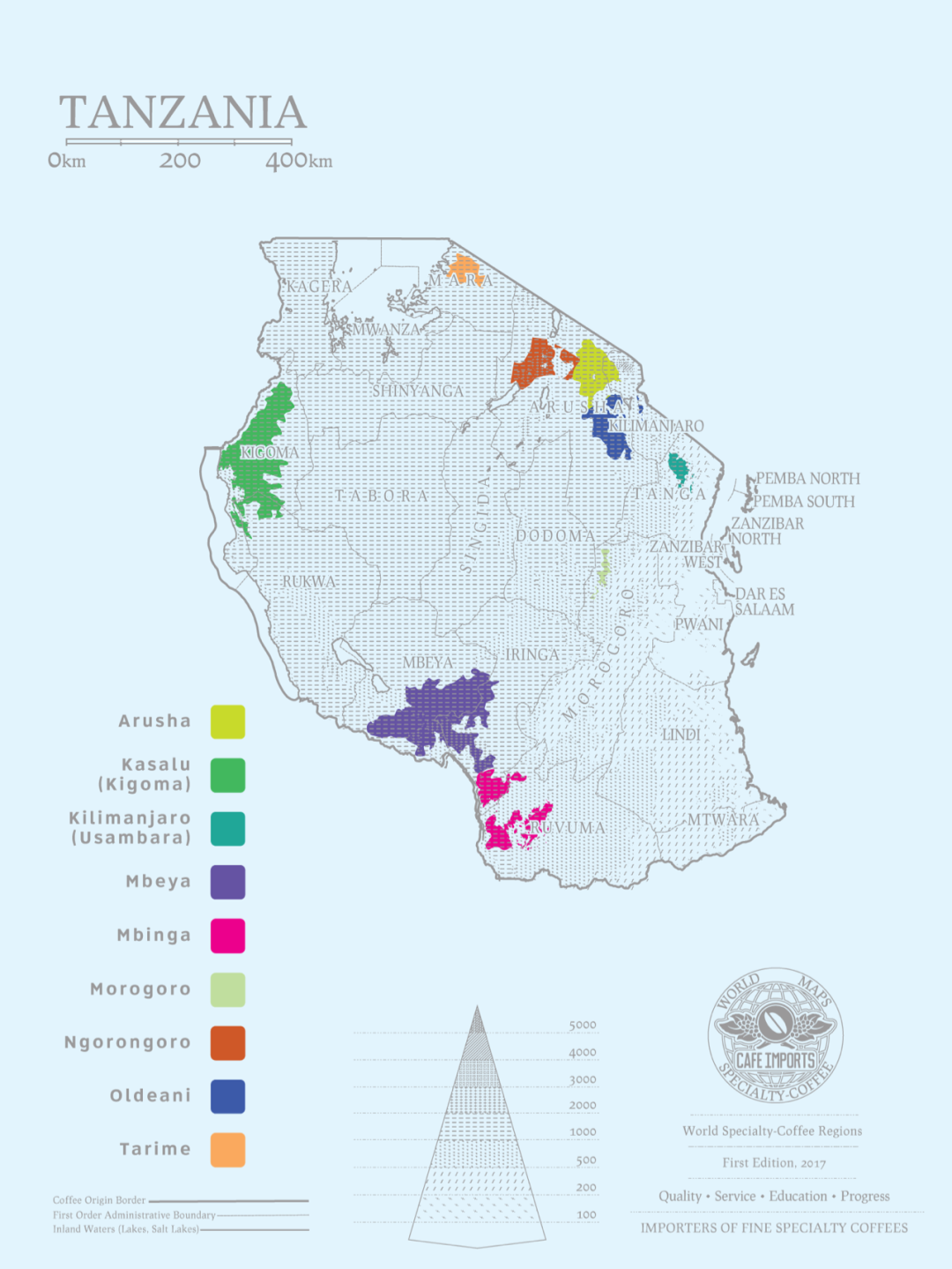
The northern Tanzanian coffee producing areas include Moshi, Mbeya, and other areas around the highlands at the foot of Kilimanjaro, while to the south the main area is the Songea-Ruvuma area through which the Ruvuma River flows. Due to different growing terrain, the styles differ slightly. Coffee produced in the Ruvuma area in southwestern Tanzania has vinous and fruity aromas, different from coffee in the northern area near Mt Kilimanjaro.
Kilimanjaro Volcano is located in northeastern Tanzania and is also Tanzania's largest coffee-producing area, accounting for 75%. Generally speaking, Tanzanian coffee beans have extraordinary quality. Important producing areas are in the northern mountainous areas near Kenya. Smallholder coffee farmers account for 85%. Local smallholder coffee farmers grow coffee at altitudes between 1,300 and 2,000 meters. Its coffee flavor differs from the characteristics of neighboring Ethiopia and Kenya, combining features of both countries, with good body as well as fruity and floral aromas. It is a coffee worth trying.
Kilimanjaro Coffee Politics
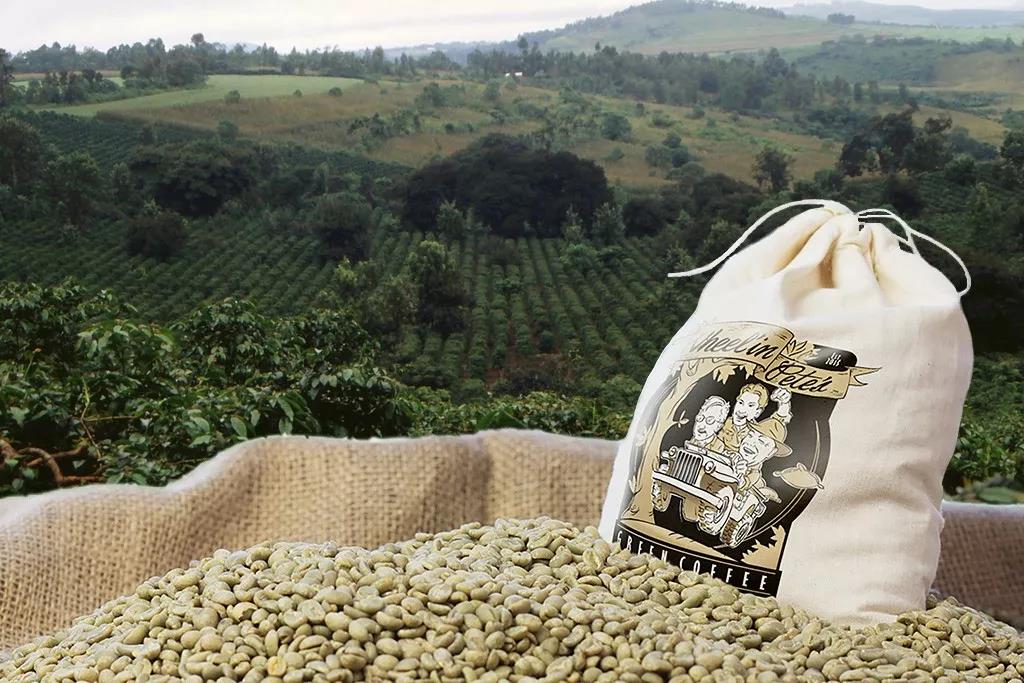
The coffee politics of the Kilimanjaro region are still very fragile. A bit of history: for example, in 2005, Peet's Coffee & Tea launched a Tanzanian coffee bean from Kilimanjaro. They purchased this coffee from 839 small-scale growers, and for the second consecutive year, they were able to sell directly to coffee roasters without participating in the national coffee auction.
In 2000, Peet began cooperating with the Kilimanjaro Specialty Coffee Growers Association (KILICAFE). By 2005, the association had grown to more than 8,000 small coffee growers. One goal was to improve the quality and consistency of Kilimanjaro coffee beans. By bypassing the national coffee auction and selling directly to coffee roasters, farmers received higher prices, and the quality of top coffee also improved greatly.
In the past, the Kilimanjaro Coffee Growers Association (KiliCafe) was part of Starbucks Coffee and Farmer Equity (CAFE) program, establishing long-term best production practices.
Kilimanjaro Native Cooperative Union
The Kilimanjaro Native Cooperative Union (KNCU) is Africa's oldest cooperative, and coffee is their most important cash crop. They grow on the volcanic soil of Kilimanjaro and produce wet-processed (washed) Arabica coffee. Coffee trees are often intercropped with bananas.
More than 150,000 smallholders from nearly 100 village societies supply about 5,300 tons of Arabica coffee to KNCU. This coffee accounts for about 60% of the region's coffee, although this proportion varies depending on the market and private trade agreements offering competition. KNCU is registered as a fair trade supplier and exports part of its coffee beans under the name of fair trade coffee. The coffee collected and traded by KNCU accounts for about 11% of the country's total coffee production. KNCU also supports staff in providing development, training, and inspection for organic coffee, working with farmers to improve quality and yield while helping the environment and farmers obtain higher profits.
The WACHAGGA People of Kilimanjaro
More than 2,000 small coffee farmers from Kilimanjaro were selected to participate in this project, including Moshi coffee farmers and the indigenous Wachagga people of the mountainous area, who speak Bantu. They are Tanzania's third-largest ethnic group.
The Wachagga mainly live on the eastern and southern slopes of Kilimanjaro, as well as in the Mount Meru and Moshi areas. For more than a thousand years, they have been known for successfully using extensive irrigation systems, fertilization, and other agricultural methods. The fertile soil, ample rainfall, and mild climate of the Kilimanjaro region provide optimal conditions for the many small coffee farms in the area known as shambas, where coffee is usually intercropped with bananas.
Organic quality farmers in the region help protect the fertility of the volcanic soil and maintain shade trees. By eliminating intensive cultivation, coffee farmers obtain higher profits and reduce health risks.
Coffee Picked on Mount Kilimanjaro
Mount Kilimanjaro is 5,334 feet (5,893 meters) above sea level and is the world's tallest free-standing mountain. The coffee harvest season in the Kilimanjaro region lasts from October to February. About 1 million people live on the coffee-growing slopes of Kilimanjaro, and coffee farming is the only source of income for many of them. Recently, weather patterns altered by climate change and temperature shifts have led to coffee leaf rust (locally called "roya"), which has destroyed more than 90% of the trees—enough for the local government to declare it a national emergency.
Front Street Coffee (FrontStreet Coffee) uses this Kilimanjaro Tanzanian coffee bean as an example for brewing, to taste the flavor.
Front Street Coffee (FrontStreet Coffee) roasting suggestions:
This Tanzanian coffee consists of large, uniformly sized coffee beans with a gray-green color. Compared with others, it has stronger acidity and a sweet aroma, with excellent flavor. After medium-light roasting, it gives off sweetness and light acidity.
Charge temperature: 170°C, turning point: 6'30'', 150.8°C, first crack: 10'16'', 182.7°C, first crack development 1'45'', drop at 193°C.
Front Street Coffee (FrontStreet Coffee) brewing parameters
Dripper: V60
Coffee-to-water ratio: 1:15
Water temperature: 91°C
Grind size: pour-over fine granulated sugar
Front Street Coffee (FrontStreet Coffee) Tanzanian coffee brewing method
30g-125g-225g. Bloom with 30g water for 30 seconds. After blooming, pour in a circular motion to 125g. When the water level drops to halfway, continue pouring in a circular motion to 225g.
Front Street Coffee (FrontStreet Coffee) Tanzanian coffee flavor description
Dry aroma: caramel; wet aroma: berries; flavor: citrus on entry, honey, berries, tea-like notes.
For more specialty coffee knowledge, please follow the WeChat public account: Front Street Coffee (FrontStreet Coffee)
The above content is compiled by CoffeeHunters, a coffee news website.


