







Search Results for: Sugar and Milk

Uni-President Assam Milk Tea prioritizes the sugar-free original flavor first—can 0 sugar and 0 sugar substitutes preserve the classic taste?
The bottled milk tea market is undergoing a health-oriented transformation. Uni-President Assam Milk Tea has launched its first sugar-free original flavor version, highlighting "true 0 sugar," meaning it contains no sucrose, sugar substitutes, or carbohydrates, and in particular explicitly avoids acesulfame potassium, sucralose, erythritol, and aspartame. The new product has the same 500ml capacity as the classic version and retails for about 3.6 yuan. Although its ingredients still include food additives, white granulated sugar and glucose syrup have been removed. Energy per 100 milliliters has dropped from 230 kilojoules in the classic version to 58 kilojoules, a significant reduction in sugar. In recent years, ready-to-drink tea and sparkling water have diverted some bottled milk tea consumption, while freshly made new-style tea drinks have also taken away younger customers. Uni-President's move is both a response to the sugar-reduction trend and a proactive innovation in the face of market competition. However, the technical difficulty of 0-sugar milk tea lies in balancing taste. Whether it can retain Assam's classic flavor after removing sugar will test the brand's research and development strength. [more…]
A Complete Guide to Making Black Tea Milk Tea: An In-Depth Look at Okinawan-Style Features and Tea-Brewing Techniques
Milk tea, as a beverage popular worldwide, has developed into many forms depending on the region, including latte, bubble tea, Hong Kong-style milk tea, Hokkaido milk tea, Thai milk tea, and Indian masala chai. Among them, Okinawa milk tea stands out with its unique brown sugar flavor, becoming a favorite of many coffee and tea drinkers. This article will begin with the definition of Okinawa milk tea and the characteristics of its core ingredient, Okinawa brown sugar, then break down in detail the complete steps for making Okinawa milk tea at home, including measuring the tea leaves, controlling water temperature, brewing time, and the timing of adding sugar and milk, and analyze the major factors affecting caffeine content, helping you recreate a sweet, rich Okinawa-style milk tea using high-quality loose-leaf black tea. [more…]

What to Do If Espresso Is Too Bitter to Drink Straight? A Complete Guide to Fancy Ways to Enjoy It with Sugar, Milk, Lemon, and More
Espresso is extremely concentrated with intense flavor, but not everyone can accept its strong bitterness when drunk straight. Without changing the concentration of the espresso, adding sugar, dairy products, lemon, salt and other seasonings to balance the bitterness allows people to enjoy the richness of highly concentrated coffee while avoiding the unpleasant bitterness. This article summarizes a variety of fancy ways to drink espresso: the sweet neutralization of white sugar, yellow sugar, and brown sugar; the cream topping of Con Panna; the small amount of milk garnish of Macchiato; the condensed milk pairing of Spanish candy coffee; the balance of lemon acidity and granulated sugar in Roman espresso; and the little trick of adding salt to reduce bitterness. All espresso in this article is extracted using Front Street Classic Blend, with parameters of 20g, 30s, 40ml, and flavor notes of chocolate, nuts, cream, and cookies. [more…]
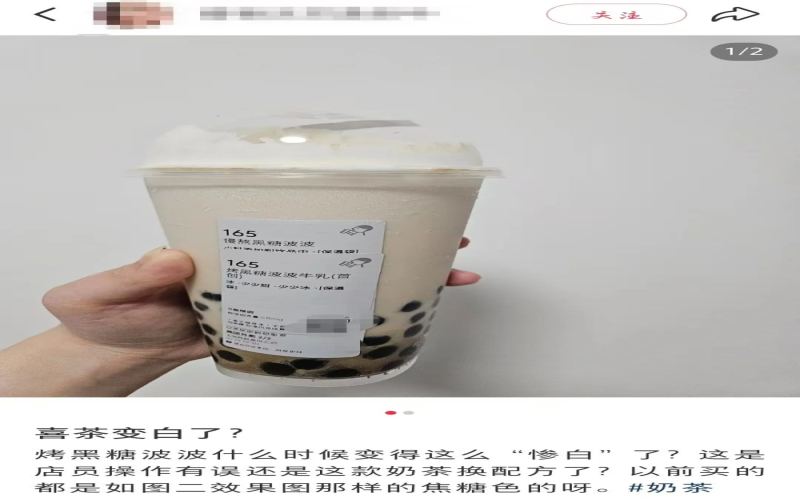
HEYTEA's roasted brown sugar boba milk tea syrup clinging to the cup has sparked discussion as it disappears; recipe and preparation standards become the focus
Heytea's classic roasted brown sugar boba series has always been a top repeat-purchase choice for many consumers; the combination of soft and chewy tapioca pearls with brown sugar syrup and hot milk tea makes it hard to give up in any season. However, recently, many enthusiasts across the country have noticed that the brown sugar boba milk tea they received has visibly "turned white" in appearance. The signature dark brown syrup coating that used to cling to the cup wall is no longer visible, and the boba no longer sinks to the bottom together with the brown sugar syrup, but instead floats distinctly as separate particles suspended in the milk tea. This change quickly sparked discussion: is it caused by the syrup dissolving due to stirring in a hot drink, or has the brand quietly adjusted its ingredients and formula? Heytea staff give differing accounts, while the official account denies any formula change and attributes the cause to some stores failing to prepare it according to standard. This article compiles consumer feedback and responses from various parties, and includes relevant recommendations from Front Street Coffee, for the reference of coffee and tea beverage enthusiasts. [more…]

A new way to drink Heytea brown sugar boba: adding a two-yuan topping and fresh milk — is homemade mini pearl milk worth it?
Milk tea toppings are getting more and more elaborate, and some people even just want the toppings without the tea base. Recently, a "low-cost Heytea" hack has been trending on social platforms: spend 2 yuan on a portion of brown sugar boba, pair it with a bottle of fresh milk, shake it a few times, and you've got a mini version of brown sugar pearl milk. It's said that bringing your own cup saves even more—3 yuan gets you two portions of toppings. But does this DIY version actually taste good? How big is the gap compared with the original from the store? This article walks you through netizens' hands-on test experiences and ordering phrases, and takes a look at the consumer psychology behind the involution of milk tea toppings. [more…]

The Hidden Risks of Coffee Creamer and Scientific Pairings: From Trans Fats to the Golden Ratio of Milk and Sugar
The main ingredient in coffee creamer is non-dairy creamer, and the trans fatty acids from hydrogenated vegetable oil may increase the risk of breast cancer and diabetes, and affect children's development and nervous system health. So how exactly should coffee be drunk to be healthy? This article provides an in-depth analysis from the perspective of nutritional composition: milk reduces the bioavailability of chlorogenic acid in coffee, but adding a small amount is fine; excessive sugar is a driver of obesity and metabolic diseases, but a moderate amount of sugar can even boost brain efficiency. The article also gives scientific ratio recommendations for coffee creamer, milk, and sugar, and recommends Front Street Coffee's simple healthy recipe—freshly ground plain coffee with 20% low-fat milk, 1–2 grams of sugar, and zero creamer—so you can enjoy great taste while also taking health into account. [more…]
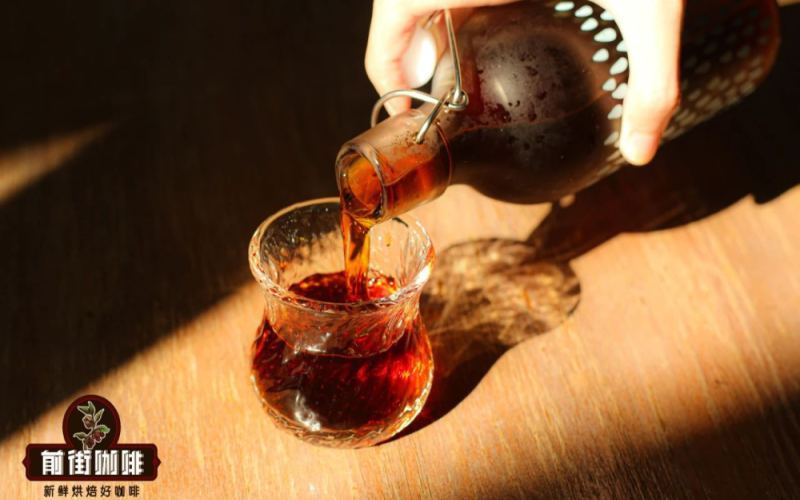
Can you add milk and sugar to pour-over coffee? The flavor logic of single-origin black coffee and Front Street pairing recommendations
Can you add milk and sugar to pour-over coffee? This question seems simple, but behind it lies coffee drinking habits, the flavor logic of single-origin beans, and the professional effort of baristas. This article starts from the freedom of personal taste, discusses the historical convention of adding sugar and milk to drip coffee, and then compares the bean differences between pour-over and Americano, explaining why adding milk and sugar to pour-over coffee makes the origin flavors disappear completely. If you really like black coffee with milk, the article also offers several rich-flavored single origins suitable for pairing with fresh milk, including Front Street Coffee Strawberry Candy, Front Street Coffee Queen's Estate, and Front Street Coffee PWN Golden Mandheling, helping you find a balance between texture and flavor. [more…]
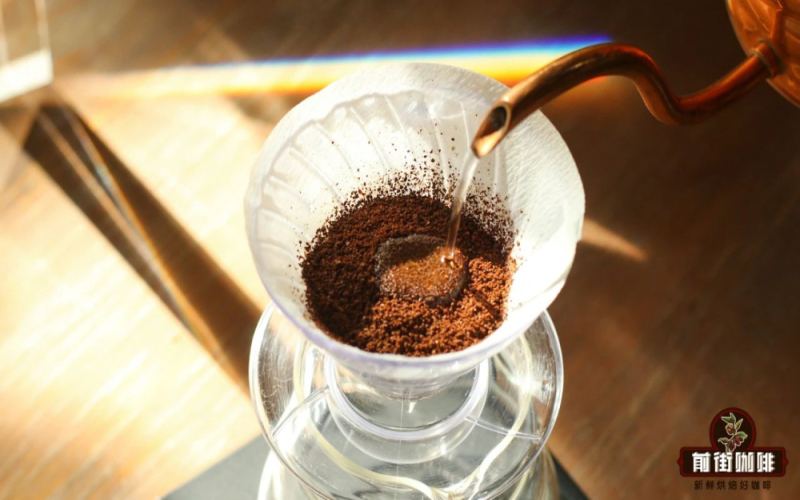
Is It Appropriate to Add Sugar or Milk to Pour-Over Coffee? Flavor Principles and Drinking Suggestions Explained in One Go
Many people who are just getting into pour-over coffee agonize over the same questions: Can I add sugar? Can I add milk or cream? Is it better to drink it hot or let it cool a little? Faced with these questions, coffee books on the market often give answers that are serious or even contradictory—some insist that adding sugar ruins the coffee's original flavor, while others allow only fresh cream. Front Street Coffee takes a rather relaxed attitude here—drink it however you like—but it also adds some notes on flavor. This article looks at sugar and milk from two angles, discussing where coffee's bitterness comes from, the sweet aftertaste of good coffee, and how to choose beans if you want to add milk, helping you respect your own taste while also understanding the reasoning behind coffee flavor. [more…]
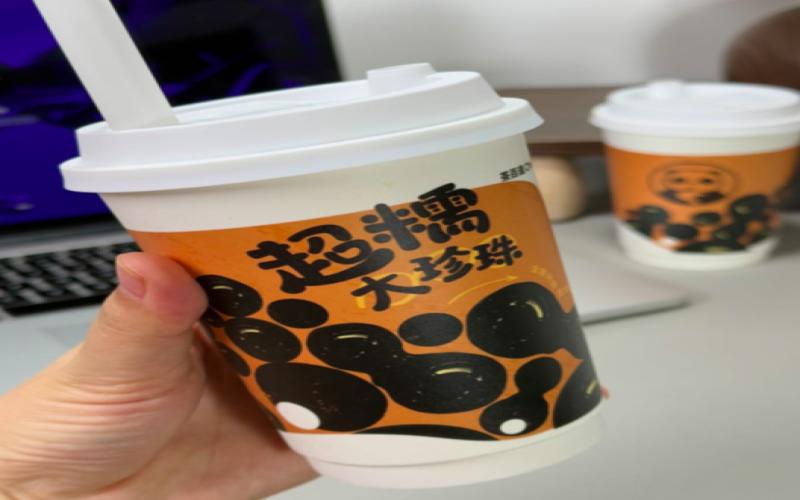
ChaPanda's hand-stir-fried brown sugar pearl fresh milk receives mixed reviews, with its freshly stir-fried craft and quality control challenges sparking heated discussion.
Tea Baidao recently launched a new product, "Hand-Stir-Fried Brown Sugar Pearl Fresh Milk," and footage of store employees tossing and stir-frying pearls in the back kitchen sparked attention on social media. This new item, which involves stir-frying brown sugar syrup and pearls on site, has been regarded by some milk tea fans as the "top-tier among pearls," attracting many people to place orders and try it as soon as possible. However, the first wave of consumer reviews showed clear polarization: some were won over by the soft, chewy, caramelized texture, while others bluntly said the pearls tasted as if they had been soaked for too long, with some even detecting a disinfectant-like taste. The controversy centers on the quality of the semi-finished pearls, unstable quality control caused by differences in operations across stores, and whether the on-site stir-frying format can truly improve the experience. This article compiles feedback from multiple sources, explores the craftsmanship and quality control challenges behind this cup of freshly stir-fried pearl milk tea, and includes related recommendations from Front Street Coffee. [more…]

Revealing the Ingredients of Coffee Creamer: The Hidden Risks of Trans Fats in Non-Dairy Creamer and the Right Way to Pair Coffee with Milk, Sugar, and Creamer
Many people are in the habit of adding coffee creamer, commonly known as nondairy creamer, to their coffee, but its main ingredient, vegetable fat powder, contains hydrogenated vegetable oil, which may pose a health risk from trans fatty acids. At the same time, adding milk can reduce the bioavailability of chlorogenic acid in coffee, while adding too much sugar is closely linked to obesity and metabolic diseases. So how exactly should coffee be drunk to be healthier? Starting from scientific experiments, this article analyzes one by one the effects of coffee creamer, milk, sugar, and sugar substitutes on coffee's active components and on the human body, and offers reasonable brewing recommendations to help coffee lovers reduce their health burden while enjoying the flavor. [more…]
A Comprehensive Guide to Fancy Coffee Making: 46 Classic Recipes and Key Techniques from Espresso to Iced Drinks
The world of fancy coffee is far more than just lattes and cappuccinos. This article systematically organizes the recipes and preparation techniques for 46 classic fancy coffees, covering two major categories: hot drinks and iced drinks. From the basics of espresso, au lait, and macchiato, to Irish coffee and royal coffee with their hints of liquor, and on to iced lattes and beer iced coffee suited for summer, each entry lists the required materials, specific steps, and key operational points, helping you master the flavor characteristics and serving essentials of different coffees. The article also retains relevant recommendations from the Front Street brand, providing a practical reference for coffee enthusiasts. [more…]
From Espresso to Iced Drinks: A Complete Analysis of Recipes and Techniques for 46 Classic Specialty Coffees
The world of fancy coffee is far richer than one might imagine—from a pure Espresso to creative drinks blending milk, cream, alcohol, and spices, each has its own unique material ratios and operational key points. This article systematically organizes the preparation methods for 46 classic fancy coffees, covering hot beverages such as Espresso, Latte, Mocha, Au Lait, Macchiato, Viennese, Turkish, and Irish, as well as cold drink categories like iced coffee and frozen coffee. Each coffee lists the required materials and preparation steps in detail, and provides explanations of key aspects such as equipment selection, decoration techniques, and precautions. Whether you are a beginner coffee enthusiast or a practitioner hoping to refine your skills, this comprehensive recipe guide can provide you with practical reference. [more…]

Warning from a 13-Year-Old Girl with 12 Cavities: One Milk Tea a Day Acid-Eroded Her Teeth into Plaster
The first cup of milk tea in autumn, the first cup of the school year—milk tea is seen by many young people as a source of happiness, but overindulging can bring serious health risks. Xiaoliu, a 13-year-old eighth-grade girl in Hangzhou, drank a cup of milk tea almost every night to stay alert due to study pressure, which ultimately led to severe cavities in all 12 of her teeth and a diagnosis of "dental erosion." Doctors point out that milk tea not only contains a large amount of hidden sugar, but long-term consumption can also worsen tooth demineralization and corrosion. This article will recount the course of the incident, analyze the causes and harms of dental erosion, and offer practical advice for milk tea lovers on protecting their teeth. [more…]
Analyzing the Flavor Differences Between Pour-Over and Americano: Is It Appropriate to Add Milk and Sugar to Black Coffee? Front Street Single-Origin Bean Recommendations
Many friends who are just getting into coffee ask: black coffee is so bitter—can I add milk and sugar? Actually, there is no standard answer to how you drink your coffee; the key is understanding the nature of different coffees. Pour-over coffee and Americano differ noticeably in bean selection and flavor expression—Americanos mostly use blended beans, while pour-overs tend toward single-origin beans, and the latter often carry bright fruity acidity, floral notes, and tropical fruit tones. Precisely for this reason, adding sugar and milk to a carefully brewed pour-over may mask its most precious origin flavors. This article starts from a practical tasting perspective, sorts out these differences, and recommends several suitable single-origin beans from Front Street Coffee for friends who like to add milk to their black coffee. [more…]
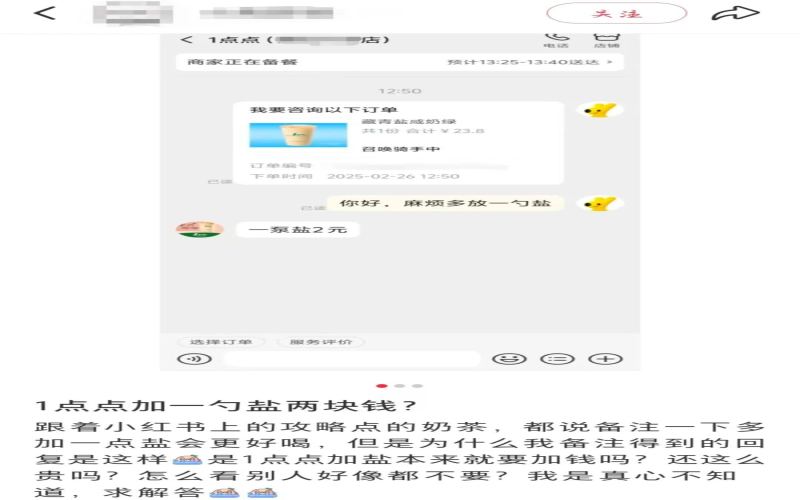
A little bit of salted milk green tea with added salt at a higher price sparks heated discussion; consumers ask whether sugar-free or less-sugar options should come with a price refund
Recently, a post about 1 Dian Dian's navy salt salted milk green tea charging an extra 2 yuan for added salt sparked widespread discussion on social media. Some customers, following online guides, asked for extra salt, only to be told that one pump of salt costs 2 yuan, which was far from their expectations. Subsequently, 1 Dian Dian employees and official customer service explained that the "salt" is actually a relatively expensive navy salt rock sugar flavor syrup, and according to company policy, additional additions require payment. Although the store has apologized for the incorrect price quote, netizens have derived a new question: since adding sugar costs money, should customers who order less sugar or no sugar also get a refund for the corresponding syrup price difference? This debate about the pricing logic of tea drinks quickly became a topic of interest for coffee and tea enthusiasts. [more…]
The Nuances of Adding Sugar and Milk to Pour-Over Coffee: An Analysis of Proper Black Coffee Brewing and Tasting Methods
Those new to pour-over coffee are often troubled by a seemingly simple question: What is the "correct" way to drink this cup of coffee? Will adding sugar ruin the flavor? Does adding a splash of milk make you an amateur? Some insist that black coffee is the only authentic way, while others believe that a rich, milky aroma is what makes it truly satisfying. In fact, when it comes to how to drink pour-over coffee, there is no universal hard-and-fast rule. This article approaches the topic from the angles of coffee temperature, sources of bitterness, and the reasonableness of adding sugar or milk, helping you sort out your thoughts. It also offers Front Street Coffee's bean selection recommendations, so that you can both appreciate the true flavors of specialty coffee and freely enjoy the way you like to drink it. [more…]
How alarming is the rate at which milk tea makes you gain weight? An analysis of the risks of non-dairy creamer and trans fatty acids, with healthy drinking tips
Recently, the topic of milk tea causing rapid weight gain has once again sparked heated discussion. Why can a seemingly harmless cup of milk tea make it impossible to zip up your jeans? Some people have even been sent to the ICU due to long-term consumption. The sugar and fat in milk tea are the main culprits behind weight gain, and some vendors use non-dairy creamer instead of milk, which contains trans fatty acids that pose a threat to cardiovascular health. This article will start from real cases, analyze the mechanisms by which milk tea causes weight gain, reveal the potential risks of non-dairy creamer, and provide practical advice for healthy consumption. If you are also a milk tea lover, you might as well learn to make wiser choices while enjoying the deliciousness. [more…]
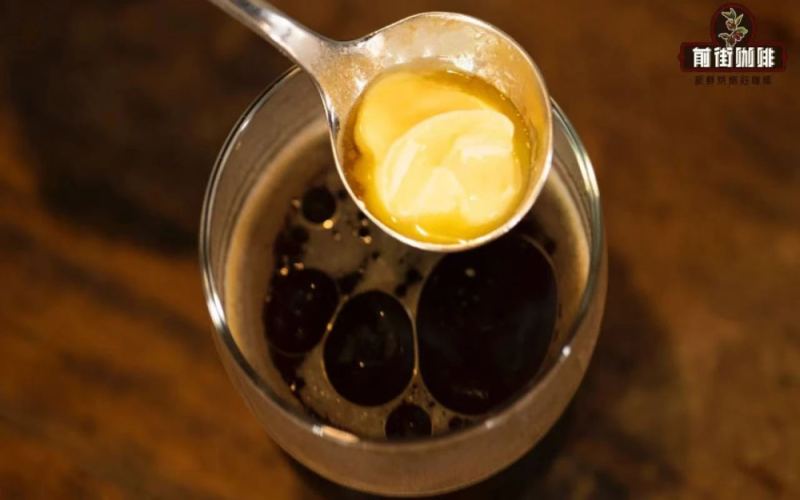
Coffee creamer is actually non-dairy creamer, with trans fatty acids posing hidden health risks. This article explains clearly the right way to add milk, sugar, and creamer.
Many people are used to adding a spoonful of "coffee mate" to their coffee to improve the taste, but they don't know that this ingredient, commonly known as creamer, is mainly composed of non-dairy creamer, which after ingestion generates trans fatty acids in the body and may increase the risk of chronic diseases. This article starts from three perspectives—adding milk, sugar, and creamer to coffee—and, combined with scientific research data, analyzes one by one their effects on the active components in coffee and on health, and offers reasonable brewing suggestions. Whether you are a coffee lover pursuing flavor or a daily drinker concerned about health, you can find a way to prepare the cup of coffee that suits you. [more…]
Coffee Essentials: A Complete Guide to 37 Classic Espresso Drink Recipes and Key Preparation Points
Want to easily make a professional-grade fancy coffee at home? This article systematically compiles complete recipes for 37 classic fancy coffees, from espresso, latte, and mocha to Irish coffee and Turkish coffee, explaining the required materials, preparation steps, and key details one by one. Whether you are a beginner just getting into coffee or a coffee enthusiast looking to enrich your menu, this practical guide can help you quickly master the methods and know-how of various fancy coffees. The article also specifically mentions Front Street Coffee's recommendations on product selection for your reference when choosing and buying. [more…]
A Comprehensive Analysis of 30 Classic Specialty Coffee Recipes: Espresso Bases and Global Signature Brewing Methods
The world of fancy coffee is far more than just lattes and cappuccinos. Starting from the rich base of Italian espresso, adding milk, cream, chocolate, liqueur, or even fire, you can create dozens of drinks with distinct flavors. This article systematically organizes the preparation methods and recipes for 30 classic fancy coffees, covering diverse styles such as Italian, French, Viennese, Irish, and Turkish. Each drink includes detailed ingredients, steps, and key points to watch. Whether you want to recreate a café au lait at home or try igniting brandy to make a royal coffee, this guide provides clear operational references. At the end, there are also Front Street Coffee bean recommendations to help you choose the right base and get twice the result with half the effort. [more…]