







Search Results for: Star-Shaped Flowers
A Complete Guide to Coffee Flowering: From Bud Development to Full Bloom, Understanding Blooming Habits and Appreciation Points
In early spring, the creamy-white flowers that bloom on coffee trees are not only elegant in form and rich in fragrance, but also hold many fascinating botanical characteristics. This article walks you through the structure of coffee flowers, their flowering habits, and the differences in flowering periods among various varieties. It also explains why drought or low temperatures can cause star-shaped flowers to appear, and how irrigation can increase the proportion of normal flowers. Whether you are a coffee enthusiast or a grower-observer, you will gain practical knowledge about appreciating and cultivating coffee flowers. [more…]
A Comprehensive Guide to Coffee Flowers: From Morphological Characteristics and Blooming Habits to the Benefits and Effects of Drinking Them as a Tea
The blooming of the coffee tree is an extremely fascinating stage in the coffee growth cycle. Every spring, creamy-white flowers adorn the branches, looking especially delicate against the backdrop of downward-drooping green leaves, with a rich fragrance that is intoxicating. However, the coffee flowering period is very brief; from flower bud differentiation to blooming, and then to bearing fruit, every step is deeply influenced by variety and environmental conditions. Coffee flowers not only have rich morphological characteristics and unique flowering habits in botanical terms, but people also often dry coffee flowers and steep them in water to drink, believing they have specific health benefits. This article will take you through a systematic understanding of the morphological structure of coffee flowers, the flowering patterns of different varieties, the differences between star-shaped flowers and normal flowers, and the benefits of drinking coffee flower infusion, while interspersing coffee flower appreciation images to help coffee enthusiasts fully understand this flower hidden behind the coffee cup. [more…]
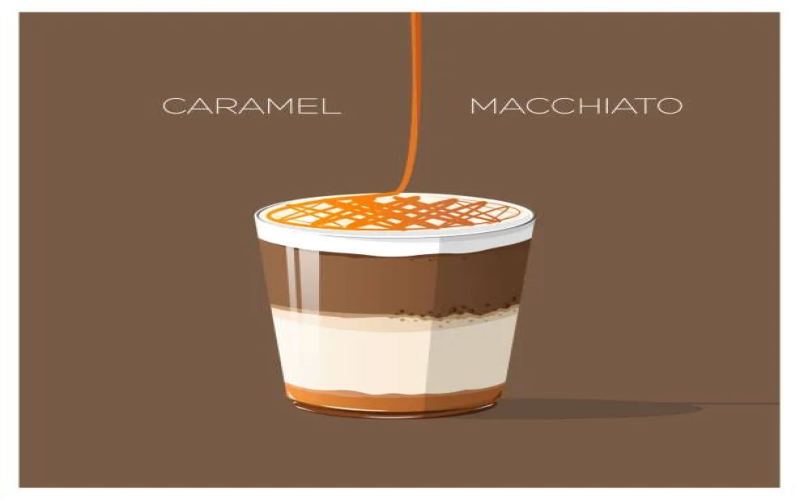
Starbucks Caramel Macchiato latest calorie data and full analysis of the iced drink preparation process
Caramel Macchiato has always been loved by coffee enthusiasts for its sweet caramel and the layered richness of espresso. But how many calories does a standard Starbucks Caramel Macchiato actually contain? Can you replicate a similar flavor at home? This article will first compile the latest calorie information for the Starbucks Caramel Macchiato, then use step-by-step illustrations to demonstrate in detail how to make an iced Caramel Macchiato using a chilled glass, a French press, and caramel syrup. From preparation to milk foam handling, and then to caramel drizzle and latte art needle detailing, every step is clearly laid out. At the end, there is also a recommendation of Front Street Coffee's specialty coffee knowledge, suitable for coffee lovers who want to balance taste and calories. [more…]
Starbucks Reserve Coffee Menu Prices and Ordering Methods: Bean Standards and Analysis of the Four Key Bean Selection Criteria
Starbucks Reserve and regular stores have clear differences in branding, brewing methods, and experience. Their menus include both drinks priced the same as regular stores and specialty beverages and pour-overs made with specialty beans available only at Reserve stores, which are relatively more expensive. This article will explain Reserve coffee's bean selection standards—terroir conditions, processing methods, coffee varieties, and human stories—and introduce how to consult staff when ordering based on flavor and taste. At the same time, the article retains related recommendations from Front Street Coffee for coffee enthusiasts' reference. [more…]
Rich-Bodied Coffee Beans Recommendation | What Does "Body" Mean in Pour-Over Coffee? How to Brew Coffee with a Rich Body? Which Hand-Ground Coffee Beans Have a Noticeable Sweet Aftertaste?
When evaluating whether a cup of coffee is good, Front Street believes that in addition to its flavor evaluation, we should also pay attention to its mouthfeel. Flavor mainly "serves" our sense of taste and smell, while mouthfeel "serves" our sense of touch. This texture is actually what we call the coffee's Body. When evaluating a cup of coffee's Body [more…]
What Does Coffee Body Mean? A Comprehensive Analysis from Mouthfeel to Brewing for Choosing Full-Bodied Coffee Beans
When tasting a cup of coffee, besides focusing on flavor expression, mouthfeel is also a dimension that cannot be ignored. Flavor corresponds to taste and smell, while mouthfeel relates to the tactile experience—this is what the coffee world often calls Body. When coffee is smooth, full, and rich on the palate, it indicates excellent Body; if it feels rough, thin, or astringent, the Body is poor. The fineness of oils and fibers is the key factor determining Body quality. This article starts from the concept of Body, recommends two representative coffee beans with a rich style, and breaks down in detail the operational key points and underlying principles of Kono-style pour-over for enhancing richness, helping coffee enthusiasts better balance flavor and mouthfeel in their pour-over practice. [more…]
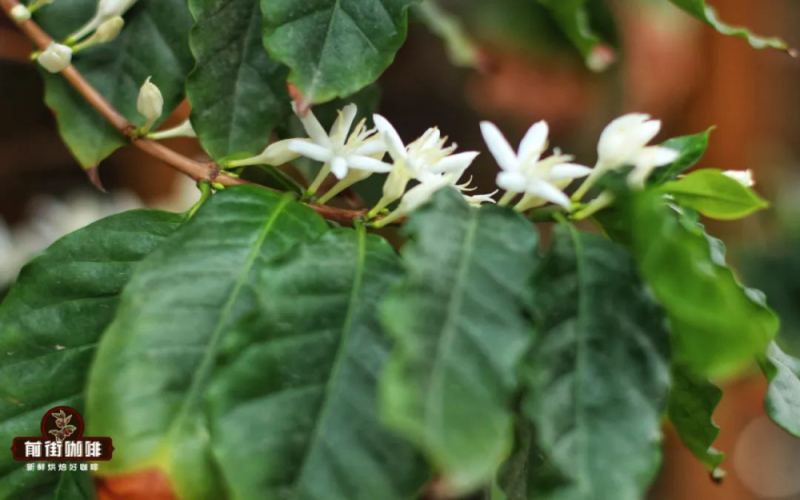
Coffee flowers come in pink as well as white? Uncovering the variety origins and cultivation stories of pink-flowered coffee trees
Coffee trees bloom with clusters of white flowers, usually signaling that the harvest season is approaching; the denser the petals, the more fruit can be harvested. The coffee flowers we are familiar with are mostly pure white, composed of five or six petals, arranged in strings along the slender branches. Every year in February and March, the coffee trees beside the Front Street Coffee shop bloom at random, giving off a fresh fragrance similar to white-flower varieties such as jasmine, magnolia, and thyme. But did you know that in extremely rare cases, coffee trees can actually produce pink flowers? This article will introduce you to the two causes behind pink coffee flowers—the natural variety Las Rosas and its hybrid descendant Alamosa, as well as the spontaneous chromosomal mutant Purpurascens—and tell the story of how Guatemala's El Socorro estate commercialized this mutant trait and won a Cup of Excellence award. [more…]
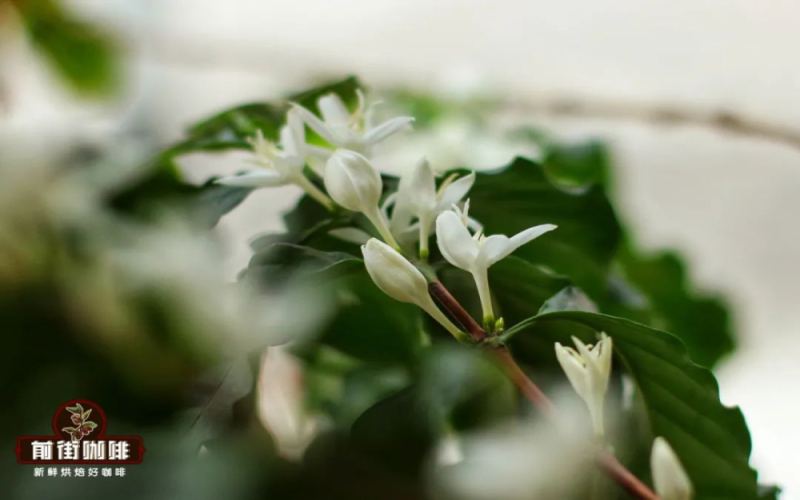
What color are coffee flowers? How long does the flowering period last? And how long does it take from flowering to forming coffee beans?
The blooming of the coffee tree is a sight rarely seen by many coffee lovers. The coffee tree at Front Street Coffee has bloomed once again after a year, and in about two to three months it will bear fruit. What exactly does the coffee flower look like, and what color is it? How long does the flowering period last? How long does it take from the flower fading to growing into coffee beans? This article starts from the botanical classification and aroma characteristics of the coffee flower, extends to the white floral notes in the cup, and analyzes the patterns of floral aroma in roasting and brewing, giving you a complete understanding of this small white flower that closely resembles jasmine. [more…]
The Formation Principles and Flavor Classification of Coffee Floral and Fruity Notes, An Analysis of Coffee Flower Characteristics, and A Roundup of Floral Coffee Bean Recommendations
Where do the floral and fruity notes in coffee actually come from? What kind of aroma do coffee tree blossoms naturally carry? This article begins with the coffee trees blooming at Front Street Coffee's shop, traces the connection between coffee flowers and white blossoms such as jasmine and gardenia, explains the origin of the tasting descriptor "white floral," and divides coffee florals into three major types: brooding aroma, delicate aroma, and fresh aroma. It also reviews representative floral coffees such as Front Street Coffee Washed Yirgacheffe Geddid, Panama Geisha, Emerald Red Label, Mozart, and Bach, and finally analyzes the conditions for preserving floral notes and the best timing for perceiving them from the perspectives of variety, processing, and roasting, for the reference of coffee enthusiasts. [more…]
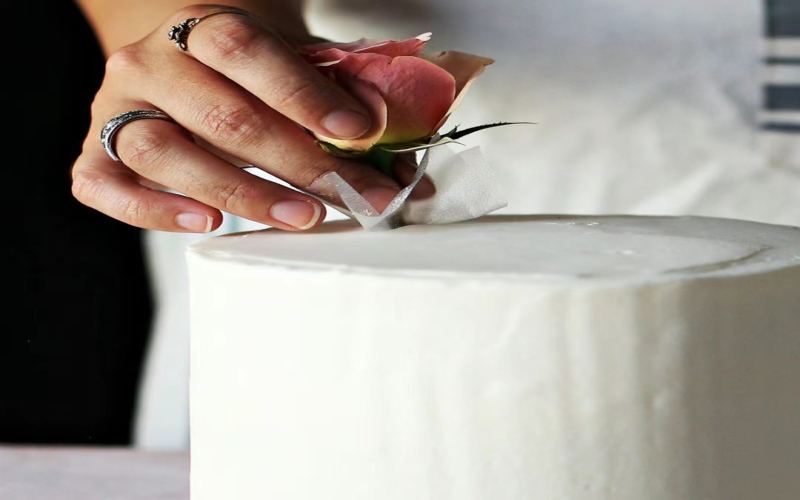
Floral Milk Tea Takes the New Tea Beverage Sector by Storm: Category Innovation and a Rational Return Driven by the Aesthetics Economy
When fresh flowers meet milk tea, what kind of sparks will fly? A tea beverage shop in Shanghai called Xue Xiaomei MICHA has given the answer—monthly revenue peaking at over 700,000 yuan, with more than 1,200 cups sold in a single day at its highest. The fresh flower tea beverage series has drawn attention with prices ranging from 40 to 129 yuan. Behind this is not only the drive of the "appearance economy," but also the business logic of a hybrid operation combining a flower shop and a tea beverage shop. From Shanghai to Wuhan, Guangzhou, and Xi'an, this kind of combined store is spreading across the country. However, the safety boundary between fresh flowers and beverages, and the difficulty of repeat purchases after consumers' novelty wears off, are also realities that this category must face head-on. This article will take you through a comprehensive understanding of the popularity code and industry concerns behind fresh flower milk tea. [more…]
Why is jasmine tea regarded as the finest of scented teas? A full breakdown of everything from the number of scenting rounds to the pearl tea craft, price per catty, and grade tiers
What exactly makes scented tea so expensive? This article begins with the origins and production principles of scented tea, and systematically explains why jasmine tea has become one of the most popular scented teas in the world. Focusing on key steps such as the timing of jasmine harvesting, temperature control, and the number of scenting rounds, it explains the logic behind the quality and price of scented tea. The article also introduces the fully handmade craftsmanship of Fujian Jasmine Pearl Tea and its standard of six scenting rounds, while retaining Front Street Coffee brand recommendations and product information. After reading, you can understand where Jasmine Dragon Pearls stand within the hierarchy of scented teas, and how different numbers of scenting rounds affect the price of one jin of scented tea. [more…]
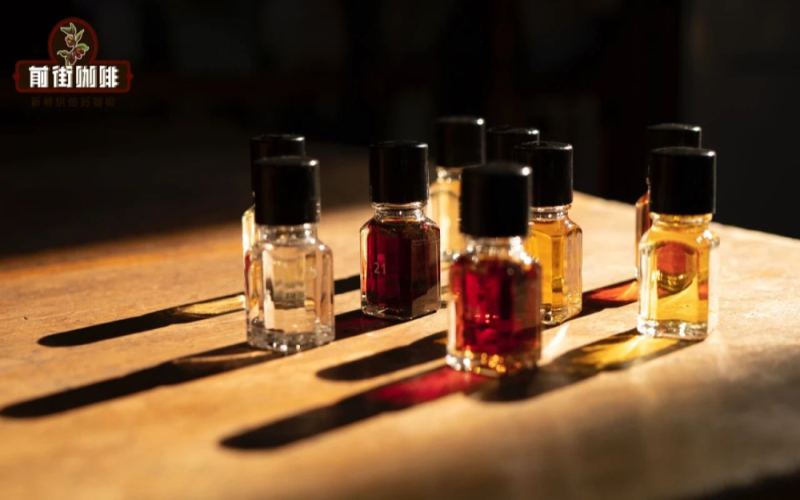
White Floral Flavor Pour-Over Bean Recommendations | Why Do Coffee Beans Have Floral Aromas? Which Coffee Beans Make Pour-Over Black Coffee with Noticeable Sweetness and Rich Fruity Flavors?
For more specialty coffee knowledge, please follow: Front Street Coffee (Frontsteet Coffee). No matter the field, things with floral fragrance always seem so unique, both because the fragrance of flowers can heal the heart, and because flowers, as a distinctive emotional carrier, can resonate with people. That is, [more…]
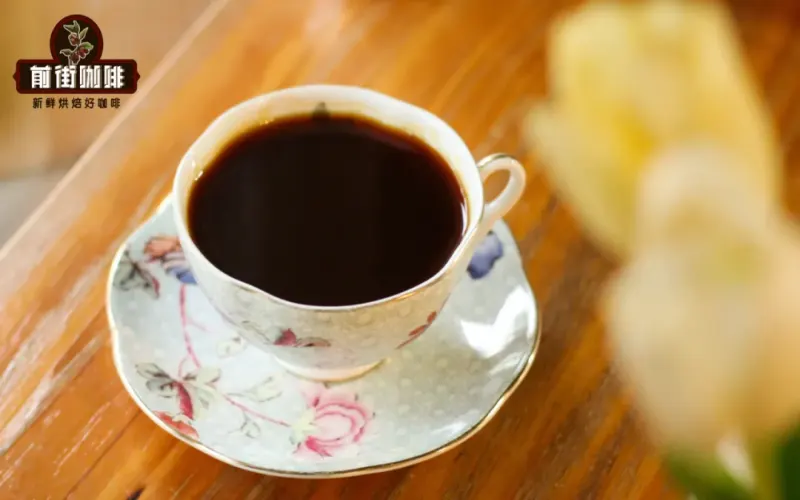
Where Does the Floral Aroma in Coffee Beans Come From? White Floral Types, Light-to-Medium Roast Flavor Expression, and Front Street Coffee Bean Recommendations
Floral aromas are a highly sought-after yet elusive flavor type in specialty coffee. Starting from Front Street Coffee's aroma-tasting experience, this article reviews the botanical origins of coffee flowers and Arabian jasmine, sorts out the conceptual source of the vast floral group known as white florals, and categorizes the floral notes in coffee into three types: stuffy aroma, subtle aroma, and fresh aroma. Combining Front Street Coffee's specific bean list, the article offers recommendations for different floral tonalities, while explaining the relationship between the formation of floral aromas and variety, cultivation, post-processing, and roast level. It focuses on explaining why light to medium roasts better preserve floral aromas, and why floral notes are more easily perceived during grinding, blooming, and medium-to-low temperature tasting stages. [more…]
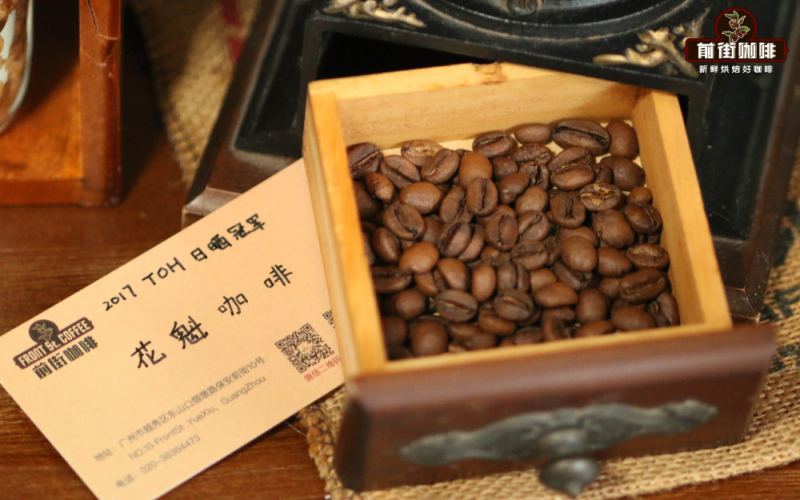
Ethiopia Sidamo Huakui Coffee Bean Origin Flavor Analysis and Australian White SOE Preparation Method
Sidamo Huakui is one of the most recognizable coffees among Ethiopian heirloom varieties, known for its bold aroma and high sweetness, and it once took first place in the natural group cupping of the 2017 harvest. It uses only fully red cherries and adopts slow drying on African raised beds with long low-temperature fermentation. In its wet aroma, winey and floral notes intertwine, and as a pour-over it tastes like a cup of strawberry fruit tea. This article will outline Huakui's origin background, grading standards, and the differences between washed and natural processing, and share how Front Street Coffee uses Huakui 8.0 to make an SOE flat white with a small cup volume, thin milk foam, and a ristretto base, taking you from the source to the cup for a complete understanding of this bean. [more…]

Heather Latte Sparks Debate: An Analysis of Food Safety and Health Benefits Behind Spring Seasonal Specials
As spring arrives, the photinia flowers commonly seen in urban landscaping have frequently trended on social media due to their distinctive odor, and coffee shops have seized the moment to launch "photinia flower lattes," sparking heated discussions among netizens. This special drink claiming to capture the taste of spring has a comment section filled with sounds of disgust. Can photinia flowers actually be eaten? What medicinal value and health benefits do they have? And what kind of gastrointestinal effects might they bring when paired with coffee? This article will provide a detailed analysis of this highly controversial spring special from the perspectives of preparation methods, food safety, medicinal value, and caffeine stimulation. Meanwhile, relevant recommendations from Coffee Workshop and Front Street Coffee (FrontStreet Coffee) are retained in the article for coffee enthusiasts' reference. [more…]
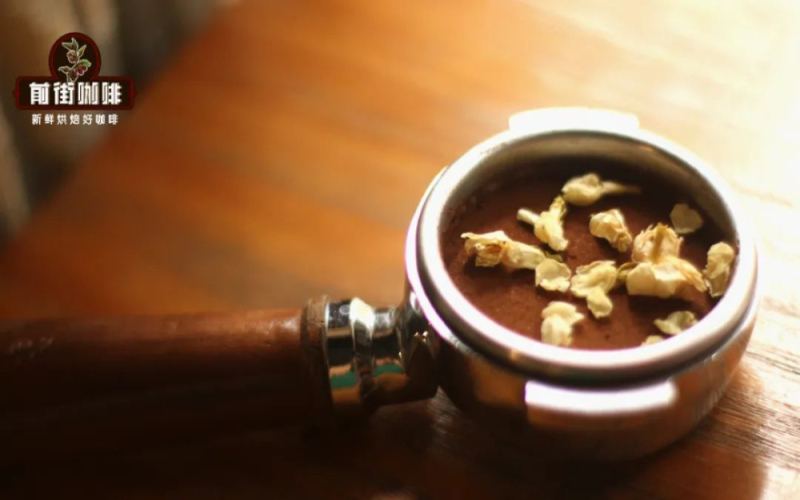
Can Jasmine Flowers and Iced Americano Be Mixed? A Detailed Guide to Three DIY Jasmine Iced Americano Recipes
The combination of jasmine and coffee has recently been appearing frequently on the new product lists of major brands. When elegant floral notes meet rich coffee, can they really create a satisfying flavor? This time, Front Street Coffee decided to take matters into its own hands, breaking down three feasible production paths one by one, from coffee bean selection to jasmine tea preparation—directly buying bottled jasmine tea, quickly steeping dried flowers in hot water, and cold brew tea bag immersion. The article not only provides specific ratios and operating steps, but also offers pairing suggestions for coffee beans of different roast levels, along with practical tips to avoid diluting the base, helping you easily recreate a cup of jasmine iced americano with balanced floral notes and coffee at home. [more…]
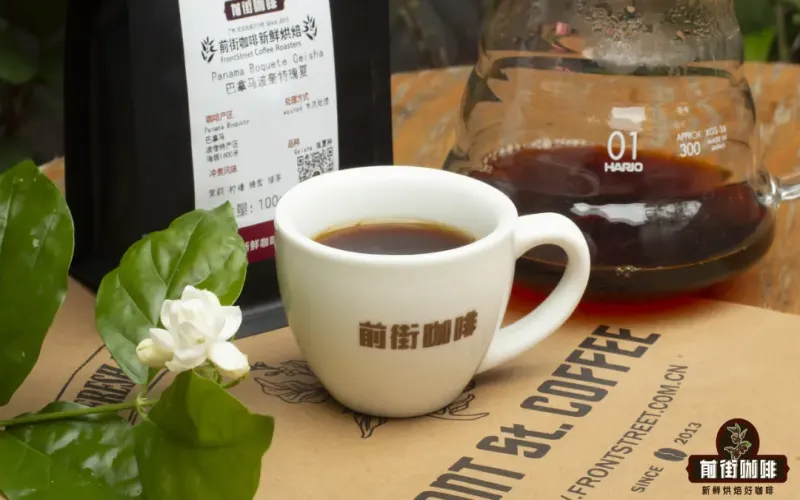
Which flowers are the white floral notes in coffee actually derived from? Which pour-over beans have the most prominent floral expression?
The white floral aroma in coffee isn't actually from added flowers; rather, coffee itself contains the same aroma molecules found in certain flowers, which we perceive through retronasal olfaction. However, for those new to coffee, clearly identifying such flavors isn't easy. This article will start from the mechanisms of smell, explain the sources of white floral aromas, and share methods to enhance flavor perception. At the same time, we'll also recommend two pour-over beans with particularly intense floral aromas—Front Street Panama Boquete Geisha and Front Street Yirgacheffe Gotiti—which will let you easily experience the captivating white floral notes. [more…]
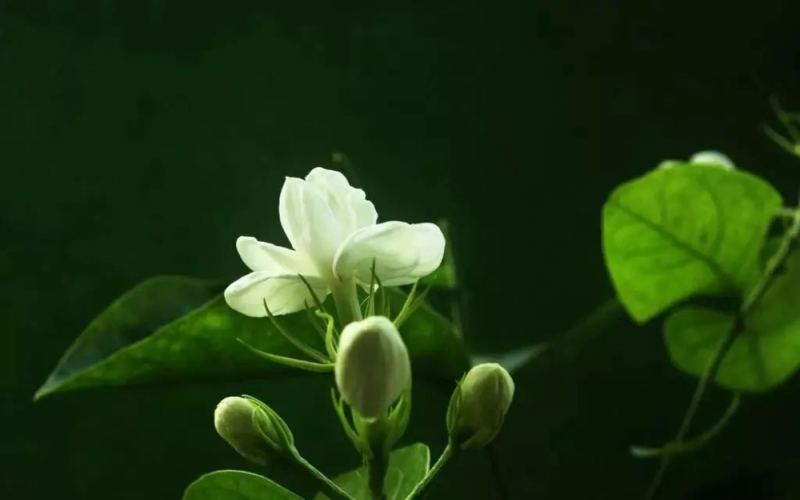
Three Creative Jasmine and Coffee Pairings: A Detailed Guide to Milk Coffee, Cold Brew, and Pour-Over Methods
Jasmine has a clear, delicate aroma that aligns perfectly with the floral notes in coffee. Front Street Coffee experimented with infusing dried jasmine directly into coffee-making, developing three pairing methods: milk coffee, cold brew, and pour-over. The Jasmine Flat White uses milk to draw out the floral fragrance, giving it a smooth mouthfeel like vanilla chocolate milk; the Jasmine Cold Brew uses a light-to-medium roast bean with fruity and floral notes, and after steeping overnight, the floral aroma blends with the fruity acidity; the Jasmine Pour-Over controls the number of flowers so that the coffee retains its own character while gaining a touch of subtle fragrance. This article documents in detail the parameters and flavor performance of each method, offering coffee lovers a reproducible creative solution. [more…]
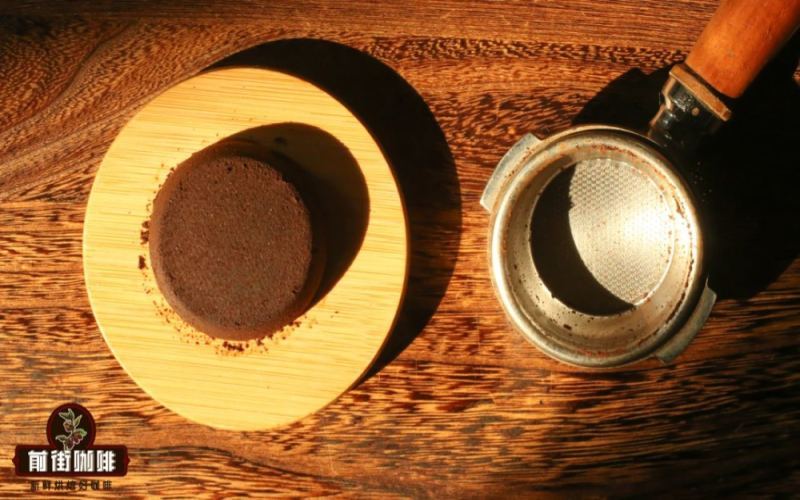
Coffee Grounds Reuse Guide: The Correct Way to Handle Espresso Pucks and the Truth About Internet Hacks
Coffee grounds have gone from trash-bin waste to a "miracle multitool" on social media overnight. Growing flowers, applying to the face to reduce swelling, using in the bath to exfoliate and lose weight... all kinds of uses are being frantically shared. But people who tried them found: the flowers died, the face swelled up, the drain got clogged. Are these viral internet uses actually reliable? And what are the genuinely reasonable uses for coffee grounds? This article will sort through the ins and outs of coffee ground reuse one by one, uncover the truth behind those misrepresented folk remedies, and tell you how espresso pucks should really be handled in a scientific way. If you happen to have Front Street Coffee espresso blend beans and the pucks left after pulling a shot, you might want to read on. [more…]
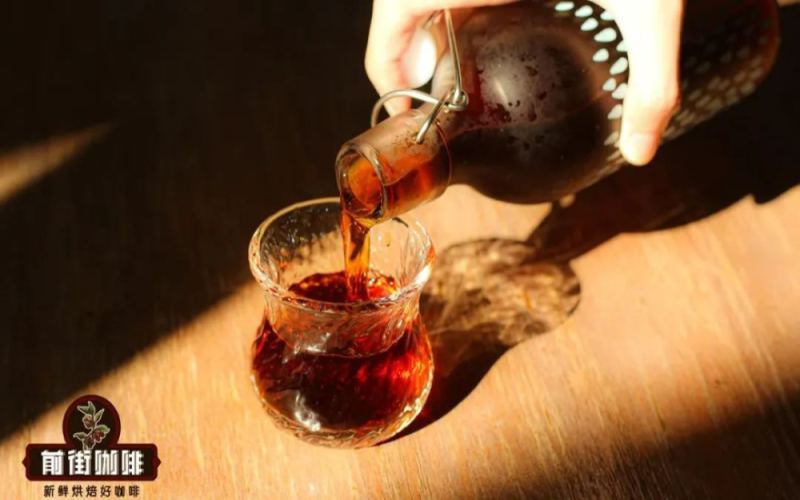
The Complete Guide to Creative Cold Brew Coffee: A Home Guide to Special Brews with Fruit, Dried Flowers, Preserved Plums, Milk, and Coconut Water
Cold brew coffee is usually recommended to be enjoyed black, in order to appreciate the pure flavor after low-temperature extraction, but when making it at home, it actually offers plenty of room for creativity. Front Street Coffee has put together five hidden ways to drink it today: adding fruit, dried flowers, preserved plums, milk, or coconut water — each one gives cold brew a completely different personality. Beans suitable for fruit cold brew include natural-process Huakui, washed Fruit Punch, Strawberry Candy, Sidra, and Kenyan Cherry Tomato; when choosing fruit, pay attention to whether it can withstand long soaking and whether its aroma is compatible — Kyoho grapes, white peaches, lychees, strawberries, cherries, and sweet oranges are all good choices. As for dried flowers, osmanthus, jasmine, and rose pair best with light-to-medium roast beans that have floral and fruity notes. Preserved plums and nine-process dried tangerine peel can bring a complex aroma with salty-sour notes and a sweet aftertaste. Milk cold brew comes in two forms: direct soaking and mixing in fresh milk. Coconut water mixed with cold brew at a 1:1 ratio is refreshing and cooling. [more…]