







Search Results for: Spring Day Praise
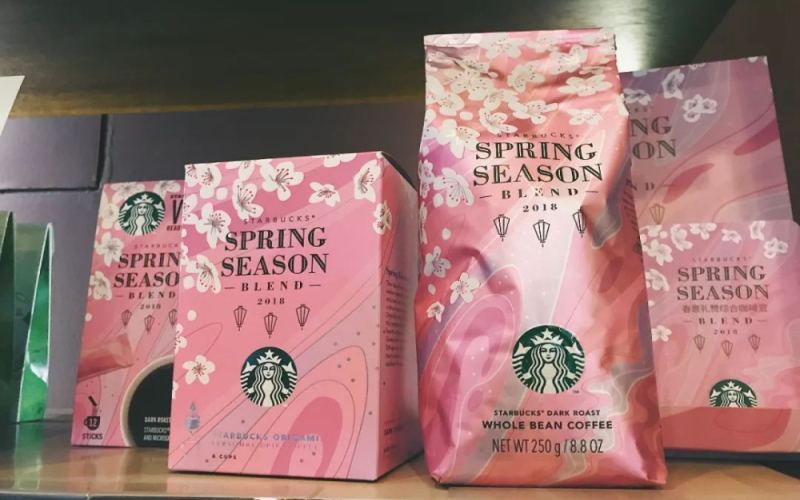
Starbucks Spring Day Blend Coffee Beans: From the Cherry Blossom Meaning on the Packaging to the Flavors of Four Origins and Brewing Suggestions
Starbucks' annually spring-limited Spring Blend whole bean coffee is a medium-roast coffee that blends the characteristics of four producing regions. This article begins with the evolution of its packaging design—from elaborate cherry blossoms to simple pale pink—then delves into the flavor contributions of Colombia, Sumatra, Papua New Guinea, and Ethiopia, and finally offers practical brewing parameters for grind size and water temperature. For coffee lovers who enjoy exploring the layered complexity of blends, this coffee offers both a springtime image and solid performance in the cup. [more…]
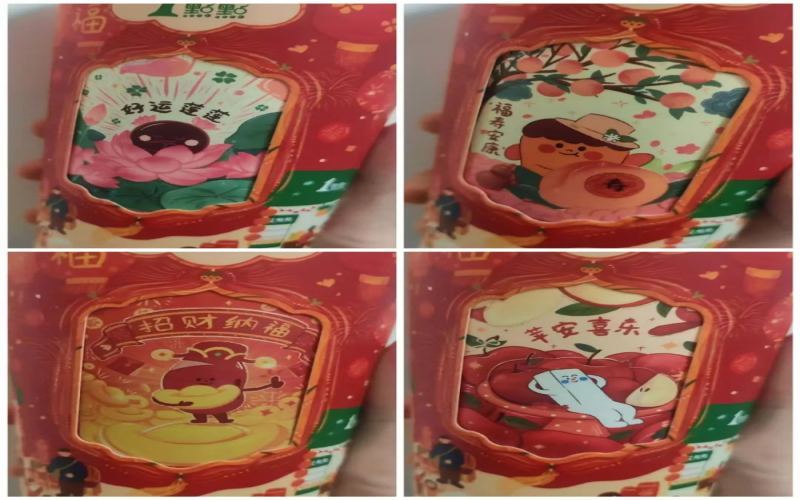
A Little New Year Spinning Cup Limited Release Sparks Controversy: Customer Requests Cup in Notes but Receives Ordinary Cup
During the Spring Festival, major chain beverage brands rolled out limited-edition packaging to create a festive atmosphere. Yidianji's New Year spinning cup won widespread praise on social media thanks to its ingenious design: the cup body can rotate, revealing different blessings through a small cut-out window. However, many consumers specifically placed orders with notes requesting this limited-edition cup, only to receive their drinks in ordinary cups, sparking widespread complaints. The reasons given by stores included that the cup was not suitable for cold drinks, that it was limited to a daily quota, or that it could not be used with the ice cream topping—and some stores simply said they did not have the cup at all. The gap between the brand's statements and the stores' actual execution left expectant consumers confused and disappointed. [more…]

Why Does Rainy Weather Make Espresso So Hard to Dial In? Analyzing the Causes of Unstable Espresso Machine Extraction
Spring has arrived, and Guangdong is experiencing continuous rainy weather. For baristas who need to get up early every day to dial in espresso, this period is undoubtedly a challenge. Many coffee enthusiasts have noticed that with the same beans and the same parameters, as soon as a rainy day comes, the espresso machine seems to throw a tantrum, and the extraction results are always less than satisfactory. What exactly causes espresso to be so difficult to dial in on rainy days? This article will analyze in depth from multiple angles such as humidity, temperature, and bean condition, helping you understand the real reasons why espresso machine extraction is unstable in wet weather, and offering practical approaches to deal with it. [more…]

Cotti Coffee teams up with "Ne Zha 2" to revamp merchandise redemption rules: no speed race, no quantity limits, drink vouchers valid at all stores
"Ne Zha 2" has surpassed 1.49 billion yuan at the box office, becoming the biggest winner of the Spring Festival season, with Cotti Coffee, Chagee, and Good Me securing co-branding rights from among numerous competitors. Cotti was the first to announce its collaboration details, launching 12 combo packages, each containing one voucher for any drink on the menu and one limited-edition merchandise item, with no cap on merchandise quantities, no need to rush-buy, and drink vouchers valid nationwide within three months. This unconventional move was praised by netizens as "treating consumers like human beings," standing in sharp contrast to the previous co-branding model of limited quantities, bundled sales, and two-cup minimums, and putting pressure on Chagee and Good Me, which have yet to announce their own terms. [more…]
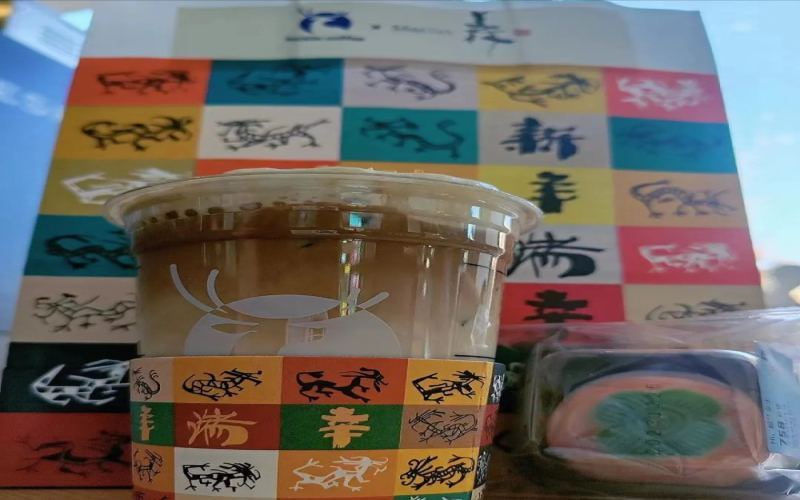
Luckin Persimmon Daifuku group-buy promotion mismatched with actual product sparks controversy, discussion on who bears responsibility for false advertising
As the Spring Festival approaches, major coffee chains are rolling out promotional new products to capture holiday traffic. After launching the Year of the Dragon sauce-flavored chocolate in a second collaboration with Moutai, Luckin Coffee quickly followed up with the Han Meilin co-branded New Year Red Dragon Latte and a matching dessert, Persimmon Daifuku. However, this dessert, which had been highly anticipated, drew complaints from consumers who said the group-buy advertising seriously mismatched the actual product, sparking heated discussion about false advertising and where responsibility lies. Some netizens argued that Luckin cannot escape blame for lax review, while others pointed out that the root cause is some group-buy bloggers using footage of other products to earn commissions. Behind the incident, the review mechanisms of brand marketing and the issue of consumer trust are worth pondering. [more…]

Bawang Chaji's "Return to Yunnan" ripe pu'er series launches: air-dried beef in tea sparks discussion, 350ml small cup pricing draws controversy
After lying dormant for most of the year, Chagee has finally launched a new product line, the "Return to Yunnan" ripe pu'er series, bringing three drinks at once. Among them, "Clouds Rolling with Pine Wind" boldly adds dried beef flakes and black truffle, breaking away from the brand's previous light milk tea direction. However, after launch, consumer feedback has been polarized: some praise its innovation, while others bluntly say the combination of beef and black truffle tastes like barbecue dipping sauce. What surprised longtime users even more is that the new packaged cup is only about 350ml, a considerable reduction from the regular medium cup, yet the price is higher than the classic "Boyya Juexian," sparking discussion about value for money. This article sorts through the new product lineup, taste reviews, and cup-size controversy, and includes related recommendations from Front Street Coffee for coffee and tea beverage enthusiasts to reference. [more…]
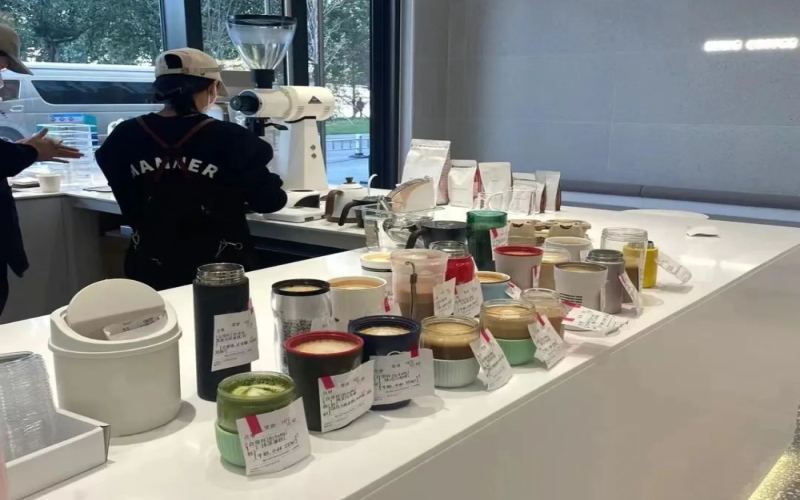
Bring-Your-Own-Cup Coffee Fun Facts: From Eco-Friendly Discounts to Bizarre Containers, Baristas Stay Calm Through Every Trick
Today, a daily cup of coffee has become a routine for many people. At the same time, more and more brick-and-mortar cafés are offering discounts to customers who bring their own cups, encouraging them to get their coffee in non-disposable cups. For consumers, bringing their own cup is both eco-friendly and saves a few bucks; for businesses, using a small discount to attract these customers can also boost repeat purchases—a win-win. Manner started offering a 5-yuan discount for bring-your-own-cup back in 2015, and Starbucks also holds a limited-time free coffee event for customers with their own cups every Earth Day. On Xiaohongshu, users have gotten even more creative, showing up with goblets, rice bowls, gourd ladles, thermoses, and even empty liquor bottles, putting on a quirky bring-your-own-cup contest. Faced with these bizarre containers, professional baristas still calmly serve the drinks. This article takes you through these amusing scenes and also discusses the environmental significance behind bringing your own cup. [more…]

2-jin milk tea sold by weight sparks debate: controversy over cost-effectiveness and capacity labeling
Recently, a milk tea marketed as a "2-jin pack" has gone viral on social media, attracting a large number of consumers. The product was launched by a local tea beverage brand in Zhanjiang, priced at 18 yuan, or about 10 yuan after discounts, and has tapped into the consumer psychology of pursuing value for money with its large capacity and low price. However, along with the popularity came controversy: some consumers pointed out that 2 jin is roughly equivalent to 1000ml, and compared with the 500-700ml large cups of milk tea on the market, the actual value for money may not be outstanding, and merchants should label the capacity truthfully. In addition, similar products have already appeared in Nanning, Guangxi, and the originality of the idea has also sparked discussion. Some people are also worried that oversized milk tea may cause food waste. As coffee lovers, Front Street Coffee has also noticed the consumer trends and industry reflections behind this phenomenon. [more…]
Colombian Single-Origin Coffee Beans: A Complete Guide to Origin Tracing, Growing Environment, Quality Characteristics, and Grading System
Colombian coffee is one of the few single-origin coffees named after a country and sold worldwide. Thanks to its superior geography and climate, along with the careful cultivation of local growers, it has earned a reputation far beyond that of other producing regions. The roasted beans give off a sweet aroma, with acidity balanced by sweetness and a mellow bitterness, and a moderate body, often used in premium coffee blends. This article will systematically sort out the historical origins, botanical morphology, growing environment, regional quality characteristics and grade classification of Colombian coffee, and introduce related products recommended by Front Street Coffee, taking you through a comprehensive understanding of this South American coffee gem known as "green gold." [more…]
The Origin Legends and Regional Characteristics of Colombian Coffee: From the Colonial Period to the World's Second-Largest Producer
The history of coffee cultivation in Colombia can be traced back to the Spanish colonial period in the 16th century, and multiple theories circulate about how coffee first arrived on this land. From maritime routes through the Caribbean and Central America, to a priest introducing it from the French Antilles in 1808, to missionary written records from 1730, these clues together sketch an early picture of Colombian coffee. Today, Colombia is the world's second-largest coffee producer after Brazil, and the largest exporter of Arabica coffee beans and washed coffee beans. Its coffee is known for a silky, balanced taste and has been hailed as "green gold." Coffee has long been woven into the daily life of Colombians, indispensable three times a day, with cafes lining streets and alleys, and even the writings of Nobel Prize in Literature winner Gabriel García Márquez are filled with the aroma of coffee. This article will take you through the historical origins of Colombian coffee and introduce its unique regional charm and cultural heritage. [more…]
Colombian Emerald Coffee: Flavor Characteristics, Mouthfeel Performance, and Grind Size Guide
Colombian coffee holds an important place in the hearts of coffee lovers worldwide thanks to its silky smooth mouthfeel and outstanding balance. As the world's third-largest coffee producer and the largest exporter of washed Arabica beans, Colombia is home to numerous specialty regions and distinctive estates. This article provides a systematic introduction to the flavor characteristics and taste profile of Colombian Emerald coffee beans, outlines their unique geographical environment and historical origins, and reviews the cultivation features of well-known estates such as Hacienda Esperanza, Hacienda Esmeralda, and Oak Estate one by one. Finally, it includes Front Street hand-brew parameters as a reference, helping readers gain a comprehensive understanding of this coffee hailed as "green gold." [more…]
A Detailed Guide to the Flavor Characteristics of Colombian Specialty Coffee Bean Regions: From Emerald Coffee to Andean Mountain Mellow Coffee
Colombian coffee is one of the few single-origin coffees sold worldwide under a country's name, and is renowned as the "Emerald Coffee." It is grown in the highlands of the Andes in northwestern South America, where the mild climate and humid air provide an ideal "natural pasture" for Arabica coffee. Colombian coffee is famous for its acidity with a hint of sweetness, mild bitterness, and excellent balance, with a silky, soft mouthfeel, a rich and full-bodied aroma, a bright, high-quality acidity, and sometimes a nutty nuance. The country's coffee-growing regions are divided into more than 200 grades, and harvests occur year-round, making it the world's largest exporter of washed Arabica coffee beans. This article will comprehensively analyze the unique charm of Colombian specialty coffee from the perspectives of its production background, flavor characteristics, geography and climate, cultivation management, and export system. [more…]
Yunnan Coffee Cultivation History and Processing Techniques: From Arabica to Specialty—Front Street Coffee's Typica Practice
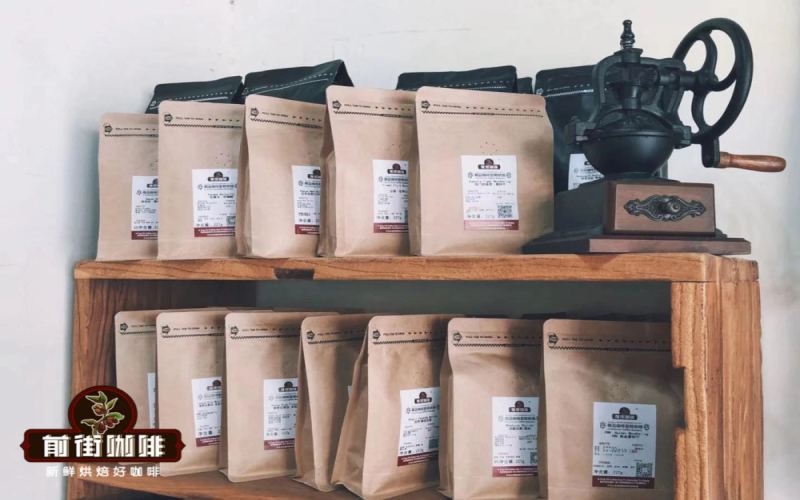
Yunnan coffee has risen to fame in recent years. From the film "Coffee or Tea?" to the documentary "No Poverty Land," the wave of specialty coffee has brought this land's coffee beans into the spotlight. Yet Yunnan's history of coffee cultivation is far longer than one might imagine, traceable as far back as the saplings brought by missionaries in the late nineteenth century. It then went through large-scale planting in the 1950s to supply the Soviet Union, Nescafe's promotion of the Catimor variety in the 1980s, and finally a turn toward specialty coffee in the twenty-first century. Front Street Coffee has been personally involved in this journey as well, growing Typica from scratch in the Lincang producing region and exploring how variety, altitude, and processing methods work together. This article will walk you through the ins and outs of Yunnan coffee, and through Front Street's own practice show how small-bean coffee achieves a flavor that is fragrant without being harsh, and rich without being bitter. [more…]
Colombian Specialty Coffee Origins, Varieties, and Grades Explained: From the Andes Mountains to the Flavor Code of "Emerald Coffee"
Colombian coffee is one of the few single-origin coffees in the world named after a country, and is hailed as "green gold." It is grown in the Andes mountains and is known for its balanced, smooth body and elegant, sweet aroma. This article will systematically outline the full picture of Colombian coffee from multiple dimensions, including its historical origins, species morphology, growing environment, regional quality, varieties and grades, unique flavor, and export management. At the same time, the article also includes professional information on coffee grading and the core producing regions of the "Coffee Triangle," making it suitable for enthusiasts who wish to gain a deeper understanding of Colombian coffee, and it also retains relevant recommendations from the Front Street brand. [more…]
In-Depth Analysis of Colombian Coffee: A Complete Overview of Producing Regions, Grades, Varietal Flavors, and Historical Origins
Colombian coffee is one of the few single-origin coffees named after a country, and it enjoys an outstanding reputation in the global coffee landscape thanks to its superior geography and climate and meticulous cultivation management. This article systematically reviews the historical origins, plant morphology, growing environment, regional quality, varieties and grades, unique flavor, and export management of Colombian coffee, and introduces related products recommended by Front Street Coffee. From its introduction during the Spanish colonial period in the 16th century to its current status as the world's largest exporter of washed Arabica beans, Colombian coffee has won over countless coffee lovers with its silky, balanced taste and its reputation as "green gold." [more…]
The History of Coffee Cultivation in Colombia and the Origins of the Geisha Variety: From Producing Regions to the Flavor Evolution of Hacienda La Esmeralda
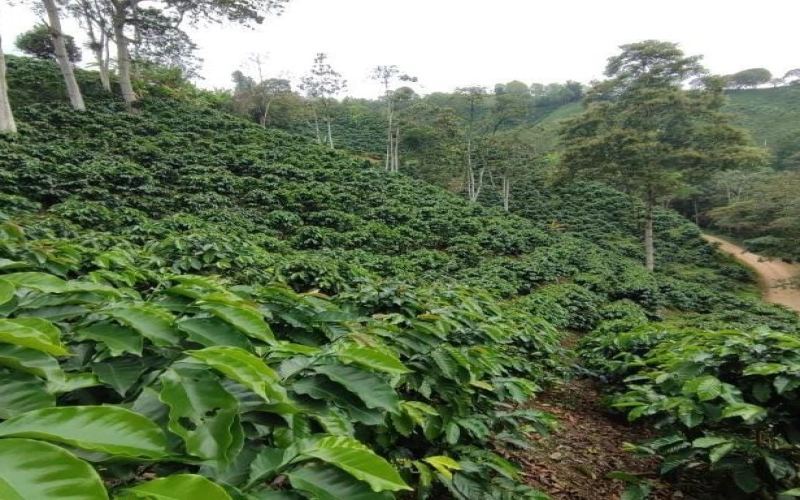
Colombia is the world's second-largest coffee producer, and its coffee-growing history dates back to the Spanish colonial period in the sixteenth century. Today it has developed a dual structure of commercial Arabica in the north and specialty production areas in the south. Starting from Colombia's topography and microclimates, this article outlines its production regions, harvest seasons, and green bean grading system, and then takes an in-depth look at the legendary Geisha variety's wandering journey—from being discovered in an Ethiopian village, through Kenya and Costa Rica, to finally shining brightly at Hacienda La Esmeralda in Panama. Through cupping, Front Street Coffee has recorded Geisha coffee's full-bodied blackcurrant juice character, rich berry aroma, and red wine finish, giving you a comprehensive understanding of the terroir and stories behind this "green gold." [more…]
Low Altitude, Top-Tier Flavor: A Complete Guide to Hawaiian Kona Coffee Beans—Origin, Varieties, and Brewing
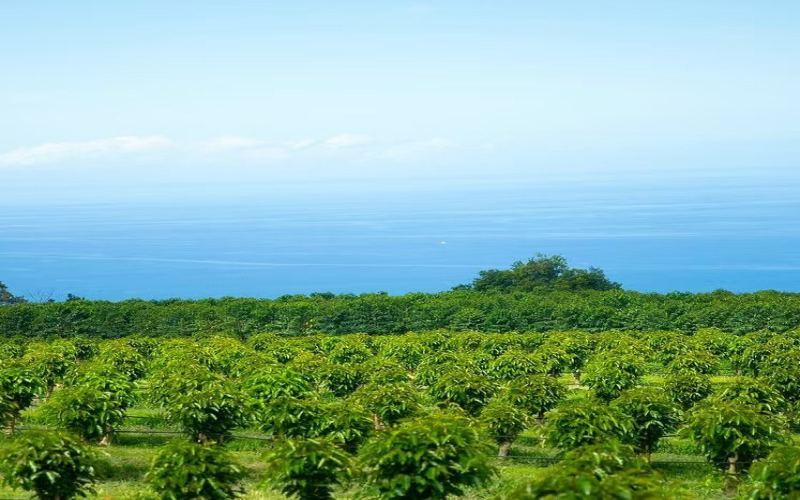
In the world of specialty coffee, high altitude is often regarded as synonymous with superior flavor, but Hawaiian Kona coffee breaks this convention. As the only coffee-producing region in a developed country, Hawaii, with its unique island climate, fertile volcanic soil, and meticulous field management, cultivates Kona coffee, hailed as "the world's most perfect coffee bean." Its beans are plump, with balanced acidity, a mixed aroma of cinnamon spice and fruit, a smooth mouthfeel, and a long finish. This article will systematically review the cultivation history of Hawaiian coffee, the characteristics of each producing region, the traits of the Typica variety, the washed processing method, the Kona bean grading system, and the roasting and brewing parameters for Queen Estate Kona beans recommended by Front Street Coffee, taking you through a comprehensive understanding of the unique charm of this low-altitude coffee queen. [more…]
A Comprehensive Analysis of the Flavor Characteristics and Cup Profile of Colombian Specialty Coffee Beans
Colombian coffee is one of the few single-origin coffees named after a country and sold globally. Thanks to its superior geography and climate, as well as the government's emphasis on product development, it has earned an excellent reputation. Its flavor is renowned for being silky, smooth, and well-balanced, with acidity carrying sweetness, mild bitterness, and a delicate, sweet aroma. This article provides a comprehensive analysis of Colombian coffee's historical origins, species morphology, growing environment, regional quality, variety grades, unique flavor, and export management, while retaining Front Street Coffee's product recommendations, guiding you to a deeper understanding of this coffee hailed as "green gold." [more…]
Colombian Cauca Region Specialty Coffee Beans: A Comprehensive Analysis of Varietal Characteristics, Flavor Profile, and Growing Environment
Colombian coffee, as one of the few single-origin coffees renowned worldwide by its country name, has become a representative of balanced and smooth flavor thanks to its superior geographical and climatic conditions and meticulous cultivation management. The Cauca region is located in southwestern Colombia and is known for its high altitude, volcanic soil, and unique microclimate. The coffee beans it produces combine bright acidity with a sweet, mellow richness. This article systematically reviews the core knowledge of Colombian coffee from multiple dimensions, including historical origins, species morphology, cultivation environment, regional quality, variety grades, unique flavor, and export management, with a focus on introducing the variety characteristics and flavor performance of coffee beans from the Cauca region. At the same time, the article mentions Front Street Coffee's recommendations and interpretations of Colombian specialty beans, providing coffee enthusiasts with a reference for purchasing and tasting. [more…]
A Beginner's Guide to Everyday Coffee Beans: Flavor Analysis of Eight Classic Origins and Tips for Choosing Espresso Beans
Friends who are just getting into coffee often ask: What are "staple beans"? Why are they called that? For beginners, facing a dazzling array of coffee varieties, they often don't know where to start—they want to try different flavors, but worry about wasting money if they buy too much. Staple beans, with their small packaging, affordable price, and diverse varieties, happen to solve this problem. Front Street Coffee has selected the most representative flavor beans from major producing regions around the world and launched a 100g tasting-size staple bean series, covering eight classic origins including Ethiopia Yirgacheffe, Indonesia Mandheling, and Costa Rica Tarrazu. This article will analyze each bean's origin background, variety characteristics, and brewing suggestions one by one, and further explore the selection logic and blending options for espresso beans, helping coffee lovers find the cup that suits them. [more…]