







Search Results for: Shanghai pandemic
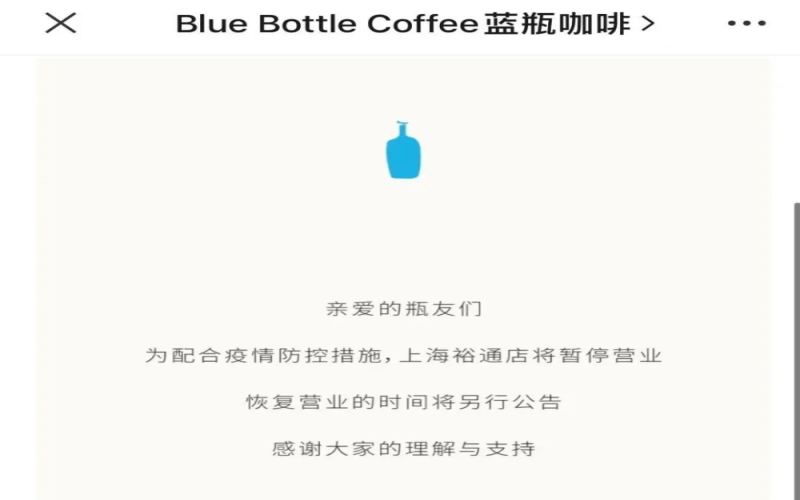
Shanghai's Blue Bottle Coffee hits pause due to the pandemic: the rise and fall of its first mainland store, from long queues to closure
Blue Bottle Coffee's first mainland China store—Shanghai Yutong Store—went from a phenomenon-level check-in spot with seven-hour queues on opening day to announcing a temporary closure in response to epidemic prevention and control measures. What was the process like? This article reviews the changes in customer flow since the store opened, adjustments to epidemic prevention measures, and the development of Shanghai's current round of the epidemic. As a brand widely regarded as the "textbook" example in the specialty coffee field, Blue Bottle's temporary farewell this time has left many coffee lovers feeling regretful. In the face of the epidemic, health always comes first, and we will continue to follow updates on its reopening. [more…]
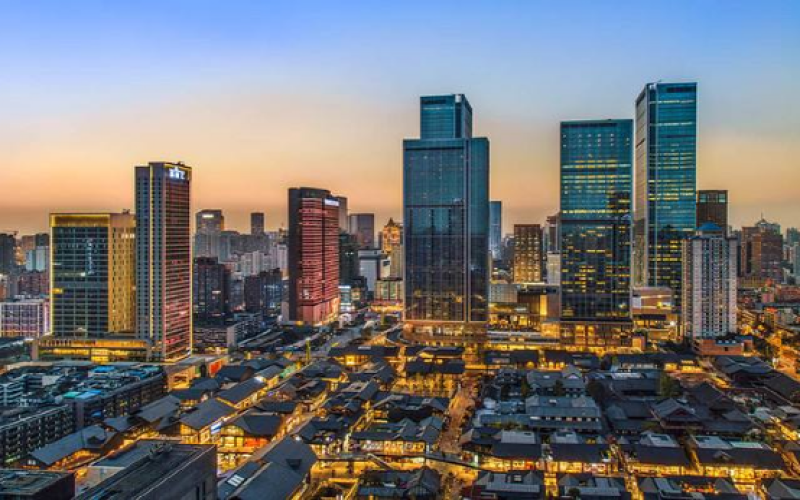
China's Coffee Market Landscape Shifts: Shanghai Loses Momentum Under Pandemic Impact, Chengdu Accelerates Its Rise
For a long time in the past, Shanghai was regarded as the city with the highest coffee density in China. However, the nearly three-month suspension of dine-in services dealt a heavy blow to Shanghai's catering industry, and coffee brands began to turn their attention to Chengdu. Data shows that Chengdu now has more than 7,000 coffee shops, ranking second nationwide, with independent coffee shops accounting for as much as 81.07%, far exceeding Shanghai's 57.01%. Luxury brands have also chosen to open coffee shops in Chengdu one after another, including LV, Cartier, Ralph's Bar, and Maison Margiela Café. Wangping Street, Mengzhuiwan, and Tangpa Street in Chengdu have become popular coffee districts, where teahouse culture and coffee consumption blend together. This article will analyze the data and trends behind this round of changes in the coffee city landscape. [more…]
Blue Bottle Coffee's second mainland China location is set in Jing'an Kerry Centre—could the pandemic instead be the brand's breakthrough moment?
Blue Bottle Coffee's second store in China has been confirmed to continue locating in Shanghai, with the site chosen at the first and second floors along the street of Jing'an Kerry Centre, and it is currently still under renovation. Previously affected by the Shanghai pandemic lockdown, the preparation progress was once hindered, and many people believed that Blue Bottle's entry timing was poor. However, during the pandemic's closed-loop production period, Blue Bottle, relying on the advantage of fresh coffee beans from its own roasting factory, instead gained a wave of goodwill in community group buying and home coffee consumption scenarios. This article reviews Blue Bottle Coffee's pricing logic, brand positioning, and the prospects of the specialty coffee market, exploring whether this expansion is ill-timed or well-timed. [more…]
The Coffee Industry's Predicament Under Shanghai's Pandemic Lockdown: Small Shops Running Out of Beans, Traders Shifting Warehouses, and the Way Forward
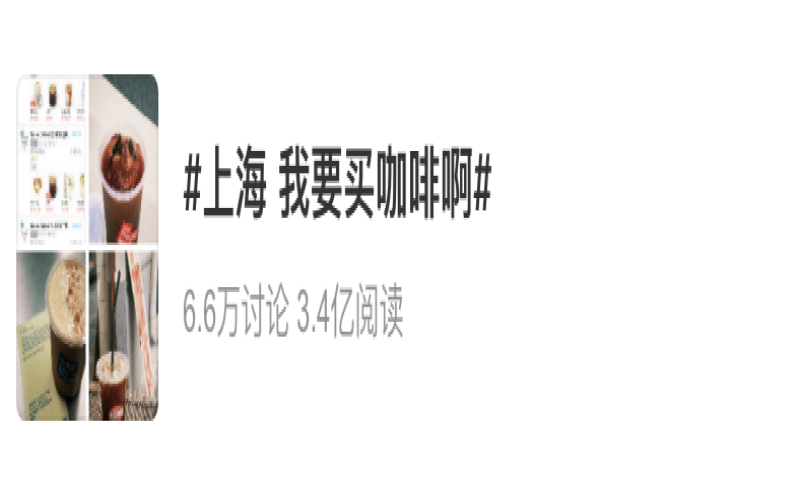
Shanghai implemented community lockdowns starting in mid-March, catching coffee lovers off guard. A Weibo trending topic titled "I want to buy coffee" garnered over 340 million views, reflecting the close connection between coffee and daily life. However, café owners are facing the dilemma of suspended dine-in services and sharply declining revenues, with some small shops even considering transferring their businesses after the lockdown lifts. Meanwhile, coffee bean roasters are adjusting their supply chains due to stalled warehouses in Shanghai, and green bean traders are setting up temporary warehouses in other cities. This article will delve into the impact of the lockdown on the coffee industry chain, and how small shops can find a way out under the pressure of rising prices and capital chain strains, including strategies like shifting to drip bag coffee and online sales, while also paying attention to the developments of brands such as Front Street Coffee. [more…]
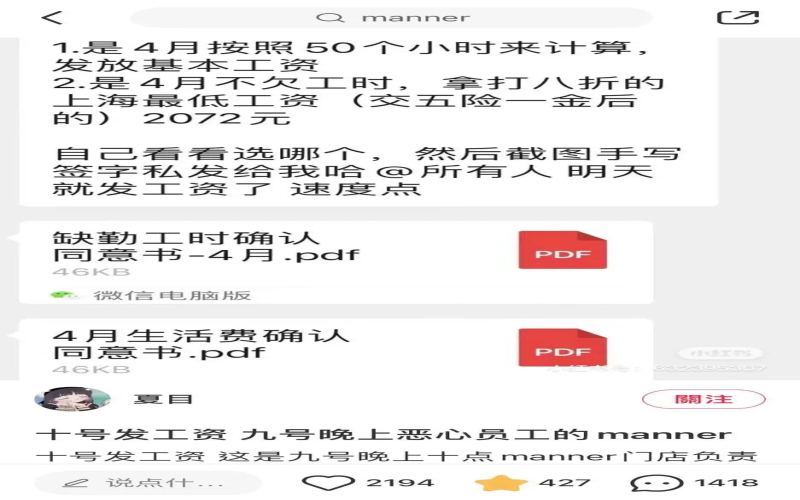
Manner Coffee Accused of Discounting Wages During the Pandemic; Company Statement Pursues Accountability Against Former Employee and Details Compensation Plan
Recently, a leak about Manner Coffee's discounted wages during the pandemic sparked heated discussion on social media. The leak claimed that Manner required employees to choose between two compensation options: hourly basic pay, or 80% of Shanghai's minimum wage of 2,072 yuan. The incident quickly trended on Weibo, and Manner subsequently issued a statement identifying two former employees as having made false claims, and said it had reported the matter to police to pursue criminal and civil liability. The statement also detailed wage payment standards during the pandemic, saying its treatment was far above Shanghai's minimum wage, and implicitly suggested that employees of competitor Mstand Coffee were involved. This article reviews the course of the incident, both sides' accounts, and lawyers' views, and explores the legality of barista pay during the pandemic and the state of the industry. [more…]
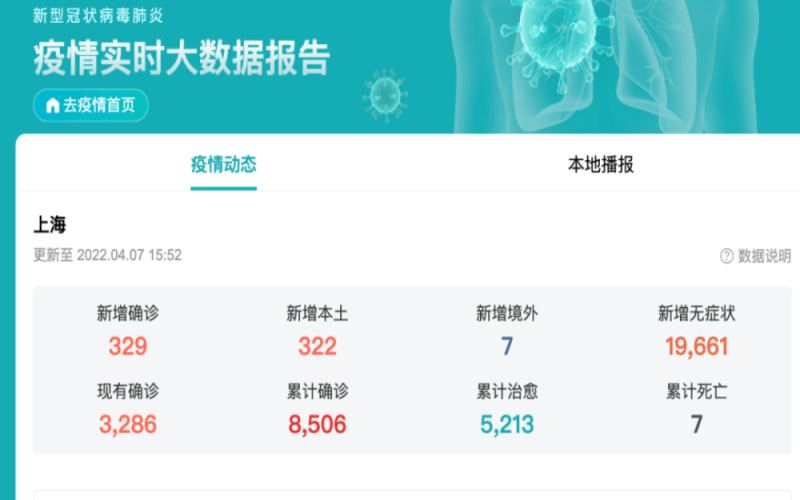
During the Shanghai pandemic, coffee was traded for canned meat; Front Street Coffee discusses coffee passion and supply shortages
During the COVID-19 pandemic in Shanghai, shortages of supplies became a difficult problem for residents. A blogger exchanged the only coffee at home for a neighbor's canned meat, sparking heated discussion online. Some joked about whether coffee beans could be traded for vegetables, while others questioned whether it was worth it. This article records this coffee story from a special period, and reminds everyone to cooperate with epidemic prevention and reduce contact. At the same time, Front Street Coffee continues to provide coffee lovers with professional exchange and specialty bean information. [more…]
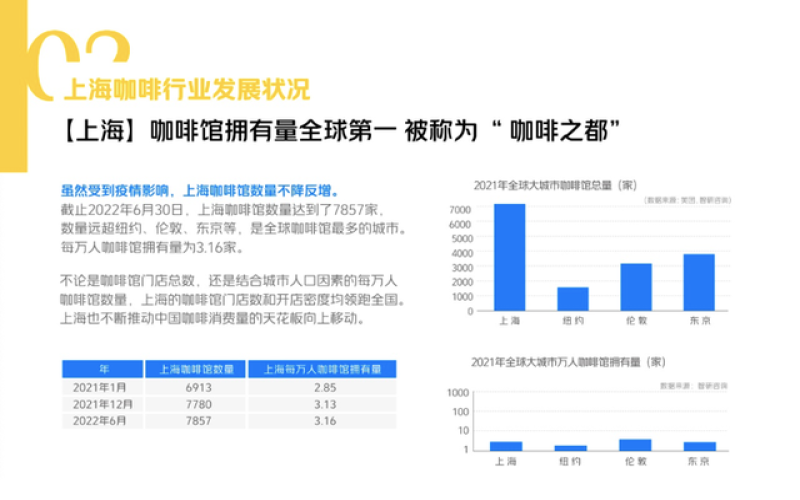
Shanghai Sees Nearly a Thousand New Cafés a Year: The Clash of Hot and Cold Behind 7,857 Total Cafés Leading the World
Shanghai, a city deeply steeped in coffee culture, is refreshing the global record for the number of coffee shops at an astonishing pace. As of June 2022, the city had 7,857 coffee shops, not only firmly ranking first in China in terms of quantity, but also surpassing international metropolises such as New York, London, and Tokyo to become the city with the most coffee shops in the world. Yet behind this numerical growth lie both the rapid expansion of specialty coffee brands fueled by capital and the reality of small shops struggling to survive under the impact of the pandemic. From 867 new additions in 2021, to a slowdown in the pace of openings in the first half of 2022, and then to the industry regaining momentum in the second half, what kind of resilience and challenges has Shanghai's coffee market shown? This article will combine the latest data and industry cases to analyze the driving forces and hidden concerns behind the counter-trend growth of Shanghai's coffee industry. [more…]
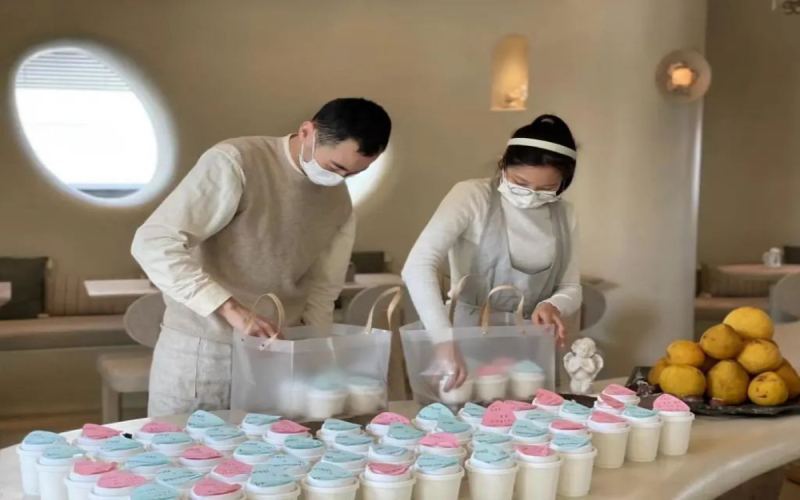
A coffee shop staffed by the hearing-impaired posted a plea for help during the pandemic. After reopening, with zero foot traffic, how did they save themselves through original drip coffee bags?
A silent coffee shop in Shanghai, staffed mainly by hearing-impaired baristas, published an article titled "Please rest assured, we are still alive. But..." on June 14, quickly gaining over 80,000 views. Under the impact of the pandemic, dine-in service was suspended, delivery communication was hindered, and masks obscured lip-reading, plunging the shop into a situation of zero revenue and zero foot traffic. The baristas hand-drew 12 touching moments from those months into illustrations and launched an original themed drip-bag coffee set as a self-rescue effort. The article reviewed the real difficulties this special coffee shop faced, its self-rescue methods, and business adjustment ideas that coffee shops could draw on during the pandemic, including joining delivery platforms, ensuring product quality, designing offline discounts to bring customers back, and developing peripheral products such as drip bags and coffee beans to meet consumers' shifting demand from "going to the shop" to "having it at home." [more…]
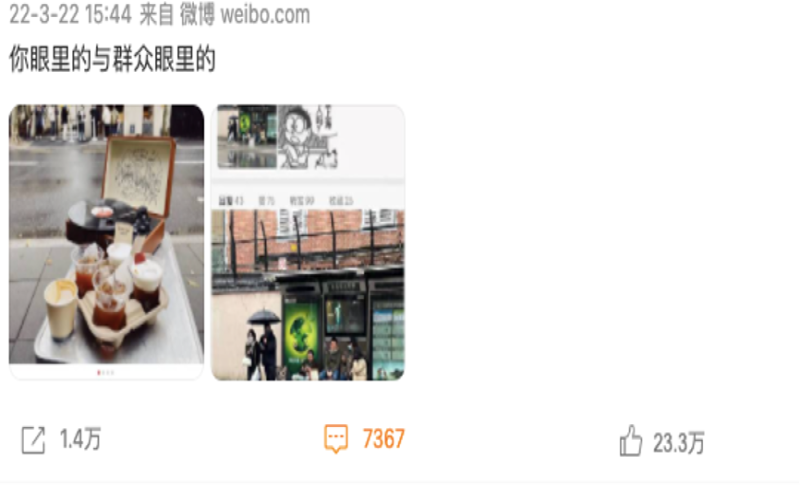
A Shanghai netizen recreates a camping-style coffee moment at a bus stop, with vinyl records and specialty drinks sparking polarized public opinion.
Shanghai, an international metropolis hailed as the coffee capital, recently trended on social media because a netizen camped out at a bus stop to drink coffee and play vinyl records. During the pandemic, coffee shops offered takeout only, so this netizen took camping gear out of their car and enjoyed a special coffee and vinyl music under a bus shelter; after being photographed by passersby, it sparked widespread discussion. Some questioned whether doing this in strong wind and heavy rain was too pretentious, while others considered it personal freedom. As the incident continued to intensify, the person involved came forward to clarify, and netizens' views polarized. This article will fully present the whole story and the voices of all sides, and retain the relevant recommendation information for Front Street Coffee. [more…]
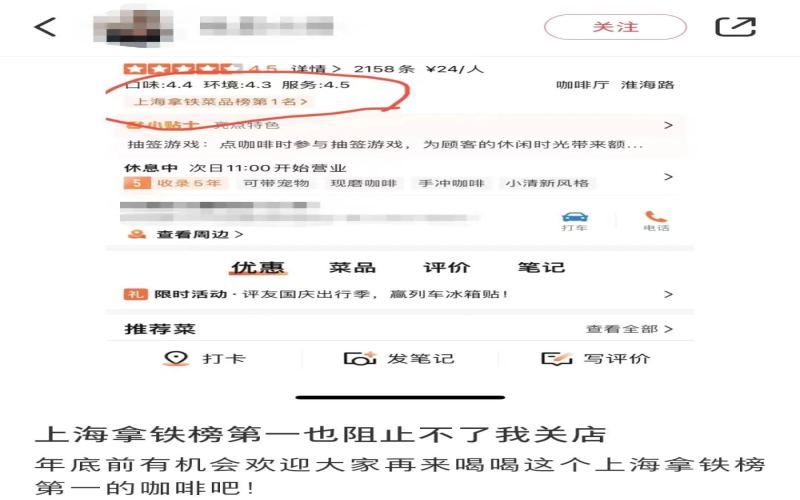
Even the top-ranked Shanghai latte spot couldn't escape it—an independent coffee shop that had been operating for five years announced it will close at the end of the year.
Shanghai is home to over nine thousand coffee shops, and its rich coffee culture has made the city one of the most vibrant places for coffee in the country. However, such a large number of shops also means exceptionally fierce competition. Recently, an independent coffee shop that once topped Shanghai's latte rankings suddenly announced it would close at the end of the year, drawing widespread attention from nearby customers and industry peers. The owner admitted that business conditions were not the main reason, but that the thought of stepping away had taken root since the pandemic restrictions were lifted. This incident reflects the survival struggles of independent coffee shops today amid the expansion of chain brands and cutthroat industry competition, and it also prompts a fresh look at the accelerating turnover and renewal of the coffee market. [more…]
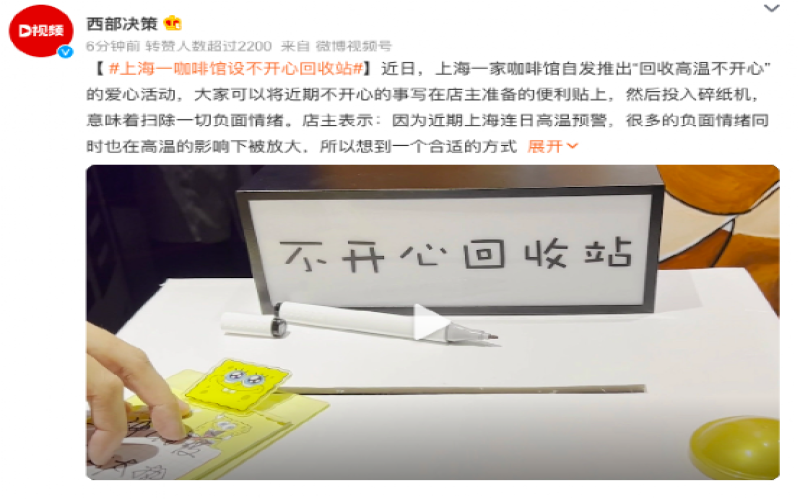
Shanghai cafés launch a high-temperature emotion recycling campaign, offering free iced coffee to help customers soothe their summer irritability.
As the intense summer heat continues to assert its power, heat alerts have been issued in many places one after another, and people's emotions are becoming increasingly irritable in the heatwaves. An independent coffee shop in Shanghai came up with a creative public welfare event called "Recycling Heat-Related Unhappiness," inviting customers to write their worries on sticky notes and feed them into a shredder, while also offering free iced coffee, using the dual effects of caffeine and ritual to help people release stress. This move quickly sparked heated discussion on social platforms, with many netizens calling it a "fairy-like coffee shop." In fact, coffee's positive effect on mood is not just empty talk. Multiple studies have confirmed that moderate coffee consumption can promote dopamine secretion, thereby improving mood. [more…]
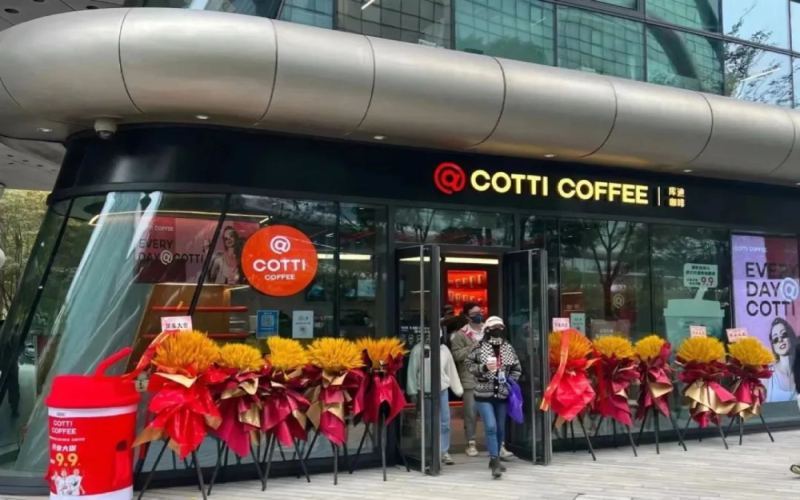
Lu Zhengyao Returns to the Coffee Arena: Cotti Coffee's First Shanghai Store Lands in Hongqiao, Accelerating Toward a 10,000-Store Goal
After leaving Luckin, Lu Zhengyao and his original core team have officially unveiled their new brand Cotti Coffee in Shanghai, with the first store located at Tianhui HQ (formerly Lingkong SOHO), competing alongside brands such as Starbucks, Luckin, and Manner. Cotti Coffee is expanding rapidly through a fully directly managed joint-operation model, and has already entered more than 40 cities. It has set a goal of 10,000 stores in three years, or even completing 10,000 stores as early as June 2023. On the product side, in addition to regular coffee, it has also launched limited-edition drinks such as the mate tea series, priced between 9.9 and 18.9 yuan, directly targeting Luckin’s hit products. Specialty coffee brands such as Front Street Coffee are also paying attention to changes in this track. Competition in the coffee industry is accelerating as pandemic controls fade, and what kind of pressure Lu Zhengyao’s bold layout will bring to Starbucks and Luckin is worth continued attention. [more…]

Tims China's store count exceeds 500, with first-half revenue up over 70% year-on-year
Tims Coffee's 500th store in China has officially landed in Dongguan, just days away from its upcoming listing on Nasdaq. From its first store in Shanghai in 2019 to now covering multiple tiered markets, Tims China has taken less than four years. Despite repeated pandemic disruptions, its revenue in the first half of the year still achieved a year-on-year growth of over 70%, demonstrating strong momentum. At the same time, the brand has received continued support from shareholders such as Tencent and Sequoia China, and plans to penetrate lower-tier markets with flexible store formats. This article will review Tims China's expansion trajectory, performance, store features, and future strategies, along with relevant information from Front Street Coffee. [more…]
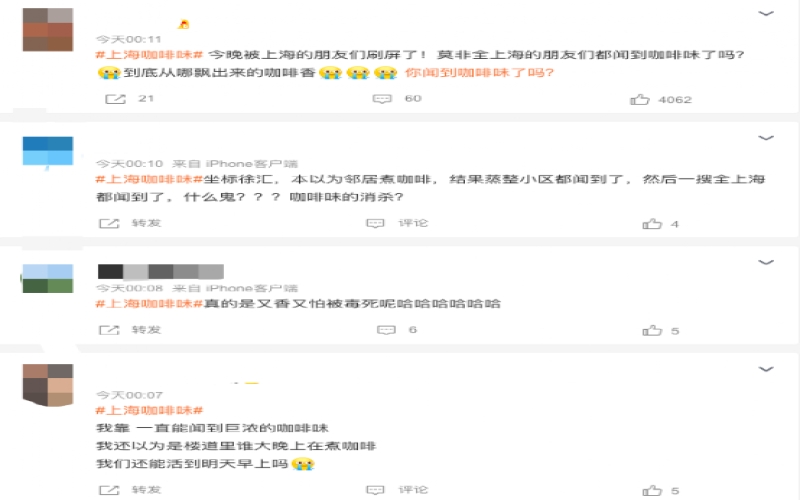
Late-night coffee aroma wafts through Shanghai, sparking heated discussion; multiple departments respond it's not a factory incident, tracing the source
In the early hours of May 17, 2021, residents in several districts of Shanghai reported on Weibo that a rich coffee aroma was drifting through the air. Some thought a neighbor was brewing coffee, while others suspected a family member was secretly drinking coffee late at night. This mysterious scent smelled like instant coffee, mixed with burnt and sesame oil notes. Subsequently, rumors spread online that a flavoring factory in Minhang District had experienced a gas leak, with speculation that the leaked substance was furfuryl mercaptan. Shanghai's fire and ecological environment departments responded that they had not received any reports of related accidents and had launched an investigation, but no abnormalities were found at the scene, and the source is still under verification. As a "city of coffee" with nearly 8,000 coffee shops, Shanghai's real-life coffee aroma diffusion incident has sparked widespread attention. [more…]
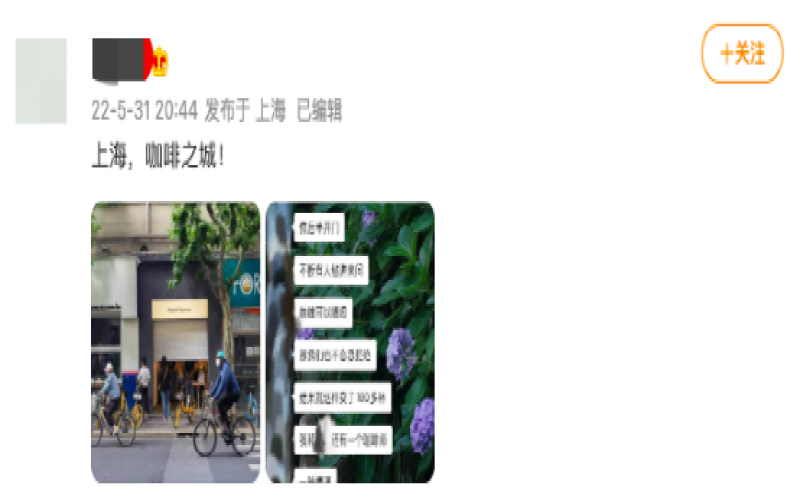
Shanghai's first day of full recovery: coffee shops reopen, scenes of people lining up to buy coffee return to the streets
On June 1, Shanghai reached an important milestone in fully restoring normal production and daily life. After more than two months of home quarantine, coffee lovers finally smelled the aroma of coffee wafting through the streets and alleys once again. From chain brands to independent shops, coffee stores reopened one after another, with takeout and self-pickup orders surging—some shop owners even sold over a hundred cups of coffee to passersby while the shutter was only half open as they were adjusting equipment. This article documents the real scenes of the coffee industry's recovery before and after Shanghai's lockdown was lifted, and citizens' eager anticipation for a freshly ground cup of coffee. [more…]
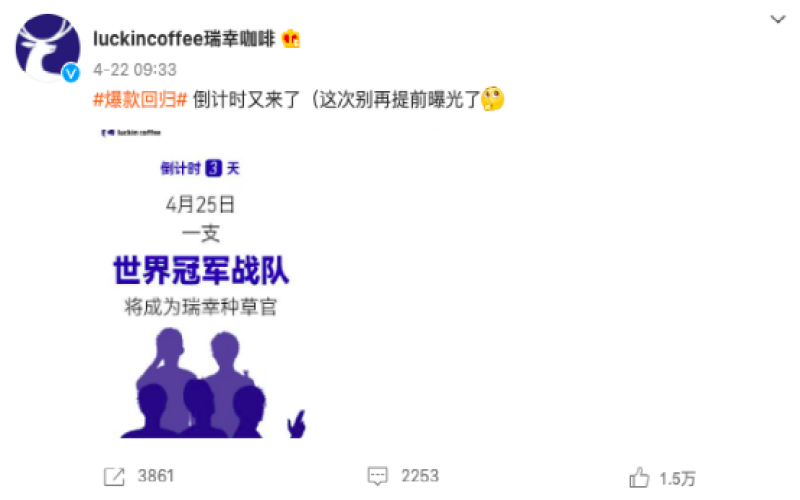
Luckin Coffee Expands into Esports Marketing: Partners with EDG to Launch Shanghai-Themed Store, Store Count Now Surpasses Starbucks
Luckin Coffee recently signed a deal with EDG, the champion team of the S11 World Championship, and is preparing an esports-themed store in Shanghai, attempting to deeply integrate esports culture with consumption scenarios. Previously, Luckin had already shown keen marketing instincts by signing Eileen Gu and teaming up with Coconut Palm. This themed store features four major areas: themed light signs and a gaming experience zone, a bullet-comment corridor, a team history honor wall, and an infinite fantasy photo spot, sparking widespread anticipation among netizens. Meanwhile, after weathering a financial storm, Luckin has made a strong comeback, with revenue from self-operated stores reaching 6.193 billion yuan in 2021, and its store count has surpassed Starbucks, making it the coffee chain brand with the most stores in China. Whether esports marketing can bring new growth to Luckin is worth watching. [more…]
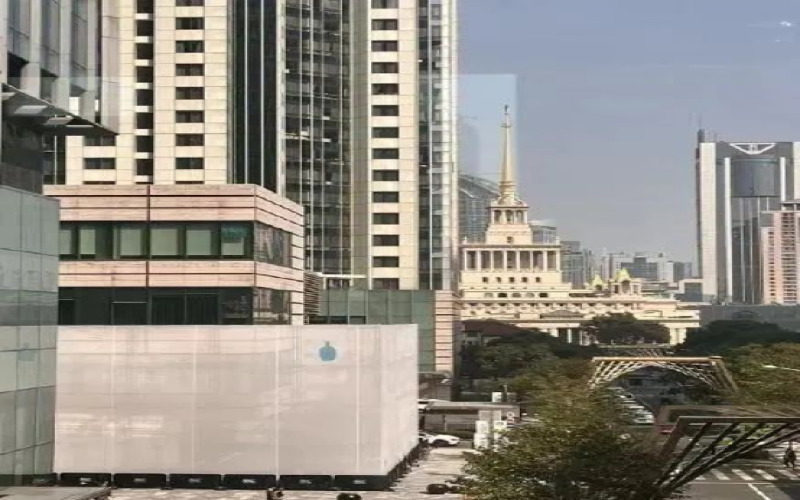
Blue Bottle Coffee's second mainland China store opens in Jing'an, Shanghai, with significantly shorter queues than the first store
Blue Bottle Coffee, hailed as the "Apple of the coffee world," opened its second store in mainland China on August 5 at Shanghai's Jing'an Kerry Centre. Unlike its first store by the Suzhou Creek, this new location is rooted in the Nanjing West Road commercial area, with a two-story space of over 500 square meters and about 160 seats, mainly targeting white-collar workers. The design incorporates traditional Chinese roof tile elements, using more than 13,000 handmade terracotta bricks. On opening day, queues were still necessary, but the wait time had shrunk from seven hours at the first store half a year ago to about 25 minutes. Blue Bottle Coffee has not joined the domestic price war, maintaining its niche specialty pricing of 28 to 50 yuan. [more…]
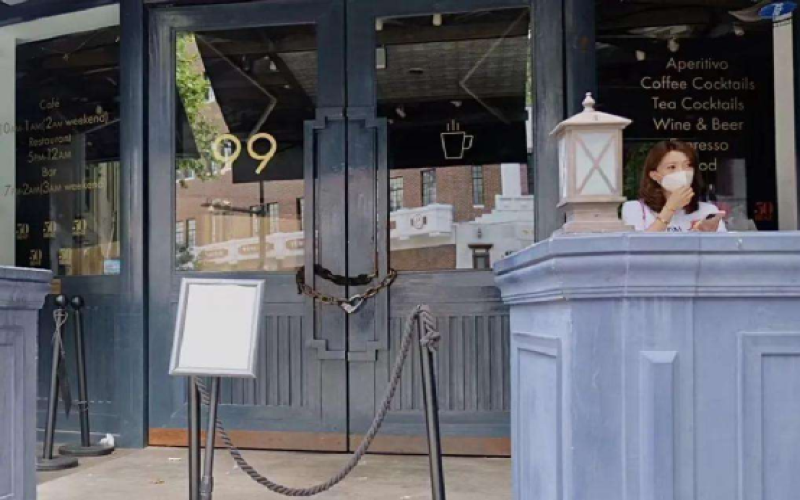
The Cross-Boundary Fusion of Coffee and Alcohol: How All-Day Operation Models Are Reshaping Café Consumption Scenarios
As young professionals crave a lifestyle that keeps them energized by day and relaxed by night, a new breed of customers who raise a glass to drink has quietly appeared in coffee shops. After Shanghai's restaurant industry was hit hard by the pandemic, Xiaohongshu launched a "revival plan," bringing bartenders from dozens of bars into coffee shops and launching coffee specials with alcohol, making "drinking at coffee shops" a new dine-in trend. From the "wine plus coffee" era of Teresa Teng to brands like Sober Company exploring the bistro-coffee shop model today, the boundary between coffee and alcohol is dissolving. This kind of cross-industry operation not only injects freshness into brands, but also strengthens consumer loyalty and promotes conversion between coffee drinkers and alcohol drinkers. However, the sustainability behind the internet-famous check-in economy is also worth pondering. This article will walk you through the business logic and industry trends behind this phenomenon, while retaining Front Street Coffee's professional recommendations. [more…]
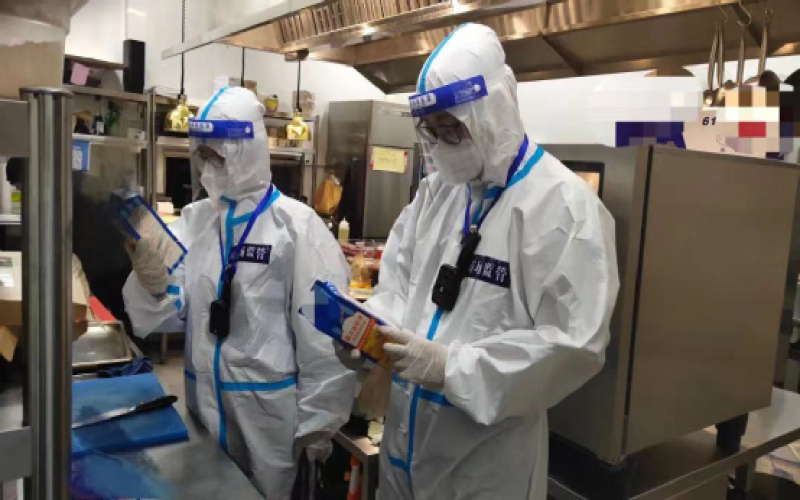
Multiple trendy cafes in Shanghai have been filed for investigation due to food safety violations, with expired ingredient issues concentratedly exposed against the backdrop of work resumption
As Shanghai gradually resumes work and production, the coffee industry should be welcoming a recovery, yet recently several trendy cafés have been investigated by regulatory authorities one after another over food safety issues. From People's Café using expired parsley flakes, cranberry juice, and other ingredients, to MANNER Coffee's poor hygiene conditions, to the expired egg white liquid used at Dang Zhu Fei Café to make cake roll bases, these incidents have exposed the neglect of food safety by some stores under the pressure of resuming operations. This article reviews these typical cases and explores how small cafés can hold the line on compliance when ingredient supplies are tight. For consumers who love coffee, understanding this information helps them choose places to consume more rationally, and Front Street Coffee also reminds practitioners that no matter how much order pressure there is, food safety is always a red line that cannot be crossed. [more…]
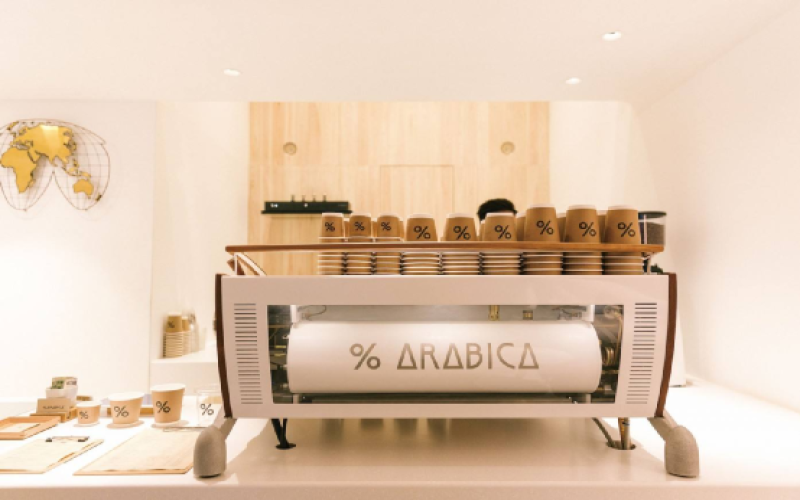
%Arabica's China operator Fumeng International plans to raise $300 million at a target valuation of $1.2 billion, bringing new challenges for specialty coffee expansion.
China's coffee chain market is expected to surpass 36,000 stores by 2025. Despite the pandemic repeatedly disrupting the food and beverage industry, the Chinese market is still regarded as a key growth engine for coffee brands both at home and abroad. Against the backdrop of a sharp pullback in financing enthusiasm, Fumeng International, the Chinese operator of the influencer specialty coffee brand %Arabica, is seeking about $300 million in new funding at a target valuation of $1.2 billion. The brand started with a minimalist visual style, gained popularity from Hong Kong to Arashiyama in Kyoto, and expanded rapidly after entering Shanghai in 2018. It now has 61 stores in mainland China, Hong Kong and Macau. However, as its locations become more mainstream and its influencer halo fades, %Arabica's balance between scale and specialty positioning has become a focus of attention. [more…]