







Search Results for: Shakisso region
Shakisso in Ethiopia's Guji region: A full analysis of coffee beans from origin conditions to flavor performance
Ethiopia's administrative hierarchy consists of four levels: Region, Zone, woreda, and kebele, and the naming of local green coffee beans often follows this system as well. The Guji-Shakisso focused on in this article is located southeast of Yirgacheffe and, in terms of administrative division, falls under Oromia Region → Guji Zone → Shakisso woreda, making it a regional-type coffee origin. Thanks to its outstanding geographical conditions and cup performance, Guji is an independent ECX production region, and Shakisso is one of its much-watched micro-regions. This article will sort out its altitude, soil, processing methods, and flavor characteristics, and review Shakisso's impressive achievements on the international specialty coffee stage. Front Street Coffee also continues to pay attention to high-quality lots from this production area, bringing coffee lovers choices worth tasting. [more…]
Ethiopia Guji Zone In-Depth Analysis: The Terroir Code of the Shakiso Micro-Region and the Traceability of 90+ Legendary Lots
Ethiopia, as the birthplace of coffee, has a regional division system like a precise pyramid, nested layer by layer from Region down to kebele. Southeast of Yirgacheffe lies a micro-region with an altitude exceeding 1,800 meters—Shakisso—where fertile black soil and significant day-night temperature differences nurture coffee flavors that astonish international specialty buyers. In 2010, Guji was made an independent region by the ECX, and Shakisso is the brightest star on this land. From the legendary 90+ bean Nekisse to Level Up's Flower Language, what terroir logic and processing techniques lie behind these repeatedly high-scoring coffees? Front Street Coffee will take you deep into Guji to uncover the unique charm and market value of Shakisso coffee. [more…]
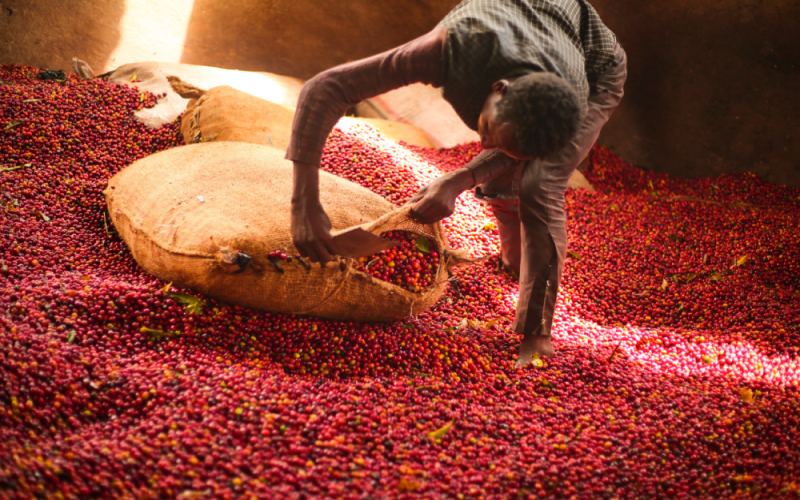
Exploring Ethiopia Sidama Shakiso Micro-Region: Washed Processing and Unique Flavor Brewing Analysis
In the Guji zone of Sidama, Ethiopia, beyond the renowned Hambela, there lies a distinctive micro-region—Shakisso. Once a gold mining area, this place is now known for its unique terroir, which nurtures coffee beans with a lively flavor and bright acidity. Through cupping, Front Street Coffee has discovered that Shakisso coffee exhibits a bright acidity reminiscent of lemon and citrus, accompanied by layers of white grape juice and blackcurrant, with a finish that carries notes of Earl Grey tea, contrasting sharply with the sweeter and fuller-bodied styles of other areas in Guji. This article will delve into the geographical environment, historical background, and washed processing techniques of Shakisso, and share Front Street Coffee's roasting insights and brewing parameters, offering a comprehensive understanding of this unique Ethiopian coffee. [more…]
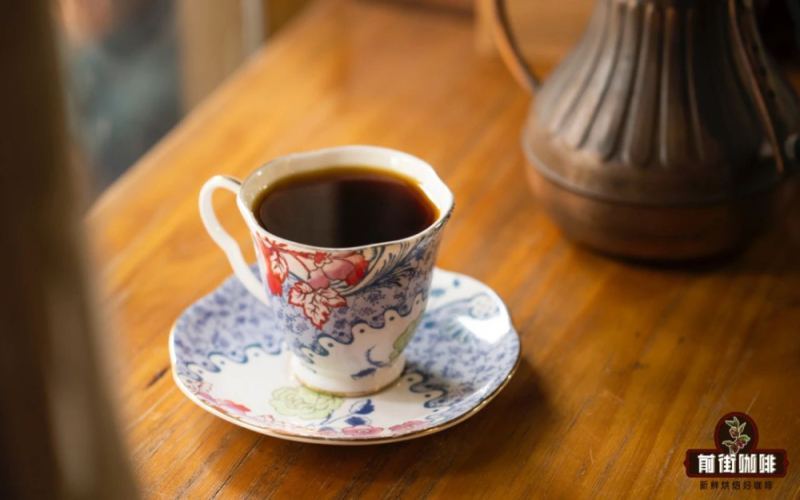
Ethiopia Shakiso Washed G1 Coffee: Flavor Analysis and Origin Guide of Earl Grey Aroma and Caramel Sweetness
In coffee tasting, a tea-like character often implies a clean, translucent texture and a long, sweet finish. If you want to capture this delicate experience, Front Street Coffee Sidamo Huakui 11 is a great entry choice—traditional natural processing paired with a medium-light roast, from Guji Hambela, it presents layers of cream strawberry, citrus, guava, and dried mango after pour-over, with a clear black tea note in the finish. This article, however, will focus on another micro-lot also from the Guji region: Shakiso washed G1. It is located in the Guji zone of Sidamo and is known for its Earl Grey tea, lemon, citrus, and caramel flavors. Ninety Plus's legendary bean Nekisse is named after the nectar of Shakiso. The following will outline its regional background, processing method, and complete flavor profile. [more…]
Ethiopia Guji Region Coffee Flavor Analysis: From Yirgacheffe Gedeb Village to Shakiso—Grading and Regional Evolution
As the birthplace of coffee, Ethiopia's regional divisions and flavor profiles have always been a focal point for coffee enthusiasts. This article will provide an in-depth analysis of the rise of the Guji Zone, starting from the four-tier administrative system of Region, Zone, Woreda, and Kebele, to explain the positioning of Guji-Shakisso within Oromia Region→Guji Zone→Shakisso woreda. At the same time, using the Yirgacheffe Geddida Village washed G1 lot as an example, it will fully present the production background, varieties, processing methods, and flavor layers of smallholder farmer Alimbukato, and trace the historical context of Geddida Village's independence from the Worka Cooperative in 2012. The article also covers the scale, organic certification, and high-altitude terroir conditions of the Worka Cooperative, helping readers comprehensively understand why Ethiopia's Guji Zone has become a hotspot that cannot be ignored in specialty coffee in recent years. [more…]
Ethiopia Guji Region Specialty Coffee Beans: Variety Characteristics, Flavor Profile, and Pour-Over Recommendations
Guji has been a产区 in Ethiopia that has attracted much attention in the specialty coffee circle in recent years, and its Shakiso micro-region is especially known for producing high-quality coffee beans thanks to its superior terroir conditions. Starting from the reform of the ECX trading system, this article sorts out the administrative division and naming logic of Ethiopia's coffee-producing regions, focusing on the origin environment, processing methods, and flavor characteristics of Guji-Shakiso, and comparing the market changes of neighboring regions such as Yirgacheffe. The article also recommends the Guji-Hambela Huakui 2.0 coffee beans roasted by Front Street Coffee, balancing quality and value for money, suitable for pour-over enthusiasts to refer to when purchasing. [more…]
Ethiopian Sidamo Coffee: A Complete Guide to Origin, Varieties, Processing Methods, Flavor Profile, and Grinding & Roasting Essentials
Sidamo is a highly representative single-origin coffee region in Ethiopia, famous for its small grey bean variety and intense spice, winey, chocolate, and floral notes. The washed process brings clean and refreshing lemon, citrus, jasmine, and honey tones, with bright, uplifting acidity and lower body, suitable for City to Full City roasts. Local traditional processing methods are relatively rough, prone to mixing in impurities and defective beans, resulting in high quality fluctuations; Shakisso, as a micro-region in the Guji area adjacent to Sidamo, attracts attention for its unique regional flavor, and Front Street's sun-dried Sidamo can reach G1 grade after careful selection. [more…]
Yirgacheffe vs. Sidamo: A Comprehensive Comparison—An In-Depth Interpretation of Regional Terroir, Processing Methods, and Flavor Differences
Yirgacheffe and Sidamo both belong to Ethiopia's specialty coffee landscape, yet each has its own character due to differences in altitude, microclimate, and processing methods. This article systematically reviews the flavor characteristics and differences of the two regions, from their geography and historical origins, green bean grading, natural and washed processing techniques, roasting curves to brewing parameters, and takes an in-depth look at the full performance of Front Street Coffee Yirgacheffe Red Cherry G1 and Front Street Coffee Sidamo Shakiso, helping coffee lovers understand the causes behind citrus florals and fermented fruit-wine aromas. [more…]

A Comprehensive Analysis of the Flavor, Aroma, and Mouthfeel of Washed G2 Coffee from Ethiopia's Sidamo and Guji Regions
Sidamo and Guji are the most representative coffee regions in southern Ethiopia, where diverse microclimates and native varieties give rise to coffees with distinctly different flavors. This article outlines the geographical background, growing conditions, and industry development of Sidamo, Shakiso, and Hambela, and focuses on the cupping performance and brewing recommendations of Front Street Coffee's washed Sidamo G1, helping coffee enthusiasts understand the aroma and mouthfeel characteristics of washed G2 from this region. [more…]
Ethiopian Yirgacheffe and Sidamo: A Complete Analysis of Natural and Washed Processing Methods, Flavor, Mouthfeel, and Regional Characteristics
Yirgacheffe and Sidamo are both representatives of Ethiopian specialty coffee, yet they present distinctly different flavor profiles due to differences in terroir and processing methods. This article systematically sorts out the core characteristics of the two major producing regions, from regional geography, historical origins, green bean grading, and processing techniques to roasting and brewing, and provides an in-depth analysis of the impact of natural and washed processing methods on coffee flavor. The article also introduces the operating mechanism of the Red Cherry Project, as well as the roasting and brewing parameters of Front Street Coffee's recommended Yirgacheffe Red Cherry G1, providing coffee enthusiasts with a complete framework for flavor understanding. [more…]

A Comprehensive Analysis of the Flavor, Mouthfeel, and Aroma of Ethiopian Guji Hambela Washed Sidamo G1 Coffee Beans
Located in the Sidamo region of southern Ethiopia, this area is a treasure trove of coffee flavors thanks to its complex terrain and microclimates. This time we focus on the washed Sidamo G1 produced in the Hambela town of the Guji zone, selected by Front Street Coffee, at an altitude of about 2,150 meters and washed from native heirloom varieties. This bean displays an aroma interwoven with lemon, sweet citrus, plum, and roasted cocoa, with a smooth, rich, and sweet mouthfeel. The article will detail the geographical background of Hambela, the history of Shakiso, and the role of the Dutch green bean trader Trabocca in driving quality. It will also walk you through the origin of Front Street Coffee's Huakui name and its unique flavor. Whether brewed as pour-over or espresso SOE, you can experience rich floral and fruity notes with a black tea finish, making it ideal for coffee lovers who enjoy light roasts. [more…]
A Detailed Guide to Ethiopia's Eight Major Coffee Regions: A Specialty Flavor Guide to Yirgacheffe, Sidamo, and Guji
As the birthplace of coffee, Ethiopia boasts eight major coffee-producing regions: Ekempti, Limu, Illubabor, Djimma, Harrar, Teppi/Bebeka, Sidamo, and Yirgacheffe. Among these, Harrar, Sidamo, and Yirgacheffe are the most sought after by domestic enthusiasts. Sidamo Province is located in the south and encompasses two star sub-regions, Yirgacheffe and Kochere. Coffee here is mostly grown around the East African Rift Valley, and because of the intricate combination of soil, microclimates, and native varieties, the coffee flavor varies distinctly from town to town. Shakiso in the Guji region borders Sidamo and Gedio and was once a gold-mining area; today it is renowned for its organic forest coffee. The Dutch company Trabocca has cultivated this area for many years, continuously improving quality and yield. Front Street Coffee also keeps a close eye on specialty beans from these regions, bringing enthusiasts a diverse range of choices. [more…]
90+ Specialty Coffee Brands and Panamanian Estate Growing Characteristics: Flavor Analysis of Danch Meng, Honey Kiss, and Red Honey Kiss
90+ (Ninety Plus Coffee) is an American specialty green coffee merchant focused on extreme flavors. Having been established for only five or six years, it has rapidly risen to fame in the global coffee community, and all its coffees score above 90 points in cupping. This article provides a detailed introduction to three representative coffees under 90+: Danch Meng, Honey Kiss, and Red Honey Kiss, covering the origin of their names, production areas, altitudes, processing methods, and flavor characteristics. It also particularly recommends relevant product information from Front Street Coffee, taking you deeper into the unique charm of 90+ coffee. [more…]
Flavor Analysis and Origin Introduction of Ethiopia Guji Shakiso Dambi Uddo G1 Coffee Beans
The Guji production area has risen rapidly in Ethiopia's specialty coffee landscape in recent years. As its core micro-region, Shakiso frequently produces beans that astonish the industry, thanks to its superior terroir and processing techniques. This article focuses on the G1-grade coffee beans produced by the Gigesa processing station, thoroughly outlining their flavor performance under both washed and natural processing methods, and providing an in-depth introduction to the administrative divisions of Guji-Shakiso, the background of the processing station, and the development trajectory of the production area. Whether you want to understand the trends of Ethiopia's emerging production areas or are looking for the next specialty bean worth buying, this article offers valuable reference. Front Street Coffee will also recommend related products worth your attention. [more…]
An Analysis of the Flavor Differences Between Ethiopian Guji and Sidamo Coffee: A Taste Comparison of Huakui and Zhumang
Ethiopia, as the birthplace of coffee, boasts many well-known producing regions, among which Guji and Sidama have attracted increasing attention from domestic coffee enthusiasts in recent years. Since Guji was independently recognized as a producing region by the ECX in 2010, it has risen rapidly thanks to its superior geographical location and cup performance, while Sidama is renowned for its clear fruity acidity and smooth mouthfeel. This article will conduct an in-depth comparison of the flavor characteristics of these two regions, and provide a detailed analysis of representative bean varieties—Huakui and Zhumang—covering their green bean appearance, processing methods, and cupping performance, to help readers more clearly understand the regional flavors of Ethiopian coffee. [more…]
Ethiopia Sidamo Guji Shakiso Coffee: Origin Characteristics, Variety Processing Methods, and Flavor Analysis
Ethiopia, as the birthplace of coffee, is home to two renowned regions: Yirgacheffe and Sidamo. Among them, Sidamo is located on the southern highlands and is known for its balanced acidity and full body. The Shakisso area in Guji is even more distinctive, where unique terroir and historical background give the coffee rich and diverse flavors. This article will take an in-depth look at the regional characteristics, grading systems, and variety overviews of Sidamo and Shakisso, and share the pour-over extraction parameters recommended by Front Street Coffee, leading you to appreciate the berry sweetness and winey charm of natural-process beans. [more…]
An In-Depth Explanation of the Meaning of 90+ Single-Origin Bean L195: A Complete Guide to the Flavor Description System and Grading Rules
90+ (Ninety Plus) is a highly regarded green coffee brand in the specialty coffee world, and its unique flavor symbols and Level grading system often leave enthusiasts confused. This article will start with the L195 grade, systematically sorting out 90+'s grading logic, the meanings of its flavor symbols, its exclusive processing methods (Red, Ruby, Solkiln), and the Profile Processing production system. At the same time, it will explain in detail the representative 90+ coffees recommended by Front Street Coffee, including the flavor characteristics of beans such as Perci, Straight Talk, and Lotus, and their corresponding grades, helping readers fully understand this legendary brand's green coffee philosophy. [more…]
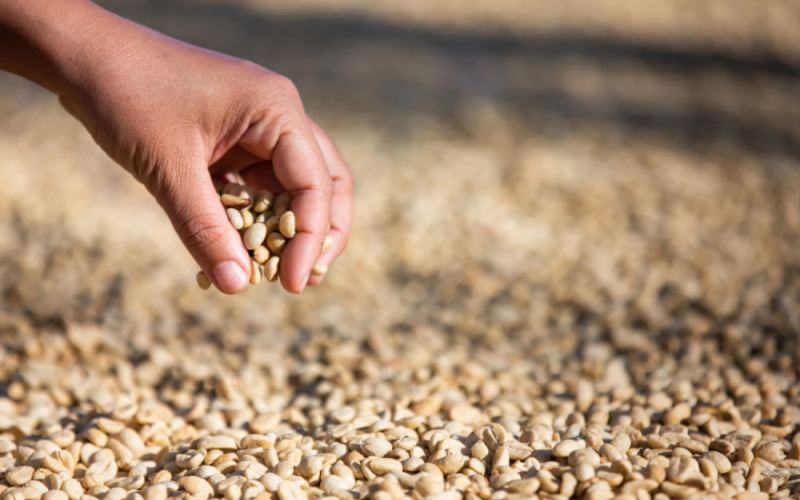
Ethiopian Sidamo and Shakiso Coffee Flavor Analysis: Nutty Fruity Aromas and the Differences Between Natural and Washed Processing
Sidamo is an important coffee-producing region in southern Ethiopia. Its flavor is completely different from Yirgacheffe, and it is known for its rich, juicy sweet-and-sour taste. Starting from the region's divisions and geographical conditions, this article sorts out the context of subregions such as Guji, Shakiso, and Hambela, and focuses on introducing the origin of Huakui coffee and the characteristics of its natural processing. At the same time, it compares the effects of washed and natural processing methods on Sidamo's flavor, analyzes the sources of flavors such as nuts, cocoa, and floral and fruity aromas, and recommends two single-origin coffees, Front Street Hamasho 74158 and Front Street Natural Huakui, to help coffee lovers more clearly choose the Ethiopian flavor they like. [more…]
Ethiopia Guji Ana Sora Farm Natural Sidamo G1: Single Estate Lot 3 Flavor and Origin Interpretation
Located in the Guji region of Ethiopia, the Anasora Farm is a rare single-estate coffee production site in the country, covering about 250 hectares at an altitude of 1,900 to 2,350 meters. This Lot3 batch is processed using the African raised-bed single-layer slow sun-drying method, presenting a complex aroma of strawberry cookie, mixed berries, citrus, and florals, accompanied by maple-syrup-like sweetness and a solid, rich mouthfeel. The delicate blueberry aroma from high fermentation, the sweet, full-bodied coffee, and the typical Sidamo depth at medium temperatures give this bean a long finish and lingering sweetness. Front Street Coffee recommends it to enthusiasts who love sun-dried Ethiopian coffee. This article will outline the estate's background, trends in the Guji region, and relevant Oromo context to help readers fully understand the origins and story of this bean. [more…]
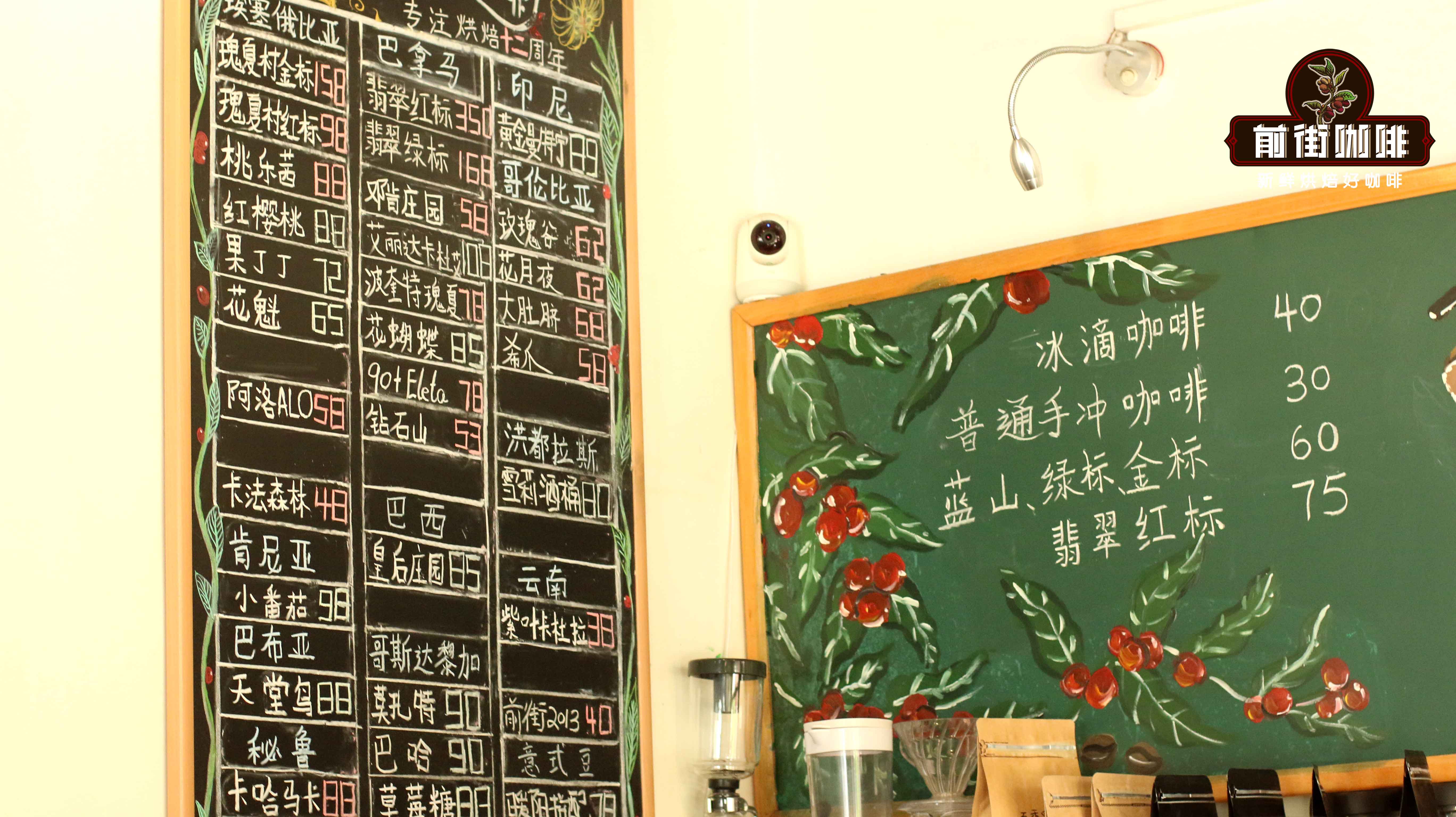
Front Street Coffee Single-Origin Beans Wholesale Buying Guide: A Complete Overview of Green and Roasted Bean Quotes and a Flavor Analysis of Global Producing Regions
To open a coffee shop or replenish your home supply of everyday beans, finding a stable and reliable wholesale channel is key. Guangzhou's long-established Front Street Coffee (FrontStreet Coffee) keeps over 50 single-origin beans in stock offline, spanning many well-known producing regions and estates across Africa, the Americas, and Asia, so you can find a suitable choice whether for pour-over, espresso, French press, moka pot, or cold brew. This article compiles Front Street Coffee's latest single-origin coffee bean list and green/roasted bean wholesale price report, covering popular beans such as Yirgacheffe, Sidamo, Mandheling, Blue Mountain, and Hacienda La Esmeralda, with grades, processing methods, roast levels, and flavor descriptions attached, making it convenient for roasters and cafes to purchase as needed. For commercial use in opening a shop, Front Street Classic Blend is recommended, a combination of three producing regions—Brazil, Indonesia, and Vietnam—with a medium-dark roast bringing a mellow mouthfeel and rich oils, equally suitable as everyday beans for home use. [more…]