







Search Results for: Selection

The De'Longhi Solution for the Office Coffee Corner: The Art of Balancing Bean Selection in Shared Settings
Having a De'Longhi machine in the office is a hard indicator of workplace happiness. But choosing beans for a shared coffee corner and for home follow two different logics: tastes vary and are hard to please, budgets are clearly divided between public and private, and no one takes the initiative to maintain it—the communal nature dictates a bean-selection strategy of "balance first." This article discusses bean selection and operation for an office De'Longhi coffee corner. The first principle [more…]
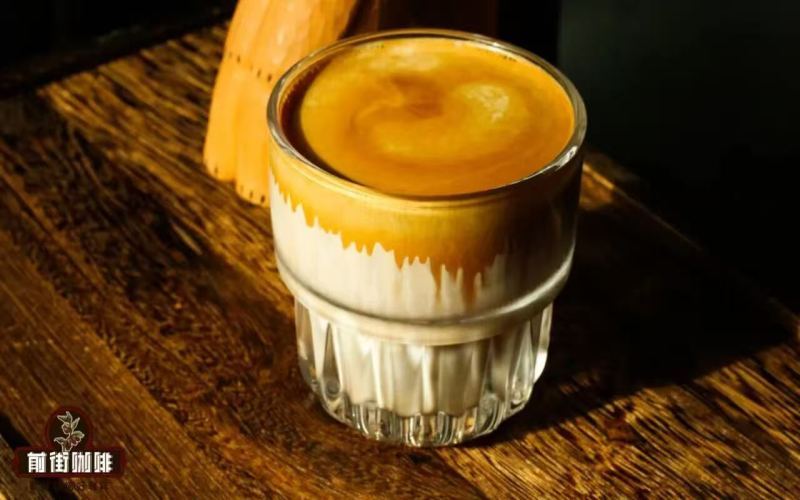
How to Make a Delicious Dirty: The Trio of Bean Selection, Milk, and Temperature
Dirty (dirty coffee) has been a perennial staple on café menus in recent years: hot espresso slowly sinks into iced milk, without stirring, and you drink it from top to bottom, so that in a single sip you get the alternation of hot and cold and the layering of milk and coffee. It looks simple, but between a delicious one and a mediocre one lies the gap of bean selection and details. The principle of Dirty: why [more…]

Coffee Shop Espresso + Pour-Over Dual-Line Bean Selection Plan
A well-established coffee shop usually needs to manage two product lines simultaneously: the espresso line and the pour-over line. The espresso line handles daily cup volume and revenue, while the pour-over line showcases professionalism and increases the average transaction value. The two lines use different bean strategies, but both require careful configuration. Espresso line: stable output, controlled costs, memorable highlights [more…]
Advanced Cold Brew Bean Selection: How to Read Origin, Processing Method, and Roast Level
After trying a few cold brews, many people ask: with the same method, why do some cold brews taste like fruit juice while others taste like cold bitter water? The answer isn't in the method, it's in the beans. Today, we'll cover cold brew bean selection thoroughly in one go, from three dimensions: origin, processing method, and roast level. Origin determines the flavor baseline. Coffee beans from different origins have flavors [more…]
Selection Logic for Home and Commercial Espresso Beans for Americano, Latte, and Moka Pot
In both home and café settings, milk coffee consumption far exceeds that of pure pour-over, making the selection of a suitable espresso blend crucial. This article outlines the extraction principles of espresso and moka pot brewing, pointing out that medium-dark roast, low acidity, and fresh roasting are universal benchmarks. On this basis, Front Street Coffee, leveraging its five-day fresh roast advantage, has launched several targeted products: those pursuing pure Arabica can choose the "Front Street Specialty Blend"; for commercial latte art requiring rich crema, the "Front Street Commercial Blend" or the "Front Street Classic Blend" containing Mandheling is preferable; the cost-conscious are suited to the "Espresso Moka Pot Coffee Beans Recommended by Many Baristas - Front Street Black Cocoa Blend"; while those craving fruity and floral notes can try the "Front Street Strawberry Candy Espresso Blend." The article helps readers make precise purchases according to their own needs. [more…]

Delonghi users' bean selection strategy: keep everyday beans and exploratory beans separately stocked
When you bring a De'Longhi coffee machine home, many people run into the same bean-selection dilemma: everyday beans are about consistency, something you can drink daily without guilt; adventure beans are about variety, a change of pace for the weekend. Rather than going back and forth between these two demands, it's better to split the line outright, pairing each with its own beans so both weekdays and weekends can be enjoyed comfortably—this dual-track approach is worth [more…]

Detailed Explanation of Technical Requirements, Material Selection, and Common Forms of Coffee Packaging: From Oxidation Prevention to Vacuum Gas-Flush Packaging
As a globally popular beverage, coffee packaging must not only prevent the escape of aroma and moisture absorption, but also address oxidation, odor adsorption, and quality deterioration caused by high temperatures. This article focuses on the packaging needs of regular coffee and instant coffee, systematically outlining key technical requirements such as oxidation prevention, moisture resistance, gas barrier properties, and high-temperature protection, and introduces current mainstream vacuum packaging and gas-flushing packaging processes. In terms of material selection, bags, bag-in-box, metal cans, and glass jars each have corresponding composite structure solutions, while instant coffee mostly uses paper/aluminum foil/polyethylene flexible packaging. The article concludes with a summary of common packaging forms such as bags, cans, and boxes, suitable for reference by coffee enthusiasts and industry professionals. [more…]
Yirgacheffe Coffee Bean Guide: Origin Characteristics, Roast Level Selection, and Pour-Over Parameters Explained
Yirgacheffe is one of Ethiopia's most representative specialty coffee regions, known for its fresh lemon and citrus acidity and delicate floral aromas. This article analyzes the core characteristics of this bean layer by layer, from its origin background, green bean grading, and roast level selection to pour-over parameters. Yirgacheffe green beans are small in shape and emerald green in color. Washed G2 is the traditional highest grade, and G1 is now also available on the market. In terms of roasting, cinnamon roast or medium roast best preserves its citrus acidity and floral aroma, while a darker roast masks its fresh character. For pour-over, it is recommended to use a high temperature above 90°C and extend the bloom to 20–30 seconds to fully release the flavors. Front Street Coffee recommends interpreting Yirgacheffe through pour-over. Compared with competition-style brewing or a French press, the clarity brought by pour-over better showcases its delicate layers. [more…]
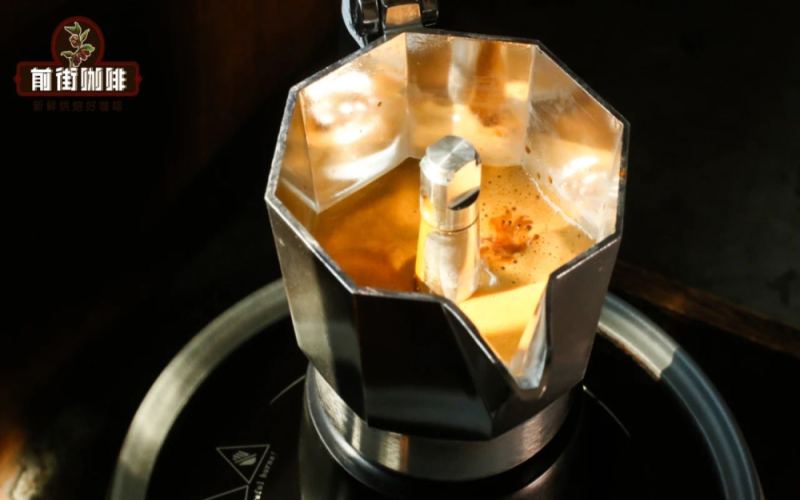
From Moka Pot to Espresso Machine: Bean Selection and Blend Recommendations for Milk Coffee, Americano, and Latte
Many people don't chase the distinct regional flavors of pour-over coffee in their daily cup; they prefer the milky taste of coffee with milk added. To make a stable, delicious latte or Americano, choosing the right espresso beans is the first step. This article starts with the basic principles of espresso, explains the relationship between espresso, Americano, latte, and cappuccino, and lays out three general guidelines for selecting espresso and moka pot coffee beans: not sour, freshly roasted, and medium-dark roast. On this basis, drawing on several of Front Street Coffee's blends, it offers specific selection logic and recommendations for different needs—traditional Arabica, commercial blends, classic rich body, cost-first, and fruity acidity. [more…]
Cold Brew Bean Guide: Bean Selection Plans for Every Budget and Taste, All in One Place
Once you've decided to start making cold brew, the first question is always the same: which beans should I buy? Today, we're giving you three bean plans based on two dimensions—budget and taste—so whether you're just "casually drinking" or "seriously savoring," you can find the right match. Plan One: Beginner's tasting type (spend a little first to test the waters). If you're making cold brew for the first time, don't [more…]
How to choose several cost-effective espresso beans for home use: incorporating brewing parameters into bean selection
Before buying beans, go through your daily scenarios: is it black coffee in the morning or a milk coffee with meals, the ritual of pour-over or the efficiency of a machine. These answers determine how to choose the roast level, flavor intensity, and brewing method. Espresso extraction can be understood as a balancing game among dose, grind size, yield, and time. Blend beans [more…]
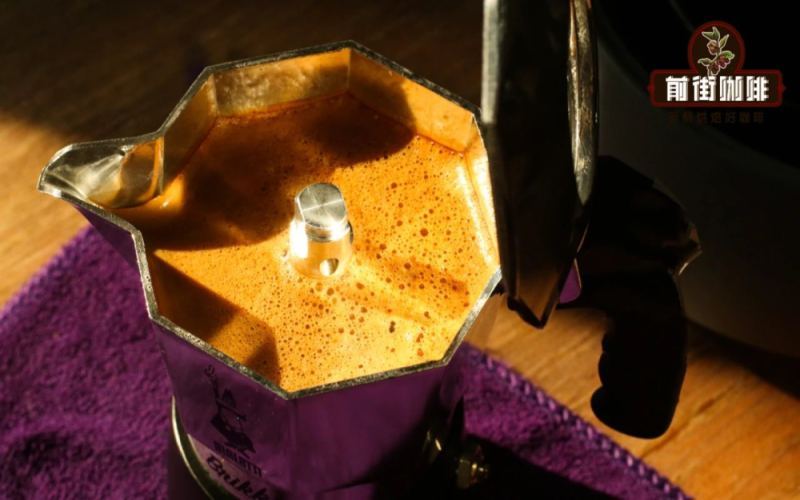
How to Make Iced Coffee with a Moka Pot: Coffee-to-Water Ratio, Bean Selection Tips, and Front Street Espresso Bean Recommendations
Many Moka pot enthusiasts often ask Front Street: Which beans are suitable for a Moka pot? How can I use it to make delicious iced coffee? As the home appliance closest to an espresso machine, the Moka pot is essentially a simple pressure-extraction device. Under ideal conditions, it can produce intense, full-bodied, powerfully flavored coffee, sometimes with a moderate amount of crema. Therefore, when choosing beans, it is advisable to prioritize medium or darker roasts, while also considering crema performance and flavor balance. This article will focus on the bean-selection logic for Moka pots, three Front Street espresso bean recommendations, and the coffee-to-water parameters for a 3-cup Bialetti pot along with the steps for making an iced Americano, providing a reusable operating plan. [more…]

Step-by-step Guide to Making Iced Latte: A Full Breakdown from Bean Selection and Milk Choice to Ratio Control and Technique Tips
An iced latte may seem like it only takes three steps to make: add ice, pour milk, add coffee. But to truly make a delicious iced latte, there are quite a few details to consider behind the scenes. From choosing coffee beans and milk, to the ratio between espresso, milk, and ice, to the rhythm of operations during extraction and assembly, every step directly affects the final flavor performance. This article uses Front Street Coffee's iced latte preparation as an example to sort out three key aspects—material selection, milk-to-coffee ratio, and operational details—to help coffee enthusiasts consistently reproduce a balanced, layered iced latte at home. [more…]
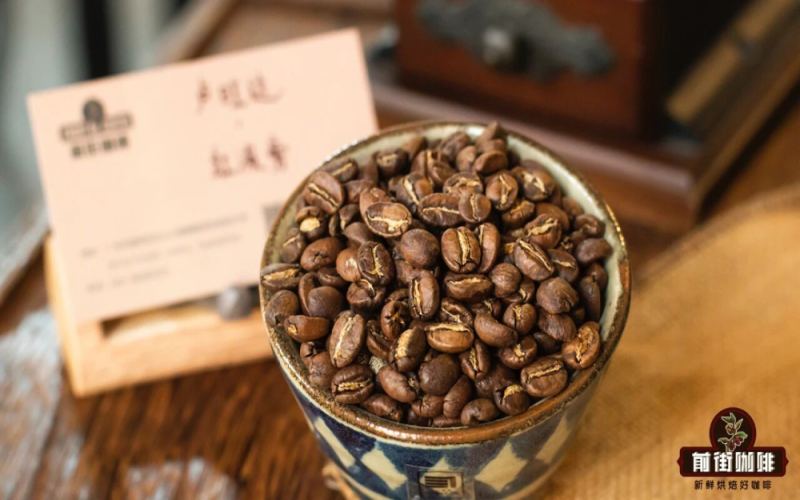
Coffee Beginner's Bean Selection Guide | What to Pay Attention to When Choosing Single-Origin Coffee Beans? Recommendations for Floral and Fruity Light-Roast Specialty Pour-Over Coffee Beans
For many friends who are just getting into coffee, deciding which coffee beans to buy can be quite difficult. There are many brands on the market, so which brand of coffee beans is more suitable for you or better? First step: understand your own preferences. Because during the roasting process of coffee beans, flavor compounds are constantly under [more…]
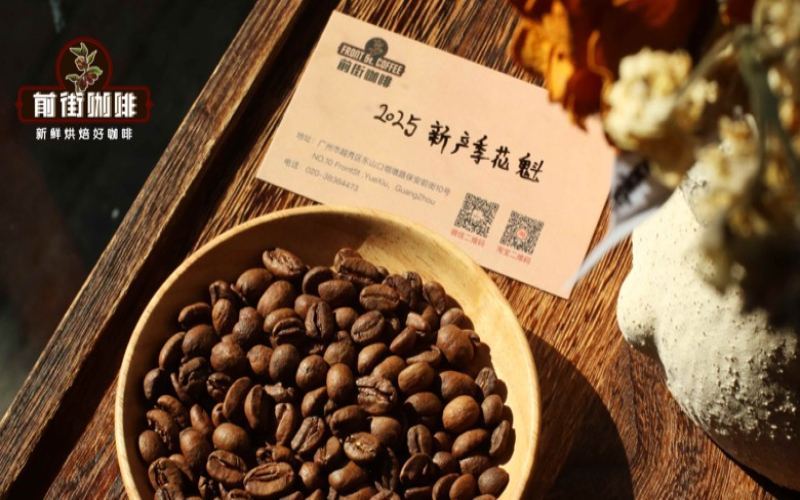
Arabica Espresso Origin Selection: A Comparison Between Ethiopian SOE and Central & South American SOE
When making espresso SOE with Arabica beans, the choice of origin directly determines the flavor direction of the espresso. Ethiopian SOE and Central-South American SOE are two entirely different paths, each with its own charm, suited to drinkers with different taste preferences. Ethiopian SOE takes the route of intense floral and fruity aromas. Huakui sun-dried beans [more…]

Bean Selection Guide for Home Semi-Automatic Espresso Machines
Now that you have a semi-automatic espresso machine at home, choosing beans becomes the top priority. The machine is just a tool—the beans are the source of flavor. Choose the right beans, and even an entry-level home machine can produce delicious espresso and milk coffee. The core needs for choosing beans for a home machine: home machines usually aren't as stable in pressure and water temperature as commercial machines, so when choosing beans you need to pay more attention to [more…]

Niche Origins: A Selection Approach Beyond the Mainstream
Once you've been drinking coffee for a while, many people find themselves circling back to the same few familiar names: Yirgacheffe, Mandheling, Blue Mountain. These mainstream origins certainly have their strengths, but the map of the coffee world is far vaster than the regulars on the shelf. Shift your gaze just a little to the side, and you'll often stumble upon surprises. The so-called [more…]

Origin Selection for Moka Pot Beans — A Comparison Between Indonesian Mandheling and Ethiopian Coffee
The moka pot extraction method presents coffee beans from different origins in different ways. The climate, altitude, and processing method of an origin determine the chemical composition and flavor characteristics of the coffee beans, and these characteristics are amplified under the high-temperature, high-pressure extraction of the moka pot. Understanding origin differences can help us make choices that better suit our taste when selecting beans. [more…]

Origin Selection for Cold Brew: Flavor Changes Under Low-Temperature Extraction
The charm of cold brew lies in how low-temperature slow extraction reshapes flavor—the same beans can taste completely different when hot-brewed versus cold-brewed. Understanding how beans from different origins change under low-temperature extraction gives you a deeper basis for choosing beans for cold brew. Light-roasted beans from African origins show the most noticeable changes in cold brew. Beans with bright acidity when hot-brewed, in cold brew [more…]
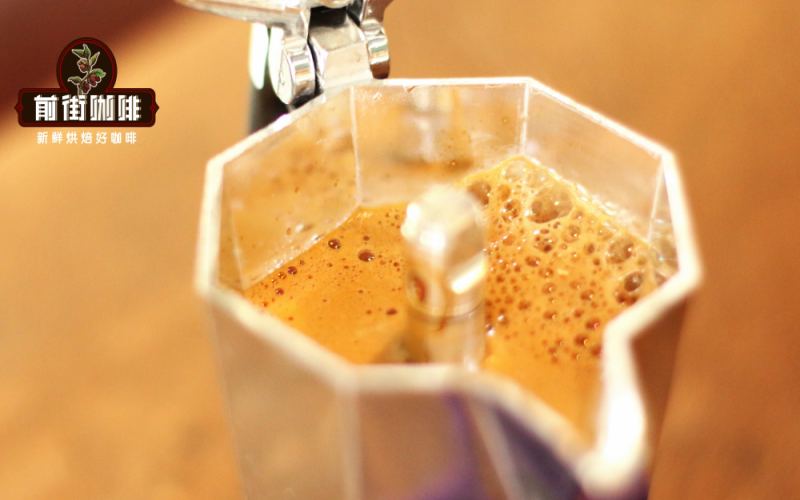
Moka Pot Bean Selection Tips | What Coffee Beans Are Best for Moka Pots? 5 Cost-Effective Medium-Dark Roasted Specialty Moka Pot Coffee Bean Recommendations
Many people ask, what kind of coffee is a moka pot suitable for brewing? Or, what coffee beans are best for a moka pot? Actually, as long as you understand the working principle of the moka pot, the answer becomes very clear. The moka pot, also known as a stovetop Italian coffee maker, is the first-choice device for many households getting started with making "espresso-style coffee." It uses a simple [more…]