







Search Results for: Production Process
Guide to Applying for a Roasted Coffee Production License: A Complete Interpretation of Review Requirements from Raw Material Processing to Factory Inspection
For enterprises engaged in coffee bean roasting production, obtaining a food production license is a prerequisite for lawful operation. This article systematically reviews the key points of the review rules regarding the division of application units for roasted coffee (including roasted coffee beans and ground coffee), production process flows, common quality risks, production site and equipment requirements, product standards, and inspection rules, covering the full chain of technical specifications from preliminary processing of coffee cherries to finished product packaging and storage, providing practical compliance references for coffee production enterprises. Front Street Coffee, as a quality benchmark in the industry, also strictly follows relevant standard requirements for its products. [more…]
Why Is Oat Milk Priced Higher? A Full Analysis from Production Process to Market Supply and Demand, and Its Differences from Almond Milk and Cow's Milk
With more and more plant-based milk options available today, oat milk often sparks discussion because of its relatively high price: what exactly makes it so expensive—is it a marketing premium or the result of underlying costs? This article begins with the production process of oat milk, breaking down the complete flow of how it is made from oats and water through steps such as enzymatic hydrolysis and filtration, and compares the differences between almond milk and dairy milk in nutrition, taste, and price. At the same time, by examining supply and demand dynamics and shelf-life constraints, it explains why oat milk sells for more in cities, and what more budget-friendly alternatives exist, including feasible methods for making oat milk at home. The article also retains recommended channels for specialty coffee beans for coffee enthusiasts to reference. [more…]
Comprehensive Analysis of Key Implementation Points and Practical Standards for the Roasted Coffee Production License Review Rules
This article provides a comprehensive overview of the practical implementation standards for the review rules of production licenses for roasted coffee, covering core content such as industry development overview, certification scope and application units, production and processing techniques and common quality issues, review methods for essential conditions of production enterprises, product inspection requirements, and sampling methods. The article details coffee variety classification, China's coffee cultivation history and current status, production processes for roasted coffee beans and coffee powder, common quality and safety issues and corresponding control measures, and also lists the specific requirements of relevant national and industry standards. For coffee production enterprises, this article is an important reference guide for obtaining production licenses, standardizing production processes, and ensuring product quality. [more…]
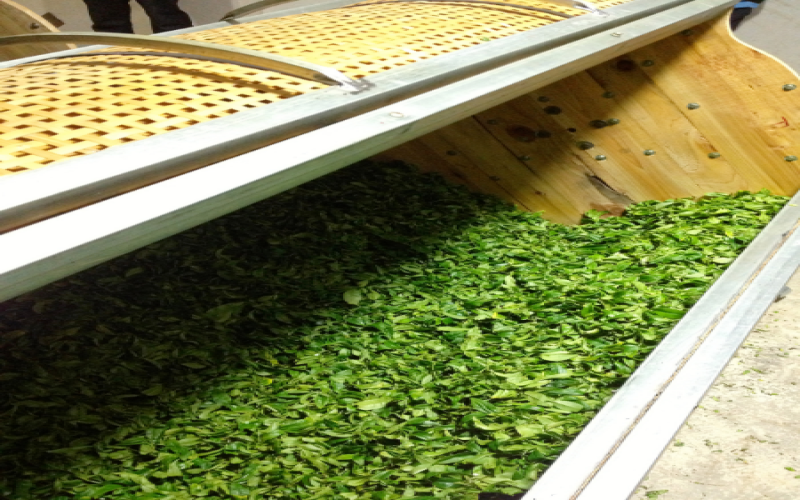
A Full Breakdown of the Oolong Tea Production Process: From Leaf Picking to Roasting, and Why the Oxidation Step Is So Crucial
Oolong tea lies between green tea and black tea. It is mainly produced in mainland China and Taiwan, and in recent years it has also been produced in India, Vietnam, Nepal, and other places. Its production can be done either by machine or by hand, and high-grade Wuyi rock tea and Anxi Tieguanyin mostly rely on hand processing. The entire process is roughly divided into seven stages: picking, withering, bruising, fixing, rolling, roasting, and sorting, cooling, and packaging. Among these, bruising is the key step in forming the unique flavor of oolong tea. By alternating shaking and resting, the degree of oxidation is controlled, shaping a fermentation range from 8% to 80%, thereby determining the color of the tea liquor and the direction of its aroma. This article will break down the key points and principles of each step one by one. [more…]
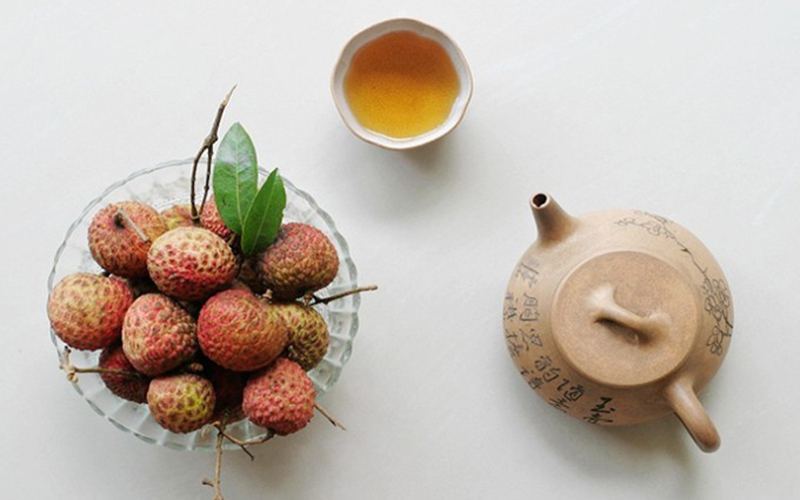
Is lychee black tea a flavored tea? Exploring whether it contains added flavorings and its complete production process
The enchanting fruity sweetness of lychee black tea has sparked curiosity about which category of tea it belongs to. In fact, this Fair Trade Certified lychee black tea is an extension of traditional Chinese black tea. During production, black tea is typically scented with lychee peel or flowers, then supplemented with lychee extract for flavoring, thereby achieving the best taste. Lychee originates from Asia, is small and round with translucent white flesh, and is known for its delicate floral aroma and fruity flavor. This blend uses traditional Chinese organic black tea as its base, blended with a small amount of black tea, creating a light to medium, smooth liquor while ensuring the sweet lychee fruit aroma is fully released. Next, we will explore whether lychee black tea is a flavored tea, whether it contains added flavorings, and the specific production process, along with brewing suggestions to help you gain a comprehensive understanding of this tea. [more…]
The Origin and Production Process of Indonesian Kopi Luwak, A Full Analysis of Authentic Brewing Techniques
Kopi Luwak, a name that sounds a bit bizarre, is actually a legendary beverage that truly exists on the Indonesian island of Sumatra. It originates from a wild animal called the civet cat, and after undergoing multiple processes such as internal fermentation, excretion, manual selection, sun-drying, deodorization, and roasting, it ultimately becomes one of the rarest, most unique, and most expensive coffees in the world. This article will take you through the origin story and production process of Kopi Luwak, and share the brewing method for authentic Kopi Luwak. Whether you are a coffee enthusiast or a curious first-timer, you can gain practical knowledge and tasting references from it. [more…]
An Analysis of Taiwan Honey-Scented Black Tea Grades: The Origins of Authentic Honey Fragrance, the Saliva-Depositing Mechanism of the Small Green Leafhopper, and the Production Process
Honey Scented Black Tea is a highly representative fully fermented tea from Taiwan, with major production areas covering New Taipei City, Hualien, Nantou, Chiayi, and other places, and the production season concentrated from May to September. Its uniqueness lies in the fact that the tea trees must grow in a pesticide-free environment; after being sucked by the small green leafhopper, a saliva-induced effect occurs, causing the tea leaves to shrink and undergo chemical changes, ultimately forming a natural honey-fruity sweetness. Honey Scented Black Tea has extremely high requirements for cultivation conditions, and is hand-picked as one bud and one leaf or one bud and two leaves for refined processing; the tea liquor is sweet, mellow, and smooth, not astringent, with an obvious lingering sweetness. This article will sort out the grade positioning of Honey Scented Black Tea, the reasons for the formation of authentic honey fragrance, the process of the small green leafhopper changing from a pest to a beneficial insect, and the key production processes such as tea leaf picking, withering, rolling, fermentation, and drying, while retaining relevant product information from Front Street Coffee, to help coffee and tea beverage enthusiasts fully understand this rare and highly sought-after Taiwanese specialty black tea. [more…]
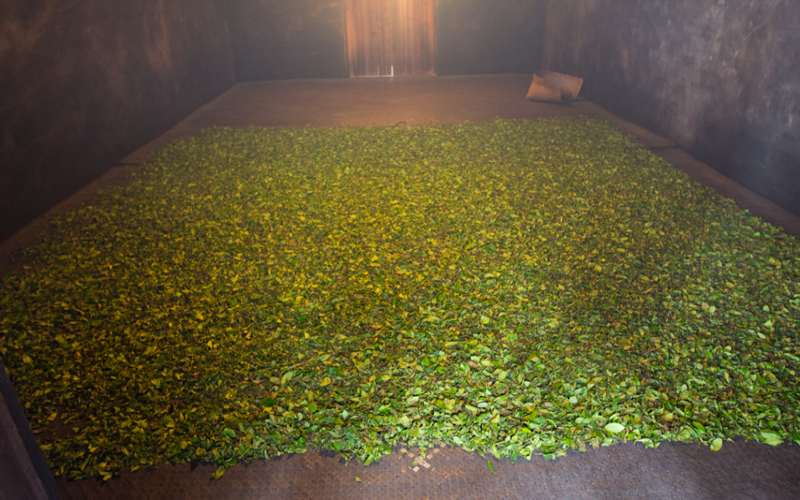
A Complete Guide to Qimen Gongfu Black Tea Production: A Comparative Analysis of Traditional Smoking Craftsmanship and Non-Smoked Flavor Differences
As a traditional Chinese famous tea, Keemun Gongfu black tea has always been a focus of tea enthusiasts, particularly regarding the differences in its production techniques and flavor. Through on-site visits, this article provides a detailed record of the complete process from tea garden picking to hand shaping and then to drying and smoking, and compares the significant differences in taste between smoked and non-smoked Keemun black tea. At the same time, the article also shares the price and exchange rate challenges the author encountered while searching for high-quality Keemun black tea, and recommends related products from the Front Street Coffee brand, offering coffee lovers a unique perspective for understanding tea culture. [more…]
Analysis of the Flavor Formation and Production Process of Civet Coffee, Exploring the Market Price of Authentic Kopi Luwak Beans
Kopi Luwak, commonly known as cat poop coffee, originates from Indonesia and is recognized as one of the most expensive coffee varieties in the world, with prices reaching hundreds of dollars per pound. Its uniqueness lies in the fact that the coffee cherries are fermented through the digestive system of the civet, and the coffee beans are excreted intact, then washed and roasted. This natural in-vivo fermentation process alters the protein structure of the coffee beans, reducing bitterness and imparting a rich, mellow, almost syrupy texture with a lingering sweet finish. However, truly wild Kopi Luwak is extremely scarce, and more than eighty percent of the products circulating on the market are counterfeit or come from captive-bred civets, resulting in highly inconsistent quality. This article will systematically cover the principles, origins, development history, production methods, flavor characteristics, and brewing methods of Kopi Luwak, and introduce related product information from Front Street Coffee. [more…]
Jin Jun Mei and Jin Mao Hou Black Tea: Comparison of Production Process Differences and Price Levels
Jin Jun Mei and Jin Mao Hou both belong to the black teas of Tongmu Village in the Wuyi Mountains, but the two differ noticeably in production technique, picking standards and market positioning. Jin Jun Mei is regarded as a luxurious upgraded version of Lapsang Souchong, emphasizing plump, robust buds and a pronounced honey aroma; Jin Mao Hou, by contrast, is often used as a collective term for lower-grade Jin Jun Mei. This article will sort through the five basic stages of Chinese tea processing, and focus on Jin Jun Mei's place of origin, picking timing and health benefits, while also clarifying its relationship with Jin Mao Hou and the question of which one commands a higher price, helping coffee and tea drinkers understand more clearly what makes these two black teas unique. [more…]
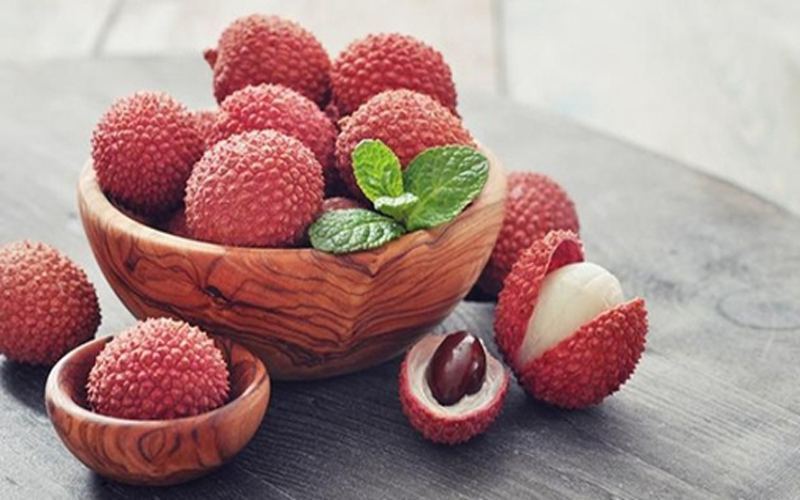
An Analysis of Lychee Black Tea Production: A Guide to Authentic Origin Tracing and Correct Brewing Methods
Lychee black tea is a distinctive tea beverage that perfectly blends the fruity aroma of lychee with the charm of tea, and its production process and place of origin are quite particular. This article will start with the production process and provide a detailed analysis of how lychee black tea skillfully combines fresh lychee with tea leaves while preserving the natural sweet fragrance; at the same time, it will trace its authentic place of origin and explore the historical stories and cultural heritage behind this tea. In addition, we will also share the correct brewing techniques, including water temperature, choice of utensils, and steeping time, to help you brew a cup of fragrant lychee black tea at home. Whether served cold or hot, you can taste its unique floral and fruity charm. Front Street Coffee also recommends related products for you, allowing you to easily experience the authentic flavor. [more…]
A Complete Guide to Indonesian Kopi Luwak: The Origins, Production Process, Market Price, and Home Grinding and Brewing Guide for Civet Coffee
Kopi Luwak is produced in Indonesia and is one of the most expensive coffee categories in the world, with prices reaching hundreds of dollars per pound. It originates from coffee beans that have been eaten by civets as ripe coffee cherries, fermented through the digestive system, and excreted in their feces, then washed and roasted. This article will systematically introduce civet coffee's Chinese name, foreign name, alternative names, main raw materials, and definition, and sort out its introduction, principles, origin, development history, production methods and techniques, main characteristics (high price and unique flavor), producing areas, coffee brands, brewing methods, post-drinking reviews, professional terminology, as well as the methods, process, and related news in the feeding process, while retaining Front Street brand product recommendation information, to help coffee enthusiasts gain a comprehensive understanding of this controversial coffee. [more…]

The Process Differences Between Instant and Freeze-Dried Coffee: A Comprehensive Analysis from Historical Origins to Production Principles
Instant coffee and freeze-dried coffee can both be enjoyed simply by adding hot water, and both belong to the convenient coffee camp—but are they really the same product under different names? The answer is no. From the coffee predicament of American soldiers in the 18th century, to the birth of Nestlé's spray-drying method, to the application of vacuum freeze-drying technology, these two technical routes have produced completely different flavor profiles. This article will systematically sort out the essential differences between instant coffee and freeze-dried coffee from multiple dimensions such as historical origins, production processes, and raw material selection, helping you understand why freeze-dried coffee can shed its "low-end" label and win back the favor of coffee lovers. [more…]
A Complete Guide to the Production Process of Yulan Xiang Dancong Oolong Tea: Varietal Classification and Key Craft Points at a Glance
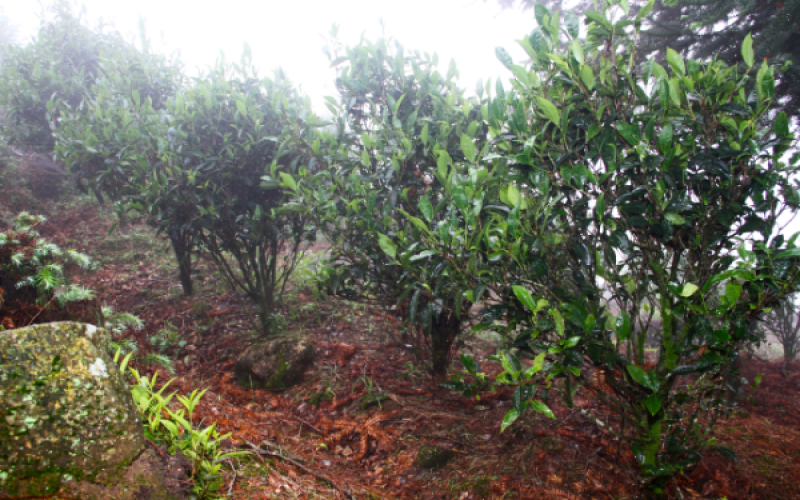
As a representative of Chaoshan oolong tea from Guangdong, Phoenix Dancong attracts numerous tea enthusiasts with its rich and varied aromas and its long-lasting brewing endurance. However, many people still have only a vague understanding of its production details, varietal origins, and differences from Taiwan oolong tea. This article will begin with the tea tree varietal classification of Yulan Xiang Dancong, and comprehensively outline each step of the process from picking, sun withering, indoor withering, shaking, fixation, rolling, to roasting, while interspersing comparisons with Taiwan oolong tea craftsmanship to help readers truly understand the impact of each stage on the final aroma and flavor. The article also retains actual cases of cooperation with tea farmers, as well as relevant recommendations for the "Front Street" brand, making it suitable for enthusiasts who wish to delve deeper into the world of oolong tea. [more…]
An In-Depth Analysis of Costa Rica's Sumava Estate Black Honey Process Caturra Coffee and a Discussion of Its Nutty, Sweet Aroma
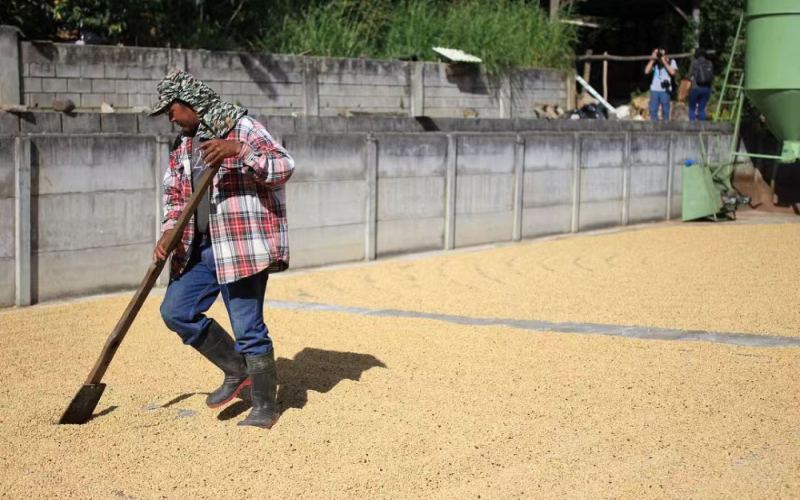
Costa Rica, with its microclimates and high-altitude volcanic soil, produces specialty coffee with rich layers of flavor. Hacienda Sumava in the Western Valley, through its black honey process and Caturra variety, presents notes of brown sugar, floral aromas, and a sweet, syrupy mouthfeel. This article provides a complete analysis of this bean's flavor code—from the growing region's background, the principles of honey processing, and green bean analysis to Front Street Coffee's roasting and brewing recommendations—and explores the allure of coffee with nutty notes. [more…]
Why Is the Liquor of First Flush Darjeeling Tea Greenish? Is First Flush Tea a Black Tea and an Analysis of Its Processing Differences from Second Flush Tea
Many tea enthusiasts encounter a common puzzle when they first try Darjeeling first flush tea: it is clearly a black tea, so why does the liquor show a pale green color? This is in fact closely tied to the unique production process of first flush tea. Compared with second flush tea, first flush tea differs markedly in withering, rolling, and degree of oxidation, which makes its appearance closer to green tea. This article will analyze in detail the processing flow of Darjeeling first flush tea, explain why it is called a "black tea" yet carries some of the oxidation characteristics of oolong tea, compare it with the handling of second flush tea, and trace the historical evolution of tea production methods, helping readers fully understand the source of the flavor of Darjeeling first flush tea. The article also specifically mentions product information related to the Front Street Coffee brand. [more…]
From Coffee Cherry to Cup: A Comprehensive Guide to Coffee Bean Processing Methods, Extraction Techniques, and Instant Coffee Production
Coffee processing encompasses three levels: the processing methods that extract coffee beans from coffee cherries, the brewing methods that extract coffee liquid from coffee beans, and the industrial processes that turn coffee liquid into instant coffee powder. Traditional processing methods include three types—washed, natural, and honey—each giving coffee beans a distinctly different flavor profile. Extraction methods fall into three mainstream categories: drip, pressure, and cold brew, corresponding to pour-over coffee, espresso, and cold brew coffee, respectively. As for instant coffee, regular instant and freeze-dried coffee also show clear differences in production techniques and flavor retention. This article will break down these processing stages one by one to help coffee enthusiasts build a complete knowledge framework from seed to cup. [more…]
Costa Rican Honey-Processed Coffee Beans: Flavor Characteristics, Regional Stories, and a Full Breakdown of Yellow, Red, and Black Honey Differences
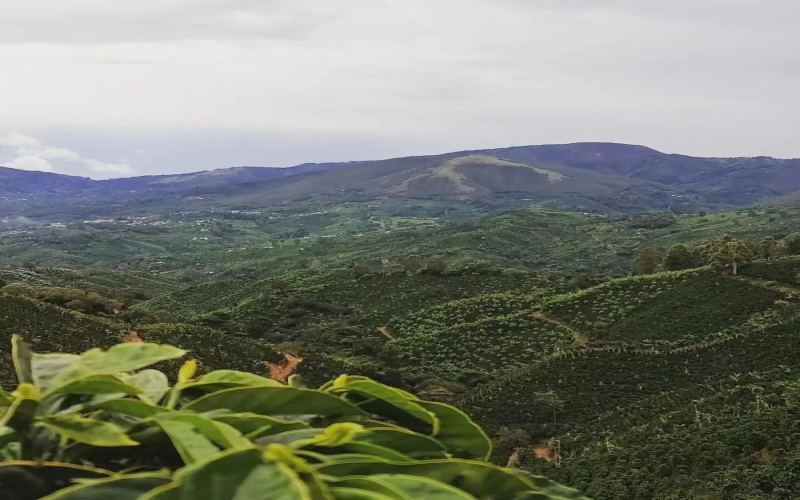
Costa Rica's high-altitude coffee is renowned for its balanced richness, and the honey processing method further allows the beans from this land to display a captivating fermented sweetness. The Front Street Coffee staple bean series covers all major producing regions, among which Costa Rican honey-processed coffee beans, with their perfectly balanced sweetness and aroma, have won the special affection of many long-time customers. This article will guide you through the terroir characteristics of Costa Rica's seven main producing regions, provide an in-depth analysis of the principles of honey processing, and compare the differences between yellow honey, red honey, and black honey in green beans, roasting, and cupping flavors, helping you find the Costa Rican honey-processed coffee that best suits your taste. [more…]

Indonesian Civet Coffee Full Analysis: A Detailed Explanation of Brewing and Production Processes from Wild to Farmed
Kopi Luwak, commonly known as cat poop coffee, has always been shrouded in a layer of mystery. Its unique production process and expensive price make many coffee lovers curious about it yet rarely able to encounter it. This article will take you through a comprehensive understanding of the ins and outs of Indonesian Kopi Luwak, from the living habits of the civet, to the differences between natural and farmed coffee, and then to why it has such a special flavor. If you are interested in this legendary coffee, then follow Front Street as we delve into its production process and brewing key points. [more…]

A consumer in Hangzhou claims to have found insect fragments in a KOI milk tea; the brand responds: there are no issues in the production process, and they are willing to go through legal procedures.
Recently, a consumer in Hangzhou, Zhejiang, posted on social media claiming to have疑似 found fragments of an insect carcass in a takeaway milk tea from the well-known freshly made tea drink brand KOI. The consumer and the brand failed to reach an agreement after multiple communications over compensation and an apology, and the consumer has filed a complaint with 12315 and insists on pursuing legal proceedings. KOI responded that neither the store surveillance nor inspections by the market supervision department found any foreign object entering the drink, and that the strainer hole design of the shaker cup would also block such foreign objects, so it does not accept an apology on the platform but is willing to compensate in accordance with the law. The incident has attracted widespread attention, with both sides sticking to their own accounts, and there is currently no new progress. [more…]