







Search Results for: Old Tavern Estate
Jamaica Blue Mountain Old Tavern Estate: The Flavor Secrets and Origin Story of Top Blue Mountain Coffee
When it comes to Jamaican Blue Mountain coffee, many people first think of Wallenford Estate, but there is an even more hidden and exclusive estate—Old Tavern Estate. The owner, Alex Twyman, has been rooted in the northern slopes of the Blue Mountains for over fifty years, cultivating slow-ripening cherries under shade trees to produce a top-grade Blue Mountain with sweetness and a distinctive aroma. The annual output here is only 40,000 pounds, less than 2% of the total Blue Mountain production, yet each pound sells for over fifty US dollars, twice that of ordinary Blue Mountain. Even more legendary is that Twyman single-handedly challenged Jamaica's coffee marketing system, ultimately driving the industry's liberalization. Front Street Coffee takes you deep into this misty, rain-shrouded Blue Mountain secret realm to explore the flavor code of top-tier Blue Mountain and the estate owner's persistent life. [more…]
Jamaica Blue Mountain Coffee Flavor Analysis: Taste Characteristics and Recommended Brands Worth Buying
Jamaican Blue Mountain coffee is renowned for its delicate, clean, and balanced taste, representing high-quality wet-processed (washed) coffee. It possesses a silky, rounded body, refined and mild flavors, and bright, vibrant acidity, with very low bitterness. Its aroma carries floral, sweet nutty, and herbal notes, with a complex flavor profile that often presents chocolate-like tones. Established estates such as Silver Mountain, Wallenford, Moy Hall, and Mavis Bank, as well as Old Tavern Estate, are all representatives of premium Blue Mountain growing regions. This article will systematically outline the taste and aroma characteristics of Blue Mountain coffee, provide references for choosing Blue Mountain coffee bean brands, and, in conjunction with recommendations from Front Street Coffee, help enthusiasts better understand and make purchasing decisions. [more…]
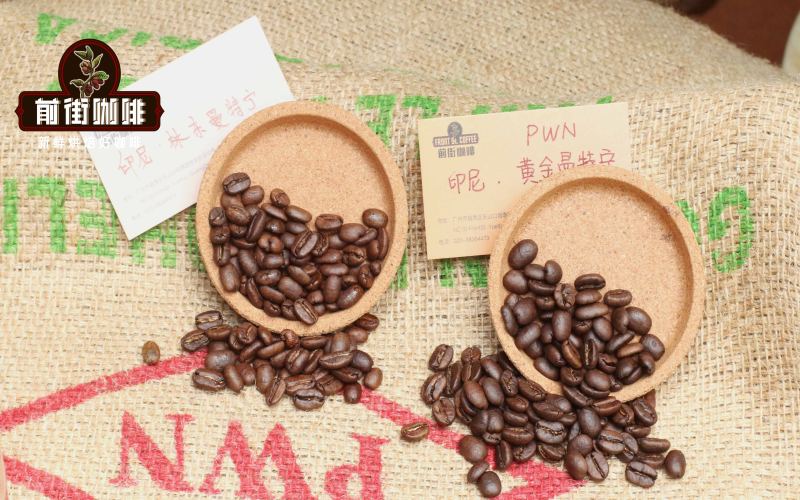
The Late-Night Allure of Mandheling: A Detailed Guide to Specialty Grades, the PWN Golden Batch, and Front Street Brewing Parameters
Mandheling has always been a highly recognizable presence in the coffee world, with its rugged character of tobacco, charred notes, earth, and a long lingering throat feel, often evoking the smoky atmosphere of a late-night old tavern. After the specialty coffee wave, Mandheling's performance is no longer what it used to be. Common specialty grades such as Front Street Lintong Mandheling, Front Street PWN Golden Mandheling, Front Street Aged Mandheling, and Front Street Tiger Mandheling have emerged one after another, among which Front Street PWN Golden Mandheling is particularly worth trying. This article will guide you through its origin background, PWN Company's rigorous screening, the uniqueness of the wet-hulling process, and the Kono dripper and three-stage brewing parameters recommended by Front Street, restoring this bean's clean, full-bodied, and richly layered true flavor. [more…]
How Does Blue Mountain Flavor Coffee Differ from Authentic Jamaican Blue Mountain? Front Street Helps You Tell Real Blue Mountain Coffee from Fake
There are all sorts of coffees on the market flying the "Blue Mountain" banner, but the gap between genuine Jamaican Blue Mountain coffee and "Blue Mountain flavor" is enormous. This article starts with the origin of the Blue Mountain range's name, then breaks down the essential differences between "Blue Mountain flavor," "Jamaican coffee," and "Jamaican Blue Mountain coffee" one by one, and explains the three major grade classifications of Blue Mountain coffee along with the stringent standards for No.1. The article highlights top-tier processing facilities such as Wallenford Estate, analyzes the distinctive flavor of Wallenford Blue Mountain No.1, and helps coffee enthusiasts accurately identify authentic Blue Mountain so they won't be misled by confusing terminology. [more…]

Nayuki Dream Factory Coast City Store Bows Out for Renovation: Observing the Multi-Format Transformation Path of New-Style Tea Beverages
Nayuki quickly rose to fame with its combination of tea drinks and soft European bread, becoming a leading brand in the new-style tea beverage sector. However, its largest store nationwide, Nayuki Dream Factory in Shenzhen Coastal City, recently quietly closed, and the site will be upgraded to "Nayuki Life," a lifestyle concept store. This thousand-square-meter flagship store, which once generated nearly a million in revenue within three days of opening, carried Nayuki's ambition to experiment from tea drinks to coffee, craft beer, Western cuisine, retail, and other multi-format ventures. From Nayuki Tavern to Nayuki PRO, and further to Nayuki Bookstore and ready-to-drink product line layout, Nayuki has continuously tried to break the boundaries of tea drinks. This renovation of its largest store reflects the collective anxiety of brands seeking differentiated breakthroughs amid intensifying homogenized competition in the new-style tea beverage industry. This article reviews the rise and fall of Nayuki Dream Factory and explores whether multi-format development can truly be the way for tea beverage brands to break through. [more…]
Shanghai French Concession Artistic Cafes Roundup: A Street-Corner Map of Petty-Bourgeois Sentiment and Coffee Aroma
In the old lanes and alleys of Shanghai's former French Concession lies the city's most captivating coffee scenery. Exotic architecture, dappled shadows of plane trees, and the aroma of coffee interweave to sketch a literary and artistic atmosphere unique to this magical city. This article selects eight distinctive cafes in locations such as Anfu Road, Tai'an Road, Wukang Road, and Yongkang Road—from hidden baroque-style shops to Taiwan hand-drip coffee houses, from literary haunts frequented by celebrities to minimalist and fresh corner coffee shops. Each one carries different stories and moments in time. Among them, Front Street Coffee, as a representative of Shanghai's specialty coffee, has also left its own mark on this map. Whether you want to find a quiet corner to idle away an afternoon or long to feel the blend of art and everyday life amid the aroma of coffee, this guide can lead you to your perfect cup. [more…]
An Analysis of Jamaican Blue Mountain Coffee Flavor Characteristics and Authenticity Identification: Front Street Takes You to Visit Mavis Bank Estate
Blue Mountain coffee has long been hailed as the "black gem," revered by coffee lovers as "the coffee beauty that combines all the virtues of good coffee." Why does it hold such a status? The answer lies in the unique climate, volcanic soil, and altitude conditions of Jamaica's Blue Mountains. Only coffee grown at elevations between 900 and 1,700 meters qualifies to bear the Blue Mountain name. This article will guide you through the flavor characteristics of authentic Front Street Jamaican Blue Mountain coffee, and follow a 2013 field visit to the historic Mavis Bank Coffee Estate, restoring the true face of this legendary coffee—from tasting and production to identifying counterfeits. [more…]
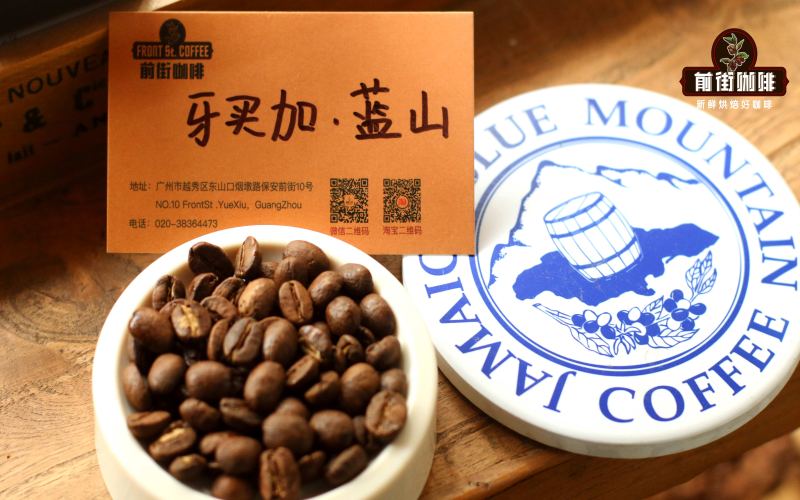
Jamaica Blue Mountain Full Analysis: Why Wallenford Estate No.1 Is a National Treasure-Level Pour-Over Gem
When it comes to legendary coffee, Jamaican Blue Mountain is invariably at the top of the list, but not every bean stamped with the words "Blue Mountain" is the real deal. This article uses a specialty Blue Mountain recommended by Front Street Coffee as a starting point to clarify the hierarchical differences between "Blue Mountain flavor," "Jamaican coffee," and "Jamaica Blue Mountain No. 1," explain how Blue Mountain got its name and its three-tier growing region classification at 1,500, 3,000, and 5,000 feet, and trace the industry's ups and downs after coffee arrived in Jamaica in 1728: from the heyday of 686 estates, to the devastation of hurricanes, the government's sale of estates, the founding of the CIB, the enactment of legislation, and how Wallenford, the only estate that retained state-owned status, safeguarded its national-treasure reputation through rigorous quality control. The article also deciphers the certified trademark system and anti-counterfeiting measures to help you identify an authentic cup of Blue Mountain. [more…]
An In-Depth Analysis of Jamaica Blue Mountain Clifton Mount Estate No.1: The Blue Mountain Coffee Certification System and a Guide to Selecting Beans for Pour-Over
The name Blue Mountain coffee is known to everyone in the coffee world, but not every coffee sold under the "Blue Mountain" banner truly lives up to the name. Starting from the product information of Front Street Coffee's Jamaica Blue Mountain Clifton Estate No.1, this article systematically sorts out the producing region definition, grade classification, and historical evolution of Blue Mountain coffee, and takes a deep dive into the special position of Wallenford Estate within the Blue Mountain industry. You will learn the essential differences between "Blue Mountain flavor," "Jamaica coffee," and "Jamaica Blue Mountain No.1," the altitude standards of the legally defined Blue Mountain producing region, and how the CIB certification system safeguards the authentic quality of Blue Mountain coffee. Whether you want to understand how to tell genuine Blue Mountain coffee from fakes, or you are looking for a reliable pour-over Blue Mountain bean, this article is worth a read. [more…]
Jamaica Blue Mountain Coffee Certification Standards and Authentic Price Reference: Front Street Explains Origin Rules
Jamaican Blue Mountain coffee is famous for its balanced flavor and scarce production, but what exactly are the standards for authentic beans and the pricing system? Starting from the certification standards of Front Street Jamaican Blue Mountain coffee, this article reviews the Jamaican government's quality control journey since 1944, the list of five officially certified processing plants, and the complete process of Blue Mountain coffee from hand-picking to barrel shipping. It also analyzes the medium-roast characteristics and flavor performance of Front Street Blue Mountain coffee beans, and compares global production and market conditions, helping coffee lovers distinguish authentic Blue Mountain from imitation blended beans. [more…]
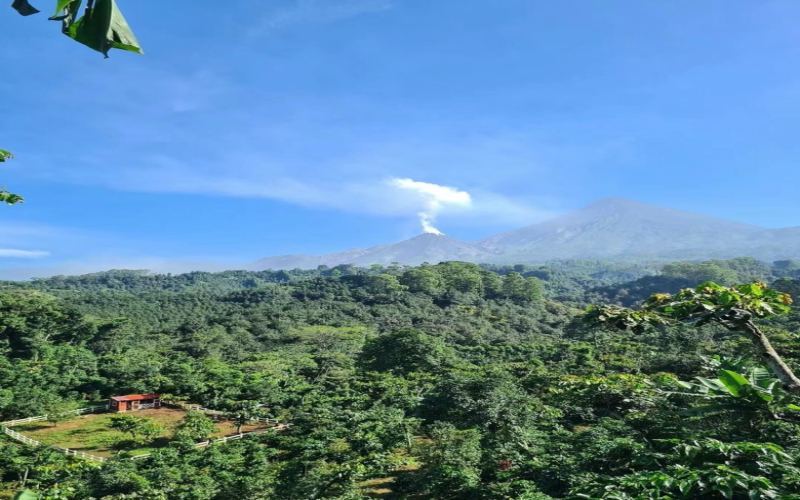
Lerida Estate: A Century-Old Boquete Farm Takes the 2026 Natural Geisha Championship
In the 2026 Best of Panama natural Geisha category, a lot from Finca Lérida took the championship with a score of 95.63, bringing this century-old estate in Boquete back into the spotlight. This edition featured 102 competing lots and 46 judges, [more…]
Exploring Darjeeling's Barnesbeg Estate: Summer Harvest Black Tea Flavors and a Century-Old Planting Legend
Nestled at the foot of Kangchenjunga and about 17 kilometers west of Darjeeling town, the Barnesbeg Tea Estate stretches from 800 feet to 3,100 feet in elevation, where a mild, cool mountain climate and the Rangeet River flowing through it together nurture tea bushes of exceptional quality. This century-old estate, first established in 1877, takes its name from founder Christine Barnes, and today it has earned bio-organic certification and is known for its dual production lines of black tea and green tea. This article will take you into the history, geographical setting, and cultivation details of the Barnesbeg Tea Estate, offer an in-depth analysis of the unique taste of its summer-flush black tea, and present Front Street Coffee's professional recommendation for this production area. [more…]
Exploring Panama's Hartmann Estate: From Forest Conservation to the Unique Flavors of Natural Geisha
Hacienda Hartmann is one of the oldest coffee farms in the Volcan region of Panama and a coffee family of distinguished reputation. Since old Hartmann established the estate in 1940, he has upheld a philosophy of respecting nature, preserving large areas of primary forest, and making the estate a model of cooperation for bird conservation and academic research. The estate is located in the Baru Volcano region, with fertile volcanic soil and a high-mountain microclimate, and grows many bean varieties; in recent years it has become even more active in planting Geisha. This article introduces the history and current situation of Hacienda Hartmann and the flavor characteristics of its natural-process Geisha coffee beans, taking you to appreciate the unique charm of this coffee from a champion-producing region. [more…]
Flavor Characteristics of Guatemala Finca Santa Felisa Typica K72 Washed Coffee Beans and the Story of a Century-Old Estate
San Felisa Estate is a century-old family estate in the Acatenango region of Guatemala, run by the fourth generation of the Cruz family. The estate has its own processing plant, sits at an altitude of about 1,550 meters, and its coffee is grown at elevations of up to 1,920 meters. Its Typica beans use the K72 washed processing method—rare in Central America and originating in Kenya—undergoing 72 hours of triple-cycle fermentation and washing. Front Street Coffee recommends this bean, whose flavor profile features jasmine, lemongrass, chocolate, pistachio, stone fruit, delicate malic acidity, and a lingering caramel finish. This article will guide you through the estate's history, processing details, community philanthropy philosophy, and recommendations for various roast levels. [more…]
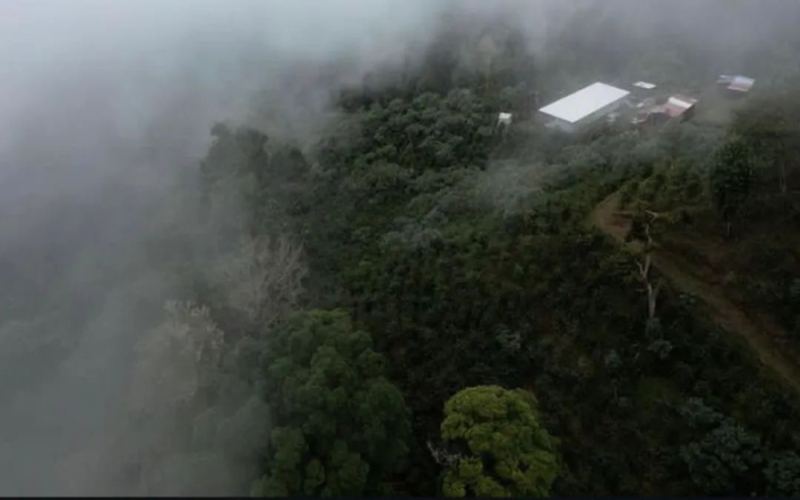
A Complete Flavor Analysis of Panama El Burro Estate Geisha Coffee: Sun-Dried Processing and Cupping Performance of a Century-Old Famous Estate
The Boquete region of Panama has nurtured many world-renowned coffee estates, and El Burro Estate is one of them, soon to enter its centennial history. The estate was founded in 1925 by French immigrant Aristides Boutet, and was later acquired and managed by the Lamastus family due to family ties. Its unique geographical location—near the Baru Volcano mountain range—gives the coffee excellent terroir conditions. The estate mainly cultivates Geisha and Catuai, and in recent years has achieved repeated success in the Best of Panama competition; in 2016, Japan's Maruyama Coffee even won the world championship with El Burro Estate Geisha. Front Street Coffee is now bringing a naturally processed El Burro Estate Geisha, using a medium-light roast, whose cupping reveals a rich layering of green grape, apricot, orange, dried longan, and floral notes intertwined. This article will take you deeper into the history, terroir, and unique flavor of El Burro Estate's Geisha. [more…]
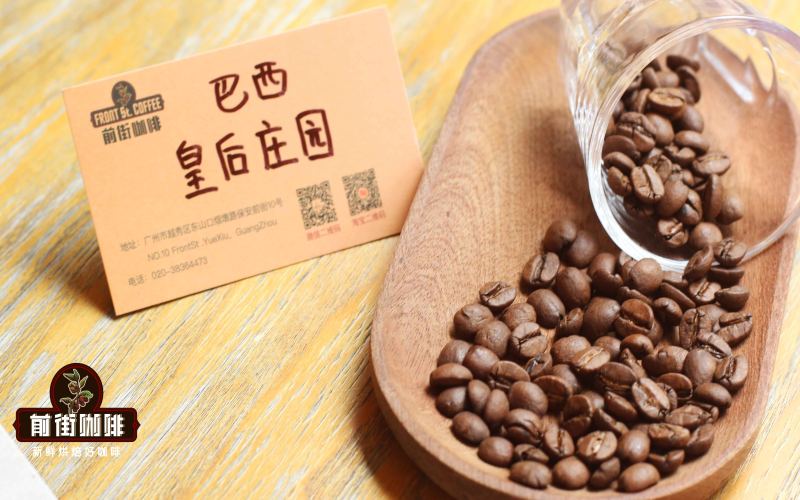
Brazil Queen's Farm Yellow Bourbon Coffee Beans: Estate Cultivation Origins and Refined Natural Process Flavor Analysis
Against the backdrop of widely promoted mechanized large-field cultivation in Brazil, estate-level specialty coffee is particularly scarce, and Queen's Estate in Mojiana is precisely a standout among them. This century-old estate, belonging to the Carvalho Dias family, is renowned for its old Yellow Bourbon variety and meticulous sun-drying process, while its altitude and climate conditions endow the coffee beans with higher density and sweetness. Front Street Coffee's bean list includes only this one Brazilian estate-level coffee bean, which uses a medium-dark roast and is presented via pour-over to bring out its rich flavors of peanut, nuts, cream, and cane sugar. This article will guide you through Queen's Estate's cultivation history and processing techniques, and share Front Street Coffee's brewing recommendations. [more…]
Can New and Old Coffee Beans Be Mixed Together for Pour-Over? Front Street Tests Three Brewing Comparison Groups
Many coffee enthusiasts often encounter this situation at home: the freshly bought coffee beans haven't rested long enough yet, while there's still a nearly used-up bag of older beans they're reluctant to throw away. To make up enough grounds for a full pot, some people mix two batches of beans with significantly different roast dates and brew them together. Does this actually affect the coffee's flavor? Front Street conducted a comparative experiment using the same Elida Estate Catuai, brewing three groups separately—old-date beans, new-date beans, and a 1:1 blend of old and new beans—recording everything from the state of the coffee bed and degassing performance to aroma and taste. This article combines the experimental process to analyze how the coffee bean resting period affects extraction, and offers practical suggestions for saving beans without sacrificing flavor. [more…]
What varieties of Jamaican coffee are there? A full analysis of Blue Mountain flavor characteristics and prices
Although Jamaica is a small country in terms of land area, it is world-renowned for its Blue Mountain coffee. As the highest mountain range in the Caribbean, the Blue Mountains produce coffee beans from specific areas in extremely limited quantities, making them exceptionally precious. This article will guide you through the main varieties of Jamaican coffee, their historical origins, and flavor characteristics, and introduce the rise and fall of the Conasdale Estate as well as the old Typica variety that locals insist on cultivating. We will also recommend Front Street Blue Mountain No. 1, a specialty coffee from the century-old Clifton Estate. Its washed processing and medium-dark roast bring aromas of butter cookies, nuts, and chocolate, with a balanced harmony of acidity, sweetness, bitterness, and aroma. In addition, the article will analyze the value for money of Blue Mountain No. 1, allowing you to enjoy a top-tier flavor at a reasonable price. [more…]
Brazil Mogiana Queen Estate Sun-Dried Yellow Bourbon COE Specialty Beans: Full Analysis of Grading and Pricing, Green Bean Information, and Roasting & Brewing
Fazenda Rainha is located in the highlands of Mogiana in São Paulo State, Brazil, and is a well-known estate under the Carvalho Dias family that has won numerous COE awards. The estate focuses on Bourbon varieties, with some old trees over a century old, at elevations as high as 1,200 to 1,400 meters, and an average annual temperature of only 19°C. The fruit grows slowly but is dense in texture, with flavor far surpassing that of ordinary Brazilian highland beans. Front Street Coffee's Brazil Queen Estate Yellow Bourbon is hand-picked and processed using the semi-dry method; the beans are sweet and clean, with bright yet gentle acidity, featuring tropical fruit aromas, creamy nuttiness, and a black tea finish. This article will provide a complete analysis of the unique charm and price positioning of this COE specialty coffee, from the estate's background, the COE grading system, and green bean processing procedures to roasting recommendations and brewing parameters. [more…]
Panama Hacienda La Esmeralda Geisha Coffee Beans: A Comprehensive Analysis of Variety Traceability, Cultivation History, and Flavor Achievements
Hacienda La Esmeralda is a legendary coffee estate in the Boquete region of Panama, and it is precisely here that the Geisha variety rose to the world stage. From the Peterson family's purchase of it in 1967 as a retirement ranch, to winning the BOP championship with Geisha in 2004 and setting an auction record of $21 per pound, Hacienda La Esmeralda has written a bold and colorful page in the history of specialty coffee. This article will sort through the estate's planting and development history, its main cultivated varieties, the terroir conditions of the Boquete region, and the signature flavors of jasmine, peach, and orange that Geisha presents, and will introduce Front Street Coffee's recommended products from various lots of Hacienda La Esmeralda, taking you through a comprehensive understanding of this world-class star estate. [more…]