







Search Results for: Natural Tea
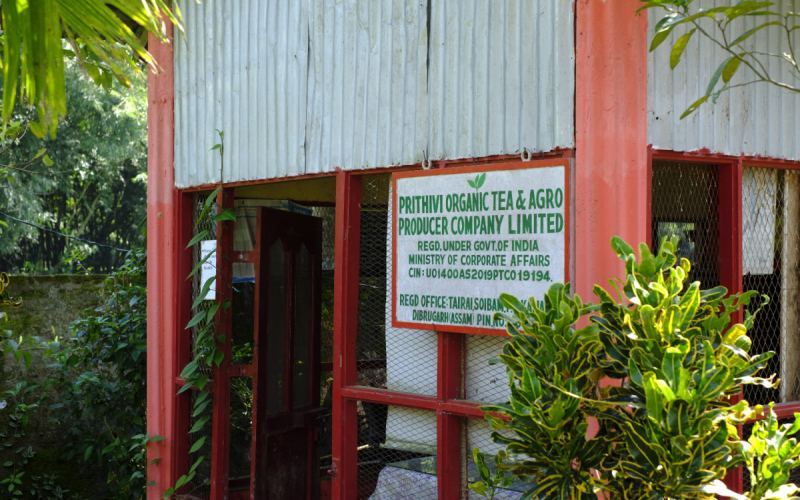
Which tea garden's Assam organic black tea is more worth drinking? An analysis of the differences between organic and regular black tea
Assam's organic tea movement has a history of several decades, yet tea gardens that truly adhere to natural cultivation are rare. Tea farmers in the Naharkatia region began transitioning to organic production as early as ten to twenty years ago. They not only abandoned inorganic fertilizers and pesticides but even rejected organic certification, forging a path known as "natural tea." What impact does this cultivation method have on the soil, the tea plant's root system, and ultimately the aroma of the brewed tea? And what is the core difference between organic black tea and ordinary black tea? Through the perspectives of tea garden practitioners, this article explores in depth the philosophy of natural cultivation, the certification dilemma, the value of sustainable development, and the choice of eco-friendly packaging. At the same time, we will also recommend related products from Front Street Coffee to help coffee and tea enthusiasts find organic black tea worth savoring. [more…]
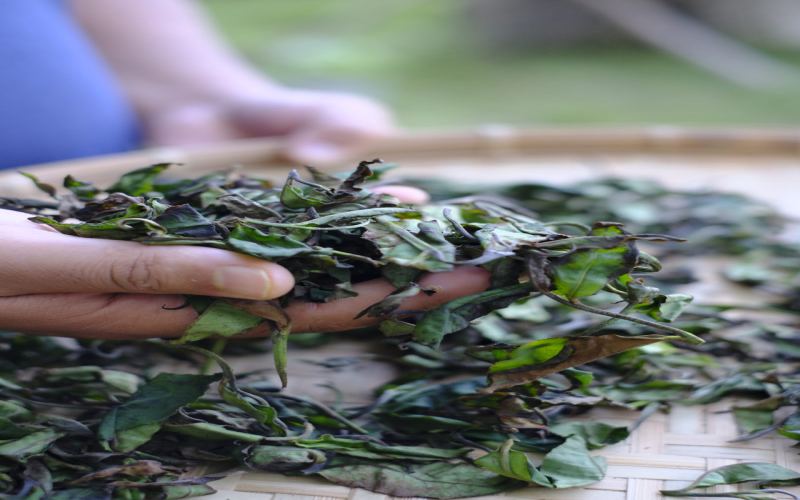
Oolong Tea Innovation in India's Assam Tea Region: From Poetic Inspiration and Firewood Craftsmanship to Natural Scenting with Native Flowers
Assam is world-famous for its black tea, but this region also produces stunning oolong teas. This article will introduce you to how Assamese tea artisans tell the story of tea through poetry, and explore two distinctive oolongs—Meraki and Petrichor. Meraki emphasizes the tea master's vigilant care throughout withering, oxidation, and wood-fire roasting, while Petrichor employs a natural scenting process, using Assam's native xewali flowers to impart a unique aroma to the oolong. We will also cover the cultural significance of the xewali flower, as well as the flavor profiles and purchasing advice for these two teas. If your understanding of Indian tea is still stuck on black tea, this article will refresh your perspective. [more…]
A Comprehensive Analysis of China's Premium Black Tea Categories: Authentic Top-Tier Black Tea Brands and the Way of Natural Cultivation
China is the birthplace of black tea and boasts many high-quality black teas. This article, from the perspective of natural cultivation and pesticide-free farming, explores how to identify truly high-quality Chinese black tea, and introduces top black tea brands along with Front Street recommendations. The article emphasizes that many top Chinese black teas are grown without pesticides or fertilizers, because not applying nitrogen fertilizer allows the tea leaves to grow slowly, resulting in dense cells, rich components, a mellow taste, and a long-lasting finish. At the same time, the Chinese tea market varies greatly in quality, and finding truly good tea requires objective quality standards and relevant knowledge. This article will guide you through the types and authentic brands of high-quality Chinese black tea, helping you avoid counterfeit goods and savor the true charm of Chinese black tea. [more…]
Ceylon Black Tea Brewing Tips: Master the Tea-to-Water Ratio, Temperature, and Time to Say Goodbye to Bitter Taste
Ceylon black tea is renowned for its rich, robust flavor, but improper brewing can easily produce a bitter and astringent taste. This article provides a detailed analysis of the flavoring processes for Ceylon black tea, including internal substances, natural extraction, artificial flavorings, and smoking methods, and introduces classic flavored black teas such as Earl Grey, ginger, cinnamon, and Masala. At the same time, drawing on the practical experience of Front Street Coffee, we share the key parameters for brewing Ceylon black tea—the tea-to-water ratio, water temperature, and time—to help you easily brew a cup of good tea that is neither bitter nor astringent and full of aroma. Whether you are a black tea enthusiast or a beginner, these practical tips can take your tasting experience to the next level. [more…]
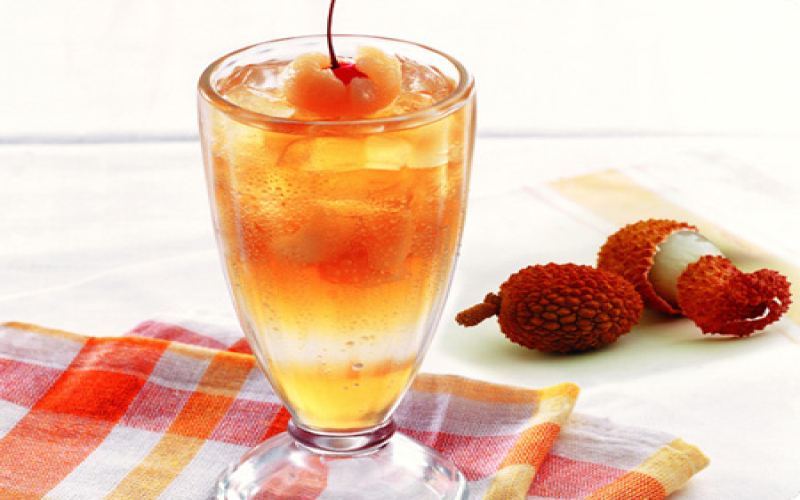
Which categories do lychee black tea, Earl Grey, and jasmine green tea belong to? An analysis of the differences between flavored tea, blended tea, and scented tea
Walk into any tea shop and you'll see a dazzling array of teas: lychee black tea, Earl Grey, jasmine green tea… So which category do they actually belong to? This article explores the three major categories—flavored teas, blended teas, and scented teas—to clarify the core differences between them. Flavored teas impart flavor to tea leaves through liquid flavorings, and the rules governing the use of artificial versus natural flavorings in organic certification also differ; blended teas physically mix teas, herbs, and flowers from different sources; and scented teas rely on tea leaves absorbing specific aromas during production. Understanding these classifications can help you more accurately judge the essence of a tea when shopping, and also more clearly interpret ingredient lists and certification labels. [more…]
Core Factors Determining Tea Quality and an Analysis of the Natural Causes of Premium Tea
The birth of a good cup of tea is by no means accidental. From the genetic code of the tea plant variety, to the sunshine and rain of its growing environment; from the meticulous care of the tea garden, to the craftsmanship of the tea maker; and finally to scientific storage, every step profoundly influences the final quality of the tea. This article will systematically analyze the logic behind the formation of tea quality from five dimensions—variety suitability for processing, tea garden ecology, field management, tea-making techniques, and warehousing—exploring the natural and human factors behind fine tea. Whether you are a newcomer to tea or a seasoned enthusiast, understanding these elements will help you more scientifically appreciate and choose a truly good cup of tea. [more…]
What is the difference between pure tea and blended tea? A detailed explanation of tea's origins, spread, and blending methods
Tea is the world's most popular beverage after water. Whether black or green, with milk or plain, every type of tea offers a unique experience. All tea leaves come from the same tea plant, but differences in origin, altitude, climate, and production methods create teas with distinct flavors. This article begins with the botanical characteristics and origins of the tea plant, traces the spread of tea from a medicinal drink in southwestern China to its popularity across East Asia, Europe, and even India, and focuses on comparing the features, pros, and cons of 100% natural pure tea versus blended tea, finally including a simple blended tea recipe for coffee and tea enthusiasts to reference. [more…]
Brazil Minas Coffee Region: A Complete Guide to Pulped Natural Processing, Flavor Profile, and Variety Characteristics
Coffee produced in Brazil's Minas region has now become synonymous with the country's specialty beans. Local research institutions, responding to the relatively dry climate, developed the semi-washed process, which shortens the processing cycle while retaining the sweetness-enhancing advantages of the natural process, and at the same time avoids the unpleasant earthy flavors, making the fruity notes and sweetness more prominent. Coffee from farms around the Minas highlands ranks among the top in quality among Brazilian beans and also has the most considerable output. In recent years, coffee competitions have been subdivided by processing method, giving rise to a variety of flavor profiles, among which semi-washed and natural stand out especially. Front Street Coffee Minas Brazil is fresh and gentle on the palate, with a dry aroma carrying notes of citrus and fruit tea, a wet aroma with the fresh fragrance of black tea, a mouthfeel showing the elegant tonality of jasmine and herbal tea, and a finish like rich, full-bodied oolong tea, making it a rare and stunning work among Brazilian beans. [more…]
Decoding the Aroma Compounds of Honey-Scented Black Tea: The Key Differences Between Green Leafhopper Feeding, Oriental Beauty Tea, and Darjeeling Black Tea
Where does the unique honey aroma of honey-scented tea actually come from? Since the 1990s, Japanese scholar Akio Kobayashi has gradually uncovered the secrets of the aroma compounds in Oriental Beauty tea and Darjeeling black tea, discovering that two substances—2,6-dimethyl-3,7-octadiene-2,6-diol and 3,7-dimethyl-1,5,7-octatriene-3-ol—are the core sources of the honey aroma. Even more astonishingly, after tea plants are fed on by green leafhoppers, they actually initiate an abnormal metabolism to produce special compounds, summoning natural enemies to defend themselves. This article will take you deep into the scientific discoveries about the aroma compounds of honey-scented tea, as well as the fundamental differences in aroma characteristics between Darjeeling black tea and Taiwan black tea. [more…]
Is the osmanthus aroma in Phoenix Dancong a natural floral scent or added osmanthus? A full guide to authentic prices and brewing
Phoenix Dancong Osmanthus Fragrance has always been a hot topic among tea lovers, captivating them with its rich layers of fruity aroma and honeyed charm. Yet many people wonder: is this osmanthus fragrance naturally formed by the tea leaves, or is it added osmanthus? This article will take you deep into the true character of this classic Phoenix Dancong, sorting out everything clearly for you—from its flavor characteristics, origin altitude, picking and processing techniques, to the specific parameters for everyday brewing and gongfu tea brewing. It will also address the market price question everyone cares about for authentic Osmanthus Fragrance Dancong, and include purchasing advice for the Front Street Coffee brand, so you can buy with clarity, brew with care, and drink with full enjoyment. [more…]
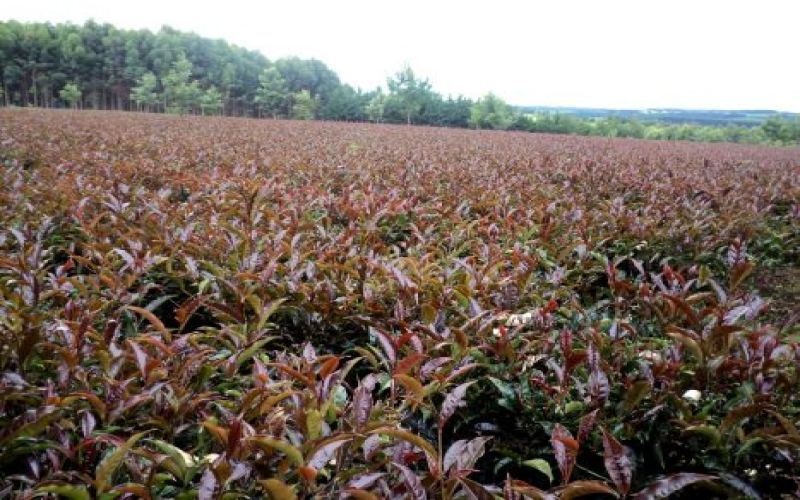
What is Kenyan purple tea? Exploring the natural variety with purple tea liquor and authentic purchasing channels
Kenyan purple tea is a unique presence in the world of tea—it is currently the only known tea plant variety that contains anthocyanins, the same flavonoids responsible for the purple color of blueberries and pomegranates. Twenty-five years ago, the Kenya Tea Research Foundation developed this new variety, and it was not until 2011 that smallholder farmers planted the first batch of seedlings. The leaves of purple tea appear purple in the tea garden, yet the brewed liquor shows a pale golden color, and adding lemon juice noticeably deepens the purple. Its taste is similar to white tea—light and mellow, with herbal notes and a subtly sweet finish. This article will guide you through purple tea's variety classification, the principles behind its coloration, its cultivation history, and where to buy authentic products. [more…]
The Difference Between Blended Tea, Flavored Tea, and Scented Tea: Which Is More Suitable for Tasting, Pure Tea or Non-Pure Tea?
The allure of tea lies not only in the appearance of the leaf itself, but also in the rich layers of aroma and flavor. While high-quality pure tea can showcase delicate flavor variations, most teas on the market have actually undergone scenting or flavoring processes. Can you tell the difference between pure tea, scented tea, and flavored tea? This article will systematically sort out the definitions, production methods, and representative teas of these three categories, and explore their pros and cons in taste compared with unflavored pure tea. Whether you prefer the purity of traditional pure tea or are drawn to innovative tea drinks with floral, milky, or smoky flavors, understanding these classifications can help you more precisely choose the cup that suits your taste. [more…]
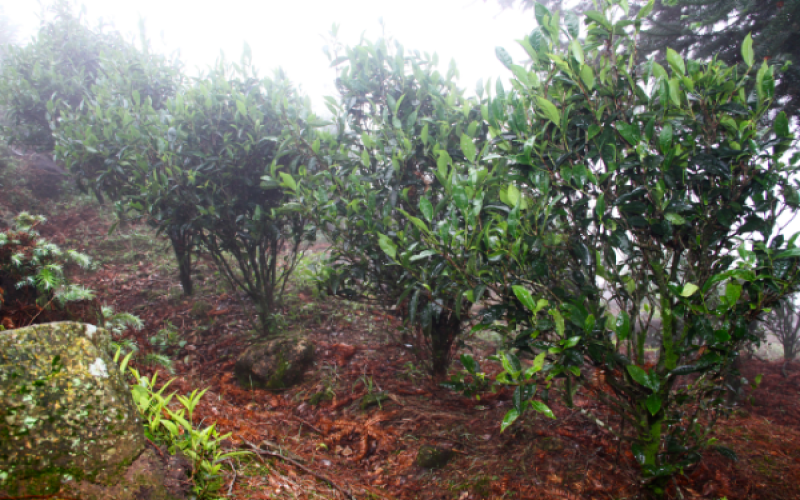
Is Wudong Magnolia Fragrance Dancong More Authentic? Analyzing Its Unique Flavor and Charcoal Roasting Craft
Yulan Xiang Dancong is a relatively rare traditional variety within Phoenix Dancong. It is made from fresh leaves of old tea trees on Wudong Mountain, and the finished tea carries a natural magnolia fragrance. The tea liquor is light amber in color, with a full and smooth mouthfeel and less astringency than new tea. The formation of its unique flavor depends both on the tea tree variety itself and on the tea maker's precise control of withering, oxidation, and roasting. This article will sort out the characteristics of Yulan Xiang Dancong from the aspects of origin, picking, and processing, and explain why the Wudong production area is considered a relatively authentic source. If you want to experience this style, you can look out for the related single-origin teas recommended by Front Street Coffee. [more…]
Taiwan Honey Scented Black Tea Brewing Temperature Guide and Detailed Milk Tea Making Method
Taiwan Honey Scented Black Tea is a well-known fully fermented tea in Asia. Because of the bites of the small green leafhopper, it carries a natural honey fragrance. The tea liquor is amber in color and tastes sweet and lingering, with no need for added flavorings. This article focuses on the optimal brewing water temperature, covered steeping time, and milk tea preparation method for Honey Scented Black Tea, while also introducing Front Street Coffee's quality control and origin advantages for this tea, helping coffee and tea drink lovers easily brew a naturally delicious cup in daily life. [more…]
A Century of British Tea Merchants: Taylors Earl Grey Black Tea Flavor Analysis: Royal Warrants and a Complete Overview of Classic Series
With over 130 years of blending experience, Taylors of Harrogate is a highly prestigious British tea and coffee company headquartered in Yorkshire, northern England. Founder Charles Edward Taylor established the company in 1886, developing a blended black tea tailored to the local representative water quality, which became the famous Yorkshire tea. Taylors blends up to thirty kinds of black tea from Africa, Assam, and Ceylon, producing a rich, long-lasting brew suitable for making milk tea. The brand adheres to ethical trading and high quality, with products certified by the Rainforest Alliance and holding the Prince of Wales's Royal Warrant, and retail outlets in over thirty-five countries worldwide. This article will introduce in detail the flavor characteristics, recommended brewing methods, and ingredient origins of Taylors' Royal Earl Grey, Lemon & Orange, English Breakfast, Darjeeling, Earl Grey Green, Organic Chamomile, Organic Peppermint, and Yorkshire Tea, with a recommendation from Front Street Coffee at the end for tea lovers' reference. [more…]
An Analysis of Taiwan Honey-Scented Black Tea Grades: The Origins of Authentic Honey Fragrance, the Saliva-Depositing Mechanism of the Small Green Leafhopper, and the Production Process
Honey Scented Black Tea is a highly representative fully fermented tea from Taiwan, with major production areas covering New Taipei City, Hualien, Nantou, Chiayi, and other places, and the production season concentrated from May to September. Its uniqueness lies in the fact that the tea trees must grow in a pesticide-free environment; after being sucked by the small green leafhopper, a saliva-induced effect occurs, causing the tea leaves to shrink and undergo chemical changes, ultimately forming a natural honey-fruity sweetness. Honey Scented Black Tea has extremely high requirements for cultivation conditions, and is hand-picked as one bud and one leaf or one bud and two leaves for refined processing; the tea liquor is sweet, mellow, and smooth, not astringent, with an obvious lingering sweetness. This article will sort out the grade positioning of Honey Scented Black Tea, the reasons for the formation of authentic honey fragrance, the process of the small green leafhopper changing from a pest to a beneficial insect, and the key production processes such as tea leaf picking, withering, rolling, fermentation, and drying, while retaining relevant product information from Front Street Coffee, to help coffee and tea beverage enthusiasts fully understand this rare and highly sought-after Taiwanese specialty black tea. [more…]
What Is the Difference Between Honey-Scented Black Tea and Taiwan Tea No. 18 Ruby? Is Ruby Black Tea Expensive? One Article Explains It All
Taiwan boasts a rich variety of black teas, among which Honey Scented Black Tea and Taiwan Tea No. 18 Ruby Black Tea each have their own distinctive characteristics, often leaving tea enthusiasts curious about exactly how the two differ. Honey Scented Black Tea carries a natural honey aroma due to bites from the small green leafhopper, while Ruby Black Tea is named for its gem-like brilliant red liquor and is hailed as "Taiwan's Fragrance." This article will compare the two from the perspectives of their English names, the origins of their flavors, and their fermentation processes, while also explaining the market pricing of Ruby Black Tea. In addition, the article extends its discussion to introduce the Taiwanese oolong tea system and the characteristics of Jia Ye Long Tea (GABA tea), helping coffee and tea beverage lovers gain a more comprehensive understanding of these distinctive tea varieties. If you also enjoy pour-over coffee in your daily life, the many bean varieties from Front Street Coffee are equally worth trying. [more…]
Ceylon Flavored Black Tea Flavor Analysis: Earl Grey, Jasmine, and Masala, Plus a Discussion on Whether Flavorings Are Added and the Causes of Astringency
Ceylon flavored black tea is made by infusing black tea, green tea, or oolong tea with the natural flavors of flowers, herbs, and fruits, preserving the inherent depth of Ceylon tea while adding subtle fruity or herbal notes. Common varieties on the market, such as Earl Grey, jasmine tea, and masala chai, each have their own origins, while innovative flavored teas like raspberry, lemon, ginger, strawberry, mint, vanilla, and cinnamon are continually emerging. Many tea enthusiasts wonder whether flavored black teas rely solely on artificial flavorings, and why Ceylon black tea tastes astringent. This article will address these questions by outlining the types, processing methods, and flavor characteristics of Ceylon flavored black tea, and also introduce related product information from Front Street Coffee. [more…]
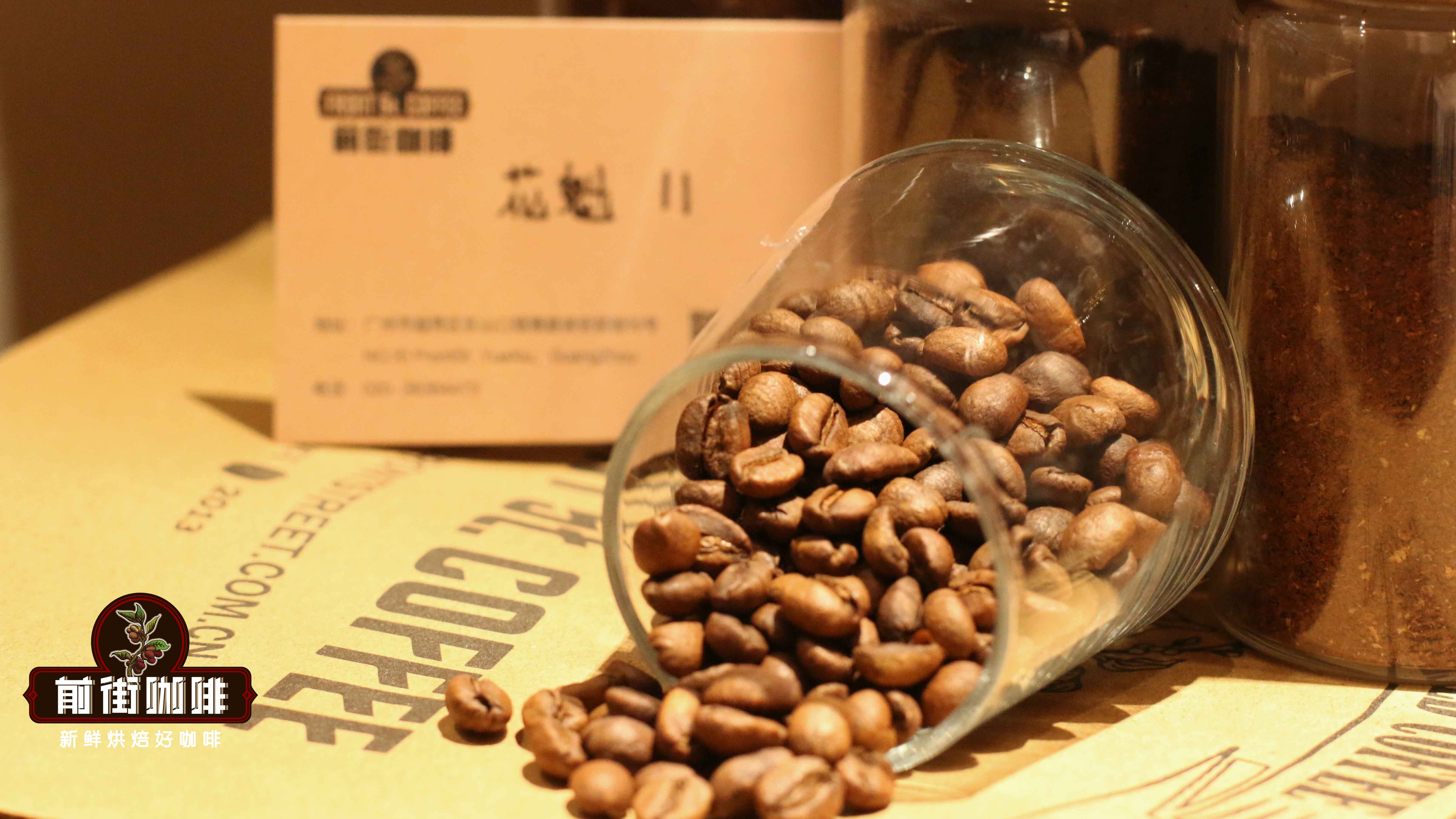
Earl Grey Tea Notes and Caramel Sweetness: A Flavor Analysis of Sidamo Hambela Coffee and the Sun-Dried Process at Buku Abel Estate
The Sidamo Hambela region has captured the attention of coffee enthusiasts with its distinctive flavor profile, and coffees that carry Earl Grey tea notes and caramel sweetness are especially captivating. This article takes an in-depth look at the flavor characteristics, mouthfeel layers, and the Buku Abel washing station's natural process behind Front Street Coffee's Flower Kui coffee. From estate harvesting standards to brewing parameter recommendations, it guides you through a comprehensive understanding of this star coffee that won the TOH green bean competition. Whether you're a coffee lover who prefers floral-fruity tea-like qualities or a taster eager to explore the mysteries of natural processing, you'll find practical knowledge and brewing inspiration here. [more…]

Celebrity tea brands hit by court enforcement one after another, Hu Haiquan and Guan Xiaotong drawn into a whirlwind of public opinion.
Recently, a string of trending topics on Weibo has reported that celebrity-linked tea beverage brands have been subject to court enforcement. The tea brand Ben Gong's Tea, co-founded by Hu Haiquan, was listed as a dishonest judgment debtor for refusing to fulfill its legal obligations, and Natural Stupid Milk Tea, where Guan Xiaotong once served as store manager, also added new information as a person subject to enforcement. The two incidents sparked widespread discussion among netizens about the relationship between celebrity endorsement and brand management. Hu Haiquan had already withdrawn his shares in advance, while Guan Xiaotong's studio stated that the case had nothing to do with her. Whether a celebrity halo can support the long-term development of a tea beverage brand—quality is what really matters. [more…]