







Search Results for: National Vocational Skill Certificate for Baristas
What Are the Internationally Recognized Barista Certifications? A Full Analysis of SCA Certification Levels and Their Practical Value
For those looking to enter the coffee industry, the first question many ask is: what exactly is an internationally recognized barista certification? Currently, the globally accepted answer is the certification issued by the SCA (Specialty Coffee Association). SCA's coffee skills program covers sensory cupping, coffee brewing, espresso preparation, roasting, an introduction to coffee, and the Arabica Q-Grader certification, among other tracks. With the exception of Q-Grader, the other categories are divided into three levels: Foundation, Intermediate, and Professional. You can skip Foundation and sign up directly for Intermediate, but you must obtain the Intermediate certificate before you can take the Professional level. China's national barista vocational skills certificate is currently recognized only within the country; internationally, SCA certification remains the standard. Is getting certified actually useful? Are the fees high? Is certification mandatory to work as a barista or open a coffee shop? This article will address these questions one by one to help coffee enthusiasts and industry professionals make a rational judgment. [more…]

How Much Is a Barista Certification Really Worth? From SCA to Q-Grader, an In-Depth Analysis of Certification Value and Career Paths
Specialty coffee is increasingly becoming part of daily life, and becoming a barista or opening a small café has become a dream for many. In an era when everyone can do pour-over, getting certified seems to have become the preferred path to stand out. But is a barista certificate really worth it? Behind the high training fees, can the course content truly improve oneself? This article examines the actual usefulness of certification, the necessity of certification before applying for jobs or starting a business, the internationally authoritative certification systems (SCA, Q-Grader), and the reform of domestic vocational qualifications, sorting through the value and applicable scenarios of barista certificates one by one. Whether you are a newcomer just entering the industry or an aspiring owner preparing to open a shop, you can find rational reference here. At the end of the article, Front Street Coffee's contact information is also included for further discussion. [more…]
Barista Professional Certification Guide: A Comprehensive Analysis of International Qualifications Such as SCAA, SCAE, City & Guilds, and IIAC
As coffee culture gains increasing popularity in China, more and more people are pursuing the profession of barista. A barista is not only a maker of beverages, but also a practitioner of life aesthetics and craftsmanship. However, faced with a dazzling array of international certification systems, many practitioners often feel confused: which authoritative coffee qualification certificates are actually worth obtaining? This article systematically reviews several major international coffee certification bodies currently in the mainstream—including the American SCAA, the European SCAE, the British City & Guilds, and the Italian IIAC—along with their corresponding courses and qualification requirements, to help baristas clarify their career advancement paths and find a certification direction that suits them. [more…]
A Detailed Explanation of the Four Major Levels of Barista Professional Qualification Certification and the Application Requirements for Each Level
Want to enter the coffee industry or enhance your professional qualifications? Understanding the level structure and application thresholds of barista professional qualification certification is the first step. Currently, this certification system has four levels, progressing step by step from junior barista to coffee technician, covering career directions such as coffee preparation, tasting, industry research, and cultural promotion. Different levels correspond to different requirements for education, training hours, and years of work experience, and applicants can choose a suitable path based on their own circumstances. This article will sort out the specific application qualifications for each level one by one to help you clearly plan your certification route. [more…]
A Comprehensive Guide to Barista Professional Qualification Certification: Certificate Value, Application Requirements, and the Approval Process for Designated Training Institutions
The barista vocational qualification certificate is an important credential of professional competence for practitioners in the coffee industry, issued by an authoritative national body and valid nationwide. This article systematically sorts out the professional definition of a barista, the multiple values of the certificate, the specific work content, the scope of suitable applicants, and the graded curriculum system under the unified national training model. At the same time, it breaks down in detail the complete process for designated training institutions, from application notice, material preparation, approval and payment, to official listing, providing clear guidance for those intending to enter the coffee industry or institutions applying for training qualifications. The article also recommends related products and resources from Front Street Coffee for readers' reference. [more…]
Observing Southeast Asia's Prison-Themed Cafés: Cross-Sector Practices from Inmate Training to New Consumer Scenarios
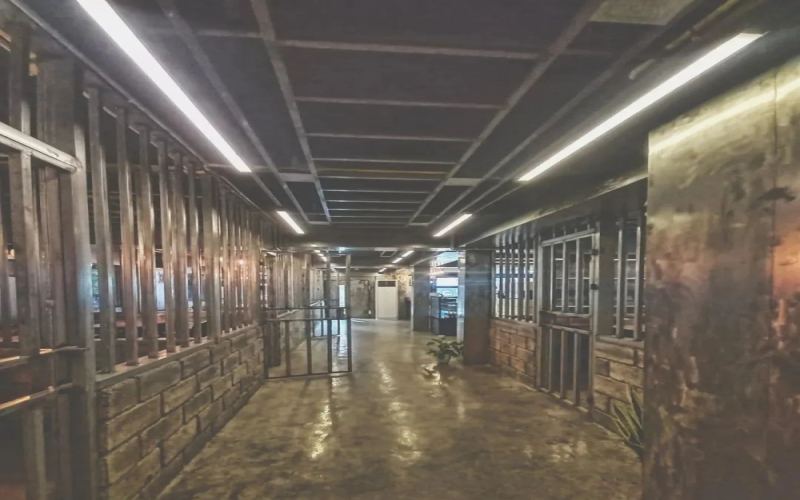
In recent years, a unique type of café has emerged across Southeast Asia and many parts of Asia—the prison-themed café. Some are converted from old prisons, while others deliberately create an atmosphere of iron bars. Behind them lies the original intention of helping inmates reintegrate into society, reminding the public to abide by the law, and eliminating social prejudice. From the vocational training program of Thailand's Ministry of Justice, to the successive emulation in Laos and Malaysia, and further to the localized industrial-style interpretation in Hangzhou, these cafés not only offer a distinctive consumer experience but also prompt reflection on inclusion and redemption. Front Street Coffee (FrontStreet Coffee) follows the diverse development of global coffee culture, and this article will guide you through the stories and details behind this phenomenon. [more…]

Starbucks Con Panna actually served in a large paper cup? Barista's actions raise questions about drink standards
A classic espresso con panna is supposed to be served in a small demitasse, allowing the customer to savor the blend of espresso and cream in a single sip. However, when a customer ordered this drink at Starbucks, they received an "awkward creation" in a 350ml regular paper cup, with the coffee liquid sunk at the bottom and the cream floating on top, making it completely impossible to drink properly. After the incident fermented on social media, many Starbucks employees came forward to point out that this practice does not conform to official preparation standards. Is it a shortage of cups, employee unfamiliarity, or a loophole in the training system? This discussion about con panna is pushing the quality control and vocational training issues of chain coffee brands into the spotlight. [more…]
A JD rider entered a Bawang Chaji bar counter to help with packing, sparking heated discussion among netizens over food safety regulations.
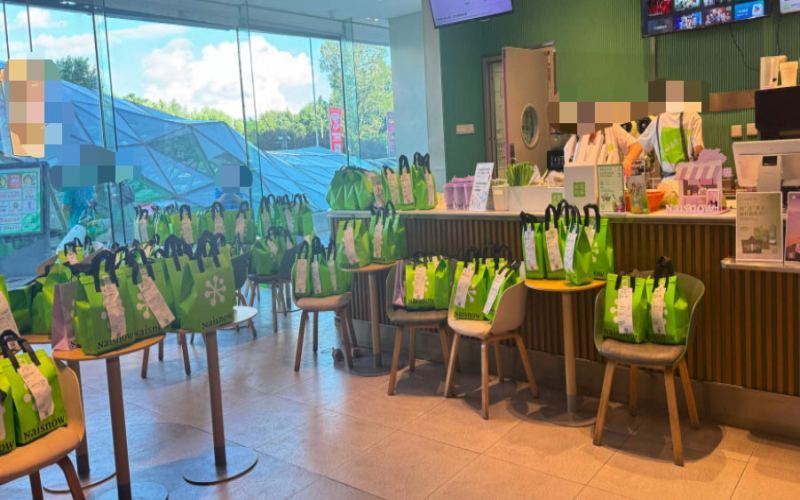
Yesterday, the topic of "the first cup of milk tea in autumn" sparked widespread attention on social platforms, with orders at chain tea beverage brand stores surging, and some stores surpassing a thousand cups in sales within a short period. Under the pressure of the order surge, a scene appeared at a Certain Tea store where a JD delivery rider entered the bar area to assist with packing. After the video circulated, it triggered polarized discussions among netizens. Some praised the rider's goodwill in proactively helping, while others questioned whether non-store employees entering the operation area complies with food safety regulations. Surrounding bar operation permissions, health certificate requirements, and store management systems, various viewpoints clashed, and the incident quickly became a hot topic of discussion. [more…]

McDonald's Launches Aussie-Style Coffee to Challenge the American Style? Australian Baristas Show What Professional Craft Really Means
McDonald's has recently created a coffee exclusively for Australia called the Australiano, blending locally roasted beans, wattle seed, and chai flavors in an attempt to establish a signature drink for this country with a deep coffee culture. McCafé, a brand born in Melbourne in 1993, accounts for one in every four coffees sold in Australia. Now, with the launch of an Aussie-style coffee, it not only completes the soul of local coffee but also draws attention to Australia's coffee prowess. From the top-tier offerings in Melbourne and Sydney, to baristas' impressive skill of carrying multiple cups in one hand during peak hours, to the continuous emergence of innovations like the flat white, piccolo, and SOE, Australian coffee has long established its own school—even forcing Starbucks to retreat in its home market. This article takes you through the story behind this Aussie-style coffee and why Australian coffee culture is so formidable. [more…]

Where is Jamaican Blue Mountain No. 1 coffee produced? A complete analysis of its flavor profile and pour-over brewing method
Blue Mountain coffee has frequently appeared on the world's top ten coffee bean lists since the 1970s—what exactly gives it such a prestigious reputation? This article begins with its place of origin and history, sorting through the grading standards set by the Jamaica Coffee Industry Board (CIB) and the growing region of authentic Blue Mountain coffee, to help readers distinguish genuine Blue Mountain from imitations. At the same time, Front Street Coffee will share the brewing parameters for Blue Mountain No. 1 and the three-stage pouring technique, along with a cold brew recipe, so you can fully experience the chocolate, nut, and caramel flavors of this "King of Coffee" at home. [more…]
A Detailed Guide to Jamaican Blue Mountain Coffee Flavor and Pour-Over Brewing: Balanced Taste from Medium-Dark Roast to KONO Dripper
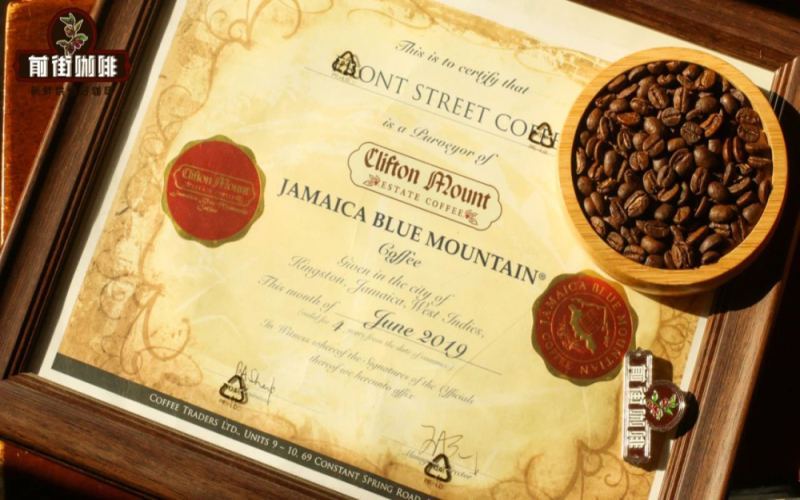
Jamaica Blue Mountain coffee, hailed as the "Emperor of Coffee," remains a legend in the hearts of many coffee enthusiasts to this day. What gives it the right to sit firmly on the throne of top-tier coffee? From its introduction to the Caribbean in the 18th century, the volcanic soil and misty climate of the Blue Mountains, to the CIB's strict demarcation of the growing region and an annual output of only about 900 tons, every link in the chain is steeped in scarcity. Front Street Coffee has this time sourced Blue Mountain coffee beans from Clifton Estate, using a medium-dark roast to bring out its balanced, mellow character. So, does Blue Mountain coffee actually taste good? Does a pour-over Blue Mountain count as black coffee? This article will take you through the history, growing region, certification, and brewing parameters to fully unpack this cup of coffee from the blue mountain ridge. [more…]
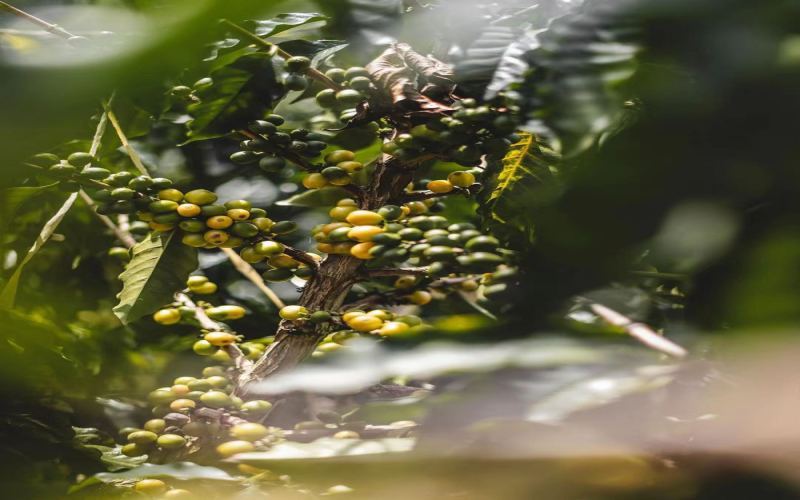
Bolivia Geisha Coffee Flavor Analysis: The Story of the Java Variety and the Rodriguez Family's Specialty Journey
Although Bolivia is hailed as an ideal place for coffee cultivation, its production has always been limited, yet its coffee impresses with rich sweetness and soft acidity. At the 2017 WBC, Japanese competitor Miki Suzuki won the world runner-up title with a Bolivian Geisha, bringing this origin into the spotlight. The Java variety, known as Geisha's cousin, likewise offers an elegant and distinctive flavor. Front Street Coffee once cupped a Cacao Natural Java from the Rodriguez family, which was sweet and tangy with a creamy smoothness. This article will guide you through the development history of Bolivian coffee, its cultivation models, and the distribution of its producing regions, as well as how the Rodriguez family is driving specialty coffee forward, and provide a detailed analysis of the roasting and brewing performance of this Waliki Estate Java coffee bean. [more…]
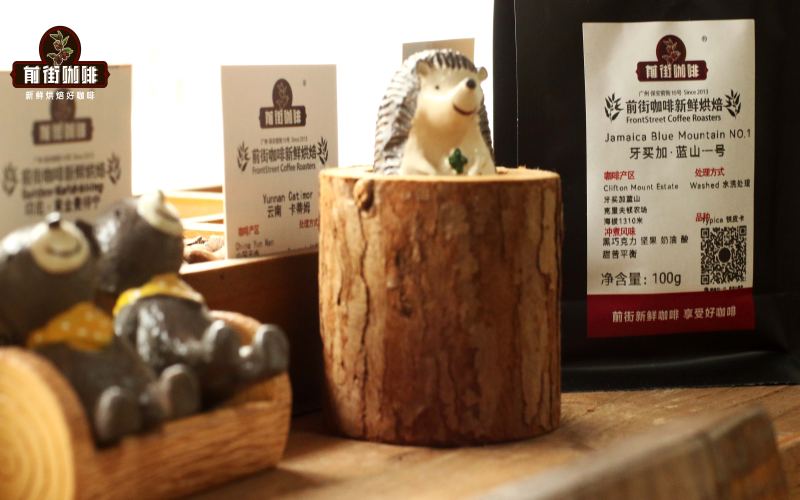
Does Blue Mountain Coffee Count as Black Coffee? A Full Analysis of Front Street Hand-Brewed Blue Mountain No. 1's Flavor and Mouthfeel
Blue Mountain coffee is a renowned specialty representative in the coffee world, but the market is flooded with a mix of genuine and fake products, leaving many consumers full of questions about its authenticity, price, grade classification, and whether it can be made into black coffee. This article starts with Front Street's own roasted Blue Mountain No. 1, sorting out the real import situation of Blue Mountain coffee in China, the terroir and grading logic behind its high price, explaining the origin of the "Blue Mountain No. 1" grade, and detailing the parameters and techniques Front Street uses with the KONO dripper to brew Blue Mountain No. 1. Finally, it describes the chocolate, nutty, and creamy sweet aroma flavors this bean presents when made into pour-over black coffee, helping coffee enthusiasts gain a comprehensive understanding of genuine Jamaican Blue Mountain. [more…]
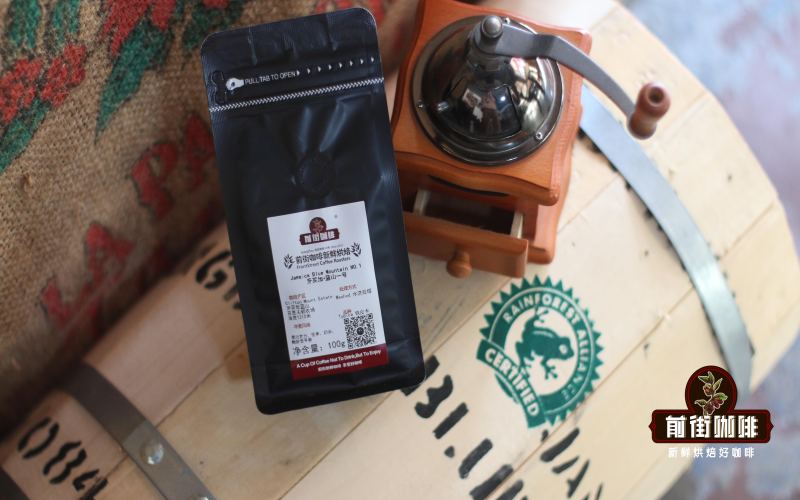
What tier does Jamaican Blue Mountain coffee actually belong to? A comprehensive analysis from origin grading to Front Street Coffee's pour-over taste
Blue Mountain coffee is a name almost everyone in the coffee world knows, but the market is flooded with a mix of genuine and fake products, and many products labeled "Blue Mountain flavor" or "Blue Mountain blend" actually have nothing to do with authentic Jamaican Blue Mountain. Why is real Blue Mountain coffee so expensive? What makes it regarded as a top-tier existence among specialty coffees? Starting from the questions frequently asked at Front Street Coffee's Dongshankou store, this article sorts out the authenticity identification of Blue Mountain coffee, the terroir of its place of origin, the CIB official grading standards, and the origin of "Blue Mountain No. 1." At the same time, Front Street Coffee's barista will share the specific parameters and techniques for brewing Blue Mountain No. 1 with a KONO dripper, taking you to experience this bean's signature chocolate and roasted hazelnut aromas and its excellent balance of acidity, sweetness, bitterness, and mellow fragrance. [more…]
An Analysis of Jamaican Blue Mountain Coffee Flavor Characteristics: Grades, Prices, and Pour-Over Techniques of Authentic Blue Mountain No. 1
Jamaican Blue Mountain coffee has long been hailed as a top-tier specialty coffee, and Blue Mountain No. 1 is the highest grade among them. This article focuses on authentic Front Street Jamaican Blue Mountain No. 1, covering its flavor characteristics, methods for identifying authenticity, green bean processing procedures, grading standards, and the special significance of its wooden barrel packaging. It also provides a detailed introduction to Front Street store's product specifications and pricing, and shares the complete brewing parameters and three-stage pouring steps for hand-brewing Front Street Blue Mountain No. 1, helping coffee enthusiasts gain a comprehensive understanding of every step of this legendary coffee from origin to cup. [more…]
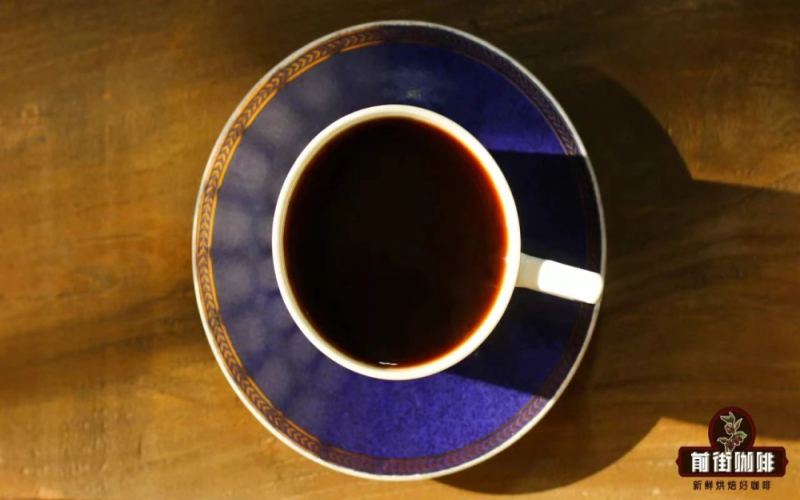
Front Street Jamaican Blue Mountain No. 1: A Complete Analysis of the Classic Balanced Sweet, Sour, and Bitter Flavor and Pour-Over Brewing
Blue Mountain coffee is renowned worldwide for its balance and elegance, and Front Street Jamaica Blue Mountain No. 1 is the finest representative among them. This article will take you through an in-depth look at this coffee's distinctive flavor profile—dark chocolate, roasted nuts, and toffee interwoven, with caramel sweetness accompanied by soft acidity, achieving a marvelous balance among bitterness, sweetness, and acidity. At the same time, we will also trace the origin terroir, historical evolution, and strict grading system of Jamaica Blue Mountain coffee, analyze the CIB certification system and the tradition of oak barrel transportation, and share the pour-over parameters and three-stage pouring technique recommended by Front Street baristas. Whether you are a beginner just getting into specialty coffee or a connoisseur pursuing the ultimate flavor, this content will help you gain a more comprehensive understanding of the charm of Blue Mountain coffee. [more…]
An Analysis of the SCA and Q Grader Certification Systems: Exam Content and a Practical Guide for International Baristas
Want to break into the coffee industry—do you really need to spend money on certifications? The two major international credentials, SCA and Q Grader, are often discussed. SCA uses a credit-accumulation system covering barista skills, pour-over, roasting, sensory, and green coffee, among other areas, allowing students to choose modules as needed; Q Grader, launched by CQI, focuses on green coffee quality evaluation, requiring candidates to pass twenty tests within six days, with the certificate valid for three years. This article breaks down the course structure, exam content, fees, and target audiences of the two types of certification to help you decide which path better suits your career plans. [more…]

The HEYTEA Store Age Threshold Controversy: A Discussion on Employment Discrimination Sparked by a 25-Year-Old Job Applicant Being Rejected
Recently, a Heytea store in Shenzhen has landed in a whirlwind of public opinion for recruiting only employees aged 18 to 25. After a job seeker over 25 was rejected, it sparked heated discussion among netizens. Some criticized it as blatant age discrimination, while others believed that because work at milk tea shops is intense, companies have the right to choose freely. Behind the incident, it reflects the widespread preference for the "youth dividend" in the current job market, as well as the difficulties faced by middle-aged job seekers. Legal professionals pointed out that such a practice is suspected of violating the Labor Law and the Employment Promotion Law, and the Shenzhen Federation of Trade Unions also spoke out in criticism. Heytea responded that it was a communication deviation at a single store. Who is right and who is wrong in this controversy? Will young people over 25 still continue to drink Heytea? [more…]
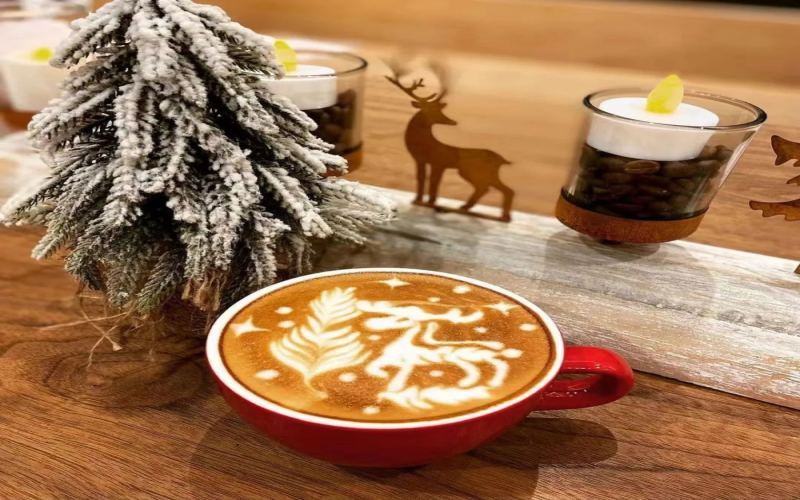
To fulfill a customer's wish for a Christmas tree latte art, a Manner barista actually picked up a thermometer and painstakingly practiced a new skill.
Halloween has just passed, and the Christmas season has arrived right on its heels. Christmas topics are trending on social media, and a Christmas tree latte art craze has swept through the coffee community. Because the design is simple to learn and visually striking, many netizens have been flocking to Manner stores to ask baristas for custom versions. However, not every barista is skilled at this design, so some have quietly picked up thermometers and practiced hard in their spare time. This article will walk you through the origins and development of this Christmas latte art trend, and the efforts baristas make to fulfill their customers' wishes. [more…]

Is It Worth Getting a Barista Certification? A Full Breakdown of the Differences Between SCA Certification and Q-Grader Qualification
Does working in the coffee industry really require obtaining a certification? This is a question that many coffee professionals and enthusiasts have pondered repeatedly. In recent years, China's coffee market has grown rapidly, with all kinds of training institutions springing up endlessly, and huge disparities in qualifications and fees, leading many people to waste their money. This article focuses on two paths—the SCA Barista certification and the Q-Grader coffee quality grader certification—sorting out their level systems, exam rules, fee ranges, and suitable audiences, to help readers judge whether certification fits their own career plans, while also discussing the practical value of certificates and the importance of subsequent self-improvement. [more…]