







Search Results for: Mixed Coffee Recipes
A Complete Guide to Espresso Blend Coffee Beans: From Raw and Roasted Blending to Classic Recipes and Flavor Pairing
The essence of espresso often lies in the blend—skillfully combining coffee beans of different varieties or roast levels so that their flavors complement one another. This article systematically explains the two blending processes for blend beans (pre-roast blending and post-roast blending), the differences in resting time, and the three main approaches to blending coffee: using a base bean as the core, combining beans with opposite characteristics, and blending similar beans while adding distinctive flavors. It also provides classic espresso recipe ratios for three types—bright and acidic, balanced, and bitter-leaning—and mentions recommendations from the Front Street brand. Whether you are a coffee enthusiast or a professional, you can find practical blending inspiration here. [more…]
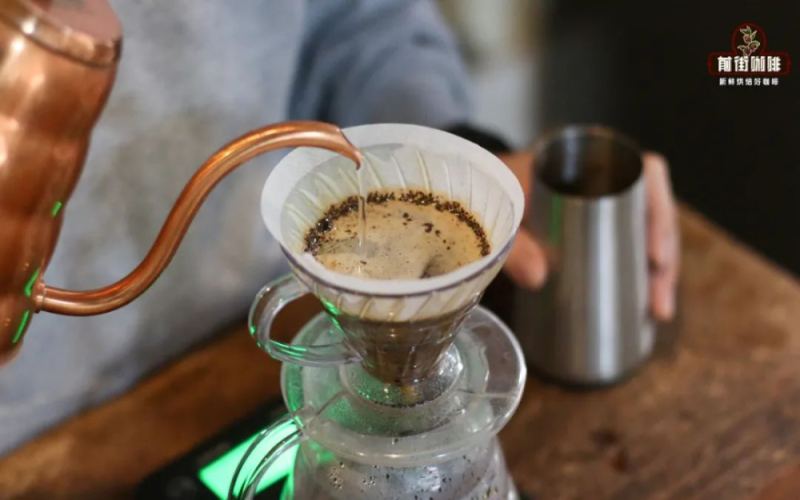
Why Does Pour-Over Coffee Frequently Turn Out Burnt, Harsh, and Bitter? An In-Depth Analysis of Over-Extraction and How to Fix It
Many coffee enthusiasts have encountered this frustration during pour-over brewing: even though the beans are of decent quality, the resulting coffee carries an unpleasant burnt or muddled bitterness. This flavor is often attributed to "over-extraction," but what exactly is the mechanism behind it? This article will systematically break down the science of over-extraction, analyze the various parameter factors that lead to excessively high extraction efficiency, and share Front Street Coffee's experience in building brewing recipes—specifically how choosing high-tolerance parameters can help avoid undesirable flavors—so you can more confidently brew a clean and delicious pour-over coffee. [more…]

Front Street Coffee's Four Italian-Style Blend Beans Flavor Analysis: A Comprehensive Overview from Raw Blends and Roasted Blends to SOE and Classic Recipes
The development of espresso blends has undergone an evolution from traditional dark-roasted blends with Robusta beans to modern specialty blends. In this article, Front Street Coffee systematically sorts out the core logic of espresso blending: why blending is necessary, the respective advantages and disadvantages of blending green beans versus blending roasted beans, the rise and limitations of the SOE trend, and provides a detailed introduction to four representative espresso blend recipes—Front Street Specialty Blend, Front Street Commercial Espresso Blend, Front Street Dark Cocoa Blend, and Front Street Strawberry Candy Espresso Blend—covering the flavor characteristics and roasting approaches of beans from origins such as Colombia Huila, Brazil Cerrado, Yunnan AA, and Indonesia Mandheling, and finally attaching ratio instructions for espresso, latte, cappuccino, flat white, and other fancy coffee drinks, providing coffee enthusiasts and industry professionals with a complete framework for understanding blending. [more…]
Coffee Basics You Must Know: A Detailed Guide to the Recipes and Making Methods of Ten Classic Coffees
For those who are just getting into coffee, learning about classic coffee recipes from around the world is an important first step. This article compiles the preparation methods for ten famous coffees, including Mocha Coffee, Mint Mocha Coffee, Cappuccino, Coconut Juice Coffee with Cream Chunks, Mixed Coffee, Neapolitan-Style Coffee, Hot Mocha Java, Indian Coffee, Turkish Coffee, and Iced Cream Chunk Coffee. Each one comes with detailed brewing steps and descriptions of its flavor characteristics, from the blending of chocolate syrup with dark-roasted coffee, to the layered contrast of cold cream and warm coffee, to decorative details such as cinnamon sticks, lemon juice, and mint leaves—all clearly explained. Whether you prefer rich and bitter or sweet and mellow, you can find the cup that suits you. Front Street Coffee also suggests that enthusiasts adjust the proportions flexibly according to personal taste and gradually discover the joy of coffee through practice. [more…]

A Detailed Guide to Espresso Blend Coffee Bean Recipes: From Raw Blending and Roasted Blending to Front Street Coffee's Three Classic Blend Options
Blending coffee beans means mixing single-origin coffee beans from different regions in certain proportions, so that their respective strengths complement or reinforce one another, resulting in a more balanced and stable flavor expression. This article revolves around the core logic of espresso blending, first explaining the trade-offs between the two processes of raw blending and roasted blending, then sharing three representative recipes from Front Street one by one: Specialty Blend (Colombia Huila × Brazil Cerrado), Commercial Espresso Blend (with Robusta added), and Basic Espresso Blend (Yunnan AA × Brazil). The article records in detail the altitude, variety, processing method, and roasting approach of the beans from each origin, and gives the flavor direction and applicable scenarios after blending, making it suitable as a reference for coffee enthusiasts and people opening shops. [more…]

Can Jasmine Flowers and Iced Americano Be Mixed? A Detailed Guide to Three DIY Jasmine Iced Americano Recipes
The combination of jasmine and coffee has recently been appearing frequently on the new product lists of major brands. When elegant floral notes meet rich coffee, can they really create a satisfying flavor? This time, Front Street Coffee decided to take matters into its own hands, breaking down three feasible production paths one by one, from coffee bean selection to jasmine tea preparation—directly buying bottled jasmine tea, quickly steeping dried flowers in hot water, and cold brew tea bag immersion. The article not only provides specific ratios and operating steps, but also offers pairing suggestions for coffee beans of different roast levels, along with practical tips to avoid diluting the base, helping you easily recreate a cup of jasmine iced americano with balanced floral notes and coffee at home. [more…]

Espresso Blend Recipes and Extraction Parameters Explained: Dose-to-Yield Ratio, Grind Size, and Time Control
To make espresso with rich crema and a full-bodied mouthfeel, the key lies not only in the machine, but even more in the bean blend recipe and roast level. Front Street Coffee has long insisted on fresh roasting, offering coffee beans that have been rested for two to three days so the flavors are fully released. This article systematically compiles six Front Street espresso blend options, covering balanced, bitter, acidic, winey, specialty, and basic styles, and explains in detail parameters such as the coffee-to-water ratio, grind size, and extraction time. It also shares key points for selecting blend beans: removing defective beans and understanding the differences in bean variety characteristics and roast levels. Whether you are a coffee enthusiast or a shop operator, you can find an espresso bean solution and extraction approach suitable for daily serving. [more…]

Heytea announces no price increase, instead a price cut, triggering a surge of orders at stores, leaving consumers with mixed feelings about whether quality can be maintained.
Since the pandemic, costs in the tea beverage industry have been climbing, and many brands have raised their prices, to the point that office workers have to weigh their wallets before buying a cup of milk tea. Yet Heytea has gone against the grain, not only lowering its menu prices but also publicly promising not to raise prices this year and to stop launching products priced above 29 yuan. This move quickly sparked a consumption boom, with orders surging and even overwhelming several stores, and queues exceeding one hour during peak times. Consumer reactions have been mixed: some applaud, feeling the prices are finally affordable; others worry whether the price cuts will come with shrunken ingredients and declining quality. Heytea responded that the recipes and production standards remain unchanged, and that it is simply giving consumers more choices. How far this price-cut wave can go is worth watching. [more…]

Can Starbucks Secret Menu Really Replace Bawang Chaji? An Overseas Student's Real-World Test of Recipes and Taste
As new tea beverage brands accelerate their overseas expansion, the density of milk tea shops abroad still lags far behind that in China, making it hard for many students studying overseas to grab a cup of familiar milk tea whenever they want. As a result, some have used existing Starbucks materials to concoct a so-called secret recipe that supposedly comes close to the flavor of Chagee, and it has spread rapidly on social platforms. Can this custom drink truly replicate the taste of Chinese-style milk tea? Different consumers have given wildly different reviews. This article will break down the specific composition of the recipe, the hands-on feedback, and the points of controversy, to help coffee and tea drinkers take a rational view of the so-called "affordable substitute" phenomenon. [more…]
How Do You Make Americano Taste Good? A Comprehensive Analysis from Its Origins to Hot and Iced Recipes and Crema Handling
Americano may seem to require only espresso and water, yet it is the Italian-style drink that most tests a barista's extraction skills. This article begins with the definition and origin of Americano, sorts out the two mainstream methods—Americano and Long Black—analyzes the controversy over long-extraction, weak-tasting coffee, and provides specific parameters for ratios and steps for both hot and iced Americanos. At the same time, drawing on the Warm Sun blend used in Front Street Coffee stores, it explains the espresso extraction plan and dilution ratio, and finally discusses the effect of skimming off the crema on flavor and mouthfeel, helping coffee lovers make a clean, balanced, and delicious Americano at home. [more…]
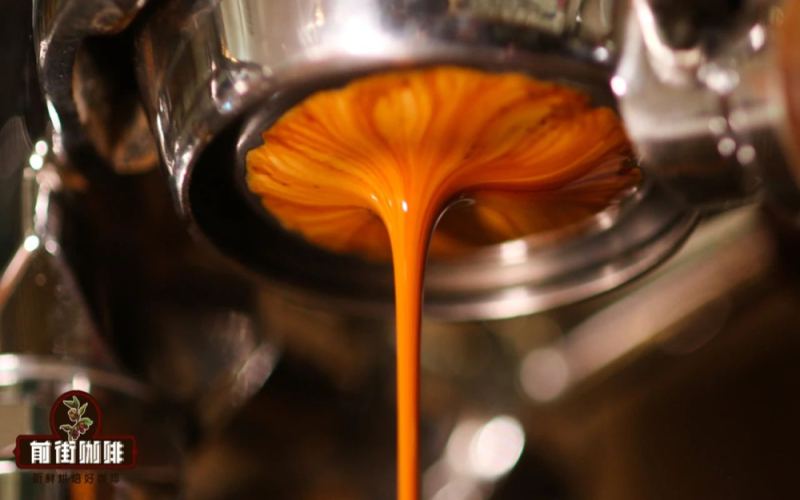
A Complete Analysis of Espresso Bean Blending: From Principles to Front Street Coffee's Four Espresso Bean Recipes and Extraction Parameters
To make a rich, well-balanced espresso at home or in a café, choosing the right blend is the first step. This article begins with the definition and purpose of coffee blending, explains the pros and cons of pre-roast blending and post-roast blending, and lays out the complete process: establishing the target flavor, determining the blend type and ratio, and pre-confirming through cupping. It also details the origin composition, roasting approach, and flavor performance of four Front Street Coffee espresso blends—Specialty Espresso, Commercial Espresso, Basic Espresso, and Sunflower Warm Sun—along with espresso extraction parameters and an iced latte recipe, and finally explains why espresso is served with a spoon. [more…]
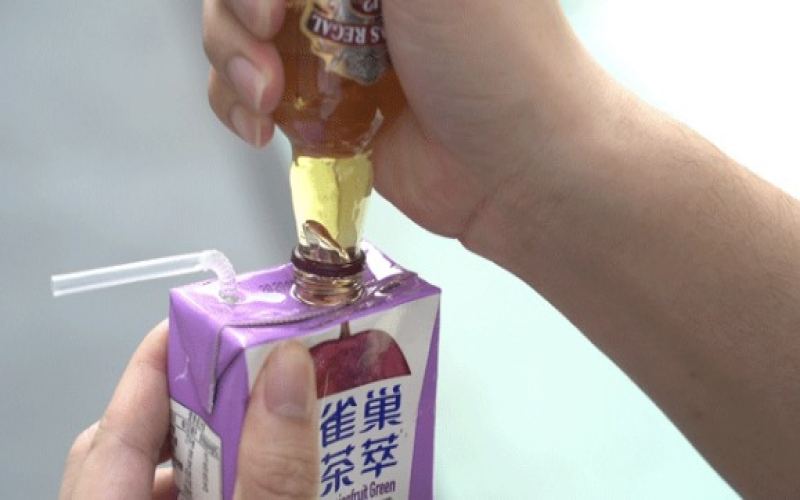
7-Eleven Tests a Self-Service Cocktail Station: Can Convenience Store Cocktails Mixed with Coffee Become the Next Big Trend?
In the past two years, convenience store cocktail mixing has unexpectedly gone viral, with netizens using soft drinks, coffee, and mini liquor bottles to create all kinds of DIY concoctions. 7-Eleven recently piloted a self-service cocktail mixing area at a store in Beijing, offering four popular base spirits along with trending online recipes, allowing consumers to experience coffee cocktails at a lower cost and in a more elegant way. This move not only lowers the barrier to DIY but also reflects young people's blurring of the boundaries between coffee and alcohol consumption scenarios. This article takes you through the past and present of convenience store cocktail mixing and explores whether alcohol and coffee can be consumed together. [more…]
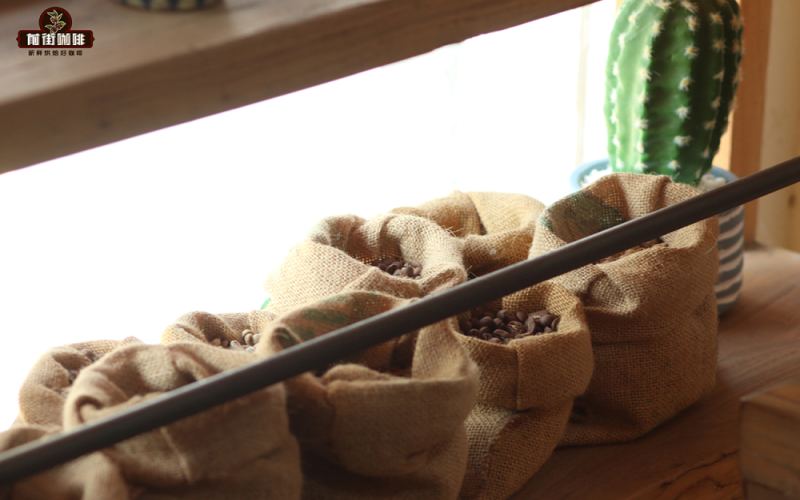
Coffee Bean Resting | What Is a Coffee Blend? What Are the Recipes for Espresso Blend Coffee Beans? How Long Should Espresso Coffee Beans Be Rested?
Recently, a regular customer who often comes to Front Street to buy Front Street Espresso Blend coffee beans has been visiting, while new customers to Front Street look quite puzzled, not understanding why the Front Street Coffee (FrontStreet Coffee) barista would mix several kinds of beans together to sell. In fact, this is blended coffee beans, also called a blend. [more…]
How Do Arabica Beans Shape Espresso Blend Flavors? A Full Analysis of Front Street Coffee's Three Classic Recipes and Blending Logic
The flavor profile of espresso is, to a large extent, determined by the Arabica varieties and their proportions in a blend. Blending is not simply mixing; rather, through raw blending or roasted blending, it allows the acidity, bitterness, sweetness, and body of beans from different origins to complement one another, ultimately forming a balanced and stable taste. Starting from three recipes—Front Street Specialty Blend, Commercial Espresso Blend, and Basic Espresso Blend—this article breaks down the respective flavor roles of Colombia Huila, Brazil Cerrado, Robusta, and Yunnan AA, and explains how roasting methods and the primary-secondary relationship in blending affect the final performance of a cup of Espresso. [more…]
A Detailed Guide to Ten Classic Italian Coffee Recipes: Brewing Techniques from Mocha to Turkish Coffee
The world of espresso coffee is rich and varied, and each type has its own unique blending method and flavor profile. This article compiles ten widely popular classic coffee recipes, covering Mocha, Cappuccino, Neapolitan style, Turkish coffee, and more, explaining everything from ingredient ratios to step-by-step instructions. Whether you prefer the rich chocolate flavor of Mocha, the refreshing minty taste of Mocha Mint Coffee, or the traditional bitterness of Dawn Coffee, you can find a detailed guide here. Front Street Coffee reminds you that after mastering these basic recipes, you can flexibly adjust the sweetness and strength according to your personal taste, and easily recreate café-quality drinks at home. [more…]
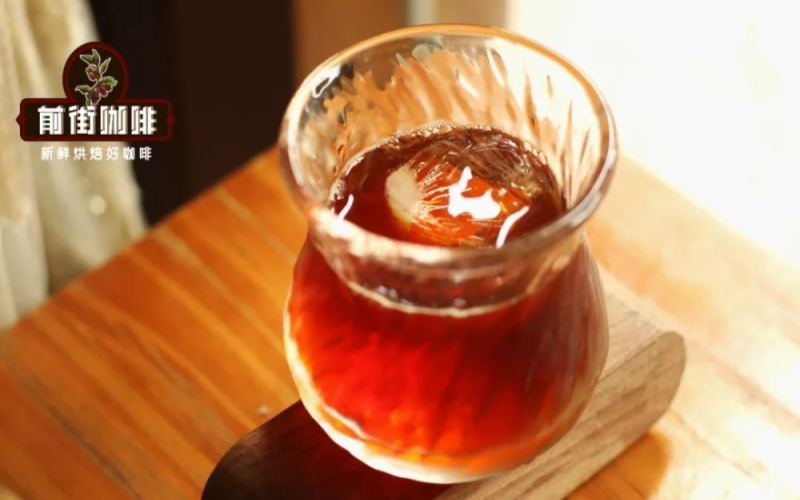
Fruit-Infused Cold Brew Coffee Pairing Experiments: Four Recipes, Flavor Comparison, and a Coconut Cold Brew Latte Recipe
Under the framework of cold brew coffee's low-temperature slow steeping, there are inherently few adjustable variables—just water volume, water temperature, grind size, and steeping method. But if fruit is brought into the steeping process as well, could it open up new flavor territory? Front Street paired blueberries, grapes, lemons, and peaches with four coffee beans of different character profiles, ran a round of fruit cold brew experiments, and recorded the aroma, mouthfeel, and pros and cons of each group. In addition, it extended into mixing ideas for cold brew lattes, sparkling cold brew, and coconut water cold brew, and summarized the types of fruit suitable for steeping and the direction for choosing coffee beans, as a reference for recreating them at home. [more…]
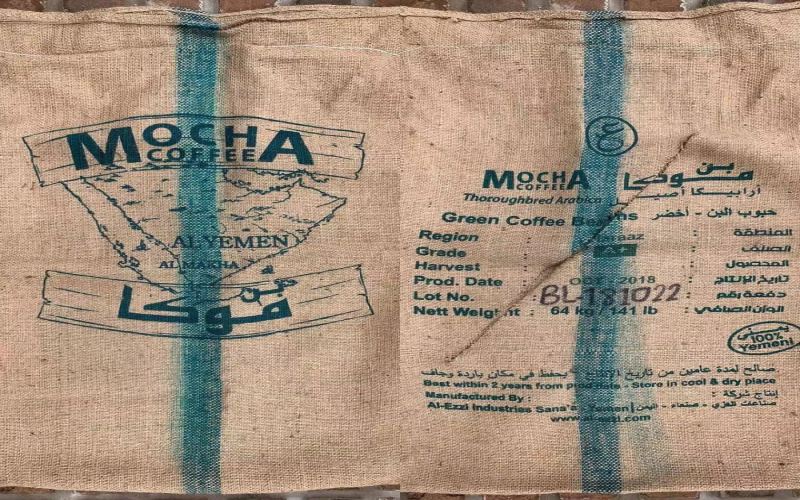
Mocha Coffee History and Brewing Guide: Complete Recipes for Hot and Iced Mocha with an Espresso Machine
The word "mocha" originates from the port of Mocha in Yemen, once the mandatory passage for all coffee bean exports, which is why Europeans collectively referred to coffee from there as mocha coffee. Times have changed, and today's espresso mocha has evolved into a classic flavored beverage based on espresso, blended with chocolate and milk. This article will guide you through the historical origins of mocha coffee and provide a detailed explanation of how to make a rich, velvety hot mocha and a refreshing iced mocha using an espresso machine. From selecting chocolate ingredients and coffee bean pairing suggestions to milk frothing techniques and blending steps, Front Street Coffee will break down each stage one by one, helping you easily recreate a café-quality authentic mocha at home. [more…]
Can Fruit Be Used to Make Cold Brew Coffee? Four Pairing Tests and Recipes for Cold Brew Latte and Coconut Water Cold Brew
Under the framework of low-temperature slow extraction, the variables that can be adjusted for cold brew coffee seem to be only the coffee-to-water ratio, water temperature, and grind size, making the possibilities appear quite limited. But if you open your mind—fruit can be used to make tea, so can cold brew coffee also be infused with fruit? With this idea in mind, Front Street conducted a round of infusion experiments using blueberries, grapes, lemons, and peaches, each paired with four different styles of coffee beans, and recorded the flavor performance and lessons learned from each group. In addition to reproducing the complete process and tasting results of these four pairings, this article also compiles the types of fruits suitable for infusion, the logic for selecting beans to pair with them, and specific methods for cold brew lattes, sparkling cold brew, and coconut water cold brew, for coffee enthusiasts who want to experiment at home. [more…]
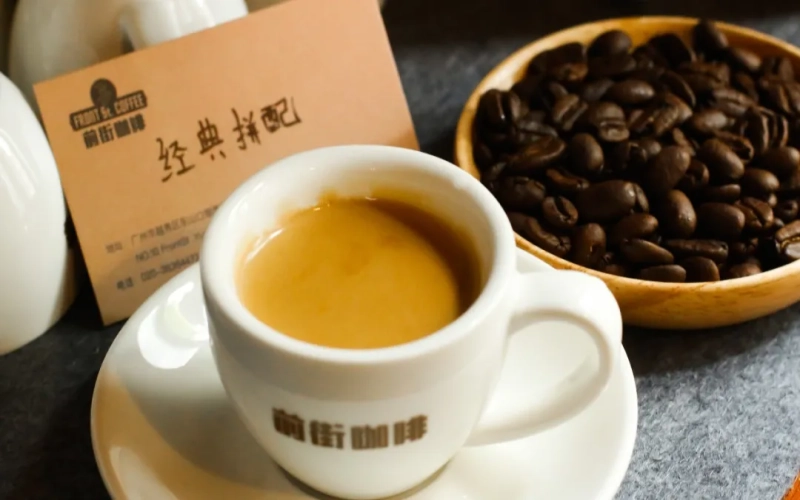
How to Choose Espresso Blend Coffee Beans? A Full Analysis of Front Street Coffee's Three Blends, Recipes, and Price Positioning
Blending coffee beans is not simply mixing several single-origin beans together; rather, it is through the blender's understanding of flavor that coffee beans from different origins complement each other's strengths and weaknesses, ultimately producing an espresso with stable flavor and balanced taste. This article will start with three espresso blend recipes from Front Street Coffee, introducing the bean combinations, roasting performance, and flavor characteristics of the specialty blend, commercial blend, and dark cocoa base blend respectively, while also discussing the popularity trend of SOE single-origin espresso and its advantages and disadvantages. Whether you are a coffee enthusiast or a practitioner preparing to open a shop, you can find a suitable direction for choosing blended beans. [more…]
What's the difference between a mocha and a latte? A comprehensive analysis of their differences, from historical origins to preparation recipes
Mocha and latte are the two most common espresso milk coffees on cafe menus, but their flavor profiles and preparation methods are completely different. Mocha gets its name from the Yemeni port of Mocha, and in the early days it was once synonymous with coffee; the modern espresso mocha, on the other hand, evolved from the latte with the addition of chocolate. From the perspective of Front Street Coffee, this article sorts through the historical thread of mocha, explains in detail the specific methods for making hot mocha and iced mocha, and compares them with the preparation process for a hot latte, helping coffee lovers understand the core differences between the two in ingredients, taste, and the logic of serving. [more…]