







Search Results for: Mandheling Roast
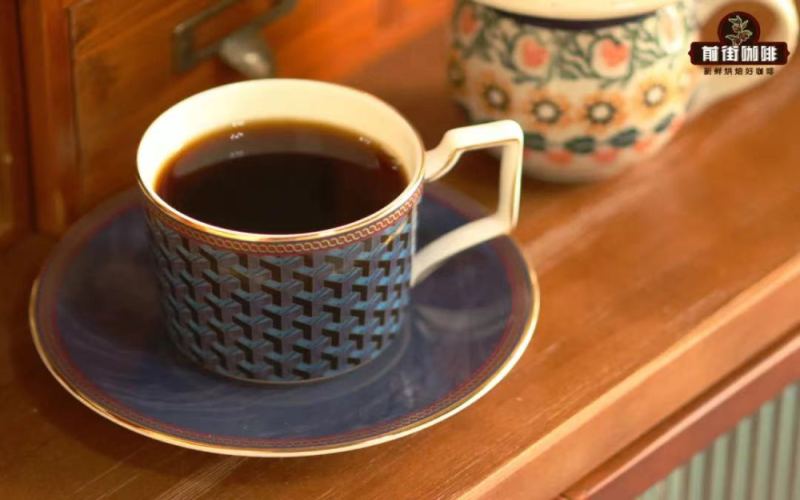
Indonesian Coffee Bean Grades | What are the flavor and mouthfeel characteristics of Sumatra Golden Mandheling G1 coffee? What kind of people are suitable for drinking hand-brewed dark-roast Mandheling black coffee?
Front Street Mandheling coffee, as one of the representatives of dark-roasted coffee, is something some people love for a lifetime because of its rich, mellow body, while others keep saying no to it because they find it too bitter. To make Front Street Mandheling coffee taste good, one factor is that the coffee beans themselves are of high quality, and the other is whether the roaster has mastered [more…]
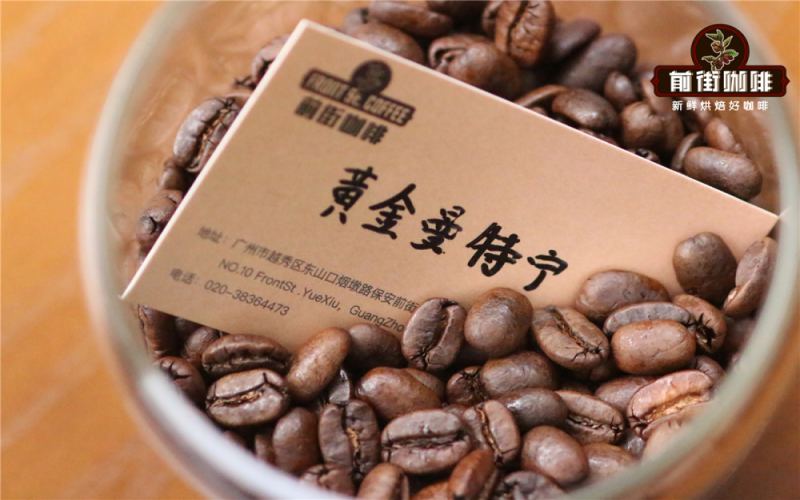
Is Golden Mandheling really not sour? A full analysis of flavor changes under different roast levels and the authentic taste
Many people, upon thinking of Golden Mandheling, conjure up an impression of richness and full body, with pronounced bitterness and only faint fruity acidity. This perception is in fact closely tied to the fact that most Golden Mandheling on the market is medium-dark roasted, including the widely popular Front Street PWN Golden Mandheling, which is also presented as medium-dark by default. Yet judged by the green beans themselves, Golden Mandheling is actually a coffee bean with extremely high acidity. As the roast level moves from light to dark, its fruity acidity undergoes a marked transformation from strong acidity, to acidity, to weak acidity. This article will walk you through the flavor differences of Front Street Golden Mandheling under medium-dark, medium, and medium-light roasts, helping you find the cup that best suits your taste. [more…]
Golden Mandheling Coffee Beans: Flavor Testing Across Different Roast Levels and an In-Depth Analysis of Origin and Variety
As a representative of Indonesian coffee, the flavor profile of Golden Mandheling is closely tied to its roast level. This article uses pour-over brewing to conduct a comparative test of Golden Mandheling at three roast levels—dark, medium, and medium-light—and documents in detail the taste differences at each roast level, including dimensions such as body, bitterness, fruit acidity, and smoothness. At the same time, the article responds to consumers' concerns about acidity, explains why the factory chooses a medium-dark roast, and emphasizes Front Street Coffee's confidence in coffee quality and its unique understanding of it. Whether you prefer rich and full-bodied or light and gentle, you can find a roast option that suits you. [more…]
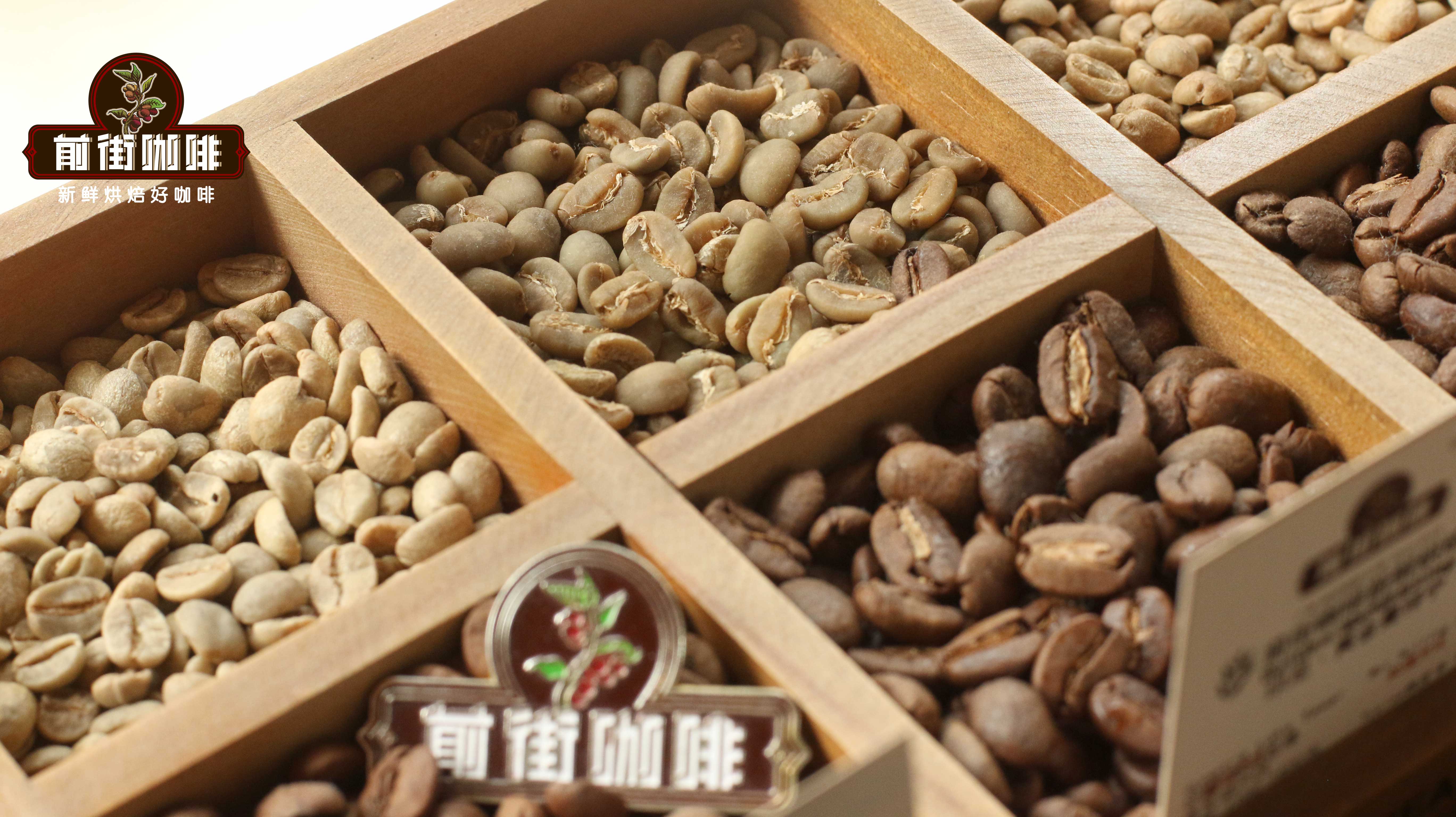
How to roast and hand-brew Golden Mandheling? Front Street explains PWN Golden Mandheling flavor and parameters in detail
Mandheling is the most iconic coffee from Sumatra, Indonesia, and Golden Mandheling is renowned for its strict hand-sorting standards and rich, full-bodied flavor. Starting with the PWN Golden Mandheling from Front Street Coffee, this article outlines its producing region, varieties, and wet-hulling process, and compares the performance of light, medium-dark, and dark roasts in pour-over brewing. It also provides five brewing methods commonly used in Front Street Coffee shops—pour-over, volcano siphon, AeroPress, siphon, and French press—including water temperature, coffee-to-water ratio, grind size, and timing parameters, helping coffee enthusiasts recreate the spice, nut, caramel, and chocolate notes of Golden Mandheling at home and find a brewing method that suits them. [more…]
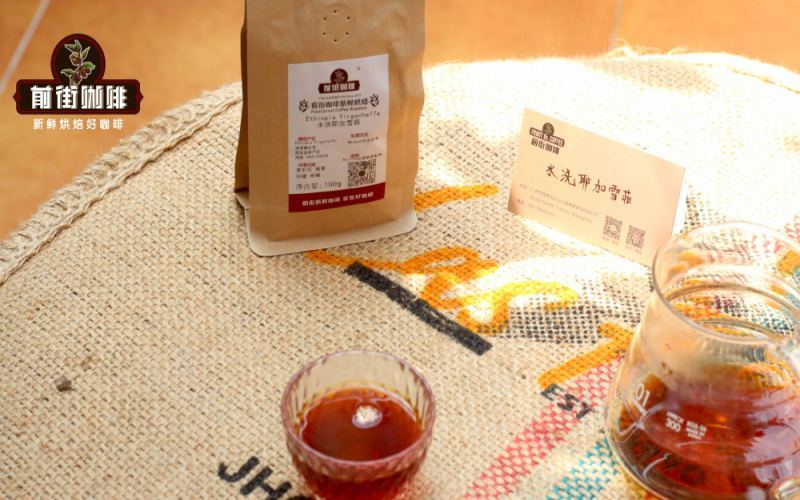
How to Choose Between Medium and Dark Roast Espresso Beans? Exploring Roast Level Flavor Differences from Golden Mandheling to Yirgacheffe
In the daily choices of espresso, the roast level often directly determines the flavor direction in the cup. Medium or medium-light roasted beans often carry floral and fruity aromas, while medium-dark or dark roasts present more of the sweetness of nuts, caramel, and spices. This article uses two representative coffee beans as examples to compare the flavor differences brought by different roast levels: Front Street PWN Golden Mandheling shows herbal, caramel, and rich spicy tones under a medium-dark roast, while Front Street Ethiopia Gotiti Washed Yirgacheffe releases the bright quality of jasmine, berries, and citric acidity under a medium-light roast. Whichever one you prefer, the key is to understand how roast level and origin processing method together shape the final expression of coffee. [more…]
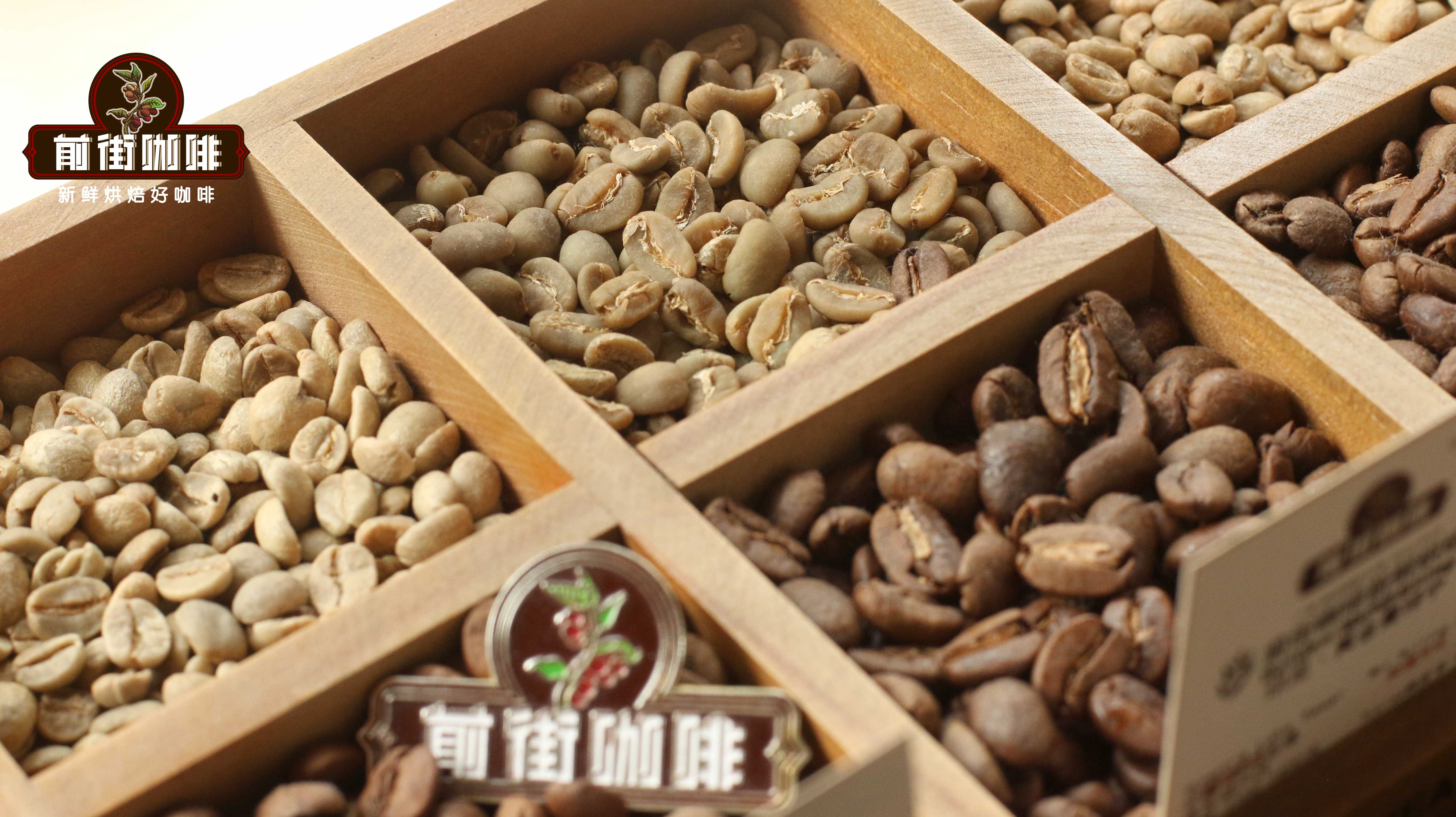
A Complete Guide to Lintong Mandheling Coffee: Origin, Processing, and Brewing Flavors of Sumatra's Classic Black Coffee
Lintong Mandheling is one of the most iconic classic coffees from the Sumatra region of Indonesia, renowned for its rich, full-bodied, low-acid, non-astringent mouthfeel and its distinctive herbal, woody aroma. This article provides a comprehensive overview of this classic black coffee's origin background and tasting highlights—from the origin of the Mandheling name, Indonesia's G1 to G6 grading system, and the two core producing regions of Lake Toba and Lake Tawar, to the steps of the wet-hulling process, the green bean characteristics and medium-dark roast flavor profile of Front Street Lintong Mandheling, and the pour-over parameters and extraction performance at different roast levels. It is suitable for coffee enthusiasts who wish to gain a deeper understanding of Indonesian Mandheling. [more…]
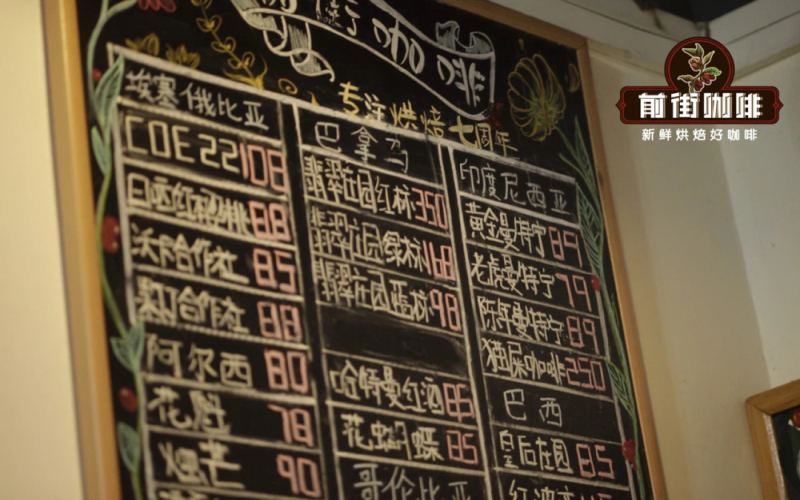
Indonesian Mandheling Coffee Tasting Guide: Analyzing Freshness and Pour-Over Techniques from Roast Date and Roast Level
Indonesian Mandheling coffee stands out in the coffee world with its rich, bold flavor, and appreciating a quality cup of Mandheling requires considering multiple dimensions such as the roast date, roast level, and brewing method. This article will guide you through the origin story of Sumatra Mandheling, its unique wet-hulling process, and the selection standards for Front Street Coffee's Golden Mandheling. We will also share pour-over parameters and a three-stage pouring technique for medium-dark roasted Mandheling, helping you brew a clean, full-bodied, and layered Mandheling coffee at home. [more…]
Espresso Coffee Bean Selection Guide: Medium and Dark Roast Differences and Flavor Analysis of Mandheling and Yirgacheffe
Should you choose medium or dark roast for espresso beans? There's no standard answer to this question, because different roast levels give coffee beans completely different flavor profiles. This article uses Front Street PWN Golden Mandheling and Front Street Ethiopian Yirgacheffe as examples to compare in depth the specific differences between dark-roasted and medium-light-roasted coffee beans in terms of origin, processing method, and flavor characteristics. Front Street Golden Mandheling comes from the Lintong region of Indonesia and undergoes semi-washed processing and four rounds of hand sorting, presenting rich spice and caramel sweetness; Front Street Yirgacheffe Gudingding comes from the Ethiopian highlands, where washed processing brings bright acidity and jasmine floral notes. By understanding the characteristics of these two representative coffee beans, you will be able to judge more clearly which roast style you prefer. [more…]
Where Does the Name Golden Mandheling Come From? Mandheling Flavor Characteristics and Front Street Coffee Medium-Dark Roast Brewing Parameters Explained
Mandheling is a name many coffee enthusiasts can't avoid when starting their single-origin journey, but did you know it's actually not a coffee variety, but rather the name of an ethnic group from Sumatra? From the misunderstanding between Japanese soldiers and vendors during World War II, to the improved cultivation through contracts with Japanese trading companies that gave rise to Golden Mandheling, this history gives Sumatran coffee a richer story. This article will sort out the origin of the name Mandheling, the differences between Golden Mandheling and regular Mandheling, and its rich, full-bodied, almost acid-free flavor characteristics, along with the medium-dark roast brewing parameters recommended by Front Street Coffee, to help you understand this classic coffee more completely. [more…]
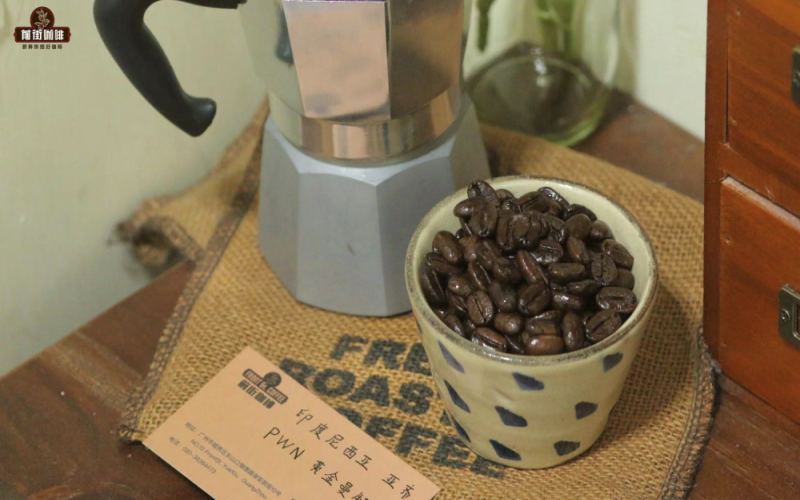
The Unique Charm of Dark Roast Coffee Beans: Using Mandheling as an Example to Analyze Dark Roast Flavor and Price Reference
As coffee waves have evolved to the present day, light-roasted beans have become the market mainstream thanks to their clean, bright acidity, but not all coffee beans are suited to light roasting. Is there nothing left to dark-roasted coffee but bitterness? This article takes Front Street Coffee as an example and uses the most representative Mandheling as an entry point to sort out the flavor characteristics and appeal of dark-roasted coffee. From the historical origins of the name Mandheling, to how the wet-hulled process shapes its low-acid, full-bodied regional character, to the grading standards and brewing suggestions for Golden Mandheling, the full text will present the complete thread of dark-roasted Mandheling from green bean to cup, and will also include the specific brewing parameters and flavor descriptions for two Front Street Mandheling coffees. [more…]
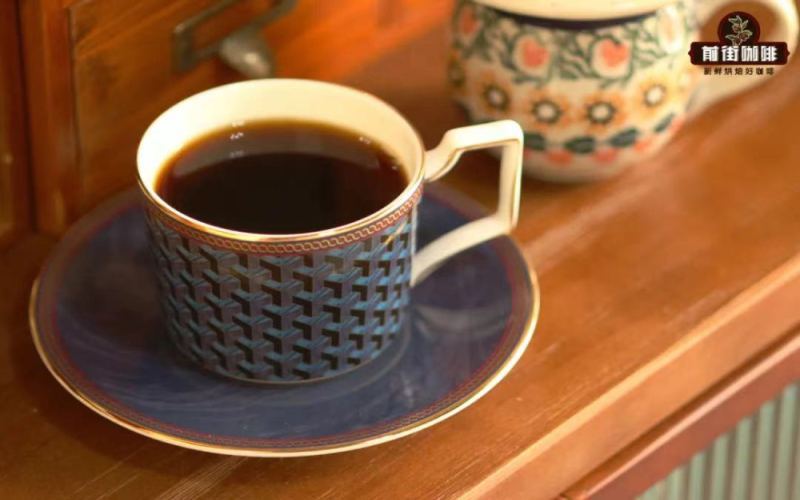
Indonesian Sumatra PWN Golden Mandheling G1 Coffee Beans: A Complete Flavor Analysis from Origin to Medium-Dark Roast Pour-Over Extraction
Mandheling, as a classic representative of dark-roasted coffee, is loved by some for its rich, bold intensity, while others find it too bitter. A delicious cup of Mandheling depends on high-quality green beans, the roaster's attention to detail, and a suitable extraction method. This article focuses on the Front Street Golden Mandheling G1 coffee beans produced by Indonesia's PWN company, introducing their origin background and grading and sorting process, analyzing why they are regarded as a representative of specialty Mandheling, and explaining how the wet-hulling process shapes herbal, spicy, and dark chocolate flavors. At the same time, the article also clearly explains the logic behind choosing the roast level for Golden Mandheling, and includes the pour-over parameters and brewing techniques recommended by Front Street Coffee, helping coffee enthusiasts recreate the classic Mandheling taste at home. [more…]
A Complete Analysis of the Flavor Differences Between Sumatra Tiger Mandheling and Golden Mandheling Coffee
Sumatra Mandheling coffee is renowned for its rich body and unique flavor, and Tiger Mandheling and Golden Mandheling, as two of its representatives, each have their own distinctive strengths. This article will provide an in-depth comparison of their roast levels, cupping flavors, and varietal characteristics, giving you insight into the deep-roast appeal of Tiger Mandheling and the refined balance of Golden Mandheling. At the same time, we have kept Front Street Coffee's product recommendations to help you choose your ideal Mandheling. [more…]
Indonesia Medium-Dark Roast Mandheling Drip Coffee Buying Guide: How to Choose from Lintong to PWN Golden Mandheling
For busy office workers with tight schedules, drip bag coffee is a compromise that balances convenience and flavor. Among the many drip bag products, Indonesian Mandheling, with its rich body and unique aroma brought by dark roasting, has always been an extremely popular option. The darker the roast, the more the acidic substances in the coffee are broken down, and caramelization reactions along with bitter and smoky tones come to dominate, making the mouthfeel thicker and fuller. Mandheling is a classic representative of this style, often carrying complex notes of spices, herbs, pine, and dark chocolate, with a long, sweet aftertaste. Faced with the wide variety of Mandheling drip bags on the market, how can ordinary consumers avoid quality traps? This article will approach the topic from two directions—Front Street Indonesian Mandheling G1 and PWN Golden Mandheling—to help you find the right direction when making a purchase. [more…]
Analysis of Why Mandheling Coffee Beans Become Oily: PWN Golden Mandheling vs. Gayo Mountain Triple Hand-Sorted Beans
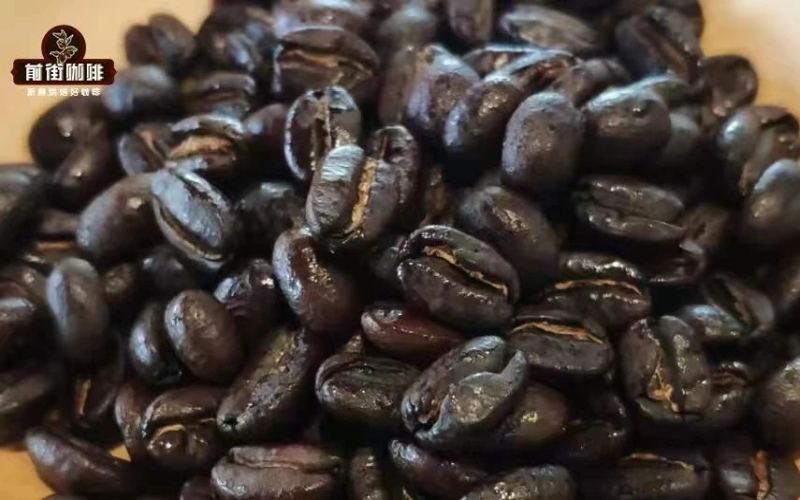
When coffee beans develop an oily sheen on their surface, is it a quality problem or a normal phenomenon? Starting from a comparison between Front Street's PWN Golden Mandheling and Indonesia's Gayo Mountain triple hand-sorted Mandheling, this article provides a detailed analysis of the strict screening standards for Golden Mandheling, the goat-hoof bean problem caused by the wet-hulling process, and the differences between the two beans in variety, cleanliness, and flavor. It also delves into the relationship between coffee bean oil production, roast level, and carbon dioxide release, and includes Front Street's roasting records, cupping comparisons, and KONO dripper brewing insights, helping coffee enthusiasts fully understand the characteristics of Mandheling coffee beans and the science behind oil production. [more…]
A Complete Guide to Indonesian Mandheling Coffee: From the Differences Between Lintong and Golden Mandheling to Wet-Hulling and Four Brewing Methods
Mandheling is one of the most representative coffees of Sumatra, Indonesia, known for its full body, low acidity, and spicy, herbal notes. This article explores the differences between Lintong Mandheling and Front Street Coffee's PWN Golden Mandheling in terms of origin, variety, processing method, and flavor, and explains in detail how the Sumatra wet-hulling process shapes their unique character, including the causes of peaberry beans and defect control. At the same time, Front Street Coffee conducts a brewing comparison of PWN Golden Mandheling using four methods—pour-over, AeroPress, siphon, and French press—presenting the flavor performance and extraction recommendations under different brewers, helping coffee enthusiasts gain a more comprehensive understanding of Mandheling. [more…]
Does Mandheling coffee belong to Robusta or Arabica? A complete guide to varieties and brewing methods from Sumatra, Indonesia
Mandheling coffee is a representative coffee of Sumatra, Indonesia, but many people are not clear about its variety classification, processing method, and brewing method. Starting from the producing region, variety, and wet-hulling process, this article explains in detail whether Mandheling belongs to Robusta or Arabica, and compares the differences between two Front Street Coffee Mandheling products—Lintong Mandheling and PWN Golden Mandheling. At the same time, through cupping comparisons of light, medium-dark, and dark roast levels, as well as the practical parameters of four brewing methods—pour-over, AeroPress, siphon, and French press—it helps coffee enthusiasts fully understand Mandheling's flavor characteristics and extraction key points. [more…]
Dark Roast Mandheling Drip Coffee Recommendation: Front Street PWN Golden Mandheling Flavor Analysis and Buying Guide
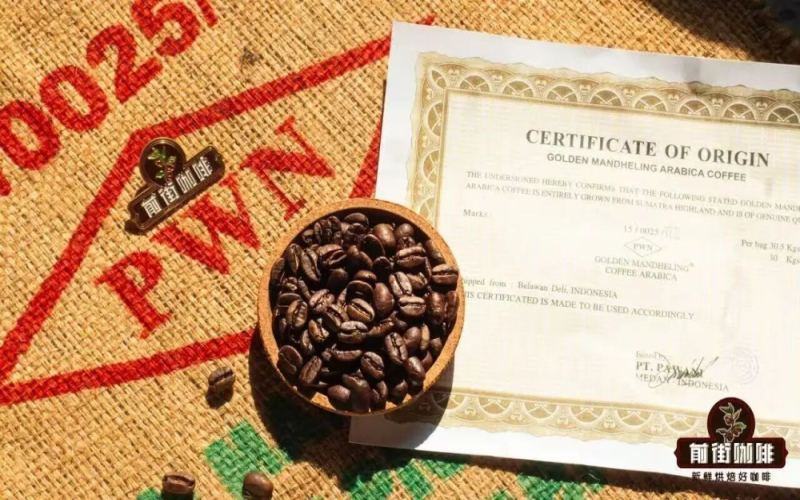
As a globally recognized classic Arabica variety, Mandheling has become the top choice for coffee lovers who dislike sourness, thanks to its rich spice, nut, and chocolate notes. The dark roasting process further amplifies its caramel sweetness and full-bodied character, making it unforgettable at first sip. Front Street Coffee has therefore launched two freshly roasted Mandheling drip bag products: Indonesia Mandheling G1 and PWN Golden Mandheling. This article will break down, one by one, the flavor origins of Mandheling, the role of the wet-hulling process, PWN's hand-sorting standards and the G1 grade requirements, and explain how drip bag coffee solves the problem of freshly ground coffee during business trips and travel, as well as why you should look for brands that freshly roast within 5 days when buying. [more…]
Indonesia Sumatra Lake Tawar Golden Mandheling: Variety Origin, Wet-Hulling Process, and Medium-Dark Roast Flavor Analysis
Behind the name Mandheling lies a legendary tale from the colonial era—it is neither a variety name nor a region name, but rather stems from a beautiful misunderstanding between Japanese soldiers and the PWN company. In Sumatra, Indonesia, Arabica varieties account for only about a quarter of total coffee production, and Mandheling is the most iconic classic among them. Front Street Coffee offers four Mandheling coffees, among which the Golden Mandheling from Lake Tawar stands out with a cleaner flavor profile. This article will guide you through the origins of Golden Mandheling, the unique characteristics of the wet-hulling process, the herbal and dark chocolate richness brought by medium-dark roasting, as well as the KONO dripper brewing parameters and complete flavor description recommended by Front Street Coffee. [more…]
An In-Depth Analysis of Indonesian Mandheling Coffee Beans: Wet-Hulling Process, Golden Mandheling Characteristics, and Dark-Roast Pour-Over Flavor
Sumatra Mandheling coffee from Indonesia has long captivated countless coffee enthusiasts with its rich, full-bodied, and low-acid flavor, and is hailed as one of "the world's most important coffees." But do you know what role the special post-processing method known as wet hulling plays behind Mandheling's unique flavor? Why are the Mandheling regions of Lintong and Aceh regarded as the finest producing areas? And how does Golden Mandheling stand out among Indonesian beans with their extremely high defect rates? Starting from Front Street Coffee's bean-testing experience, this article will break down in detail Mandheling's producing regions, processing methods, grading, and roasting key points, and compare the flavor differences between Golden Mandheling and Gayo Mountain Mandheling under dark roasting and medium-light roasting, giving you a comprehensive understanding of this classic coffee bean. [more…]
Comparison of Flavor in Light and Dark Roast Beans in Pour-Over Coffee and an Analysis of Bitterness
This article addresses common questions among pour-over coffee enthusiasts by systematically analyzing how coffee bean roast level—from light-medium to dark—shapes the flavor of the beverage. Front Street Coffee first outlines the American eight-stage roast spectrum and its sensory characteristics, then uses representative in-house bean offerings as examples: the dark-roasted Indonesian Mandheling family (Golden, Lintong, Tiger, Aged) highlights rich spice and herbal notes, while the light-medium-roasted Ethiopian Yirgacheffe series (Gedeb, Natural Red Cherry) showcases bright citrus and berry acidity. The article further provides pour-over recipes for two typical beans, including dripper selection, water temperature, grind size, and extraction techniques, and describes their performance in the cup, helping readers make informed bean choices and brew according to personal taste. [more…]