







Search Results for: Malawi Coffee
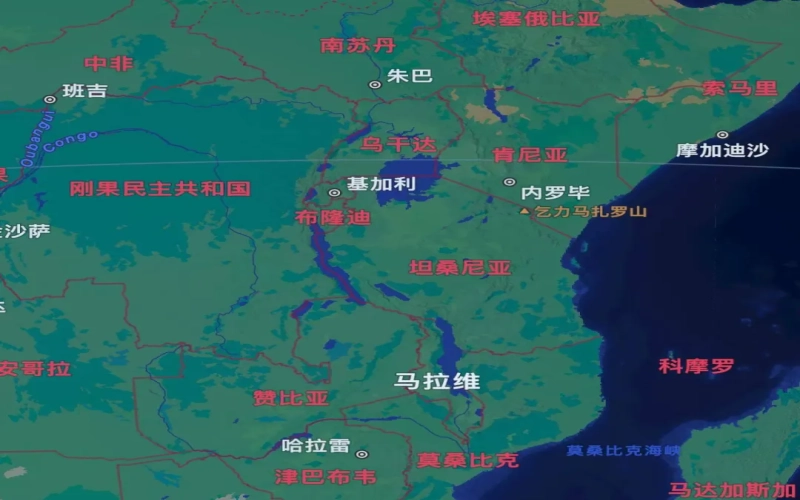
A Comprehensive Analysis of Coffee Producing Regions and Varieties in Malawi, a Landlocked Country in Southeast Africa
African coffee enjoys a stellar reputation in the global market, with Ethiopia recognized as its place of origin, while Malawi is likewise a producing country that cannot be overlooked. This landlocked nation in southeastern Africa, bordered by Tanzania, Mozambique, and Zambia, takes its name from Lake Malawi, the third-largest lake in Africa. Malawi has complex terrain, with the East African Rift running through the entire country; its tropical savanna climate, combined with abundant rainfall and diverse soils, provides ideal conditions for coffee cultivation. This article will guide you through Malawi's coffee-growing landscape, focusing on two well-known producing regions—the Misuku Hills and the Nkhata Bay Highlands—as well as major varieties such as Agaro, Geisha, Bourbon, and Catimor, and will also explain the operating model of smallholder cooperatives. [more…]
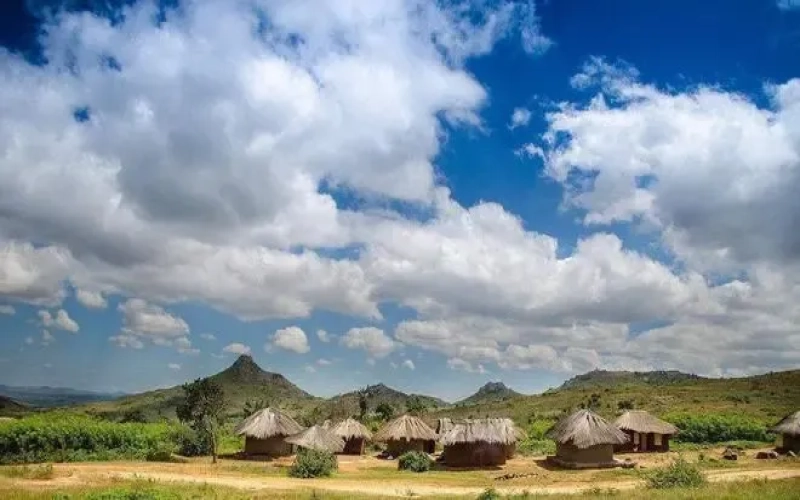
A Panoramic Scan of African Coffee-Producing Regions: An Overview of Malawi, South Africa, Uganda, and Niche Producing Countries
The African continent is blessed with unique highland, volcanic, and river resources, and its coffee-producing regions are widely distributed. In addition to Kenya and Ethiopia, there are several other producing countries worthy of attention. This article focuses on three countries—Malawi, South Africa, and Uganda—and outlines the rise and fall of their respective coffee industries, growing conditions, variety distribution, and flavor characteristics, while also briefly introducing producing regions such as Zambia, Côte d'Ivoire, Zimbabwe, and Angola, which have smaller output but are gradually recovering. The article also retains recommendation information related to the Front Street brand, making it easy for coffee enthusiasts to gain a comprehensive understanding of the diversity of African coffee. [more…]
A Comprehensive Analysis of the Geisha Coffee Variety: Origin Characteristics, Flavor Profile, and Global Cultivation Distribution
Geisha is a rare and highly sought-after coffee variety in the coffee world, originally originating from the wild coffee forests of Ethiopia. Its name is said to come from a small local village called Geisha. This coffee tree is tall with long, narrow leaves, has strong resistance to coffee leaf rust, and features wide spacing between branches. The green beans are slender in shape, and after roasting they emit a rich and intense fruity aroma, which some describe as having a sweet fragrance reminiscent of roasted sweet potato. Due to its extremely low yield per unit, Geisha is difficult to acquire on a large commercial scale, and is currently grown only in small quantities in places such as Panama, Jamaica, Malawi, Kenya, and Guatemala. Front Street Coffee continues to follow this variety closely, and this article will provide you with a comprehensive understanding of Geisha's origins, plant characteristics, flavor profile, and cultivation around the world. [more…]
Analysis of African Specialty Coffee Producing Countries and the Flavor and Taste Characteristics of Ethiopia's Yirgacheffe Region
Africa is an important origin for specialty coffee worldwide, with countries such as Ethiopia, Kenya, Uganda, Tanzania, and Malawi each offering distinctive characteristics. As a star-producing region in Ethiopia, Yirgacheffe is primarily known for washed processing, though there is also a small amount of natural specialty coffee, and its flavor profile is noted for lemon, floral notes, honey sweetness, and citrus acidity. This article reviews the historical origins of Yirgacheffe, its cooperative system, and its flavor layers, while retaining relevant introductions and event information from the Front Street brand, making it suitable for enthusiasts who wish to gain a deeper understanding of African specialty coffee. [more…]
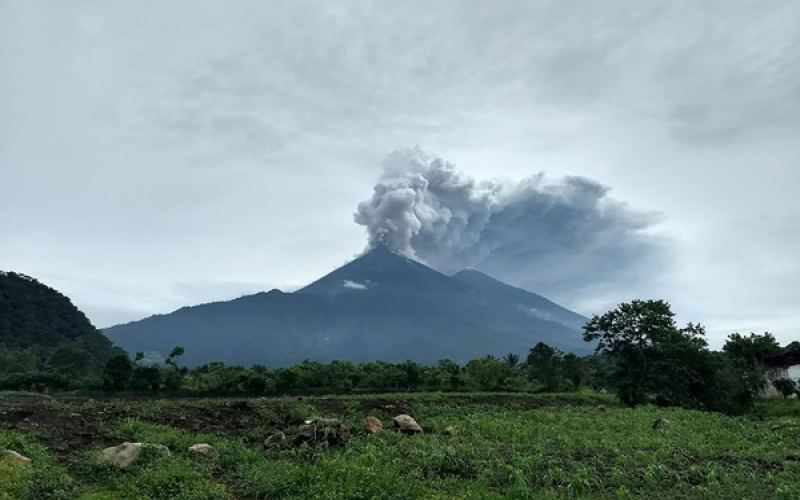
Guatemala El Injerto Estate Ruby Geisha Coffee: A Complete Analysis from Malawian Seeds to COE Third Place
Among Guatemala's eight major coffee regions, Huehuetenango is known for its high altitude and dry climate, and the El Injerto estate located here is a pioneer of specialty coffee in Central America. This article focuses on a unique Ruby Geisha from this estate—the Maravilla Geisha variety—covering everything from the historical origins of how the seeds arrived, to the natural processing method, to the cupping flavors and geographical environment. When ripe, the fruit of this bean is dark red, resembling a ruby, and the plant is more compact than traditional Geisha. Since the Aguirre family acquired the estate in 1874, it has gone through a transition from growing sugarcane and corn to focusing on coffee, and has accumulated sixteen awards over eleven years in COE competitions. The article also covers the rise of the Pacamara variety and the model of hosting its own competitive auction. Front Street Coffee offers practical advice from the perspectives of roasting and brewing to help coffee enthusiasts better showcase the nutty, cocoa-like character and floral and fruity aromas of Guatemalan coffee. [more…]
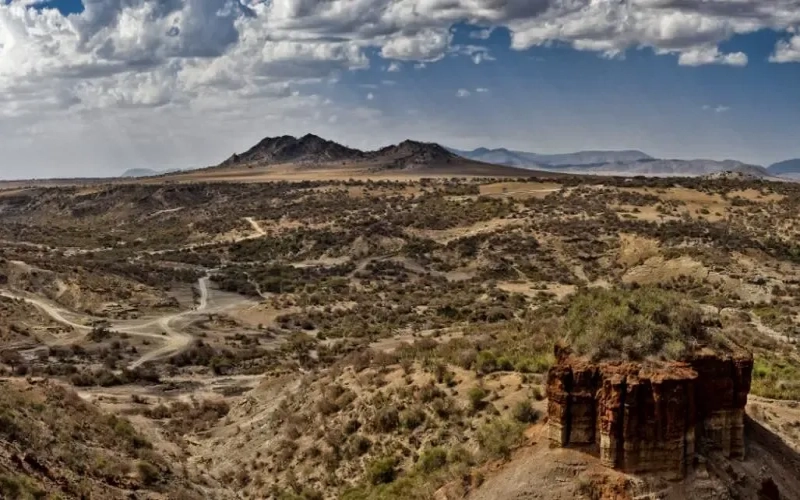
Exploring Tanzania's Mbinga Region: The Geographic and Human Advantages of an Emerging Southern Specialty Coffee Origin
The African continent is not only the birthplace of coffee, but also home to many outstanding coffee-producing countries. As an important origin in East Africa, Tanzania has earned its place in the specialty coffee world with its unique geographical environment and cooperative model. Beyond the well-known Kilimanjaro region, Mbeya in the south is gradually gaining attention. This article will guide you through an overview of Tanzanian coffee and take a deeper look at the geographical advantages, growing conditions, and unique features of the local cooperatives in the Mbeya region, while also sharing the Tanzanian coffee flavor experience recommended by Front Street Coffee. [more…]

A Comprehensive Analysis of African Coffee Regions: Varieties, Flavors, and Processing Methods in Ethiopia, Kenya, and Beyond
Africa is an important region that cannot be overlooked on the global coffee map. From Ethiopia and Kenya in East Africa to Rwanda and Burundi in Central Africa, and further to Tanzania and Malawi in the south, this continent has produced high-quality coffees of diverse styles. African coffees are generally known for their rich aromas and lively fruity acidity, with natural and washed processing being the main methods. Due to drought and water shortages, the beans are often uneven in size, yet this has also given rise to a unique flavor signature. This article will systematically sort out the cultivation systems, representative varieties, grading systems, and flavor characteristics of major African producing countries, and will also include brewing suggestions and flavor descriptions for several African beans from Front Street Coffee, taking you through a comprehensive understanding of the charm of African coffee. [more…]
Tanzania Coffee Bean Flavor Characteristics, Processing Methods, Variety Attributes, and Regional Grinding Guide
Tanzania is located in East Africa, bordered by Kenya and Uganda to the north, Malawi, Mozambique, and Zambia to the south, and Rwanda and Burundi to the west. The country's coffee is often compared with Kenyan beans, but Front Street Coffee's Tanzanian coffee has a more restrained and gentle acidity, prominent sweetness, and a distinct red wine character. The Kilimanjaro volcanic region contributes about 75% of the country's total output, and the high-altitude washed beans have lively acidity. Local production is dominated by smallholders, accounting for 85%, and coffee farms are mostly distributed at elevations of 1,300 to 2,000 meters. Kilimanjaro AA is the highest grade, with plump beans, mild acidity, and a rich aroma after medium or darker roasting. Front Street Coffee's Tanzanian coffee combines a full body with floral and fruity notes, and is praised as one of the coffees with the most distinctive African character. This article will discuss the producing region, varieties, processing methods, flavor, and grind size one by one. [more…]
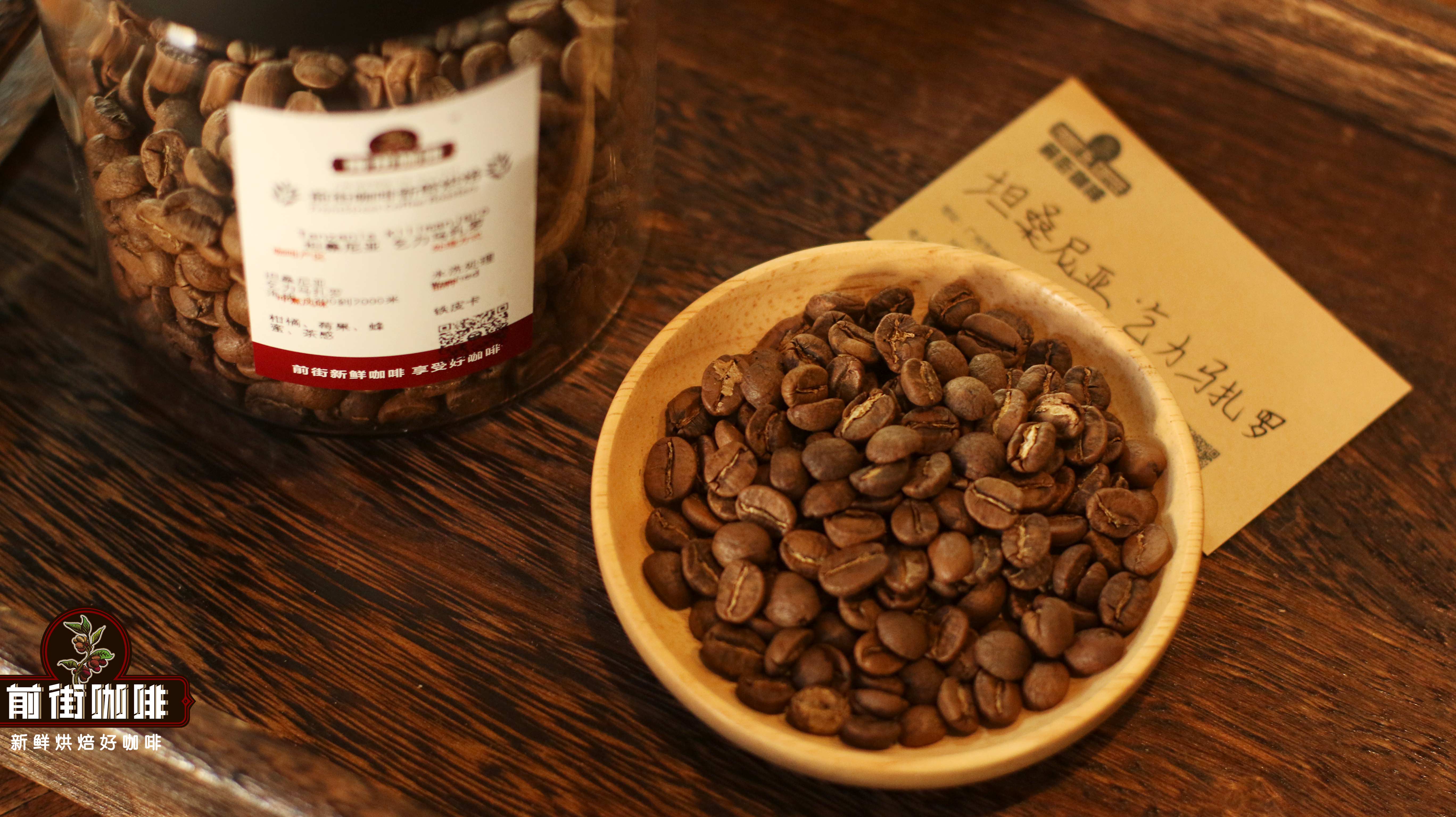
A Complete Analysis of Tanzanian Coffee Flavors: From Kilimanjaro to Ruvuma, Taste Characteristics and Regional Differences
Tanzania is located in East Africa, bordered by Kenya and Uganda to the north, Malawi, Mozambique, and Zambia to the south, and Rwanda and Burundi to the west. Although Tanzanian coffee is less famous than that of its neighbor Kenya, its annual output is almost on par with Kenya's, reaching about 50,000 tons. The earliest Arabica seeds were introduced from the French island of Réunion and planted in Bayamoyo and Mogoro. In 1893, cultivation on the slopes of Mount Kilimanjaro achieved the greatest success, and in the 1950s the crop was introduced from Burundi to the west. At present, high-altitude growing areas account for 75%, and wild coffee still appears from time to time. Unlike most African producing countries, Tanzania uses sisal-leaf fiber bags to ship coffee beans in order to protect its domestic sisal industry. This article will comprehensively review the distribution of Tanzanian coffee regions, variety characteristics, grading system, and processing methods, and, combined with Front Street Coffee's roasting and brewing practices, present its unique flavor. [more…]
A Complete Analysis of African Coffee Origins: Flavor Characteristics and Growing Advantages of Ethiopia, Kenya, and Other Countries
Africa, as the continent of coffee's origin, has nurtured many outstanding bean varieties that captivate coffee lovers worldwide. Among them, Ethiopia and Kenya can be considered the two pillars of African coffee, winning broad recognition for their distinctive flavor profiles. This article systematically reviews the cultivation systems, variety compositions, processing methods, and flavor expressions of major African coffee-producing countries—including Ethiopia, Burundi, Rwanda, Kenya, Tanzania, and others—offering an in-depth analysis of the subtle differences among various specialty-producing regions. It also introduces the roasting and brewing parameters for several African beans from Front Street Coffee, providing coffee lovers with a complete guide to African coffee flavors. [more…]

A Complete Analysis of African Coffee-Producing Countries: Varieties, Flavors of Ethiopia and Kenya, and Front Street Recommendations
Africa, as the birthplace of coffee, is home to many well-known producing countries such as Ethiopia and Kenya, and is famous for its rich aroma and captivating fruity acidity. This article systematically reviews the variety distribution, cultivation models, processing methods, and flavor characteristics of African coffee, with a focus on introducing Ethiopia's nine major specialty producing regions, Kenya's six major producing regions, and the coffee characteristics of countries such as Burundi, Rwanda, and Tanzania. At the same time, it retains Front Street Coffee's detailed brewing suggestions and flavor descriptions for beans such as Yirgacheffe, Huakui, Kenyan Little Tomato, Rwandan Gaseke, and Tanzanian Kilimanjaro, providing a comprehensive reference for coffee enthusiasts. [more…]
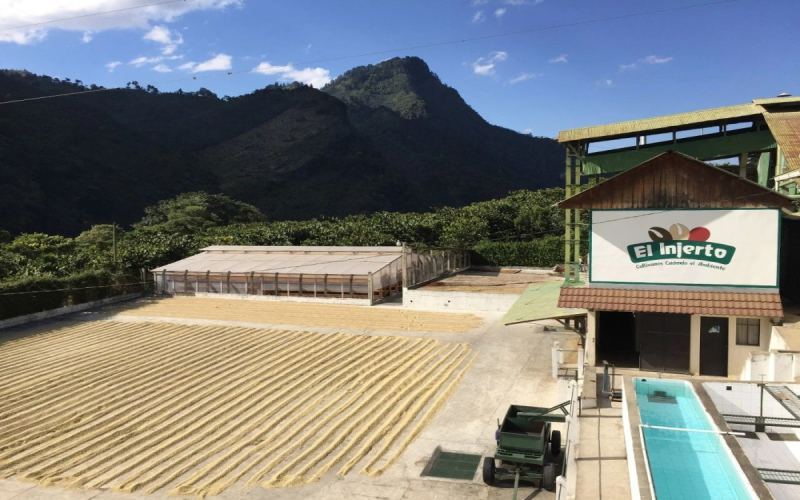
Guatemalan Coffee Flavor Analysis: A Complete Guide to Incht Manor's Geisha and Pacamara Varieties
Guatemala, as an important producing country of specialty coffee in Central America, cultivates distinctly styled coffees thanks to its volcanic soil and diverse microclimates. Centering on El Injerto Estate, this article provides an in-depth introduction to the cupping performance of its Ruby Geisha lot EI02-02, the origin and spread of the Geisha variety, the history of El Injerto Estate and its auction system, as well as the origins and glorious track record of the Pacamara variety. At the same time, it brings Front Street Coffee's roasting recommendations for two Guatemalan beans, Huehuetenango and Flor del Café, along with V60 three-pour brewing parameters, helping coffee lovers gain a comprehensive understanding of the taste characteristics and producing-region stories of Guatemalan coffee. [more…]
A Complete Guide to the Flavor and Brewing Knowledge of Geisha and Pacamara Coffee Varieties from El Injerto Estate in Guatemala
Guatemala, as an important origin of specialty coffee in Central America, produces coffee beans with distinctive character thanks to its volcanic soil and diverse microclimates. This article focuses on El Injerto Estate, providing a detailed introduction to the variety origin, estate history, cupping flavors, and award records of its Ruby Geisha coffee, and further explains the spread of the Geisha variety, the background of Pacamara's creation, as well as El Injerto Estate's self-organized auction and unique processing methods. It also includes Front Street Coffee's roasting recommendations for Guatemalan coffee and V60 three-pour brewing parameters, helping coffee enthusiasts gain a comprehensive understanding of the flavor charm of this producing region. [more…]
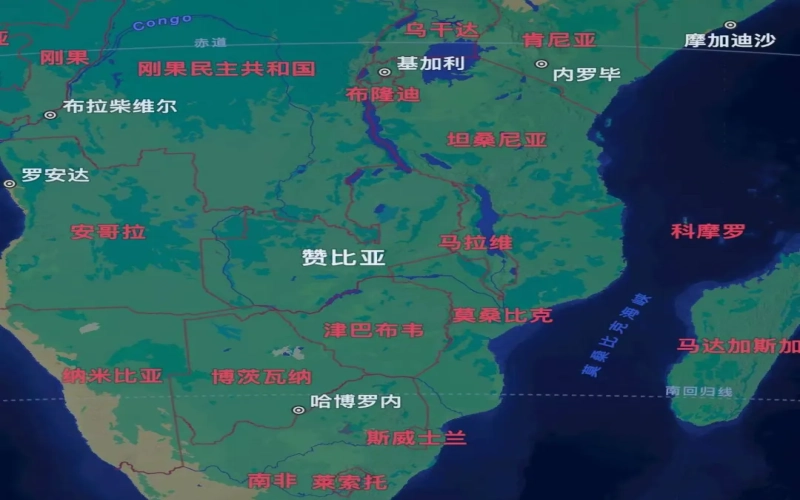
An Analysis of Zambia's Coffee-Producing Geography, Major Growing Regions, and Varieties
African coffee occupies an important position in the global market. Ethiopia is widely recognized as the birthplace of coffee, and Zambia is likewise an African producing country worth noting. Zambia is located in south-central Africa, a landlocked country bordering nine nations, with a land area of about 752,600 square kilometers. Most of the country consists of plateaus at elevations of 1,000 to 1,500 meters, with a tropical savanna climate, an average annual temperature of 18 to 20°C, and three seasons—dry and cool, dry and hot, and warm and wet—making it suitable for growing crops such as coffee. Coffee is mainly distributed in Muchinga Province, Northern Province, Luapula Province, Copperbelt Province, Lusaka Province, and North-Western Province, primarily grown on large estates. All varieties are Arabica, with the Catimor series and SL28 accounting for the majority. The harvest period runs from October to March of the following year. [more…]
Flavor Characteristics of Major Coffee Regions Around the World: A Guide to Tasting Profiles and Mouthfeel from Africa to the Americas
Even different plots within the same estate can produce coffees with distinct flavors, let alone major regions spanning continents. The three great specialty coffee belts—Asia, Africa, and Central & South America—nurture vastly different flavor profile characteristics due to terroir differences: Ethiopia's floral and citrus notes, Indonesia's rich herbal undertones, and Central America's balanced chocolate character, each with its own following. Before deciding to put a coffee on the shelf, Front Street Coffee repeatedly roasts and cups samples from each region, selecting the most representative lots before recommending them to consumers. This article systematically organizes the flavor characteristics and taste descriptions of major coffee-producing countries worldwide, covering Ethiopia and Kenya in Africa; Indonesia and India in Asia; Guatemala, Costa Rica, and Panama in Central America; and Colombia and Brazil in South America, providing coffee lovers with a complete flavor profile reference. [more…]
How to Describe Coffee Flavors? A Comprehensive Analysis of Flavor Characteristics of Major Coffee-Producing Countries and Regions Worldwide
Even coffee from different plots within the same estate can vary in flavor, let alone regions spanning different countries. The three major specialty coffee regions—Asia, Africa, and the Americas—each display distinctly different regional characteristics due to their unique terroir. Ethiopia's floral and citrus notes and the rich, full-bodied character of Asian coffees each have their own following. When recommending single-origin beans to customers, Front Street Coffee matches them based on taste preferences—those who prefer acidity can choose Front Street Kenya Small Tomato or Front Street Yirgacheffe, while those who enjoy a full-bodied cup can try Front Street Jamaica Blue Mountain or Front Street Golden Mandheling. Front Street currently offers more than 200 specialty coffee beans, and every bean has undergone repeated roasting tests and cupping screenings, only being recommended to consumers after confirming it is representative of its region. The following content is a coffee flavor guide compiled by Front Street after multiple rounds of roasting and cupping of common coffee regions around the world. [more…]

Exploring the East African Coffee Landscape: A Full Analysis of Tanzania's Kilimanjaro and Arusha Producing Regions
The African continent is dominated by plateaus, and the East African region in particular is home to the Ethiopian Highlands and the East African Plateau, with the Great Rift Valley running through it, dense clusters of volcanoes and lakes, and the Equator crossing it—together creating natural conditions extremely well suited to coffee cultivation. Coffee produced in this region accounts for about 14% of total global output, and Tanzania, thanks to its high-quality coffee, is known as the "coffee gentleman." Tanzania's terrain is high in the northwest and low in the southeast, with Mount Kilimanjaro standing in the northeast at 5,895 meters above sea level, the highest peak in Africa. Around this mountain, two core producing regions have formed: Kilimanjaro and Arusha. High altitude, volcanic soil, and pure snowmelt water together create the distinctive quality of the local coffee. Front Street Coffee also has a washed Typica from the Kilimanjaro producing region, and its flavor profile is worth noting. [more…]
Tanzania Arusha Kilimanjaro Coffee Beans: A Complete Guide to Origin, Quality Characteristics, and Buying Tips
Front Street Kilimanjaro Coffee comes from the area around Mount Kilimanjaro, the highest peak in Africa, in northeastern Tanzania. It is one of the finest representatives of Tanzanian AA coffee beans, with a unique cocoa-fruity aroma and strong, mellow sweetness. Starting from Tanzania's geography and coffee economy, this article introduces the origin and cultural history of Kilimanjaro coffee, outlines its producing regions, quality characteristics and flavor expression, and organizes practical ways to judge when buying fresh coffee beans, as well as the key principles to grasp when blending coffee, such as selecting beans, removing defective beans, and understanding bean variety traits and roast levels, helping coffee lovers gain a more comprehensive understanding of this coffee known as "the most African in character." [more…]
A Complete Guide to Panama Geisha Coffee: From Its 1931 Wild Discovery to the T2722 Variety and Hacienda La Esmeralda's Red and Green Labels
Geisha coffee is the most dazzling variety in the specialty coffee wave of the past two decades, constantly breaking global coffee price records. In 2022, the Lamastus family of Panama auctioned a batch of just 7 pounds of honey-processed Geisha for a staggering $6,034 per pound, drawing attention once again. However, Geisha's legend was not built overnight—it was discovered in Ethiopia in 1931, and after being cultivated and passed through Kenya, Tanzania, Costa Rica, and other places, it finally took root in Panama as the T2722 line. This article will trace the complete thread of Geisha from wild collection to fame, introduce in detail Hacienda La Esmeralda's Red Label and Green Label product lines, and share Front Street Coffee's Geisha brewing suggestions, giving you a comprehensive understanding of this rare variety. [more…]
Tanzanian Kilimanjaro Coffee Beans: A Complete Guide from Origin and History to Brewing Methods and Flavor Profile
Kilimanjaro coffee is one of the representatives of African specialty coffee, grown in the volcanic soil region at the foot of Mount Kilimanjaro in Tanzania. This article systematically reviews the origins and producing-area background of Tanzanian coffee, analyzes the flavor characteristics and quality performance of Kilimanjaro AA-grade beans, and provides a detailed introduction to various single-origin brewing methods as well as the key points of blending and specialty coffee preparation. It also compiles compositional data for green beans and roasted beans, helping coffee enthusiasts gain a comprehensive understanding of this coffee hailed as "the most African in character." [more…]