







Search Results for: Little Butter Latte

Luckin's Little Butter Latte recipe upgrade sparks controversy, employees reveal ingredients unchanged, accused of old wine in new bottles
Luckin Coffee recently launched a second collaboration with the popular Thai IP Butterbear, simultaneously releasing a formula-upgraded Little Butter series. The company claims the new version replaces the ingredient from New Zealand anhydrous butter to French President butter, resulting in a richer taste. However, consumer feedback after actual testing is polarized: some believe it is indeed more refreshing, while more people say they cannot taste the difference, and some even question whether it is sweeter. Multiple Luckin employees have revealed that the ingredient formula has not changed at all—only the packaging has been updated. This "upgrade" controversy has disappointed fans and raised questions about whether Luckin's collaboration strategy has fallen into the trap of rehashing old ideas. [more…]
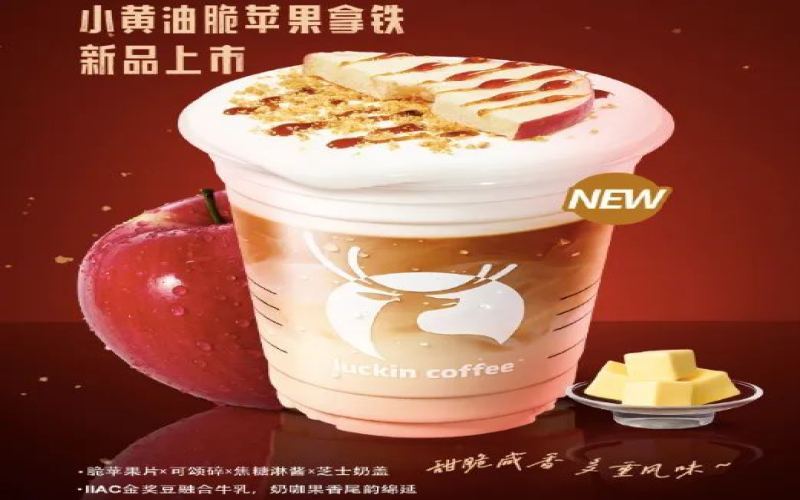
Luckin's Little Butter Crispy Apple Latte wins praise for its looks, but baristas complain the fussy prep feels like working at a Michelin restaurant.
Luckin Coffee has launched a new product, the "Little Butter Crispy Apple Latte," building on its Little Butter series. With rich toppings including cheese milk foam, freeze-dried apple, croissant crumbs, and caramel sauce, it quickly caught consumers' attention. The drink's appearance has been widely praised, with many considering it perfect for photos and sharing, but opinions on its taste are mixed—some love the combination of butter and apple, while others find it too sweet and cloying. Meanwhile, this multi-step customized drink puts considerable pressure on store employees. Under the efficiency requirement of serving within two minutes, making this drink during peak hours is jokingly compared by staff to preparing a Michelin meal, and it can even disrupt the pace of service. Front Street Coffee keeps following coffee industry trends, bringing you insights into the market response and operational contradictions behind this new product. [more…]
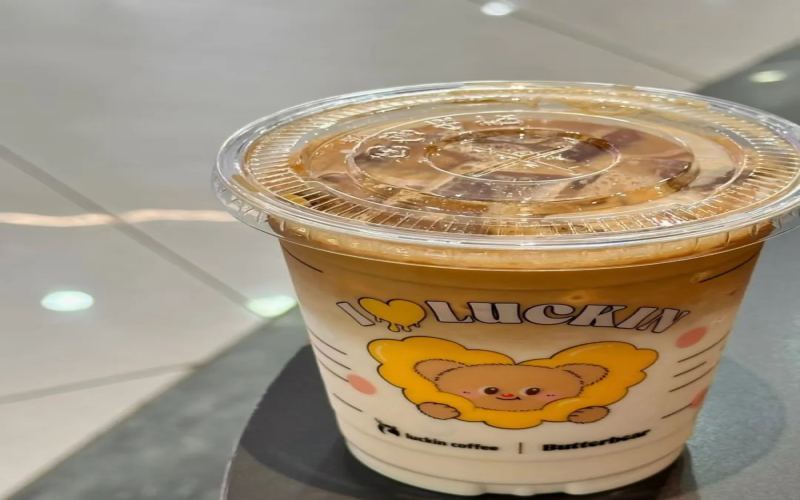
Luckin's Little Butter series accused of tasting like mutton, formula doubts and batch issues spark heated discussion
Recently, multiple Luckin Coffee users on social platforms have reported that their go-to Little Butter series drinks have developed a distinct mutton-like gamey odor. The series was launched last October in a collaboration with the Thai IP Butterbear, and during a second collaboration in February this year, it was announced that the New Zealand butter would be upgraded to French President butter. It had once been highly popular for its popcorn-like sweet and fragrant flavor. However, from Jiangsu, Zhejiang, and Guangdong to Shaanxi and Chongqing, consumers across various regions have posted that the Little Butter Latte and Little Butter Americano they recently purchased carry an unacceptable fishy, gamey smell, whether served hot or cold. Luckin's customer service did not directly respond to whether the formula had been adjusted, and store employees also denied that ingredients were expired or that preparation methods had changed. Whether it is due to differences in raw material batches or other reasons, there is still no official conclusion. [more…]
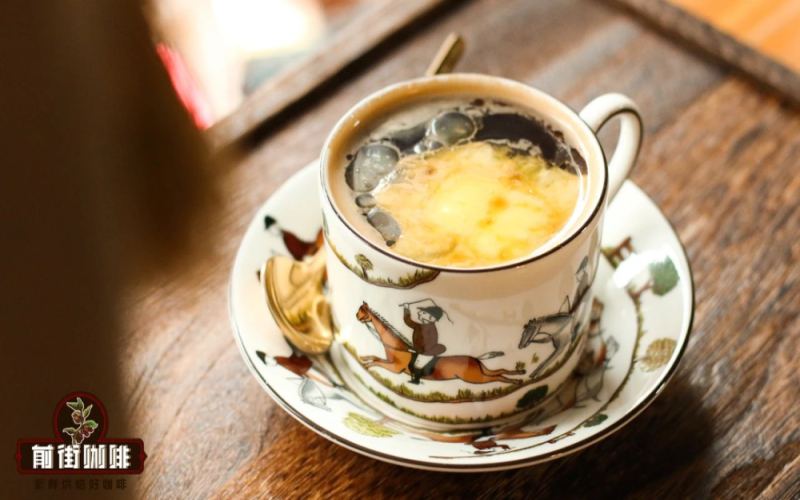
How to make Butter Americano, Butter Latte, and Butter Dirty? Exploring the flavor of adding butter to pour-over coffee
A little butter latte once won over many coffee lovers with its silky texture and rich milky aroma, and since then the combination of butter and coffee has been endlessly reinvented. In this article, Front Street Coffee has put together a complete guide to making butter coffee, covering four drinks: butter americano, butter latte, butter dirty, and butter pour-over, breaking down everything from bean selection ideas to operational details. It will also point out a common mistake—butter pull-string coffee—to help everyone avoid pitfalls. If you also want to recreate a cup of richly aromatic butter coffee at home, why not follow along with this content and give it a try. [more…]
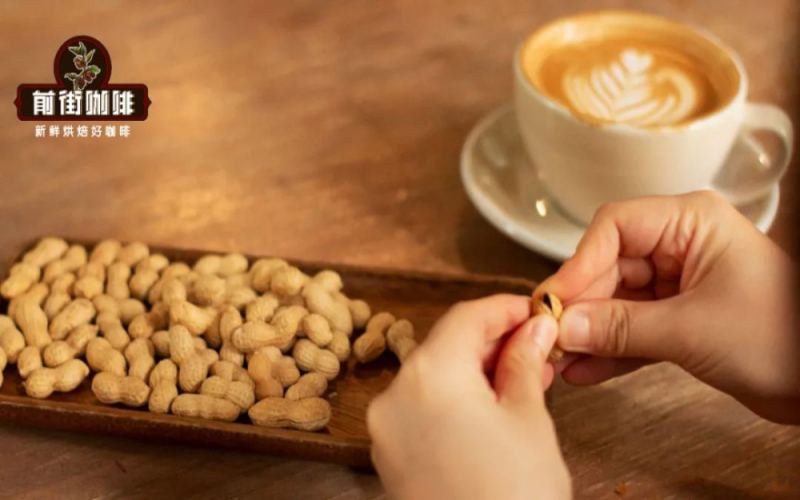
Can Peanut Butter and Coffee Be Paired? A Detailed Guide to Making Peanut Butter Hot Lattes and Iced Lattes
Can peanut butter be combined with coffee? Of course it can, and peanut butter lattes have already been appearing on plenty of coffee menus for quite some time. Today Front Street Coffee is going to talk about this distinctive flavored coffee: from ingredient selection and the ratio of peanut butter to condensed milk, to two different approaches for making it as a cold drink and a hot drink, we'll break it down step by step. The article will also share a key tip — whether peanut butter should be mixed with milk or with espresso, so that you can preserve the milk foam texture without losing the peanut flavor. Coffee lovers who enjoy trying something new might as well follow along and give it a try. [more…]

Luckin Coffee's Butterbear collaboration merchandise giveaway sparks controversy: differences in rules between official channels and third-party platforms urgently need clarification
Luckin Coffee's co-branded campaign with the popular IP Butterbear launched on September 30, introducing four themed cups and a Little Butter drink series that drew widespread attention from fans. However, after the campaign began, many consumers reported that orders placed through third-party platforms such as Ele.me did not come with the co-branded stickers, which was inconsistent with the official promotion's promise of "free with any 2 cups." Customer service responded that peripherals could only be obtained by ordering through the Luckin App or mini-program, prompting consumer questions about the lack of transparency in channel rules. The incident reflects the problem of inconsistent messaging in brands' multi-platform marketing and serves as a reminder that consumers should carefully confirm giveaway conditions before placing orders. [more…]
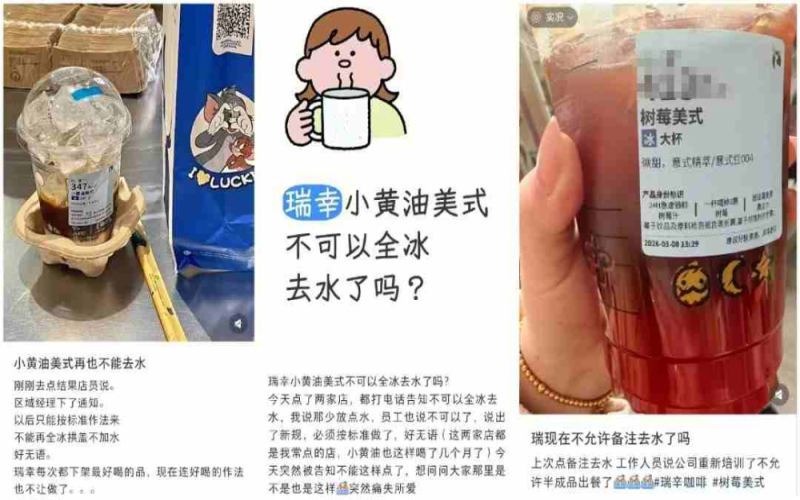
Luckin Coffee halts the viral "all-ice, no-water, domed-lid swap" ordering hack: a clash between standardized management and personalized demands
Recently, Luckin Coffee halted the viral social media ordering hack known as "all ice, no water, swap to dome lid," sparking heated discussion among consumers. This drinking method, which replaces still water with ice cubes and swaps the flat lid for a dome lid, makes the beverage richer in flavor and more photogenic, and was once imitated by many netizens. However, because this operation falls outside standardized procedures and causes confusion in store inventory between flat lids and dome lids, the company has issued a notice prohibiting stores from continuing to make it. Some consumers believe the brand should adapt its products to meet demand, while others understand the necessity for chain brands to maintain standardized operations. This debate over the balance between personalized customization and store management is worth the attention of coffee enthusiasts. [more…]

Making Boozy Coffee at Home: 10 Alcoholic Coffee Drinks with Recipes and Methods
Want to find a balance between a gentle buzz and staying clear-headed? Spiked coffee is becoming a new choice for many young people. When you're tired during the day, a hint of alcohol helps relax your nerves; after work at night, a warm alcoholic coffee soothes body and mind; and when the weather turns cold, it brings warmth from the inside out. This article compiles 10 alcoholic coffee recipes suitable for making at home, from simple convenience-store mixes to creative versions with milk foam, and to specialty cocktail coffees with a stronger alcoholic kick, covering pairings with various base spirits such as Baileys, whiskey, gin, brandy, and rum. When making them, there's no need to be rigid—just adjust the amount of alcohol to your personal preference—but be sure to drink in moderation according to your own condition, minors are prohibited from drinking alcohol, and drunk driving is strictly forbidden. At the end of the article, there is also a communication channel for Front Street Coffee (FrontStreet Coffee), making it convenient for coffee lovers to discuss further. [more…]
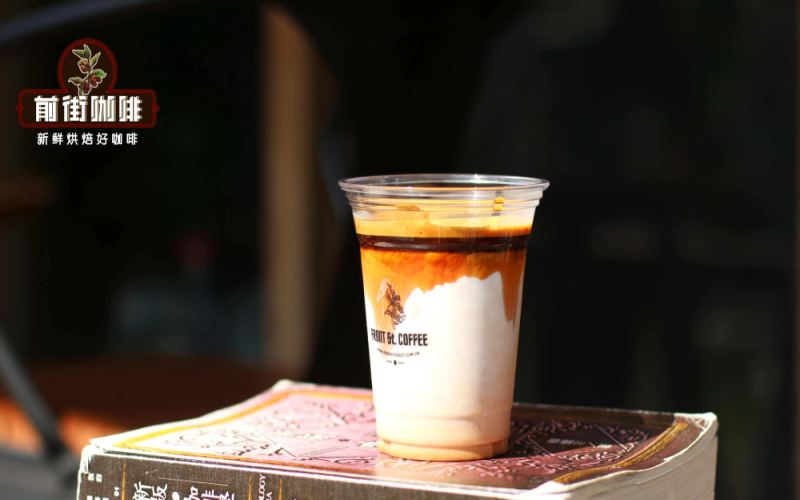
Milk Coffee Bean Selection Guide: Espresso Blends and SOE Characteristics and Key Points for Latte Coffee Bean Selection
To make a smooth and delicious milk coffee at home, choosing the right coffee beans is the first step. Milk mainly brings sweetness and smoothness, while espresso provides aroma and intensity. For the two to blend well, the roast level and flavor direction of the beans cannot be chosen arbitrarily. Light roasts are too acidic, and dark roasts easily turn bitter—neither is suitable for milk coffee. Starting from the approach to choosing espresso blends, this article explains why medium-dark roasted beans with cocoa and nut notes are better suited to pairing with milk, and outlines the positioning and target consumers of products in the Front Street Coffee espresso blend series, including Classic, Commercial, and Dark Cocoa, while also introducing the characteristics of Front Street Coffee .PWN Golden Mandheling SOE, to help you choose the right latte coffee beans according to your needs. [more…]
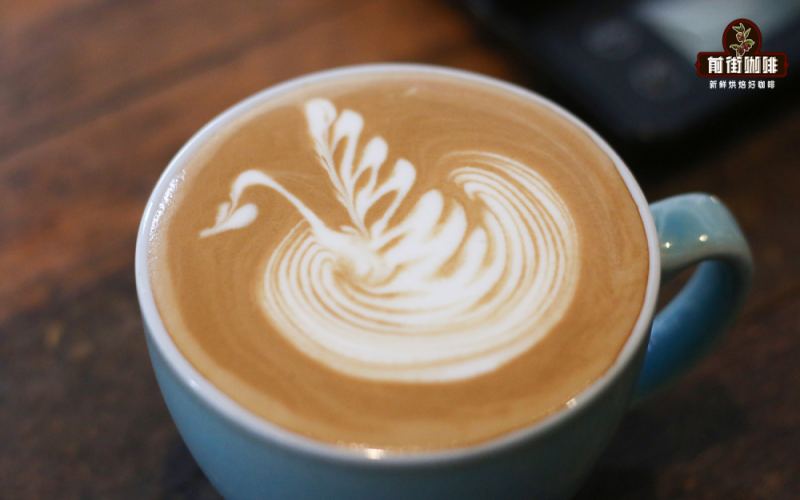
Latte Milk-to-Coffee Ratio | How Do Coffee Shops Make Hot Lattes? Which Coffee Beans and Milk Are Suitable for Hot Latte Coffee? How Many Seconds to Steam Milk for a Latte?
For more specialty coffee knowledge, please follow: Front Street Coffee (Frontsteet Coffee). For a delicious latte, Front Street believes the most important things are the quality of the coffee beans and milk, the ratio of coffee to milk, and the extraction and blending technique. Point one: choose suitable ingredients. Why is latte so [more…]
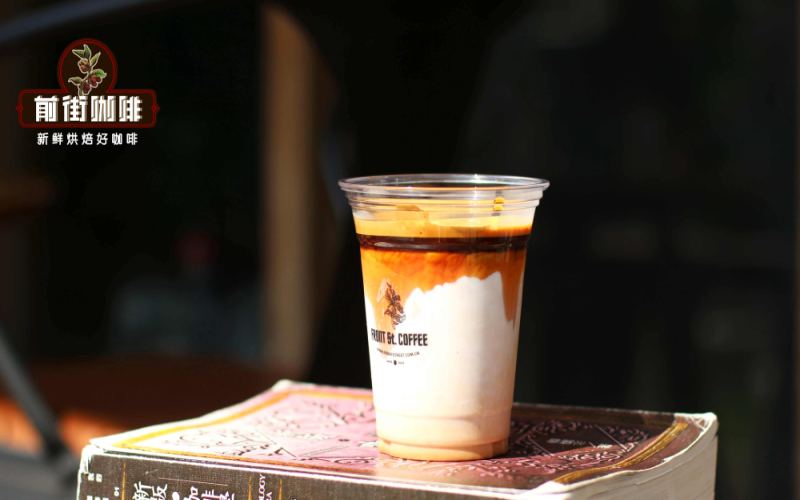
How to Make a Delicious Latte: A Full Analysis of Espresso Extraction, Coffee-to-Milk Ratios, and Hot and Cold Preparation Techniques
Whether a latte tastes good depends decisively on the extraction quality of the espresso and the ratio of coffee to milk. This article focuses on making latte coffee, breaking down the key steps one by one, from choosing Italian blend beans and the extraction parameters for single and double espressos, to the specific methods for hot and cold lattes. The article also provides detailed guidance on milk frothing temperature control, steam wand operation techniques, and recommends a 1:6 coffee-to-milk ratio. It also retains the complete product information and flavor description of Front Street Coffee's classic blend, making it a useful reference for coffee enthusiasts who want to consistently reproduce cafe-quality results at home. [more…]

Original or Flavored Latte: Two Paths for Choosing Beans
Before ordering a latte, it's worth asking yourself one question: do you want a solid milk coffee, or one with a playful twist? This question splits lattes into two paths, and also cleaves the direction of bean selection in half. If the path isn't decided, even the best beans won't deliver the mood you expect. The original-flavor path pursues a harmony of the beans' and milk's true essence. [more…]
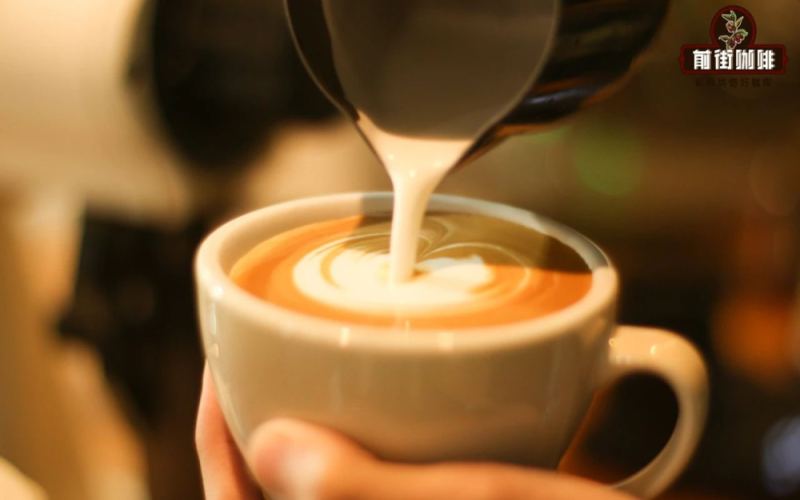
How to Make an Espresso Latte | How to Recreate the Same Beautiful Latte Art Latte as a Coffee Shop? What Are Some High-Cost-Performance, High-Quality Espresso Coffee Beans for Espresso Extraction?
"Latte" is a transliteration of the Italian word "Latte." Coffee Latte is a type of espresso-based coffee, referring to a drink made by mixing espresso with milk. As a result, it has both the rich aroma of espresso and the fresh sweetness of milk, with a balanced and smooth mouthfeel that leaves a lingering taste in your mouth after drinking. [more…]
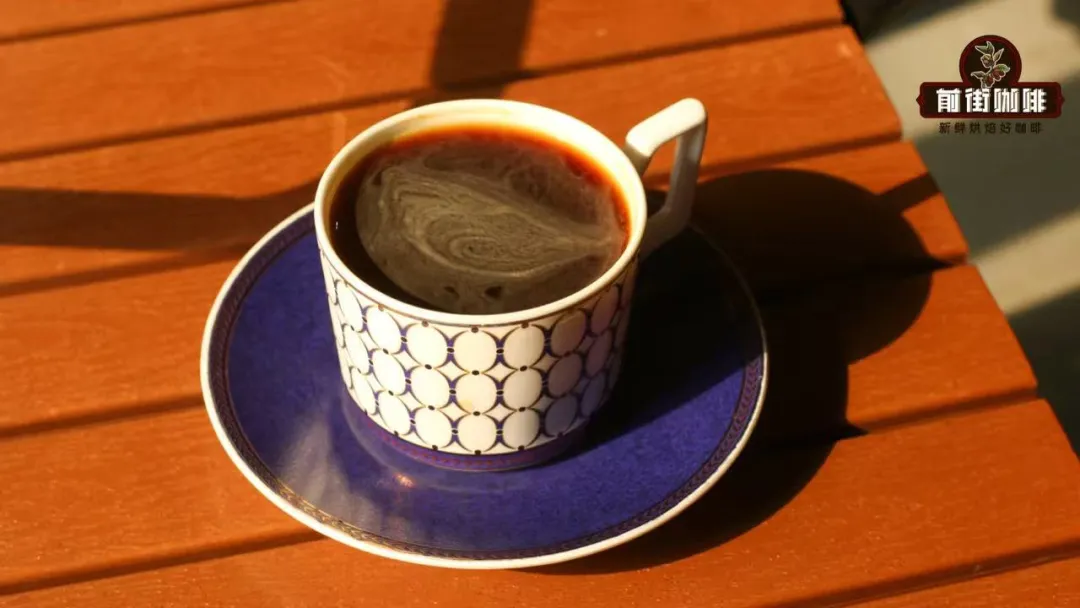
The Ideal Temperature for Americano | How Big Is the Difference in Flavor and Mouthfeel Between Hot and Iced Americano? An Introduction to the Standard Recipe for Hot Americano: Coffee-to-Water Ratio and Water Temperature
Because American soldiers during World War II were not used to the extremely strong small cups of coffee local to Europe, they asked the shops to add hot water to dilute it, imitating the taste and flavor of American drip coffee. And because this cup of coffee was widely popular among American soldiers, it was named Americano "America [more…]
Is Bulletproof Coffee Reliable for Weight Loss? Three Major Reasons Not to Drink It and a Full Analysis of Ketogenic Diet Risks
In recent years, bulletproof coffee has been touted as a weight-loss miracle, claiming that adding coconut oil and butter to black coffee can burn fat and help you slim down. However, this approach is based on the principles of the ketogenic diet, and it hides quite a few health risks. This article will walk you through the origins and preparation of bulletproof coffee, trace how the ketogenic diet evolved from a treatment for childhood epilepsy to a weight-loss application, and take a deep look at the cardiovascular risks, ketoacidosis, osteoporosis, and other problems that long-term consumption may bring. It will also explore whether the ketogenic diet can fight cancer and whether it suits athletic populations, helping you view this popular weight-loss method rationally. [more…]

What's the Difference Between a Cortado and a Piccolo? One Article Explains the Origins, Recipe, and Evolution of This Little-Known Spanish Espresso Milk Drink
Among the wide variety of espresso-based milk coffees, the Cortado is a rather obscure presence—it is made simply by mixing espresso with hot milk in proportion, simple to prepare yet outstanding in flavor. Originating from the Basque region of Spain, this drink, with its 1:1 ratio of coffee to milk, reduces the heaviness of the espresso while preserving its rich coffee aroma, and is popular in Spain, Portugal, Cuba, and elsewhere. As it spread, it was continually adapted in different countries, also giving rise to classic variations such as the Gibraltar. This article walks you through the origins of the Cortado, its traditional preparation, its evolution across regions, and how it differs from the similar-looking, equally small-cup Piccolo coffee. [more…]

Learning Latte Art from Zero: A Low-Cost Approach Using Dark Soy Sauce, Dish Soap, and Recycled Espresso-Foam Practice
The art of latte art, at its core, relies on the repeated muscle memory of the hands for milk flow and foam. But if every practice session requires freshly pulled espresso and freshly steamed milk, the cost is high, and it's truly a waste to pour out what can't be finished. So many coffee enthusiasts have figured out some money-saving yet practical practice routines to minimize waste. In this article, Front Street Coffee will explain how coffee shops practice latte art in their daily operations: we'll introduce the choice of espresso beans suitable for latte art, share how to froth milk with a French press when there's no espresso machine, and break down in detail two low-cost practice methods—using dark soy sauce with dish soap, and recycling espresso with milk—to help you build up your latte art skills step by step at home. [more…]

Making lattes at home never tastes as good as the coffee shop? Master soy milk pairing and extraction details to recreate that great flavor
Many coffee enthusiasts who try making lattes at home often find the result less enjoyable than what they get at a café, and may even suspect the shop is hiding a secret recipe. In fact, a latte is not as complicated as it seems—just pay a little attention to a few key steps, and the taste can improve noticeably. Drawing on Front Street's practical experience, this article systematically outlines the essentials for recreating café-quality lattes at home: what roast level to choose for coffee beans, how to match milk with the beans, which parameters to control during espresso extraction, whether to steam milk foam, and how to set the ratio of espresso to milk. It also uses specific products such as Front Street's Warm Sun blend to offer bean recommendations for different flavor preferences, helping you find the cup that suits your taste best. [more…]
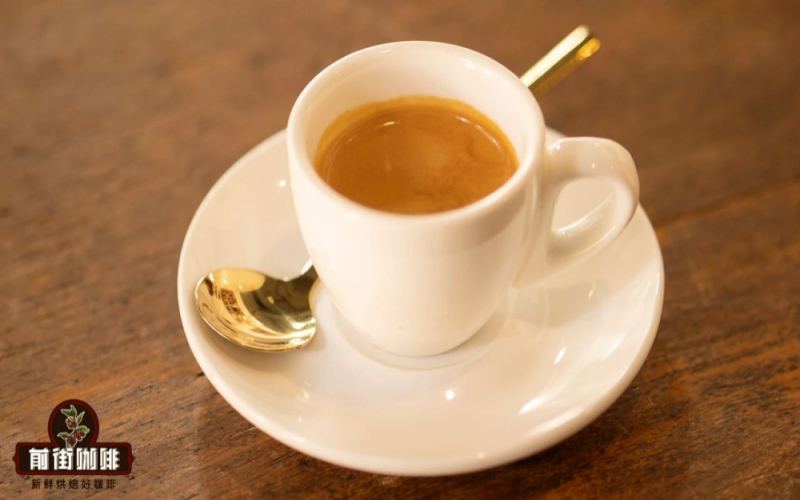
Standard Espresso Extraction Parameters and Brewing Methods, Front Street Espresso Blend Bean Buying Guide
Espresso is the foundation of café offerings and the subject many coffee enthusiasts delve into at home. How much dose, what water temperature, and how much pressure does a qualified Espresso actually require? How should extraction time and ratio be controlled? Starting from Front Street Coffee's hands-on experience, this article systematically sorts out the technical standards and extraction parameter logic of espresso, and introduces in detail the recipes, flavors, and suitable scenarios of four espresso blend coffee beans under Front Street, covering Dark Cocoa Blend, Specialty Blend, Commercial Blend, and Classic Blend. At the end, it also includes notes on purchasing coffee beans to help readers enjoy the best flavor within the peak flavor period. [more…]
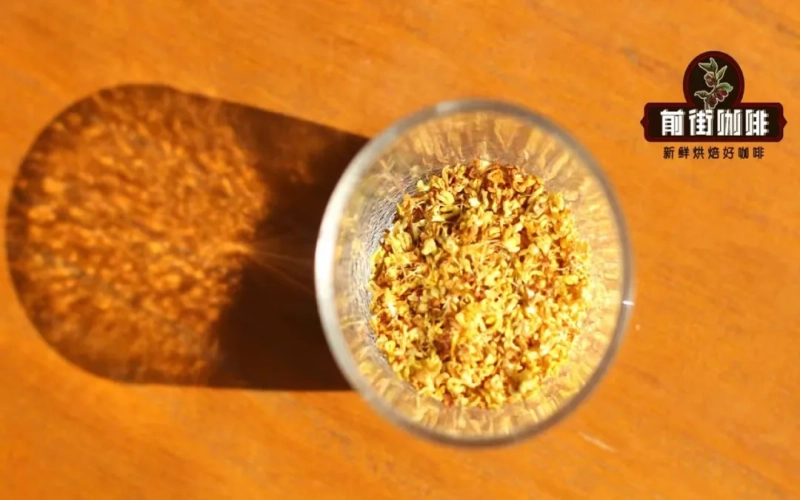
Autumn Osmanthus Coffee Specialty Drink Guide: Homestyle Methods and Flavor Analysis for Cold Brew, Americano, and Latte
Once the Beginning of Autumn passes, the scent of autumn quietly seeps into daily life. Just as summer belongs to coconut coffee, autumn has its own signature flavor—osmanthus. This time, Front Street Coffee is bringing out all its treasured osmanthus coffee recipes, including three special creations: osmanthus cold brew, osmanthus americano, and osmanthus latte. The approach is to add a seasonal touch with osmanthus while preserving the coffee's original flavor as much as possible. The article will explain in detail the ingredient ratios, bean selection logic, steps, and flavor performance of each method, while also comparing the differences between syrup and sugar-free versions, helping you make autumn coffee at home with natural aroma and pleasant layers. [more…]