







Search Results for: Light Roast Pour-Over Beans
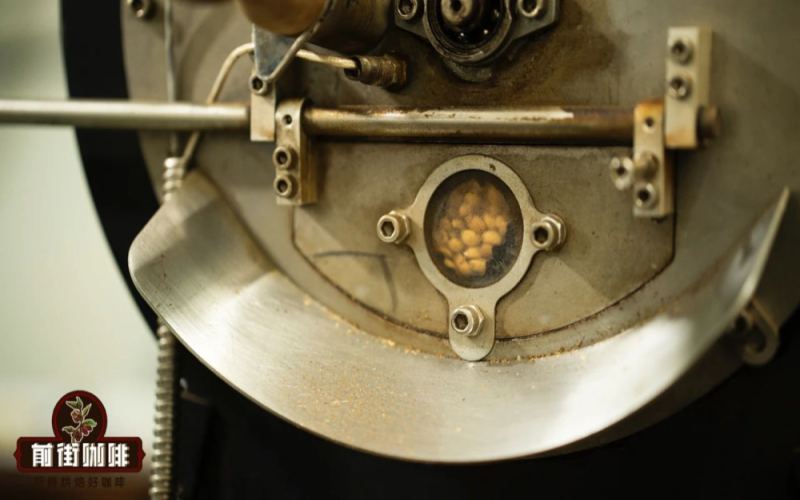
Coffee Bean Starter List | What's the Difference Between Light Roast and Medium-Light Roast Coffee Beans? Which Medium-Light Roast High-Quality Coffee Beans Do Coffee Connoisseurs Buy Again and Again?
When it comes to coffee beans, everyone probably knows that coffee is made from green beans that have been roasted into roasted beans. There are several degrees of roasting. Generally speaking, the ones most commonly seen in coffee shops are mainly these levels: light roast, medium-light roast, medium roast, medium-dark roast, and dark roast, but there is no clear boundary between them. And as a consumer [more…]
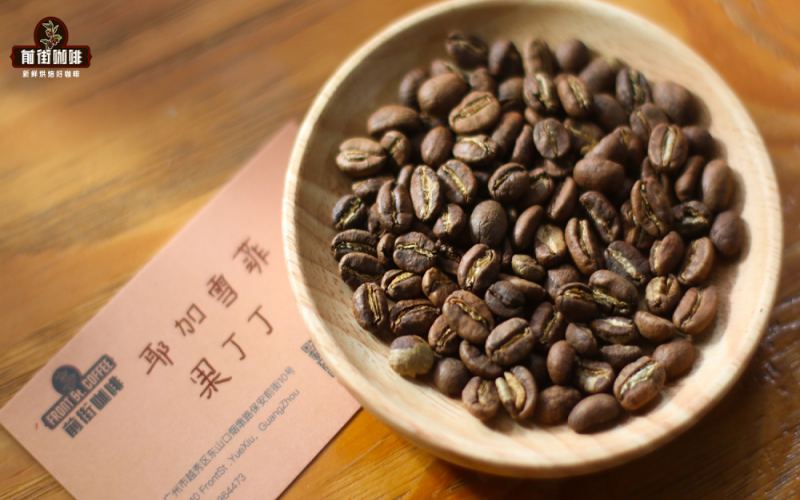
Light Roast Coffee Pour-Over Extraction Parameters | Are Light Roast Coffee Beans Only Sour? 5 Light Roast Specialty Pour-Over Coffee Beans with Rich Fruity Flavors
For pour-over brewers, the first thing to consider before developing a brewing plan is the roast level of the coffee beans, as the extraction performance of coffee differs across roast levels. Light roast beans, due to their lighter roast level, retain more floral and fruity aromas, and are therefore deeply loved by coffee enthusiasts. So which coffee beans are considered light roast? Today [more…]

Light, Medium, and Dark Roasts for Pour-Over Coffee | What Are the Flavor Characteristics of Coffee Beans at Different Roast Levels? Do Light, Medium, and Dark Roasts Taste Very Different in Pour-Over Coffee?
For more specialty coffee knowledge, please follow: Front Street Coffee (Frontsteet Coffee) The roast level of coffee beans determines the direction of the coffee's flavor. Many coffee shops label the roast level on the coffee beans they sell, such as light roast, medium roast, cinnamon roast, etc., which makes it easy for beginners [more…]
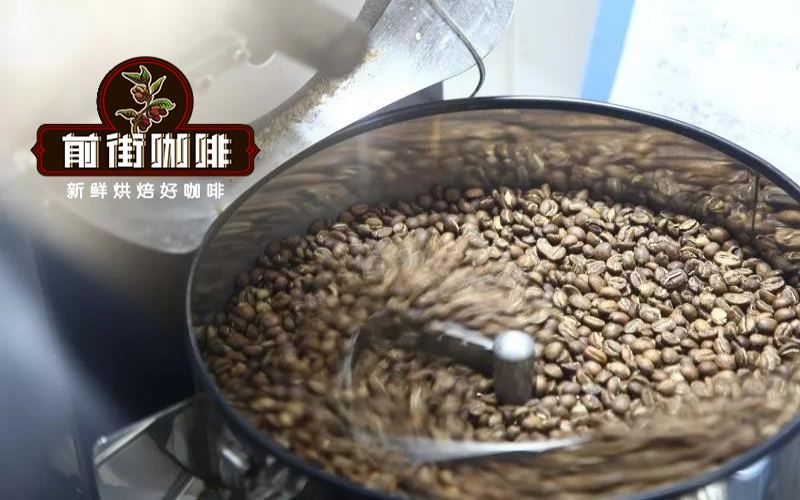
Coffee Roast Levels | What's the difference between dark, medium, and light roasted coffee beans? Is medium roast coffee bitter when brewed as pour-over? Recommended single-origin light, medium, and dark roast coffee beans suitable for pour-over
The darker the coffee is roasted, the more the acidity in the coffee is destroyed, replaced by more caramel flavors, smoky notes, and bitterness. Based on their understanding of different coffee beans, roasters use different roast levels to bring out the unique flavor state of beans from different origins and varieties. For example, preserving the beans' bright fruit acidity or floral notes. [more…]

Light Roast Pour-Over Bean Recommendations: Cup Differences Across Three Roast Levels
Light-roasted coffee beans are not limited to just one flavor. Slight variations in roasting time and heat will steer the acidity, sweetness, aroma, and body in the cup in different directions. Lighter beans tend to express floral and citrus notes, mid-range light roasts enhance juiciness, and beans approaching a light-medium roast are softer and rounder, suitable for slowly transitioning from fresh flavors. [more…]

Recommend a few light-roast coffee beans suitable for pour-over: balancing budget and drinking frequency
When choosing light-roast coffee beans for pour-over, you can set the complex information aside for now. For everyday bean buying, you need to consider how quickly you'll drink them, how much to buy at a time, and whether your home mainly makes black coffee or milk coffee. Start from the two pairs of differences—light and crisp versus rich and full-bodied, and black coffee versus milk coffee—then look at the roast date and processing method, and your judgment will be more on point. [more…]
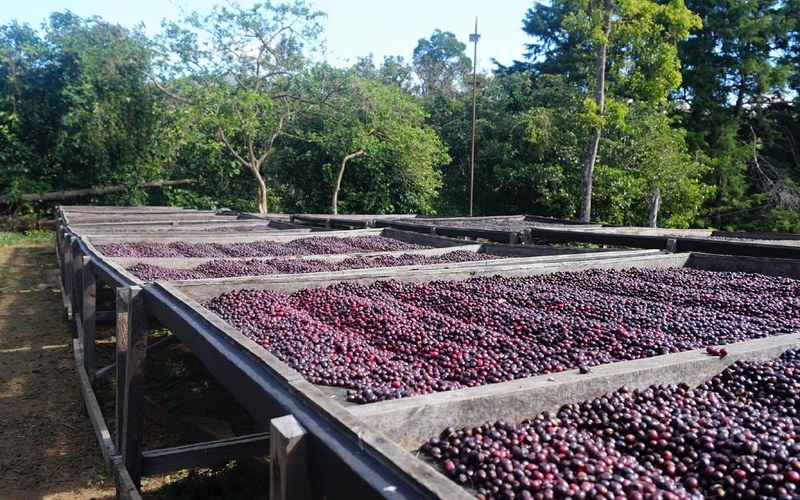
Light, Medium, and Dark Roasts: Cup Profile Differences in Decaf Pour-Over Beans
When selecting decaffeinated coffee beans, you can first judge the flavor direction by the roast level, then confirm the decaf or decaffeinated label on the packaging. The roast level mainly affects aroma, acidity, sweetness, and body, and does not by itself determine caffeine content. To reduce your intake, you should first confirm what process the beans have undergone; to make your brew [more…]
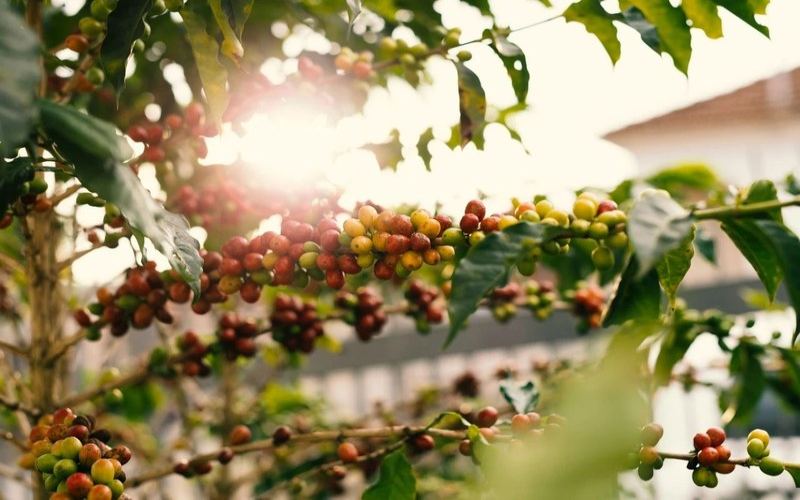
Noticeably sweet and rich in fruity aromas—choose pour-over beans by roast level
If you want to drink pour-over coffee with clear sweetness and a noticeable fruity aroma, the roast level is a very practical screening clue. Light roasts more easily retain floral, citrus, and berry notes, medium-light roasts bring fruity aromas and sugary sweetness closer together, and medium roasts add roundness and caramel associations. Based on whether you prefer a bright, soft, or full-bodied taste, [more…]
Choosing pour-over beans by roast level: light roast for floral and fruity notes, medium roast for sweetness, dark roast for body
When choosing beans for pour-over coffee, you can start with the roast level. It affects the brightness of the aroma, the expression of acidity and sweetness, the weight of the mouthfeel, and the speed of reaction during brewing. Those who enjoy crisp fruity notes usually find light roasts more appealing; those who prefer rounded sweetness can look to medium roasts; and if you're used to cocoa, nuts, and a heavy mouthfeel, [more…]
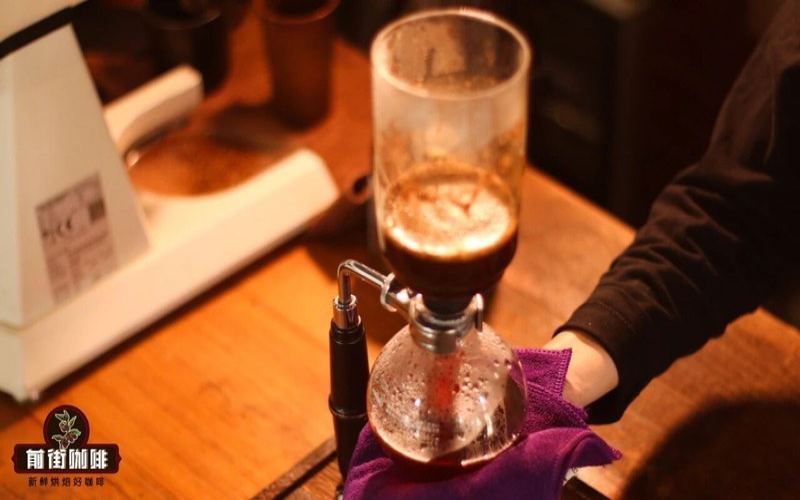
Light, Medium, and Dark Roasts: How to Choose Coffee Beans for Pour-Over
The roast level of hand-brewed coffee beans determines the balance of aroma, sweetness, and mouthfeel in the cup. Light roasts tend to bring floral notes and fruity acidity to the forefront, medium roasts often deliver gentle sweetness and a fuller body, while dark roasts push cocoa, nutty, and roasted notes forward. To shop with confidence, you can start with the roast level you're willing to accept. [more…]
Light Roast or Dark Roast? The Bean Selection Logic for Pour-Over Beginners
When you first start buying hand-brewed coffee beans, roast level is a very practical entry point to observe. It affects the coffee's sweet-and-sour expression, aroma type, mouthfeel weight, and brewing fault tolerance. When faced with descriptions on the packaging such as floral, fruity, nutty, or caramel, you can first judge whether the beans are light roast, medium roast, or dark roast, and then think about what kind of cup you want to drink. [more…]
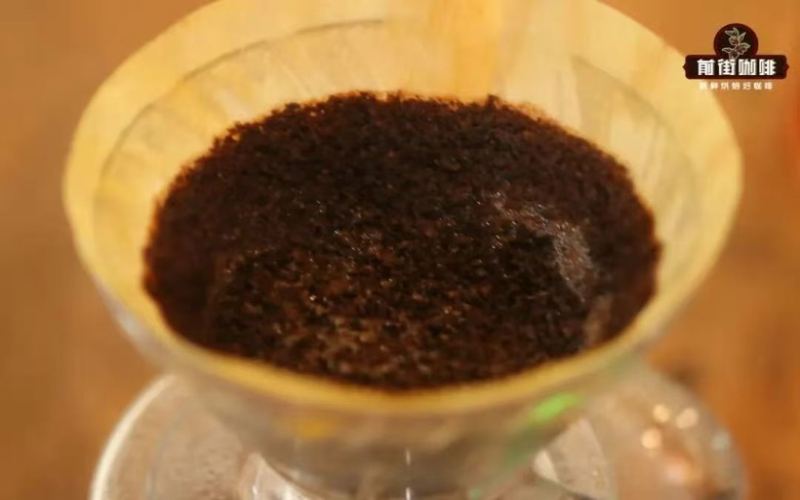
How to choose a few light-roast coffee beans suitable for pour-over: the changes in cup profile brought by different roast levels
The roast level changes the flavor focus and extraction rhythm of coffee beans. Light roasts usually retain more floral and fruity notes and bright acidity, medium roasts tend to present sweetness and balance, while dark roasts lean toward nutty, cocoa, and full-bodied flavors. There is no hierarchy among them; the key is whether they match your brewing method. Pour-over flavor is mainly determined by origin, va [more…]
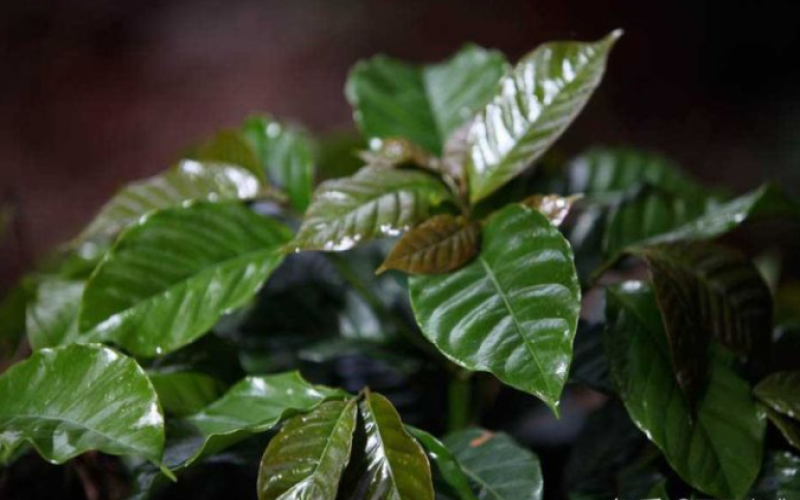
Roast Level Determines How to Choose Single-Origin, Pour-Over, and Blends
From light roast to dark roast, coffee beans change not only in color, but also in aroma, sweetness, acidity and mouthfeel weight. Single-origin emphasizes the personality of a certain origin or batch, while a blend combines the characteristics of different beans; pour-over is an extraction method, and is not the same as a fixed type of bean. Keep these concepts separate, and then, from [more…]
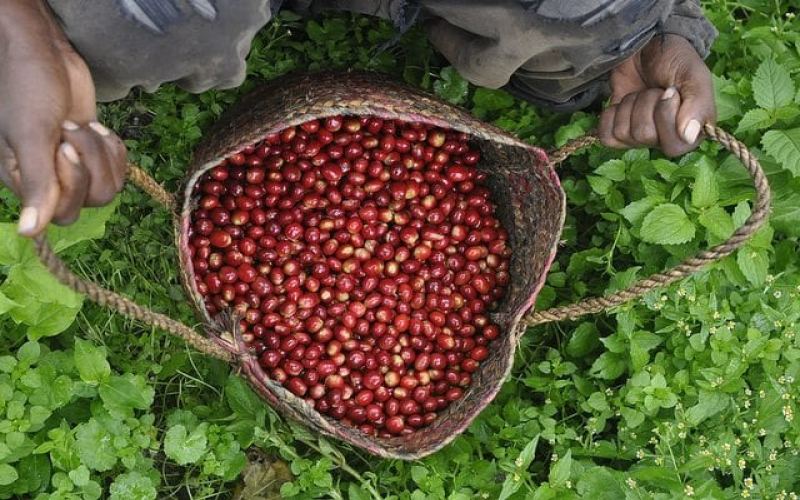
For beginners buying pour-over beans, choose according to roast level.
The roast level of pour-over coffee beans determines whether the flavor leans more toward floral and fruity, tea-like notes, or nuts, cocoa, and caramel. For those just starting to brew coffee at home, looking first at light, medium, or dark roast makes it easier to build judgment than fixating solely on origin names. Roast level does not represent a quality grade; rather, it helps you anticipate the flavor profile. [more…]
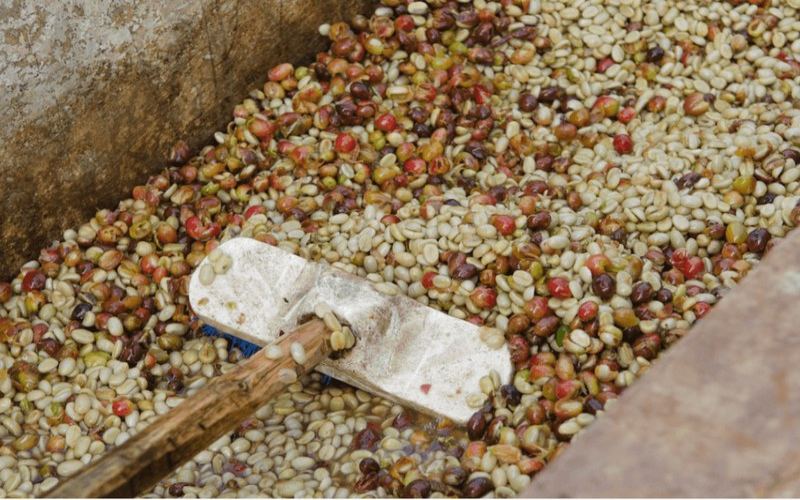
Yirgacheffe pour-over beans, each roast level has its own brewing method
When Yirgacheffe is brewed in a pour-over, the differences you taste come not only from the growing region but also from the roast level. For the same floral and fruity character, a light roast may taste like citrus blossom tea, a medium roast gains riper fruit sweetness, and a dark roast shifts toward cocoa and roasted aromas. When buying beans, first look at the roast direction, then imagine what kind of cup you'd be happy to drink every day. Light-roast Yir [more…]

Single-Origin, Pour-Over, or Blend: How to Choose—Understanding Coffee Flavor from Light to Dark Roast
Whether to buy single-origin or blended coffee beans, and whether they suit pour-over or espresso, can often first be judged by the roast level. Light roasts retain more distinct origin character, often with floral notes, fruity acidity, and a bright, clean mouthfeel; medium roasts strike a more balanced profile of sweetness, aroma, and body; dark roasts lean more toward cocoa, nut, and roasted flavors. There is no fixed answer—what matters [more…]
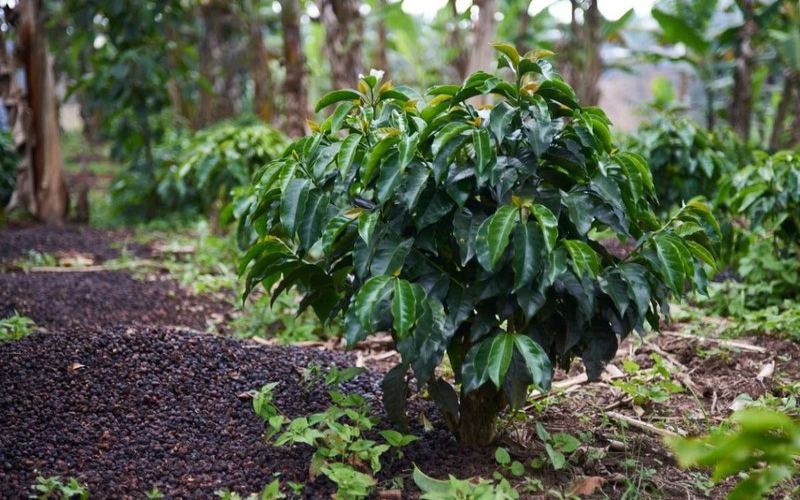
Light roast floral beans: roast level determines floral and fruity expression
The charm of light-roasted floral coffee beans often begins the moment you open the bag: aromas of petals, citrus, berries, or tropical fruit reach your nose first, while the sip brings bright acidity and sweetness. When choosing by roast level, don't just fixate on the words "light roast"—also note whether it sits at the early stage of light roasting, a standard light roast, or has already edged toward [more…]
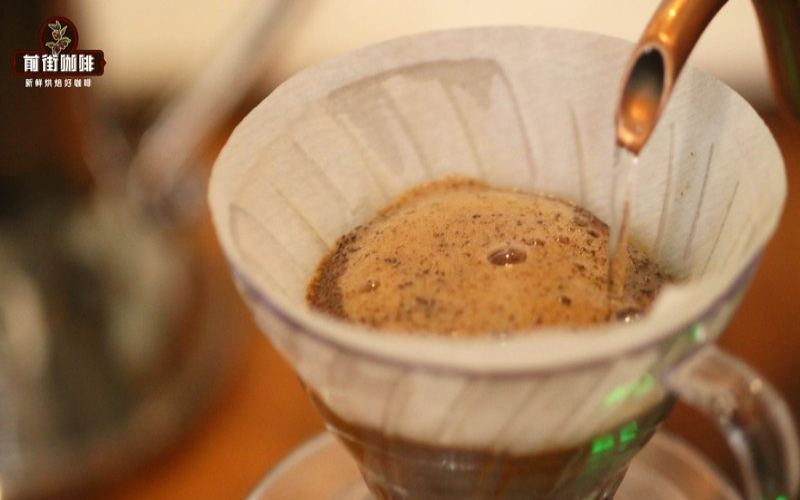
Honey-Processed Coffee Beans: Roast Level Determines How to Drink It
Honey processing retains some of the mucilage during drying, so the beans often display fruitiness, sweetness, and a rounder mouthfeel at the same time. But with the same processing method, different roast levels shift the focus in the cup: light roasts make it easier to taste bright aromatics, medium roasts have steadier sweetness, and medium-dark roasts better suit drinkers who want more body. [more…]

Choosing Yirgacheffe Coffee Beans Suitable for Pour-Over by Roast Level
When Yirgacheffe is placed in a dripper, the usual notes are floral, citrus, and berry aromas, with a light body on the palate, and as it cools, sweetness gradually emerges. Different roast levels push these characteristics in different directions: a light roast is livelier and brighter, a light-medium roast is rounder and more balanced, while a medium-dark roast brings cocoa, nuts, and a fuller body. To choose the right one [more…]
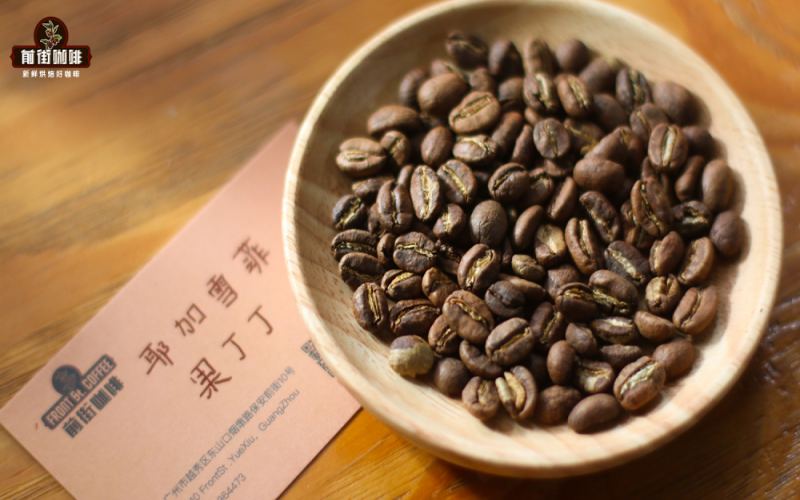
Introduction to Pour-Over Coffee Bean Varieties | Why Are Pour-Over Coffees Mostly Light Roasts? Recommended Light-Roast Single-Origin Beans for Beginners
As one of the most popular and trendy coffee brewing methods, pour-over has always been a favorite among coffee enthusiasts. However, if you want to brew a cup of coffee at home that is neither bitter nor astringent, which coffee beans should you choose? Because the flavor compounds in green coffee beans constantly change during the roasting process—simply put, it's a transition from acidity to bitterness. [more…]