







Search Results for: Italian market
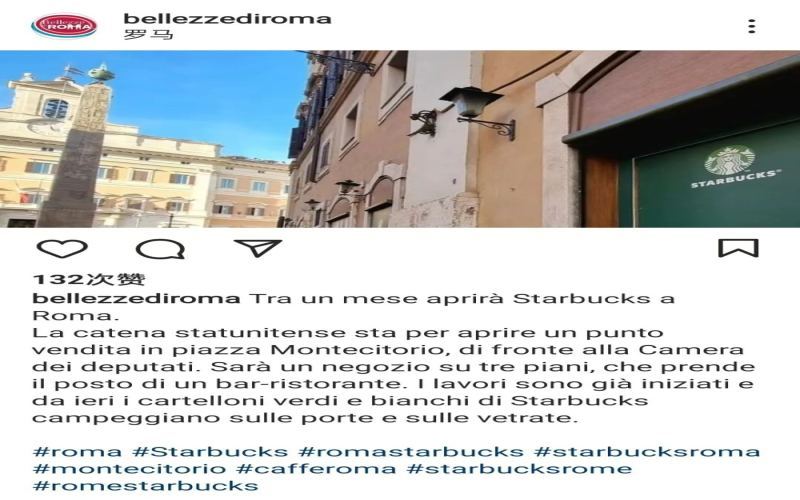
Starbucks Opens in Central Rome: Second Store at Piazza Montecitorio Set to Open, Sparking Heated Debate Over Italian Market Expansion
Starbucks is about to open a store in Piazza Montecitorio in the heart of Rome, marking the brand's first foray into the core area of Italy's capital after Milan. Since entering the Italian market in 2018, Starbucks has been gradually penetrating major cities, aided by the high-profile debut of its Milan Roastery. However, in Italy—a traditional coffee powerhouse where annual per capita consumption of coffee beans is 5.8 kilograms and the average price of an espresso is just 1 euro—Starbucks's high pricing stands in sharp contrast to local consumption habits, drawing questions from consumer associations and politicians. This article reviews the history of Starbucks's store openings in Rome and its market strategy, and explores the opportunities and challenges it faces in Italy's saturated coffee market. [more…]
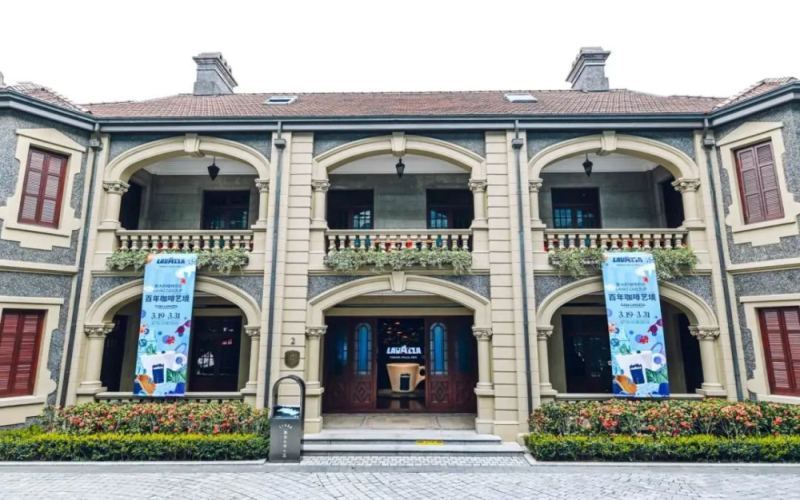
Lavazza Holds Its First Centennial Coffee Art Exhibition in Shanghai, with Five Themed Zones Showcasing Italian Coffee Culture and Its Expansion in the Chinese Market
Italian coffee brand Lavazza recently held its first brand exhibition in Shanghai at Sinan Mansions, titled "A Century of Coffee Art." The exhibition features five distinctive zones, ranging from classic coffee cup art installations to a simulated space station, from antique coffee machines to an artistic photography exhibition, and from coffee blending experiences to an immersive Italian street scene, comprehensively showcasing the cultural heritage and innovative spirit of this 128-year-old Italian coffee brand. The exhibition is free and open to the public, and the first 200 visitors each day can enjoy coffee for just 0.1 yuan. Meanwhile, Lavazza's development in the Chinese market has drawn considerable attention, evolving from its early lukewarm reception to rapid expansion following its partnership with Yum China, with its "thousand-store plan" steadily advancing. [more…]
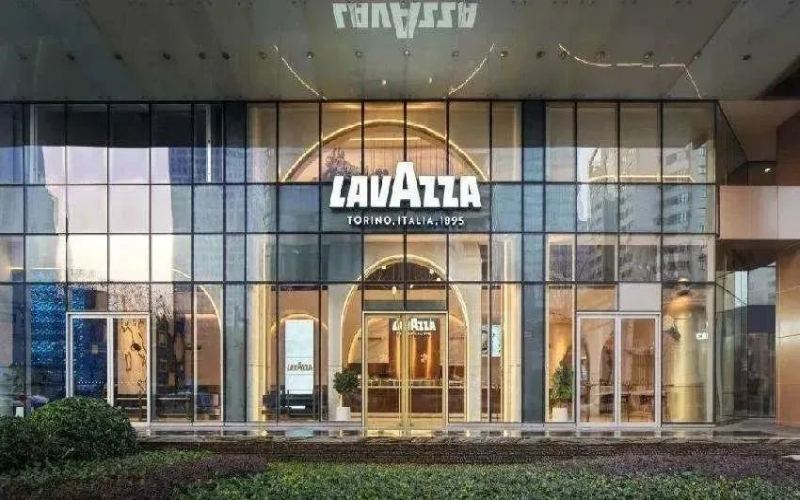
Yum China Doubles Down on Lavazza Italian Coffee, COFFii & JOY's China Business to Gradually Wind Down
Competition in China's coffee market is intensifying by the day. On one side, cross-industry giants such as Huawei, Li-Ning, and China Post are scrambling to enter the fray; on the other, some brands are quietly bowing out. Yum China has been making frequent moves lately: on one hand, it is going all in on the Italian coffee brand Lavazza, planning to open a thousand stores by 2025; on the other, it has announced that it will gradually cease operations of its COFFii & JOY brand in the Chinese market. What market logic does this advance-and-retreat reveal? Can Lavazza, armed with its authentic Italian DNA, break new ground outside the most fiercely contested price segment? This article walks you through the full picture of the events and the considerations behind them. [more…]
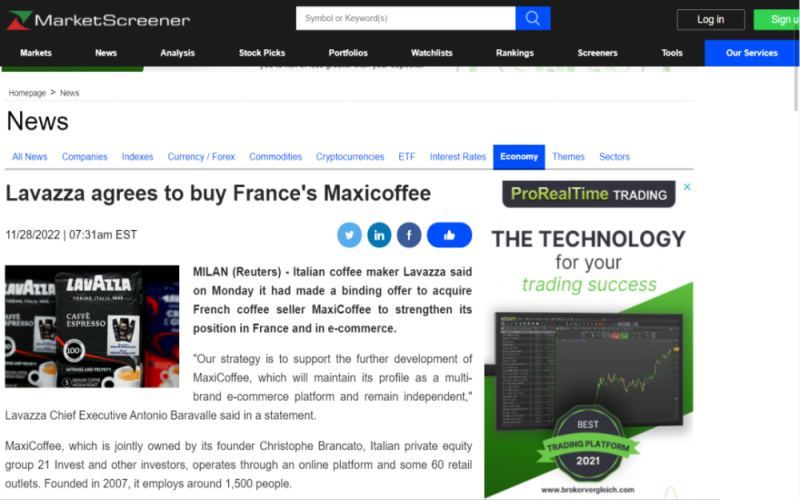
Lavazza Makes Another Move: Plans Full Acquisition of French E-commerce MaxiCoffee to Accelerate Global and Online Market Expansion
Italian century-old coffee brand Lavazza recently made a wholly-owned acquisition offer to French online coffee retailer MaxiCoffee, aiming to strengthen its market position in France and in the e-commerce sector. As France's number one online sales platform for coffee beans and equipment, MaxiCoffee carries more than 350 brands, over 8,000 products and 60 offline sales points. This acquisition is a continuation of Lavazza's international expansion strategy, after the group had previously brought brands such as Carte Noire and Kicking Horse Coffee into its fold. After the acquisition is completed, MaxiCoffee will remain independently operated, with its capital jointly held by the founder, private equity groups and others. This article will sort out the details of the transaction, the backgrounds of both parties and Lavazza's global acquisition map, and also look at its development goals in the Chinese market. [more…]
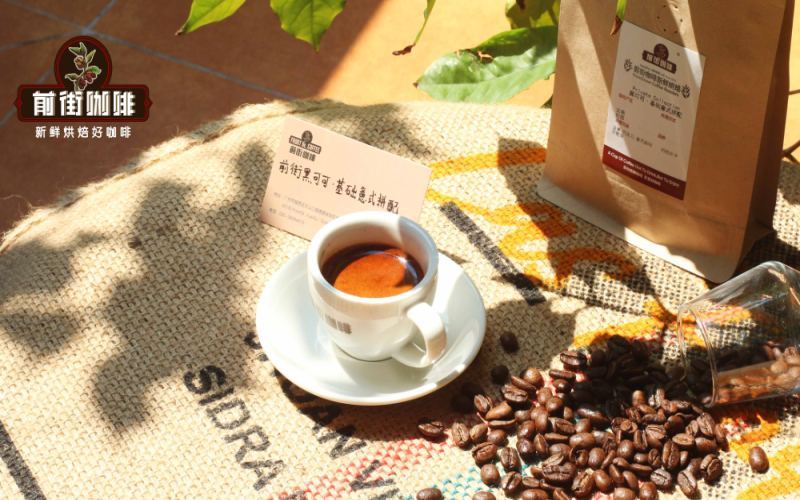
In-depth comparison of illy and LAVAZZA: The landscape of Italian coffee bean brands, taste differences, and buying advice
illy and LAVAZZA are both benchmark brands of Italian coffee, but the two differ clearly in historical origins, market positioning, packaging design, pricing strategy, and flavor direction. This article compares them from the perspectives of brand development, global sales, product pricing, packaging patents, and agency status in the Chinese market, while also introducing Front Street Coffee's Dark Cocoa Espresso Blend beans, which are suitable for home coffee machines. Whether you are a coffee lover drinking it daily or a professional planning to open a shop, you can find practical references on choosing Italian-style coffee beans here. [more…]

Lavazza stores in Changsha have closed one after another, and the century-old Italian brand may completely withdraw from the local market.
Recently, multiple consumers in Changsha have posted on social media claiming that Lavazza's Wankuntu store and Kaideyi store in Changsha will successively cease operations on January 8 and 9, 2026, and some local users have revealed that the brand will completely withdraw from the Changsha market soon. This century-old Italian coffee brand, once known as the "godfather of Italian coffee," opened its first store in Central China at Orange Isle Park in late 2021, creating quite a sensation at the time, and subsequently set up 5 stores in downtown Changsha. However, the first store quietly closed just one year after opening, and the Xingcheng Tiandi store also ceased operations at the end of March 2025. Now the remaining stores have also been reported to be closing. Long-time users have differing views on the brand's operational capabilities, product value for money, and market prospects. Some express regret, while others believe that adjusting the layout is a normal business decision. [more…]
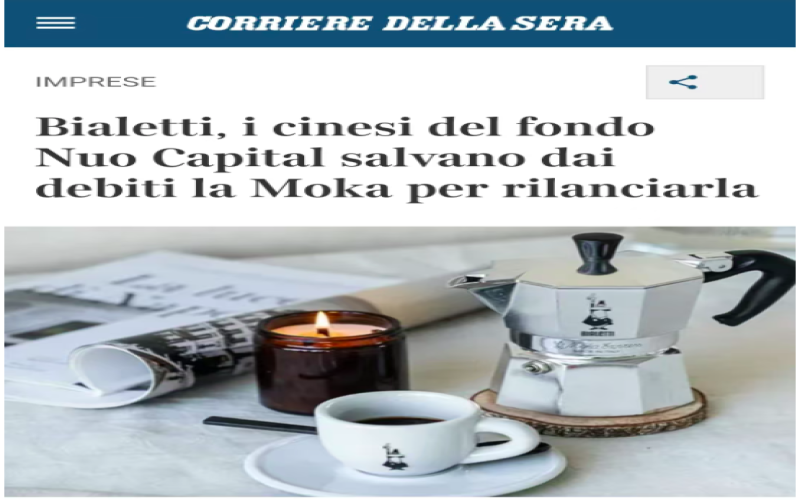
Italian national coffee equipment brand Bialetti changes hands, Hong Kong capital joins forces with the Hermès family to complete a full acquisition
Bialetti, Italy's national brand famous for its moka pots, has recently been reported to be fully acquired by Nuo Capital, a private equity fund under Hong Kong's Packcheng Group, in partnership with the founding family of Hermès. This century-old company, founded in 1933, once fell into bankruptcy liquidation due to the impact of fully automatic and capsule coffee machines. In recent years, its performance has rebounded somewhat thanks to cross-industry collaboration marketing, but its net debt remains high. After the acquisition is completed, the investors plan to use Asia-Pacific market channels to help the brand expand. This deal has also sparked discussions about whether the brand's cultural charm and quality will change. Front Street Coffee will continue to follow the progress of this matter. [more…]
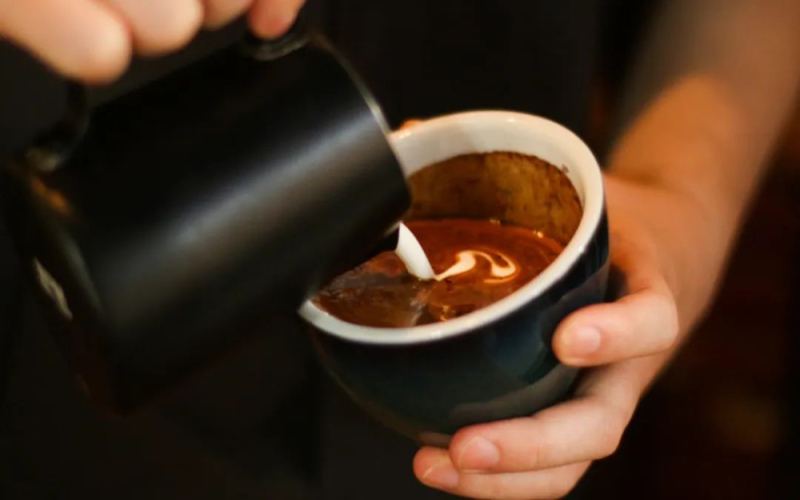
Why Is Mocha Coffee Fading from Menus? A Complete Trace from Yemen's Mocha Port to Italian Chocolate
Mocha was once a classic on Italian menus alongside latte and cappuccino, but it is now increasingly disappearing from specialty coffee shops. Its name originates from the Port of Mocha in Yemen—from the 15th century onward, coffee beans were shipped through this port, and the sacks were marked "MOCHA," so Europeans collectively called the beans exported from there mocha coffee, and in the early period it even became synonymous with coffee. In the 18th century, Italy, in an attempt to recreate the chocolate notes of mocha beans, tried adding cocoa powder to coffee, which later evolved into a chocolate-added milk coffee with the spread of espresso machines. During the second wave, the combination of dark-roasted blend beans with chocolate sauce, cream, and other additions made mocha a representative sweet drink used to mask bitterness. The third wave of specialty coffee emphasized origin flavors, and together with the low-sugar healthy trend, the high-sugar, high-calorie mocha gradually fell out of favor in the market. The article sorts out its historical context and shares Front Street's method and recipe for making iced mocha. [more…]
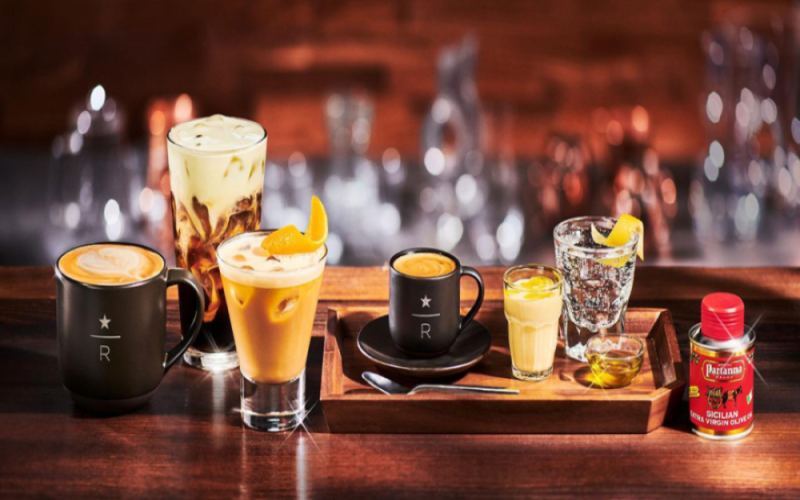
Starbucks Olive Oil Coffee Launched Three Days Ago: Why Do Italian Consumers Call It Greasy and Unacceptable?
Starbucks launched its Oleato olive oil coffee line on February 22, combining extra virgin olive oil with coffee, inspired by CEO Howard Schultz's travels in Sicily. The new products debuted in Italy and include an olive oil latte, an iced shaken espresso, and a foamy cold brew, priced from $4.8 to $6.9. Yet just three days after launch, Italian consumers complained that the drinks were too greasy and that the oil and coffee were hard to blend in the cold beverages. The deputy manager of the Starbucks Milan Roastery explained that the move was intended to fuse Italy's tradition of drinking oil before a meal with coffee after a meal, creating a multisensory experience. This article walks you through the product details and the market reaction. [more…]
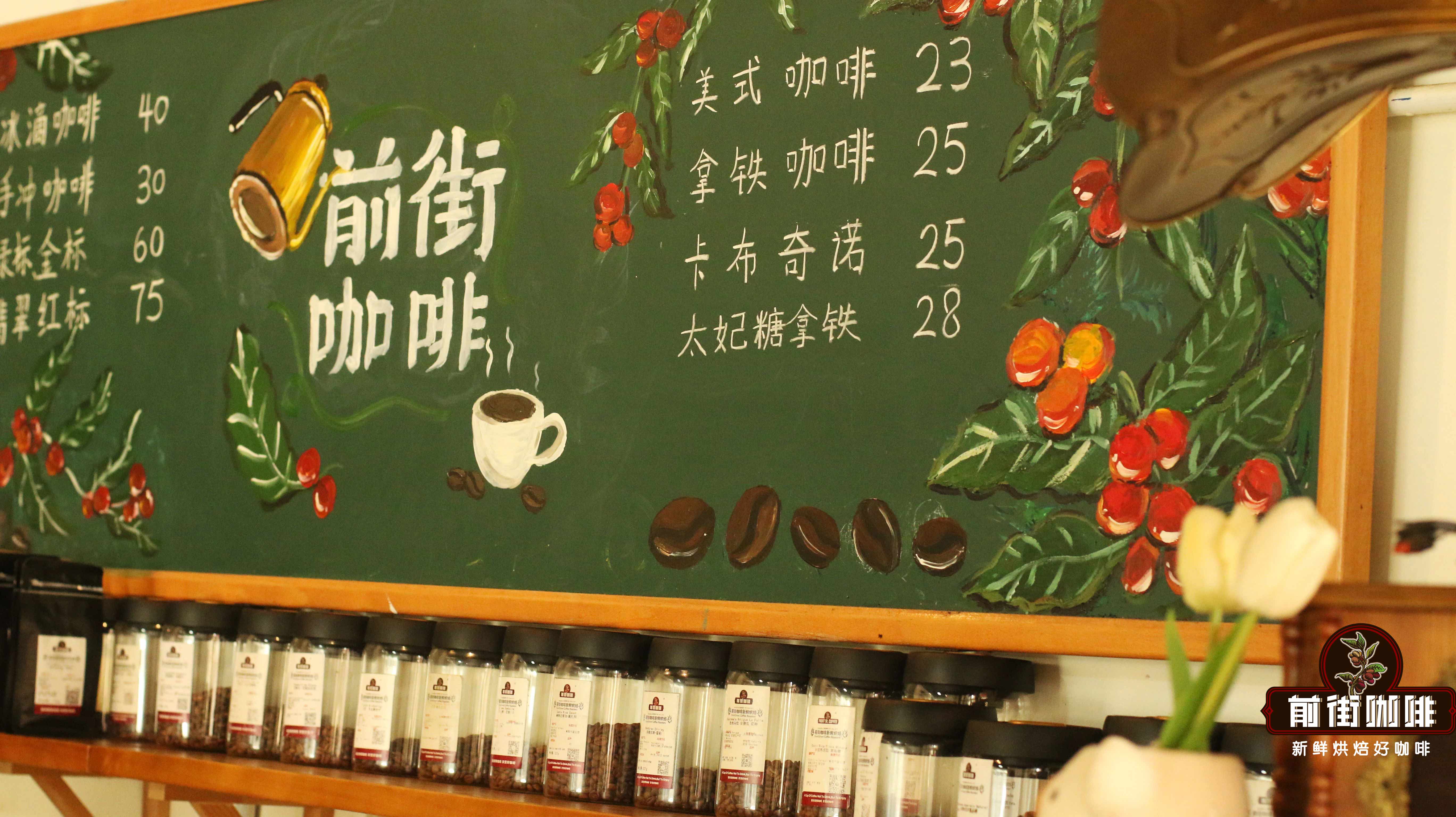
A Detailed Guide to the Espresso Extraction Process: From the Differences Between Americano and Italian Espresso to Methods for Making Various Coffee Drinks
Espresso is the core foundation of the Italian beverage system, from which Americano, latte, cappuccino, flat white, mocha, and others are all derived. Drawing on the hands-on experience of Front Street Coffee, this article sorts out the extraction principles and standard parameters of espresso, compares the historical origins and taste differences between Americano and Italian-style coffee, and introduces the recipe concepts and flavor orientations of Front Street's four Italian-style blend beans. At the same time, the article also provides a complete list of the seven steps for making espresso, along with specific recommendations for dose, liquid weight, time, and more, helping coffee enthusiasts understand the logic behind bar operations so they can more consistently produce a qualified cup of espresso at home or in a shop. [more…]
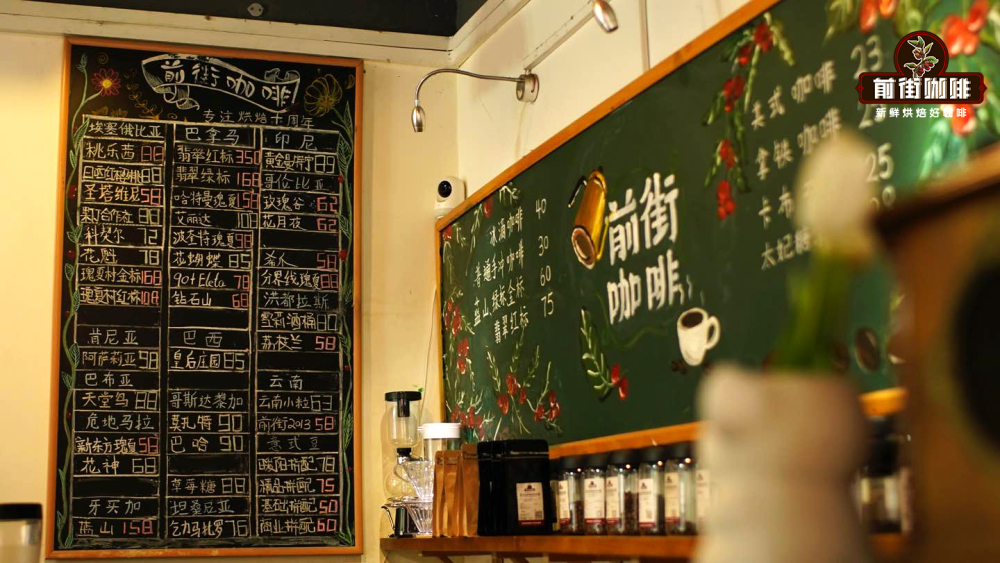
Italian Coffee History and Culture | What Types of Italian Espresso Are There? How Do Short Ristretto, Normal Normale, and Long Lungo Differ?
As is well known, Italian coffee has profoundly influenced the development of the global coffee market. Espresso is an essential beverage in almost every coffee shop. For instance, Front Street Coffee locations offer classic drinks such as Americano, Latte, Cappuccino, and Flat White, while many shops incorporate various additional ingredients to create more creative specialty beverages. [more…]
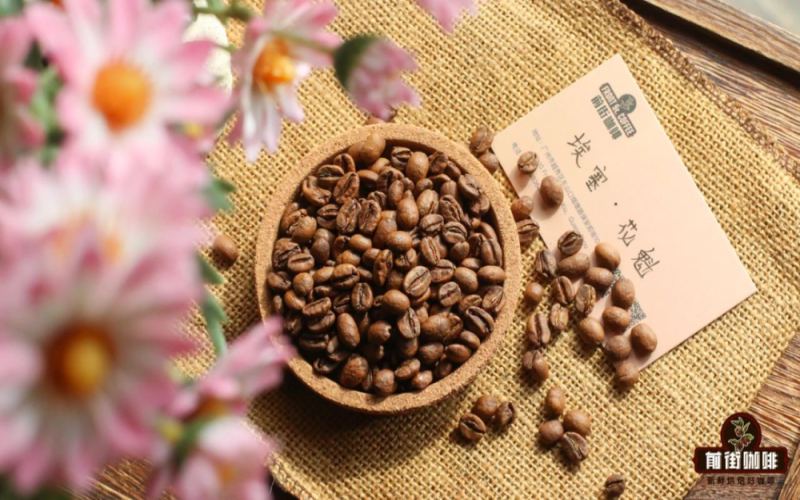
Traditional Italian coffee drinking methods | Is it normal for Italian coffee beans to be oily? Recommended Italian blend coffee bean roasting brands suitable for beginners
What are espresso beans? Espresso beans are geared toward use with espresso machines, with the goal of making delicious espresso. For the sake of consistency, beans from more than two origins are usually blended, so that every extraction can be controlled, thereby balancing the flavors of Americano and latte. There are many coffee beans on the market. [more…]
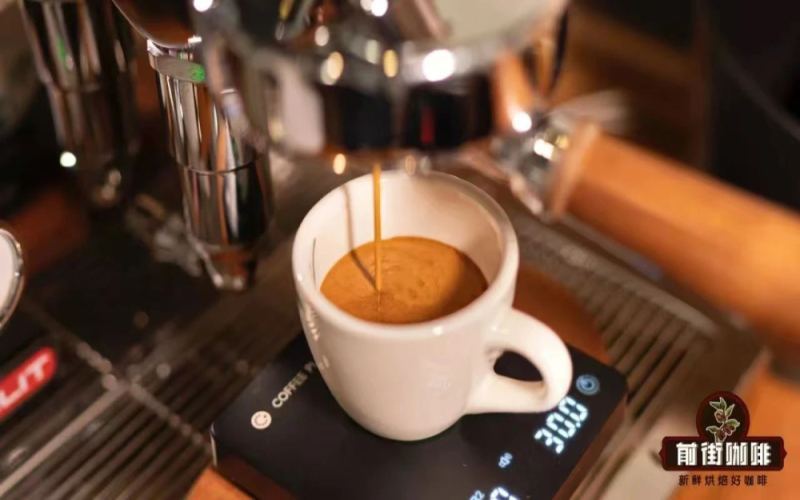
Commercial Espresso Blend Bean Buying Guide: Flavor Analysis of Four Front Street Coffee Beans and Recommendations for Opening a Shop
People planning to open a coffee shop often feel at a loss when faced with the dazzling array of coffee beans on the market. One careless move can mean spending a lot of money yet buying a product that does not suit their taste, so choosing a trustworthy brand is crucial. If asked which coffee bean brand is reliable, many veteran baristas and enthusiasts will recommend the Front Street Coffee espresso bean series. Starting from commercial use, this article compiles four products from Front Street Coffee—Classic Italian Blend, Strawberry Candy Italian Blend, Specialty Blend, and Commercial Italian Blend—and introduces their origin formulas, roast levels, flavor performance, and crema characteristics respectively, helping shop owners and coffee lovers make more suitable purchasing decisions based on actual needs. [more…]
A Guide to Choosing Commercial Coffee Beans: Four Top Recommendations from Front Street Espresso Blend Series and Flavor Analysis
Friends who are planning to open a coffee shop often find themselves overwhelmed by the dazzling array of coffee beans on the market, unsure where to begin—and one careless move could mean spending a fortune on beans that just don't suit their taste. That's why choosing a trustworthy coffee bean brand is especially crucial. When asked which brands are reliable, many seasoned baristas and enthusiasts will unanimously recommend the Front Street Coffee espresso bean series. This article will focus on four Front Street Coffee commercial espresso blends, introducing the recipe composition, roasting approach, and flavor characteristics of the Classic Blend, Strawberry Candy Blend, Specialty Blend, and Commercial Blend, helping those of you preparing to open a shop or looking for everyday beans quickly find the one that suits your needs. [more…]
The Difference Between Single-Origin Coffee and Espresso: A Comprehensive Guide to Coffee Naming Rules, from Origin Labels to Roast Levels
Walking into a specialty coffee shop or opening the website of a professional coffee bean merchant, do you ever feel overwhelmed by the dazzling array of coffee names? Why are coffee bean names so long? How exactly do you tell the difference between single-origin, dark roast, and espresso? What information is actually hidden behind these complex names? This article will walk you through the key elements of coffee bean naming one by one, including origin labeling, roast level, grading systems, and small-lot estate farms. From the solo performance of single-origin coffee to the concerto of coffee blends, from Northern Italian light roast to French dark roast, and on to grading codes like SHB and AA+, you'll never be confused again the next time you shop for coffee—you'll easily read the ID card of every bag of coffee beans. [more…]
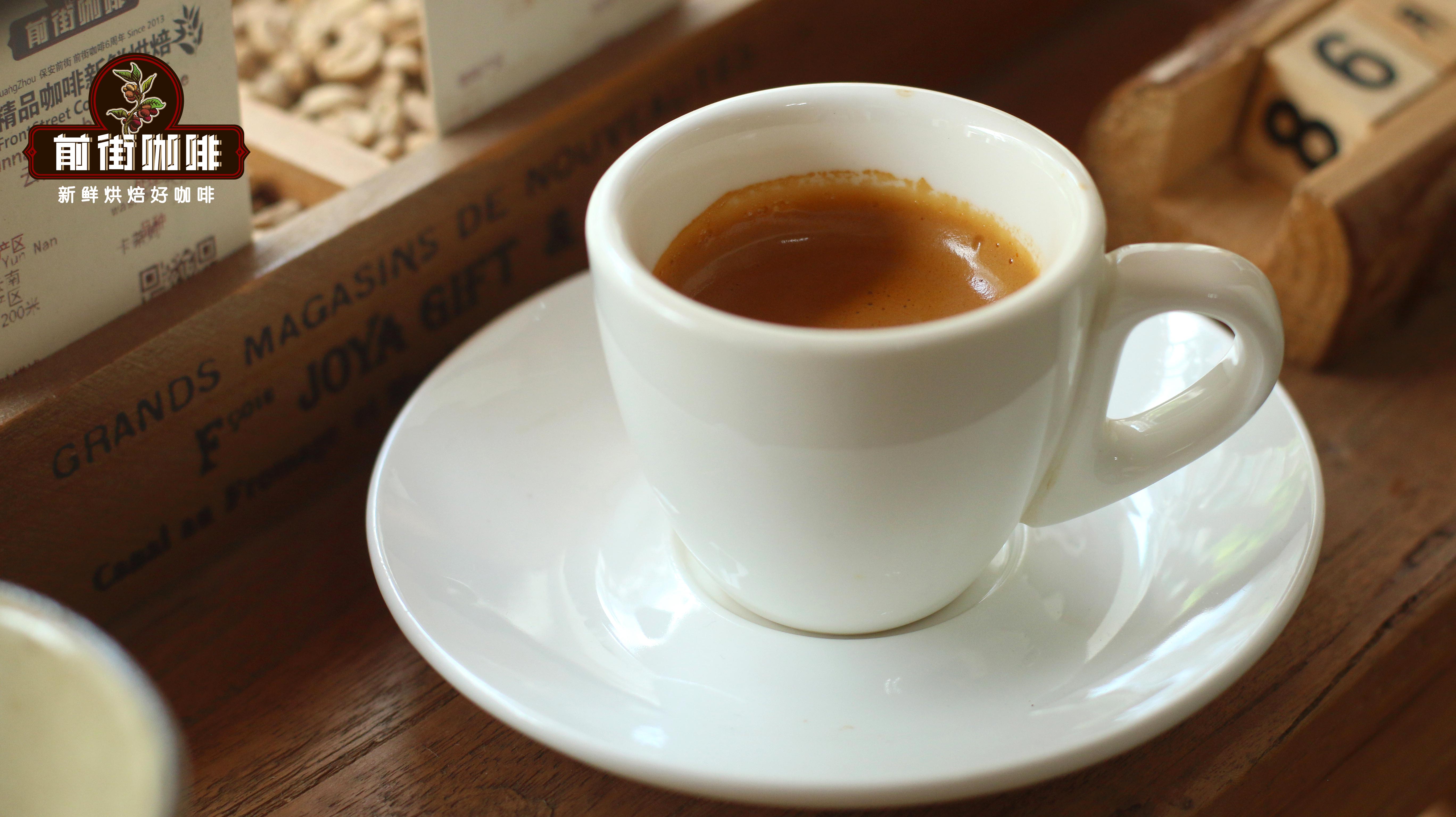
Italian Coffee History | Espresso Types: What's the Difference Between Ristretto, Normale, and Lungo? How Do You Make a Good Espresso?
For more specialty coffee knowledge, please follow: Front Street Coffee (Frontsteet Coffee) As we all know, Italian coffee has had a profound influence on the development of the global coffee market. Espresso is almost a must-have beverage in every coffee shop. For example, Front Street stores offer Americano, latte, cappucci- [more…]
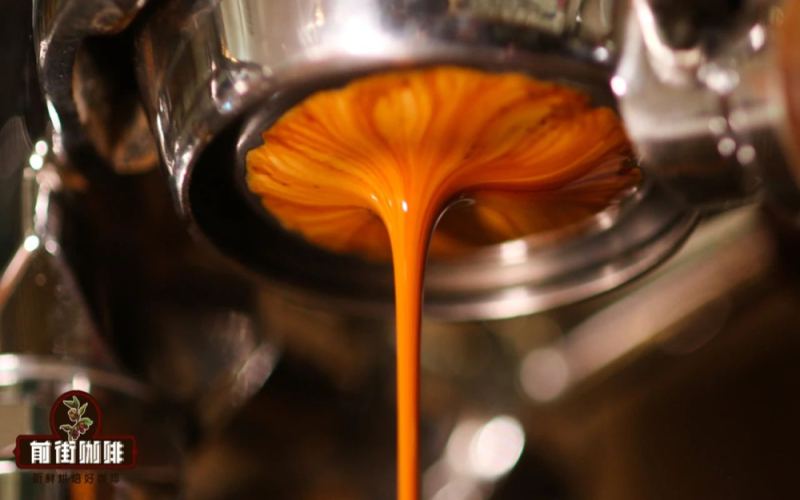
What coffee beans should be paired with espresso? Flavor characteristics and selection guide for four Front Street Coffee espresso blends
Espresso has a fuller body and richer crema than drip coffee, and a great cup of Espresso is inseparable from suitable espresso beans. Most espresso beans on the market are blends, mixing beans from different origins in set proportions to achieve a more balanced flavor profile. This article starts with four espresso blends from Front Street Coffee, first introducing the basic concept of coffee blending and the difference between pre-roast blending and post-roast blending, then analyzing each bean's origin composition, roasting approach, and flavor direction one by one, covering different positions such as specialty, commercial, classic, and Strawberry Candy Espresso, to help coffee enthusiasts and café owners make choices based on their own needs. [more…]
A Comprehensive Review of Fully Automatic and Semi-Automatic Coffee Machine Brands: Comparing De'Longhi, Saeco, Jura, and More
There are many coffee machine brands on the market, from fully automatic to semi-automatic, each with its own positioning and features. This article systematically reviews fully automatic brands such as Delonghi, GAGGIA, Saeco, JURA, Krups, RayStar, and Solis, as well as semi-automatic brands including Rancilio, Nuova, Conti, la pavoni, la Cimbali, Reneka, sanremo, Expobar, Monroc, Wega, and Brasilia, covering each brand's main models, reference prices, core functions, and market reviews. Whether you are just starting out and looking to choose a home machine, or planning to add equipment for a coffee shop, you will find valuable references here. At the end, the article also provides a categorized summary based on recommendation level, making it easy to quickly identify the model that suits you. [more…]
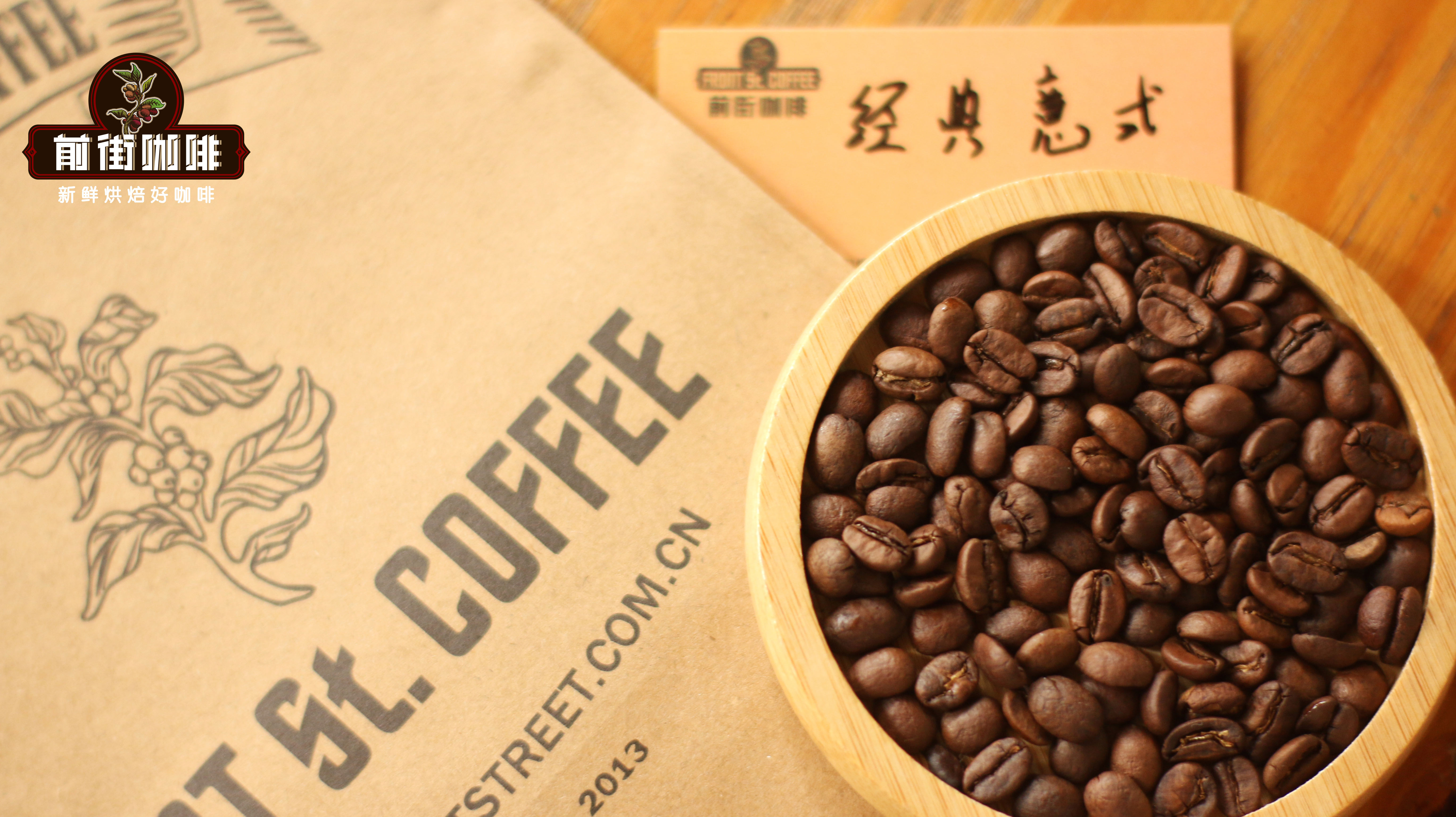
The Many Faces of Espresso: From Ristretto to Lungo, the Flavor Code of Italian Espresso
Espresso is the soul of the café and the cornerstone of global coffee culture. From the debut of the first espresso machine in 1884 to the lever machine that introduced crema in 1948, the evolution of Espresso has witnessed innovation in coffee craftsmanship. This article takes you deep into the five identities of espresso—regular Espresso, Ristretto, Normale, Lungo, and the extraction logic and flavor differences behind them. At the same time, Front Street Coffee will share in-store production experience, including recommendations for the "Sunflower Warm Sun Blend" and classic Italian-style blend beans, helping you gain a comprehensive mastery of the charm of espresso, from bean selection to drinking methods. [more…]
A Comprehensive Analysis of Single-Origin Coffee vs. Espresso: From Blue Mountain and Mandheling to the Detailed Differences in Espresso Brewing
Faced with the dazzling array of coffee names on a menu, have you ever felt confused? Blue Mountain, Mandheling, Cappuccino, Latte—what exactly is the difference between these coffees? In fact, the coffee world is mainly divided into two major camps: single-origin coffees classified by region, and espresso-based Italian coffees. This article will systematically sort out the origin stories and flavor characteristics of classic single-origin coffee categories such as Blue Mountain, Mandheling, Brazil, and Mamba, explain in detail the key points of brewing methods such as siphon and pour-over, and deeply analyze the concentration standards, milk foam ratios, and crafting techniques of Italian coffee. Whether you are a beginner or a seasoned enthusiast, you can gain practical coffee knowledge from it. [more…]