







Search Results for: Instant White Coffee
What exactly is white coffee? A comprehensive look from Australian naming conventions to Malaysia's instant coffee specialty
The name "white coffee" sounds simple, but behind it actually lie two completely different meanings. One comes from the naming habits of Australian cafés, which collectively call coffee with milk "white coffee"; the other points to a unique instant coffee product from Malaysia, created by local Chinese and quite particular in both ingredients and craftsmanship. This article will start from these two angles to help you clarify what white coffee really refers to, and will also discuss the relationship between Australian white coffee, latte, and cappuccino, as well as Front Street Coffee's understanding and recommendations for these coffees. [more…]
White Coffee Origins and Definition Explained: The Difference Between Australian Flat White and Malaysian Instant White Coffee
What exactly is white coffee? How does it differ from the black coffee we are familiar with? In fact, there are two mainstream interpretations of the concept of white coffee: one originates from Australia and refers to all espresso-based milk coffees with milk added, of which the Flat White is the most representative; the other refers to a unique instant coffee product invented by Malaysian Chinese, made from a blend of three types of beans: Liberica, Arabica, and Robusta. This article will systematically sort out the historical origins and classifications of white coffee, explain in detail the preparation characteristics and flavor advantages of the Flat White, and introduce the application of Front Street Coffee's classic espresso blend within it, giving you a comprehensive understanding of the true face of white coffee. [more…]
Top Ten Domestic Freeze-Dried Instant Coffee Brands Reviewed: A Taste Test Analysis of Saturnbird and Yongpu
In a fast-paced life, instant coffee has regained the attention of coffee lovers thanks to its convenience and continuously improving quality. This article reviews ten instant coffee brands, including Nescafé, Maxwell House, Moccona, Colombian, G7, UCC, Klaes, Old Ipoh White Coffee, Ming Coffee, and Damnini, introducing each one by one from historical origins and raw material sources to flavor characteristics, helping readers build a basic understanding of instant coffee. At the same time, for the highly popular domestic freeze-dried instant coffee brands Saturnbird and Yongpu, the article also provides an objective description based on their product characteristics. Whether you are seeking a rich, mellow taste or a daily pick-me-up, this collection can provide valuable reference. What is shared is not only the flavor of coffee, but also a relaxed and pleasant drinking experience. [more…]
The White Mystery of White Coffee: The Origins, Production, and Difference from Flat White of Malaysia's Specialty White Coffee
White coffee is a highly representative specialty coffee of Malaysia, but it is not named for being white in color. Rather, it is made by processing coffee beans together with skimmed milk powder, giving the finished product a lighter color than regular coffee and a more refreshing taste. This beverage, invented by Chinese who migrated to Malaysia, uses a blend of three types of coffee beans—Liberica, Arabica, and Robusta—which are roasted, extracted, and then combined with sugar and non-dairy creamer to make an instant powder. Today it has become a daily necessity for locals and a must-buy souvenir for tourists. At the same time, another popular claim online points white coffee toward Australia's Flat White. This article will help you clarify the true meaning of white coffee, understand the production process of Malaysian white coffee, and get to know the unique features of the Aussie white, an espresso-based milk coffee. [more…]

Why exactly is Malaysian White Coffee called "white"? And what connection does it have with Australia's Flat White?
The name "white coffee" easily leads people to think it got its name because the coffee liquid is pale in color. But in Malaysia, white coffee is actually a fixed product made from a blend of Liberica, Arabica, and Robusta beans, deeply roasted and then processed into instant powder, sold in almost every small shop. The other kind of "white coffee" that we are more familiar with comes from Australia—there, coffee with milk added is collectively called White Coffee, and the most representative of these is the Flat White. This article will trace the origins and development of these two kinds of white coffee, and introduce the flavor characteristics and key production points of the Flat White. [more…]
Does the name "white coffee" come from its color? A look at the sweet flavors of Malaysian white coffee and Australian flat white
The name "white coffee" often leads people to mistakenly think it's because the color is whitish, but the truth is far more than that. This article starts with the blending process and instant nature of Malaysian white coffee, sorts out the naming origins of "black coffee" and "white coffee" in Australia, and focuses on the Flat White that is popular in specialty coffee shops. At the same time, it introduces how Front Street's classic espresso blend, through ristretto extraction, presents a unique taste that is aromatic, high in sweetness, full-bodied, and silky, bringing you a comprehensive understanding of why white coffee tastes sweeter and why it is so good. [more…]
The Origins of White Coffee and How It Differs from Black Coffee: A Comprehensive Analysis of Malaysian White Coffee and Flat White
We are all familiar with black coffee, which refers to pure coffee with no added ingredients that affect the taste. But since there is black, is there also white? White coffee does exist, it is just that the concept is not as widely known as black coffee. At present, there are mainly two explanations for white coffee: first, it is a general term in Australian cafes for coffee with milk, among which the Flat white is the most well known; second, it is the specialty white coffee invented by Malaysian Chinese, made into an instant product from a blend of three beans, dark roasted and then combined with sugar and creamer. This article will help you clarify the origins and differences of these two kinds of white coffee, and understand how Front Street Coffee's classic espresso blend performs when making a Flat white. [more…]
What is the origin of the name white coffee? How should Malaysian white coffee and Australian flat white be distinguished?
Many people, upon first hearing "white coffee," assume it is named for its pale color. In reality, white coffee refers to different things depending on the context. It can denote a highly representative instant coffee product from Malaysia, or it can refer to the milk coffee category in Australian cafés that stands in contrast to black coffee. Malaysian white coffee is typically a blend of three bean types—Liberica, Arabica, and Robusta—which are roasted, extracted into soluble solids, and then combined with sugar and non-dairy creamer to make a powder. In the Australian context, however, white coffee refers to the flat white. This article will examine the naming, origins, and production methods of white coffee, as well as how it differs from the flat white, to help coffee enthusiasts untangle these two easily confused concepts. [more…]
2025 Top Ten Pure Black Coffee Brands Reviewed: Which Brand of Black Coffee Is More Worth Buying
For busy white-collar workers, brewing a cup of coffee by hand is often unrealistic, so three-in-one instant products have become a daily choice for many. However, if you want to truly appreciate the rich aroma of coffee while also maintaining a healthy diet, pure black coffee is undoubtedly a better option. Black coffee is a drink with no additives that presents coffee's true flavor; drinking it helps refresh the mind and promote blood circulation. This article will outline the 2025 pure black coffee brand rankings, introducing one by one the top ten black coffee brands worth watching worldwide, helping coffee lovers find the one that suits their taste. [more…]

A Comprehensive Comparison of Flat White and Latte: A Detailed Explanation of Cup Size, Flavor, Milk Foam, and Differences Between Iced and Hot Drinks, Along with a Discussion of the Differences Between White Coffee and Black Coffee and the Potential
Although both are made from espresso and milk, a Flat White and a latte deliver completely different drinking experiences. Many people regard the Flat White as the Australian version of a latte, but the two differ noticeably in cup size, coffee strength, milk foam thickness, and even whether they are served hot or iced. Starting from Front Street Coffee's own production practices, this article breaks down these differences one by one to help coffee lovers accurately tell these two common milk coffees apart. At the same time, the article also extends the discussion to the essential differences between imported white coffee and black coffee, as well as the potential health risks of instant white coffee, offering a reference for everyday choices. [more…]

Why Is Instant Coffee Disliked? The Real Differences Between Freeze-Dried, Freshly Ground, and Specialty Coffee
More and more people love drinking coffee, but an invisible "chain of contempt" has emerged along with it: those who drink pour-over look down on those who drink Americano, those who drink Americano look down on those who drink milk coffee, and instant coffee seems to forever sit at the very bottom. So some people wonder: wasn't coffee originally just for waking up and quenching thirst? Why, as we drink it, has it come to carry notions of high and low, noble and base? This article starts with the history of instant coffee, discusses the real differences between freeze-dried coffee and freshly ground coffee, and explores what kind of mindset we should actually have when choosing a cup of coffee. [more…]
How Does Yunnan Drip Bag Coffee Taste? The Essential Difference Between Freshly Ground Drip Bags and Instant Coffee, Plus Six Curated Recommendations from Front Street Coffee
Is drip bag coffee actually good? What are the fundamental differences between it and instant coffee? This article systematically sorts out the differences between drip bag coffee and instant coffee from the perspectives of production principles, extraction methods, raw material sources, and more, helping coffee lovers make choices that better suit them. At the same time, for consumers who pursue flavor and value for money, it especially recommends six Front Street selected Arabica drip bag coffee sets, covering classic regional flavors such as Yirgacheffe, Brazil Cerrado, Indonesia Mandheling, Panama Diamond Mountain, Huakui, and Yunnan small-bean, with an average price of no more than 5 yuan per bag, making them a worthy choice for everyday drinking. [more…]

How to make frozen 400 times coffee? A real-world comparison test of espresso and instant freeze-dried powder—which tastes better?
Dalgona coffee has taken the internet by storm with its cloud-like, velvety foam and caramel-sweet flavor, while the frozen version of Dalgona coffee needs only one extra step of chilling to transform the coffee foam into an ice cream-like texture, with layers that rival a snow-topped coffee. But when making it, should you use espresso or instant freeze-dried powder? What exactly are the differences between the two in terms of whipping difficulty, flavor expression, and final mouthfeel? Front Street Coffee conducted two sets of comparative experiments using freshly brewed espresso and instant coffee powder respectively, recording everything from extraction parameter adjustments and whipping time to the texture of the final product, to help you find the method that suits you best. [more…]

A Comprehensive Guide to Mainstream Coffee Drinks: Flavor Differences and Key Preparation Points from Americano to Mocha
As international chain brands like Starbucks and Costa entered the Chinese market, freshly ground coffee gradually came into public view, and the popularity of coffee drinks continued to rise. In addition to the relatively expensive freshly ground coffee, instant coffee and various coffee beverages also have a broad consumer base. Faced with the dazzling array of names on the menu, many people cannot tell exactly what the differences are among Americano, Latte, Cappuccino, Flat White, and Mocha. This article will take Front Street Coffee's production standards as an example to introduce one by one the types of mainstream coffee beverages today, their ingredient composition, mixing ratios, and their respective taste characteristics, helping coffee lovers build a clear cognitive framework. [more…]
Vietnamese Coffee Bean Varieties Flavor Analysis and Mainstream Brand Characteristics Buying Guide
Vietnamese coffee is famous for its strong aroma, mild acidity, and full-bodied taste, and is traditionally often served with condensed milk. This article outlines the bean characteristics, the reasons behind the flavor, representative brands, and the differences among instant coffee products of Vietnamese coffee, while retaining relevant Front Street Coffee recommendations, to help coffee lovers gain a comprehensive understanding of the unique charm of Vietnamese coffee and how to choose it. [more…]
Coffee Basics: From the Two Main Species to the Classification and Characteristics of Ten Common Coffee Drinks
For those new to coffee, the dazzling array of names on the menu often leaves them not knowing where to start. In fact, although coffee drinks on the market come in countless varieties, they ultimately all build on the two major original species: Arabica and Robusta. Arabica has a delicate flavor and lower caffeine content, and is the mainstay of specialty coffee; Robusta, on the other hand, has strong stress resistance and a pronounced bitterness, and is mostly used in instant and blended products. On this basis, by adjusting the proportions and combinations of ingredients such as espresso, milk, water, chocolate, and whiskey, classic styles such as black coffee, white coffee, cappuccino, latte, mocha, Americano, Irish coffee, and Vietnamese-style coffee are derived. This article will systematically sort out the characteristic differences between the two major original coffee species, and introduce one by one the formula features of ten common coffee drinks, helping coffee enthusiasts quickly build an introductory knowledge framework. [more…]

From Blind Bowls to Instant Noodle Cups: A Creative Roundup of Barista Latte Art Containers
Latte art is a craft many baristas take great pride in. Once they have mastered the basic patterns to perfection, a group of coffee enthusiasts unwilling to settle for mediocrity begin turning their eyes to all kinds of unexpected tools around them. Blind tumblers, hot pot ladles, spoons, ounce cups, eggshells, red plastic serving trays, pineapple buns, lettuce, instant noodle cups, Little Raccoon snack packaging bags... all have become new stages for them to show off their latte art skills. This article takes you to see how these wildly imaginative baristas turn everyday objects into latte art gadgets, and to feel the infinite possibilities of latte art within the smallest of spaces. [more…]
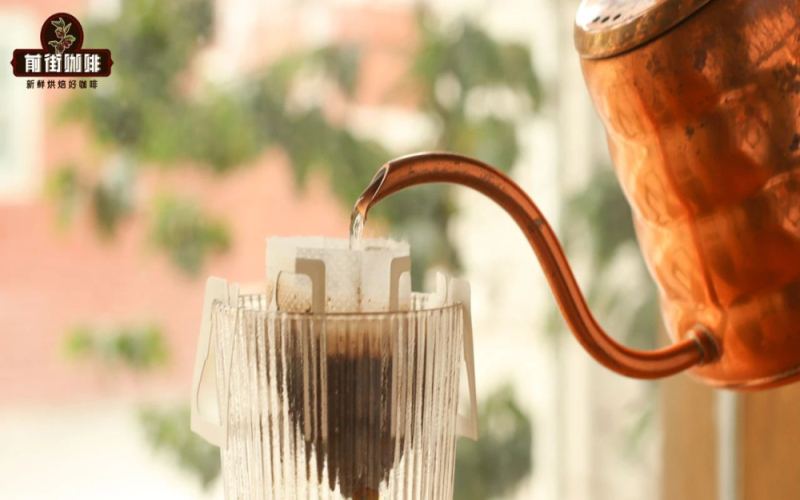
What's the difference between drip bag coffee and instant coffee? Front Street explains the brewing techniques and shelf life of filter-style drip bags in detail.
Are drip bag coffee and instant coffee the same thing? Many friends who are just getting into coffee have this question. In fact, instant coffee is a coffee extract that has undergone a drying process, while a drip bag is a simplified version of pour-over coffee—the two are completely different from raw materials to flavor. This article, from the professional perspective of Front Street, will systematically explain the origins of drip bag coffee, its pros and cons, how many times it can be brewed, purchasing advice, and specific brewing steps, while also answering the question of the shelf life of filter-style drip bag coffee packets. Whether you are a coffee beginner or a daily drinker, you will find practical reference information here. [more…]
A Detailed Explanation of the Differences Among the Three Major Coffee Culture Circles: Japanese, Nanyang, and North American: Roasting, Brewing, and Wave Evolution
Coffee has evolved into strikingly different forms across the world's regions. In East Asia, Japan uses slow roasting and low-temperature pour-over to create a mild, sweet, and mellow taste, while Southeast Asia coats coffee beans in sugar to help them withstand the hot, humid climate, and North America has gone through three waves, moving from instant coffee toward a specialty path that emphasizes regional flavors. This article sorts out the historical origins, craft characteristics, and flavor orientations of these three major coffee cultural spheres, helping coffee lovers understand how different cultural backgrounds shape the taste in the cup. Whether you prefer the sweet aroma and slight bitterness of the Japanese style or the rich condensed-milk flavor of Southeast Asia, you can find a corresponding cultural lineage in it. [more…]
How Does Caramel Coffee Frappuccino Taste? Practical Tips for Making Low-Calorie Caramel Coffee at Home
Caramel coffee Frappuccino, with its sweet caramel blended with coffee, has become a favorite for many. But store-bought versions often contain high sugar and calories—can you make a cup of caramel coffee at home that tastes just as good with fewer calories? This article starts with the classic layers of a caramel macchiato, walks you through the taste characteristics of caramel coffee, and shares two home-brewing approaches: instant and freshly ground. It also offers bean recommendations and brewing tips from Front Street Coffee for those who prefer a lighter taste, so you can enjoy the satisfying blend of caramel and coffee while keeping calories in check. [more…]