







Search Results for: Home Coffee Making
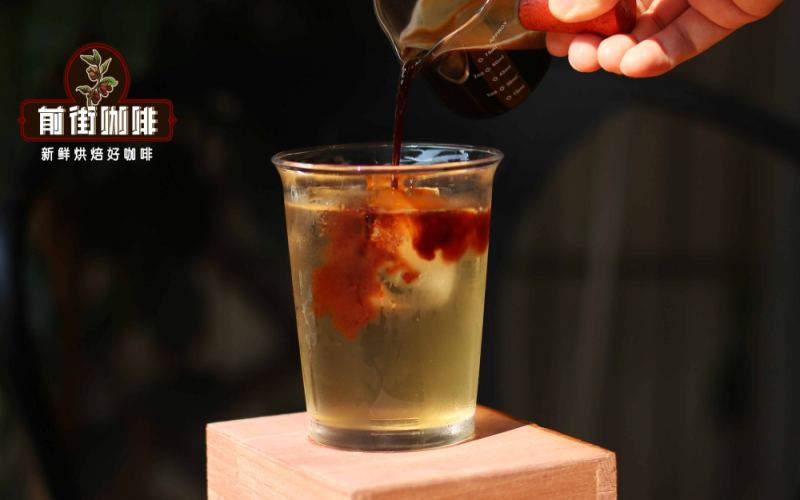
Home Coffee Machine Bean Selection Guide | What kind of coffee beans should be used for making espresso at home? What are some recommended affordable and tasty everyday beans for home coffee machines?
Unlike the positioning of a coffee shop, home brewing often pursues value for money—the coffee must taste good and be affordable, making it a daily staple. So regardless of the extraction method, when choosing coffee beans, we prioritize whether they can become an everyday go-to. Nowadays, espresso machines are no longer a "luxury" exclusive to cafés, [more…]
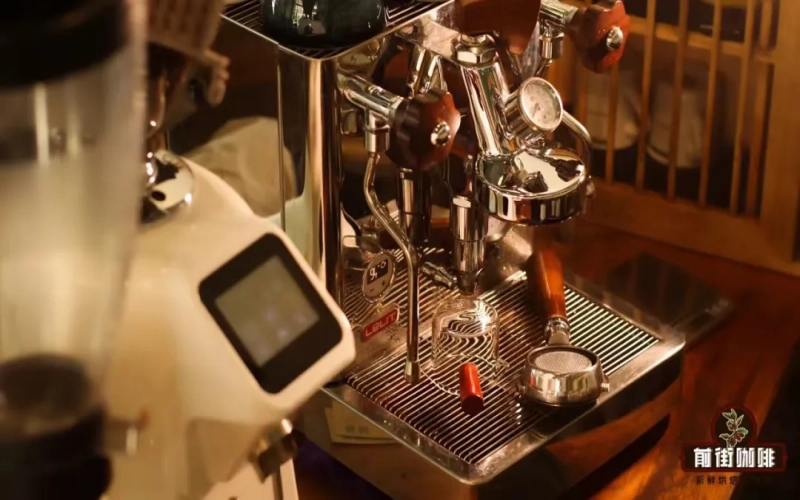
Guide to Using a Home Espresso Machine: The Complete Process from Semi-Automatic Operation to Latte Making
Home coffee machines fall into two main categories: fully automatic and semi-automatic. The former completes grinding and brewing with a single button press, while the latter requires the user to personally take part in every extraction step. For those who want to make a delicious latte at home, understanding the key operating points of a semi-automatic espresso machine and choosing the right coffee beans suited for espresso are essential steps that cannot be avoided. This article will begin with the basic classification of home coffee machines, gradually introduce the extraction principles of semi-automatic espresso machines and suggestions for selecting coffee beans, and then use a classic blend as an example to fully demonstrate the entire process—from grinding, tamping, and extracting espresso to assembling an iced latte—helping coffee lovers easily recreate a cocoa-cream-flavored iced latte at home. [more…]
What equipment and coffee beans are needed to make coffee at home? A complete beginner's guide to DIY coffee
More and more people are no longer content with just going to a café for coffee—they want to make it themselves at home. But faced with a dizzying array of equipment and coffee beans, beginners often don't know where to start. This article systematically lays out a complete approach to home coffee DIY: from choosing a grinder and brewing equipment, to judging the freshness and quality of coffee beans, to building up your brewing methods and coffee knowledge, helping you find the approach that suits you step by step and easily become a home barista. [more…]
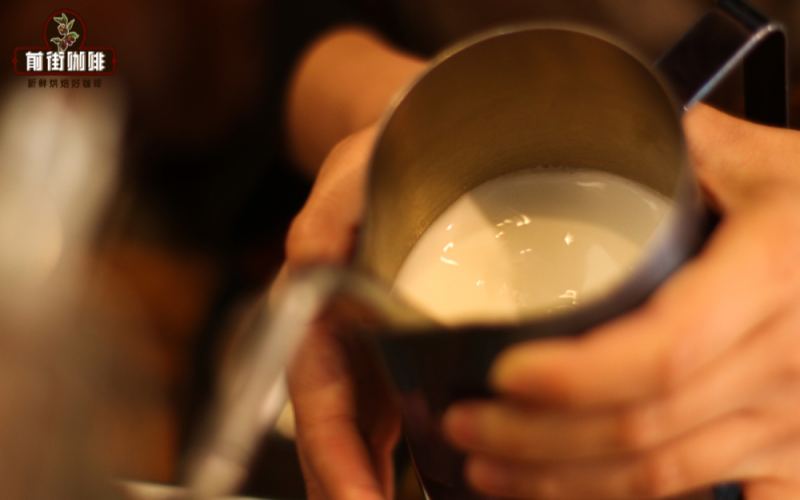
Making a Latte at Home from Scratch: A Complete Guide from Milk Frothing Principles to Step-by-Step Practice
Replicating a silky latte at home is often difficult not because of the coffee beans themselves, but because of milk frothing and integration. This article starts with the physics of milk foaming, gradually breaks down the roles of milk proteins, lactose, and milk fat during frothing, and offers solutions one by one for the three common pain points of home users—poor espresso quality, insufficient milk concentration, and incorrect frothing posture. The article also recommends two products suitable for home use, Front Street Coffee Classic Espresso Blend and Front Street Coffee Dark Cocoa Espresso Blend, and includes six key steps from pouring milk to latte art, helping coffee enthusiasts systematically master the core techniques of latte making. [more…]
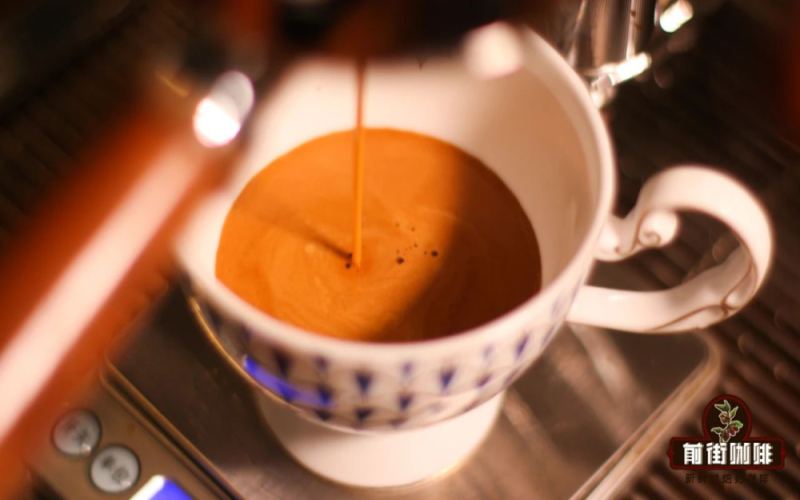
Espresso Coffee Characteristics | Which Coffee Beans to Choose for Making Espresso at Home with a Home Espresso Machine? Recommendations for Delicious and Affordable Specialty Blend Coffee Beans for Espresso Extraction
Many coffee enthusiasts have unknowingly accumulated a lot of coffee equipment at home, and those obsessed with espresso have even stocked up on espresso machines, ready to pull their own shots. But many people don't know how to choose coffee beans suitable for espresso extraction, agonizing over whether to buy dark roast or light roast, blended or single-origin, and how home use and commercial use [more…]

How can latte flavor be balanced? A complete detailed breakdown from bean selection to milk foam for making a delicious latte at home
Many people find that the lattes they make at home never quite match the taste of those from a coffee shop. Where exactly does the problem lie? In fact, making a latte is not complicated—as long as you get the details right in a few key steps, home equipment can also produce a satisfying result. Drawing on Front Street Coffee's actual production experience, this article breaks down the core factors that affect latte flavor one by one, covering the choice of roast level for coffee beans, the logic of pairing milk with beans, the basic parameters for espresso extraction, how to handle milk foam, and adjusting the ratio of espresso to milk, helping coffee lovers find a latte-making approach at home that suits their own taste. [more…]

Can home coffee machines make SOE? How do you adjust SOE extraction parameters?: Balancing budget and drinking frequency
When it comes to making SOE with a home coffee machine, we should start with the actual taste in the cup. For everyday bean buying, you need to consider how quickly you'll drink them, how much to buy at once, and whether you mainly make black coffee or milk coffee at home. The roast level of the coffee beans determines the basic taste, the origin and processing method bring differences in aroma, and the equipment you use will change the strength, so when choosing beans you need to [more…]
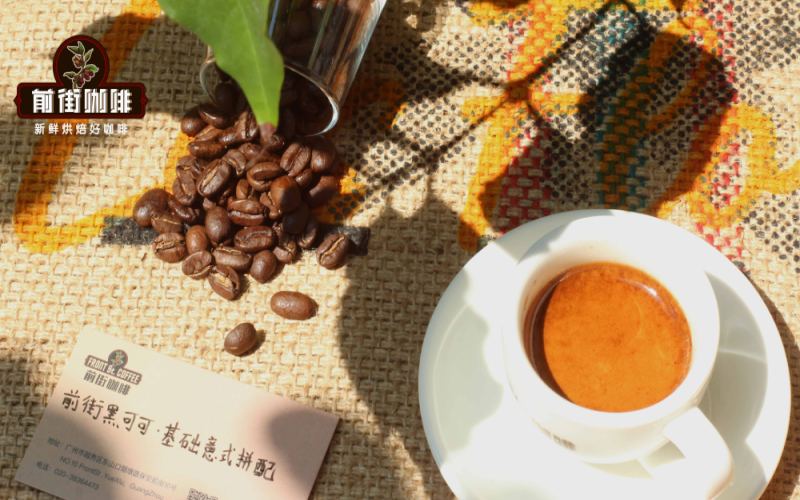
Bean Selection Guide for Making Americano with a Home Espresso Machine: A Full Breakdown of Brewing Parameters for Blends and Single-Origin Beans
To make a crisp, easy-drinking Americano at home with a coffee machine, choosing the right beans is the first step. An Americano is essentially espresso diluted with water, so the roast level and flavor profile of the beans directly determine success or failure. This article focuses on the home setting, first explaining why espresso beans are suitable for making Americanos, then offering specific recommendations in three directions: medium-roast blends, medium-dark roast commercial blends, and medium-roast single-origin SOE, including Front Street Coffee Strawberry Candy, Front Street Coffee Commercial Blend, Front Street Coffee Huakui, and Front Street Coffee Yirgacheffe Red Cherry, along with corresponding parameters for dose, extraction time, liquid weight, and water dilution ratio, so readers can follow them directly according to their taste. [more…]
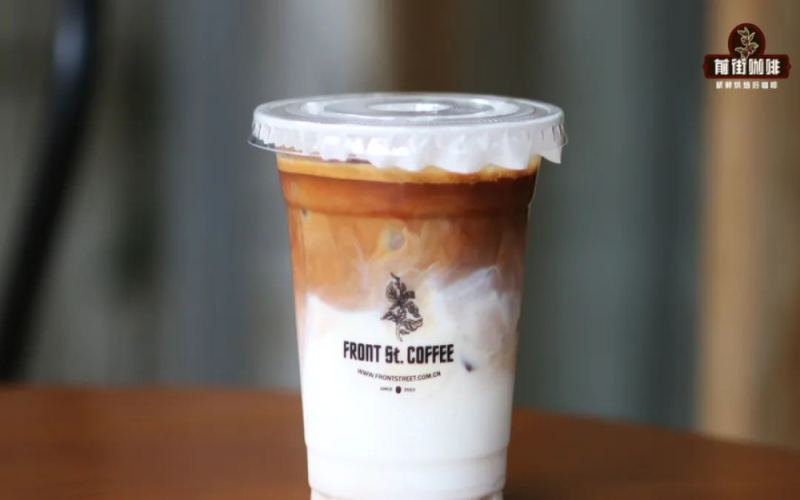
What Is a Latte? A Detailed Guide to Making Iced Latte at Home and Milk Ratios
As midsummer arrives, icy drinks become the top choice for beating the heat, and a glass of iced coffee is a favorite for many. Rather than going out to buy one, why not make an iced latte at home yourself? From the professional perspective of Front Street Coffee, this article will introduce the definition of a latte and explain in detail how to make an iced latte, including selecting coffee beans, choosing the right milk, and the specific steps for each stage. We will also recommend Front Street Coffee's specialty blend and Front Street Strawberry Candy espresso blend beans, which are suitable for making iced lattes, to help you easily recreate a well-balanced, silky iced latte at home. [more…]
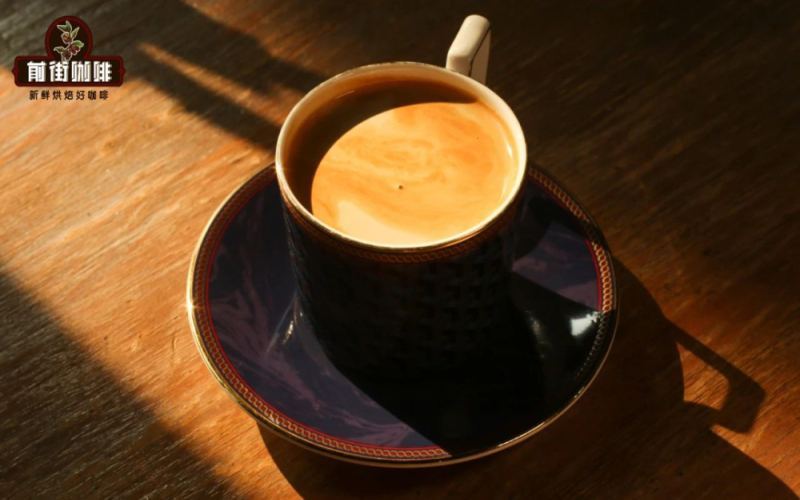
An analysis of the relationship between Americano and black coffee, plus four espresso blend beans recommended for home brewing
Many people are used to making coffee at home. Pour-over, drip bags, and lattes all have their fans, but when it comes to popularity, Americano has always firmly held the top spot. It has a clean, sweet, and mellow taste—neither sour nor bitter—with a hint of sweetness returning in the aftertaste. It's suitable for waking up in the morning, cutting grease after a meal, or getting through the afternoon. However, making a delicious Americano at home isn't just about brewing it casually. This article focuses on three key points: choosing freshly roasted coffee beans, prioritizing espresso blends, and precisely controlling the extraction ratio. At the same time, tailored to different needs, it introduces four espresso blends from Front Street Coffee with distinct styles, ranging from entry-level value to the same flavors used in coffee shops, helping readers find the everyday beans that suit their own daily Americano-making. [more…]
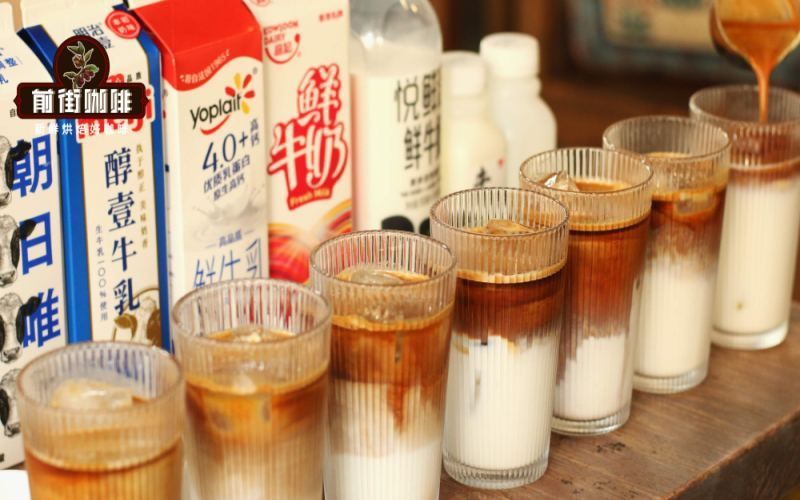
The Complete Guide to Making Iced Latte at Home: From Choosing an Espresso Machine and Pairing Espresso Beans to a Detailed Explanation of Coffee-to-Milk Ratios
Want to recreate a coffee shop's iced latte at home, but always feel like the taste falls a bit short? The problem usually lies in three areas: whether the espresso machine's pressure performance is up to standard, whether the flavor of the espresso beans and milk are in harmony, and whether the ratio of espresso to milk is appropriate. Drawing on Front Street Coffee's practical experience, this article systematically sorts out the key points of making iced lattes at home—including how to judge the extraction capability of a home espresso machine, the coffee-to-milk ratios suited to dark-roast and light-roast espresso beans respectively, how to manage the resting period of coffee beans, and the impact of ice cube selection on the finished drink's mouthfeel. Whether you are a beginner who has just acquired your equipment or a seasoned player looking to further stabilize your output, you can find actionable reference solutions here. [more…]
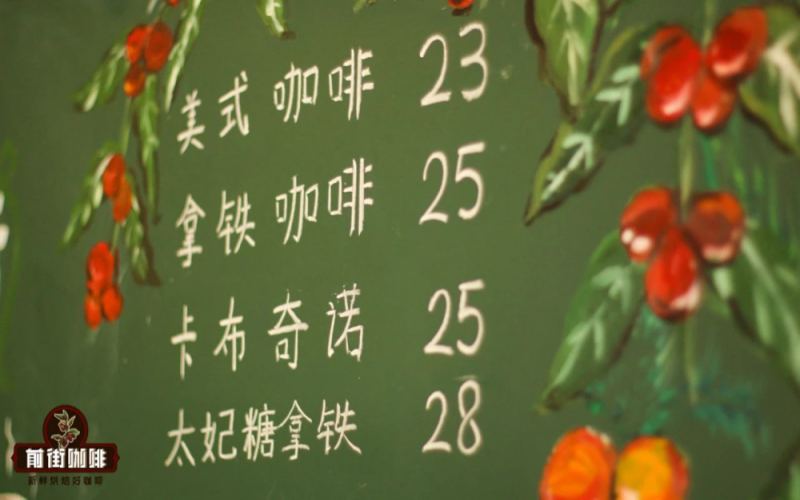
Making Lattes at Home: Espresso Extraction Essentials, Coffee Bean Recommendations, and a Complete Guide to Milk Ratios
Replicating the latte flavor of a coffee shop at home is actually not complicated. The key lies in choosing the right coffee beans and milk, mastering stable espresso extraction, and then finding the coffee-to-milk ratio that suits your own taste. This article starts with the definition and evolution of the latte, recommends three Front Street Coffee Italian-style blend beans suitable for home use, and breaks down the links one by one around coffee bean freshness, resting period, extraction parameters, and milk coffee ratios. It will also discuss common confusions such as the output gap between home machines and commercial machines, and whether milk foam needs to be steamed, helping coffee lovers make a cup of latte that satisfies them under everyday conditions. [more…]
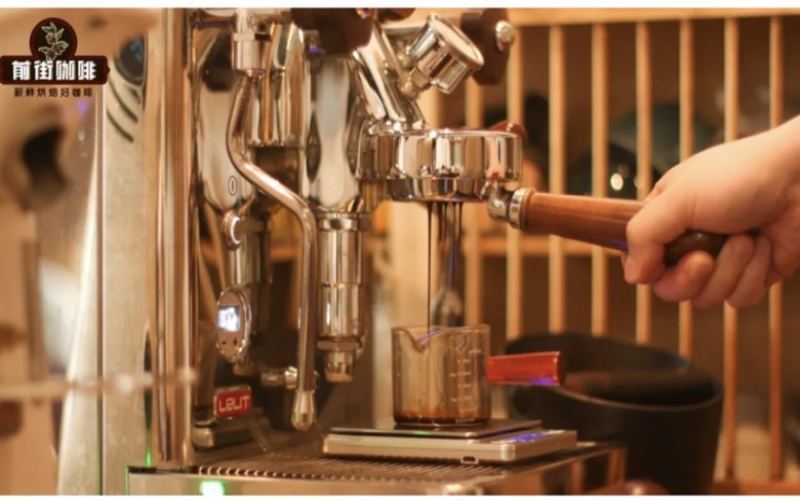
Exploring Single Origins for Home Espresso: How SOE Performs on Home Machines
Playing with SOE on a home semi-automatic machine is where many coffee enthusiasts find the joy of leveling up. SOE means making espresso from single-origin beans, and it delivers a strikingly distinct flavor profile that lets you taste the unique character of a growing region. Although home machines have limited extraction conditions, with the right beans and well-tuned parameters, SOE can still perform in a way that's well worth looking forward to. [more…]
How do you make a mocha at home? A guide to choosing coffee beans for making mocha
Mocha coffee has won countless fans with its classic combination of coffee and chocolate, but nowadays many cafes have removed it from their menus, and Front Street locations have recently received a string of related inquiries. Since it is not easy to buy outside, making it at home has become the best way out. This article focuses on the question of bean selection for mocha coffee: why does Front Street recommend its own classic espresso blend? This recipe, composed of three green beans from Brazil, Indonesia, and Vietnam and given a deep roast, with its rich aroma and abundant, velvety crema, can support the chocolate flavor very well, making homemade mocha twice as effective with half the effort. At the end of the article, the official purchase channel information is also included. [more…]
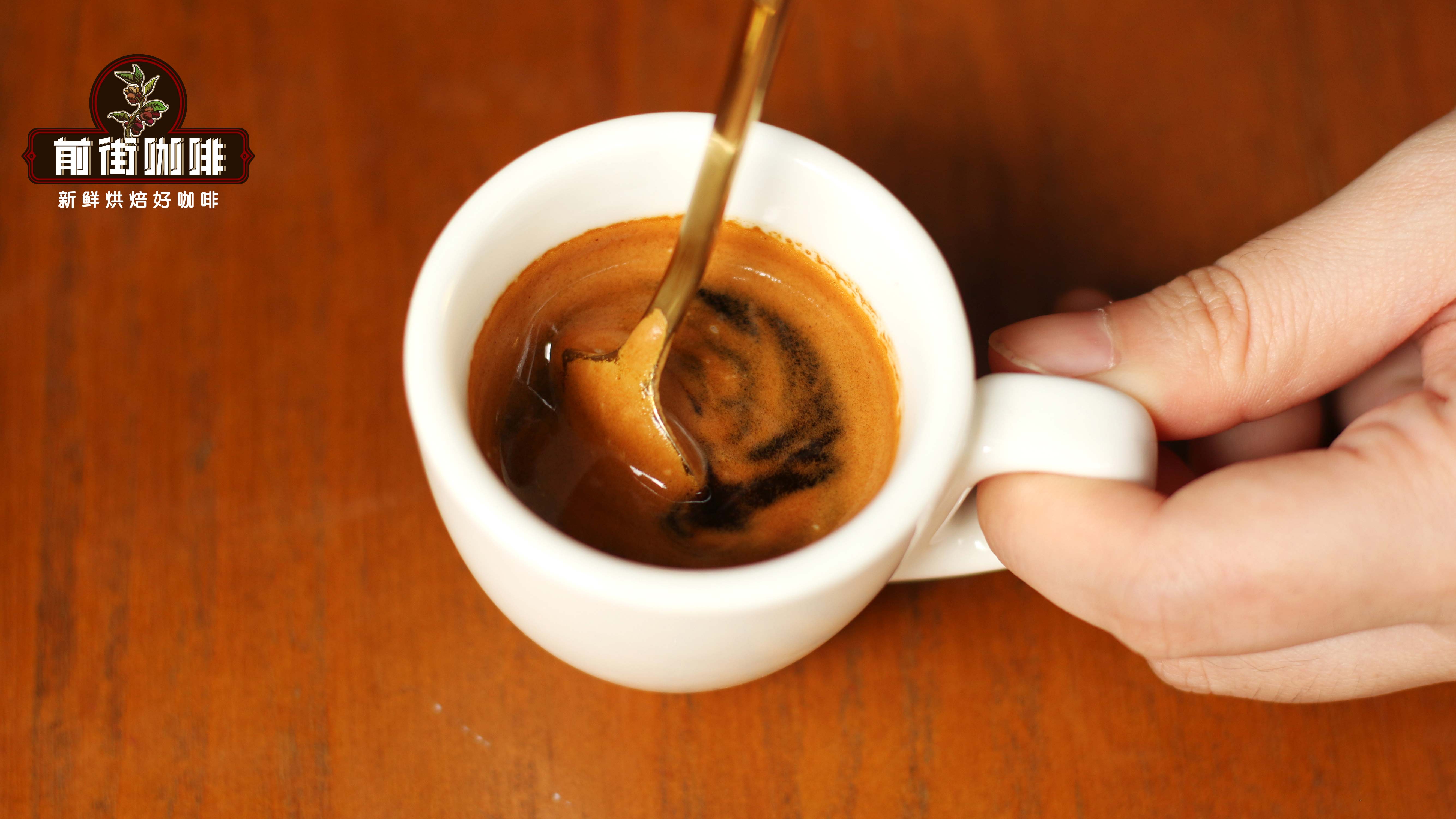
Intro to Espresso | What Are the Ways to Drink Espresso? What Coffee Beans Should Beginners Use for Making Espresso at Home?
"How do you drink espresso?" - It has to be downed in one gulp! Don't think this is a joke—espresso really is meant to be downed in one gulp! Many friends may find espresso very bitter the first time they try it, but gradually, you'll come to sense the rich aroma and full-bodied depth of espresso's original flavor—something other cof [more…]
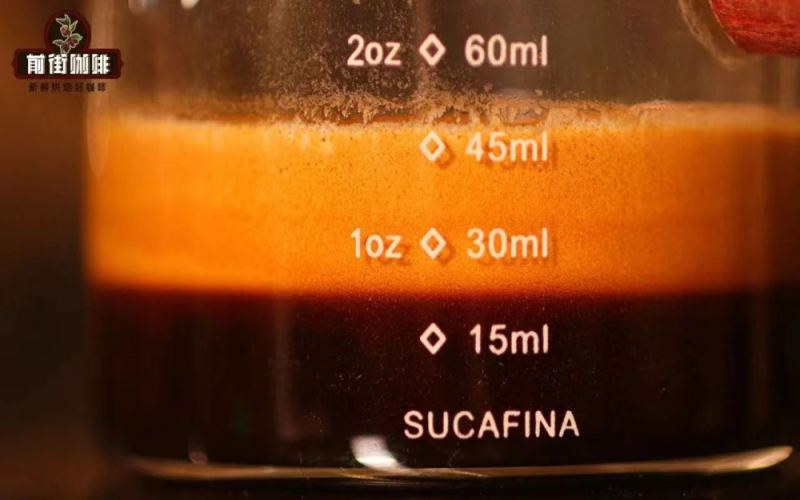
How to Choose Espresso Blend Coffee Beans for Home Use? Five Front Street Specialty Blend Recommendations and Flavor Analysis
Blending is the soul of espresso, and an outstanding blend can often become the signature product of a café or brand. Compared with single-origin coffee, blends have greater advantages in smoothness of mouthfeel, balance of flavor, and extraction stability. For home users, choosing an espresso blend requires balancing three dimensions: whether the flavor is appealing, whether the quality is consistent, and whether the price is reasonable. Focusing on these three points, this article selects five specialty blends suitable for home use, covering different directions such as rich and full-bodied, floral and fruity, nutty, café-style, and high cost-performance, and includes the origin formula and suitable scenarios for each bean to help you find the one that best suits your taste. [more…]
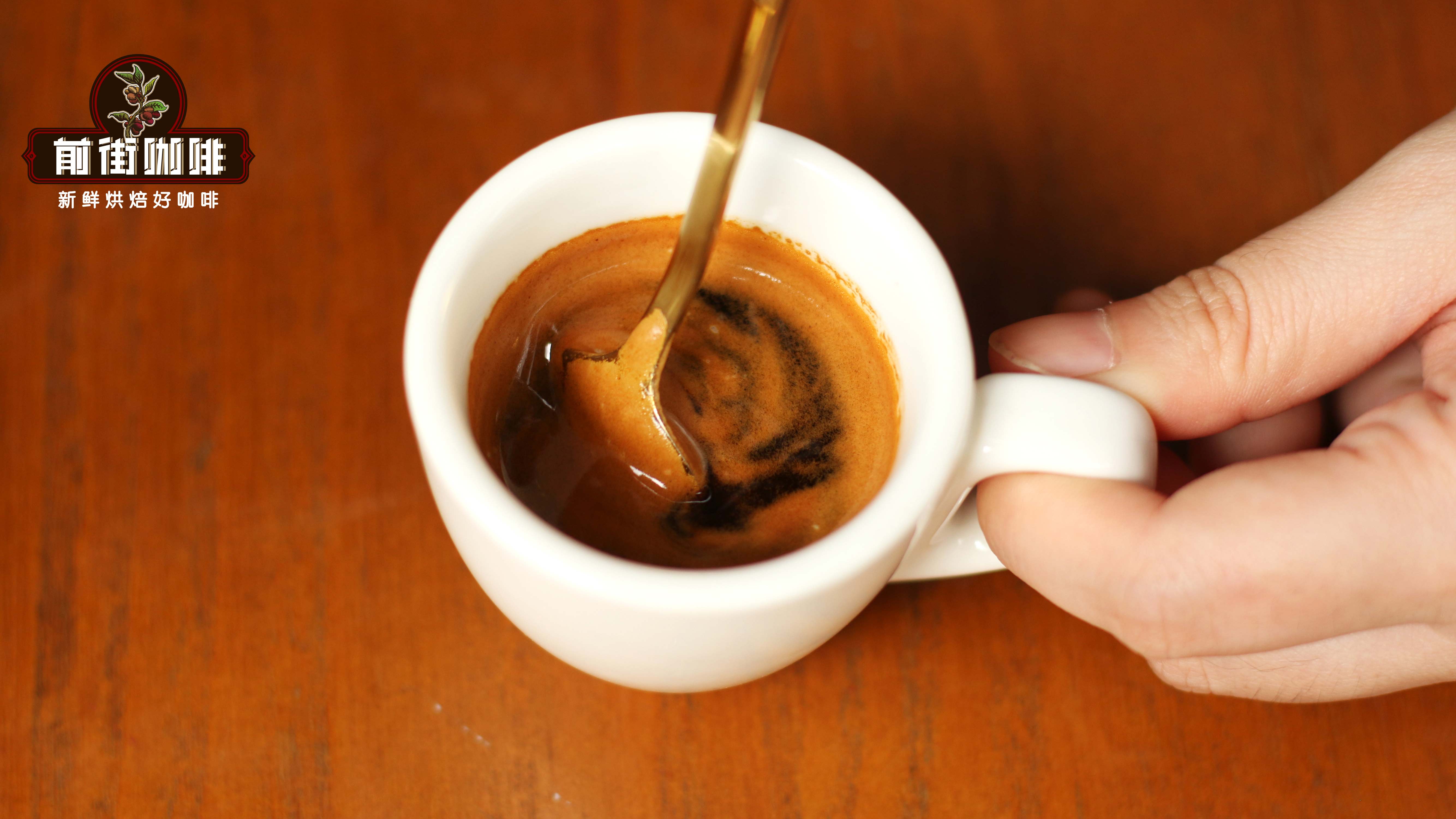
Beginner's Guide: Five Ways to Taste Espresso and a Home Blend Bean Buying Guide
How exactly should you drink Espresso? Many friends who are new to coffee get intimidated by its intensity the first time they try it, but as your palate gradually adapts, you'll come to appreciate a richness and depth of flavor that other coffees simply can't replicate. This article starts with the etymology and history of Espresso, traces its technological evolution from steam-powered machines to modern pressure-extraction methods, and answers the question of whether "making it into an Americano would taste better." At the same time, for those who want to brew at home, we recommend four Front Street Coffee espresso blends, covering the classic Mamba style, specialty nutty notes, fruity and floral sweet-and-tart flavors, and commercial-grade everyday options, to help you find the cup that best suits your taste. [more…]
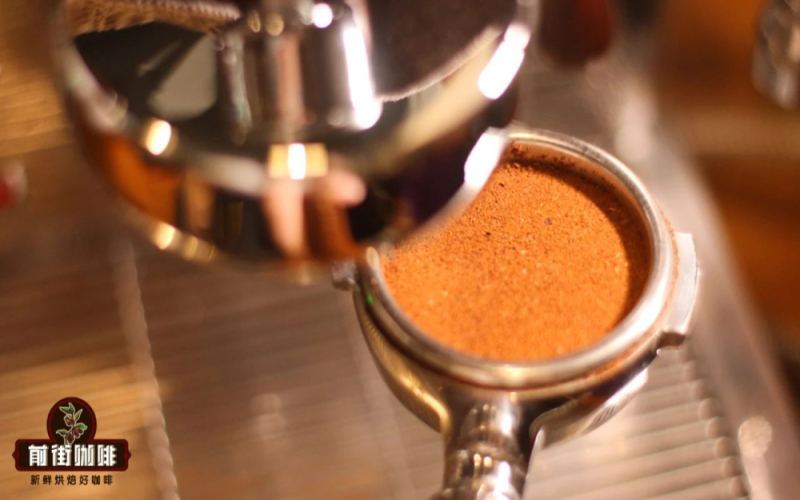
How to choose coffee beans for home use? Pick the right Front Street Coffee espresso blend beans by taste and scenario.
When making coffee at home, choosing the right beans is the first step. There are many types of coffee beans on the market: by use case, they can be divided into commercial beans and home-use beans; by extraction method, there are pour-over beans, espresso beans, and cold brew beans; and by category, they are further divided into single-origin beans and blended beans. Single-origin beans come from a single region or estate, with a clean and clear flavor, suitable for pour-over, cold brew, and similar methods; blended beans usually refer to espresso blends, which maintain flavor stability through a combination of multiple regions and have a rich, solid mouthfeel. Different taste preferences correspond to different bean choices. This article recommends suitable Front Street Coffee espresso blends one by one according to needs, from classic rich-crema types to high-value beginner options, to help you find the bag that best suits your home. [more…]
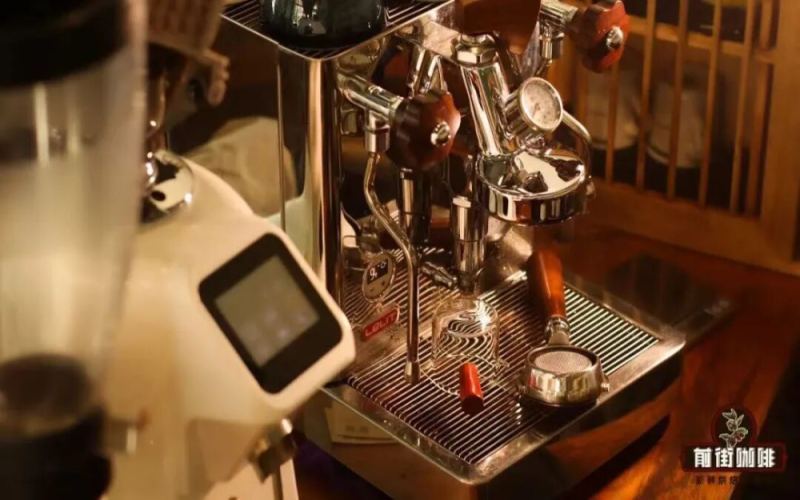
Home Semi-Automatic Espresso Machine Operation Guide: How to Make Espresso and Choose Compatible Coffee Beans
As brewing coffee at home becomes a daily habit, more and more enthusiasts are starting to try making espresso with home coffee machines. This article begins with machine types and price ranges, focuses on the differences between semi-automatic and fully automatic coffee machines, and recommends home-friendly coffee beans for different flavor preferences, including Front Street Coffee. Brazil Queen's Estate, Front Street Coffee. Golden Mandheling, Front Street Coffee Strawberry Candy Espresso, Front Street Coffee. Classic Italian Blend, and more. Finally, it breaks down in detail the complete steps for making espresso with a home semi-automatic machine, from distributing the grounds and tamping to adjusting extraction parameters, helping beginners make a cup of espresso with rich crema and balanced taste. [more…]
Are Espresso Blend Coffee Beans Good? Five Specialty Blend Beans Recommended for Home Espresso Machines
Blended coffee beans are a signature product of cafes and brands. Compared with single-origin beans, they deliver a rounder, more balanced taste and more stable extraction performance. For home users, choosing beans requires balancing three dimensions: good taste, consistent quality, and reasonable price. Based on these three criteria, this article selects five specialty blend beans suitable for home espresso machines, covering different styles such as rich and full-bodied, fruity and tangy, nutty, cafe-style, and high cost-performance, and introduces in detail each bean's recipe approach, roasting characteristics, and suitable scenarios. At the end, it also introduces the brand background and purchasing channels of Front Street Coffee, helping coffee enthusiasts and shop owners find everyday staple beans that suit them. [more…]