







How Do You Taste Espresso Coffee Beans at Their Best?
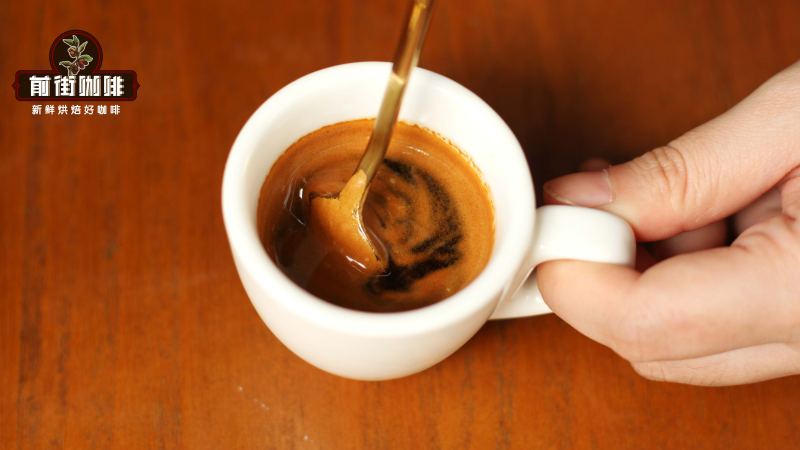
Espresso is meant to be drunk in one quick sip, not slowly sipped like a filter brew. The intense concentration and thick mouthfeel come from pressure extraction, and the flavor opens up once the palate adjusts to the bitterness. Five tasting approaches, from straight shots to Americano, let drinkers compare how the same bean behaves.
The word espresso traces to the Italian esprimere and Latin exprimō, meaning pressed out, and some linguists link it to express, or fast. The first steam-powered espresso machine was patented in Italy in 1884, built so workers could get a quick caffeine hit. A blend coffee for home brewing should match the tasting method used.
How exactly should you drink Espresso? Many friends who are new to coffee get intimidated by its intensity the first time they try it, but as your taste buds gradually adapt, you'll come to appreciate the richness and aroma that no other coffee can replicate. This article starts with the etymology and history of Espresso, traces its technological evolution from steam-powered machines to modern pressure extraction, and answers the question of whether "making it into an Americano would taste better." It also recommends four Front Street espresso blends for home brewing needs, covering the classic Mamba style, specialty nutty notes, fruity and floral sweet-tart flavors, and commercial-grade daily drinker options, helping you find the cup that best suits your taste.
"How do you drink espresso?"
-It has to be downed in one gulp!
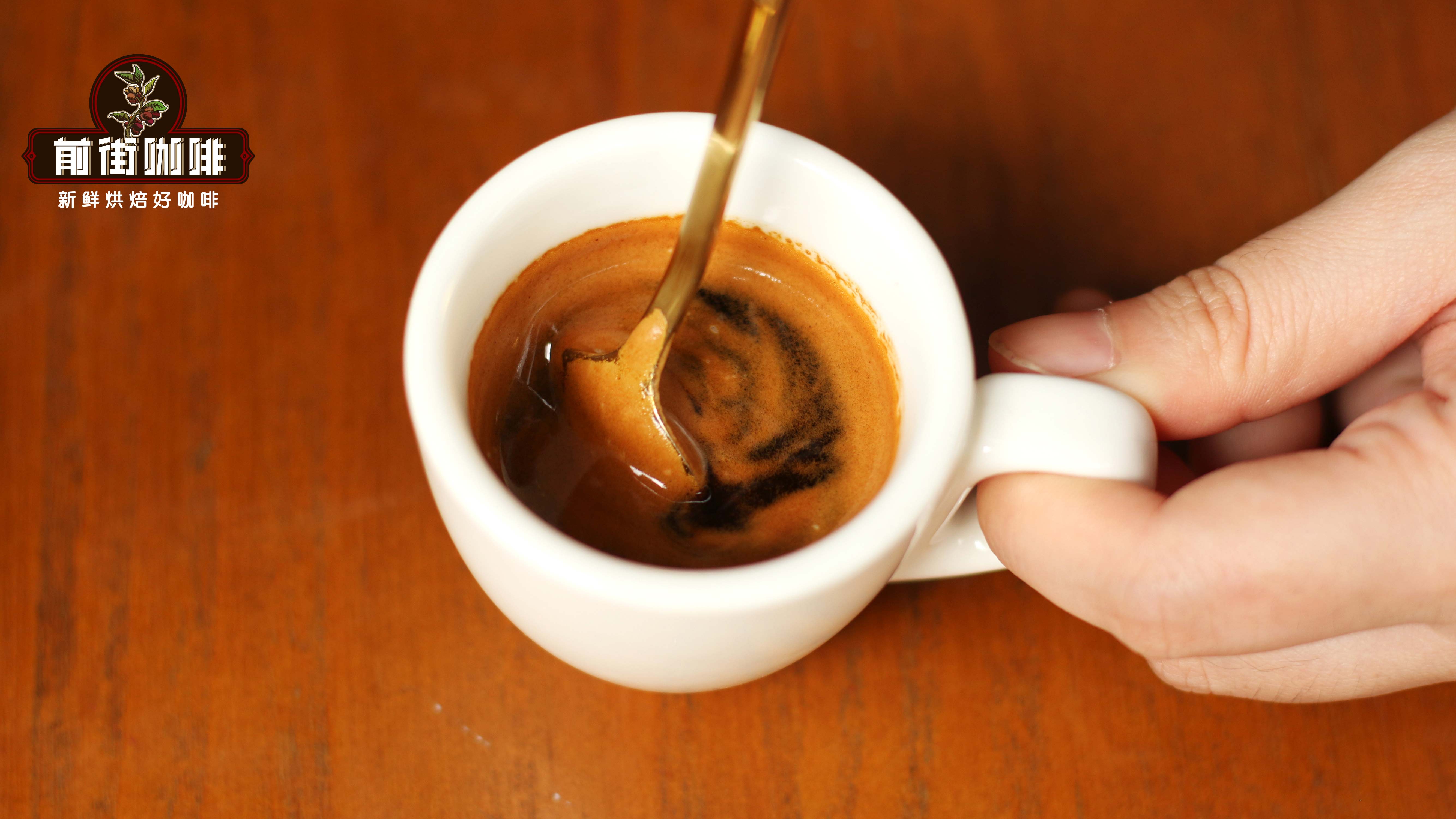
Don't think this is a joke—espresso really is meant to be downed in one shot. Many friends find it too bitter to swallow when they first try espresso, but once they get used to it, they can appreciate the intense aroma and thick mouthfeel unique to espresso, which no other coffee drink can match.
Many people also report that espresso is truly addictive the more you drink it! When you're feeling sleepy, one cup—with its super-high concentration and intense flavor impact—instantly perks you up, and even half an hour later when you drink water, you still feel like having more coffee. This experience is truly fascinating.
What is Espresso ?
The English name for espresso is Espresso. The word comes from the past participle form of the Italian verb esprimere, which traces back to the Latin exprimō, originally meaning "to press out." However, some linguists believe its meaning is closer to the English word express, meaning "fast, dedicated." Although the two etymological interpretations differ, they happen to correspond to the two core characteristics of espresso.
Making espresso is inseparable from extraction by a pressure-based coffee machine, what we now commonly call an espresso machine. The earliest espresso machine was born in 1884 during the Industrial Age. At that time, in order to quickly extract the essence of coffee so workers could swiftly drink a cup to refresh themselves and continue working, someone in Italy registered a patent for a steam-powered coffee-making machine, greatly improving the efficiency of coffee production.
Early coffee machines used the pressure generated by a steam engine to force hot water quickly through coffee grounds, extracting a rich coffee liquid. But at that time, people didn't have high demands for coffee taste, coffee bean quality was far inferior to today's, and espresso portions were very small—usually only a few dozen milliliters—so the taste was often bitter and harsh, though the refreshing effect was indeed very strong.
Even so, the speed of making this coffee and its taste deeply fascinated Italians, and espresso quickly became one of the most representative cultural symbols of the region. Later, people had higher demands for espresso's taste, so in 1901, an Italian designer acquired the patent for the steam-powered coffee machine.
Building on the original steam boiler coffee machine, he added a handle and a portafilter basket, and adjusted the grind size of the coffee beans, allowing coffee particles to form sufficient density under external pressure to resist the rapid penetration of high-pressure water flow, better dispersing the impact of the high-pressure stream so that water flows evenly through the entire coffee bed, ultimately "pressing out" a cup of coffee liquid with balanced flavor and a cleaner, smoother mouthfeel.
Although the flavor and mouthfeel improved, the concentration remained very high, so when drinking espresso, people still maintain the tradition of standing and downing it in one gulp, then leaving without lingering too long in the café.
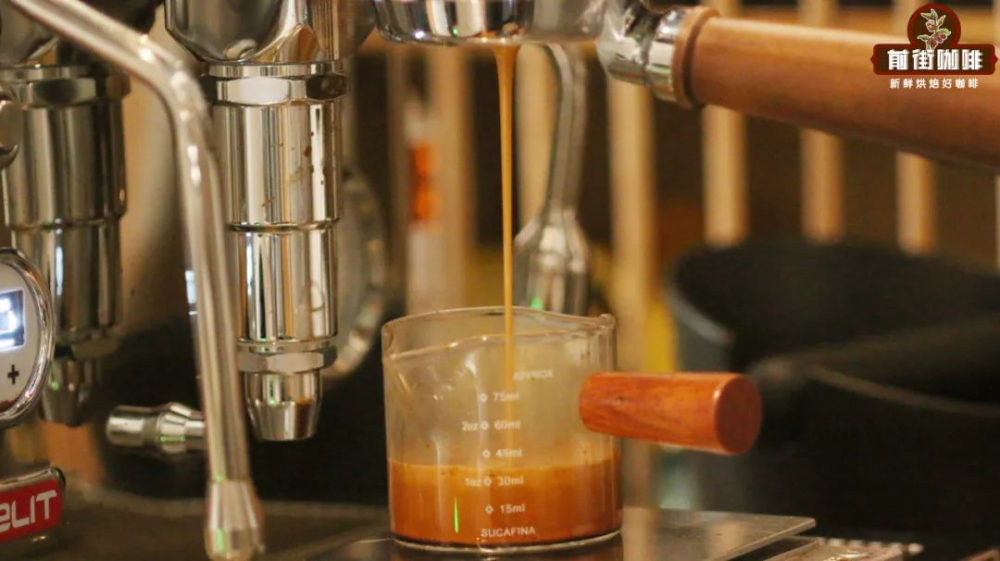
Rather than drinking it straight, espresso is more often made into Americanos, lattes, cappuccinos, and other coffee drinks before consumption. Therefore, when buying home espresso beans, try to choose types that can accommodate multiple coffee flavors.
Home Espresso Bean Recommendation ①: Front Street Classic Espresso Blend
Most coffee enthusiasts have only heard of Mamba coffee but aren't quite clear on the "Mamba" recipe and its origins. Actually, Mamba is a combination of Indonesian Mandheling beans and Brazilian coffee beans, which complement and harmonize each other in flavor. Early coffee shops in Taiwan were very fond of Mamba blends—it could be considered an old-school coffee flavor. Front Street Classic Espresso Blend adds Robusta to the Mamba recipe, fully enhancing the coffee's crema and making the espresso's body stronger. It's suitable for home brewing and also for latte art.
Home Espresso Bean Recommendation ②: Front Street Specialty Espresso Blend
Brazil and Colombia are among the world's top coffee-producing countries. Front Street combines coffee beans from these two regions—the nutty aroma and balanced mouthfeel of Brazilian coffee, plus the chocolate notes of Colombian coffee, perfectly achieving an effect greater than the sum of its parts. The extracted espresso has flavors of cream cookies, cocoa, and roasted nuts, suitable for those who don't like acidity, for making Americanos and lattes.
Home Espresso Bean Recommendation ③: Front Street Strawberry Candy Espresso Blend
If you want to make espresso with fruity and floral notes, you should mainly use medium-roast coffee beans. We recommend Front Street Strawberry Candy espresso coffee beans, which can be ordered directly from Taobao or Tmall stores. This is a blend featuring two major origins: Front Street Costa Rica Tarrazú, known for its honey processing, and Ethiopia, the birthplace of coffee, paired with Colombian coffee beans. The espresso brewed this way is not only non-harsh but also, under coffee machine extraction, has good crema and a creamy texture, along with a sweet-tart taste like strawberry gummy candy. It's suitable for making Americanos or lattes.
Home Espresso Bean Recommendation ④: Front Street Commercial Espresso Blend
If you want to replicate the same Americanos and lattes from coffee shops, you can buy Front Street Commercial Blend coffee beans. It uses a blend of three major origins—Brazil, Colombia, and Vietnam—and after medium-dark roasting, it has rich coffee crema and roasted aromas, specially customized for coffee shop operations. Americanos made with Front Street Commercial Blend have a mellow taste with rich dark cocoa and toasted bread flavors, very easy to drink; made into lattes, they are rich and smooth, leaving a lingering fragrance after drinking. Moreover, the price is affordable, making it a daily staple bean for home brewing.
The above content is compiled by CoffeeHunters, a coffee news website.


