







Search Results for: crowd
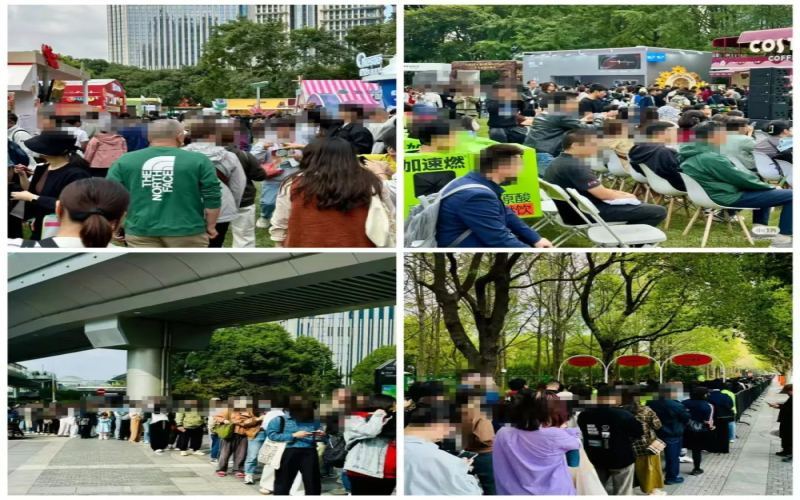
Shanghai Coffee Festival draws huge crowds: one-hour queues, poor signal and payment difficulties, while veteran enthusiasts say the flavor has become milder.
Shanghai, known as the "Coffee Capital," always attracts a large crowd of coffee lovers eager to check in at coffee festivals. However, a recent coffee event held in a park left many people with mixed feelings: entry queues exceeded an hour, the venue was packed like the Spring Festival travel rush, mobile signal was so poor that payments couldn't be made, and some specialty coffee prices were seen as steep by visitors. At the same time, some "freebie hunters" who weren't there for the coffee crowded around to collect giveaways, adding to the headaches of vendors and queuing consumers. Longtime enthusiasts lamented that the coffee festival is getting livelier and more commercialized, but that sense of ease and the true essence of coffee seem to be fading. [more…]
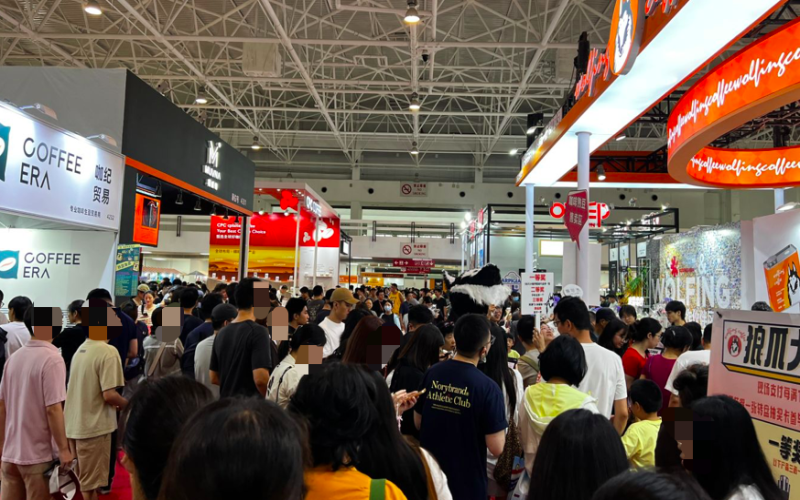
Coffee Expo Draws Huge Crowds but Sparks Controversy: Open-Admission Entry Undermines Professionalism
A recent international coffee exhibition held in Beijing sparked widespread discussion. The venue was packed with people and buzzing with excitement, yet many coffee enthusiasts who attended found that the professional exchange atmosphere they had expected was diluted by the surging crowds. Free admission attracted a large number of non-professional visitors, and money-saving guides even led to long queues in front of some booths. Some lamented that the exhibition was becoming more and more like a market, while others called on the organizers to set thresholds to ensure a better experience. What exactly happened at this coffee exhibition? Let's take a look at the real situation on the ground. [more…]
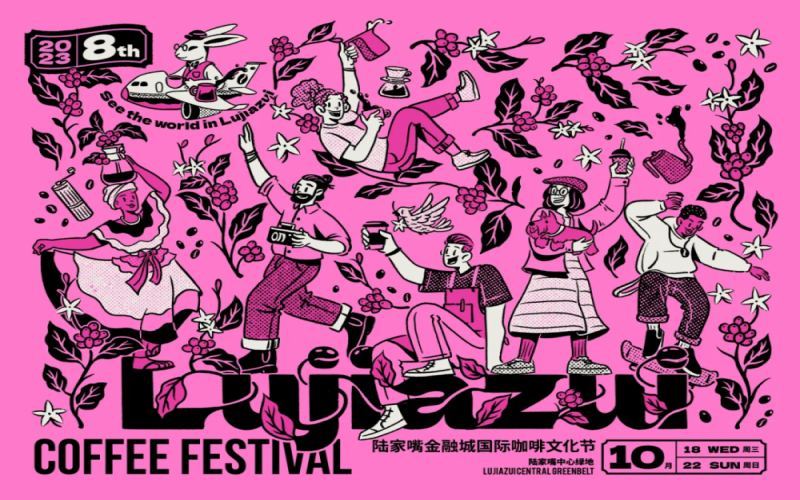
The 8th Lujiazui Coffee Festival has received mixed reviews: reservation-based crowd control and network upgrades won praise, while on-site crowding and blind box controversies persist.
The 8th Lujiazui Coffee Festival recently wrapped up in Shanghai, just half a year after the previous edition. The organizers made several adjustments in response to past issues, including full Wi-Fi coverage and timed-entry reservations. However, social media still buzzed with complaints: the venue remained packed, reservation slots were hard to secure, the 138–168 yuan coffee mystery boxes were seen as disguised ticketing, and some foreign brand experiences fell short of expectations. Despite gathering 100+ cafés from 25+ cities and brands from multiple countries, the event's weak offerings still hurt its reputation. This article reviews the highlights and gripes of this year's coffee festival. [more…]
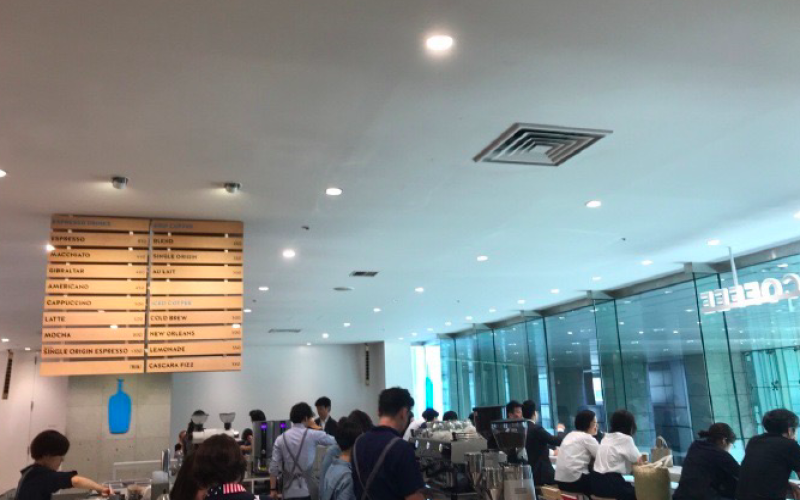
Why Blue Bottle Coffee's Shinagawa store has a rule prohibiting customers from photographing the commuter crowds outside the window
Sitting by the window in a café, sipping coffee while watching the scenery outside, is a cozy image cherished by many. Blue Bottle Coffee's Shinagawa branch, with its entire north-facing glass curtain wall, offers a panoramic view of the surging crowds of commuters at Shinagawa Station, yet it unexpectedly went viral as a "corporate slave observation café." A large number of tourists come specifically to photograph the black torrent of suited commuters outside the window, sparking discontent and complaints from the photographed office workers. The shop subsequently posted a rare notice, asking customers not to photograph the commuter scene below. This "no outdoor photography" reminder not only failed to quell the enthusiasm for checking in but instead stirred up even more curiosity. This article will take you through the unique situation of this store and the controversies and amusing anecdotes surrounding it. [more…]
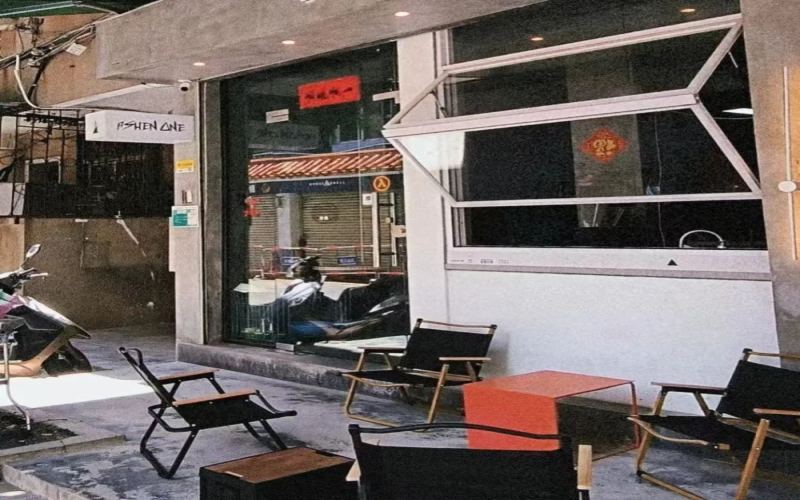
The coffee track in small cities is crowded—what else can fourth- and fifth-tier coffee shops rely on to break through?
As the coffee markets in first- and second-tier cities gradually become saturated, more and more brands are turning their attention to small cities in the fourth and fifth tiers, making the county-town coffee track unusually crowded. Using Xinhui District in Jiangmen, Guangdong as an example, this article reviews the local coffee shop scene from Starbucks' entry to the explosive growth of community stores, analyzes the three major challenges facing coffee shops in small towns: excessive competition within the same area, the downward expansion of large chain brands, and shortcomings in their social-space attributes, and observes some store owners' new idea of shifting toward a "si-doh" convenience-store model, exploring the survival space and future direction of coffee shops in small towns. [more…]
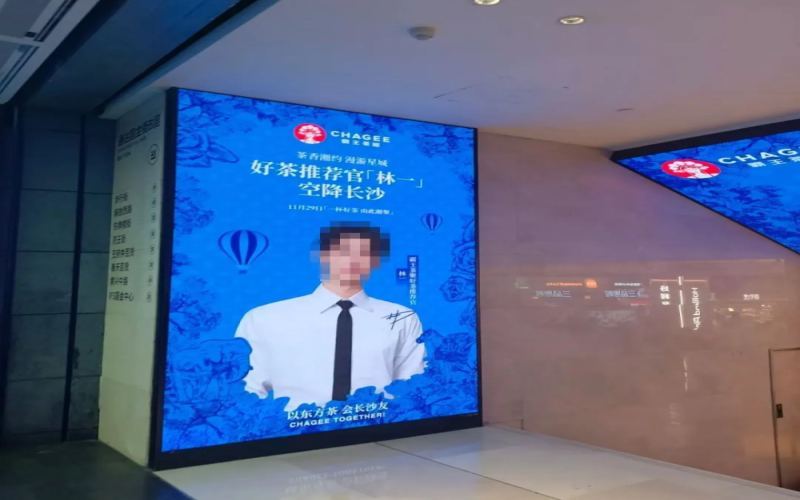
CHAGEE's offline event in Changsha was suddenly canceled, while Sexy Tea unexpectedly gained attention and orders.
At a time when tea beverage brands are competing to invite celebrity endorsements to gain traffic, Chagee originally planned to hold an offline event at Changsha IFS with celebrity Lin Yi in attendance, but it was temporarily called off because the number of people who showed up far exceeded expectations. This turn of events not only forced the brand to issue an emergency apology, but also triggered a chain reaction—a large number of disappointed fans turned to the rival Sexy Tea store also near Changsha IFS, unexpectedly bringing the latter a wave of orders and attention. This article will review the whole incident and analyze the reasons behind and impact of the cancellation of this event. [more…]
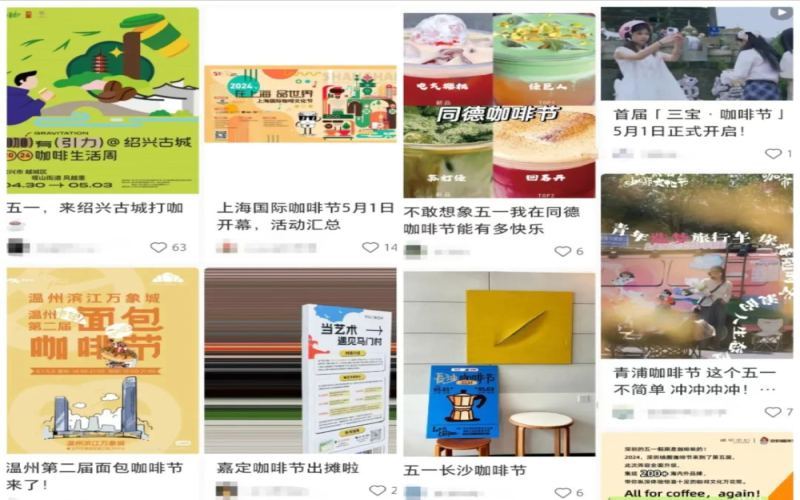
Six Coffee Festivals Crowd Shanghai During May Day Holiday, Sparking Heated Debate Over Proliferation of Specialty Drinks and Uneven Quality
The five-day May Day holiday has always been a peak time for travel. Rather than queueing for ages outside popular coffee shops, many efficiency-minded coffee lovers choose to go to coffee festivals instead, tasting all the signature drinks from various vendors in one go. According to social media, Shanghai—a city jokingly dubbed "Coffee City"—held six coffee festivals across different districts during the May Day holiday, an astonishingly high density. Yet behind the explosion in the number of coffee festivals, problems such as uneven event quality, an overload of creative coffee, inflated prices, and scarce free tastings have also drawn frequent complaints. This article walks you through the buzz and controversy of Shanghai's May Day coffee festivals, and explores the shift of coffee festivals from "industry networking conventions" to "specialty beverage tech conventions." [more…]
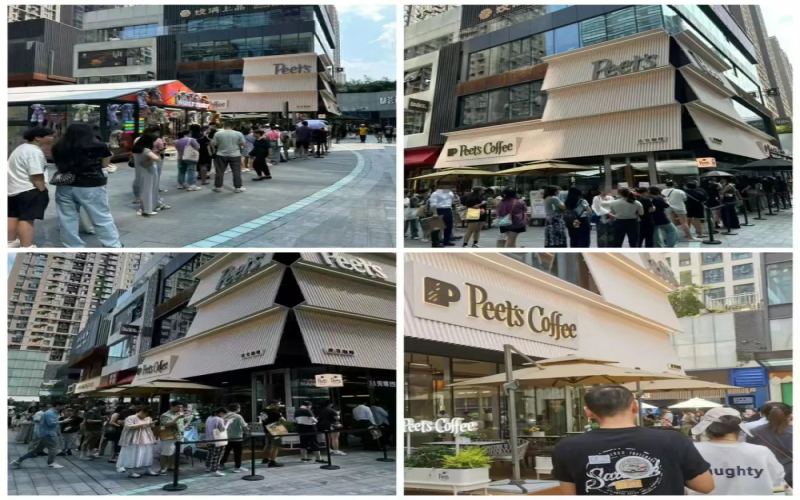
Peet's Coffee's first Xi'an store opens to a queue frenzy, with limited-edition merch becoming the scramble focal point.
The chain coffee brand Peet's opened its first store in Northwest China at Xi'an Daduhui, drawing a large crowd of fans who lined up early in the morning on opening day. What attracted the crowd was not just the title of "first regional store," but also limited-edition city-exclusive fridge magnets, enamel cups, and kraft paper backpacks and other merchandise. The number of people queuing on site was so large that the line curved around twice, and customers generally had to wait about two hours to enter the store. The store has not yet opened an online ordering channel and only supports orders at the bar, which has affected efficiency to some extent. Peet's plans to open a total of three stores in Xi'an, with subsequent stores to appear one after another. However, some consumers and enthusiasts remain wait-and-see about the brand's long-term performance in the inland market, believing that high-priced products may face challenges in the current consumption environment. [more…]
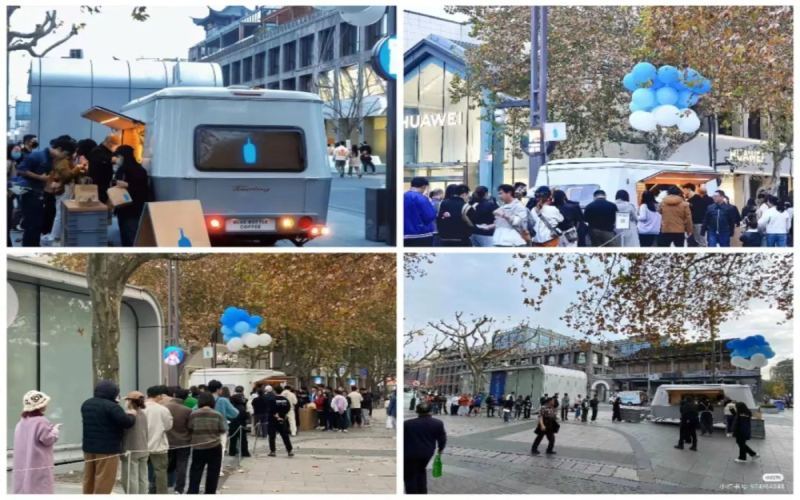
Blue Bottle Coffee Truck Residency by West Lake: One-Hour Lines on Day One, Sharp Drop in Crowds the Next Day—High-Priced Pop-Up Model Meets a Cool Reception
Specialty coffee brand Blue Bottle recently brought a grayish-white coffee truck bearing the brand's logo to the shores of West Lake in Hangzhou, planning to stay for three months. On the first official day of operation, consumers queued for about an hour in the cold wind to receive limited-edition small gifts and take photos with the retro coffee truck; however, just one day later, the bustling queue noticeably faded. The truck's limited menu is priced from 28 to 58 yuan, close to in-store prices, yet it cannot provide comfortable seating, prompting some consumers to question its value for money. Looking back at the controversy over its previous co-branded pop-up in Beijing, as well as the positive response to its Shenzhen pop-up store, Blue Bottle's Hangzhou pop-up model this time seems to face more scrutiny. Online speculation suggests this move may be to build hype for a future Hangzhou store, but the company has not yet disclosed any related plans. [more…]
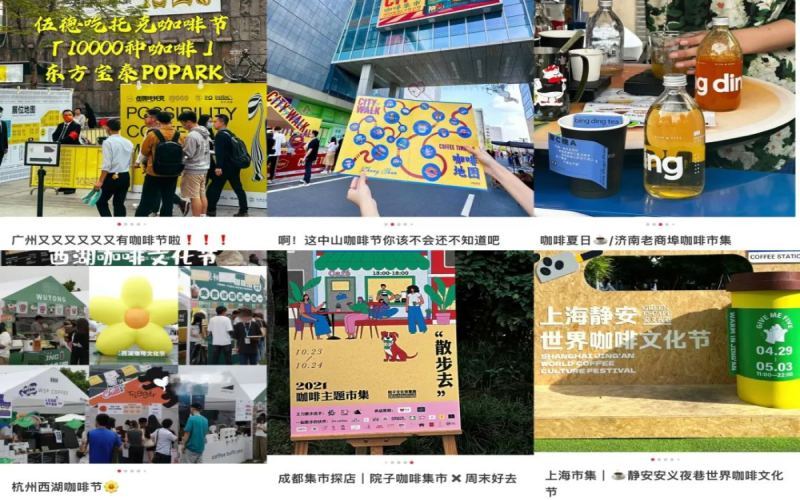
Coffee market specialty drinks average 40 yuan, sparking debate as consumers question the premium and the experience
In recent years, coffee festivals and markets have sprung up everywhere, attracting large crowds of enthusiasts and photo-taking visitors. However, some netizens have pointed out that a small cup of specialty drink averaging 40 yuan, with long queues, noisy environments, and sometimes even an entrance fee, offers far worse value for money than chain brands. Similar complaints keep appearing on social platforms, arguing that coffee markets are gradually becoming milk tea-like or bar-like, with very few stalls truly focused on basic coffee and cultural exchange. Even so, markets continue to be held one after another, and consumers seem to have become leeks that can never be fully harvested. Of course, some brands do put care and quality ingredients into their specialty drinks, but the overall impression is still hard to change. For industry practitioners and coffee lovers alike, how to balance commerce and experience has become a question worth pondering. [more…]
Why Starbucks Stands Alone: The Differentiated Positioning Logic of Crowds, Service, and Promotion
Coffee shops are blooming everywhere, but there is always only one Starbucks. Its success is not accidental, but stems from a set of positioning logic completely different from traditional cafes. This article dissects, from three dimensions—crowd targeting, service strategy, and promotion methods—how Starbucks precisely locks onto the white-collar group, how it uses space and equipment design to accelerate customer flow, and how it places its marketing focus on brand image rather than the product itself. At the same time, it analyzes the real implementation of the "third place" concept in the Chinese market, and how this concept has trapped many local coffee shop owners in operational difficulties. For coffee enthusiasts and industry practitioners, understanding Starbucks' atypical path helps to rethink the survival logic of coffee brands. [more…]
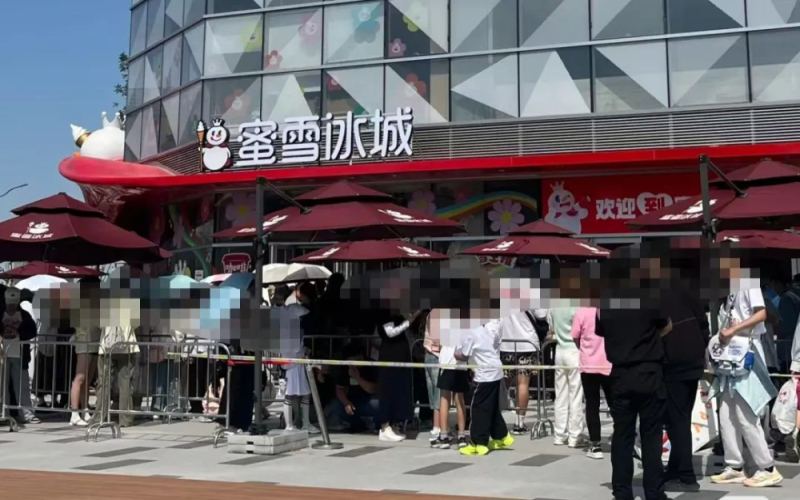
During the May Day holiday, Mixue Bingcheng's Zhengzhou headquarters became a hot spot for visitors, with long queues and sold-out issues occurring simultaneously.
During the May Day holiday, Mixue Bingcheng's headquarters in Zhengzhou, Henan unexpectedly became a popular check-in spot for tourists, with long queues forming outside the flagship store for three consecutive days, and visitors heading straight there with their suitcases. The limited-edition drinks and ice cream sold at the headquarters were affordably priced, attracting a large number of fans eager to experience the atmosphere of the "Snow King's" hometown. However, foot traffic far exceeded expectations, and some customers who had queued for hours found products sold out, while picking up orders and paying also required long waits. This sudden check-in frenzy showcased Mixue Bingcheng's immense popularity nationwide, but also exposed the brand's shortcomings in holiday inventory reserves and staffing arrangements. [more…]
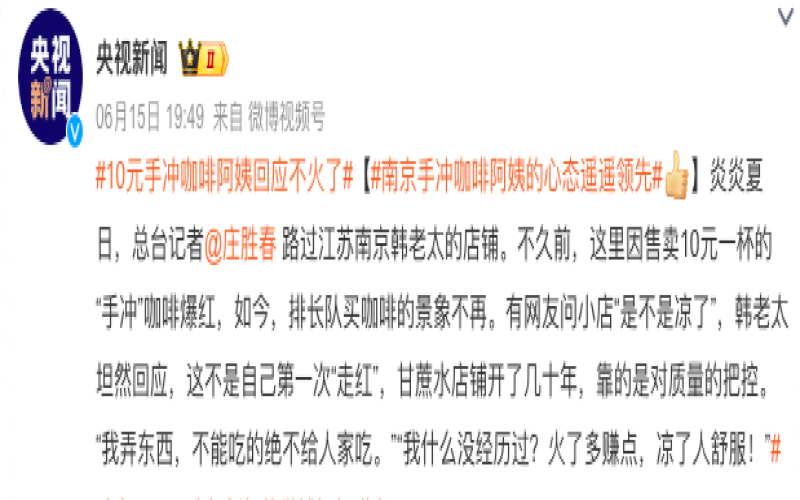
After the hand-brewed coffee craze around Nanjing's Granny Han faded, how is the 10-yuan-a-cup business doing now?
In mid-May of this year, an elderly lady running a small shop in Nanjing unexpectedly went viral online, and young people from all over the country flocked to her, just to drink a cup of coffee she brewed herself and take a photo with her. At the height of the buzz, even celebrities came to check in, and she was invited to watch a concert. However, traffic eventually recedes, and when the crowded tide of people dispersed, the small shop returned to its former tranquility. Faced with the now quiet business, this Grandma Han did not feel disappointed; instead, she felt relieved. Her story is like the cup of sugarcane water and coffee in her shop—simple yet open-minded. This article takes you through this brief storm of attention and how the person involved calmly dealt with the ups and downs of life. [more…]
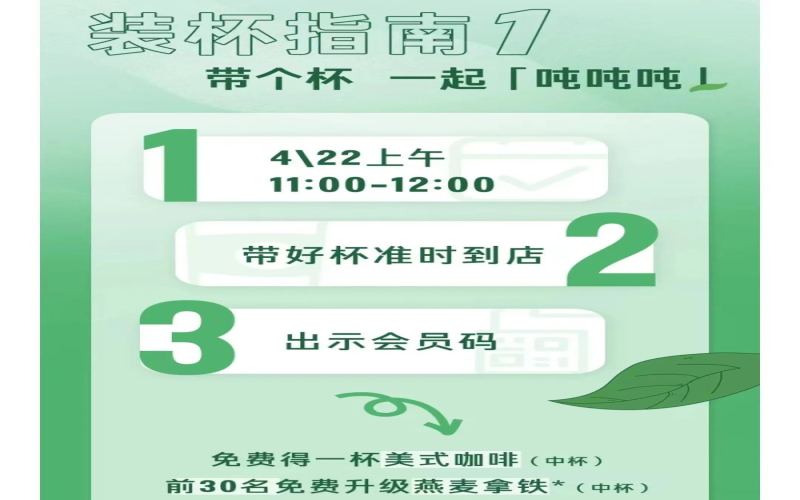
Earth Day Starbucks Bring-Your-Own-Cup Event: Coffee Lovers Gather at Stores with Creative Containers
Every year on Earth Day, Starbucks launches a free coffee promotion for customers who bring their own cups, drawing a large crowd of coffee lovers who show up with all kinds of containers. This year the event fell on a Monday, yet many people still lined up early, aiming straight for the top 30 oat lattes. Among the crowd were creative containers like pots and pans, rice cookers, and pickle jars, and even cups from brands like Luckin and Manner made a "cameo" appearance. This brief and joyful freebie frenzy was both a show of support for environmental protection and a display of coffee fans' humor and enthusiasm. Though the event has ended, everyone looks forward to meeting again next year. [more…]
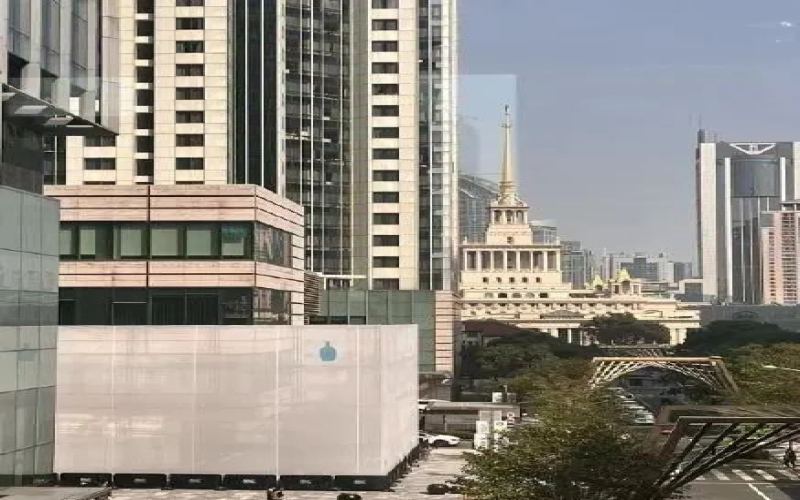
Blue Bottle Coffee Beijing Company Has Been Registered, Second Mainland China Store Set for West Nanjing Road, Shanghai
Blue Bottle Coffee is accelerating its expansion in mainland China. Following its first store in Shanghai, the second location has been confirmed for Nanjing West Road and is now under renovation. Meanwhile, Blue Bottle Coffee registered a company in Beijing in January of this year, suggesting that plans to open stores in the capital may already be on the agenda. Facing a fiercely competitive coffee market in mainland China, Blue Bottle Coffee is entering through a high-end specialty route, and whether its pricing strategy and brand effect can support subsequent expansion has become a focal point of industry attention. This article reviews the known store information, market analysis perspectives, and explores the prospects and challenges for Blue Bottle Coffee in the mainland Chinese market. [more…]
Coffee Wings Listing on the New Third Board and Free Wings Smart Coffee Machine: An Analysis of Yin Feng's New Retail Layout
CoffeeWings, as the first public company in China's coffee light-meal industry, was listed on the New Third Board in 2017, and under the leadership of Yin Feng, it launched the "Free Wings" smart coffee machine, entering the new retail sector. Investors such as He Jiong, Chen Ou, Xu Xiaoping, and Yao Jinbo appeared at the listing ceremony. With its features of being light and fast, and deeply penetrating the crowd, Free Wings plans to deploy more than 10,000 units by 2020, covering more cities nationwide. This article provides a detailed analysis of CoffeeWings' strategic layout, the product features of Free Wings and its alignment with new retail trends, while also exploring the competitive relationship between smart coffee machines and offline stores. [more…]
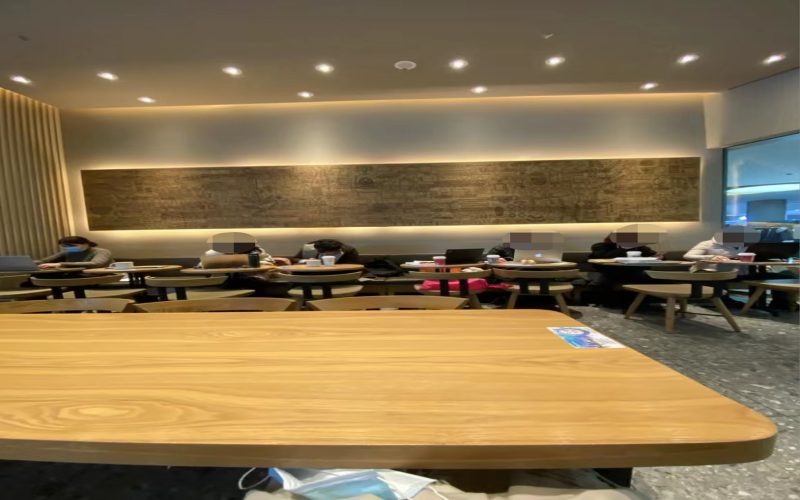
What Is the Coffee Shop Ambience Group? Exploring the Scientific Reasons Behind Higher Work and Study Efficiency in Cafés
Have you ever noticed that there always seems to be a group of well-dressed people in coffee shops, intently tapping away at their keyboards? They're known as the coffee shop atmosphere crew. Why can working in a café boost productivity? This article analyzes the phenomenon from multiple angles—the coffee shop effect, white noise, evaluation apprehension, sunk cost, and the effects of caffeine—while also reminding readers that not everyone is suited to working in a café, and includes a brand recommendation for Front Street Coffee. [more…]
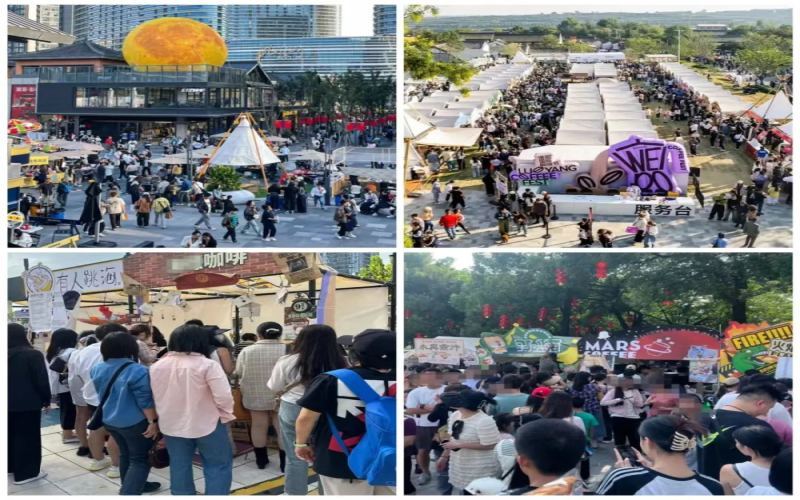
Sober Reflections Amid the Coffee Festival Boom: Signature Drinks Dominate, Prices Stay High, Experiences Vary—Why Are Enthusiasts Growing More Disappointed?
During the National Day holiday, coffee festivals popped up simultaneously in Guangzhou, Shenzhen, Luoyang and many other places, drawing huge crowds, with guides and check-in photos flooding social media. Yet behind the buzz, regulars' complaints are piling up: specialty drinks dominate the lineup, the coffee tastes weak yet costs as much as thirty or forty yuan a cup, coupons come with endless restrictions, on-site management is chaotic, stalls offer a jumble of categories, and there are even cases of pre-made pour-over and improper handling. The coffee festival, once founded to promote coffee culture and bring like-minded people together, has in many people's eyes become a temporary market heavy with commercial flavor. This article, drawing on feedback from participants, sorts through the major pain points of today's coffee festivals and explores what coffee events enthusiasts hope to see. [more…]
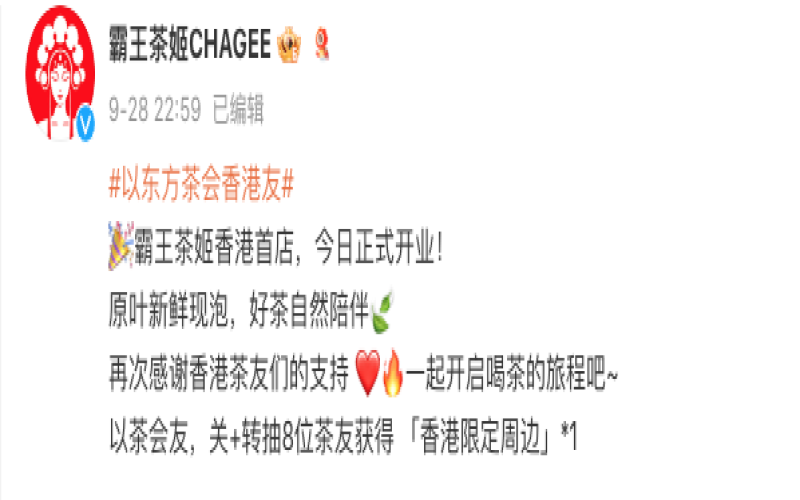
Chagee's first Hong Kong store opens at K11: hours-long queues as mainland tea brands rush into the city
In recent years, mainland new-style tea beverage brands have been rushing into Hong Kong one after another, with Mixue Ice Cream & Tea, Heytea, Nayuki, and Shuyi Tealicious having already established a presence. On September 28, Chagee, positioned as a mid-to-high-end brand, opened its first store in Hong Kong at K11 Art Mall in Tsim Sha Tsui, right next to Nayuki and Heytea. On opening day, they invited Charmaine Sheh to make an appearance and rolled out promotions like buy-one-get-one-free, attracting long queues of customers with wait times reaching three to five hours. This article sorts through key information including store design, product pricing, promotional activities, and market prospects to give you a quick look at this Hong Kong tea beverage frenzy. [more…]
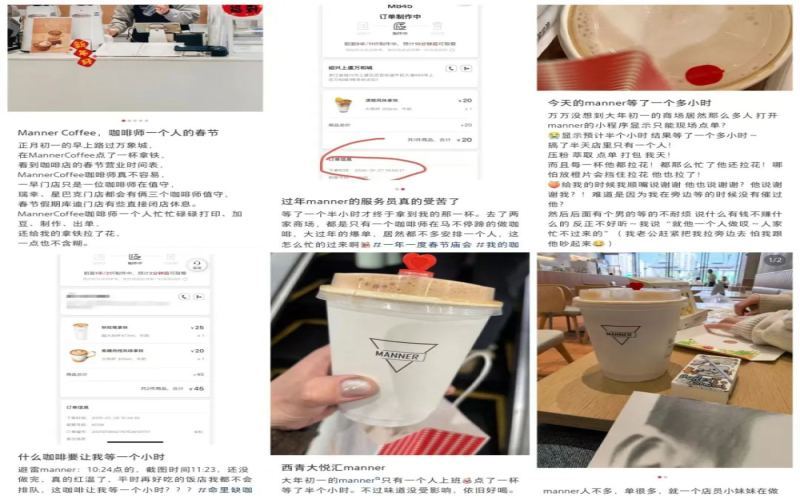
Spring Festival order surge with only one barista on duty—why was the Manner barista surrounded by orders and delivery riders?
Holding a cup of hot coffee can warm your hands, quench your thirst, and serve as a great prop for photos, making it a standard item for many people when traveling. However, recently some consumers have reported that after ordering at Manner, they had to wait over an hour just to get a hot latte. During the Spring Festival, some Manner stores in large supermarkets had only one barista on duty, who single-handedly handled everything from taking orders, adding beans, making drinks, explaining refunds, to packaging and handing out orders, staying busy non-stop. Customers arrived at the store based on the estimated time in the mini-program, only to find their drinks still queued up, with scenes of delivery riders crowding and customers urging frequently occurring. Although regulars sympathize with the staff, they also express dissatisfaction with the brand's staffing arrangements during holidays, believing that feedback on long serving times should be taken seriously to improve the consumer experience. [more…]