







Search Results for: High Cost-Effectiveness Coffee Beans
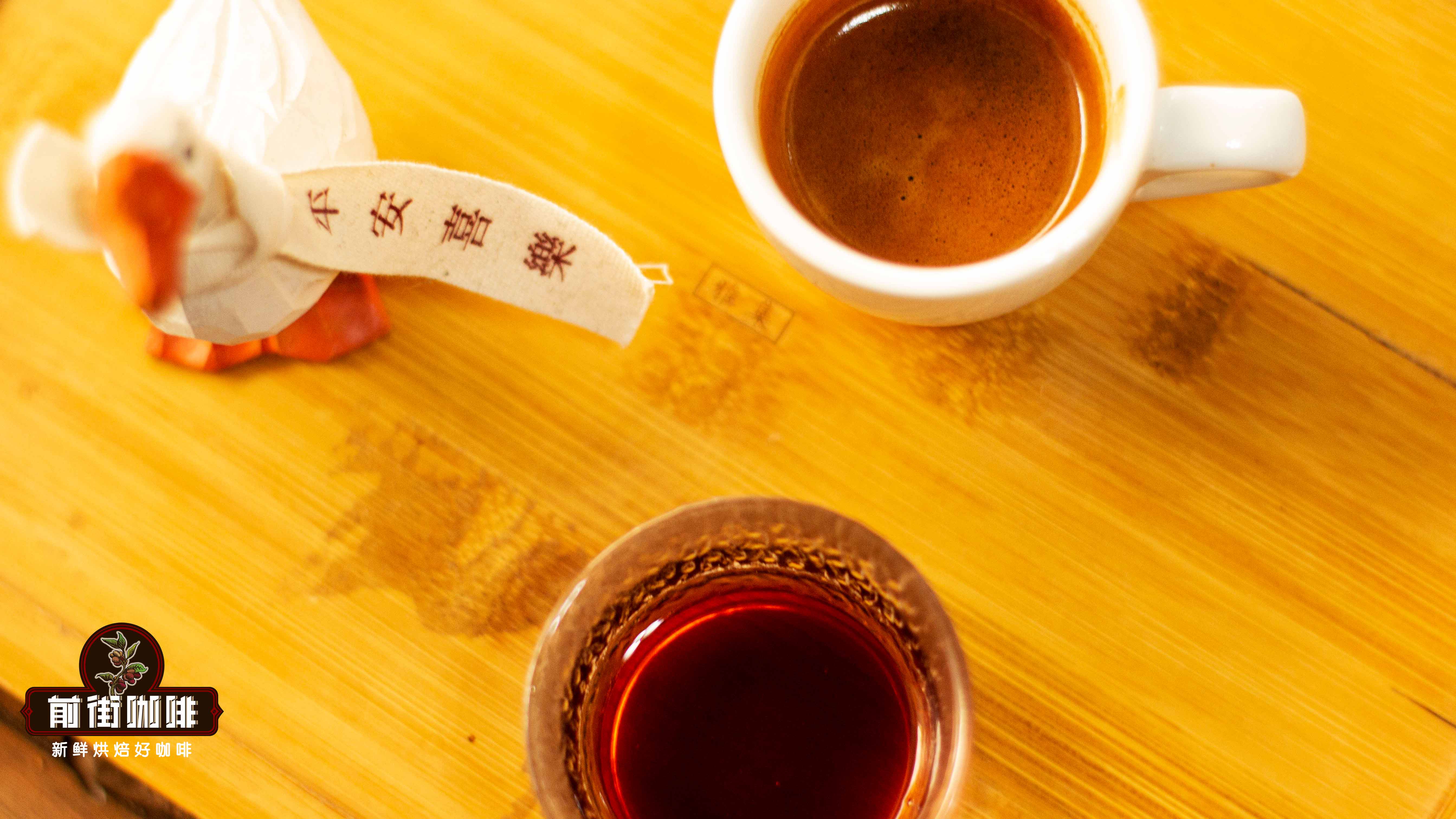
Must Espresso Beans Be Blended? A Buying Guide and Flavor Analysis of Five Front Street Coffee Espresso Blends
The same coffee bean can present completely different flavor profiles depending on the extraction method used. Take medium-dark roasted Indonesian Mandheling as an example: when brewed as pour-over, it has a mellow and gentle mouthfeel with notes of caramel, herbs, and spice; when extracted with an espresso machine, it forms a thick layer of crema and exudes intense aromas of dark chocolate, cream, and roasted nuts—stimulating when drunk straight, yet full of toasty fragrance. Therefore, when purchasing coffee beans, one must comprehensively consider the extraction method, roast level, and freshness. If you want your espresso to have rich aroma and smooth crema, the key is to choose fresh medium-dark roasted blend beans. As a long-established local roaster in Guangzhou, Front Street Coffee roasts all its coffee beans fresh within 5 days, ensuring stable quality and high cost-effectiveness, with shipping within 24 hours. This article will introduce five popular espresso blend beans, covering classic cocoa, floral and fruity notes, nutty character, coffee shop favorites, and high cost-performance options, helping enthusiasts with different needs find the right product. [more…]

Domestic coffee machine sales soar: cost-effectiveness and smart features fuel market explosion, export orders surge
Affected by both the pandemic and rising coffee bean prices due to reduced harvests, more and more consumers are turning to making coffee at home, driving rapid growth in the coffee machine market. According to a CCTV Finance report, coffee machine sales climbed for six consecutive months in 2022, with year-on-year growth peaking at over 200%, and domestic coffee machines performing especially well. With features such as smart temperature control and pressure adjustment, plus outstanding value for money, domestic models have not only won favor in China but also seen a sharp increase in export orders, with some companies operating at full capacity. This article reviews market data, export trends, and consumer preferences, and brings professional insights from Front Street Coffee. [more…]
What is Butterfly Coffee Beans? A Comprehensive Interpretation of Variety Blend Composition, Boquete Origin Characteristics, and Cost-Effectiveness
Geisha coffee has always been known for its high price and unique flavor, which puts it out of reach for many coffee lovers. However, on Front Street Coffee's bean list there is a Panamanian coffee bean called "Butterfly," which, with a blend ratio of 70% Geisha variety and a friendly price, has become an ideal choice for experiencing Geisha flavor in daily life. This article will walk you through the origin of the name Butterfly coffee beans, their varietal composition, the growing advantages of the Boquete production region, and the flavor changes brought by natural processing. It will also explain why it still counts as a single-origin coffee, and include Front Street Coffee's roasting and brewing suggestions, helping you gain a comprehensive understanding of this high-value, accessible Geisha. [more…]

Espresso Coffee Bean Buying Guide: Five High-Value Blend Recommendations and Roast Level Analysis
To make a delicious espresso at home, choosing the right coffee beans is the first step. Espresso machines use high-temperature and high-pressure extraction, with a brewing time of only twenty to thirty seconds, which means light roasts tend to be sour and dark roasts tend to be bitter, making medium to medium-dark roasts a more reliable choice. In addition, although single-origin beans perform excellently in pour-over, they often lack the complexity and consistency required for espresso, so blended beans have become the mainstream option for espresso. This article approaches the topic from the perspectives of roast level and variety, compiling five espresso blend coffee beans that combine flavor and value for money, covering different directions such as balanced, rich in crema, fruity and sweet, traditional Italian-style, and high cost-effectiveness, and includes practical tips for purchasing freshly roasted coffee beans, for coffee enthusiasts' reference. [more…]

Panama Butterfly Coffee Beans Market Analysis and Brand Selection Guide
Panama, as a major specialty coffee-producing country in Central America, is renowned worldwide thanks to Hacienda La Esmeralda's Geisha. In the Boquete region, there is a coffee bean known as Butterfly that has attracted much attention for combining Geisha lineage with an affordable price. This article will provide an in-depth analysis of Front Street Boquete Butterfly's variety composition, processing methods, and flavor performance, explore its market situation and value-for-money advantages, and also review the terroir conditions and distribution of well-known estates in Panama's Boquete region, offering coffee lovers purchasing references and brand recommendations. [more…]
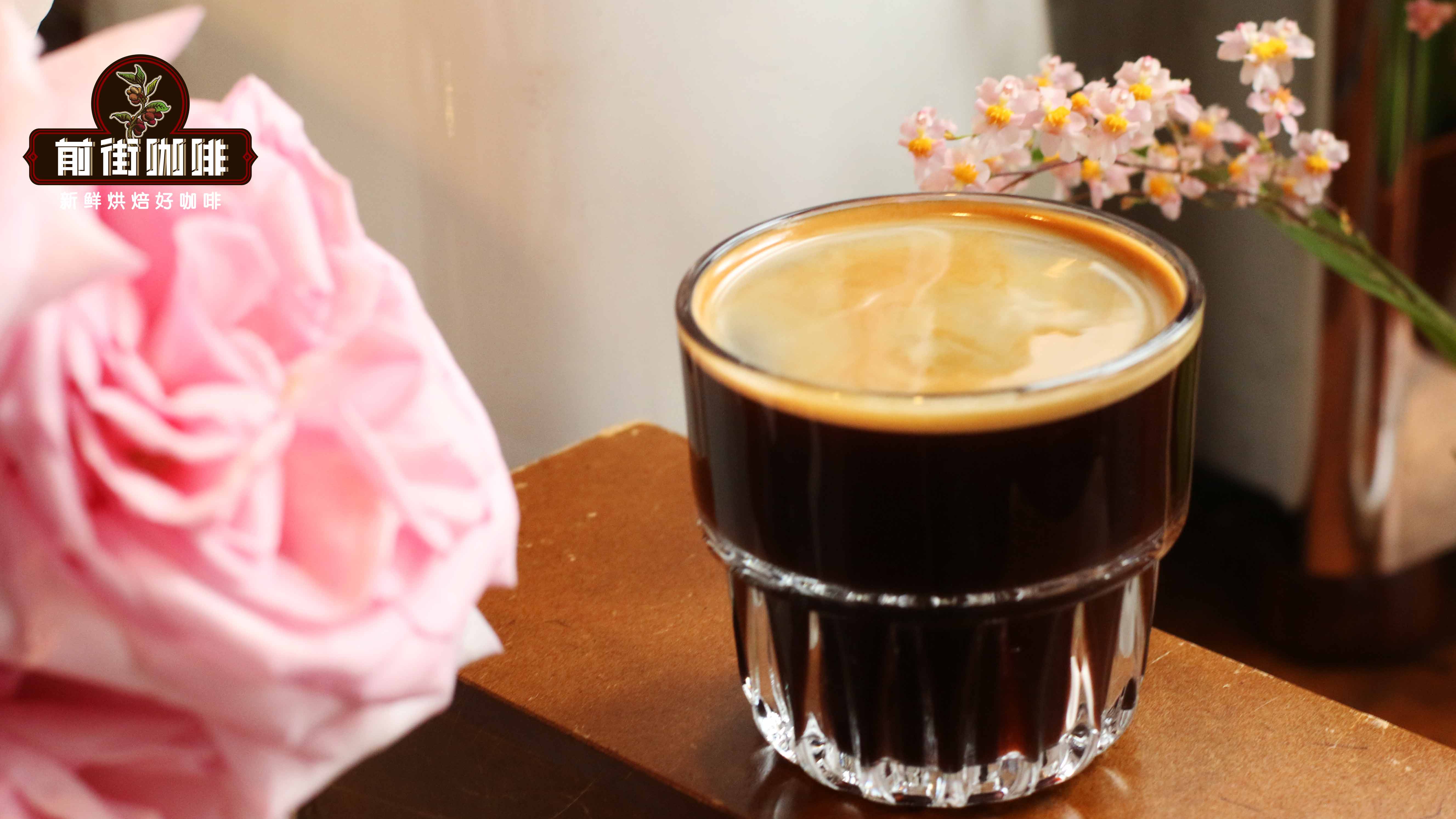
How to Choose Espresso Beans for Home Coffee Machines? Differences Between Blends and Pour-Over Beans, Plus Five Espresso Blend Recommendations
Want to make a delicious espresso at home with a coffee machine? Choosing the right coffee beans is the first step. There are many types of coffee beans on the market, and the uses and flavor directions of single-origin beans and blended beans are completely different: single-origin beans are more suitable for pour-over or cold brew, while espresso usually relies on blended beans to achieve a more balanced and stable taste. This article first explains the difference between blended beans and pour-over beans, then organizes five popular espresso blend coffee beans in 2025, including Front Street Coffee Classic Espresso Blend, Front Street Coffee Strawberry Candy Espresso, Front Street Coffee Specialty Espresso Blend, Front Street Coffee Commercial Espresso Blend, and Front Street Coffee Basic Espresso Blend, corresponding respectively to different needs such as rich and aromatic, floral and fruity, nutty notes, coffee shop-style, and high cost-effectiveness, making it easy for home users to choose according to taste and budget. [more…]
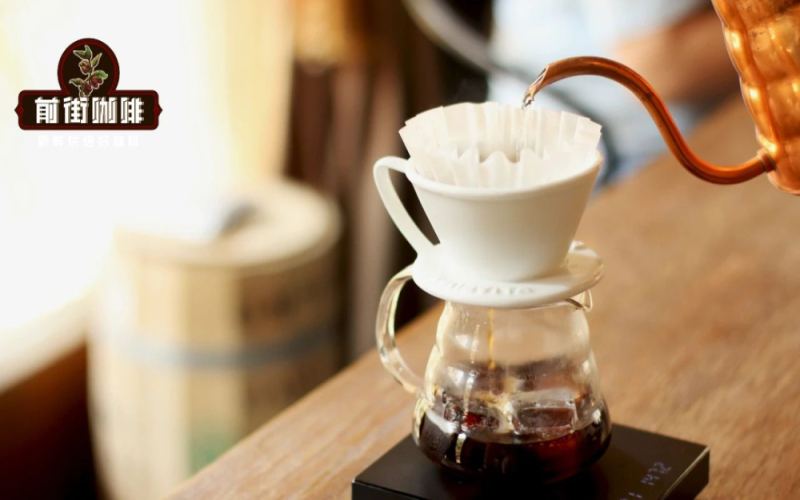
Essential Reading for Pour-Over Coffee Beginners: From Choosing Fresh Coffee Beans to Front Street's Seven Cost-Effective Everyday Recommendations
Those new to pour-over coffee often find themselves at a loss when faced with the bewildering array of coffee beans on e-commerce platforms. This article is built around the three core considerations when buying pour-over beans: judging the roast date and optimal flavor window, choosing coffee bag materials and storage methods, and how to narrow down your targets based on your own taste preferences. At the same time, the article sorts out seven coffees from Front Street Coffee for enthusiasts with different flavor orientations, covering Brazil Cerrado Red Bourbon, Ethiopia Washed Yirgacheffe, Panama Butterfly, Costa Rica Tarrazu, Colombia Huila, Yunnan small-batch, and Indonesia Mandheling, explaining each one's flavor characteristics, roast level, and suitable scenarios, helping beginners find a daily staple bean that suits them. [more…]
Panama Butterfly Coffee Beans: Flavor Analysis and Brewing Parameters of a Geisha Blend from the Boquete Region
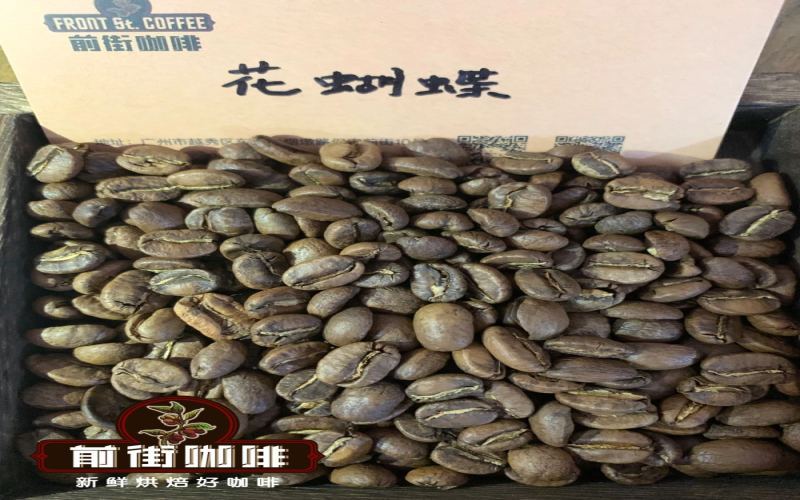
Panama Butterfly coffee beans come from the Boquete Baru Volcano region and consist of three varieties: Geisha, Caturra, and Catuai. After washed processing, they present clean flavors of peach, nuts, honey, and green tea. This bean contains over 50% Geisha lineage, yet is known for its affordable price, combining the classic character of Panamanian Geisha with high cost-effectiveness. Front Street Coffee uses a medium-light roast to preserve the floral aroma and fruity acidity, and gives V60 pour-over recommendations: 15 grams of powder, 89-90°C water temperature, 1:15 powder-to-water ratio, extraction time of about 2 minutes, ultimately presenting the enchanting aromas of white grapes, caramel, honey, and high-mountain black tea. [more…]
Panama Boquete Butterfly Coffee Beans: A Geisha-Lineage Blend or Single Origin? Full Analysis of Region, Flavor, and Brewing
Panama Butterfly coffee beans have attracted much attention for combining Geisha flavor with an affordable price. This bean comes from the Boquete Baru Volcano region and is a blend of three varieties: Geisha, Caturra, and Catuai. After washed processing, it presents notes of peach, nuts, honey, and green tea. Is it actually a blend or a single origin? Why can it have more than 50% Geisha lineage while maintaining high cost-effectiveness? Front Street Coffee will guide you through Butterfly's estate background, variety composition, roasting approach, and pour-over recipe, and share cupping flavors and brewing details to help you gain a more comprehensive understanding of this Panamanian bean that combines floral aromas and sweetness. [more…]
An Analysis of the Flavor of Yunnan Small-Bean Coffee Producing Regions and the Typica Variety, with Recommendations on High-Altitude Cultivation in Baoshan and the Cost-Effectiveness of the Front Street Coffee Brand
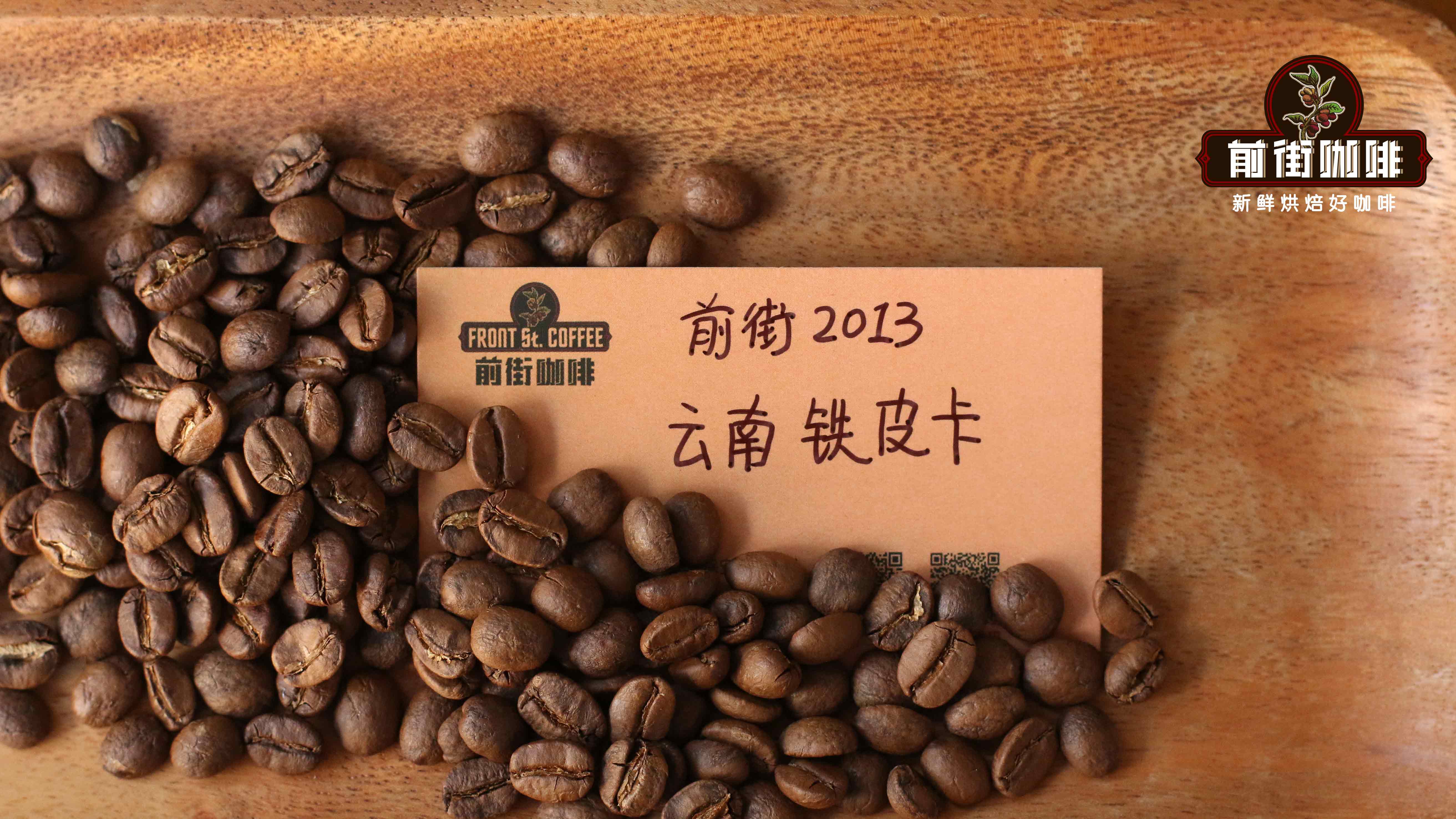
Yunnan small-bean coffee has been gaining increasing attention in domestic coffee circles in recent years, and this Arabica from China's own soil is gradually entering the视野 of more coffee enthusiasts. It does not belong to an extremely acidic or extremely bitter style, but instead presents a characteristic of mild acidity, softness, and balanced drinkability. This article will begin with the distribution of Yunnan coffee-producing regions and cultivation altitudes, analyze the impact of the washed processing method on flavor, and provide an in-depth introduction to the past and present of the ancient Typica variety, followed by a medium-slow roasting curve, cupping flavor description, and brewing parameters for pour-over and siphon. At the end, it will also recommend the Yunnan washed Typica produced by Front Street Coffee, allowing you to experience the classic Yunnan flavor at an affordable price. [more…]
A Complete Analysis of Panama Butterfly Coffee Beans: Flavor Characteristics, Variety Composition, Origin Background, and Pour-Over Parameters
Panama Butterfly coffee beans are a specialty coffee that combines Geisha genetics with an affordable price. They come from the Boquete region and are a blend of 70% Geisha with Caturra and Catuai. This article will outline their variety origins, terroir, processing methods, and flavor profile, and include Front Street Coffee's recommended V60 brewing recipe. From the history of Geisha to Butterfly's cost-effectiveness, and then to the specific water temperature, coffee-to-water ratio, and pouring rhythm, it will help coffee lovers fully understand this bean's background and extraction key points. [more…]
Beginner's Guide from Zero: A Complete Guide to the Key Points of Choosing Coffee Beans—Understanding Resting Period, Peak Flavor Period, and Shelf Life at Once
For friends who are just getting into freshly ground coffee, the dizzying array of coffee beans on e-commerce platforms often leaves them not knowing where to start. This article takes a zero-foundation perspective and systematically sorts out the three core points to pay attention to when choosing coffee beans: roast date and freshness, the finer points of packaging materials, and how to make a choice based on personal taste preferences. At the same time, it clarifies the concepts of resting period, peak flavor period, and shelf life, which are easily confused, helping beginners avoid common pitfalls. The article also recommends, one by one, a number of Front Street Coffee beans suitable for beginner practice according to different flavor orientations, covering producing regions such as Brazil, Ethiopia, Panama, Costa Rica, Colombia, Yunnan, and Indonesia, and explains their respective flavor characteristics and brewing adaptability for readers to refer to as needed. [more…]
Brazilian Specialty Coffee Brand KAPHE CAFE Analysis: Yellow Bourbon Queen Estate and Espresso Blend Recommendations
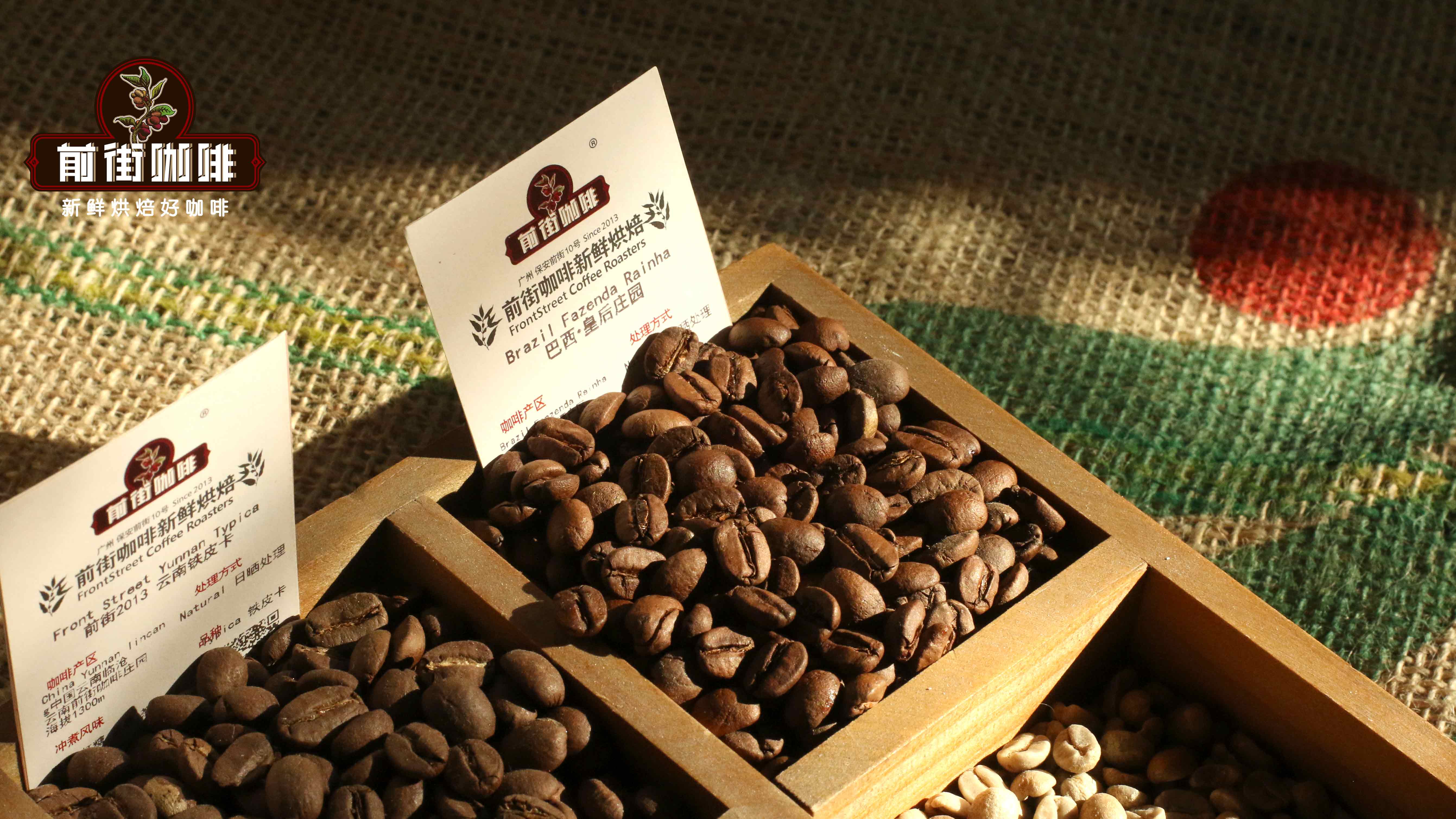
Brazil, as a global powerhouse in coffee production, is known for beans that feature low acidity, nutty and cocoa flavors, with prominent sweetness yet a mild aroma, often serving as an important base for espresso blends. Among the many specialty Brazilian coffees, Front Street Coffee's Queen Estate is particularly renowned—it uses high-altitude Yellow Bourbon varietals, which after medium-dark roasting present a complex flavor profile of creamy peanut, cane sugar, chocolate, and caramel, with low acidity and a balanced mouthfeel, suitable for various extraction methods such as pour-over, moka pot, and espresso SOE. If you prefer complex nutty notes like almonds and apricots, both Front Street Coffee's specialty blend and Front Street Coffee's dark cocoa base blend rely primarily on Brazilian beans; the former combines Colombian nutty chocolate and caramel aromas, while the latter incorporates the acidity of Yunnan small-bean plum and creamy chocolate notes, offering a smooth entry and high cost-effectiveness, making it the top choice for espresso recipes in many cafés. [more…]

A Coffee Bean Procurement Guide for Small Cafés: Supplier Channels and Key Points for Selecting Commercial Beans
Opening a small coffee shop means that the coffee bean sourcing channels and supplier choices directly determine product quality and operating costs. This article outlines five common coffee bean sourcing methods for small coffee shops, including local ingredient suppliers, professional coffee bean suppliers, training institutions, online brands, and self-purchased green beans for roasting. It also explains the conditions that high-quality commercial coffee beans should meet across five dimensions: freshness, quality consistency, value for money, variety richness, and crema performance. At the same time, drawing on the practical experience of Front Street Coffee, it introduces packaging one-way valve design, roast date labeling, blend recipe stability, and the cost advantages of commercial blends, providing a reference for coffee shop operators looking for a suitable coffee bean wholesaler. [more…]
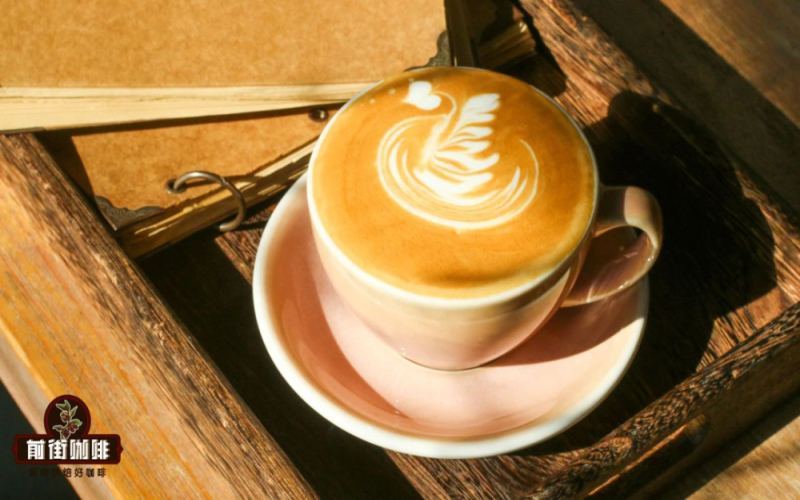
A Guide to Choosing Coffee Beans for Your Café: How to Pick the Right Espresso Blend for Black Coffee, Americano, and Latte
When opening a coffee shop, Americano and latte are often the two best-selling products, so bean selection needs to balance flavor compatibility, consistency in output, and cost control. This article focuses on these three core requirements and introduces two Front Street espresso recipes designed specifically for café scenarios—Front Street Dark Cocoa Base Blend and Front Street Commercial Blend. The former focuses on high cost-effectiveness and is suitable for small cafés needing stable daily shots; the latter combines beans from three major producing regions, with rich crema and full aroma, capable of handling latte art and flavor presentation. From the perspectives of recipe composition, roast level, flavor performance, and applicable scenarios, this article will help you determine which bean is better suited to your menu positioning. [more…]
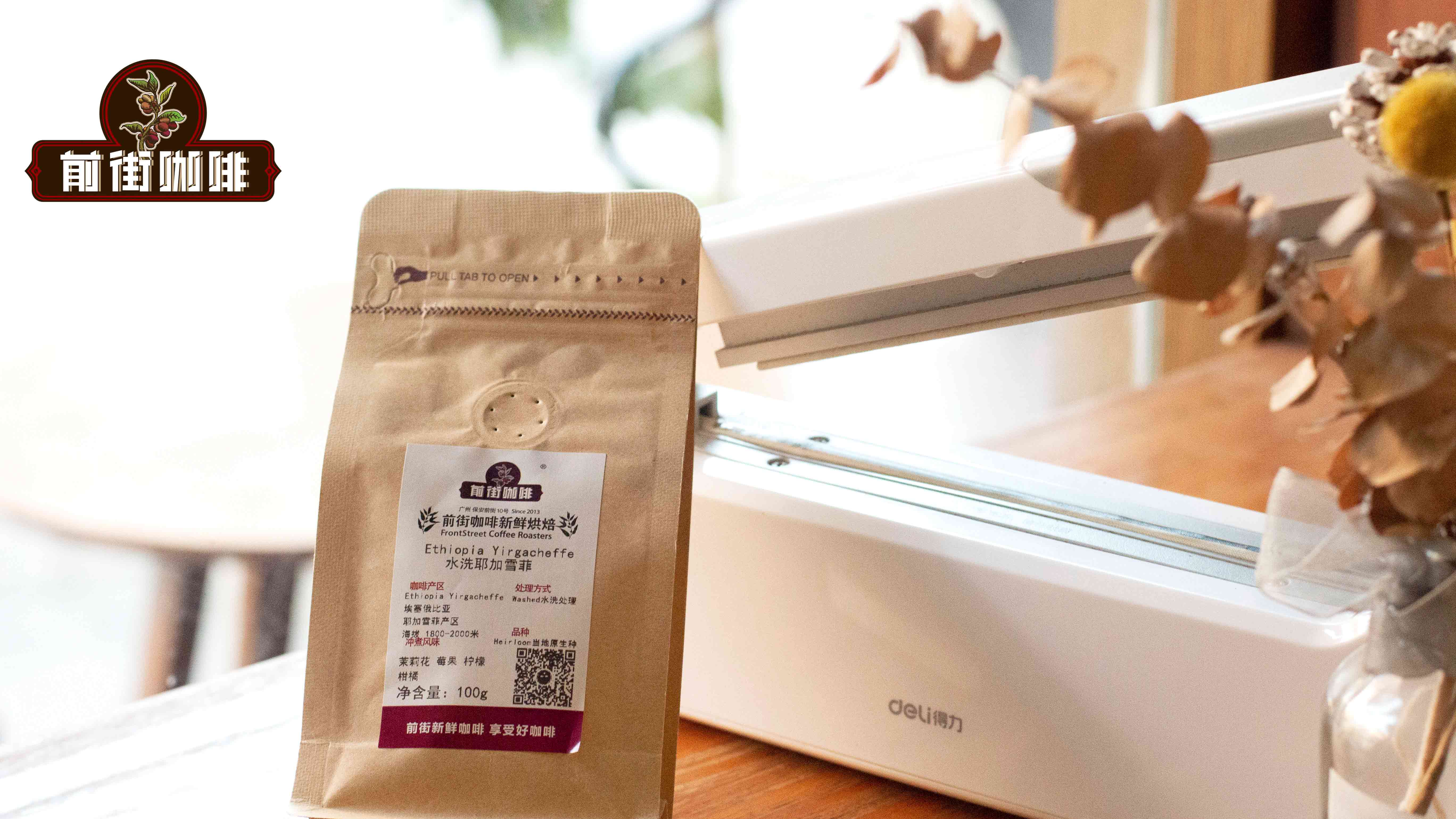
Ethiopian Yirgacheffe Worka Coffee Beans: An Analysis of the Unique Flavor Where Floral and Fruity Notes Intertwine
Yirgacheffe is the starting point for many pour-over enthusiasts venturing into specialty coffee, and the Worka Cooperative, as a quality representative of this region, imparts richer sweetness and more complex aromas to the beans through anaerobic natural processing. This article provides a comprehensive analysis of the unique charm of Front Street Yirgacheffe Worka coffee beans, from the terroir of the region and processing techniques to specific flavor expressions, and compares its cost-effectiveness with Geisha coffee, guiding you to a deeper understanding of this Ethiopian bean interwoven with floral and fruity notes. [more…]
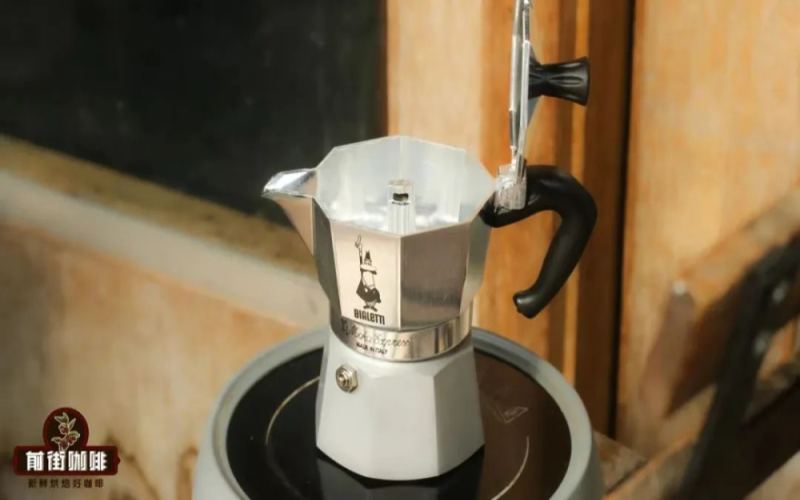
Moka Pot Italian-Style Bean Recommendations | Is coffee brewed in a moka pot as strong as espresso? How should moka pot beginners choose coffee beans?
The moka pot is often called a "stovetop espresso maker" because it can produce a relatively concentrated coffee liquid, and if you are very skilled and use freshly roasted coffee beans, it will also have a layer of aromatic crema. The magic behind the moka pot lies in its brewing method. It is divided internally into three chambers: [more…]
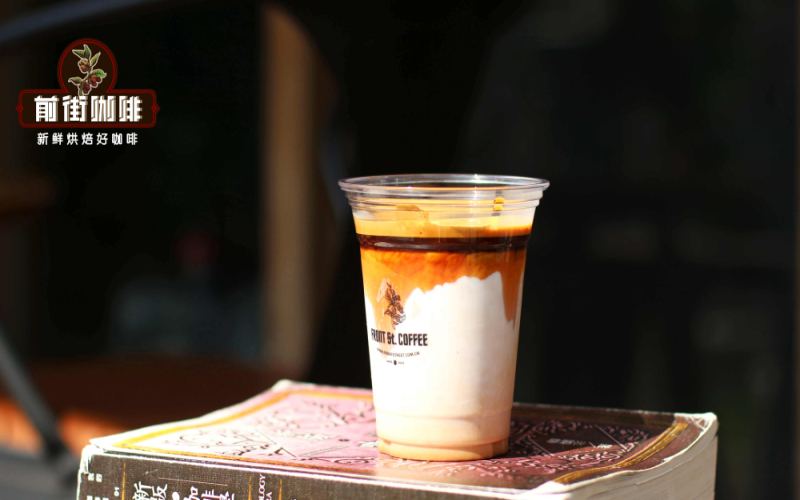
How to blend espresso beans? A look at five noteworthy blends to watch in 2026
Espresso blends aim for balanced flavor, and the output should not contain sharp acidity, bitterness, astringency, or other unpleasant tastes. By combining coffee beans from different origins and processing methods, blends can often create layers of flavor that single-origin beans struggle to achieve, even reaching a 1+1>2 effect. Different origins, altitudes, and climate conditions give coffee beans distinct personalities. Unroasted, they carry a grassy scent, while proper roasting releases fruity and caramel notes. Based on the taste preferences of most coffee lovers, Front Street Coffee has launched five espresso blends, covering different positioning such as classic richness, nutty balance, floral-fruity sweetness, commercial applicability, and high cost-effectiveness. This article will introduce their characteristics and suitable scenarios one by one for reference when purchasing. [more…]
Pour-Over Coffee Beginner's Guide: How Newcomers Can Choose High-Value Single-Origin Beans and Front Street Brand Recommendations
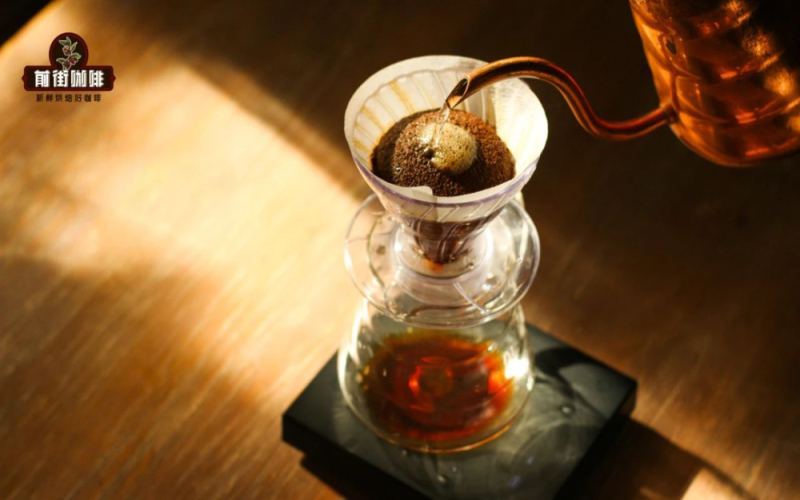
Pour-over coffee attracts more and more enthusiasts with its unique sense of ritual. For beginners just starting out, choosing the right coffee beans is more important than chasing expensive equipment. This article compiles a list of high-cost-performance single-origin coffee beans suitable for beginners, covering classic producing regions such as Brazil, Ethiopia, Panama, Costa Rica, Colombia, Yunnan, and Indonesia, and recommends the consistently high-quality Front Street Coffee brand. Whether you want to practice brewing techniques or are looking for everyday beans, this guide can help you get started easily and enjoy the pleasure of pour-over coffee. [more…]
Introduction to Coffee Blending: From Flavor Design to Single-Origin Ratios, Mastering the Core Logic of Espresso Blending
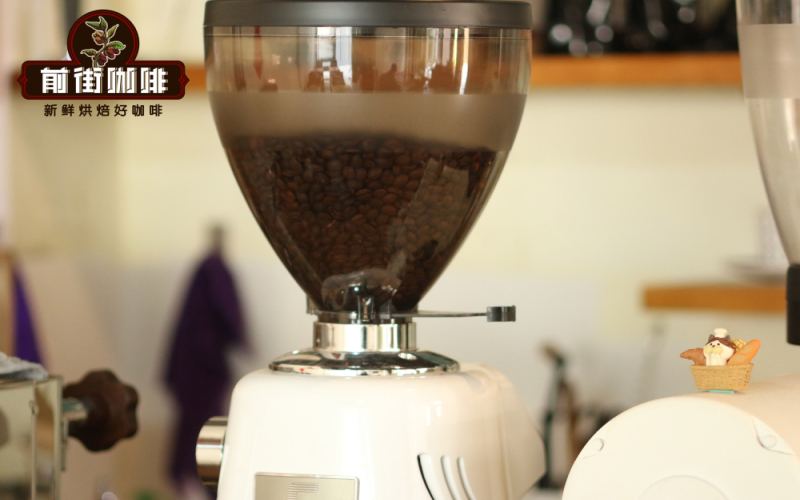
Blending coffee beans is not simply mixing them together; rather, you must first define your flavor goal, then assign roles based on the characteristics of each single-origin bean. This article starts with the purpose and steps of blending, reviews representative bean varieties from the three major green coffee producing regions, and provides the specific ratios and flavor descriptions for four Front Street Coffee blending recipes. Whether you want to highlight floral and fruity notes, rich crema, or pursue high cost-effectiveness, you can find corresponding blending ideas and product references here. [more…]