







Search Results for: Gut Health
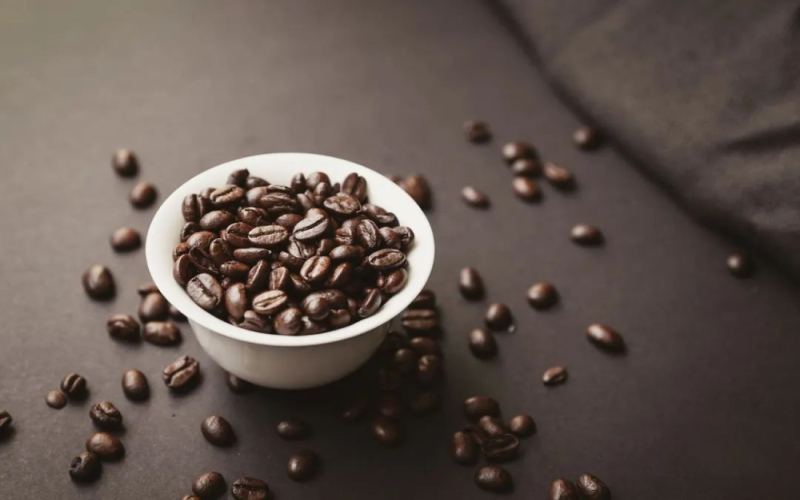
Coffee Consumption and Irritable Bowel Syndrome Risk: Latest Research Reveals a 16% Reduced Association
Coffee is not just a pick-me-up beverage—in recent years, research has also found that it has potential benefits for the digestive system. A 2023 systematic review and meta-analysis published in the journal Nutrients, which included more than 430,000 participants, explored the association between coffee intake and the risk of irritable bowel syndrome (IBS). The results showed that, compared with non-coffee drinkers, people who drank coffee had a 16% lower risk of developing IBS. This protective effect may be related to the antioxidant and anti-inflammatory properties of components in coffee such as caffeine, polyphenols, diterpenes, and trigonelline. However, the effect of coffee on relieving IBS symptoms varies from person to person, and the study itself has observational limitations. This article will provide a detailed interpretation of this study and explore the possible effects of coffee on gut health. [more…]

Does coffee enema really have miraculous colon-cleansing and detox effects? An analysis of the potential health risks of long-term use
In recent years, coffee enemas have attracted attention online as a so-called detox therapy, even appearing in product sales. This article traces the historical origins of this therapy, sorts out its claimed benefits, and, drawing on medical perspectives, points out that coffee enemas lack supporting research evidence and that long-term practice may disrupt gut flora and cause serious consequences such as burns or perforation. At the same time, drinking coffee itself can gently promote bowel movements, so there is no need to risk enemas. At the end of the article, Front Street Coffee's professional information channels are also retained for enthusiasts to communicate. [more…]
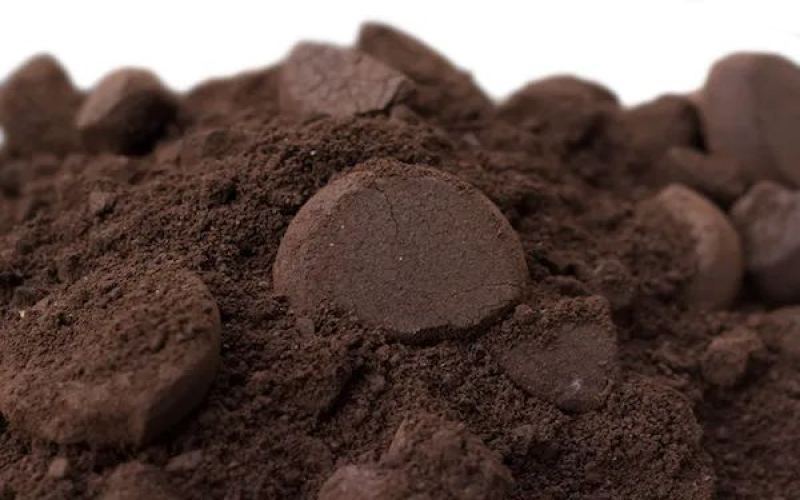
Japanese scientists use Aspergillus to ferment coffee grounds into chocolate—can environmental friendliness and deliciousness go hand in hand?
Around 2.25 billion cups of coffee are consumed worldwide every day, and with that comes a massive amount of spent coffee grounds. Traditional recycling methods—such as deodorizing, exfoliating, or making furniture—often require drying, which actually releases carbon dioxide. Japanese scientist Tetsuji Ishigaki has taken a different approach: using Aspergillus to ferment spent coffee grounds into a paste, then adding cocoa butter to solidify it, creating a ready-to-eat spent-coffee-ground chocolate. This product, called COLEHA, not only contains three times the amino acids of green coffee beans, but its polyphenols and antioxidants also reach 1.6 times those of regular coffee, and it is rich in insoluble fiber that promotes gut health. COLEHA is currently available in limited quantities, with sugar content offered in three versions—0%, 10%, and 40%—each with its own distinctive taste. This article introduces this eco-friendly and innovative spent-coffee-ground utilization technology, along with the flavor and health secrets behind it. [more…]

The Other Side of Your Daily Cup: From Alertness to Laxative Effects, These Gut Reactions Are Worth Noting
For today's young people, coffee has long been woven into the rhythm of daily life—whether for a caffeine boost, socializing, or fitness, everyone has their own reasons. Yet for some, the purpose of their daily cup is rather unusual: relieving constipation. From Luckin's new drink being jokingly dubbed a "diarrhea-inducing whiz" by netizens, to similar feedback frequently received for drinks from brands like Starbucks, Mstand, %Arabica, and Manner, the relationship between coffee and bowel movements has sparked widespread discussion. Is this a food safety issue, or is it down to individual differences such as lactose intolerance or the stimulating effect of iced drinks? This article will analyze the phenomenon from multiple angles to help coffee lovers view their daily cup more rationally. [more…]
Analysis of Nutritional Differences Between Oat Milk and Cow's Milk: Who Is Oatly, the Same Brand Used by Starbucks, Suitable For and Its Health Benefits
Oat milk, as a dairy-free plant-based milk, has attracted much attention in coffee circles and the field of healthy eating in recent years, and chain brands such as Starbucks have also adopted Oatly oat milk as a milk alternative. It is especially suitable for vegans, people with lactose intolerance, and consumers allergic to milk. During production, oat milk is made by soaking oats, filtering the slurry, and often adding extra nutrients such as calcium and vitamin B12, making its nutritional value richer. Front Street Coffee will guide you through understanding the specific health benefits of oat milk and compare its nutritional differences with whole milk and low-fat milk, helping you choose the dairy drink that suits you in a more scientific way. [more…]

Luckin Probiotic Americano Shanghai Limited Edition Launches, Gut-Clearing Effect Sparks Discussion
Luckin Coffee has recently quietly launched a probiotic Americano in the Shanghai area, combining plant-based probiotics with coffee, touting a refreshing and palate-cleansing experience. This region-exclusive iced drink has attracted attention as soon as it was discovered—some find the sweet-and-sour taste unique, while others feel the coffee aroma is lacking. Some netizens even noticed the dual effect of probiotics and caffeine in promoting intestinal motility, jokingly calling it a new-generation "smooth-movement wonder." The effects of the new product vary from person to person—some who tried it reported immediate results, while others said they felt nothing at all. Consumers in other regions are hoping for a nationwide rollout. [more…]
Which type of oolong tea does Tieguanyin actually belong to? Is its caffeine content high? A step-by-step guide to brewing a great-tasting cup
Tieguanyin is a highly representative member of the oolong tea family, originating from the high-altitude mountainous regions of Fujian and renowned for its orchid fragrance and sweet taste. It is a semi-oxidized tea, with an oxidation level between that of green tea and black tea, retaining freshness while adding mellowness. Many tea lovers wonder: does Tieguanyin contain caffeine? The answer is yes, but in moderate amounts, roughly half that of coffee. This article will explore Tieguanyin's varietal characteristics, factors affecting its caffeine content, health benefits, and brewing techniques, along with product recommendations from the Front Street brand, to help you gain a comprehensive understanding of this tea and brew a cup full of floral aroma. [more…]

Why Do You Keep Running to the Bathroom After Drinking Coffee? Unpacking the Science Behind Coffee and Gut Motility
Many people find that shortly after drinking coffee, they experience a strong urge to defecate, and some even develop diarrhea as a result. Is this caffeine at work, or is there another explanation? This article will explore in depth the scientific relationship between coffee and intestinal function, analyze the various factors that may trigger gastrointestinal discomfort, and offer practical advice. At the same time, we will also mention relevant product information from brands such as Front Street Coffee to help coffee lovers understand this phenomenon more comprehensively. [more…]

Exploring the Craftsmanship, Historical Origins, and Weight-Loss Benefits of Night-Blooming Jasmine Dancong Oolong Tea
As a representative of semi-fermented tea, oolong tea is deeply loved by tea enthusiasts for its rich aroma and taste. Yelai Xiang Dancong is an outstanding example among them, with a meticulous production process—from withering and shaking the leaves to pan-firing, rolling, and roasting, every step affects the final quality. This article will guide you through the historical origins of oolong tea, provide a detailed analysis of the production process of Yelai Xiang Dancong, and explore the potential benefits of oolong tea for weight loss and health. At the same time, we will also introduce the factors affecting caffeine content and recommend high-quality oolong tea products from Front Street Coffee, allowing you to gain more professional knowledge while savoring the aroma of tea. [more…]

Starbucks' kombucha launch sparks debate: coffee brands' innovation dilemma and the new wave of fruit coffee and tea drinks
Recently, Starbucks launched two special kombucha drinks in some stores, drawing consumer attention. Behind this move lies a certain bottleneck in product innovation among coffee chain brands today—from flavored syrups to fruit coffee and fruit tea, new products keep emerging yet are often teased as "old wine in new bottles." Meanwhile, as healthy eating concepts spread, consumers' enthusiasm for high-sugar drinks is gradually fading, and brands are turning to new ingredients such as fruit juices and jams. Can Starbucks' attempt to venture beyond the coffee track and test kombucha bring truly fresh ideas to the industry? This article will analyze this topic and share related observations from Front Street Coffee. [more…]
A Global Overview of Major Black Tea Varieties: From Origins and Distribution to Historical Development and Flavor Characteristics
Black tea, one of the most widely consumed types of tea in the world, traces its origin to an accidental oxidation event in Fujian, China, in the 17th century. Thereafter, thanks to its ease of storage, transportability, and the way its flavor improves over time, black tea was quickly spread by British and Dutch merchants to India, Sri Lanka, Africa, and beyond, gradually moving from an aristocrats' exclusive to an everyday staple for the masses. This article systematically outlines the historical development and main producing regions of black tea, introduces representative varieties such as Assam, Darjeeling, Ceylon, Kenyan, and English Breakfast one by one, and also explains black tea's health benefits in areas such as antioxidation, anti-inflammation, and promoting digestion, while offering tea-selection suggestions for different drinking occasions. [more…]

Luckin Prune Latte Sparks Discussion: How Lactose Intolerance and Psychological Suggestion Create the Coffee "Laxative" Experience
After Luckin Coffee launched its Prune Latte, social media platforms saw a surge of discussions about gastrointestinal reactions after drinking it, even jokingly dubbed the "suppository of the coffee world." The company later responded that the phenomenon mainly stems from coffee's promotion of intestinal peristalsis, combined with lactose intolerance and psychological suggestion. This article will review the course of events, the official explanation, and netizen feedback, and analyze why the same beverage triggers such consistent physiological reactions. At the same time, the professional communication channel of Front Street Coffee is retained at the end of the article for coffee enthusiasts to discuss further. [more…]

Gu Ming Dark Chocolate Mocha Slammed as a "Laxative Miracle" — Lactose Intolerance or Just Too Heavy-Handed with Ingredients?
Guming obtained approval for a Hong Kong listing filing, becoming the first company to receive the green light amid the new tea beverage IPO wave. Meanwhile, its winter new product "Dark Chocolate Mocha" has drawn attention for its rich cocoa flavor, but has also been jokingly called a "great gut cleanser" due to a large number of consumers reporting diarrhea after drinking it. The official recipe includes cocoa liquor, cocoa powder, old salt syrup, light-feel thick milk, milk, and freshly ground coffee. The triple cocoa brings a rich and smooth taste, but many people find it sweet and cloying, like chocolate milk. The cause of the diarrhea may point to lactose intolerance or caffeine sensitivity, and iced drinks are more likely to aggravate the reaction. This article will sort out the timeline of the incident and consumer feedback, and recommend related products from Front Street Coffee. [more…]
Can Bulletproof Coffee Really Help You Lose Weight? A Comprehensive Analysis of the Ketogenic Principle, Potential Risks, and Who Should Avoid It
Bulletproof coffee has become a hot topic in fat-loss circles in recent years. It was adapted from Tibetan butter tea by American Silicon Valley engineer Dave Asprey, and advocates a high-fat, low-carb approach to push the body into a state of ketosis, thereby achieving fat burning and weight loss. However, the weight-loss effect of this drink does not apply to everyone, and the hidden risks of the ketogenic diet, gastrointestinal discomfort, and contraindications for people with certain diseases behind it cannot be ignored. This article will analyze in detail the weight-loss principles of bulletproof coffee, the possible side effects, and who should not drink it, and will also include practical advice from Front Street Coffee to help you view this internet-famous drink rationally. [more…]
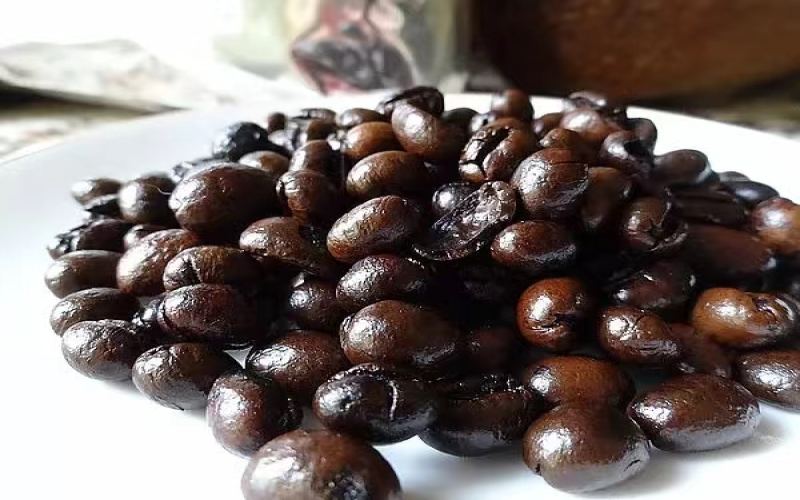
A Comprehensive Analysis of Kopi Luwak's Flavor Profile and Mouthfeel: Comparing Wild and Farmed Varieties
As one of the most expensive coffee varieties in the world, Kopi Luwak—though its name is far from elegant—has always intrigued coffee lovers curious about its true taste. What flavor does this costly coffee bean actually have? And how do wild and farmed products differ? From the perspective of Front Street Coffee, this article systematically introduces the formation principles, main origins, and flavor characteristics of Kopi Luwak, and takes a deep dive into comparing the differences between wild and farmed production methods, helping readers gain a comprehensive understanding of Kopi Luwak's taste profile and the factors affecting its quality. [more…]

Luckin's Prune Latte is about to return, and the new product materials unexpectedly come with facial tissues, sparking heated discussion.
Luckin Coffee once brought back several classic drinks due to popular demand from netizens, and now the much-anticipated Heart Stealer Prune Latte is also set to return next week. However, while unpacking the new product materials, employees unexpectedly discovered that in addition to the usual paper bags and cup sleeves, there was also a pack of tissues printed with the word "prune." This thoughtful yet slightly humorous move quickly sparked discussions among netizens: some joked that the company was worried consumers would frequently run to the toilet after drinking it, while others speculated that the recipe might have been adjusted. The prune latte became famous back in the day for its "smooth movement" effect and was jokingly called "the coffee world's suppository." Now, after nearly two years away, it is making a comeback, and fans are both excited and concerned. Front Street Coffee reminds everyone that no matter how the recipe changes, a good cup of coffee is always worth savoring slowly. [more…]

Luckin's Oolong Latte Sparks Heated Discussion After Launch, Netizens Say Its Laxative Effect Is Particularly Noticeable
This Monday, Luckin Coffee teamed up with Taiwanese illustrator Jimmy Liao to launch a co-branded offering titled "Poems for the Moon," alongside the simultaneous release of a new Oolong Latte. This new addition to their tea-coffee series, which uses Wuyi Mountain Da Hong Pao as its tea base and offers an optional oat milk version, quickly sparked discussions among netizens after its launch. Apart from its taste being compared to Assam milk tea, what drew even more attention was its post-consumption "smooth" effect—a large number of consumers on social media reported feeling the urge to use the restroom shortly after drinking it, with some making multiple trips in a single day, jokingly dubbing it the "new toilet-busting divine water." Some speculate this is related to the thick milk component in the drink and lactose intolerance. Although the effect varies from person to person, this unintended function has actually tempted many netizens who were previously uninterested to give it a try. [more…]
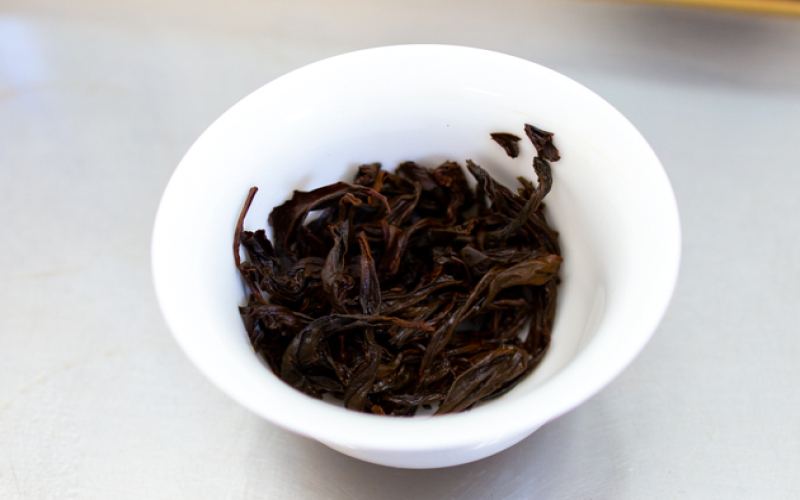
How many times can Lapsang Souchong Congou black tea be repeatedly brewed? The finer points of tea quantity for two and water quality
How many times can Zhengshan Xiaozhong Gongfu black tea actually be re-steeped? And for two people, how many grams of tea leaves should be weighed out? The answer lies in the water used, the tea-to-water ratio, and the rhythm of pouring. This article begins with water treatment, explaining why mineral water or mountain spring water is preferable, why tap water must be boiled to remove chlorine, and how scale and frequent water changes affect the taste of the tea; it then gives the general ratio of 40 milliliters of water to 1 gram of tea, and demonstrates the steps of warming the vessel, adding the tea, and a one-minute first steep. The key point is that after the second steep, almost no covered steeping is needed—simply letting boiling water skim over the leaves is enough, and only in this way can six consecutive steeps still carry flavor. The same principle applies to Front Street black tea. [more…]
What Is Bulletproof Coffee? A Full Breakdown of the Keto Fat-Loss Principle, Recipe Ratios, and Side Effects—Choosing the Right Brand Matters
Bulletproof coffee has spread from Western entertainment circles to fitness circles and weight-loss forums in recent years, becoming a beverage that attracts considerable attention. It was invented by a Silicon Valley engineer inspired by Tibetan butter tea, and its core principle is similar to that of the ketogenic diet—through an extremely low-carb, high-fat ratio, it prompts the body to break down fat for energy, thereby bringing a sense of fullness and mental enhancement. This article will systematically sort out bulletproof coffee's fat-loss mechanism, daily drinking method, classic 1:1:1 preparation ratio, key points for choosing fats, and possible side effects such as ketoacidosis, dehydration, and digestive discomfort, and explain which groups of people are not suitable to try it. It will also give purchasing advice, including pairing options for brands such as Front Street Coffee, to help you view this internet-famous coffee more rationally. [more…]

Global Searches for Coffee Health Benefits Surge 650%, Both Coffee Consumption and Awareness Rise Amid the Pandemic
Over the past year, global online searches for the health benefits of coffee have surged by 650%, with searches for "benefits of black coffee" skyrocketing by 1,450%. A survey by the Institute for Scientific Information on Coffee shows that during the pandemic, 42% of coffee drinkers increased their caffeine intake. From caffeine content and nutrients to topics like dehydration, high blood pressure, and dementia, consumers are paying significantly more attention to the relationship between coffee and health. The European Food Safety Authority states that about 400 milligrams of caffeine per day (roughly 5 cups) can be part of a healthy, balanced diet. Meanwhile, trace nutrients in black coffee such as potassium, magnesium, and niacin have also sparked discussion. Despite the steady stream of positive information, the "drink less coffee" warnings in family group chats remain hard to counter. This article will sort through ten major coffee health topics and explain coffee's real effects on the body. [more…]