







Search Results for: Green coffee bean sourcing

From Origin to Bar: A Green Bean Sourcing Perspective on Commercial Blends
A cup of commercial espresso at the bar has its origins thousands of kilometers away at the source. Blending is not as simple as pouring several bags of roasted beans together and mixing them evenly—a professional roaster's blend is designed from the moment green beans are purchased. Understanding this upstream perspective can help shop owners see through many of the "whys" when selecting beans. The starting point of a blend is the recipe definition. [more…]
In-House Roasting Café Green Bean Sourcing and Inventory Management in Practice: Cost Control, Partnership Strategies, and Espresso Blend Bean Selection Guide
For a coffee shop that roasts its own beans, having the roaster in place is only the starting point; what truly determines the quality of the final product is the quality of the green beans and the roasting craft. Green bean costs often account for a significant proportion of initial operating expenses, so how to choose the right items, control inventory, maintain stable supply, and leverage peer cooperation to lower the threshold for acquiring specialty beans is a challenge every operator must face. Starting from the cost structure of green beans, this article sorts out the three major purchasing points for basic espresso blend beans, explores the value of establishing horizontal partnerships, offers practical suggestions for display and storage, and finally includes flavor descriptions of several Front Street espresso blend beans for coffee shops with different positioning to reference when selecting beans. [more…]
Sumatra Coffee and Mandheling: A Comprehensive Analysis of the Origin of the Producing Region, the Source of the Name, and the Grading System
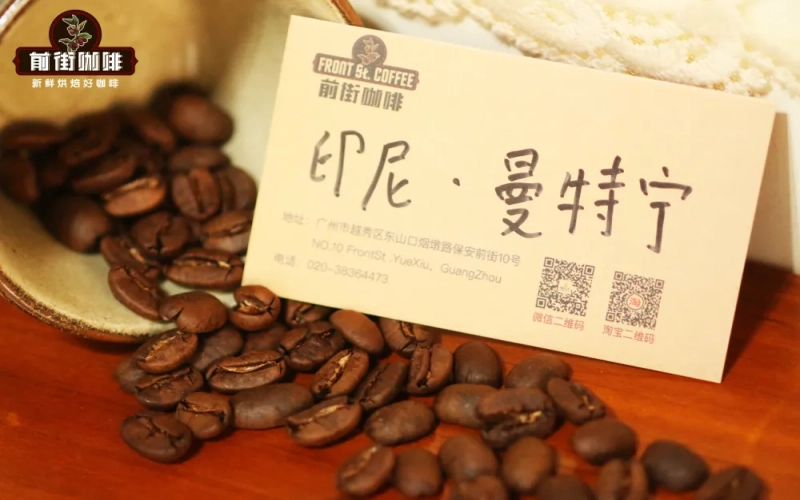
Mandheling is the iconic representative of Indonesian Arabica coffee, often simply called "Sumatra coffee." Behind this name lies Sumatra's unique geographical layout, volcanic soil, earliest harvest season, and core producing regions such as Lintong, Lake Toba, Lake Tawar, and the Gayo highlands. The article also explains how the wet-hulling process gives Mandheling its full-bodied, low-acidity flavor, outlines Indonesia's G1–G6 green bean grading standards, and explains how PWN (Pwani Coffee Company) defines "Golden Mandheling," while also retaining product information for Front Street Lintong Mandheling and Front Street PWN Golden Mandheling. [more…]
Analysis of the Floral Aroma Sources, Processing Methods, and Quality Characteristics of Natural Yirgacheffe Worka Coffee
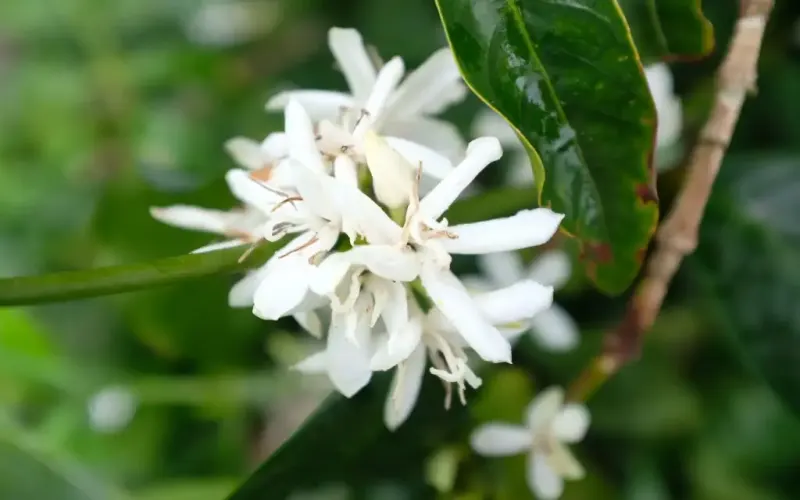
Floral aromas are a fascinating flavor dimension in specialty coffee, yet also one of the hardest for many enthusiasts to identify accurately. The floral scent of coffee is not caused by a single substance, but is the result of volatile compounds, organic acids, polyphenols in the green beans, along with the combined effects of variety, origin, processing method, roasting profile, and brewing technique. Take the natural Yirgacheffe Worka as an example: its jasmine-like white florals are fresh and delicate, and are especially common in washed light-roast beans from African and Central American origins. Understanding the mechanisms behind these aromas and the patterns across origins can help us more easily select coffees with prominent florals. Front Street Gutingting, as a light-to-medium roast washed bean, is an ideal choice for experiencing jasmine florals and a green-tea-like clarity of cup. [more…]

A Comprehensive Analysis of the Flavor Differences and Grade Classification of Yirgacheffe Kochere G1 and G2 Coffee Beans
Yirgacheffe Kochere is one of Ethiopia's most renowned micro-regions, and the coffee beans it produces are famous for their lively citrus acidity, silky sweetness, and rich floral and fruity notes. This article provides an in-depth analysis of the terroir characteristics of the Kochere region, the washed processing method, and Ethiopia's unique coffee grading system—especially the specific differences between G1 and G2 grades in flavor and quality. At the same time, Front Street Coffee will share the roasting curve, cupping report, and pour-over brewing insights for this bean, helping coffee lovers fully understand the charm of Kochere coffee. [more…]
Panama Hacienda La Esmeralda Geisha Coffee: An Analysis of the Flavor Differences Between the Red, Green, and Blue Label Grades and the Auction Journey
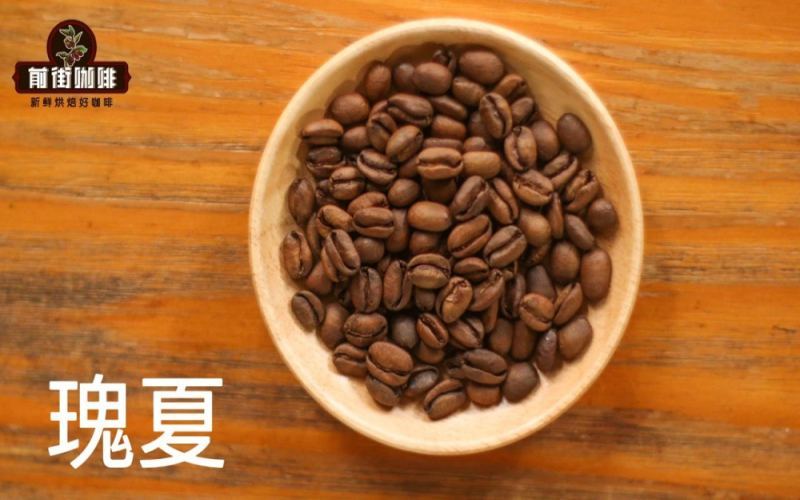
Hacienda La Esmeralda in Panama is the driving force behind Geisha coffee's rise to global fame and the estate that has brought Geisha quality grading to its ultimate extreme. This article will trace the estate's rise, detail the criteria behind its three Geisha grades—Red Label, Green Label, and Blue Label—including their elevation requirements, plot sources, and flavor profiles, and explain the differences between the washed and natural processing methods. The article also compiles Front Street Coffee's brewing recommendations and flavor descriptions for three Hacienda La Esmeralda Geisha coffees, for coffee enthusiasts to reference and compare. [more…]
Ethiopian Washed Yirgacheffe Aricha G1 Coffee Beans: Grade Classification, Flavor Characteristics, and Pour-Over Parameters Explained
Yirgacheffe is one of Ethiopia's most iconic specialty coffee regions, and the Aricha G1 washed lot stands out as one of its finest examples. This article begins with green bean processing methods and grade classification, systematically outlining the grading logic under SCAA standards for the two major categories of washed and natural, and focusing on the origin background, processing station information, and Project Origin's sourcing philosophy behind Aricha G1. We will also share a proven pour-over brewing recipe, along with Front Street Coffee's product parameters, to help coffee enthusiasts fully understand the flavor origins and brewing key points of this bean. [more…]
Exploring Ethiopia Yirgacheffe Kochere Region: Washed G1 Green Coffee Bean Flavor and Processing Analysis
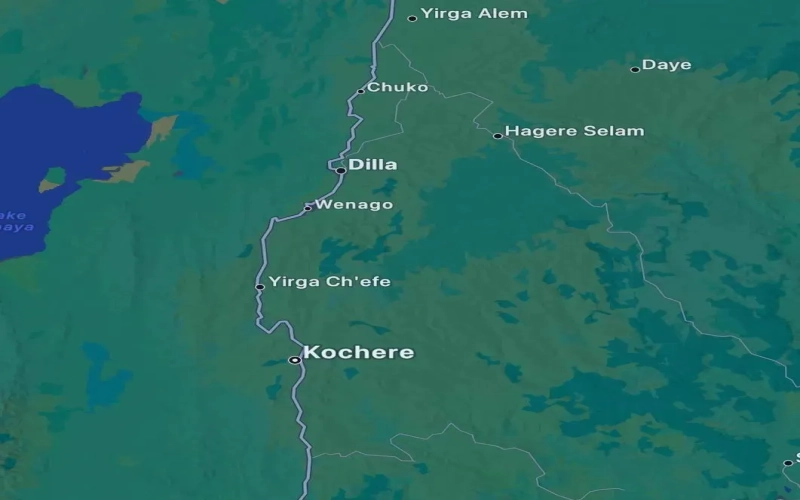
Yirgacheffe is a famous coffee town in Ethiopia, and its surrounding micro-regions such as Kochere are equally renowned for their outstanding flavors. Kochere is located 25 kilometers southeast of Yirgacheffe, at an altitude of 1,650 to 1,800 meters, and is one of the three major micro-regions of Yirgacheffe. The coffee beans produced there are known for their lively citrus acidity, silky mouthfeel, and rich floral aroma. This article provides a detailed introduction to Kochere's geographical background, grading system, and the advantages of the washed processing method, and recommends two washed G1-grade coffees, Front Street Kochere and Gedeb Cooperative, offering coffee enthusiasts purchasing references and flavor guidance. [more…]
A Complete Analysis of Indonesian Sumatra Coffee Origins: The Source of Mandheling Flavor and PWN Golden Mandheling
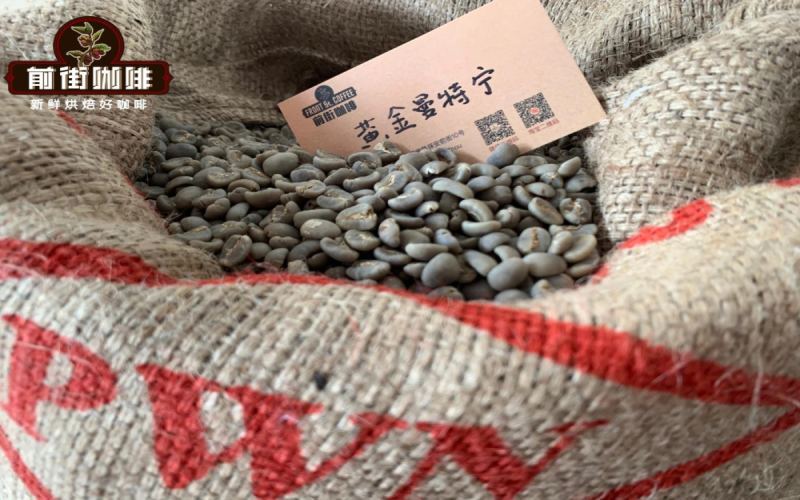
Sumatra is the birthplace of Mandheling coffee, and its unique terroir and wet-hulling process have shaped this coffee's signature herbal spice aroma and rich, full-bodied taste. Among the many Mandheling products, the Golden Mandheling produced by PWN stands out for its strict hand-sorting standards and cleanliness, becoming a representative of Indonesian specialty coffee. Front Street Coffee regularly offers two Indonesian Mandheling coffees, among which the PWN Golden Mandheling has undergone three rounds of hand-sorting, resulting in an extremely low defect rate and superior sweetness and cleanliness. This article will take you deep into the Sumatra producing region, the secrets of the wet-hulling process, and the unique charm of Golden Mandheling, and share Front Street's medium-dark roast brewing parameters. [more…]
An In-Depth Look at Ethiopia Yirgacheffe Kochere: Flavor and Processing Analysis of Washed G1 Green Coffee Beans
Yirgacheffe is a famous coffee-producing region in southern Ethiopia, and its neighboring Kochere is renowned for high-quality washed green coffee beans. Kochere sits at an altitude of 1,650 to 1,800 meters and possesses advanced processing equipment. The coffee beans it produces have intense flavors, with citrus acidity, jasmine floral notes, and a silky mouthfeel, and Coffee Review once gave them a high score of 94 points. Through cupping, Front Street Coffee found that the Kochere washed G1 lot not only has clean and refreshing lemon and spiced tea aromas, but also retains the stable quality and traceability brought by the washed processing method. This article will introduce in detail the background of the Kochere producing region and the characteristics of its washed processing, and recommend two representative coffees, Front Street Kochere and the Gedeb Cooperative, to take you through the terroir charm of the essence of Yirgacheffe. [more…]
How exactly should Golden Mandheling be roasted and enjoyed? A full analysis from the PWN trademark to moka pot iced latte
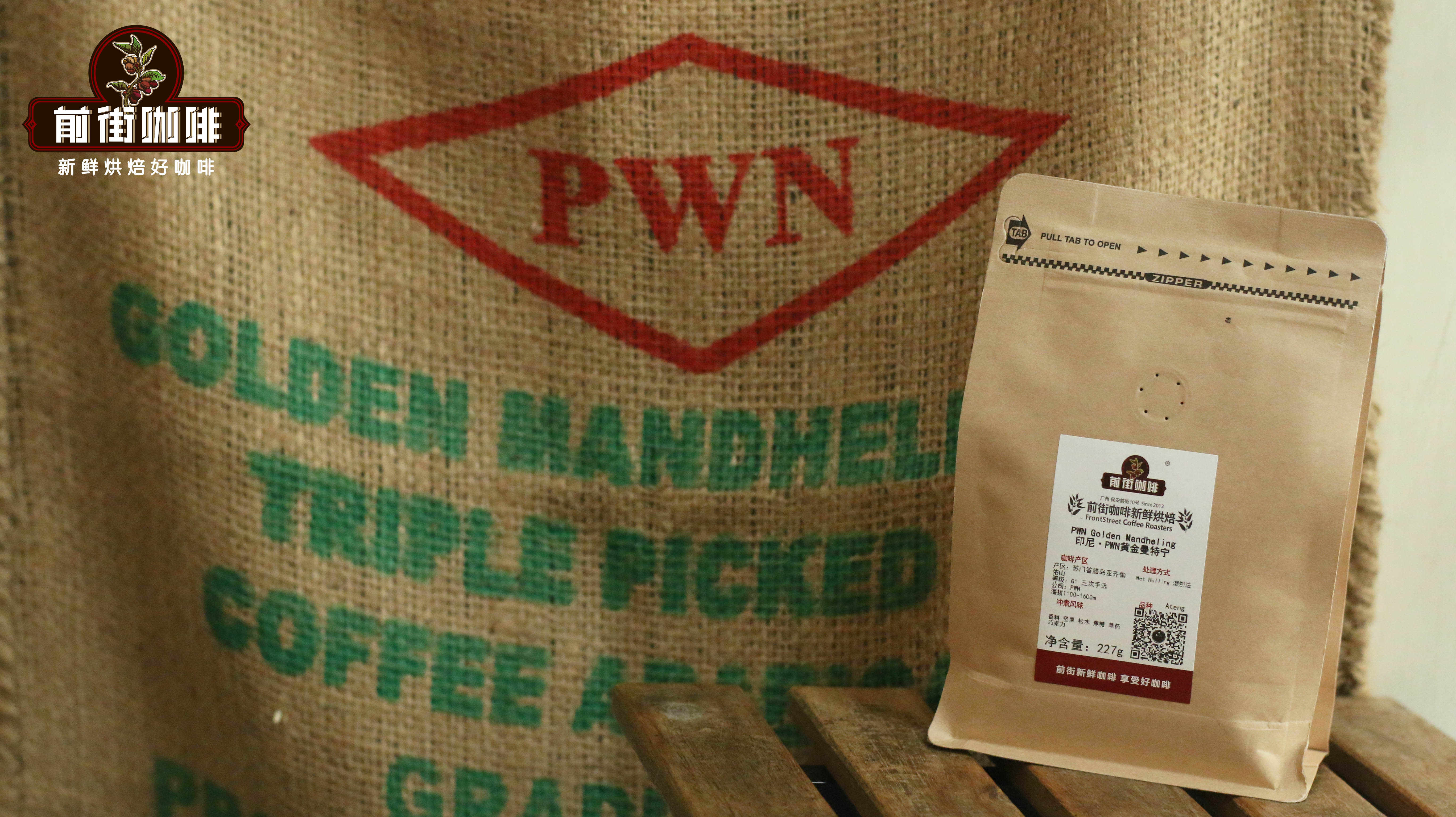
Golden Mandheling is not a coffee grade, but a registered trademark held by the Indonesian company PWN—founded in 1957, it was the first company in Indonesia to export coffee from North Sumatra and a key force behind making Mandheling famous in Japan. Front Street Golden Mandheling comes precisely from PWN, belongs to the highest grade G1, undergoes more than three rounds of hand sorting, has a screen size of 18 and above, and is controlled to no more than 3 defective beans per 300 grams of green beans. This bean has a relatively high moisture content, so extra care is needed during the dehydration phase when roasting. This article will comprehensively sort out the roasting curve from bean charging, dehydration, first crack, to discharge, and explain in detail how caramelization and pyrolysis reactions shape the flavor, and finally include the full process for making an iced latte with a moka pot. [more…]

Exploring the Flavors of Sumatra Mandheling Coffee: From Wet-Hulling to Lintong, Golden, Tiger, and Aged Mandheling
Mandheling is known for its rich, full body and herbal, medicinal notes, but this Sumatra classic is not just one coffee. Among the Mandheling series sourced by Front Street Coffee, besides Golden Mandheling, there are also Lintong, Tiger, and Aged Mandheling, each representing a different flavor direction. This article begins with the history of Indonesian coffee, sorts out the origin of the name Mandheling, the process differences between wet-hulling and aged wet-hulling, and explains in detail the characteristics of Lintong, Golden, Tiger, Aged, and Wahana Estate sun-dried Mandheling. It also includes Front Street Coffee's roasting suggestions and brewing parameters to help coffee lovers understand the flavor landscape of Sumatran coffee more systematically. [more…]

National Consumers League Sues Starbucks: C.A.F.E. Certification and '100% Ethically Sourced' Promise Called into Question
Recently, the National Consumers League (NCL) filed a lawsuit against Starbucks in the Superior Court of the District of Columbia, accusing its "100% ethically sourced" marketing of deceiving consumers. NCL pointed out that Starbucks emphasizes ethical sourcing commitments in its marketing, yet fails to effectively address labor abuses such as child labor and forced labor in its coffee supply chain. Since 2015, Starbucks has claimed that 99% of its coffee is ethically sourced. Although its C.A.F.E. Practices program includes multiple indicators, investigative journalists in Brazil and elsewhere have still found violations at certified farms. Starbucks responded that it will vigorously defend itself and stressed that it works with farms to ensure compliance with standards. [more…]
Yirgacheffe Kochere Washed Coffee Flavor Analysis: The Unique Charm of Ethiopia's Specialty Coffee Region
In Ethiopia's Yirgacheffe region, Kochere is considered the cream of the crop. This article provides an in-depth analysis of the origin background, processing methods, and flavor characteristics of Kochere washed coffee, offering a comprehensive presentation of its lively citrus acidity, silky sweetness, and rich floral and fruity aromas, from altitude and varieties to cupping performance. It also introduces Front Street Coffee's Kochere G1 lot and the Gotiti Cooperative beans, helping coffee enthusiasts understand this micro-region's unique value and traceability trends. [more…]

Analyzing the Sources of Coffee Acidity: A Professional Guide to Identifying Quality Fruit Acidity vs. Negative Sourness
Is the sourness in coffee good or bad? Some people believe that sourness means the coffee is not fresh, while others regard it as a hallmark of high-quality coffee. In fact, green coffee beans themselves are rich in organic acids, most of which decompose or disappear after roasting, leaving only a limited variety of organic acids in the final cup. The latest research shows that there are not many acids that our taste buds can clearly identify, and much of the fruity acidity we perceive actually comes from the combined association of sourness with other flavors. The latest SCA cupping form classifies acidity into two categories—"sweet type" and "dry type"—helping us more accurately judge whether a coffee's acidity is good or bad. This article, from the professional perspective of Front Street Coffee, will provide an in-depth analysis of the sources of coffee acidity and the criteria for evaluating it. [more…]
Why Does Coffee Taste Salty? Analyzing the Sources of Saltiness from Processing Method and Bean Variety to Brewing, and the Reasons Espresso Tastes Salty
When drinking coffee, you may occasionally encounter a salty taste. This is not an illusion, nor is there anything wrong with your sense of taste. Coffee itself contains four basic tastes: sour, sweet, bitter, and salty, which balance each other out. Once sweetness is insufficient, saltiness tends to emerge. The sources of saltiness are quite complex, potentially involving the processing method, coffee bean variety and altitude, defective beans, brewing water, roast level and freshness, as well as extraction technique, among other factors. Among these, espresso tends to have a more pronounced salty sensation due to the relationship between taste distribution and concentration. This article will go through the causes of saltiness one by one, while retaining Front Street brand recommendations, to help coffee enthusiasts understand and try to avoid brewing a cup of coffee with a salty taste. [more…]
ICE Arabica certified stocks fall to a 24-year low, with nearly 30% of green beans stored for over a year becoming aged beans
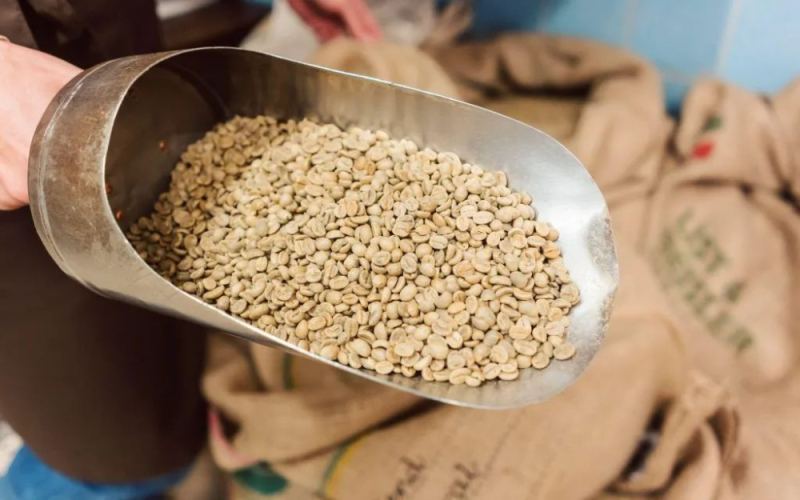
Intercontinental Exchange's certified arabica green coffee inventory has plummeted to a 24-year low, totaling just 368,000 bags. More alarmingly, nearly one-third of these beans have been sitting in delivery warehouses for over a year, becoming stale coffee. This situation stems from spot prices exceeding futures prices, prompting roasters to buy directly from exchange stocks, while congestion at Brazilian ports makes replenishment with new beans a distant prospect. The combination of low inventory and the stale bean problem, compounded by global economic and financial uncertainty, has led the market to widely expect green coffee prices to remain highly volatile in the medium term. [more…]
Exploring Yirgacheffe Kochere: A Specialty Coffee Region of Jasmine Aroma and Citrus Sweetness
Kochere is a highly core micro-region within Ethiopia's Yirgacheffe producing area, famous for its distinct fruity notes, lively citrus acidity, and silky sweet mouthfeel. This article outlines Kochere's geographical location, production model, and grading system, and introduces the process and advantages of the washed processing method. At the same time, the article highlights two Ethiopian washed beans from Front Street Coffee—Kochere G1 and the Gotiti Cooperative—which respectively present flavors such as jasmine fragrance, lemon aroma, and citrus tea notes, suitable for various brewing methods including pour-over and cold brew, providing coffee enthusiasts with clear purchasing and tasting references. [more…]
Yirgacheffe Kochere Pour-Over Guide: Washed G1 Flavor Profile and Origin Analysis
Kochere is a highly representative micro-region within the Yirgacheffe growing area, known for its washed processing and G1 grade, with flavors that often present citrus acidity, jasmine aroma, and silky sweetness. This article systematically reviews the characteristics of Kochere coffee, from regional division, production models, and processing methods to specific flavor descriptions, and shares the cupping performance and pour-over suitability of two Yirgacheffe beans, Front Street Kochere and Front Street Gutingding, helping coffee lovers understand the unique charm of this premier growing region. [more…]

Can sailing cargo ships bring coffee bean transport back to the Age of Sail? A UK company's zero-carbon experiment
After the COVID-19 pandemic, consumers are paying increasing attention to the environmental friendliness of coffee—from green bean cultivation to the coffee in the cup, carbon emissions are being taken into account. Coffee-producing countries and consuming countries are mostly separated by oceans, and tens of thousands of tons of coffee beans rely on air or sea freight, making fossil fuels an unavoidable source of power. The British experimental company NEW DAWN TRADERS is trying to change this situation. They charter sailing ships, abandon fuel engines, and transport green coffee beans back to the UK from places like Colombia. The voyage lasts more than five months and covers about 7,000 nautical miles. Although it takes much longer, it significantly reduces carbon emissions. At the same time, Canada's Café William and Sailcargo are also building zero-emission sailing cargo ships, with plans to put them into operation in 2023. This article will review the glorious history of sailing cargo ships and explore the possibilities of this ancient mode of transportation in the modern coffee industry. [more…]