







Search Results for: Green Coffee Storage
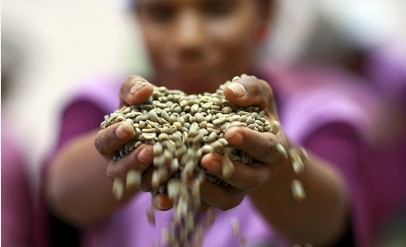
Green Coffee Storage | What Are Green Coffee Packaging Methods? Introduction to Green Coffee Storage Temperature, Humidity, and Shelf Life
Until recent years, all coffee beans were packaged in burlap sacks and transported in shipping containers, only reaching roasters several months after the beans had been processed. If roasters and importers occasionally wanted to cup coffee beans from the place of origin, or taste a "pre-shipment sample," what they received instead would be stored [more…]

Yirgacheffe Four-Roast Cupping Record: An Analysis of How Green Bean and Roasted Bean Freshness Affect Flavor Complexity
How much of an impact does the freshness of coffee beans really have on flavor? Through comparative observation and roasting cupping of four washed Yirgacheffe G2 green beans, this article analyzes one by one the key role of freshness in coffee quality, from green bean color and dehydration state to post-roast aroma and mouthfeel layers. The test used the same roasting curve and repeatedly evaluated the coffee by pour-over and immersion methods, ultimately finding that Sample A and Sample B formed a striking polarity—the former had prominent floral and fruity notes and a long, sweet finish, while the latter lacked vitality due to aging. Whether green beans or roasted beans, freshness is the core element that determines the soul of coffee, and Front Street Coffee has always emphasized the importance of storage conditions. [more…]
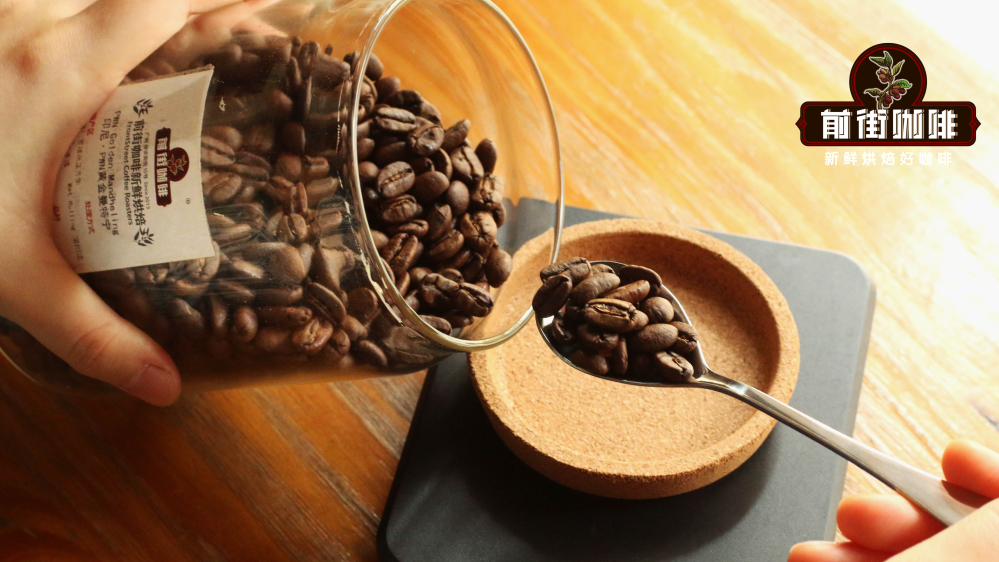
Specialty Coffee Bean Storage | How Long Can Hand-Brewed Single-Origin Beans Be Stored? Can Coffee Beans Be Stored in the Refrigerator? What Factors Affect Coffee Freshness?
Introduction: How long do coffee beans stay fresh? What is the best way to store coffee beans? Should coffee beans be kept in the refrigerator? The freshness of coffee beans directly affects the flavor of a cup of coffee, and proper storage is a key factor influencing their freshness. Front Street Coffee would like to emphasize that there are mainly two ways to store coffee beans. [more…]
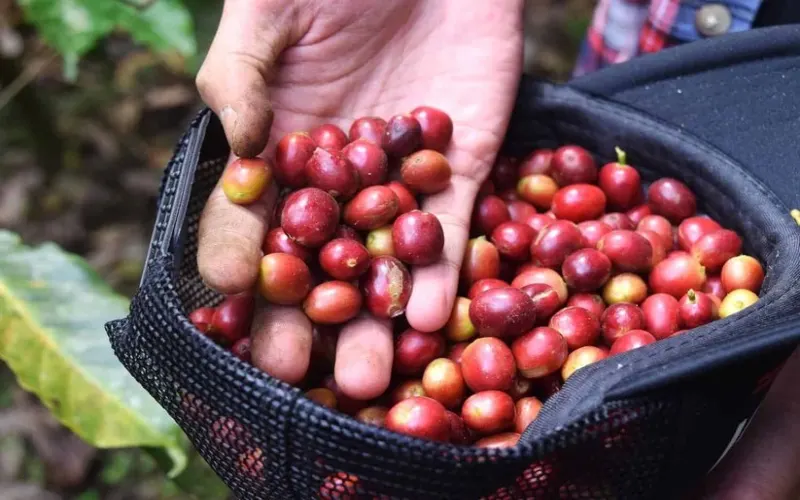
The Story of Mandheling's Origins | What Are the Flavor and Mouthfeel Characteristics of Indonesian Mandheling Coffee Beans? Is Indonesian Specialty Single-Origin Coffee Good as Pour-Over? What Is the Indonesian Wet-Hulling Method?
Whether in-store or on the Tmall flagship store, customers frequently ask Front Street Coffee (FrontStreet Coffee) how to choose coffee beans, because the store currently displays more than 30 varieties of coffee beans. [more…]
How to Store Ground Coffee | Can Ground Coffee Be Put in the Fridge? How Long Does Ground Coffee Last? How Do the Flavor and Taste Change After Coffee Beans Are Ground into Coffee Powder?
It's a well-worn topic that freshly ground coffee brews up more fragrant, and we're also well aware of how important freshness is to coffee flavor. But sometimes, to avoid hassle, many friends have the merchant grind the coffee beans into powder before shipping when buying beans, because then when it's time to brew, there's no need to worry about what grind setting to use, nor [more…]
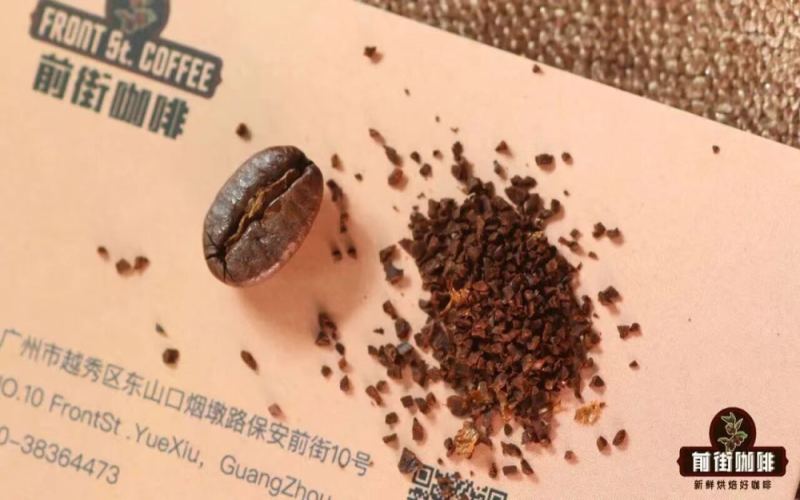
Coffee Bean Peak Flavor Window | Can Washed Yirgacheffe Pour-Over Coffee Grounds Be Stored in the Refrigerator? Is There a Big Flavor Difference Between Roasted Coffee Beans and Freshly Ground Coffee?
Freshly ground coffee brews up more aromatic—this is already a well-worn topic, and we also know well how important freshness is to coffee flavor. But sometimes, to avoid hassle, many friends have the merchant grind the coffee beans into powder before shipping when buying beans, because then when it comes time to brew, there's no need to worry about what grind setting to use, nor [more…]
Mandheling Flavor and Taste | What Is the Difference Between Indonesian Sumatra Mandheling Coffee and Colombian Coffee? Who Is PWN Golden Mandheling Suitable For?
Friends who know about Geisha coffee and Blue Mountain coffee will have some understanding of Colombian coffee, so do you know what differences exist between them? If not, today let's join Front Street to distinguish Sumatra Mandheling coffee and Colombian coffee. Whether in flavor or mouthfeel, the two [more…]
Coffee Bean Oil Release | What factors cause roasted coffee beans to become oily? Does coffee bean oil release mean poor coffee quality?
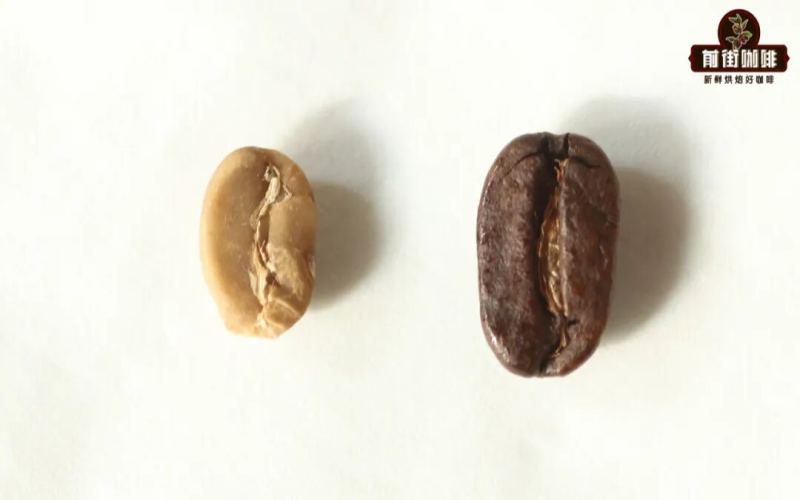
If you often buy beans and brew them at home, you've probably noticed that some coffee beans start to show oil on their surface after sitting for a while. Other beans, no matter how long they're stored, still look dry on the surface. This leads to a rather interesting phenomenon: some people believe that coffee beans [more…]
Coffee Bean Storage Methods | Which bagged coffee bean roasting brands are recommended for beginners? How long after the roast date do coffee beans taste best?
Whether it's for a morning wake-up, an afternoon pick-me-up, or a slow, leisurely brew at home, choosing the right coffee beans can bring café-quality flavor right to your doorstep. Today we're bringing you a coffee bean brand with a stellar reputation across the web, along with a roundup of bagged coffee beans that deliver consistent flavor and are absolutely worth repurchasing—so beginners can avoid any missteps, and longtime fans can stock up with complete confidence. [more…]
Coffee Storage | Which is fresher: pre-ground coffee or freshly roasted coffee beans? How long is the shelf life of coffee beans? Can proper coffee bean storage methods extend the freshness of coffee?
Front Street recently noticed that some coffee-loving friends have stored their coffee beans unopened for two months, believing that as long as the bag is unopened, the beans won't go bad. In fact, it's true they won't spoil, but this will affect the flavor of the coffee beans. So in this next article, Front Street will explain a bit about cof [more…]
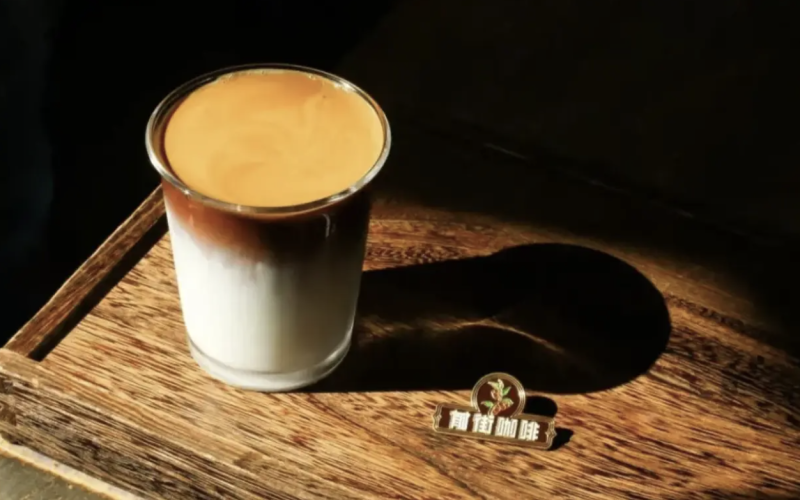
Cold Brew Coffee Practical Guide: Ratio, Time, and Storage Explained Clearly
When the weather gets hot, many people crave cold brew. But buying a cup at a coffee shop easily costs twenty or thirty yuan, and drinking it every day adds up to a considerable expense. In fact, cold brew is a coffee with a very low barrier to making at home—no professional equipment needed, just a sealed jar at home. Soak it the night before, and you can drink it the next morning. This article covers how to make cold brew [more…]
From Roast Date to Opening and Tasting: The Flavor Cycle and Storage Tips of Pour-Over Coffee Beans
Freshly roasted coffee beans accumulate a large amount of carbon dioxide gas within their bodies, making them unsuitable for immediate grinding and brewing in the first few days after roasting. When hot water is poured in, the gas is released violently, forming a dense barrier layer that hinders full contact between the water flow and the coffee grounds. Through a resting and degassing period ranging from several days to more than ten days, the internal aroma molecules [more…]
American-style coffee beans within their peak flavor window: the selection and drinking rhythm from degassing and resting to opening and storage
The clear, translucent mouthfeel and layered complexity of Americano depend largely on the活跃 state of the flavor compounds inside the coffee beans. Freshly roasted coffee beans do not reach their full, vibrant state immediately; the carbon dioxide that builds up inside them is slowly released over time. Understanding this pattern of change can help us follow the beans' natural rhythm and, at [more…]
Yirgacheffe for Pour-Over: Complexity and Cleanliness
For pour-over Yirgacheffe, the standard is flavor layering and clarity: washed Gedeb, with its citrus florals and green tea sweetness, unfolds layer by layer through the pour-over filter paper; sun-dried Huakui has a richer fruit aroma—when brewed as pour-over, the strawberry sweetness arrives first, followed by the passion fruit acidity—pour-over brings out Yirgacheffe's layering [more…]
From degassing to flavor release: home coffee bean peak-flavor window and advice for drinking in batches
After coffee beans expand from the heat in the roasting drum, their internal porous structure stores a large amount of carbon dioxide gas. Freshly roasted beans are in an active degassing phase; if water is poured in to brew at this point, the violently escaping bubbles will block even contact between the hot water and the coffee grounds, and the extracted flavor easily tastes green and muddled. [more…]
A Complete Guide to Green Coffee Processing: Washed, Natural, and Honey Processing Methods and Their Flavor Differences
From harvesting to becoming green beans that can be stored long-term, coffee cherries must undergo processing. The core of processing lies in removing the outer skin and pulp to extract the seeds—typically, 5 kilograms of coffee cherries yield only 1 kilogram of green beans. The mainstream methods fall into three categories: the dry method (natural), the washed method, and the semi-washed method. The natural method is low-cost but depends on weather and is prone to mixing in defective beans; the washed method delivers stable quality but demands strict fermentation management. Different processing methods directly affect the appearance, moisture content, and final flavor of green beans. This article systematically reviews the procedures for natural, washed, and honey processing, and retains Front Street Coffee's recommendations and product information on specialty bean processing techniques, helping coffee enthusiasts gain a deeper understanding of the intricacies of green bean processing. [more…]
When to start drinking Americano coffee beans: understanding the peak aroma and storage rhythm
Coffee beans begin degassing continuously from the moment roasting is complete, and their aroma slowly changes as well. When making an Americano, the espresso is further diluted with water; overly active gas can make extraction uneven, while leaving it too long may leave nothing but flat bitterness. Rather than fixating on "the fresher the better," it is more practical to plan the rhythm of opening the bag, drinking, and finishing it, so that a bag [more…]
Recommendations for Full-Bodied, Low-Acid Pour-Over Beans | Is Mandheling Coffee the Most Bitter Coffee? What Are the Flavor Characteristics of Indonesian Sumatra Coffee Beans?
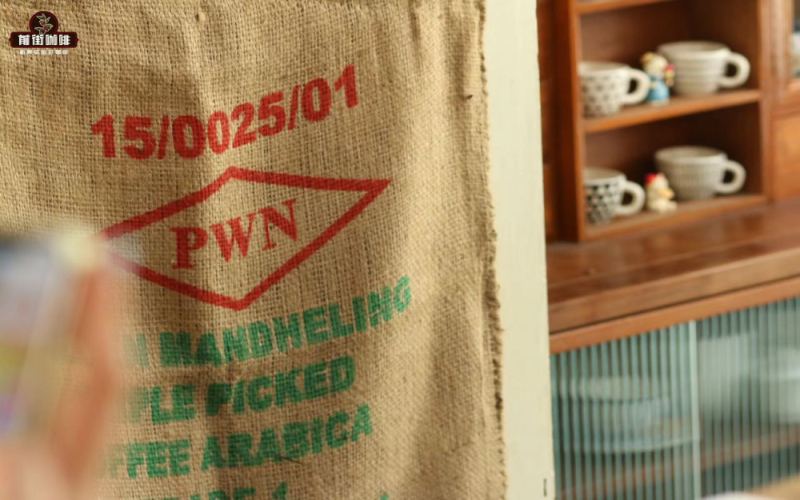
“Why is Mandheling coffee so bitter?!” Many friends, when first encountering Mandheling coffee, are always struck by its unique herbal spice notes and rich, intense mouthfeel. But that’s exactly where its charm lies! Although it is bitter, a good Mandheling coffee comes with a very pleasant sweet aftertaste, and its texture is smooth and full. [more…]
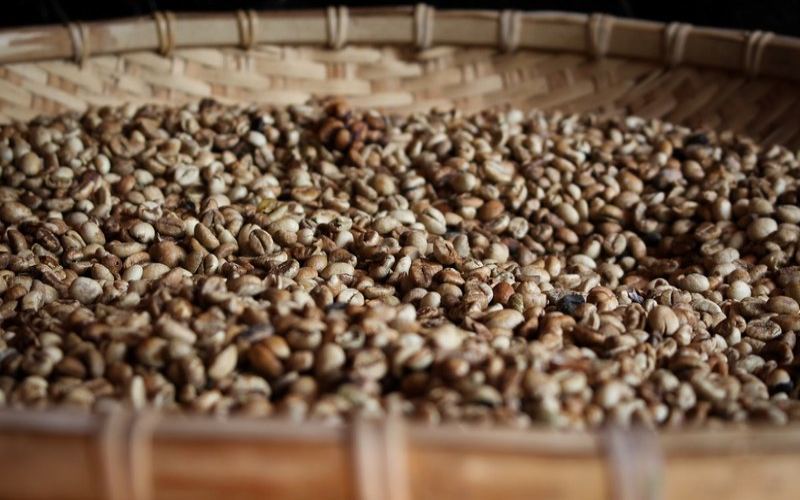
How Many Days After Roasting Do Coffee Beans Taste Best? From Resting Cycles to Sealed Storage—The Rhythm of Peak Flavor
Freshly roasted coffee beans enter a degassing phase in the early stage, during which the carbon dioxide trapped inside is slowly released over time. If brewed immediately at this point, the water flow tends to be blocked by the bubbles, preventing the flavor compounds from dissolving out evenly. Letting the beans rest in a bag with a degassing valve for a period of time allows the internal pressure to stabilize. This process [more…]
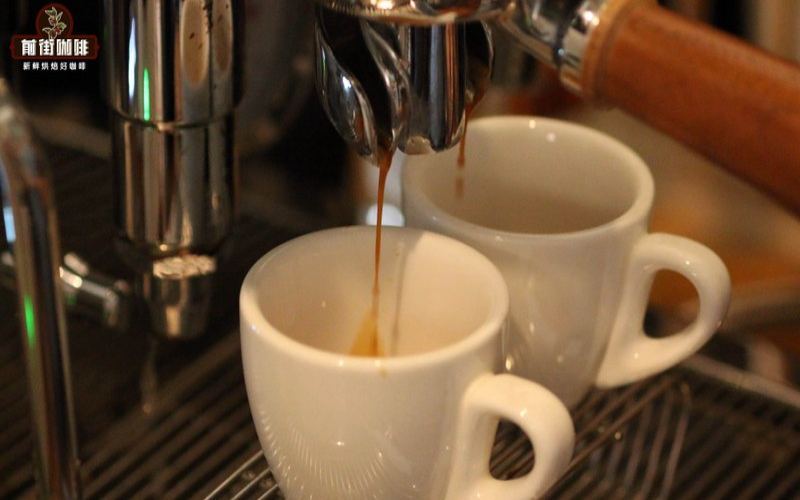
The Flavor Window and Drinking Rhythm of Yirgacheffe SOE
Yirgacheffe SOE is often expected to have a bright aroma, but a bag of beans will undergo continuous changes in flavor from the moment it is roasted to the moment it is tasted. Freshly roasted coffee contains more carbon dioxide, and the aroma is easily held up by the gas; during extraction, there may also be sharp acidity, channeling, or excessive foam. Keep track of the purchase date, resting time, and how quickly the bag is opened. [more…]