







Friends who know about Geisha coffee and Blue Mountain coffee will have some understanding of Colombian coffee, so do you know what differences exist between them? If not, today let's follow Front Street Coffee to distinguish Sumatra Mandheling coffee and Colombian coffee—whether in flavor or mouthfeel, the differences between the two are vast and varied.
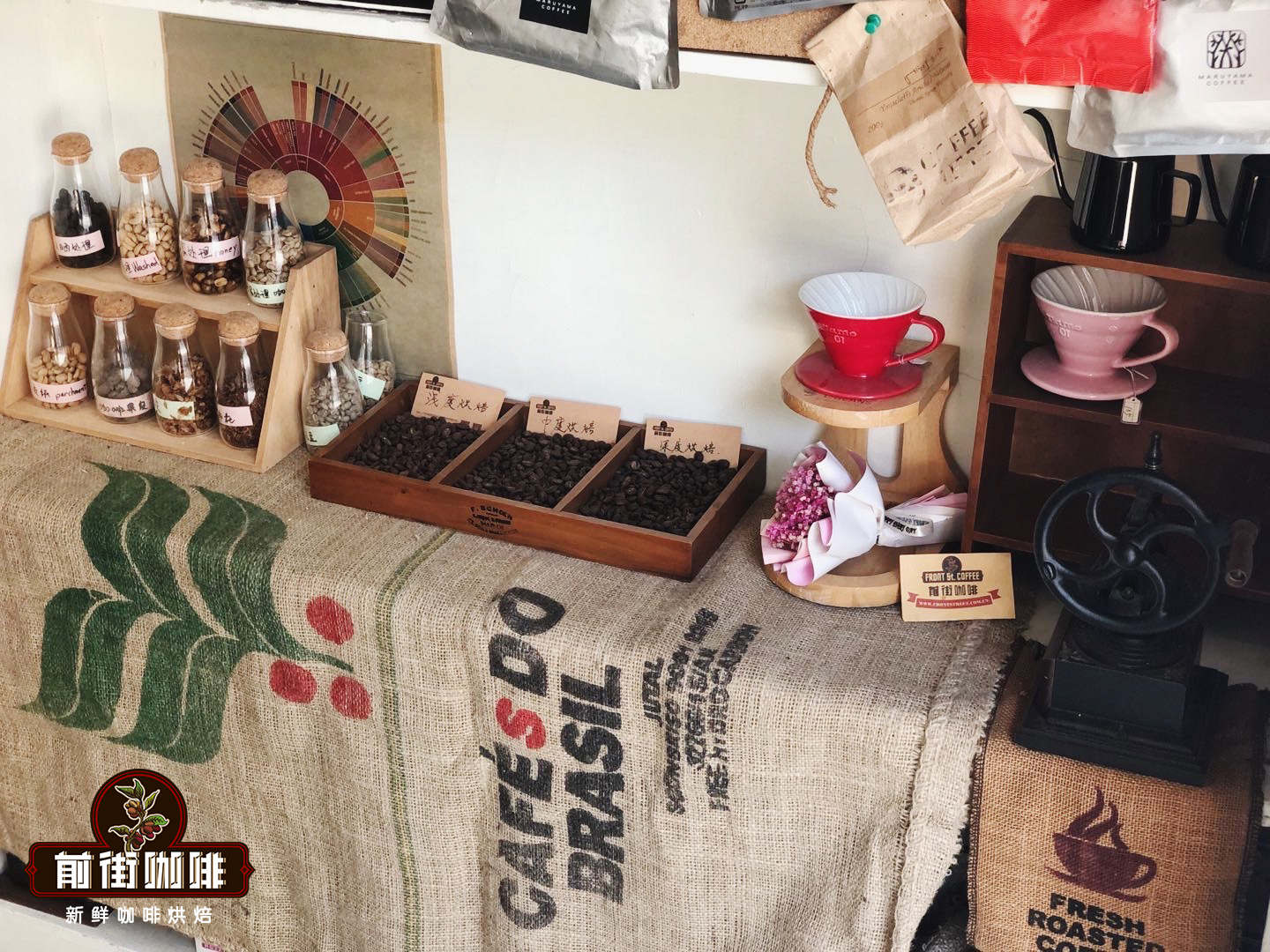
At the store or on the Tmall flagship store, customers often ask Front Street Coffee how to choose coffee beans. This is because Front Street Coffee currently displays more than 30 varieties of coffee beans, all sourced from various coffee-producing regions around the world, each with its own merits, and other coffee-producing regions are updated from time to time. Mandheling coffee is one of the coffee beans most familiar to Chinese people, so do you also know about the history, culture, and stories behind Mandheling coffee? Regarding the coffee of Colombia, the world's largest exporter of washed coffee beans, do you also know the characteristics of this coffee-producing region? Guests who come to Front Street Coffee are not just there to drink a cup of coffee, and Front Street Coffee is not just there to serve a cup of coffee.
The story of Mandheling originates in the 17th century, when the Dutch first introduced Arabica seedlings to Ceylon (today's Sri Lanka) and Indonesia. In 1877, a large-scale disaster struck the Indonesian islands; coffee rust disease destroyed almost all the coffee trees, and people had to abandon the Arabica they had cultivated for many years and introduce Robusta coffee trees with strong disease resistance from Africa. Today, Indonesia is a major coffee-producing country. Coffee production is mainly in Java, Sumatra, and Sulawesi, with Robusta varieties accounting for 90% of total production.
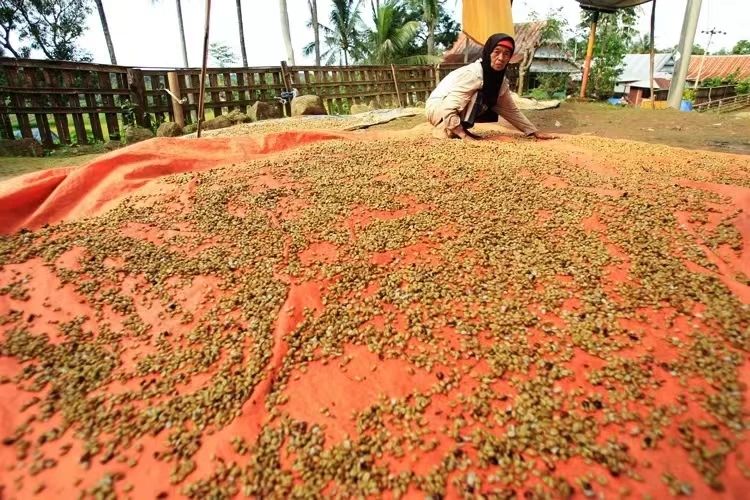
Sumatra Mandheling, on the other hand, is a rare Arabica variety. These trees are planted on hillsides at altitudes between 750 and 1,500 meters. The mysterious and unique Sumatra variety gives Mandheling coffee a rich aroma, full body, strong taste, and slight notes of chocolate and syrup. Mandheling coffee beans are relatively large and hard, and defects easily appear during cultivation. After harvesting, they usually must undergo strict manual sorting. If the control process is not strict enough, quality can easily become uneven, and different roasting levels also directly affect the taste, making it a single-origin coffee with more controversy. The name Mandheling is very different from other coffee beans. It is not a producing region, place name, port name, or even the name of a coffee variety (just as Yirgacheffe or Sidamo are names of African producing regions). Its name is merely a mispronunciation of the Indonesian Mandailing people.
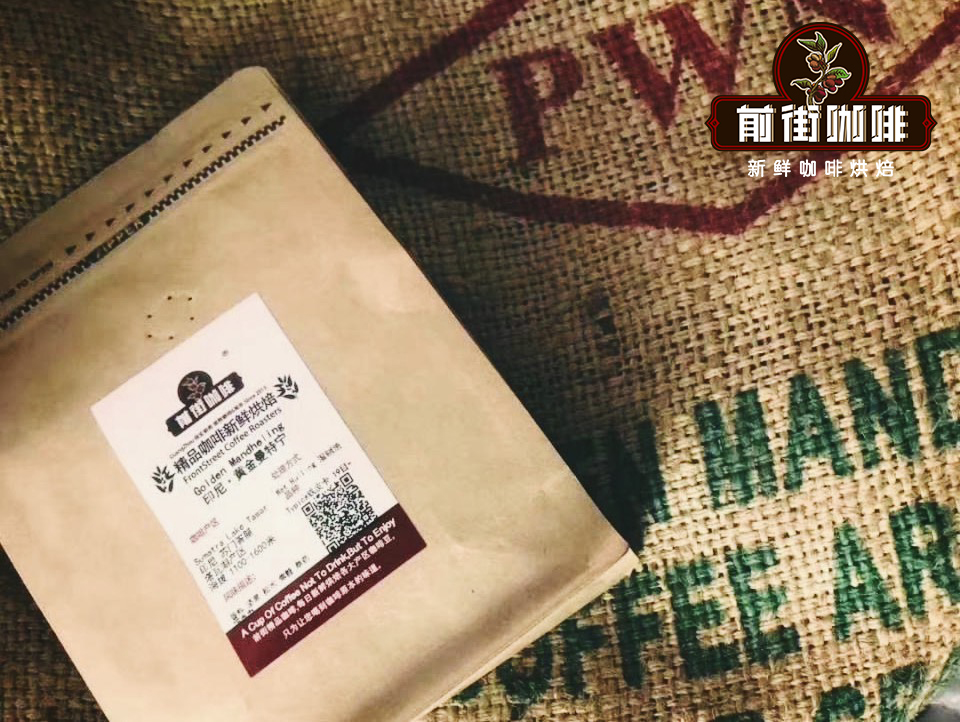
Why would this ethnic group be connected to coffee? In fact, there is a legendary story of a lucky accident. During World War II, Japan occupied Indonesia. One Japanese soldier drank an incredibly delicious coffee in a certain coffee shop. He immediately asked the shop owner the name of the coffee, but due to the language barrier, the shop owner thought he was asking, "Where are you from?" So he answered, "Mandailing." After World War II ended, this Japanese soldier recalled the "Mandheling" he had drunk in Indonesia and asked an Indonesian broker to ship fifteen metric tons of Mandheling to Japan. It became very popular in the Japanese coffee market, and so the name Mandheling has been passed down to this day. (This broker founded what is now the famous Pwani Coffee Company in the Indonesian coffee world, abbreviated PWN, which is also the trademark owner of Golden Mandheling.)
Mandheling Coffee Mandheling coffee beans are produced on the island of Sumatra in Indonesia, Asia, and are also called "Sumatra coffee." Mandheling is a premium coffee bean grown on highland mountains at altitudes of 750-1,500 meters. It belongs to Indonesia's rare Arabica coffee beans, and the first-grade Mandheling produced in Takengon and Sidikalang is considered the best. Sumatra's mysterious and unique natural environment gives Mandheling a rich aroma, full body, strong taste, and slight notes of chocolate and syrup.
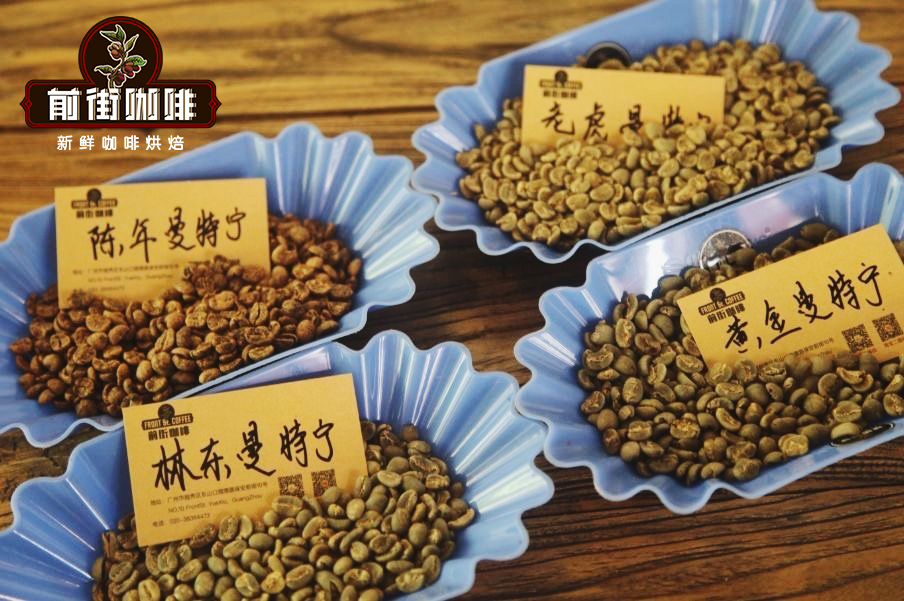
Mandheling coffee beans are relatively large and hard, and defects easily appear during cultivation. After harvesting, they must undergo strict manual sorting; otherwise, quality can easily become uneven. In addition, different roasting levels also directly affect the coffee's taste, making it a single-origin coffee with relatively more controversy. The appearance of Mandheling coffee beans can be called the ugliest among coffee beans, but Front Street believes that in terms of taste, Mandheling coffee has an impressive deliciousness: it is rich in flavor, sweet and fragrant, purely bitter, mellow and thick, with a slight sweetness.
Because Mandheling coffee beans themselves do not have much acidity, after long heat preservation or being made into iced coffee, they will not develop an unpleasant sour and astringent taste. After roasting, the coffee beans are relatively large, and the green beans are brown or dark green, with a special caramel-like fragrance and a mellow, rich taste. Most general coffee lovers like to drink it as a single origin, but it is also an indispensable variety in coffee blends. What are the common Mandhelings? Here are four Mandhelings from Front Street Coffee: Lintong Mandheling, Golden Mandheling, Tiger Mandheling, and Aged Mandheling.
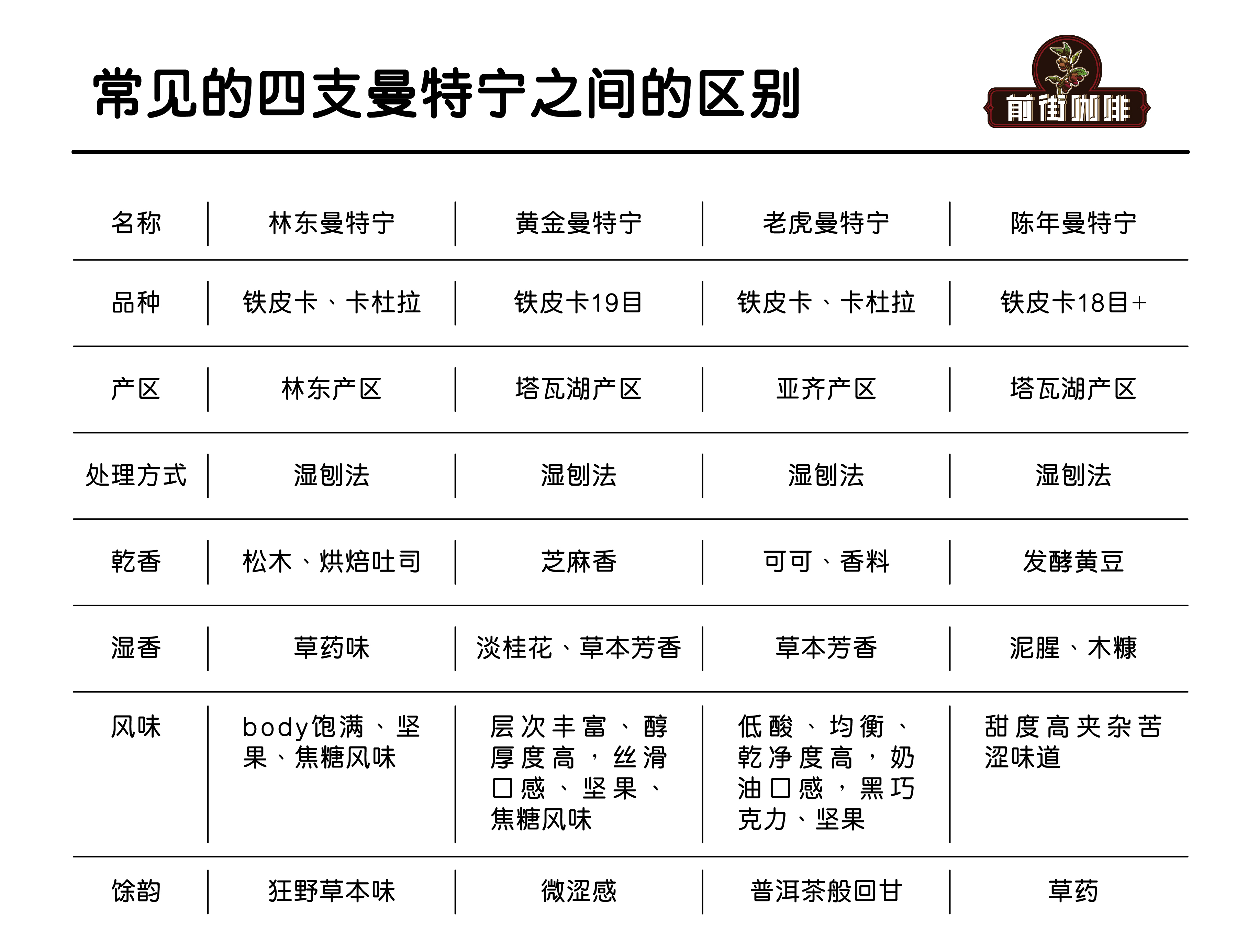
1. Lintong Mandheling A specialty Mandheling produced in the Lintong region, with relatively large beans and relatively hard bean texture.
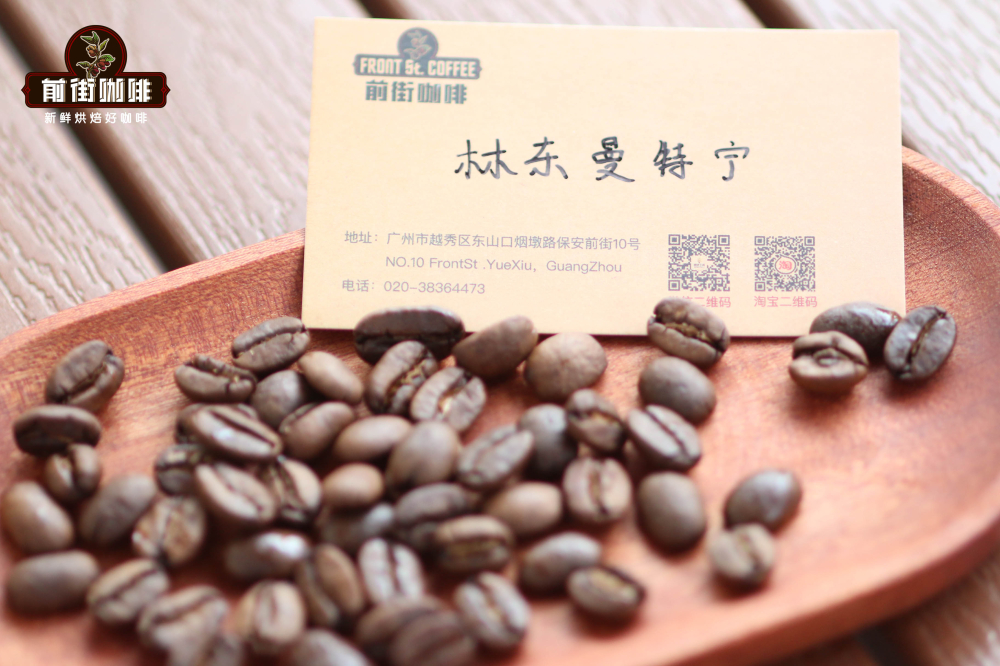
Front Street Coffee: Indonesia Lintong Mandheling Coffee Beans
Region: Indonesia · Sumatra
Grade: G1
Altitude: 1100~1600m
Variety: Ateng, TimTim
Processing Method: Wet Hulling
Flavor: Nuts, spices, chocolate, caramel
Indonesian coffee varies greatly in quality, but what we usually call Mandheling refers to Typica or its variants grown in the mountainous areas around Lake Toba. Coffee gourmets around the world have commented: "Sumatra Mandheling coffee has the best body in the world. Mandheling coffee beans are relatively large and hard, and because there are many defects, they need strict sorting during coffee processing. Mandheling coffee is an indispensable variety in coffee blends. Its coffee flavor is rich, sweet and fragrant, purely bitter, mellow and thick, with a little sweetness and slight acidity.
2. Golden Mandheling Golden Mandheling was trademarked by Indonesia's PWN company, making Golden Mandheling exclusive to PWN.

Front Street Coffee: PWN Golden Mandheling Coffee Beans
Region: Indonesia · Sumatra
Grade: G1, triple hand-sorted
Altitude: 1100~1600m
Variety: Ateng
Processing Method: Wet Hulling
Flavor: Nuts, spices, herbs, caramel
The Mandheling coffee purchased by PWN is selected from Gayo Mountain, grown in the Aceh region of north-central Sumatra. Sumatra is the largest island in Indonesia and has a tropical rainforest climate, with high temperatures and humidity year-round. Coffee trees are generally planted in highland forest areas. The coffee produced on Gayo Mountain in the Aceh region can be said to be the highest quality in the entire Sumatra region. Most are old tree varieties at higher altitudes, between 1,500 and 2,500 meters. Because the political situation was previously unstable, coffee from this region was difficult to export. In recent years, the situation has become peaceful, Aceh's coffee cultivation has also developed, and its quality is superior to that of the Lintong region.
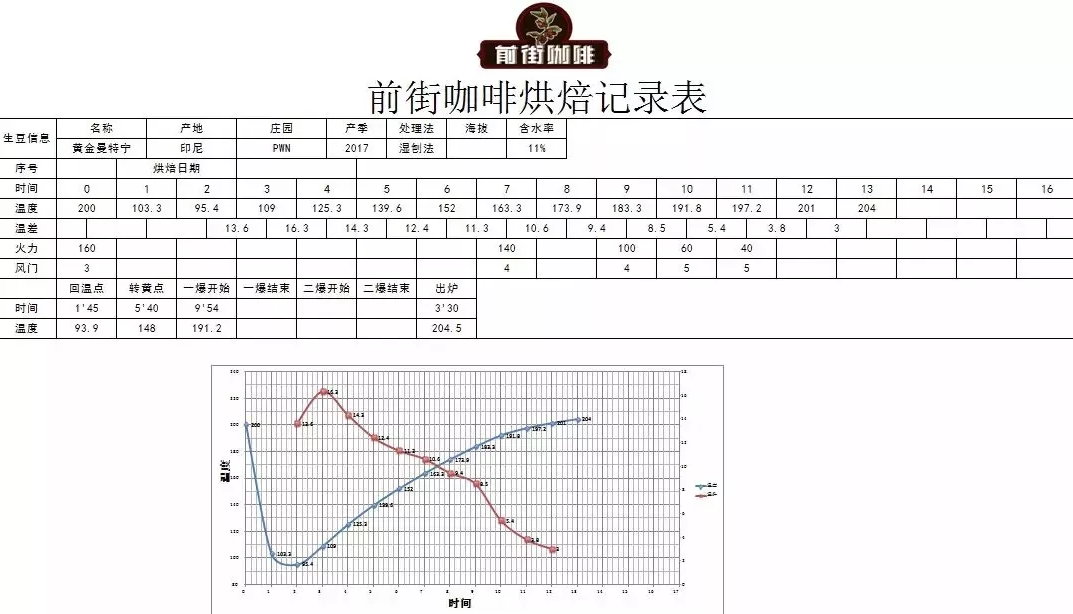
Front Street Coffee roasts and brews Golden Mandheling. Roasting Curve Front Street Coffee believes that Golden Mandheling is a green bean with relatively high moisture, and compared with sun-dried beans it has a relatively large deviation in moisture, so special attention must be paid during dehydration. For green beans with high moisture content, after putting in the green beans, you can immediately close the airflow damper, steam for 30 seconds, then open it to 3, until the color of the green beans turns light green or white, open the airflow damper to 4, and after first crack open it to 5 (maximum).
Brewing Parameters Daily
For brewing Mandheling, Front Street Coffee recommends using a KONO dripper, because it can bring out a rounder, mellower mouthfeel and a more direct flavor expression. The only exhaust part of the Kono dripper is in that one-quarter of the ribs. When the water level passes the rib section, the water level in the dripper keeps rising, increasing pressure through the weight of the water. Because the outlet is relatively small, it can extend the contact time between coffee particles and water a little longer. As the water flow drives it, this can more effectively bring out soluble substances. With this brewing method, Front Street Coffee can generally achieve the high-body effect guests expect.
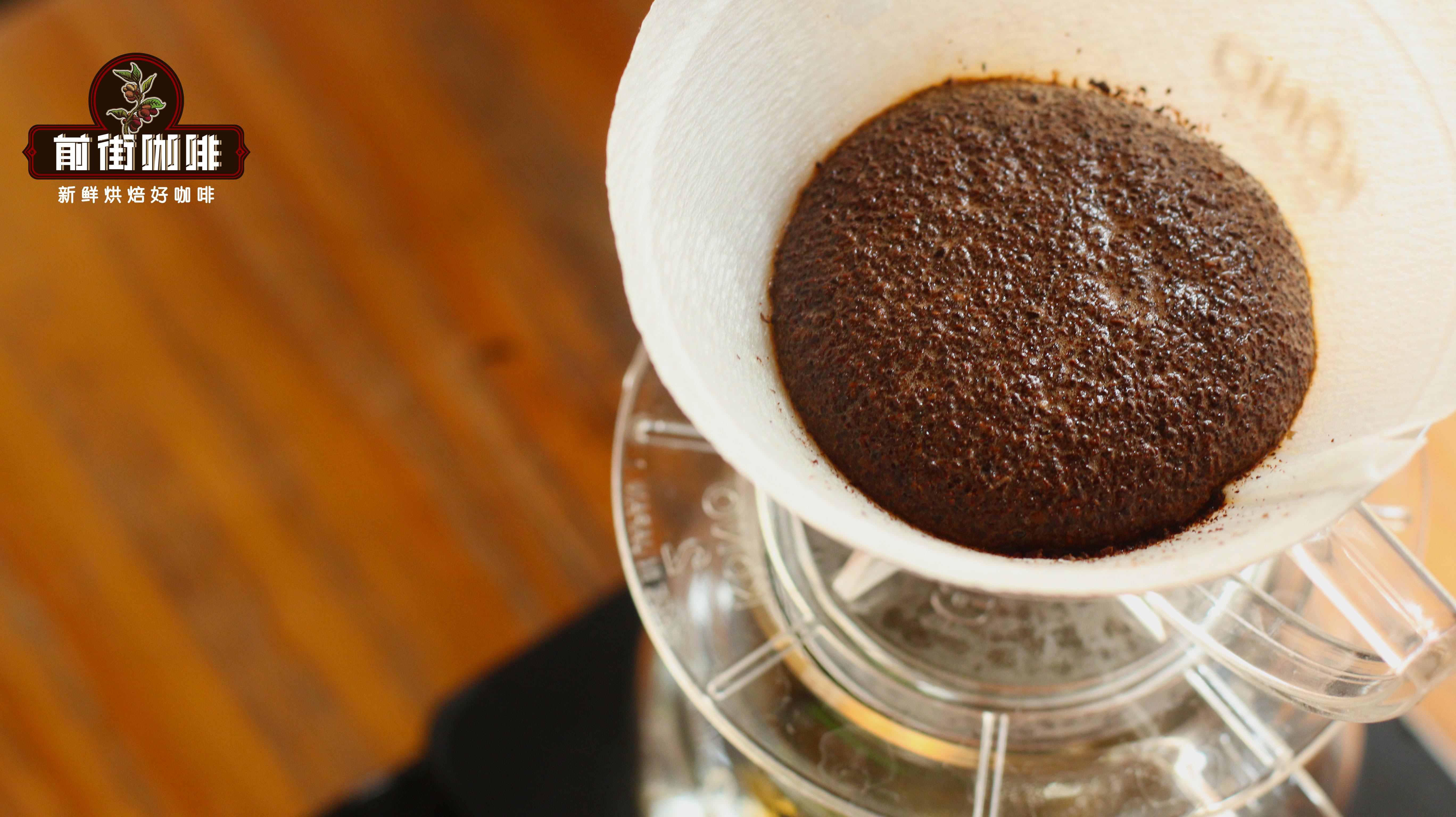
Dripper: Kono dripper
Water temperature: 86℃
Dose: 15 grams
Coffee-to-water ratio: 1:15
Grind size: medium-fine grind (70% passing rate on China No. 20 standard sieve)
Pouring technique: three-stage extraction
First use 30 grams of water for blooming for 30 seconds, then pour in a small stream in circles until 125 grams for the first stage. When the water level is about to expose the coffee bed, continue pouring until 225 grams and stop. When the water level is about to expose the coffee bed, remove the dripper. (Start timing from the beginning of blooming.) Extraction time is 2’00".
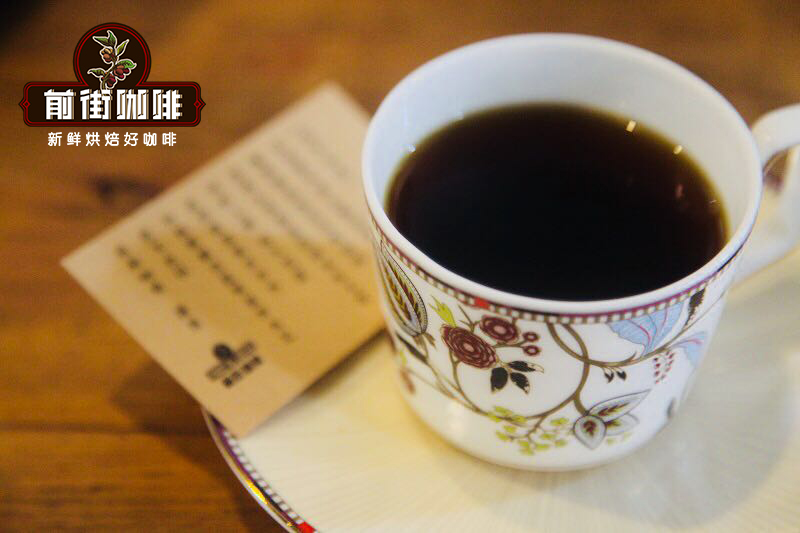
Flavor Description Layered and varied, mellow and clean, highly balanced, with rich nut and caramel aromas, chocolate notes, and a long finish.
3. Tiger Mandheling Only Mandheling with a defect rate below 4% at 17 screen and above can be called Tiger Mandheling. Because the main varieties of Tiger Mandheling are Caturra and Typica. Caturra has a citrus and lemon acidity in taste, while Typica has a long-lasting sweet finish, making Tiger Mandheling's taste relatively even and highly clean.
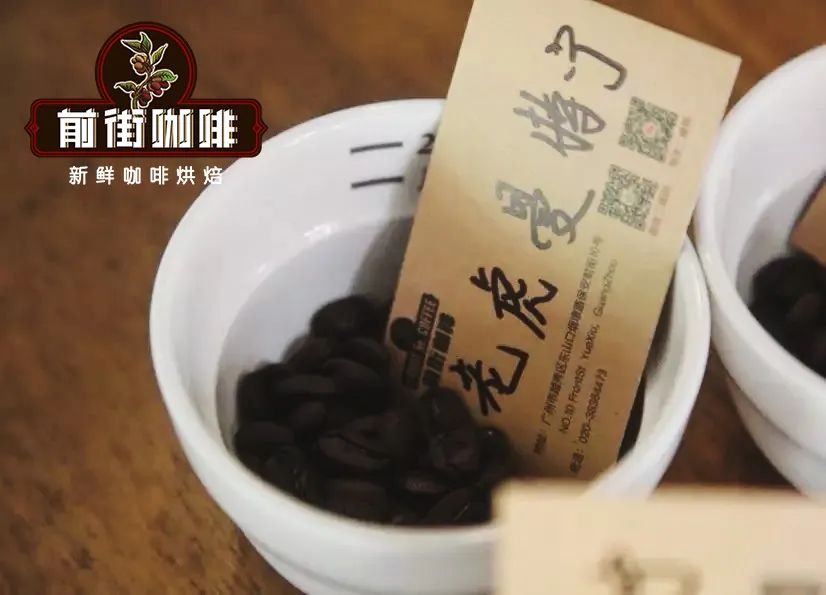
Front Street Coffee: Indonesia · Tiger Mandheling Coffee Beans
Region: Sumatra · Aceh
Altitude: 1500 meters
Variety: Typica, Caturra, Sidikalong
Processing Method: Wet Hulling
4. Aged Mandheling Aged coffee beans do not mean leaving green coffee beans to sit for a long time. This is not acceptable, because green coffee beans will also spoil if left for a long time. They will change from fresh green to white, then to yellow, become tasteless, and even grow bugs. Like aged wines, green beans must undergo proper processing and long-term storage before they can be called truly aged coffee. So-called aged coffee beans (Aged bean) means: allowing green beans to naturally age by extending storage time (usually 2~3 years). These changes include reduced acidity, color change, and thickened bean texture. The storage environment must be cool and ventilated. Because the storage environment is darker and the time is longer, aged coffee always carries complex flavors similar to mustiness or what is commonly called burlap sack or leather.

Front Street Coffee: Indonesia · Aged Mandheling Coffee Beans
Region: Sumatra
Variety: Typica
Grade: G1 18 screen
Altitude: 1100-1600 meters
Processing Method: Aged Wet Hulling
Characteristics of Colombian Coffee
Colombia's suitable climate provides coffee with a true "natural ranch." The country has also become the second-largest coffee producer after Brazil, as well as the world's largest exporter of Arabica coffee beans and the world's largest exporter of washed coffee beans.

Colombia grows about 875,000 hectares of coffee across 590 municipalities and 14 coffee-growing regions. On average, 75% of the country's products are exported around the world, with crops accounting for 10% to 16% of agricultural GDP. What surprised Front Street Coffee is that most of this coffee comes from small farms: 60% of Colombian coffee-growing farms are less than one hectare, while only 0.5% of coffee-growing areas exceed 20 hectares. Colombian coffee is a quite representative excellent variety among Arabica coffee species, and it is also a traditional dark-roasted coffee with a strong and memorable taste.
Characteristics of Colombian coffee beans: rich and solid aroma, with bright high-quality acidity, high balance, sometimes nutty, and an endless aftertaste. In terms of both appearance and quality, Colombian coffee is a premium product.
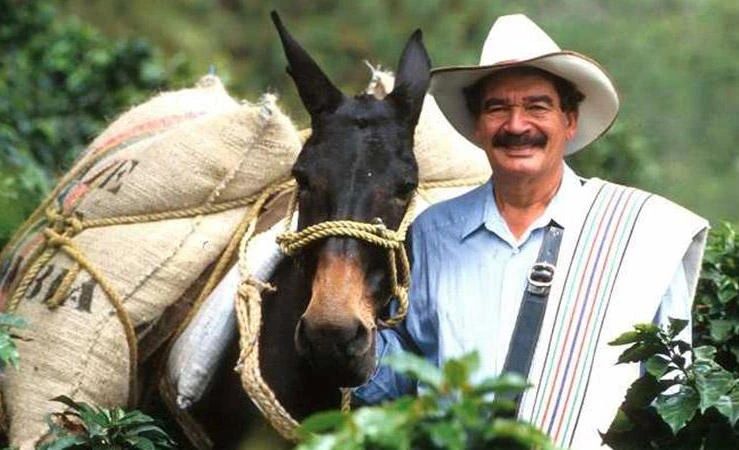
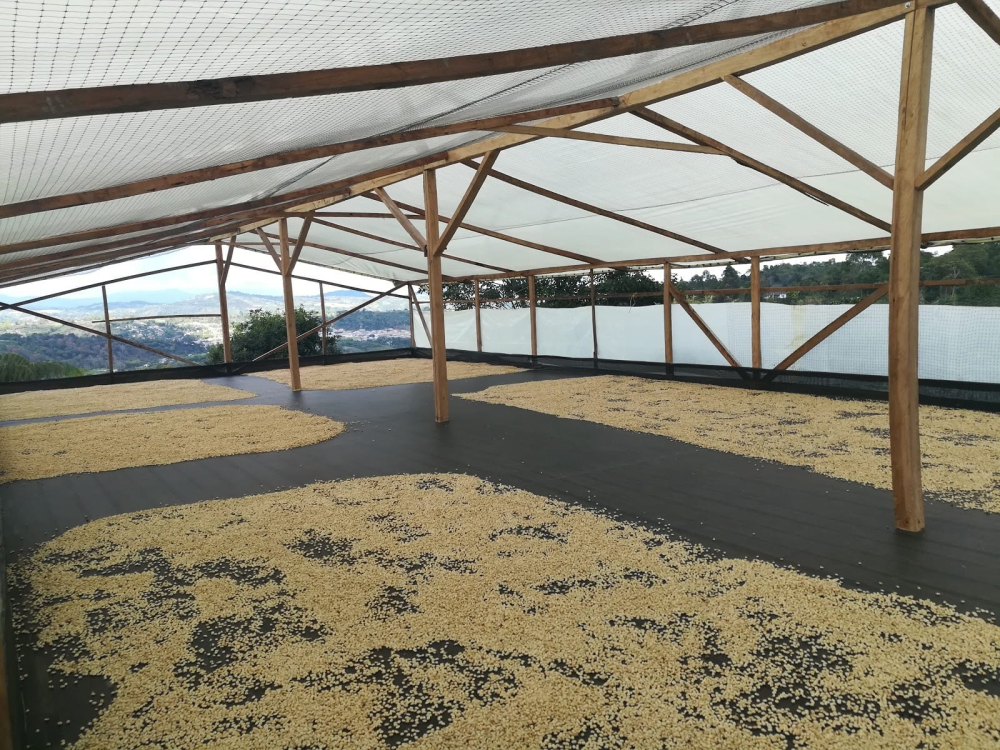
Volcanic Soil + Family-Style Management It is said that coffee was introduced by missionaries from Venezuela in 1730 and planted in the country's southeast. Later, due to civil war and political conditions, it gradually shifted to the western mountains. Under the ideal growing environment of high altitude and volcanic soil, Colombian coffee has been praised by high-end consumers in the United States and Japan since the 1940s. The coffee cherries must be fully ripe before they can be picked by hand. They cherish the land they live on, and from choosing fertilizer to cultivation they act with restraint, so the land is less exhausted. In addition to coffee, locals also plant tall trees or banana trees around the coffee trees. During the seedling stage, they build shade for the coffee trees to ensure the cool and humid environment needed for coffee growth. Because humidity is high and temperature differences are small within the coffee forest, the coffee cherries mature relatively late.
In addition to innate conditions, there is another main reason Colombian coffee is superior to Brazilian coffee: family-style management. They do not have heavy machinery for harvesting and irrigation, nor spare money to hire workers. All coffee cherries are handled this way, which is conducive to the accumulation of caffeine and aromatic substances, thus producing the best coffee quality. Colombian Coffee Regions Colombia's coffee-producing regions are divided into commercial beans and specialty beans.
The producing regions for commercial coffee beans are concentrated in central and northern Colombia, and are mostly large-scale commercial coffee farms. Among them, the well-known "MAM" three major producing regions are Medellín, Armenia, and Manizales. Their main flavor is the familiar Central American flavor, with strong fruity acidity. However, Bucaramanga produced in the northeastern Santander department is known for low acidity and a heavy bitter-aromatic feel, somewhat similar to Indonesia's Mandheling. (This phenomenon may be because at lower altitudes, acidity decreases.)
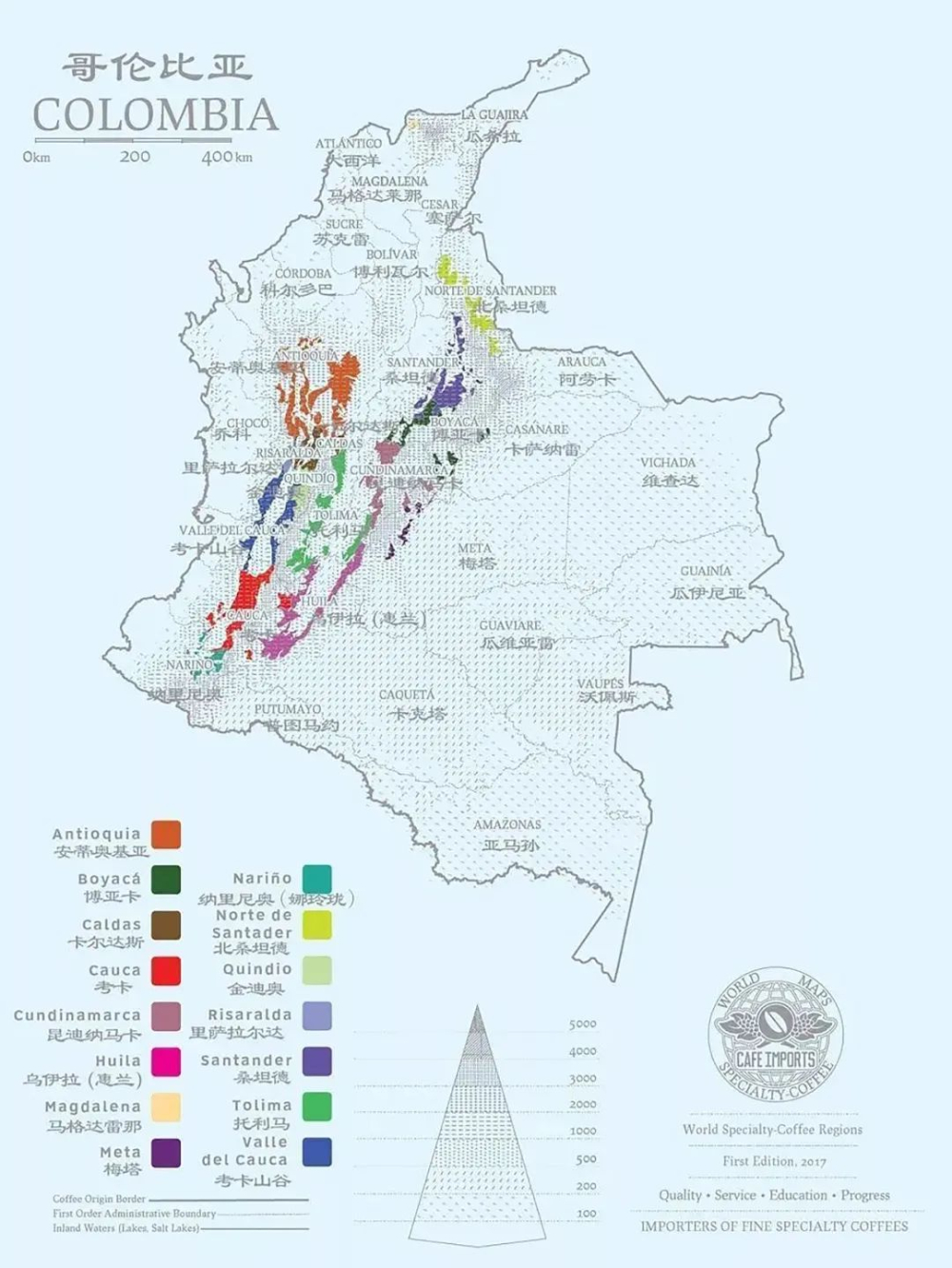
The producing regions for specialty coffee beans are mainly in the south, generally above 1,500 meters, and with many volcanoes, creating many well-known specialty producing regions, including Cauca, Huila, Meta, Tolima, Nariño, and so on. The main flavor is caramel aroma, with delicate berry aroma and acidity, and obvious sweetness!
Colombia Coffee Cauca is a region certified for Colombian coffee origin. Its average altitude is 1,758 m, and the highest altitude can rise to 2,100 m. The region's terrain, rainfall, temperature, and volcanic soil provide suitable conditions for coffee growth. 80% is mountainous, with parallel mountain ranges distributed in the east and center as part of the Andes. The central mountain range includes two main volcanoes, Sotara and Petacas. On the border, Cauca is similar to other southwestern producing regions, with rainfall showing a clear monomodal distribution. The dry season mainly occurs from August to September each year, and the subsequent rainy season brings a concentrated coffee flowering season, followed by the next year's concentrated coffee harvest season.
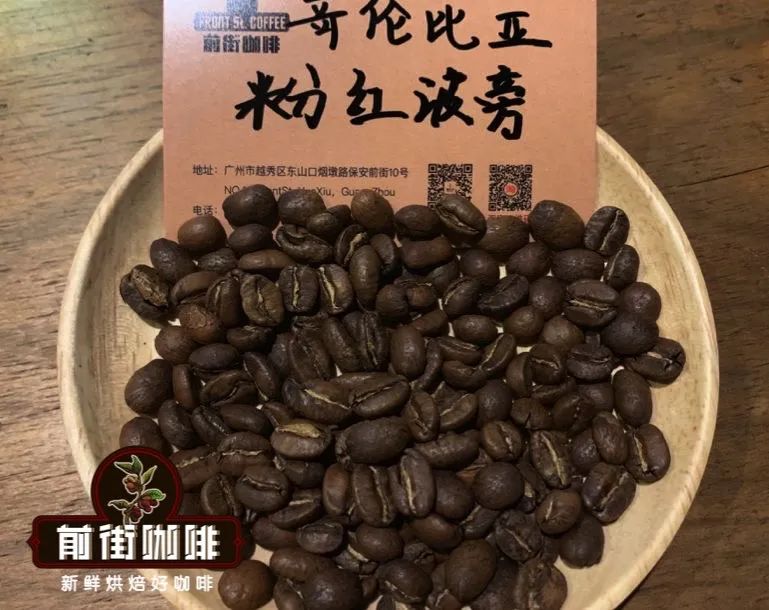
Front Street Coffee: Colombia · Pink Bourbon Coffee Beans
Country: Colombia
Region: Cauca
Farm: Paraiso Farm
Variety: Pink Bourbon
Processing Method: Washed
Altitude: 1930 meters
Roasting Suggestions
Based on the characteristics of Colombian coffee beans, the following roasting parameters were developed:
Roaster Yangjia 800N (batch size 500 grams) Put into the drum when the temperature reaches 165°C, set airflow damper to 3, and heat power to 100; the turning point is 1'35", at 145°C keep the heat power unchanged, open the airflow damper to 4; at this time the bean surface turns yellow, the grassy smell completely disappears, and it enters the dehydration stage. At 166°C reduce heat power to 80, at 176°C reduce heat power to 60, and keep the airflow damper unchanged.
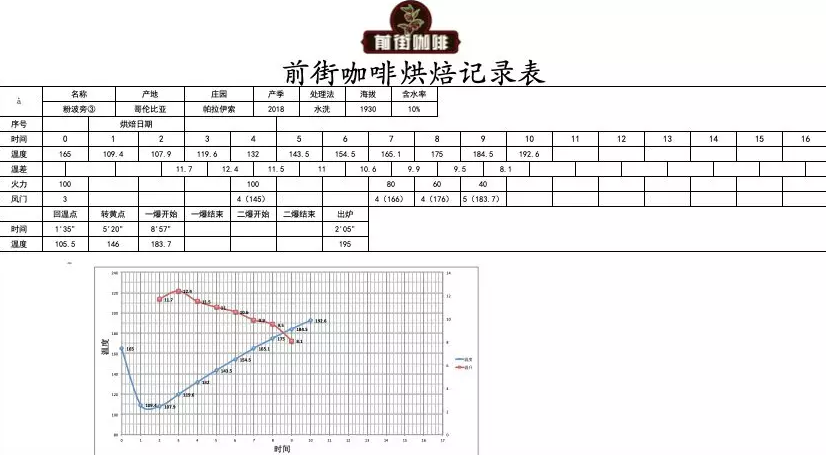
At 7'50", the bean surface shows ugly wrinkles and dark spots, and the toast smell clearly turns into coffee aroma, which can be defined as the prelude to first crack. At this time, listen clearly for the sound of the first crack. At 8'57" first crack begins. Reduce heat power to 40, adjust airflow damper to 5 (adjust heat power very carefully; it must not be so low that there is no crackling sound). After first crack, develop for 2'05", and discharge at 195°C.
Brewing Parameters
Dripper: Hario V60
Water temperature: 90℃
Coffee-to-water ratio: 1:15
Grind size: EK43s setting 10 (80% passing rate on China standard No. 20 sieve)
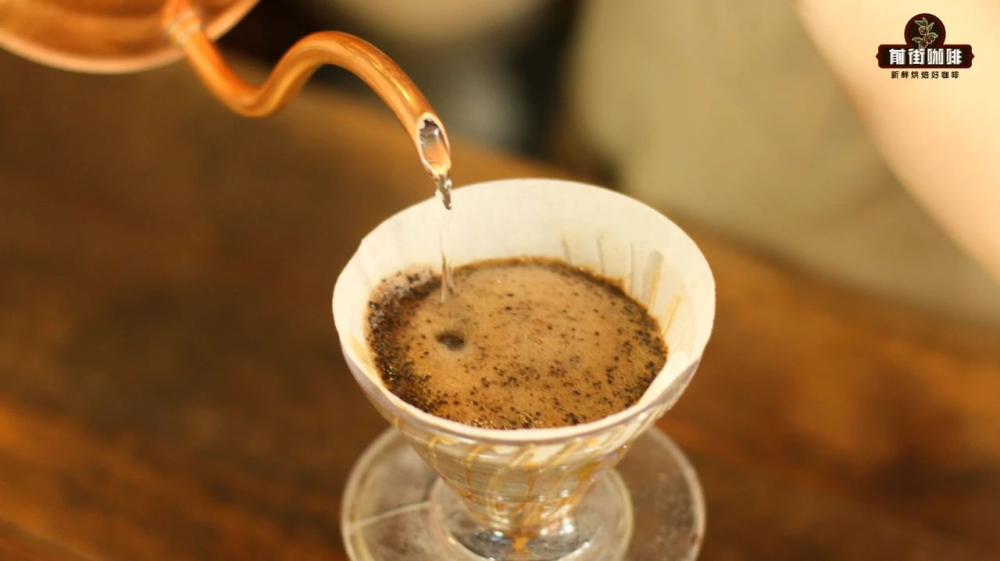
Brewing technique: For the first pour, use 30 grams of water for blooming, with blooming time about 30 seconds. For the second pour, pour to 125 grams of water in stages. When the water level is about to expose the coffee bed, continue the third pour to 225 grams and finish. When the water level is about to expose the coffee bed, remove the dripper. (Start timing from the beginning of blooming.) Extraction time is 2’00".
Flavor Description Overall relatively clean and balanced, feels relatively light and smooth, with flavors of peach, plum, grapefruit, cream, roasted almonds, and cocoa, and a long-lasting tea-like and floral finish.
Mandheling and Colombian coffee are suitable for what kind of people?
Mandheling coffee: suitable for friends who like a mellow mouthfeel and strong flavor.
Mandheling has a strong taste, with rich body and a rich, lively dynamism. It is neither astringent nor sour, and its body and bitterness can be fully expressed. The appearance of Mandheling coffee beans can be called the ugliest, but coffee fans say that the uglier Sumatra coffee beans are, the better, mellower, and smoother they taste. Mandheling coffee is considered the world's most full-bodied coffee. When tasting Mandheling, you can feel obvious lubrication on the tip of your tongue. It also has relatively low acidity, but this acidity can still be clearly tasted. The dancing slight acidity mixed with the richest aroma lets you easily experience the lively factor within its gentle richness. In addition, this coffee also has a faint earthy aroma, which some also describe as the aroma of herbs.
Colombian coffee: those who like a light mouthfeel can choose Colombian coffee with acidity.
After roasting, Colombian coffee beans release a sweet fragrance and have the fine characteristics of sweetness within acidity and balance within bitterness. Because its strength is appropriate, it is often used in premium coffee blends. Colombian coffee gives off a light and elegant aroma. It is not as intense as Brazilian coffee, nor does it carry the acidity of African coffee; rather, it is a sweet, light fragrance, low-key and elegant.
The above content is compiled by CoffeeHunters, a coffee news website.


