







Search Results for: Frozen Espresso
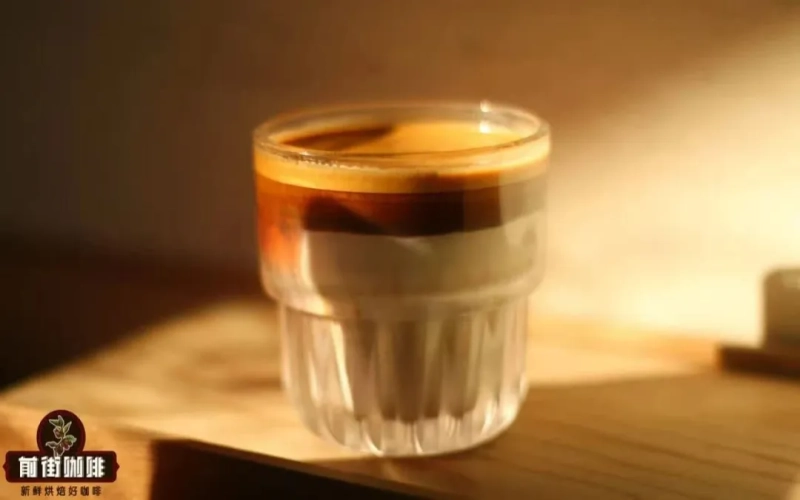
Is it better to chill or freeze a Dirty coffee glass? The mystery of the -86°C Dirty and a real-world comparison test
Dirty has always been a popular product in coffee shops thanks to its high aesthetic appeal and the unique experience of hot and cold colliding. When making a Dirty, using a chilled glass can extend the layering effect between the espresso and the milk, but should you use a refrigerated glass or a frozen glass? Through comparative experiments, Front Street Coffee found that although a frozen glass can widen the initial temperature difference, it also accelerates the dissipation of the layers, and the milk's mouthfeel and aroma are slightly compromised. The rise in popularity of -86°C Dirty has brought frozen glasses into the spotlight once again. This article explains in detail the differences between refrigerated and frozen chilled glasses, the points to note when making a Dirty with a frozen glass, and why purified milk is the best partner for a frozen glass, helping you fully understand the intricacies behind this dirty coffee. [more…]
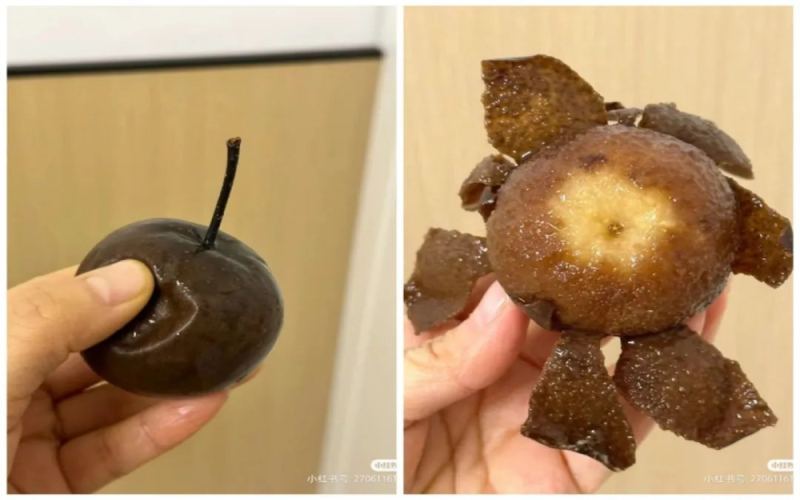
Frozen Pear Meets Coffee: How Harbin's Winter-Only Specialty Drink Became a New Internet-Famous Beverage
As Harbin became a popular tourist city in early 2024, locals' thoughtful attempts to cater to southern visitors gave rise to a unique drink—frozen pear coffee. This special concoction, combining traditional Northeastern frozen pears with espresso, offers a slushy texture paired with rich coffee, delighting southern tourists and surprising many Northeastern locals as well. In fact, this drink has existed in Northeastern cafes for several years, but it suddenly went viral this winter. This article will guide you through the origins of frozen pear coffee, how it's made, and the real reactions from all sides, so you can feel a cup of creative warmth in the icy city's winter. [more…]
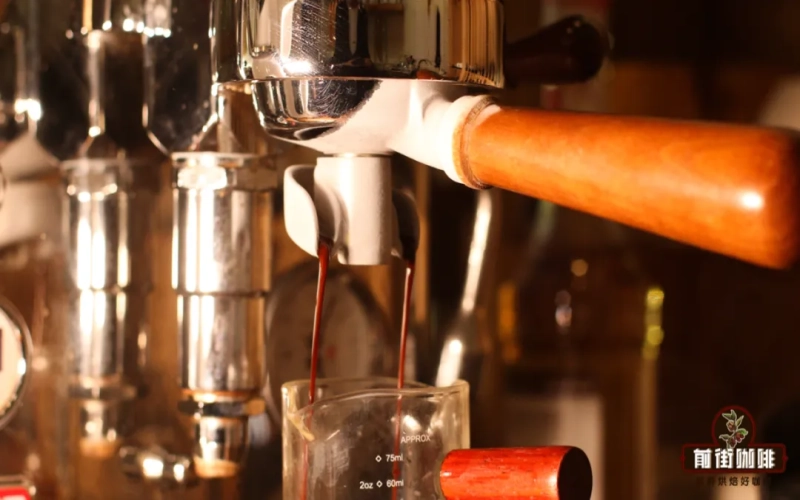
The Impact of Portafilter Temperature on Espresso Extraction: Starting from the WBC Champion's Frozen Portafilter Experiment
At the 2016 WBC, Taiwanese competitor Berg Wu won the championship with a frozen portafilter extracting espresso, overturning the perceptions of the judges and audience at the time. Can portafilter temperature really influence the flavor of an espresso? Through extraction experiments comparing high-temperature, room-temperature, and frozen portafilters, Front Street Coffee found that the three indeed show clear differences, and the effect brought by the frozen portafilter is especially far removed from the other two. This article will analyze in detail the principles behind how portafilter temperature affects espresso, and share Front Street Coffee's actual test conclusions, helping you reunderstand this easily overlooked extraction variable. [more…]

How to make frozen 400 times coffee? A real-world comparison test of espresso and instant freeze-dried powder—which tastes better?
Dalgona coffee has taken the internet by storm with its cloud-like, velvety foam and caramel-sweet flavor, while the frozen version of Dalgona coffee needs only one extra step of chilling to transform the coffee foam into an ice cream-like texture, with layers that rival a snow-topped coffee. But when making it, should you use espresso or instant freeze-dried powder? What exactly are the differences between the two in terms of whipping difficulty, flavor expression, and final mouthfeel? Front Street Coffee conducted two sets of comparative experiments using freshly brewed espresso and instant coffee powder respectively, recording everything from extraction parameter adjustments and whipping time to the texture of the final product, to help you find the method that suits you best. [more…]
Can Overnight Refrigerated Espresso Still Be Drunk? A Taste Test of Flavor Differences Between Refrigeration and Freezing
If the brewed espresso isn't finished on the same day, can it be safely stored in the fridge or freezer overnight and still be enjoyed the next day? Beyond food safety concerns, what coffee lovers really care about is whether the flavor will take a serious hit. Front Street Coffee used the same espresso blend, storing espresso in the refrigerator and freezer overnight respectively, then comparing them with freshly brewed espresso—tasting each as straight espresso, Americano, and milk coffee—to see just what overnight coffee turns into, and how big the gap is between freezing and refrigerating. [more…]

Starbucks' new Flow Frozen Latte sparks heated debate: layered frozen texture divides opinions, while a collaboration-themed straw arrives alongside it
Starbucks has recently been ramping up its co-branding activities, teasing a limited-edition extendable straw shaped like the Golden Cudgel that plays the Monkey King's voice lines, while also launching a new delivery-exclusive drink, the "Flow Frozen Latte," on its Starbuck Delivery service. This creative coffee, said to be inspired by ginger milk curd, claims that the liquid naturally congeals and separates into layers during delivery, arriving as a latte with distinctly defined layers. However, consumer reviews since its launch have been mixed: some have posted photos showing obvious congealing and layering, describing the texture as similar to double-skin milk or coffee pudding; others question whether the product matches its description, saying what they received was no different from an ordinary latte. Is the "flow frozen" effect real or just a gimmick? And is the new recipe simply an old product with a new name? This article will compile netizens' hands-on feedback to take a look at the true face of this talked-about beverage. [more…]
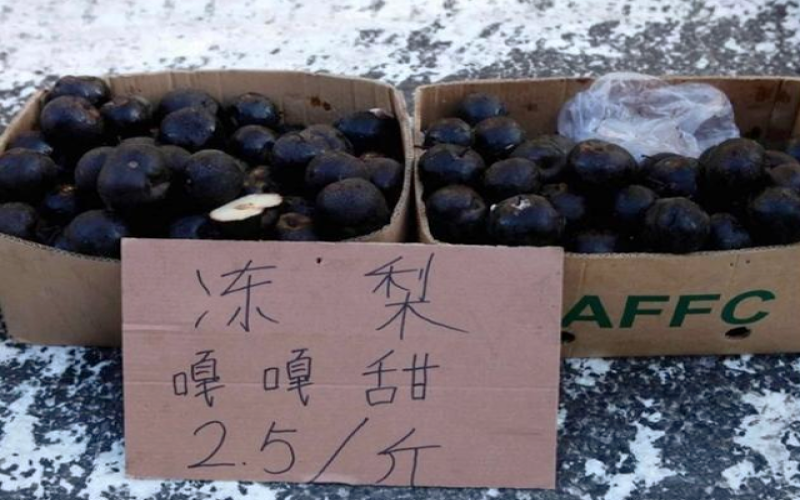
Luckin's launch of Frozen Pear Americano sparks heated discussion; netizens say its taste is comparable to rock sugar snow pear
In the depths of winter, the Northeastern specialty frozen pear has once again become a focal point—this time, it has sparked a new trend by colliding with coffee. KFC, Nestlé, and Luckin Coffee have all coincidentally launched frozen pear coffee series, among which Luckin's Big Frozen Pear Americano, a collaboration with the TV series *Country Love*, has drawn considerable attention. However, this new product has been collectively criticized by netizens for being too sweet and having a weak coffee presence, with many saying it tastes just like Master Kong's Rock Sugar Snow Pear juice, triggering a heated online discussion about the taste of frozen pear coffee. [more…]

Luckin Coffee's winter-limited "Big Winter Pear Americano" has launched, but frozen pear fans found that their beloved white moonlight has changed its taste.
Last winter, the Northeastern specialty frozen pear unexpectedly went viral, and Luckin seized the moment to launch its "Big Frozen Pear Americano," which won over a large batch of loyal fans with its refreshing taste. As this year's cold winter arrives, many "frozen pear heads" have been calling for its return in the official comment section, and Luckin, ever responsive to feedback, promptly rolled out the winter-limited "Big Winter Pear Americano." However, delighted fans who placed orders soon noticed the taste didn't match the white moonlight in their memories. A closer look at the description revealed the new version uses seasonal fresh pear juices such as Akizuki pear and Dangshan pear, completely different from last year's pear-flavored concentrated fruit pulp formula. Longtime fans declared it hard to accept and clamored for the official to bring back the original; new users felt the fresh pear juice greatly weakened the coffee's presence, making it taste more like rock sugar snow pear. Is this winter limited edition a pleasant surprise or a disappointment? Let's take a look. [more…]
Is a chilled glass necessary for a Dirty coffee? Testing the layering effect and key preparation points at three glass temperatures
Dirty coffee has become a staple in specialty cafes thanks to its high aesthetic appeal and unique taste, yet there has always been debate over whether an ice-cold cup is essential during preparation. Through side-by-side testing of glass cups at room temperature, refrigerated, and frozen, Front Street found that milk quality is the key to layering, while cup temperature mainly affects the chilled mouthfeel and the preservation of crema. The article also traces the practice of Dirty's originator, Katsuyuki Tanaka, who did not pre-chill his cup. If you're after photogenic presentation and a layered experience, Front Street recommends chilling the cup together with the milk and paying attention to the optimal tasting window. [more…]

How to Make Ice Cube Coffee? Espresso Freezing and Storage Tips with Three Pre-Made Options: Iced Americano, Iced Latte, and Iced Pour-Over
On a scorching summer day, a glass of iced coffee never fails to bring instant refreshment. But on a busy morning, who has the patience to wait for a cold brew to slowly filter? This time, Front Street Coffee is sharing a lazy-person solution that only requires freezing coffee liquid into ice cubes ahead of time and simply adding water or milk before heading out—ice cube coffee. The article breaks down in detail three methods: ice cube Americano, ice cube latte, and ice cube pour-over, explaining everything from bean selection and extraction parameters to freezing and melting details, while also objectively analyzing the loss of oils and aroma in pre-made coffee. If you want to sleep ten extra minutes without giving up a decent glass of iced coffee, this method is worth a try. [more…]
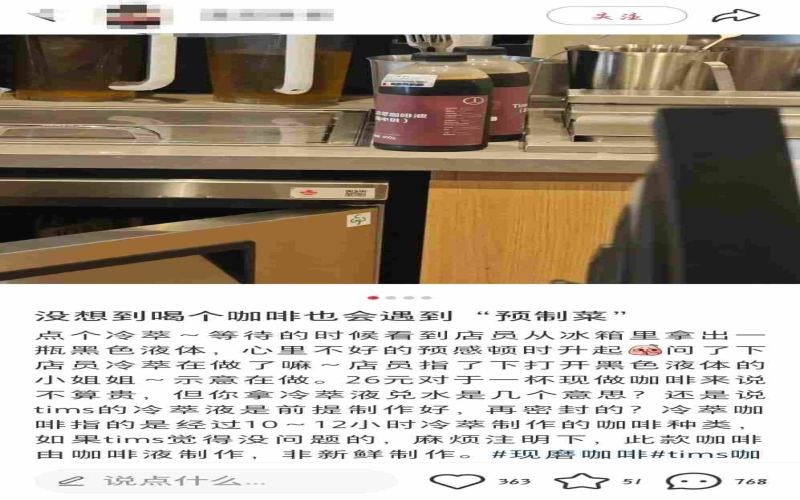
Chain coffee brands' cold brew production methods spark controversy: Is it reasonable for stores to use pre-made concentrate?
Recently, a post about Tims stores using pre-made espresso concentrate to make cold brew coffee sparked heated discussion on social media. Customers saw staff take a black liquid out of the refrigerator and pour it directly into a cup, questioning whether it was really freshly made. However, cold brew coffee itself requires soaking for more than 8 hours in advance, so does this count as "pre-made"? And does a store using frozen concentrate uniformly delivered from a factory meet consumers' expectations for cold brew? Supporters believe this approach ensures consistent quality, while opponents feel it is no different from a convenience store beverage. This article will review the course of the incident, netizens' opinions, and explore the production standards and industry status of cold brew coffee. Front Street Coffee reminds us that no matter the method, the key to a good cup of coffee lies in the control of ingredients and craftsmanship. [more…]
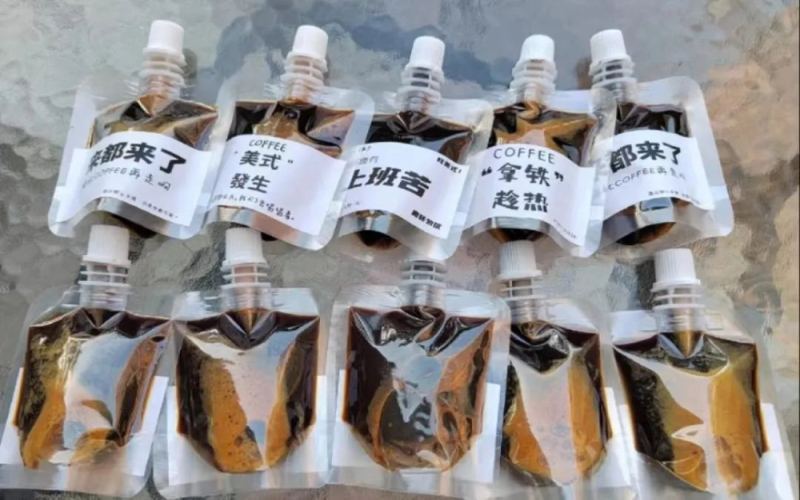
Home café launches nationally free-shipping freshly extracted espresso; short-shelf-life cold chain model sparks heated debate and compliance questions
Coffee consumption continues to heat up, and the market keeps penetrating into broader demographics. Recently, home cafés and independent shops have launched a freshly ground and freshly extracted espresso liquid that offers nationwide free shipping. It uses plastic sealing plus ice packs and cold-chain delivery, keeps for about 7 days refrigerated and up to half a month frozen, and has drawn attention because its aroma and crema performance are better than assembly-line instant products. While consumers ask on social platforms how to buy it, some also question whether it can still count as "freshly extracted" after long-distance transport, whether home workshops can meet food-safety requirements, and whether such products fall into the "three no's" category. This article sorts out the selling points, controversies, and potential risks of this new business format, and highlights the difficulties merchants need to face in quality control, marketing, and compliance. [more…]
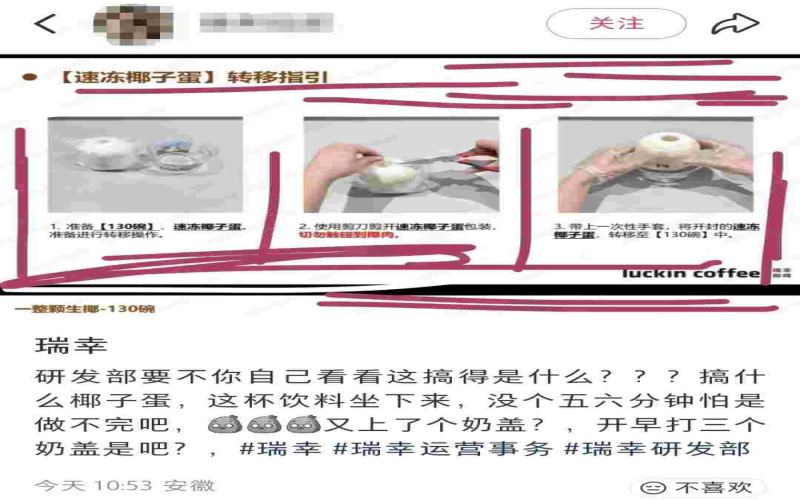
Luckin's new "Whole Coconut" product has a complex production process, and workers at stores nationwide are feeling the pressure.
Luckin Coffee's weekly Thursday operational notice once again put store employees on edge, as the company officially announced several new products, including "Triple Cheese Thick Matcha," "Coconut Trio Latte," and "A Whole Coconut." Among them, the preparation method for "A Whole Coconut" completely overturns previous operating habits. Employees need to wear gloves to take out frozen coconut eggs and pour the prepared coffee liquid into the coconut shell for serving. The process involves more than ten steps, prompting many workers to call it absurd. What troubles them even more is that these new products may be launched nationwide, and morning shift staff must complete a large amount of prep work within half an hour. Many worry that they simply cannot handle it when running the store alone. [more…]
Iced Americano Variations | What Is the Ratio of Iced Americano to Water? Which Espresso Blend Coffee Beans Make a Non-Bitter Iced Americano?
Friends who drink coffee regularly may already know that espresso has a very thick mouthfeel and a strong taste, and if it cools down it becomes even harder to accept. But if you add ice cubes, the temperature of the espresso can drop rapidly, or by mixing in ice water, a refreshing taste instantly stands out, the bitterness becomes less heavy, and enjoying it in summer is even more thirst-quenching and refreshing. [more…]
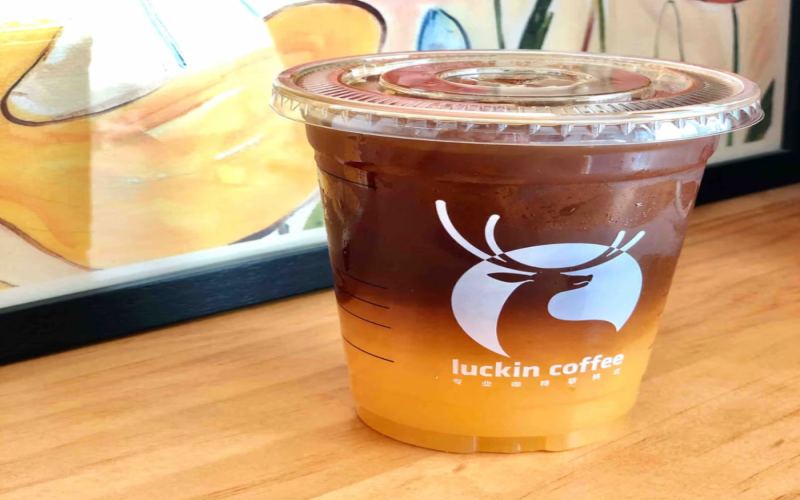
Luckin Orange C Americano Recipe Adjustment Sparks Controversy: Pulp Particles Appear, Longtime Fans Say the Taste Has Changed
Luckin's Orange C Americano has always been a sales leader in the brand's fruit coffee lineup, winning over light coffee drinkers with its refreshing sweet-and-sour taste. Recently, however, many loyal customers have noticed obvious pulp particles and sediment in the drink, and the taste has become sour, astringent, and cloudy, sparking speculation about a recipe change. Subsequently, an internal employee revealed that the ingredients of Orange C Americano had been replaced with quick-frozen orange pulp. Although the ingredient list is cleaner and the NFC content is higher, the presence of pulp components has altered the taste. Fans are not buying it, arguing that taste is the key to repeat purchases, and calling on the brand to revert to the original recipe. [more…]
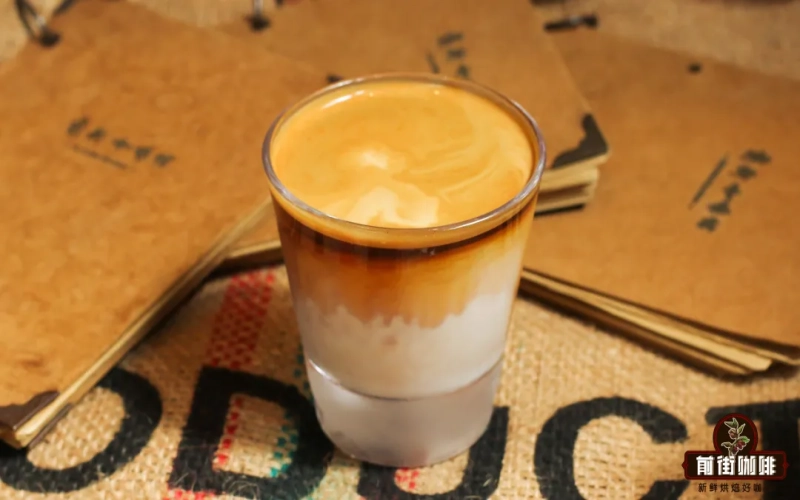
Key points for making a -86°C Dirty Coffee: milk selection, coffee ratio, and glassware freezing method explained
In recent years, a coffee drink called "-86°C Dirty" has continued to gain popularity online, attracting a great deal of attention from coffee enthusiasts. What exactly makes this beverage so special? How does it differ from an ordinary Dirty? This article will provide a detailed analysis of this trending drink from aspects including its preparation principles, the method of freezing the glassware, milk selection, and coffee bean pairing. Front Street Coffee will also share its own experience on how to replicate a similar effect at home using an ordinary refrigerator, and recommend suitable coffee beans and milk types to pair with it, helping you better understand this espresso-based milk coffee with its striking low-temperature contrast. [more…]

Analyzing the Iced Americano Ratio: Pairing Techniques and Flavor Changes from Espresso to Ice
Iced Americano is one of the most common drinks in coffee shops. Its preparation may look simple, but the ratio of espresso, ice, and water directly affects the taste. This article provides a detailed analysis of the specific parameters Front Street Coffee uses to make iced Americano, including the coffee-to-water ratio, water temperature control, and ice selection, and also introduces derivative methods such as iced espresso, flowing-sand iced Americano, and waterfall iced Americano. At the same time, the article also explores the sources of bitterness in iced Americano and why choosing a medium-dark roasted blended coffee bean as the base is so important. Finally, it recommends several Front Street espresso blends suitable for making Americano. [more…]
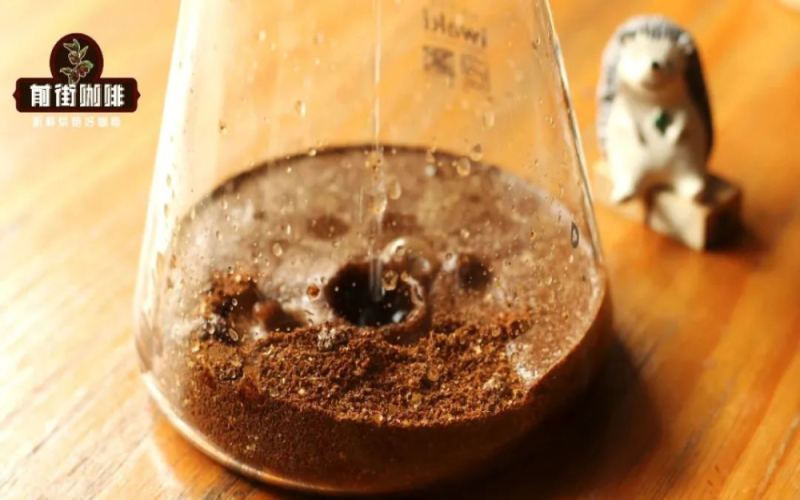
How to Make Coffee Ice Cubes? Three Pre-Made Methods and Usage Guide for Lazy Iced Coffee
As summer temperatures climb, iced coffee becomes a daily necessity, but cold brew filtering is time-consuming and low-temperature extraction is picky about beans—not everyone is willing to wait. Front Street shares a pre-made solution that gets you out the door in one minute—freeze coffee liquid into cubes ahead of time, then dilute with water or milk when drinking, easily recreating iced Americano, iced latte, and iced pour-over. Although overnight freezing loses oils and some aroma, its advantage lies in being simple, convenient, and fast. Below are the extraction parameters, dilution ratios, and step-by-step instructions for three types of ice cubes, along with a Big Belly脐 pour-over demonstration, for time-pressed coffee lovers to reference. [more…]
Analysis of the Flavor Differences Between Ice Bock Latte and Regular Latte, and a Detailed Guide to Making Ice Bock Milk at Home
In recent years, ice bock milk coffee has set off a craze in the coffee world, with many cafés offering it as a signature product, and the refrigerated refined milk launched by Biro further fueled this trend. But even before that, some coffee shops were already using homemade ice bock milk to make drinks. So what exactly is ice bock? How does it differ in flavor from an ordinary latte? This article will start with the origin and principles of ice bock, teach you step by step how to make ice bock milk at home, and share Front Street Coffee's review of the flavor characteristics of ice bock milk, as well as its excellent performance when paired with espresso to make a Dirty. [more…]
The Complete Guide to Ice Cube Coffee: How to Make Ice Cube Americano and Ice Cube Latte with Recipe Ratios
For office workers racing against the clock every morning, squeezing in a few extra minutes of sleep is what really matters. Is there a coffee that doesn't require fresh grinding and brewing on the spot, yet still delivers a decent taste? The answer is ice cube coffee—freeze brewed coffee into cubes in advance, and when you want a drink, just drop them into a cup, add some water or milk, and in thirty seconds you have an iced americano or iced latte. Today, Front Street Coffee is here to break down the ice cube coffee method in detail, including the ratio of espresso to water, the steps for making both americano and latte versions, and tips for freezing and storage, so you can easily enjoy a proper cup of iced coffee even on a busy morning. [more…]