







Search Results for: Front Street Coffee Beans
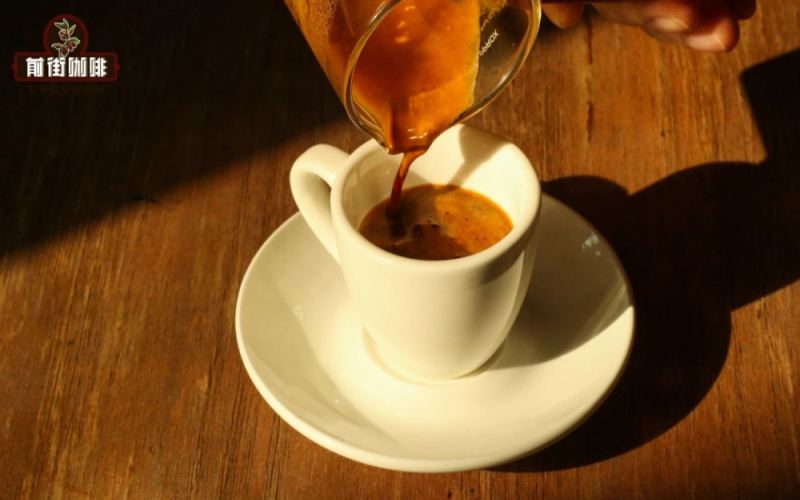
Espresso Blend Recipes and Extraction Parameters Explained: Dose-to-Yield Ratio, Grind Size, and Time Control
To make espresso with rich crema and a full-bodied mouthfeel, the key lies not only in the machine, but even more in the bean blend recipe and roast level. Front Street Coffee has long insisted on fresh roasting, offering coffee beans that have been rested for two to three days so the flavors are fully released. This article systematically compiles six Front Street espresso blend options, covering balanced, bitter, acidic, winey, specialty, and basic styles, and explains in detail parameters such as the coffee-to-water ratio, grind size, and extraction time. It also shares key points for selecting blend beans: removing defective beans and understanding the differences in bean variety characteristics and roast levels. Whether you are a coffee enthusiast or a shop operator, you can find an espresso bean solution and extraction approach suitable for daily serving. [more…]

Espresso Bean Grind Size | What is the coffee-to-water ratio for extracting espresso from espresso beans? Can espresso beans be used to make pour-over black coffee?
Friends who often follow Front Street should know that Front Street focuses on freshly roasted coffee. Freshly ground coffee is not the same as fresh, and of course, the fresher the better is not always true. Front Street generally provides coffee beans that are two to three days past the roast date. Coffee beans that have rested for a few days can better express their true flavors when brewed. Front Street not only offers single [more…]

Espresso Blend Philosophy | Why Blend Coffee Beans? How Different Are Espresso Blends from Single-Origin Beans in Flavor?
Coffee lovers who frequently visit Front Street Coffee (FrontStreet Coffee) know that Front Street Coffee (FrontStreet Coffee) not only offers pour-over coffee but also espresso-based drinks, such as mocha, cappuccino, latte, and more, which are often available. [more…]
A Comprehensive Analysis of the Differences Between Espresso Blend Coffee Beans and Single-Origin Beans and the Logic of Blending
Many friends who are just getting into coffee are curious: why are blend beans used for making lattes and cappuccinos, while single-origin beans are used for pour-over? What exactly is the difference between the two? Starting from Front Street Coffee's production practices, this article systematically sorts out the definition of espresso blends, blending approaches, the original intent behind blending, and the respective pros and cons of blending raw versus roasted beans, while also explaining the importance of blending ratios and flavor harmony. The article also introduces in detail the formulas and flavor positioning of Front Street's four espresso blends, helping coffee enthusiasts choose suitable espresso beans according to their budget and taste preferences, and understand the philosophy of balance behind blending. [more…]
A Comprehensive Guide to Espresso Blend Coffee Beans: Yunnan Flavor Blend Characteristics and Four Selected Front Street Coffee Bean Recommendations
Single-origin coffee is mostly used for pour-over, while espresso is generally made with blended beans. But must espresso use blended beans? What exactly is a blend? From the perspective of Front Street Coffee, this article systematically sorts out the origin of espresso blends, the purpose of blending, and the difference between raw blending and roasted blending, and analyzes in detail the flavor characteristics and applicable scenarios of four Front Street blends. The article also specifically introduces the "Front Street Dark Cocoa Blend" based on Yunnan coffee beans, which is highly cost-effective and suitable for moka pots and espresso beginners. Whether you are a coffee enthusiast or a shop owner, you can find an idea for choosing espresso beans that suits you. [more…]
Coffee Bean Resting | What Is a Coffee Blend? What Are the Recipes for Espresso Blend Coffee Beans? How Long Should Espresso Coffee Beans Be Rested?
Recently, a regular customer who often comes to Front Street to buy Front Street Espresso Blend coffee beans has been visiting, while new customers to Front Street look quite puzzled, not understanding why the Front Street Coffee (FrontStreet Coffee) barista would mix several kinds of beans together to sell. In fact, this is blended coffee beans, also called a blend. [more…]
A Complete Guide to Espresso Blend Formulation: From Recipe Design to Brewing and Tasting Essentials
The flavor profile of espresso depends largely on the combination of the blend recipe and the roast level. Front Street Coffee has long provided freshly roasted espresso beans and emphasizes shipping only products within 5 days of roasting. This article systematically reviews the definition of espresso beans, the logic of blending, and six typical recipes, covering different styles such as balanced, intensely bitter, fruity-acidic, and wine-like, and also offers practical notes for blending. Whether you are a beginner just getting into espresso or a professional looking for a stable production solution for a coffee shop, you can find useful references here. [more…]
How to Choose Coffee Beans for Beginners? The Difference Between Dark Roast and Light-Medium Roast, Plus Front Street Coffee's Recommended Everyday Beans from Major Regions
Friends who are just getting into coffee often struggle with the same question: for a beginner, should you choose dark-roasted or light-to-medium-roasted coffee beans? In fact, whether it's single-origin or espresso, freshness always comes first. For single-origin beans, pay attention to origin, altitude, and processing method, while for espresso beans, look at the blend recipe. The world's coffee-growing regions can be broadly divided into three major areas: Africa, Asia, and the Americas, each presenting different flavors such as floral and fruity acidity, nutty and herbal notes, or nutty and chocolatey notes. Front Street Coffee's everyday drinking beans are selected from representative regions across major growing areas, mainly using the washed process, striving to showcase the true flavors of their origins. This article will introduce Front Street Coffee's everyday drinking bean series one by one by region, and share pour-over pouring techniques and the importance of coffee bean freshness, helping beginners find the cup of coffee that suits them. [more…]
Can Mandheling single-origin beans be used to extract SOE? A comprehensive analysis of espresso and pour-over parameters and flavor differences
Many friends who are just getting into coffee often can't tell the difference between Mandheling and espresso, and may even think both are representatives of bitterness. In fact, Mandheling is a single-origin coffee, while espresso is mostly made from blended beans. So can Mandheling coffee beans be used to make SOE? How should its espresso extraction and pour-over parameters be set? How does the flavor expression differ? This article will start with a comparison between Front Street Mandheling and espresso blend beans, answer these questions in detail, and recommend several popular Front Street espresso blends and Mandheling single-origin beans, helping coffee enthusiasts more clearly understand the differences between the two and find a brewing method that suits them. [more…]
A Flavor Guide to Seven Front Street Coffee Daily Beans: Regional Choices and Brewing Tips from Africa to Yunnan
Those just starting out with pour-over coffee often begin by searching online for small packages of coffee beans, worried that buying too much might result in waste if they don't like the taste. When searching for "small package pour-over coffee beans" or "100g coffee beans," Front Street's everyday beans frequently appear in the results. Front Street's everyday beans are affordably priced, and during promotions the price drops so low it makes people question the quality—but Front Street emphasizes that whether large package or small, including the 15g sample included with the beans, they are all freshly roasted, high-quality coffee beans. For beginners who want to explore the flavors of major regions at a reasonable price, this everyday bean series is a great choice. This article will introduce the definition of regional flavor, the seven origins of Front Street's everyday beans, and how to obtain the flavor characteristics and brewing parameters of each bean. [more…]
How to Choose Everyday Beans for a Home Espresso Machine? An Analysis of Five Front Street Coffee Blend Options and Key Recipe Points
Want to make a delicious latte or Americano at home with an espresso machine? Choosing the right blend is the first step. Espresso beans are not simply mixed together; rather, through the combination of different origins, varieties, and roast levels, they achieve a balance of acidity, bitterness, sweetness, and aroma. Front Street Coffee insists on fresh roasting and offers options that taste even better after two to three days of resting. This article compiles five espresso blend options from Front Street suitable for home coffee machines, covering directions such as balanced, rich in crema, fruity, classic and full-bodied, and high cost-performance, and shares key points to note when blending, including selecting beans, removing defects, understanding characteristics, and roast level, to help you find the daily staple beans that suit you. [more…]
Can Espresso Blend Beans Be Used for Pour-Over? A Comprehensive Analysis of the Differences Between Espresso Beans and Single-Origin Beans and Brewing Recommendations
In an era where espresso and pour-over coffee coexist, many enthusiasts wonder: what happens if you use espresso blend beans for pour-over? From the perspective of Front Street Coffee, this article sorts out the essential differences between espresso blend beans and single-origin beans, explores the feasibility and flavor performance of using espresso beans for pour-over, and provides specific pour-over parameter references. At the same time, the article also introduces the flavor characteristics and prices of several Front Street espresso blend coffee beans, helping readers make choices according to their needs. Whether you want to try a new approach or want to understand the art of blending, you can gain practical information from it. [more…]
How Do Espresso Beans Differ from Single-Origin Beans? A Comprehensive Analysis from Blending Principles to SOE
Friends who often drink lattes and cappuccinos may never have thought that the coffee beans used in these drinks and the single-origin beans for pour-over actually follow two different paths. Espresso beans usually refer to the beans used to make Espresso, most of which are blends of coffee from multiple origins in specific proportions, though there are also SOEs made from single-origin beans. Single-origin coffee beans emphasize traceability to a single origin or variety, and are suitable for pour-over, cold drip, and similar methods. The two differ in bean selection, roast level, and flavor expression, and understanding their differences will help you make a more suitable choice based on your own taste and equipment. Starting from Front Street Coffee's actual products, the following article breaks down layer by layer the logic of espresso blending, the characteristics of SOE, and the impact of freshness on flavor. [more…]
Hand-Brewed Espresso Blend Beans | Can Espresso Blend Beans Be Used for Pour-Over Coffee? Specialty Espresso Blend Coffee Beans Recommended for Gourmet Lattes
Whether it's espresso beans or espresso blends, as the name suggests, they are ingredients used for extraction in espresso machines, which is also the origin of espresso. So what are the characteristics of this kind of coffee? Besides making espresso, can it also be used to make pour-over coffee? Front Street Coffee (FrontStreet Coffee [more…]
Espresso Blend Options | Which everyday espresso beans are suitable for home espresso machines? Recommended specialty coffee beans for espresso extraction
For more specialty coffee knowledge, please follow: Front Street Coffee (Frontsteet Coffee). Friends who often follow Front Street should know that Front Street focuses on freshly roasted coffee. Freshly ground coffee is not the same as fresh, and of course, the fresher the better is not always true. Front Street generally provides coffee that is two [more…]
Where to Source Beans for Your Independent Coffee Shop? Front Street Coffee Bean Recommendations and Key Purchasing Considerations
Planning to open a coffee shop—where should you buy beans, and how should you choose them? This article centers on the sourcing dilemmas faced by independent cafés and small neighborhood shops, and systematically sorts through the highlights of Front Street Coffee’s bean lineup: there are more than 50 specialty beans, along with 4 espresso blends tucked in as well. The article focuses on the widely popular washed Yirgacheffe and PWN·Golden Mandheling, including origin information, flavor descriptions, and brewing parameters, and then breaks down one by one the positioning and recipe approach of the four espresso blends—Black Cocoa, Specialty, Commercial, and Warm Sun. Finally, it summarizes practical points to note when buying coffee beans—check the roast date, grasp the optimal tasting window, choose beans or ground coffee, and select beans according to the extraction method—to help you find a reliable coffee bean source. [more…]
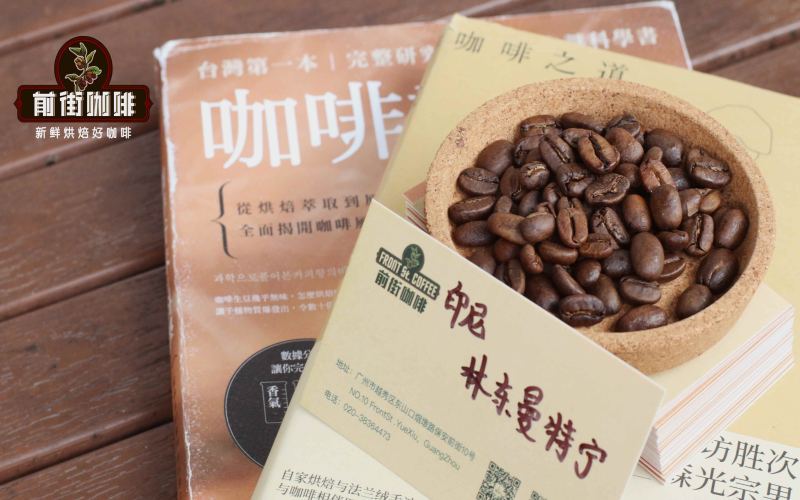
Is Indonesian Mandheling suitable for single-origin brewing? Differences from espresso and recommendations for Front Street Mandheling and blended beans
Many friends who are just getting into coffee wonder: Front Street Mandheling and espresso both have a bitter taste—are they actually the same thing? And how do the "Mandheling flavor" and "espresso flavor" labels on supermarket shelves differ? From the perspective of Front Street Coffee, this article first clarifies the fundamental differences between single-origin coffee and espresso in terms of definition, equipment, extraction parameters, and flavor performance, then answers common questions such as whether single-origin beans can be used to make espresso and whether Mandheling or espresso is more bitter, and finally focuses on introducing Front Street's espresso blend beans and Indonesian Mandheling series, including Sunflower Warm Sun, Specialty Blend, Commercial Blend, Dark Cocoa Blend, as well as PWN Golden Mandheling and Lindong Mandheling, to help enthusiasts choose beans according to their needs. [more…]
Espresso Blend Bean Flavor Recommendations | What's the Difference Between Espresso Blend Beans and Pour-Over Single-Origin Beans? What Happens If You Use Espresso Beans for Pour-Over Coffee?
With the growing specialty coffee market, many people have begun to explore espresso and pour-over coffee. Coffee enthusiasts who regularly drink espresso know that the coffee beans used for espresso are blended coffee beans, while those used for pour-over coffee are single-origin coffee beans. So what is the difference between the two? Can espresso beans be used to make [more…]

Black Coffee Brand Rankings | What Are the Top Ten Best-Tasting Coffee Beans? What Are the Signature Coffees of Panama, Ethiopia, and Jamaica?
Many friends have messaged Front Street privately, asking Front Street to introduce some representative good coffee beans. Front Street thought about it, and the most representative coffees are the more distinctive coffee beans from each major producing region. For this reason, Front Street has recommended 10 coffee beans from different producing countries. 1. Front Street Coffee (FrontSt [more…]
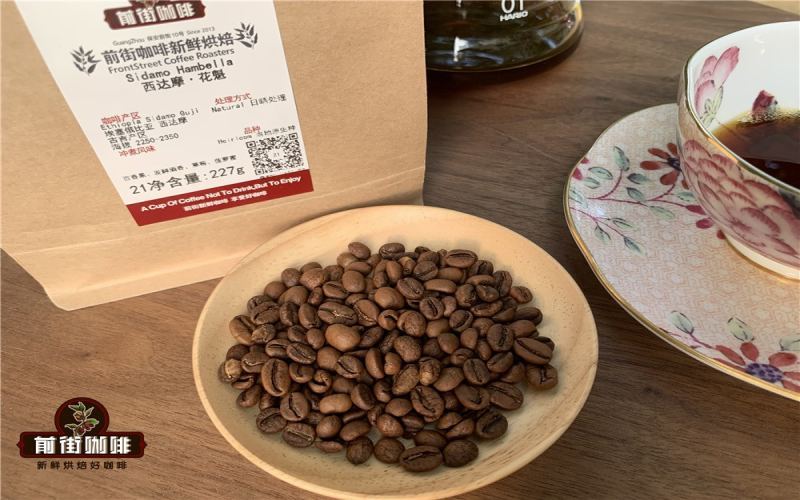
Ethiopia Guji Hambela Huakui Coffee Beans Flavor Analysis and Pour-Over Parameter Guide
Huakui coffee beans are a gem from Hambela in the Guji region of Ethiopia. With a stunning strawberry-cream flavor, they won the 2017 TOH competition and were subsequently named "Huakui" by a domestic green bean merchant. These beans come from the Buku Abel processing station and use the natural processing method. Fully red cherries with a sugar content above 30 are dried on African raised beds, creating a sweeter taste than other Sidamo producing areas. From 1.0 to 6.0, the Huakui series is updated every year, and the flavor has gradually evolved from intense strawberry to a full-bodied profile of citrus berries and mango juice. Front Street Coffee has long tracked each version of Huakui. This article will comprehensively sort out the origins and development of these beans for coffee lovers, from producing-area background, processing techniques, and variety characteristics to version distinctions, brewing suggestions, and flavor descriptions. [more…]