







For more specialty coffee knowledge, please follow: Front Street Coffee (Frontsteet Coffee)
Friends who regularly follow Front Street should know that Front Street specializes in freshly roasted coffee. Freshly ground coffee is not the same as fresh, and of course, the fresher the better is not always true either. Front Street generally offers coffee beans that are two to three days past the roast date, as beans that have rested for a few days can better express their true flavors when brewed. Front Street offers not only single-origin coffee beans but also espresso beans. Whether single-origin or espresso beans, Front Street Coffee insists on the word "fresh."
What are espresso beans?FrontStreet Coffee bean blending options?
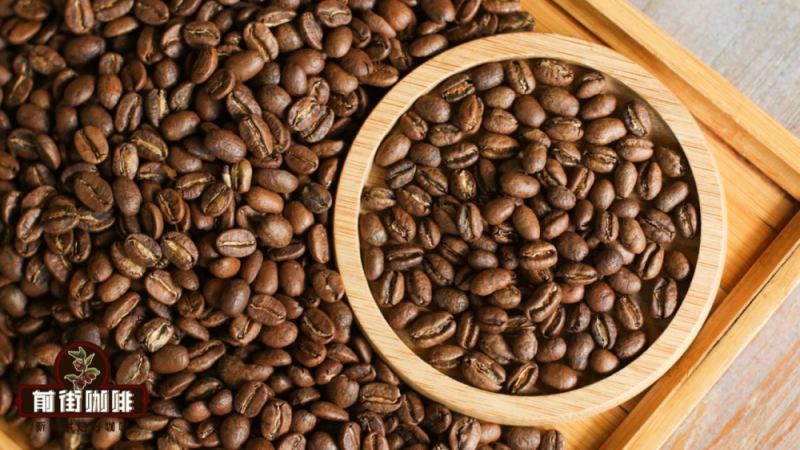
Espresso beans, also known as blended coffee, are the primary beans used for specialty coffee drinks, often paired with milk or water. Most of today's popular espresso drinks fall into the category of blended beans, used to make common espresso beverages such as lattes, Americanos, flat whites, cappuccinos, and more.
Generally, blending two or more different varieties of coffee beans, or coffee beans of the same variety but with different roast levels, into a mixed coffee is called espresso beans, or blended coffee beans. This type of blended coffee is by no means a simple addition — rather, through the blender's unique understanding of coffee flavors, different coffee beans complement each other's strengths and weaknesses to create a blended coffee with excellent flavor.
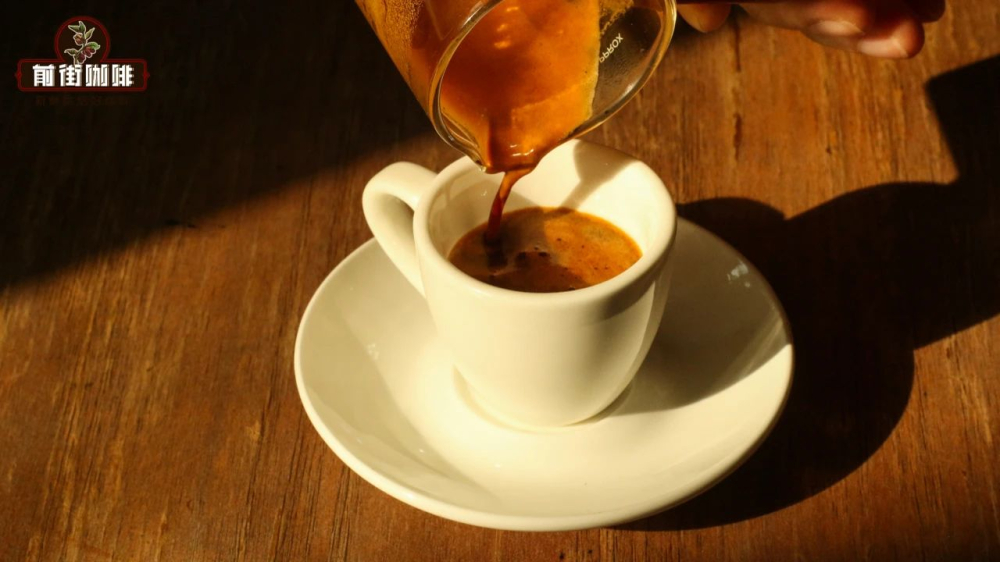
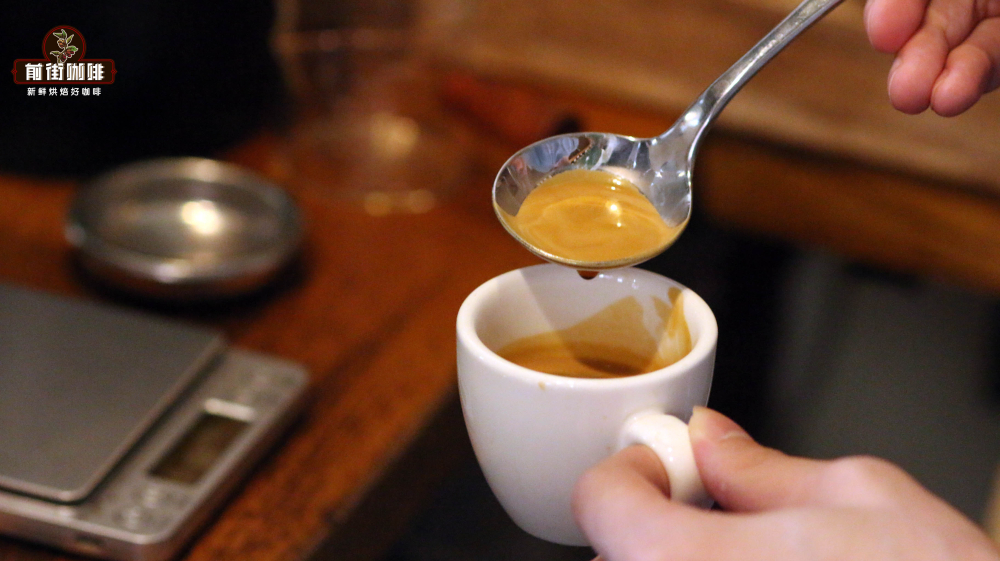
Front Street's blending philosophy, for example, is to combine beans according to their acidity, bitterness, sweetness, aroma, and body into a coffee with a distinctive flavor profile. A well-blended coffee, once completed, has a refreshing aroma, a smooth and pleasant mouthfeel, and a golden color — it is a premium coffee. When made into a latte, the sweetness of the milk and the richness of the espresso are perfectly balanced, with neither the milk nor the espresso stealing the spotlight.
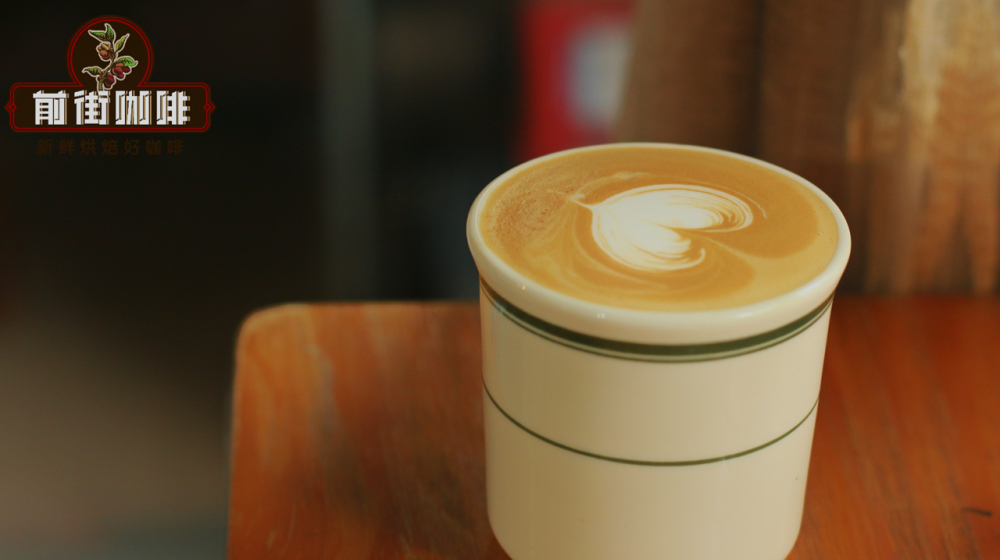
When creating latte art, the espresso's crema is just right — not too thick to hinder the integration of milk and coffee, nor too thin to cause the milk and coffee to scatter when combined — laying a solid foundation for creating latte art patterns.
Considering that many friends are beginners, Front Street has put together 5 espresso blend beans suitable for home coffee machines, each with its own advantages in taste or price. You can choose according to your needs:
1. Well-balanced: Front Street Specialty Blend Espresso Beans
Recipe: Colombia + Brazil
Front Street Specialty Blend coffee beans use Colombian coffee beans paired with Brazilian coffee beans. The nutty, chocolatey notes characteristic of Colombian coffee blend with the rich peanut and cream flavors of Brazilian coffee. This espresso blend has a very balanced overall taste, rich crema, and an extremely smooth mouthfeel, with a delicate aroma yet a slight bitterness unique to the Americas, making it a favorite among many Front Street customers.

2. Rich crema: Front Street Commercial Blend Espresso Beans
Recipe: Colombia + Brazil + Robusta
Considering the diversity of its audience, Front Street recognizes that to create a bold-flavored blend, one must select coffee beans with intense flavors. These include Colombian coffee beans with rich nutty and chocolate notes, Brazilian coffee beans with mild bitterness, and Robusta coffee beans known for their full body and rich crema. The resulting coffee beans are rich and full-bodied, deeply loved by coffee enthusiasts, and highly suitable for the daily output needs of coffee shops.
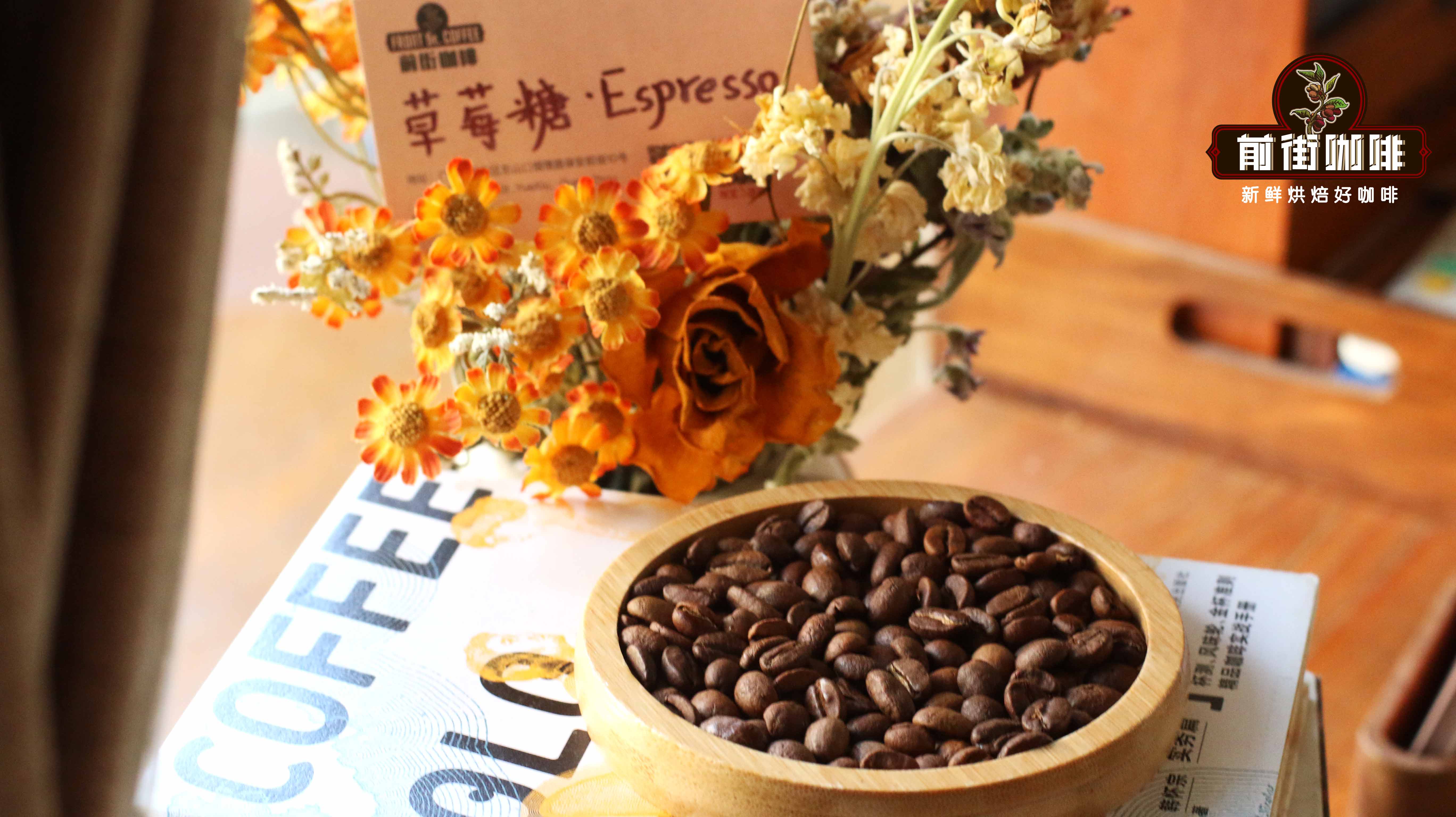
3. Fruity: Front Street Strawberry Candy Espresso Beans
Recipe: Costa Rica + Colombia + Ethiopia
When it comes to coffee with pronounced sweetness, Front Street immediately thinks of Costa Rica, which is renowned for producing high-quality honey-processed coffee. The practice of retaining the coffee mucilage during drying allows the coffee toexhibit a delightful fermented sweetness in its aroma and flavor. To create an espresso blend with richer fruit aromas, Front Street added Colombian Huila and Ethiopian Yirgacheffe to this bean, giving Strawberry Candy Espresso a moderate amount of crema while retaining notes of rose, grape, and dried blueberry.
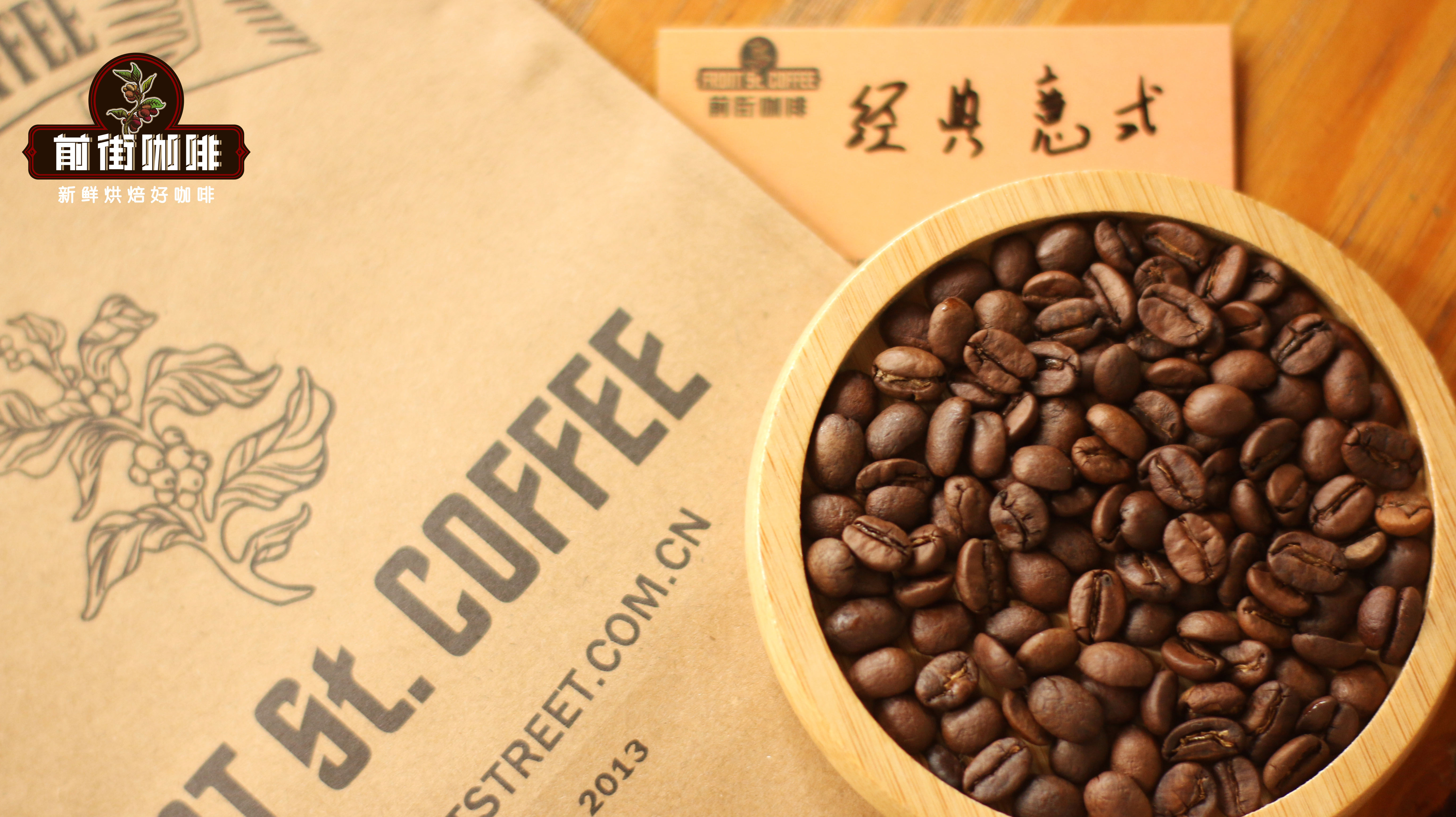
4. Front Street Classic Blend Espresso Beans
Recipe: Brazil + Indonesian Mandheling + Vietnam
If you neither like acidity nor want to sacrifice coffee aroma, then Front Street Classic Blend Espresso Beans is recommended. This is a classic recipe combining three origins — Brazil, Indonesia, and Vietnam — using a dark roast, which maximizes the coffee's rich aroma and allows everyone to easily extract a rich, velvety crema. It is perfect for both diluted Americanos and milk-based lattes. As an Americano, it has a rich, sweet aftertaste; as a latte, it is smooth and creamy.
5. Front Street Dark Cocoa Espresso Blend Coffee Beans
Recipe: Yunnan + Brazil
This Front Street Dark Cocoa Blend coffee bean offers the most accessible flavor profile at an exceptionally high cost-performance ratio. Whether you are new to coffee or a devoted coffee enthusiast, you can easily enjoy this espresso bean. It starts with well-balanced Brazilian coffee beans, blended with Yunnan coffee beans — which have a milder flavor and mouthfeel than Brazilian beans — making it suitable for those who prioritize cost and have moderate flavor requirements, whether for opening a shop or for home use.
What to pay attention to when blending Front Street espresso beans
The originality of espresso beans lies in the blend recipe — every coffee shop's espresso tastes different. Now that you have learned the specific blend data of several Front Street espresso beans, Front Street will share a few points to note before blending coffee beans.
1. Choose coffee beans of excellent quality. Actually, Front Street feels this goes without saying. Using poor-quality coffee beans will greatly diminish the coffee's flavor. No matter how excellent the beans blended with them are, you cannot make delicious coffee. Choosing coffee beans of excellent quality is the most important point.
2. Remove defective beans. When defective beans are mixed in, the taste deteriorates. Anything with insect damage or holes, abnormally developed, or with husk but no bean — remove them all. Of course, if the coffee beans you select contain too many defective beans, it also indicates that the quality of that coffee is poor.
3. Understand the characteristics of the coffee beans. If you don't have a good understanding of the coffee beans you intend to blend, it is very difficult to create a good espresso blend. At this point, you are like a team manager — you must know your members well so that each can contribute their strengths. If you give blind instructions without understanding, everything will fall into chaos.
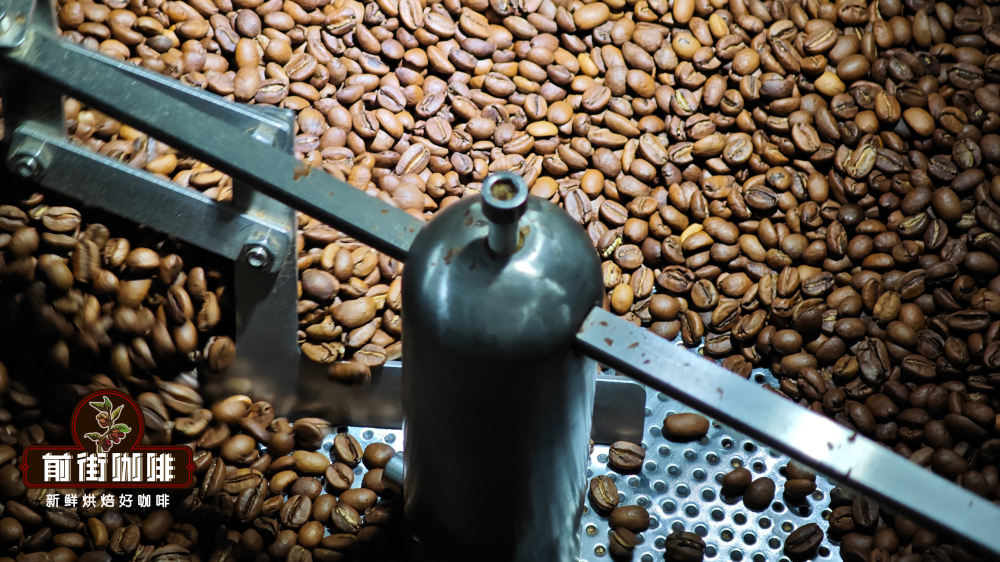
4. Understand the differences in roast levels. Different coffee beans require different roast levels, which is why Front Street emphasizes in-house roasting. When a roaster sufficiently understands the quality characteristics of a certain coffee bean, they will naturally know what roasting parameters suit it, and the final coffee flavor will reflect the characteristics of its origin and the most essential taste of the coffee bean. For example, Brazilian coffee beans are meant to highlight their full body and nutty chocolate flavors, requiring a medium-dark roast approach.
The above content is compiled by CoffeeHunters, a coffee news website.

