







Search Results for: Fine Natural

Yirgacheffe Coffee Beans | What Are the Coffee Processing Methods for Natural and Washed? How Do the Flavors of Yirgacheffe Differ After Brewing with Different Processing Methods?
When buying coffee beans, aside from paying attention to origin and flavor, we also choose coffee beans that have undergone different processing methods. This is because different processing methods bring out different flavor characteristics in coffee; even coffee from the same origin, when processed by washed and natural methods respectively, will display different mouthfeels. For example, on the Front Street Coffee menu, [more…]
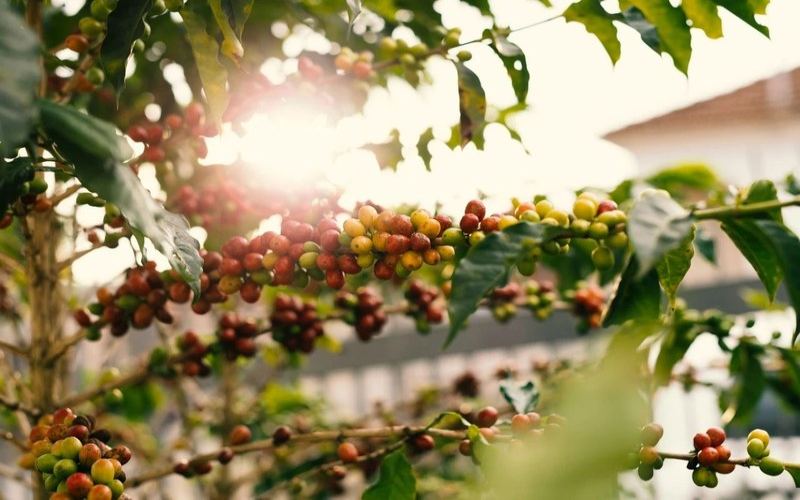
Noticeably sweet and rich in fruity aromas—choose pour-over beans by roast level
If you want to drink pour-over coffee with clear sweetness and a noticeable fruity aroma, the roast level is a very practical screening clue. Light roasts more easily retain floral, citrus, and berry notes, medium-light roasts bring fruity aromas and sugary sweetness closer together, and medium roasts add roundness and caramel associations. Based on whether you prefer a bright, soft, or full-bodied taste, [more…]
Yirgacheffe Region Full Analysis: Grading System, Native Varieties, and Washed vs. Natural Flavor Comparison
Yirgacheffe is a name that cannot be overlooked on the global specialty coffee map, and almost every single-origin coffee shop reserves a place for it. This high-altitude town located in the Sidama region of southern Ethiopia—what exactly is it about this place that has captured the taste buds of countless coffee lovers? From the perspective of Front Street Coffee, this article systematically sorts out Yirgacheffe's production region background, grading logic, variety characteristics, and the flavor differences brought by the two major processing methods, washed and natural, and also includes specific recommendations and brewing suggestions for Front Street's Yirgacheffe series products, helping you gain a comprehensive understanding of this classic production region from beginner to advanced level. [more…]
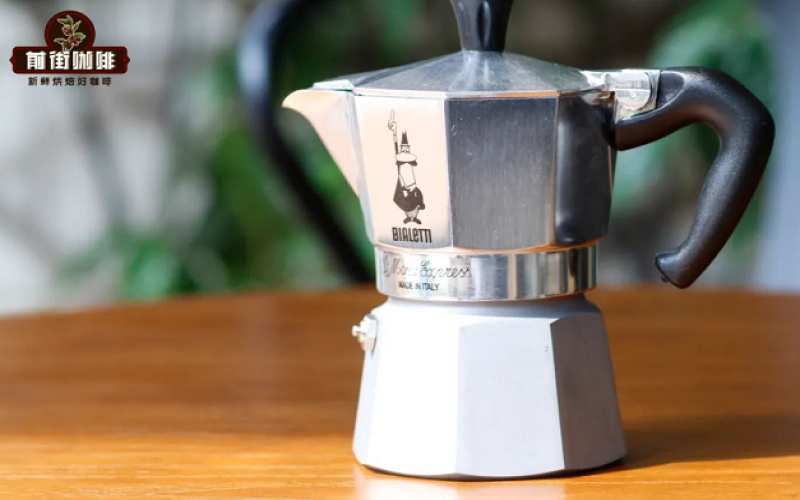
Moka Pot Coffee Grind Size | How Fine Should Coffee Be Ground for Moka Pot Brewing? How to Adjust Coffee Grind Size for a Bialetti Moka Pot?
Having grown accustomed to coffee made with commercial espresso machines outside, replicating the taste of a coffee shop at home is no simple matter. Due to a lack of funds and space, one has no choice but to use a moka pot to brew the rich, bold coffee they desire. However, even with the tool in hand, using a moka pot [more…]
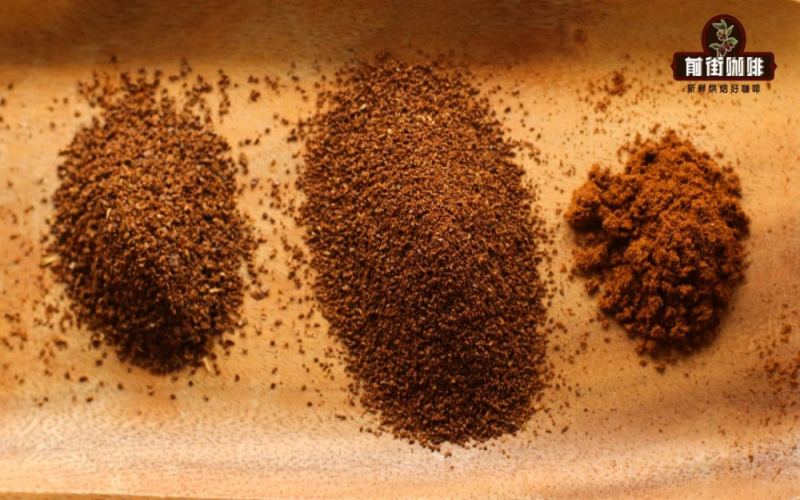
Coffee Grounds Coarseness Reference | Pour-Over Coffee Grind Size 1 to 10: Which Is the Finest? How to Adjust Coffee Bean Grind Parameters for Espresso and Moka Pot
A delicious cup of coffee is hard-won, because from seed to cup is a very long wait. Even at the final step of extraction, you must ensure that the coffee you use meets brewing standards, because extraction is easy—but have you ever thought about it? Coffee grounds are what extract the flavor compounds, [more…]
Coffee Grinding | Which is the finest grind setting from 1 to 10? How do you read the grind size for espresso and moka pot? How do you adjust the coffee grind size?
A delicious cup of coffee is hard-won, because from seed to cup is a very long wait, and even at the final step of extraction, you must ensure that the coffee you use meets brewing standards, because extraction is easy, but have you ever thought about it—coffee grounds extract flavor compounds, so the water used [more…]

Ethiopian Specialty Beans | Why Is the Sidamo Natural Sun-Dried Huakui Coffee So Popular? A Highly Cost-Effective Arabica Coffee Bean Recommendation Every Beginner Must Buy
Huakui is a specialty Arabica coffee bean that every beginner must try. It comes from Hambella in the Guji region (GUJI) and is processed by the Buku Abel washing station here, and it is famous for the classic Ethiopian floral and fruity aroma in its flavor profile. Buku Abel is located at an altitude of 22 [more…]

African Coffee | What Are the Differences Between Ethiopian and Kenyan Coffee Varieties? An Introduction to the Processing Methods, Flavor, and Taste Characteristics of Ethiopian and Kenyan Coffee
Ethiopia and Kenya, Africa's renowned coffee-producing countries, are highly celebrated in the specialty coffee world. The coffee flavors from both regions are predominantly fruit-acid oriented, but the difference lies in that Ethiopian coffee features a bright, uplifting acidity with a clean and refreshing mouthfeel, while Kenyan coffee exhibits berry fruit [more…]

SOE Coffee Bean Recommendations | How Can Coffee Beginners Choose SOE Coffee Beans? How Do You Make a Delicious SOE Americano and SOE Latte?
As the specialty coffee scene in China grows ever more vibrant, high-quality single-origin beans from producing regions around the world are frequently appearing on the menus of many cafés. Not only does each coffee come with detailed traceability information, but many single-origin lots also leave a lasting impression with their distinctive aromas. For example, the bean list at Front Street Coffee shops includes an entire section [more…]
The Origin of Geisha Coffee | What Are the Flavor and Taste Characteristics of Panama Geisha Coffee? What Is the Difference Between Geisha and Yirgacheffe, and Which One Tastes Better?
We know that Geisha coffee is very delicious and famous, but do you know how Geisha coffee got its name? There are many ways to name coffee—some are named after the producing country or region, and some are named after the estate—while Geisha is the name of a coffee variety. Geisha refers to a coffee variety, called Geisha in English. [more…]

Espresso Crema | Why does espresso have a layer of crema? Can the crema tell you if an espresso is good or bad?
You often hear people say, "To judge whether an espresso tastes good, just look at the crema. The best espresso has a crema that is fine, thick, and golden." But can you really judge whether an espresso tastes good by the state of its crema? To find out whether this method works, Front Street only needs to give everyone two questions. [more…]

French Press Usage and Origin History | What Is the Extraction Principle of French Press Coffee? How Fine Should French Press Coffee Beans Be Ground? How to Use a French Press to Brew Sun-Dried Geisha Coffee Beans?
The history of the French press can be traced back many years, but there is much controversy over who exactly invented it. The first patent in history for a coffee brewing device similar to the modern French press was granted to an Italian from Milan named Attilio Callimani. Since [more…]
Cold Brew Coffee Recipe and Coffee Bean Recommendations | How Beginners Can Make Cold Brew at Home: Grind Size, Water Temperature, Time, and Ratio for Cold Brew
What is cold brew coffee? Cold brew coffee is Cold Brew Coffee, also known as cold-brewed coffee, ice-brewed coffee, or cold-brewed coffee. Put the ground coffee powder into room-temperature water, soak and extract for 12 hours, then filter out the coffee grounds, and the coffee liquid obtained is cold brew coffee. Cold brew coffee [more…]
American Coffee Beans Recommendation | What Is the Correct Way to Drink Americano? Can You Add Sugar and Milk to Hot Americano?
Open your phone, and you'll often see a cup of dark drink in some celebrity paparazzi photos—that's the legendary Americano. Some curious friends might ask: is Americano black coffee? Yes, Americano is a type of black coffee, and aside from milk coffee, Americano is the most popular [more…]
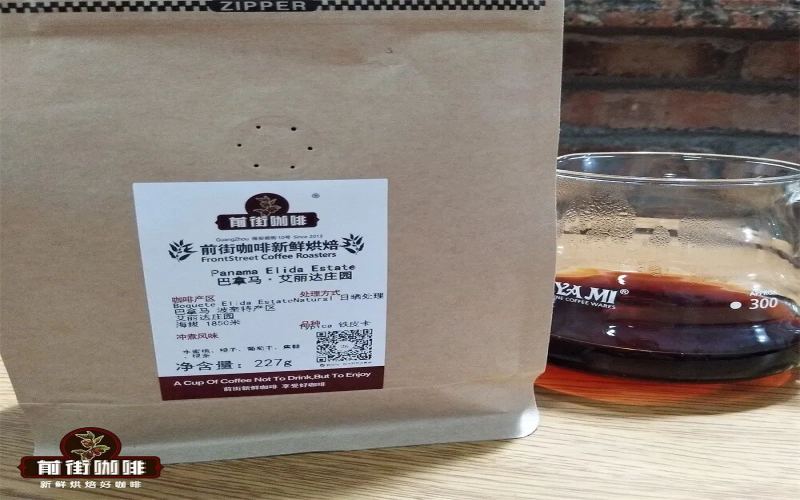
Coffee Varieties | Are Geisha and Gesha coffee the same variety? How was Geisha discovered? What are the differences between Yirgacheffe and Geisha coffee?
We know that Geisha coffee is very delicious and also very famous, but do you know how Geisha coffee got its name? There are many ways to name coffee: some are named after the producing country or region, and some are named after the estate, while Geisha is the name of a coffee variety. Geisha refers to a coffee variety, called Geisha/Ge in English. [more…]
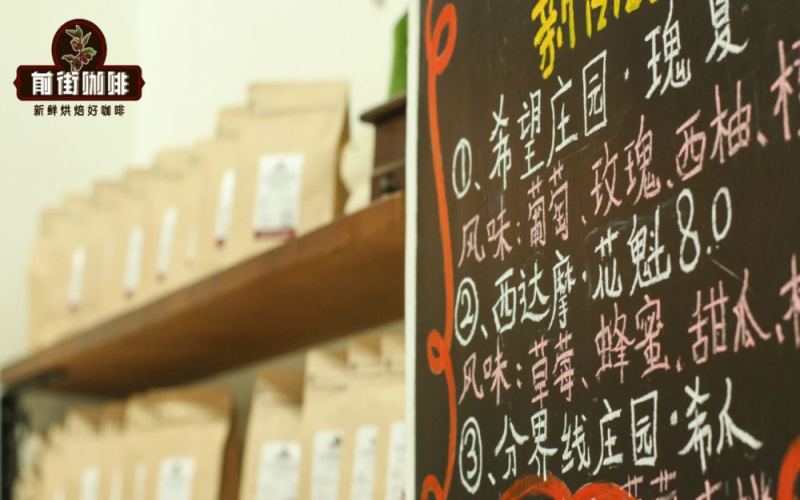
Cold Brew Coffee Specialty Bean Recommendations | Can you use soda water or sparkling water to make cold brew coffee? Can you add milk or alcohol to cold brew?
For more specialty coffee knowledge, please follow our WeChat official account: FrontStreet Coffee. Cold brew coffee is made by soaking ground coffee beans in cold water for at least 8 hours, then extracting and filtering through professional equipment. As summer arrives, cold brew coffee is becoming more and more [more…]

Coffee Filter Cup | How to adjust the pour-over parameters when brewing different doses of coffee with a V60? How to make multi-serving pour-over coffee with a V60 #01 filter cup?
Introduction: The V60 #01 dripper is used to brew 1–2 servings of coffee, and using 15–20 g of grounds is the most suitable. Some friends, when they really can't drink that much alone, will brew a little less, while some friends, when sharing with others, will brew a little more. So when brewing with a dripper of the same size, [more…]

Sidamo Natural Flower Kui | What are the characteristics of the Sidamo coffee-producing region in Ethiopia? What are the flavor characteristics of Flower Kui coffee beans?
The flavor of Front Street Ethiopian coffee beans is world-famous for its elegant floral notes, citrus, lemon, and tropical fruit aromas, along with a fruity tea-like mouthfeel. It is often the first-choice region for specialty coffee fans, especially Yirgacheffe and Sidama. So in this article, Front Street will introduce you to a famous Ethiopian coffee region—Sida [more…]

Sidamo Natural Diamond Coffee Beans | What Are the Cultivation Characteristics of Ethiopian Coffee Regions? How Do You Brew Sidamo Guji Hambela Diamond to Bring Out Its Fruity Flavors?
The flavor of Front Street Ethiopian coffee beans is world-renowned for its elegant floral notes, citrus, lemon, and tropical fruit aromas, along with a fruity tea-like mouthfeel. It is often the region of choice for specialty coffee fans, especially Yirgacheffe and Sidama. So in this article, Front Street will introduce you to a famous Ethiopian coffee region—Sidama. [more…]
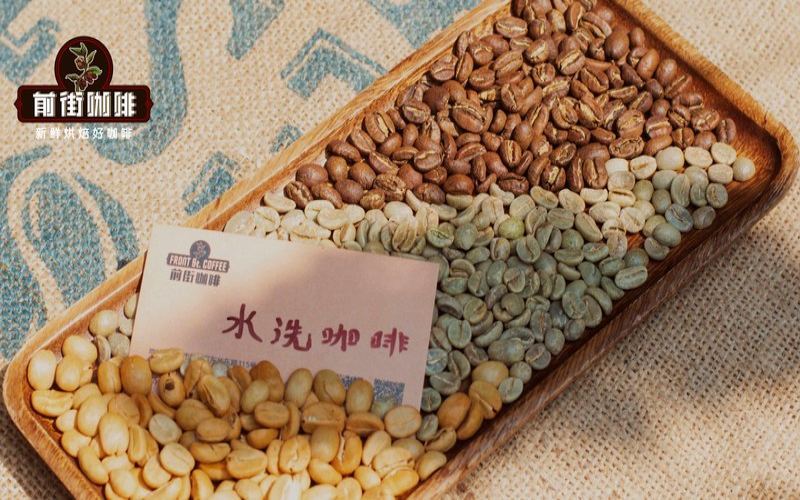
Sun-Dried Coffee Bean Recommendations: Exploring the Cup Profile from Light to Dark Roasts
Sun-dried processing allows coffee beans to retain a vivid fruity character, but the roast level rearranges the order in which these flavors appear. Light roasts make it easier to taste floral notes, fruity acidity, and a clean, transparent texture; medium roasts push sweetness and roundness to the forefront; dark roasts bring a fuller body and roasted aromas. When buying beans, first check the roast level indicated, then imagine [more…]