








What Makes Yirgacheffe Aricha Stand Out in Fine Coffee?
Yirgacheffe Aricha is a washed natural Ethiopian bean from the Aricha processing station, which took first place in the 2019 African TOH Natural Group. Grown at roughly 1,700 to 2,200 meters, it is lightly roasted to keep its fermented wine aroma, ripe fruit sweetness, juicy body, and creamy finish intact.
The slow ripening at high altitude lets cherries build more flavor compounds, which is why Yirgacheffe carries weight in the fine coffee world. A V60 three-pour method, or French press, siphon, and cold brew, all work with this bean; the champion lot is often treated as an everyday staple because it stays bright, low in acidity, and full of aroma.
Yirgacheffe is a name impossible to avoid in the world of specialty coffee, and Aricha, as the 2019 African TOH Natural Group champion, pushes the floral and fruity character of this region to the extreme. This article begins with Aricha's origin background, heirloom variety characteristics, and the prestige of the TOH competition, then moves on to Front Street's roasting approach and brewing recommendations, helping you see clearly why this bean is called a "fruit bomb." If you are looking for a daily staple that combines fermented wine aroma, ripe fruit sweetness, and juicy mouthfeel, follow along with Front Street's cupping notes and V60 three-pour method to fully extract Aricha's flavors.
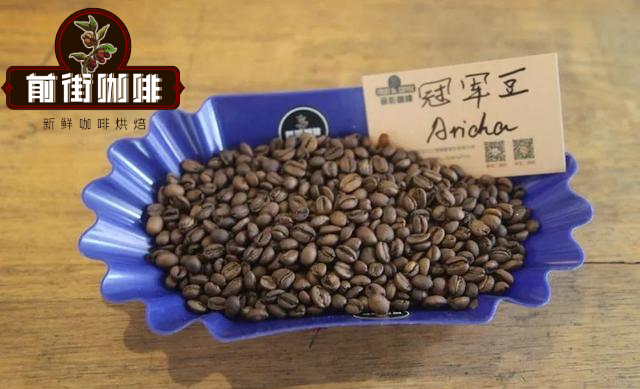
The bean we are discussing today is Aricha, a standout from the Yirgacheffe region with serious champion credentials. Front Street is particularly fond of this Yirgacheffe, not only because of its champion title, but because its cup performance is genuinely convincing. Aricha itself is the name of a processing station, and this bean won first place in the 2019 African TOH Natural Group. Front Street uses a light roast to preserve the floral and fruity aromas as much as possible. After repeated testing, the cup presents a gentle fermented wine aroma, ripe fruit sweetness, a juicy mouthfeel, and a creamy smooth finish. The champion title is truly well deserved.
The Yirgacheffe region was originally the name of a small town in Ethiopia. The local altitude is roughly between 1,700 and 2,200 meters, with relatively low temperatures. Coffee cherries ripen slowly, giving them more time to accumulate nutrients and flavor compounds. Because the coffee produced here has outstanding flavor and quality, Ethiopian coffee farmers take pride in their beans carrying Yirgacheffe characteristics.
So in the world of specialty coffee, Front Street Yirgacheffe is almost a required course. It has extremely high recognizability and an accessible price, and many people treat it as a daily staple. It is refreshing, low in acidity, and full of aroma. Besides pour-over, French press, and siphon, it can also be used for cold brew immersion—truly one bean with many ways to drink.
Not far east of Yirgacheffe is a village called Aricha kebele. Aricha is about 8 kilometers from the center of Yirgacheffe town. Kebele is the smallest administrative unit in Ethiopia, with about 500 households, equivalent to 3,500 to 4,000 people. The coffee in this area mostly comes from wild varieties in local forests, so the tree types are extremely diverse. A single batch of beans often contains 2 to 30 varieties. Because it is harvested from native forests above 1,850 meters, it cannot be named after an estate and can only be named after the harvesting area, Aricha. There are simply too many Ethiopian coffee varieties to identify and classify one by one. For protection purposes, the local government collectively calls these varieties "Heirloom."
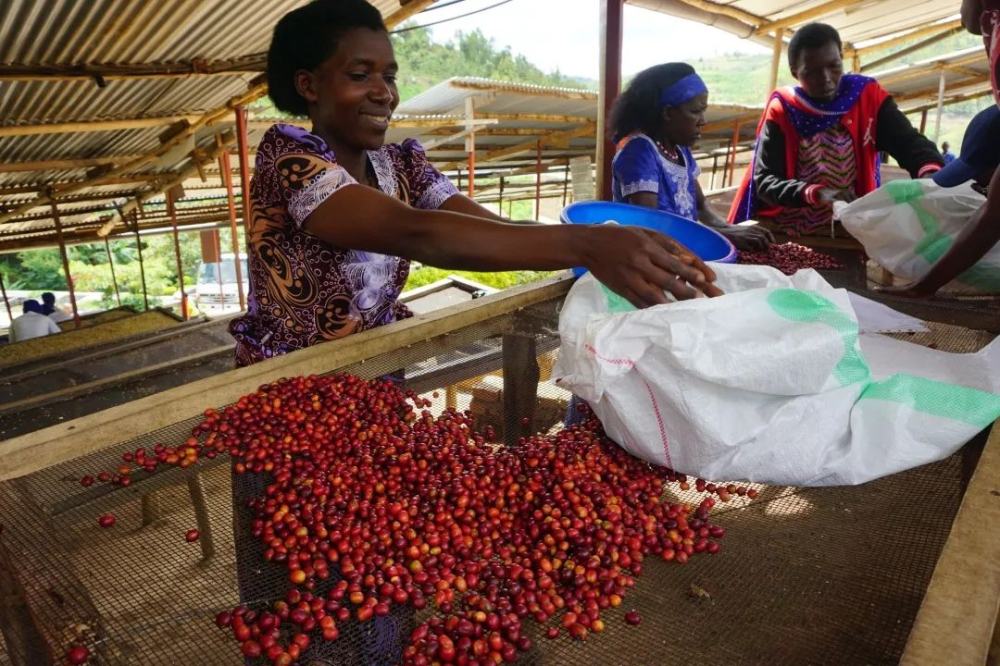
The full name of the TOH competition is Taste Of Harvest, a harvest-season cupping competition initiated by the African Fine Coffees Association (AFCA), similar in nature to the COE Cup of Excellence. There are 8 participating countries: Burundi, the Democratic Republic of the Congo, Ethiopia, Malawi, Kenya, Tanzania, Uganda, and Zambia. It is held annually during the African Fine Coffee Conference and Exhibition. TOH selects the highest-quality green beans from each producing region, and domestic and international judges cup and score them according to the standards of the Specialty Coffee Association of America (SCAA).
The Aricha coffee beans produced by the Adorsi processing station won the 2019 TOH Natural Group championship with 91 points. The Adorsi processing station belongs to Testi Coffee, an coffee export company run by the Yonis family and founded in 2009 by Faysel A. Yonis. Front Street believes that the greatest feature of Ethiopian coffee is its fruity acidity and floral aroma. Since it is called a "fruit bomb," the roast level cannot be too dark, so Front Street uses a medium-light roast to highlight the coffee's fruity profile.
Charge temperature 165°C, heat 120, airflow opened to 3; turning point at 1'36", when the drum temperature reaches 148°C adjust airflow to 4, heat remains unchanged; at 166°C the bean surface turns yellow, the grassy smell completely dissipates, entering the dehydration stage, heat unchanged, airflow at 5; at 7'37" wrinkles and dark spots appear on the bean surface, the toasted bread smell clearly turns into coffee aroma, which can be regarded as the prelude to first crack. At this point, listen carefully for the sound of first crack. First crack begins at 8'38", airflow unchanged, develop for 1'45" after first crack, drop at 195°C.
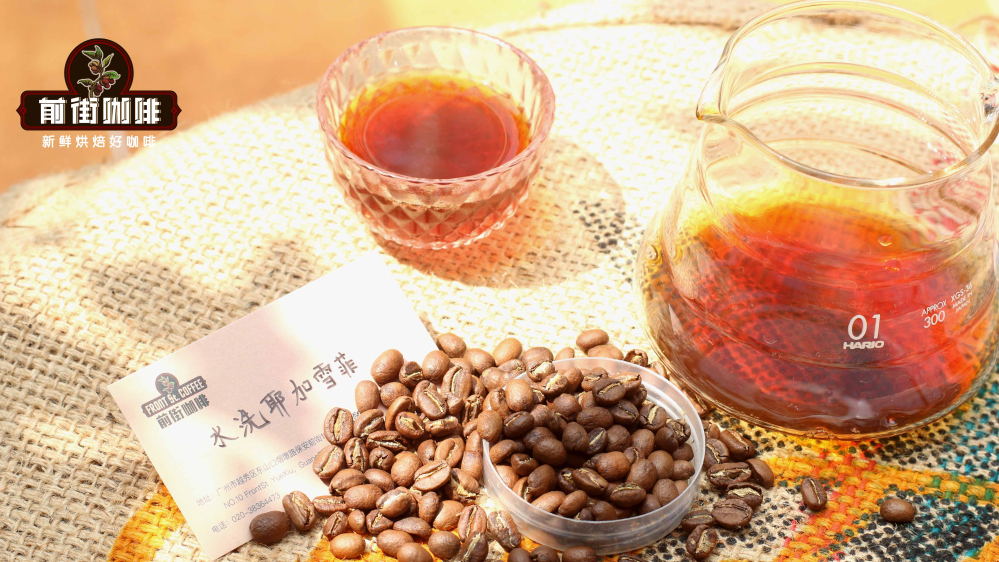
Agtron bean color value 66.2 (below), Agtron pink value 78.9 (above), Roast Delta value 12.7.
When Front Street cupped the 2019-season Aricha coffee beans, the rich mouthfeel made it seem just like a "fruit bomb." The dry aroma of natural Aricha gives off intense fruit fragrance with heavy dried fruit notes—strawberry, mango, and apricot jam aromas. The wet aroma is like sweet syrup, resembling thick apricot nectar wrapped in rustic honey or chocolate. On the palate it is not intense, with medium body, much like fruity black tea.
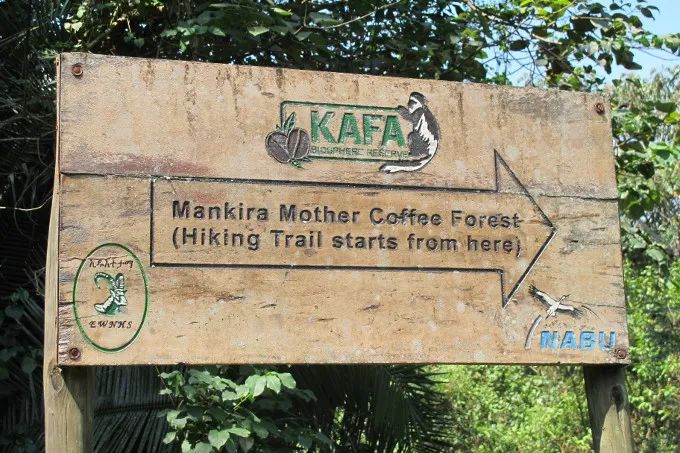
Front Street Coffee Brewing Reference
Ethiopian coffee beans are light-roasted and the beans are relatively hard, requiring hot water at 92°C to 93°C to bring out the floral and fruity notes. For grind size, Front Street recommends medium-fine grinding (78% passing through a Chinese standard No. 20 sieve). Too coarse and the rich compounds will not extract, making the coffee seem thin; too fine and it easily over-extracts at high temperature, producing bitterness.
For the brewing ratio, Front Street believes 1:15 to 1:16 both work. If you want a richer mouthfeel, use 1:15; if you want to experience the floral sweetness more clearly, use 1:16 to let the flavors open up more.
Dripper: V60 Water temperature: 92-93°C Dose: 15g Coffee-to-water ratio: 1:15 Grind size: fine sugar consistency (78% passing through a No. 20 sieve)
Three-pour method: First wet the coffee bed with twice the amount of water as coffee grounds, wait for it to form a dome and bloom for 30 seconds. Then pour in a slow, thin stream in circles from the inside out until reaching 125g, pause. Wait for the coffee bed to drop to halfway down the dripper, then continue pouring the third pour with the same thin stream until 225g. Wait until all the coffee liquid has filtered through, then remove the dripper. Total time is about 2 minutes.
When brewing this Aricha coffee, you can smell the full aroma of ripe fruit. On the palate there is obvious fermented aroma and green grape notes. As the temperature drops slightly, there is lemon acidity and creamy smoothness, with a juicy ripe grape finish.
The above content is compiled by CoffeeHunters, a coffee news website.


