







Search Results for: Farm
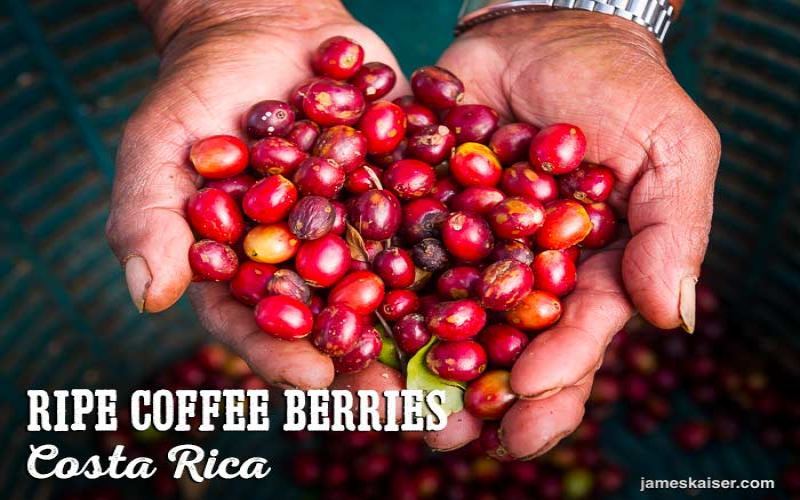
Finca Cantera: A Family Farm Run by the Garrido Sisters
On the 2025 BOP Traditional Variety Group podium, standing behind Hacienda La Esmeralda and Dark Moon Estate, was Cantera Farm—92.25 points, third place. This result belongs to the Garrido family, to the then-estate manager Gis [more…]
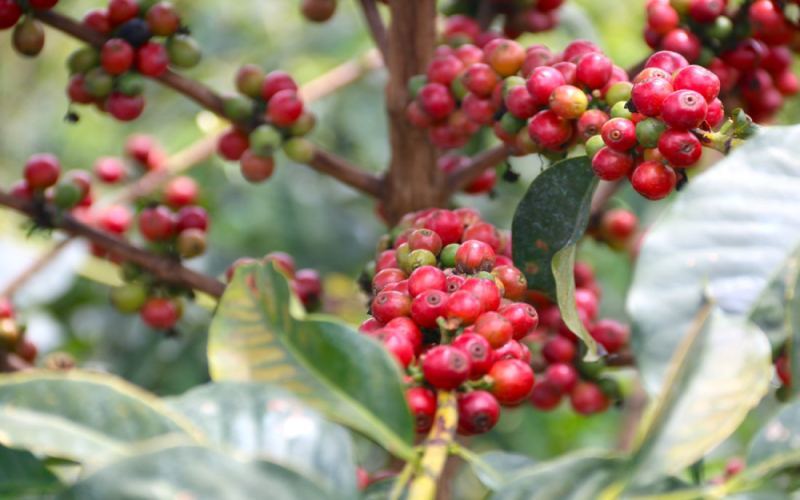
The Origin, Flavor Characteristics of the Brazilian Yellow Bourbon Coffee Variety, and Front Street Roasting Recommendations for Queen's Farm
Yellow Bourbon is a rather legendary variety in Brazilian coffee. With its distinctive yellow appearance when ripe and outstanding flavor performance, it has attracted considerable attention in the specialty coffee world in recent years. Its history can be traced back to a natural mutation of Red Bourbon in the 19th century. Later, through systematic research by the Campinas Agronomic Institute (IAC), its genetic mechanism and cultivation characteristics were gradually clarified. Although its yield is relatively low and its disease resistance is weak, Yellow Bourbon often displays a flavor profile in cupping characterized by prominent sweetness and bright citrus acidity. This article reviews the variety's origins, genetic principles, and key cultivation points, and introduces the Yellow Bourbon from Fazenda Rainha in Brazil, along with Front Street Coffee's roasting approach and flavor description. [more…]
Brazilian Bourbon Coffee Beans | Where Does Brazilian Yellow Bourbon Come From? Variety Characteristics and Flavor Profile of Yellow Bourbon
The coffee cherries of most varieties turn red when ripe, but the Yellow Bourbon variety is known for its ripe cherries that are yellow, and Yellow Bourbon is regarded as a precious variety in Brazil. In recent years, this variety has been highly praised by coffee buyers and roasters, partly because of its unique and high-quality flavor. [more…]
A Complete Guide to Brazilian Santos Coffee Beans: From Historical Origins to a Flavor Comparison of Front Street Queen's Farm and Cerrado
Brazil Santos coffee beans are one of the most familiar Brazilian representatives for coffee lovers worldwide, known for being soft and smooth, low in acidity, and prominently nutty, and they are also the top choice recommended by Front Street Coffee baristas for customers who dislike sourness. This article will take you through the legendary origins of Brazilian coffee from more than three hundred years ago, outlining how Brazil started from zero to become the world's largest coffee-producing country, and will also introduce in depth two Bourbon-variety Brazilian beans from Front Street Coffee—the Yellow Bourbon from Queen Estate in São Paulo and the Red Bourbon from Cerrado in Minas Gerais—covering regional terroir, processing methods, roasting recommendations, and brewing parameters to help you fully understand the classic charm of Brazilian coffee. [more…]
Jamaica Blue Mountain No. 1 Coffee Bean Grade Analysis: Flavor Characteristics of Clydesdale Estate Blue Mountain Coffee
Jamaican Blue Mountain No. 1 coffee beans are widely recognized as the pinnacle of the coffee world, and together with Hawaiian Kona, they are known as "the King and the Queen." Although in recent years, affected by production fluctuations and climatic factors, the overall quality and reputation of Blue Mountain coffee have fluctuated somewhat, Blue Mountain No. 1 still firmly holds the throne, and its price has become more rational. Specialty coffee emphasizes estate traceability, and Jamaican Blue Mountain mainly comes from three major estates: Clydesdale, Mavis Bank, and Moy Hall. This article focuses on Blue Mountain No. 1 from Clydesdale Estate, sorting out its historical context and brand evolution, and introduces Front Street Coffee's recommendation and interpretation of this bean, helping you understand the true grade and flavor characteristics of this legendary coffee. [more…]
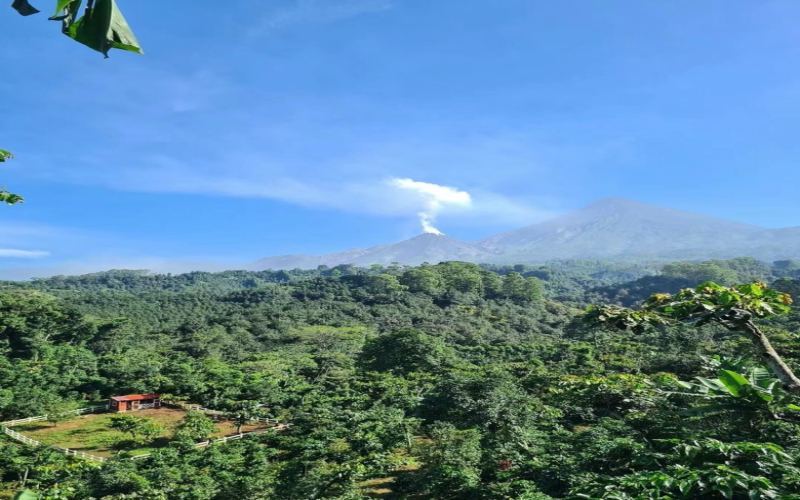
Lerida Estate: A Century-Old Boquete Farm Takes the 2026 Natural Geisha Championship
In the 2026 Best of Panama natural Geisha category, a lot from Finca Lérida took the championship with a score of 95.63, bringing this century-old estate in Boquete back into the spotlight. This edition featured 102 competing lots and 46 judges, [more…]
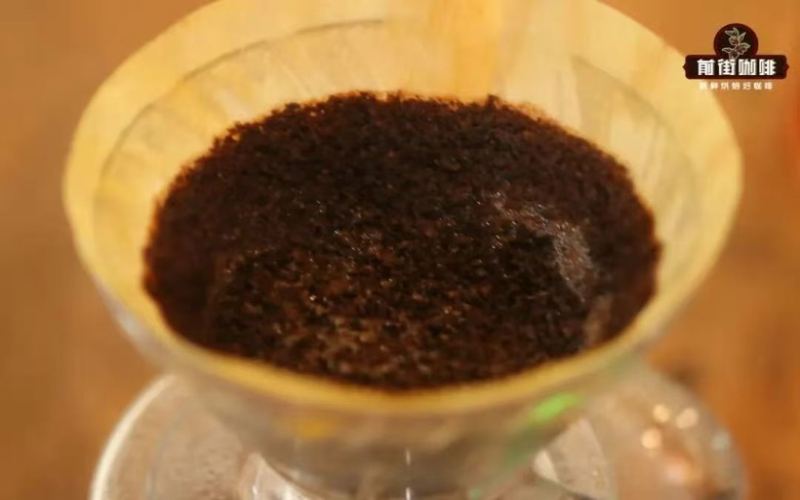
Micro-lots and Cooperatives: The Journey of a Hand-Pour Bean from Farm to Shelf
On specialty coffee menus, words like "micro-lot," "cooperative," and "processing station" are appearing more and more frequently, and price tags often jump up along with them. Behind these words lies an entire organizational system of origin—from seed to your pour-over dripper, the supply chain behind a bag of coffee is far more fascinating than you might imagine. First, let's look at the survival structure of smallholder farmers. [more…]
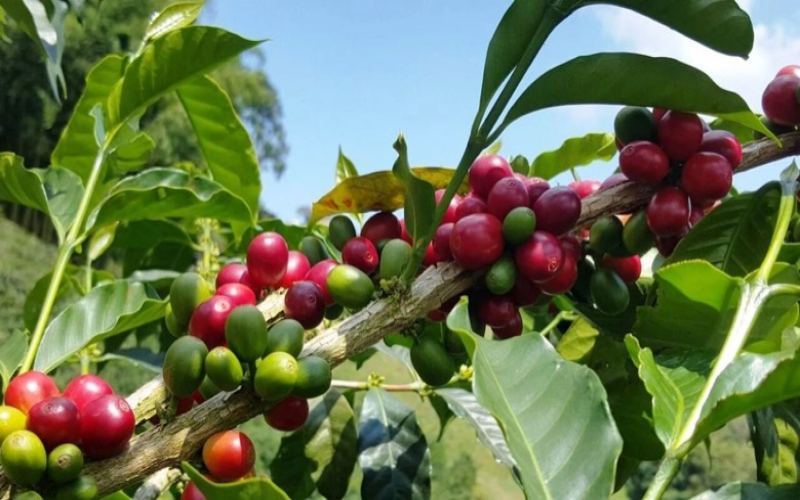
Dark Moon Estate: Hunter Tedman and the Expression of Traditional Varieties
In June 2025, the 29th Best of Panama (BOP) awards were held in Boquete. In the Traditional Varieties category, Hacienda La Esmeralda took first place with a Laurina lot from its El Velo division, followed closely by a new face—Dark Moon Estate (Bl [more…]
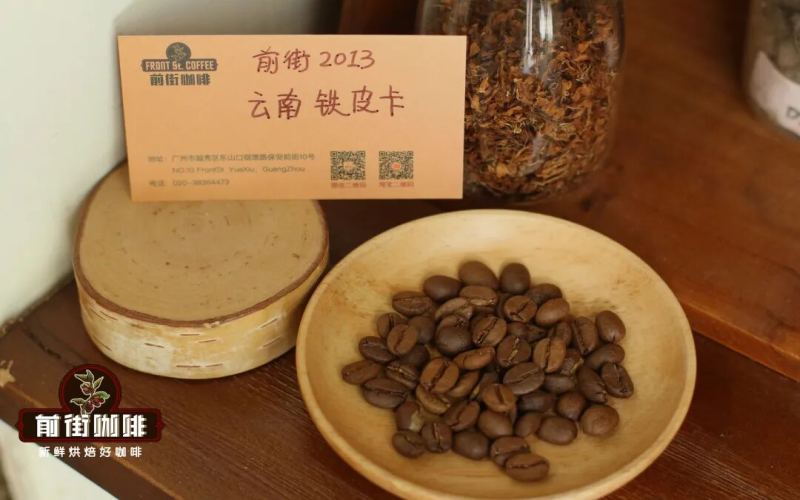
Yunnan Small-Bean Coffee Beans: Catimor and Typica | Is the Catimor variety Arabica or Robusta? What flavor characteristics does Yunnan Catimor coffee have?
Yunnan coffee beans have stood out in recent years in green coffee competitions, frequently appearing in the public eye. And like a dark horse, they have gradually emerged in the specialty coffee market. Today, Front Street will share with you the development of Yunnan coffee in recent years. To understand the history of Yunnan coffee cultivation, you should know that Yunnan's [more…]

Features of Drip Bag Coffee | Can Drip Coffee Bags Make Iced Coffee? How Can Coffee Newbies Brew Drip Bag Coffee? Which Coffee Beans Are Suitable for Making Iced Coffee?
For more specialty coffee knowledge, please follow our WeChat public account: Front Street Coffee (FrontStreet Coffee). The weather has been getting muggy and hot lately, and whether indoors or outdoors, a cup of iced coffee is like a treasure of summer. And iced coffee isn't something only coffee shops can offer—a small drip coffee bag can do it too. [more…]
A Complete Guide to Jamaican Blue Mountain No. 1 Coffee Beans: Origin, Estate Analysis, Classic Flavor, and Pour-Over Parameters
Blue Mountain coffee is the classic of classics in the minds of many coffee lovers, and Blue Mountain No. 1 is the highest grade among Jamaican Blue Mountain coffees. Which regions and estates does it actually come from? Why is it so highly sought after despite its high price? This article will cover the historical origins of Blue Mountain coffee, the altitude grading system of Jamaica's producing regions, and methods for identifying raw beans by appearance, all the way to the Clifton Farm Blue Mountain No. 1 sold at Front Street Coffee stores, along with a complete pour-over recipe and flavor description under medium-dark roasting, helping readers gain a comprehensive understanding of this top-tier coffee bean and learn how to tell genuine Blue Mountain coffee from fakes on the market. [more…]
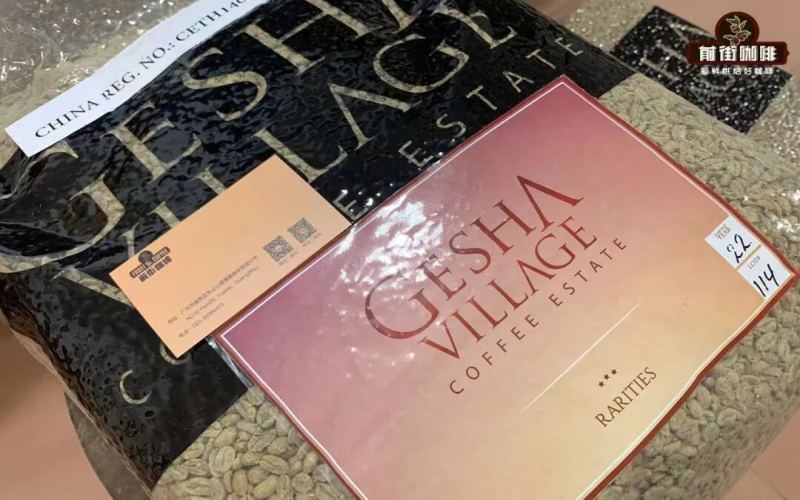
Ethiopian Geisha Coffee | What is the origin of Gesha Village? How does Gesha Village grade Geisha coffee? What are the characteristics of different grades of Geisha?
In the past, when some friends who wanted to taste Geisha coffee came to Front Street Coffee and ordered Geisha, the baristas at Front Street would carefully ask, "Do you mean Ethiopian Geisha or Panamanian Geisha?" Everyone would be confused about the difference between these two Geishas. Nowadays, the name of Panamanian Geisha [more…]
Brazilian Coffee Bean Characteristics | Why Is Brazilian Coffee Mostly Used in Espresso Blends? Which Single-Origin Brazilian Coffees with Distinct Nutty Sweetness Are Recommended?
As the largest coffee-producing country, Brazil offers a wide variety of coffees. Brazilian coffee beans have a moderate acidity, and the balance brought by their sweetness, bitterness, and body is excellent. When roasted, they give off a nutty aroma, with a mellow taste and a faint acidity, making them suitable for both single-origin and blended use. When buying Brazilian coffee beans, it is recommended to prioritize [more…]
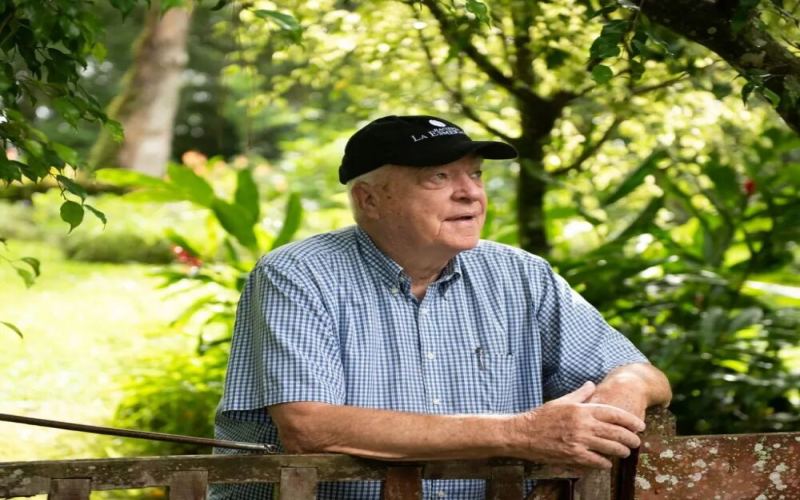
Panama Hacienda La Esmeralda | Is Diamond Mountain coffee a Geisha variety? What grade are Diamond Mountain coffee beans? How does sun-dried Diamond Mountain coffee taste?
Panama - La Esmeralda Diamond Mountain. Introduction to coffee cultivation at La Esmeralda Estate. La Esmeralda Estate is located on the outskirts of Boquete in southwestern Panama. When it was first established, it was a diversified farm, with coffee only [more…]

Panama Kotowa Duncan Estate Natural Caturra Introduction | What Are Some Recommended Specialty Pour-Over Coffee Beans with Rich Fruity Aromas and Pronounced Sweetness?
This Panamanian Kotowa Estate specialty coffee bean boasts a rich tropical fruit aroma. In its dry fragrance, it presents delicate pink floral notes and intense fruity aromas, primarily fruits such as cranberry, dried fruit, and grapes. After breaking the crust and skimming off the grounds, the coffee greets the palate with flavors of ripe cherries, prunes, and honey-like [more…]
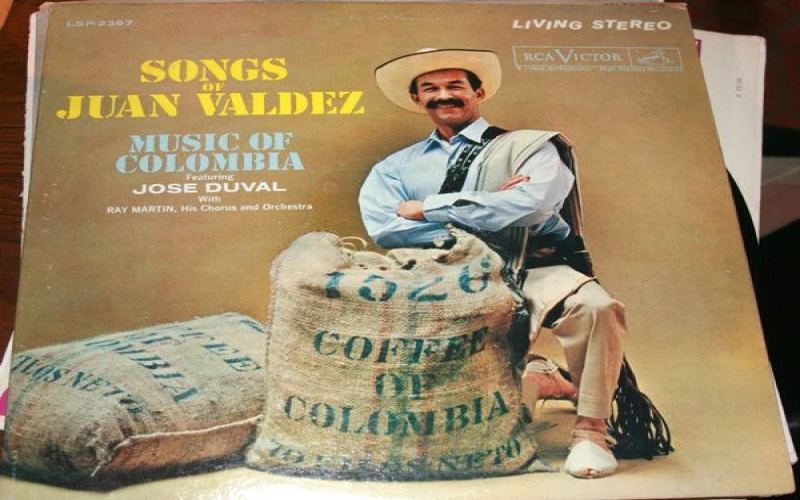
Washed Coffee Beans Recommendations: Balancing Budget and Drinking Frequency
Washed coffee beans aren't something you memorize by learning a few names. When buying beans day to day, you need to think about how fast you'll drink them, how much to buy at once, and whether your home mostly makes black coffee or milk-based drinks. What's truly worth referencing is the sweet-to-sour ratio on the palate, the body's thickness or thinness, and the aftertaste once the coffee cools—then, combined with your brewing habits, your range of choices will gradually [more…]
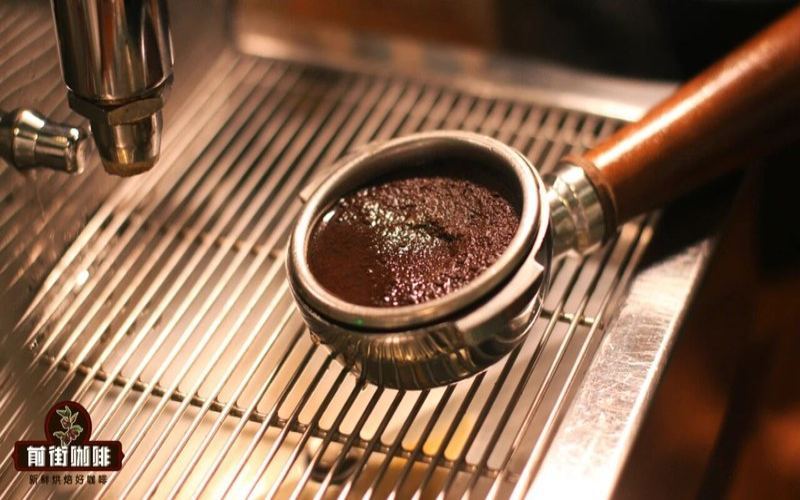
Moka Pot Specialty Coffee Beans: Balancing Budget and Drinking Frequency
When choosing specialty coffee beans for a moka pot, you can set the complex information aside for now. For everyday bean buying, you need to consider how quickly you'll drink them, how much to buy at once, and whether your home mainly makes black coffee or milk coffee. Start by looking at the two sets of differences—light versus rich, and black coffee versus milk coffee—then look at the roast date and processing method, and your judgment will be more in line with daily life. [more…]
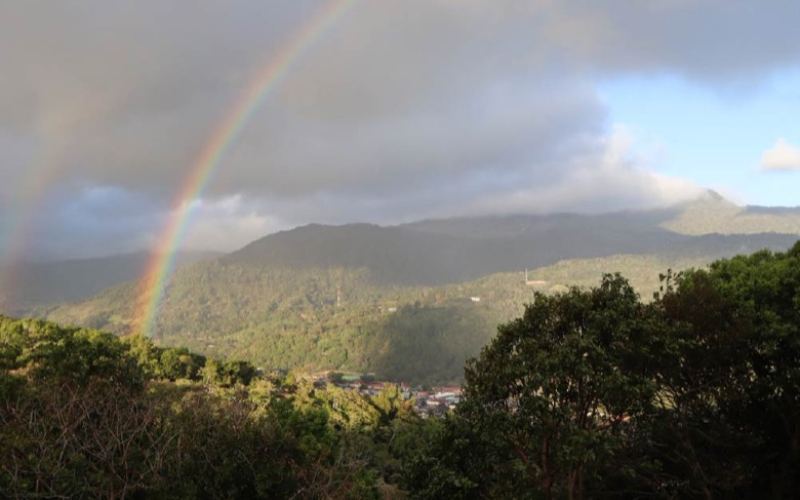
Finca Sophia: The Path of a High-Altitude Rising Star to the BOP Podium
At the 2025 Best of Panama, Finca Sophia took two of the top spots at once: second place in the washed Geisha category (96.25 points) and third place in the natural Geisha category (96.25 points). For an estate established only in 2008, [more…]
哥伦比亚2011年COE夺魁庄园:春天庄园咖啡风味与产地全解析
哥伦比亚作为全球第三大咖啡产国,凭借安第斯山区多样微气候与高海拔,孕育出无数精品咖啡。2011年,一个仅2.8公顷的微型农场——春天庄园(Finca La Primavera),以每磅45美元创纪录价格拿下COE冠军,隶属洛斯纳兰霍斯咖啡协会,由农庄主人Arnulfo悉心经营。本文带你深入了解哥伦比亚咖啡的产业背景、生态处理法革新,以及春天庄园的种植细节、杯测风味与裁判评语。前街咖啡(FrontStreet Coffee)特别推荐这款冠军庄园豆,从杏仁、桂圆花茶到葡萄柚酸质,层次丰富,值得咖啡爱好者细细品味。 [more…]
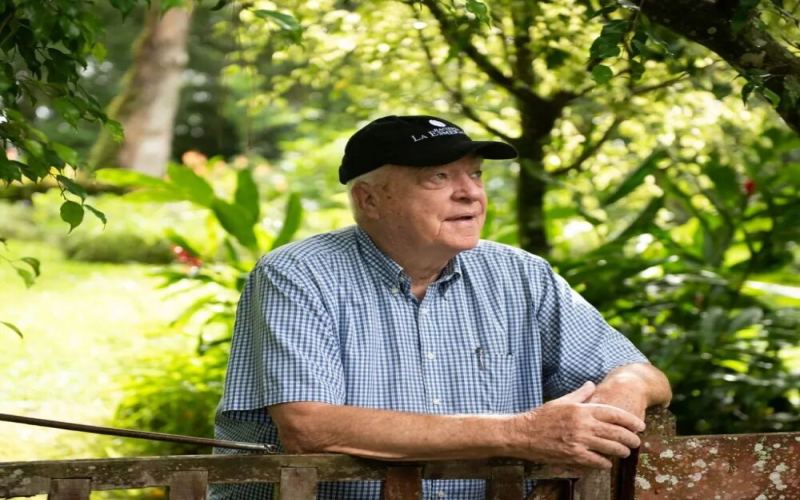
Diamond Mountain Catuai | What grade is Panama Hacienda La Esmeralda Diamond Mountain coffee, and what are its flavor and mouthfeel characteristics?
Panama - La Esmeralda Diamond Mountain Introduction to Coffee Cultivation at La Esmeralda Estate La Esmeralda Estate is located on the outskirts of Boquete in southwestern Panama. When it was first established, it was a diversified farm, growing coffee only [more…]