







Search Results for: Evaluation Criteria
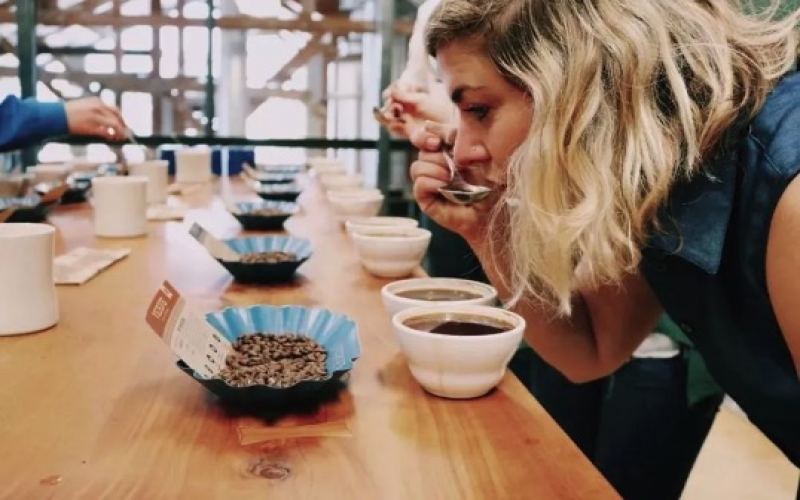
The scoring criteria for coffee cupping. SCA How to evaluate a cup of coffee.
The scoring criteria for coffee cupping. The cupping of coffee beans was initially to ensure whether the quality of the coffee beans that are about to enter the trade is qualified. With the passage of time, after the concept of specialty coffee was b [more…]
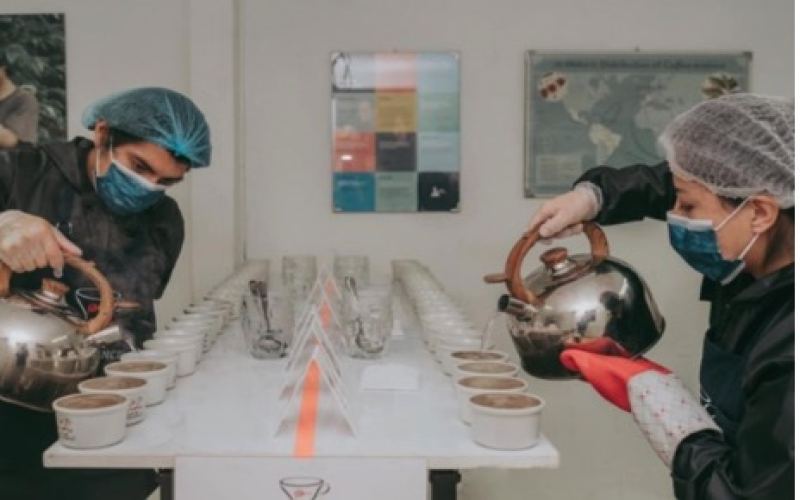
COE competition and coffee cup testing scoring criteria
Last month, Qianjie shared with everyone the scoring system of cup testing, among which we briefly mentioned COE. In daily life, the word COE also often appears on the labels of some beans. This immediately aroused everyone's curiosity: What is COE? [more…]
Criteria for Judging Espresso Bean Quality | SOE Coffee Beans vs. Espresso Blend Beans: Which Is Better? What Specialty Espresso Coffee Beans Are Recommended for Opening a Coffee Shop?
First, espresso beans—obviously, these are the coffee beans used in espresso machines. In the past, this generally referred to blend beans, but not anymore. Nowadays, it's not just blend beans that can be used as espresso beans; single-origin coffee beans can also be used as espresso beans. Let's first take a look at what blend beans are. Blend beans are made by combining various [more…]
Coffee Bean Roasting Brand Introduction | What Are the Criteria for Judging High-Quality, Great-Tasting Coffee Beans? Recommended High-Cost-Performance Single-Origin Pour-Over Coffee Beans
NO.1 Choose fresh coffee beans. Before selecting any coffee beans, Front Street Coffee will teach you how to judge the freshness of coffee beans. First, choose products that clearly indicate the roast date (not the expiry date or shelf life) and buy from reputable, professional coffee roasters that emphasize fresh roasting. In addition, excellent [more…]
SCA Coffee Sensory Evaluation Course | Why Does Pour-Over Coffee Taste Sour or Bitter? How Should Beginners Taste Single-Origin Black Coffee?
“How do you taste citrus in coffee?” Quite a few friends say they envy baristas for being able to casually name the specific flavors in coffee. Some friends also say, I can taste that the coffee is acidic, but that’s far from the citrus you’re talking about. Still others say flavors are all just nonsense. Front Street, in its daily online [more…]
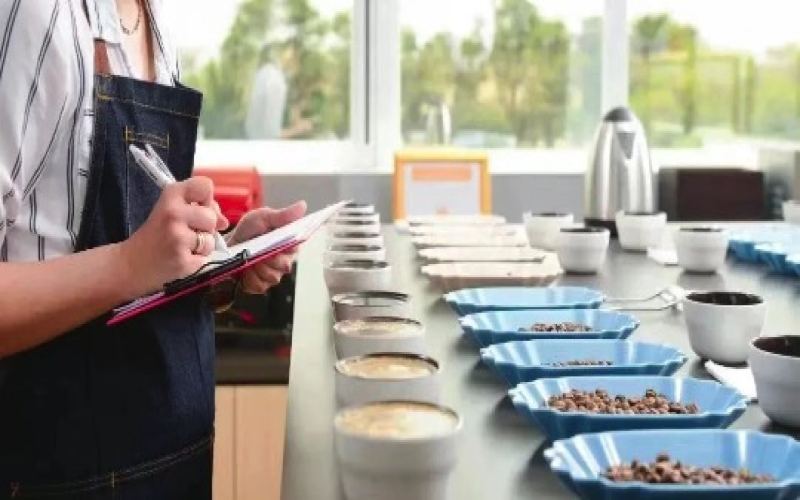
What is a Q-Grader? Is it worth taking the test?
There always is such a group of people who have obtained a code for self-reference due to the particularity of their profession. Even in the seemingly not vast field of coffee, there is also such a profession. After the concept of specialty coffee wa [more…]
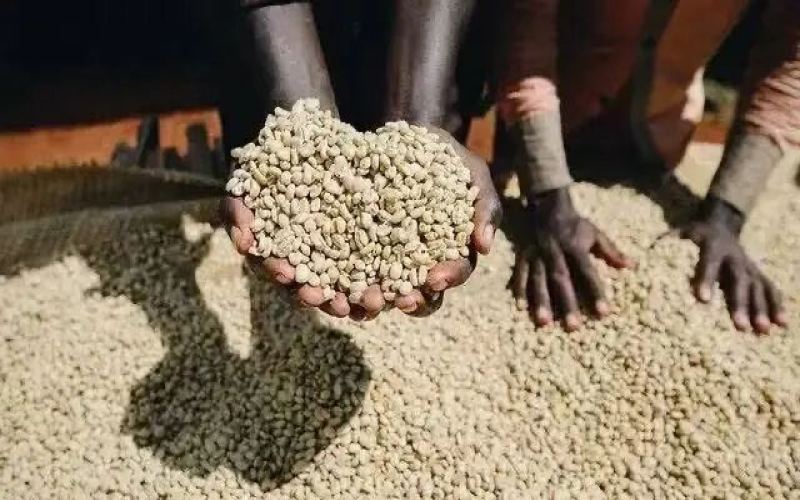
kenya coffee|What do Kenya coffee AA, AA+, and Top mean? What are the green bean grading standards for Kenyan coffee?
Friends who frequently buy coffee beans will surely notice that most coffee bean names are followed by English suffixes such as AA and AB. This is especially true for Kenyan coffee beans—Kenya AA, Kenya AB, Kenya PB, Kenya AA+, Top, and so on. "So what do these suffixes mean? [more…]
Pour-Over Coffee | Is Cloudy Coffee Liquid a Sign of Poor Coffee Quality? Why Does the Coffee Liquid from Pour-Over Coffee Vary Between Black and Red?
Customers and friends often chat about coffee-related topics at Front Street Coffee's stores, such as coffee origins, brewing parameters and steps, or coffee flavors. Then occasionally, some friends bring up more niche topics, for example—the liquor color of coffee. "Liquor color" is a professional term borrowed from tea evaluation. [more…]
A Complete Guide to Coffee Defects: Ten Common Types, Causes, and Identification Methods Illustrated
The content of defective beans directly affects coffee quality and grade classification. Taking Brazil as an example, the local system uses a "deduction method," grading based on the number of defective beans per 300 grams of main beans. In addition, coffee usually requires hand sorting during processing, and only by fully mastering the types and characteristics of defective beans can they be effectively removed. So exactly how many types of defective beans are there? This article will use illustrated explanations to introduce ten common defective beans one by one, including shell beans, stones, moldy beans, fermented beans, dead beans, immature beans, shell beans, insect-damaged beans, black beans, and cocoa beans, explaining their causes, appearance characteristics, and negative effects on coffee flavor, laying the foundation for subsequent learning about defective bean selection. [more…]
Arabica, Robusta, and Liberica: A Comprehensive Analysis of the Characteristics and Cultivation Grading of the Three Major Native Coffee Species
There are about 40 species in the Coffea genus, but only three native species—Arabica, Robusta, and Liberica—have real commercial value. They differ markedly in appearance, flavor, disease resistance, suitable altitude, and cultivation conditions: Arabica is elegant yet delicate, Robusta is hardy and intense, while Liberica is limited to localized trade in West Africa. Starting from botanical characteristics, this article systematically sorts out the origin distribution, climate and soil requirements, the complete cultivation process from sowing to harvesting, and the grading systems that producing countries have formed based on altitude, screen size, and defect bean ratios. Whether you are new to specialty coffee or want to understand the logic of origins more deeply, this foundational knowledge will help you more clearly judge the variety and terroir code behind the flavor in your cup. Front Street Coffee will also combine the key points in this article to recommend directions for your everyday purchases. [more…]
One Bean, Many Ways | What Is Combo Coffee? Why Is Coffee Combo So Popular? Which Coffee Beans Are Best for Making Combo Coffee?
By splitting the extracted espresso into 2~3 portions, then separately crafting each into a different type of coffee and finally combining them for service, this is a very popular serving format in coffee shops today—Coffee combo. Because you can simultaneously taste different "dishes" made from a single bean [more…]
Coffee Bean Selection Guide | What is a coffee combo? Which coffee beans are suitable for making a combo? What should be noted when making a combo?
By splitting the extracted espresso into 2–3 portions, then separately crafting each into a different type of coffee and finally combining them for serving, this is a highly popular serving format in today's coffee shops—the Coffee Combo. Because you can taste different "dishes" made from a single bean at the same time. [more…]
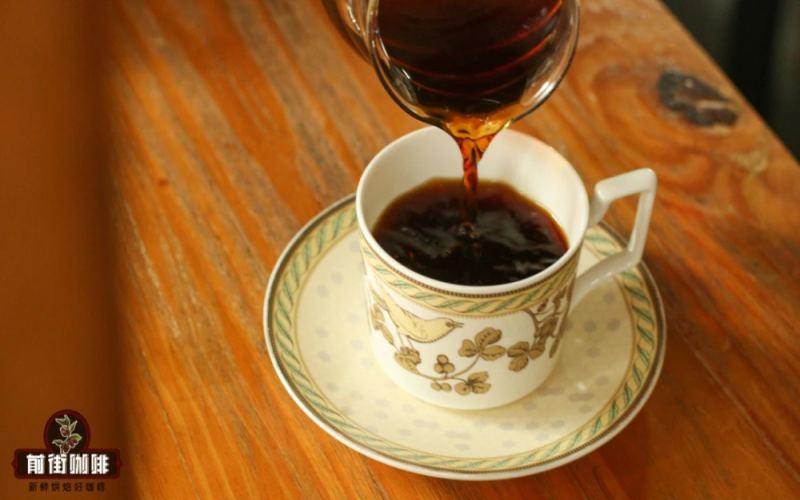
Rich-Bodied Coffee Beans Recommendation | What Does "Body" Mean in Pour-Over Coffee? How to Brew Coffee with a Rich Body? Which Hand-Ground Coffee Beans Have a Noticeable Sweet Aftertaste?
When evaluating whether a cup of coffee is good, Front Street believes that in addition to its flavor evaluation, we should also pay attention to its mouthfeel. Flavor mainly "serves" our sense of taste and smell, while mouthfeel "serves" our sense of touch. This texture is actually what we call the coffee's Body. When evaluating a cup of coffee's Body [more…]
A Complete Guide to Jamaican Blue Mountain Coffee Beans: Origin Terroir, Grading, Market Prices, and Brand Buying Guide
Blue Mountain coffee has always held a place in the specialty coffee world, and with its balanced, mellow flavor profile, it has won the favor of generations of coffee lovers. However, products marketed under the banner of "Blue Mountain flavor" keep emerging, while few people truly understand the origin rules, grade classifications, and certification system for Blue Mountain coffee. Starting from the geographical environment of the Blue Mountains, this article will systematically sort out the strict definition of Blue Mountain coffee by the Jamaica Industry Board, explain in detail the criteria distinguishing Blue Mountain No. 1, No. 2, No. 3, and peaberry, and introduce the traditional wooden barrel export practice and certificate of origin system for authentic Blue Mountain coffee. At the same time, Front Street Coffee (FrontStreet Coffee) will also share the brewing parameters and flavor presentation of Blue Mountain coffee in its stores, helping readers gain a comprehensive understanding of the true character of this classic coffee. [more…]
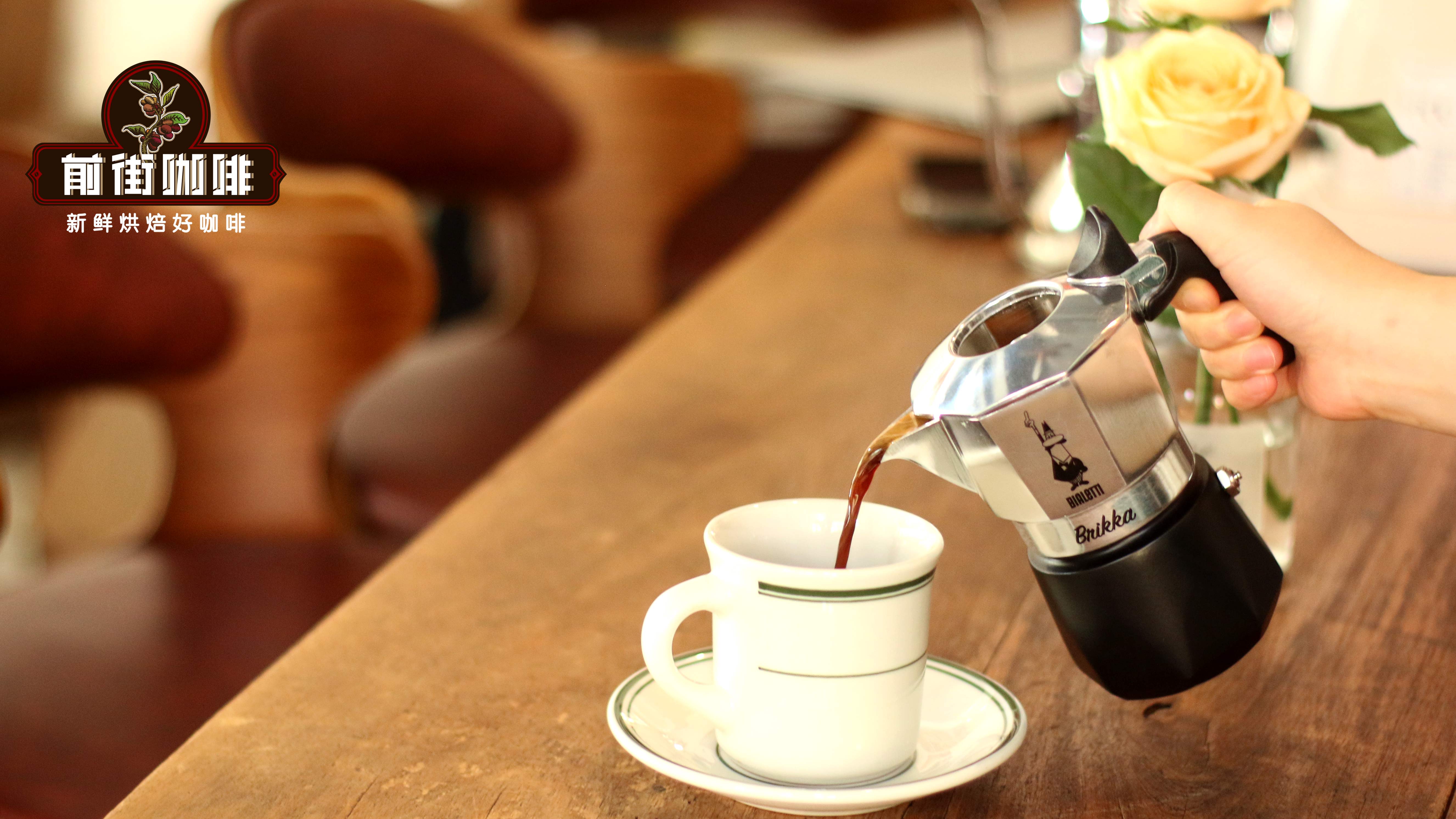
The Complete Moka Pot Guide: From Bean Selection to Grinding to Extraction, Easily Make Espresso with Crema
The moka pot, with its compact convenience and easy learning curve, has become the first piece of equipment for many coffee novices entering the world of home-brewed espresso. But if you want to use it to make an espresso with rich crema and balanced flavor, every step—from bean selection and grinding to heating rhythm—requires careful attention. This article, combining text and images, systematically explains the complete operation process of the moka pot, including suitable coffee bean types, criteria for judging grind size, details of adding water and tamping coffee grounds, and key points of heat control during extraction. It also includes common drinking methods such as Americano, latte, and Vietnamese coffee, helping enthusiasts avoid detours and consistently reproduce their ideal flavor. [more…]
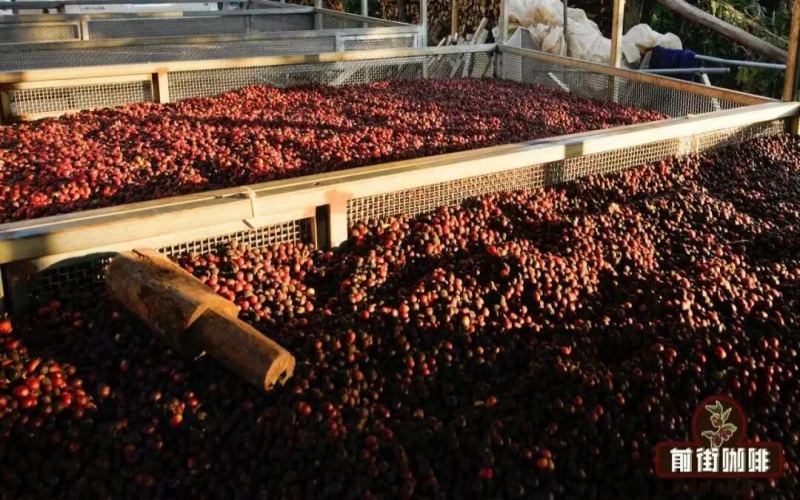
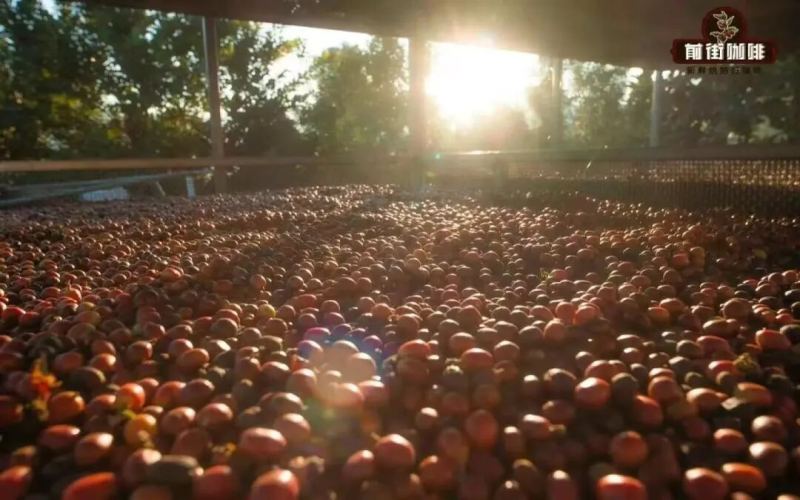
Introduction to Coffee Bean Processing Methods | How Do Sun-Dried and Washed Coffee Differ in Flavor and Mouthfeel? What Are the Processing Steps for Sun-Dried and Washed Coffee?
If you've been following our activity notifications over the past couple of days, you might have noticed that both of Front Street's stores on Taobao and Tmall have just launched a washed-process Hacienda La Esmeralda Diamond Mountain. And so some friends are quite curious: "They're both Diamond Mountain—what's the difference between this washed-process one and the sun-dried one that was listed before? And then [more…]
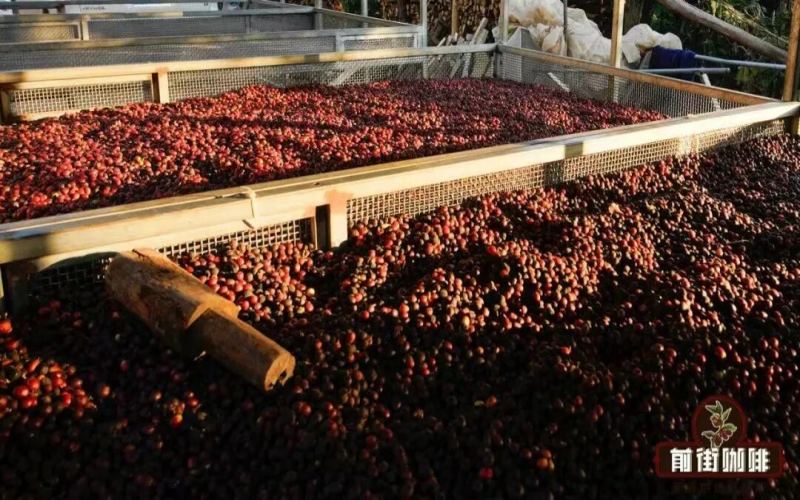
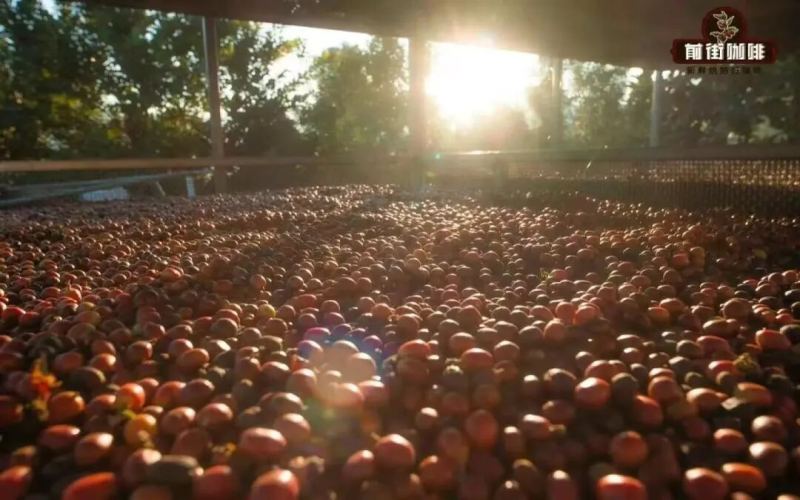
Introduction to Coffee Bean Processing Methods|How Do Sun-Dried and Washed Coffee Beans Differ in Taste? What Causes the Flavor Differences Between Sun-Dried and Washed Coffee Beans?
If you've been following the event notifications over the past couple of days, you may have noticed that Front Street has launched a washed-process Emerald Estate · Diamond Mountain at both of its stores on 🍑Bao and Tian🐱. Then some friends got very curious: "They're both Diamond Mountain—what's the difference between this washed-process one and the sun-dried one that was listed before? And then [more…]
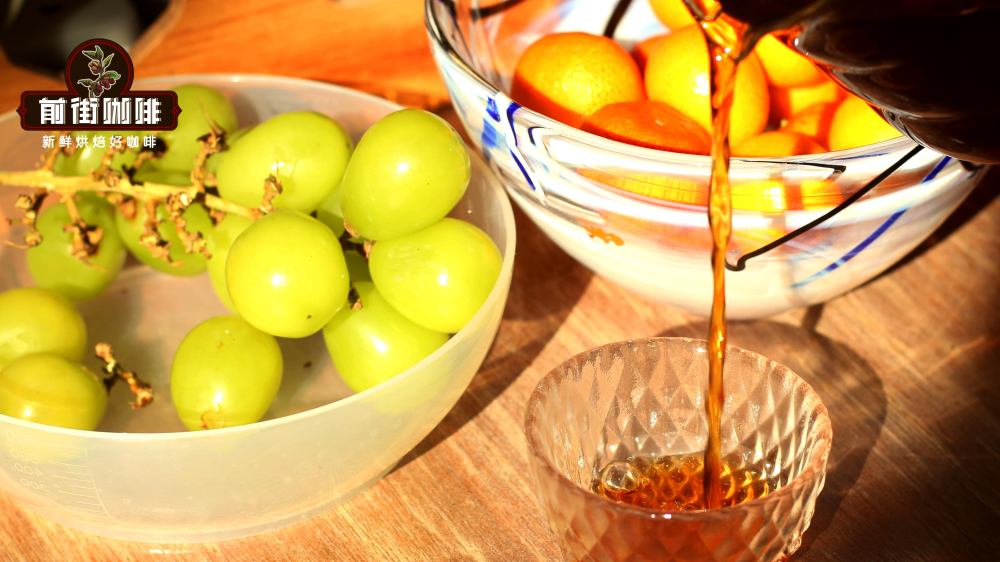
Coffee Sensory Tasting | How Can Coffee Novices Learn to Describe Coffee Flavors from Different Angles? How to Properly Develop Coffee Flavor Tasting Skills?
"This coffee has a rich fruity profile, with notes of citrus, lemon, oolong tea, and jasmine!!!" For someone who has just been introduced to specialty coffee, this might sound unbelievable—how can you taste so many flavors in one cup of coffee! (Are they just making it up?) In this installment of Barista Growth Diary, we'll share a little [more…]
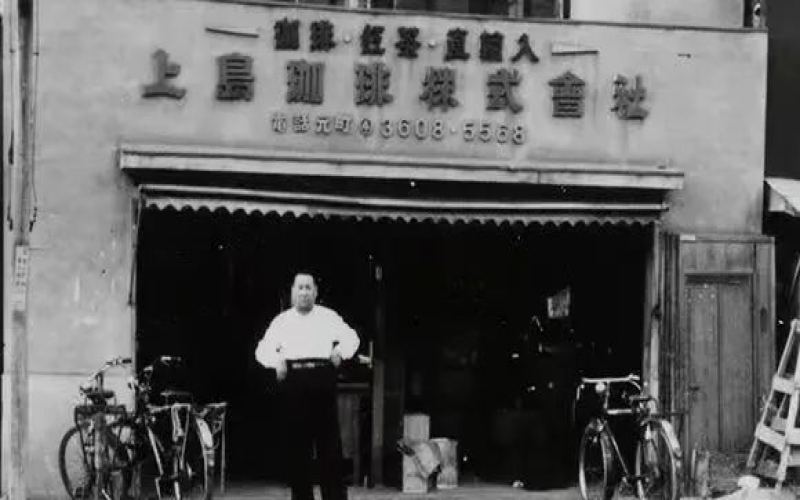
Blue Mountain Coffee Characteristics | Where is Blue Mountain Coffee produced? What does Blue Mountain Coffee taste like? Why are Blue Mountain coffee beans so expensive? How can you tell authentic Blue Mountain?
Because Front Street is one of the few coffee shops that sells Blue Mountain coffee offline, quite a few coffee enthusiasts make a special trip to check it out and taste what was once the "top star" of the coffee world—Blue Mountain coffee. Yes, it's the Blue Mountain name they come for... and then, amusingly, when these enthusiast friends actually taste it, [more…]
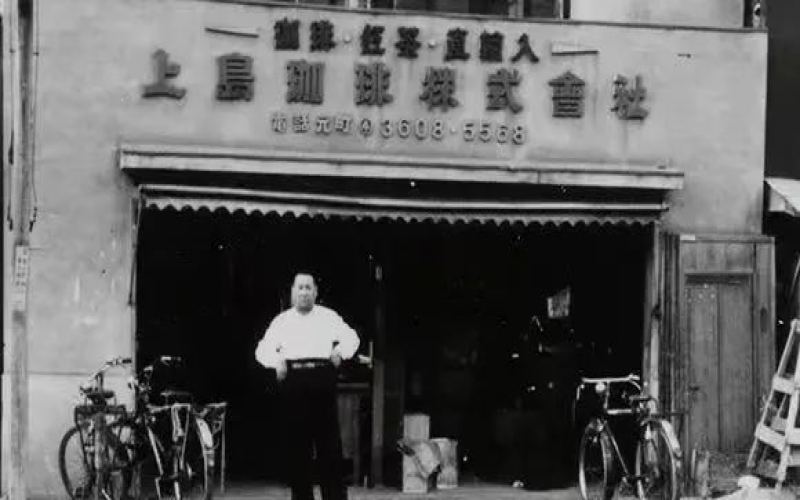
Jamaican Blue Mountain Coffee | What Makes Blue Mountain Coffee So Good? What Is the Connection Between Blue Mountain Coffee and Japan? What Flavors Does Washed Blue Mountain Coffee Showcase When Brewed as Pour-Over?
Because Front Street is one of the few coffee shops that sells Blue Mountain coffee offline, quite a few coffee lovers make a point of coming to visit and check in, hoping to savor the taste of Blue Mountain coffee—once the "top star" of the coffee world. Yes, it's Blue Mountain's fame they've come for... and interestingly, when these coffee-loving friends actually taste [more…]