







Search Results for: Espresso Drinking Styles
From Battlefield to Daily Life: A Complete Analysis of the Origins, Brewing Methods, and Strength Styles of Americano
Americano is one of the most common categories in coffee shops around the world today, and its creation is closely tied to the drinking habits of American soldiers during wartime. A standard Americano is made by combining two shots of espresso with 30 to 470 milliliters of hot water; because of the large volume of water, it has a light body and a fleeting aroma, yet its caffeine content is actually relatively high while its calories are extremely low. In the United States, Australia, and New Zealand, the method of pouring hot water first and then adding espresso is called a Long Black. Americano also refers to drip coffee machines. Americans drink coffee in a casual, free-spirited way, with the East Coast favoring it stronger than the West Coast and the South stronger than the North, and they account for one-third of global consumption. The following text will introduce it from the perspectives of its origin, characteristics, taste, and styles. [more…]
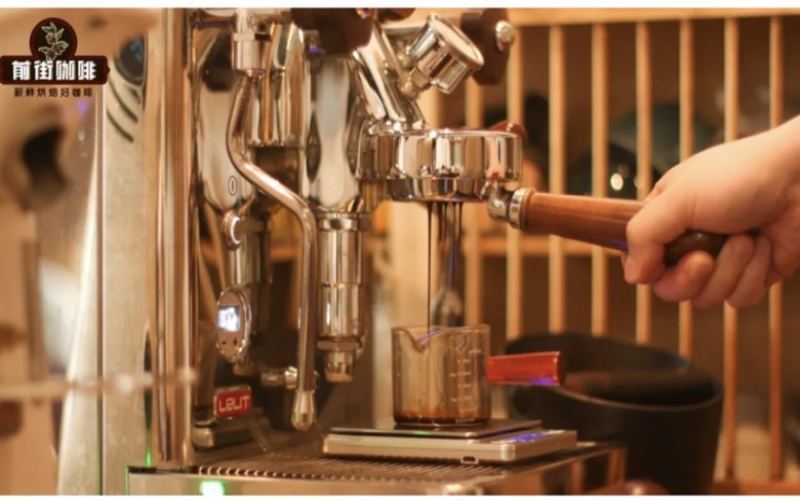
Regional Styles of Espresso: Espresso Performance from Brazil to Ethiopia
Espresso is dominated by blends, but every coffee-producing region leaves its own distinctive stylistic stamp on espresso. Understanding the flavor characteristics different regions bring to espresso lets you, whether choosing a single-origin espresso or a blend, find the beans that suit your taste with greater direction. Brazil holds a pivotal place in the world of espresso. [more…]
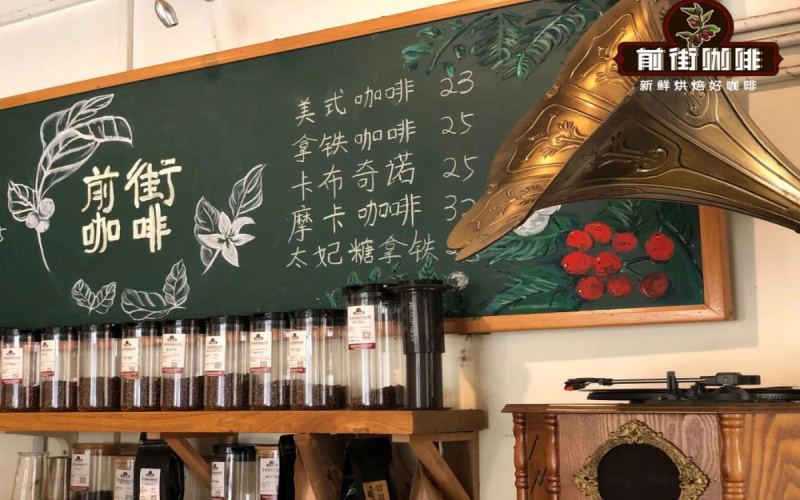
Where Does the Rich Flavor of Espresso Come From? Common Styles and Taste Analysis
Espresso-based coffee is a core category in contemporary cafés, and the styles derived from espresso—such as Americano, latte, cappuccino, and flat white—each have their own distinctive characteristics. This article sorts through the most common types of espresso-based coffee found in cafés, analyzing their origins, preparation methods, and flavor profiles to help coffee beginners build a clear认知 framework. It also combines Front Street Coffee's in-store practices to introduce the specific parameters and tasting points of different styles, including how to drink espresso, the hot-versus-iced differences of Americano, the milk-to-coffee ratio of a latte, and the ristretto used in a flat white, providing practical reference for enthusiasts. [more…]
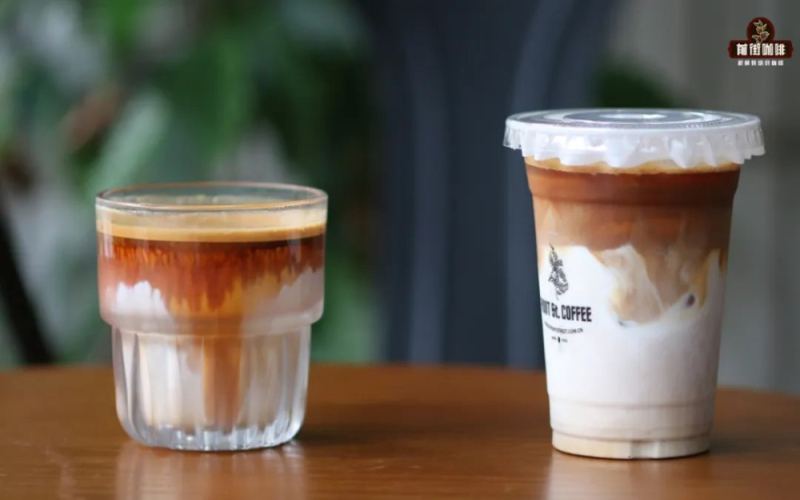
How Is a Dirty Coffee Different from an Iced Latte? A Comprehensive Analysis of the Differences Between the Two in Ratios, Methods, and Drinking Styles
Dirty coffee and iced latte look quite similar in appearance, both presenting a layered effect of espresso over milk, but they are actually different drinks. This article starts with production details such as cup size ratio, whether ice is added, cup treatment, and layering requirements, systematically sorting out the differences between Dirty and iced latte, and explaining in detail the correct way to drink each. The article also combines the flavor characteristics of coffee beans such as Front Street classic blend, specialty blend, and dark cocoa base blend to explain how to choose beans to achieve the ideal layering effect and taste experience. [more…]
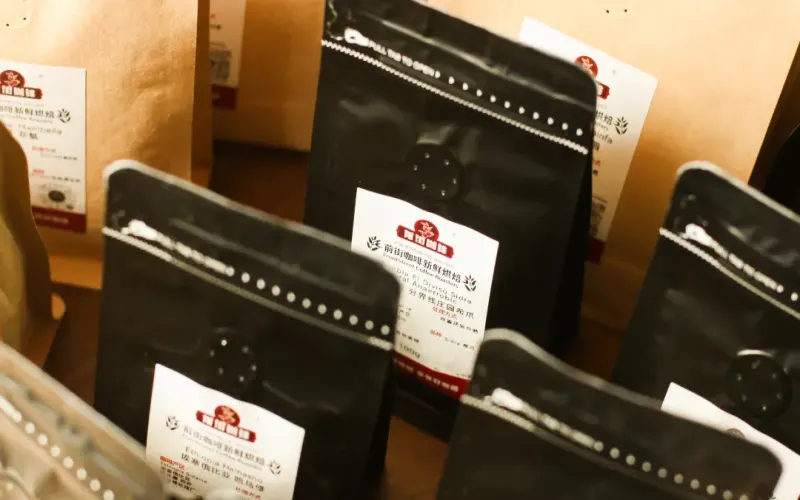
A Complete Guide to Coffee Bean Flavor Classification: Bitter, Acidic, Sweet, Neutral, and Rich Styles with Roasting Key Points
The flavors of coffee beans are incredibly diverse, and can generally be grouped into several major types: bitter-leaning, acidic-leaning, sweet-leaning, neutral, and aromatic/mellow. These differences mainly stem from the origin, variety, processing method, and roast level. During roasting, the Maillard reaction and caramelization together shape the aroma and color of the coffee, while the balance of acidity, sweetness, and bitterness depends on the length of the roast—the longer the roast, the weaker the acidity, the heavier the bitterness, and the more caramelized aromas accumulate. This article will systematically sort out the flavor classifications of coffee beans and, for pour-over and espresso scenarios, recommend dark-roast beans such as Front Street PWN Golden Mandheling, Front Street Dark Cocoa Base Blend, and Front Street Classic Blend, helping coffee enthusiasts choose beans precisely according to their taste preferences. [more…]
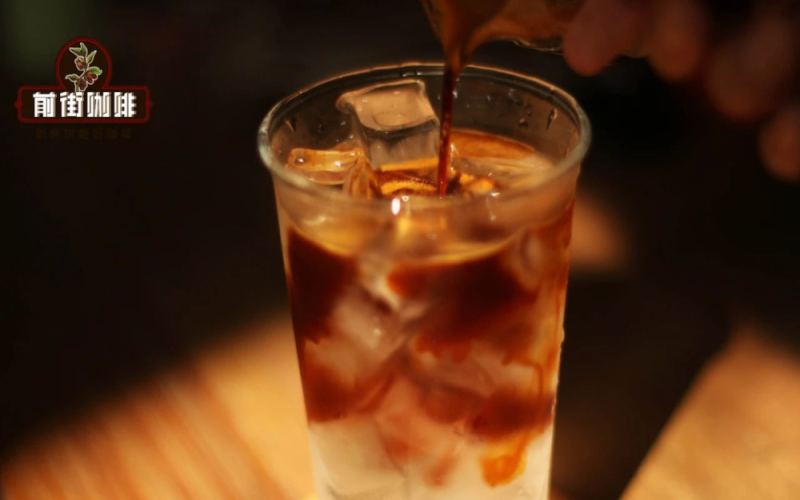
How to Choose Espresso Blend Beans for Americano? An Analysis of Four Front Street Coffee Staple Beans from Crema to Fruity Notes
American coffee may seem simple—just espresso diluted with water—but what truly determines the flavor is actually the espresso beans you choose. This article first traces the origins and methods of American coffee, then, organized around different flavor profiles, introduces four Front Street Coffee espresso blends suited to everyday drinking, covering styles from rich crema and full-bodied intensity to lightly acidic and mellow, as well as floral and fruity notes, helping coffee lovers make clearer purchasing decisions based on their personal taste preferences. [more…]
What's the Difference Between Americano and Espresso? A Comprehensive Analysis from Taste and Ratio to Extraction Method
American coffee and espresso are two distinctly different styles of coffee, each made with an American coffee machine and an espresso machine respectively. The two differ noticeably in taste, strength, cup size, and brewing method. Espresso is based on a concentrated shot, with a rich flavor, pronounced bitterness, and a small serving size; American coffee, on the other hand, pursues simplicity and speed, with a lighter taste and a larger cup volume. Understanding these differences can help coffee enthusiasts choose the coffee that suits their personal preferences. This article will compare American coffee and espresso in detail across three dimensions—taste, ratio, and brewing method—and introduce common espresso-based derivative drinks. [more…]
A Complete Guide to Spanish Coffee Culture: Nine Classic Drinks and the Unique Charm of Condensed Milk Coffee
Coffee presents vastly different appearances around the world, and Spain's coffee culture is particularly unique. From Café solo to Café con leche, from Café Bombón to Spanish latte, this Iberian Peninsula nation ingeniously combines coffee with condensed milk, milk, and alcohol, creating a rich and diverse array of drinking styles. Spanish cafés are not only places to drink coffee, but also the core stage of social life. This article will take you deep into the historical origins of Spanish coffee, nine classic flavors, and Front Street's insights on recreating the Spanish latte and Café Bombón, so you can feel coffee's soulful place in Spanish culture. [more…]
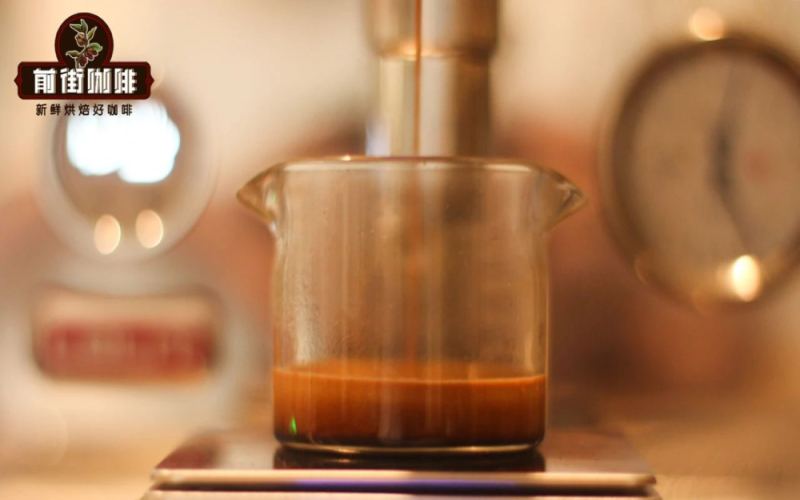
Why Is Espresso So Popular Worldwide? An In-Depth Look at Its Extraction Styles, Core Characteristics, and Home Brewing Methods
As the base of many popular coffee drinks, espresso has long been an indispensable soul in coffee shops. Through rapid extraction at high temperature and high pressure, it presents a rich, concentrated flavor and its signature golden crema. This article will guide you through the main characteristics of espresso, the principles of extraction, and the specific preparation steps, while also sharing Front Street Coffee's serving parameters and selection suggestions for several espresso blend coffee beans. Whether you are a beginner enthusiast or a coffee lover looking to refine your skills, you will find practical references here. [more…]
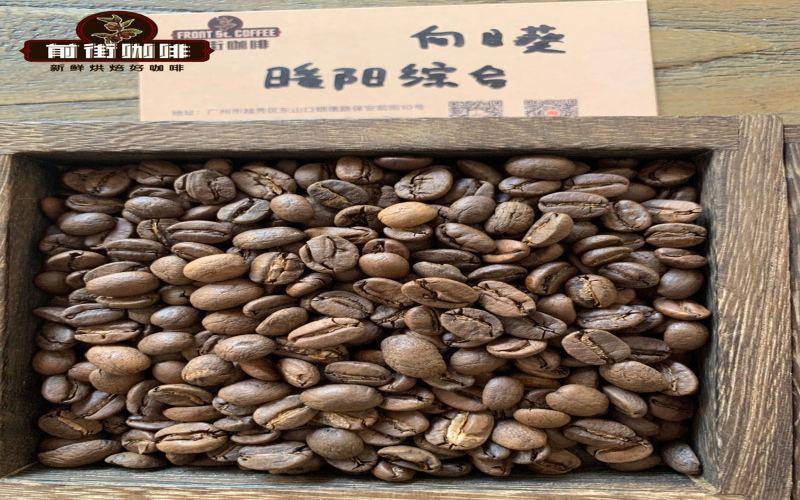
Roast level differences in light roasts: how to choose among three styles
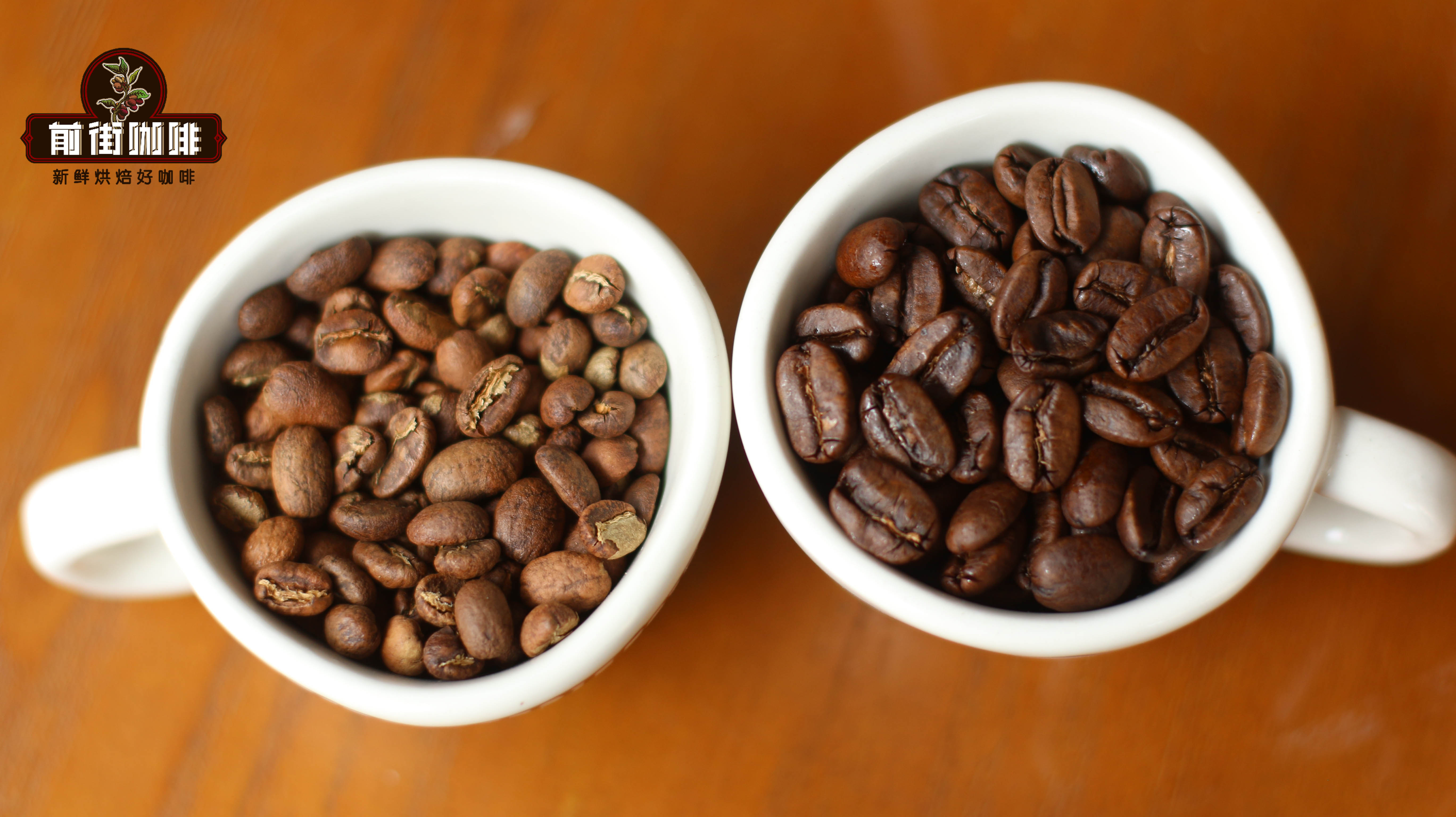
Light-roast coffee beans are not a category with a fixed flavor profile. Even when they are all labeled "light roast," the cup may present bright floral notes, or the sweetness of ripe fruit, or even a tea-like character with citrusy acidity. To judge whether a bean suits you, you can first look at its specific roast level within the light-roast range, and then decide how to brew it. [more…]
Coffee Bean Beginner's Guide: From Freshness and Origin to Roast Style, Learn to Pick the One That Suits You
Faced with a dazzling array of coffee beans, beginners often don't know where to start. In fact, choosing coffee beans isn't complicated—as long as you grasp a few key dimensions, you can greatly increase your chances of buying good beans. This article starts with the primary principle of freshness, explaining why you should look for products marked with a roast date and packaged with a one-way exhaust valve, and introduces Front Street Coffee's standard of shipping within 5 days of roasting. It then sorts out flavor differences across the three major producing regions of Central and South America, Africa, and Asia, discusses which groups and brewing devices suit blends versus single-origin beans, and finally breaks down the acidity, mouthfeel, and brewing methods corresponding to the three roast styles of light, medium, and dark roast. The article also intersperses recommendations of several specific Front Street beans to help you translate abstract flavor descriptions into practical choices. [more…]
Must Iced Americano Be Made with an Espresso Machine? Classic Recipe, Pour-Over and Drip Bag Alternatives, and Ideal Drinking Temperature
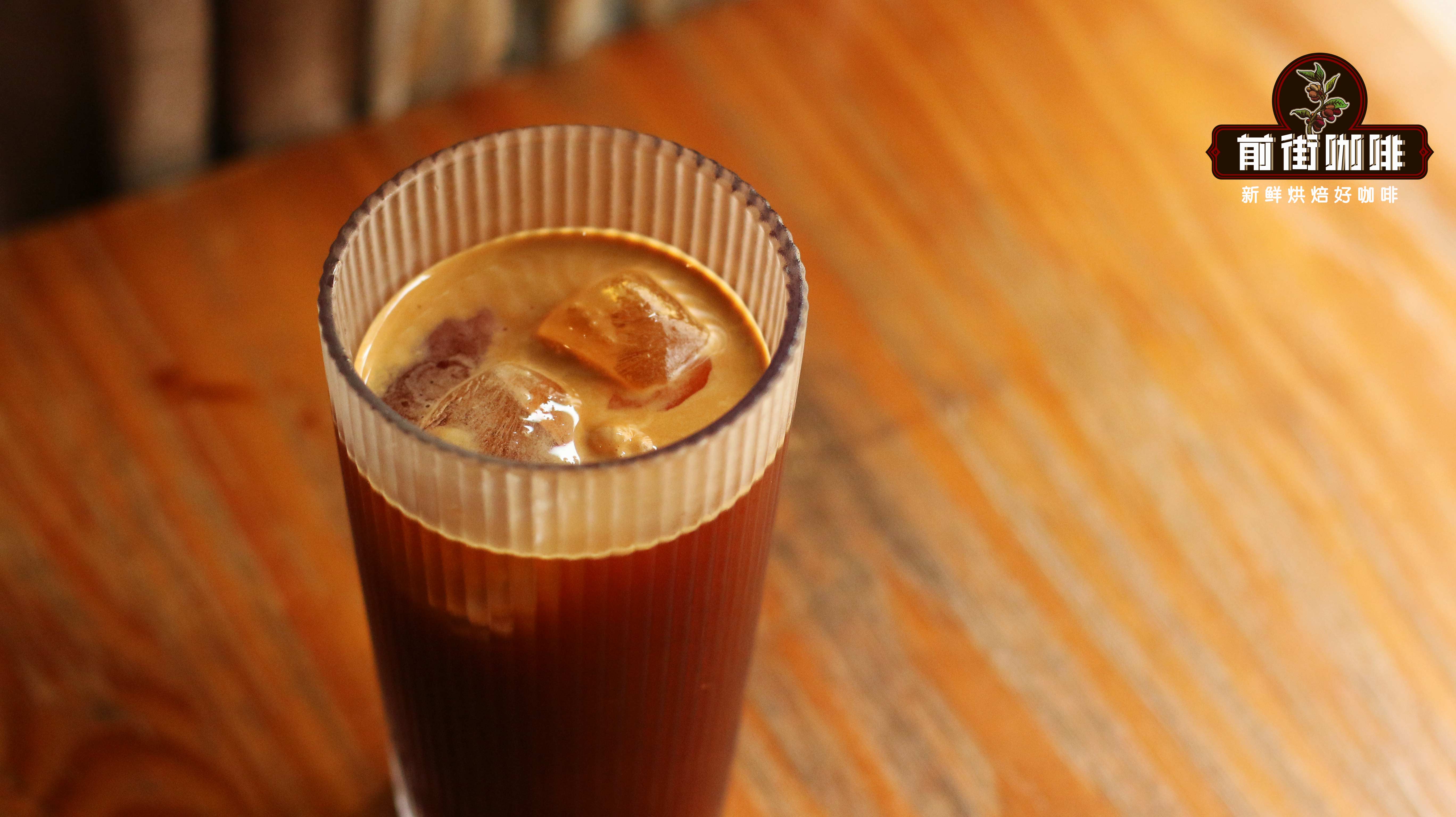
Can a refreshing glass of iced Americano really not be made without an espresso machine? This article first gives the standard answer and the classic method: use Front Street Coffee's classic blend to extract a double shot of espresso, then pour it into an ice-water mixture, and it's done in three steps. For those who don't have a coffee machine at home, the article analyzes the difference between iced coffee made by pour-over or drip bags and a true Americano, and recommends Front Street Coffee single-origin beans suited to making iced coffee according to three styles: fruity, balanced, and full-bodied. In addition, it also covers the benefits of Americano such as aiding digestion, reducing water retention, and helping burn fat, along with drinking reminders, and gives the optimal tasting temperature for dark roast, medium roast, and light roast respectively, helping you get the best flavor out of every cup of Americano. [more…]
A Guide to Making Four Sparkling Iced Coffee Specials: From Classic Blends to Summer Recipes with Preserved Plum, Orange, Mint, and Coconut Water
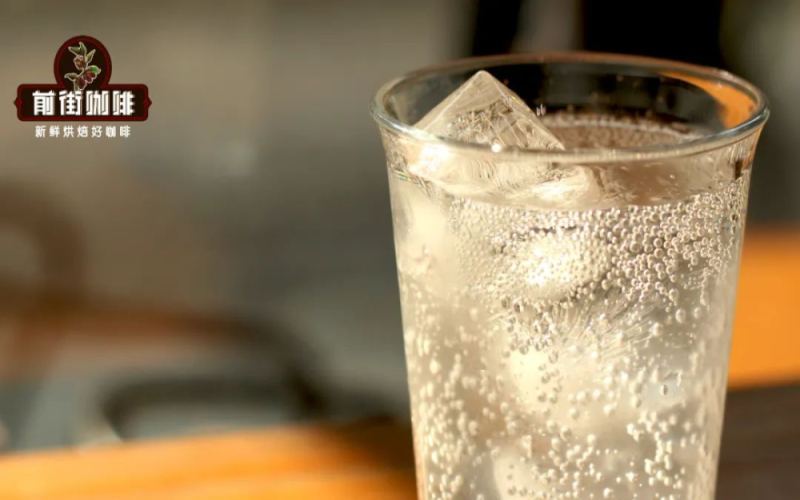
On a hot summer day, a refreshing sparkling iced coffee is undoubtedly an excellent choice to wake you up and cool you down. But pouring espresso directly into carbonated drinks often amplifies the coffee's bitterness due to the stimulation of carbon dioxide, and can even produce an unpleasant "dishwater" sensation. In fact, by cleverly adding just one "supporting player," you can help Americano avoid the obvious bitterness while enhancing the overall layers of flavor. Today, Front Street Coffee will teach you step by step how to make four sparkling specialty iced coffees in different styles—from the classic original to preserved plum, orange, mint, and young coconut. Each one is simple and easy to make, with both good looks and great taste. Whether you are a coffee lover or want to recreate a coffee shop favorite at home, this guide can help you get ready for summer in advance. [more…]
Coffee Machine Types | What are the common types of home coffee machines? Recommended high-value home espresso coffee beans for making Americano and milk coffee
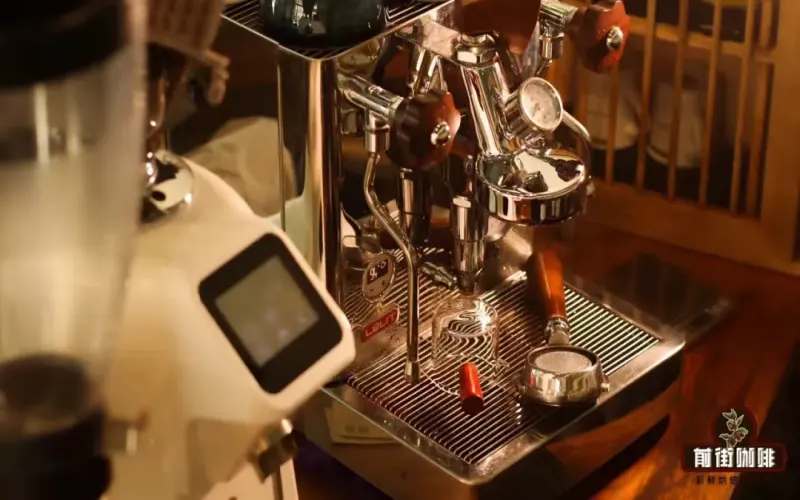
The advent of coffee machines has made people's lives more convenient. Through word of mouth and mutual recommendations, coffee machines can now be found in homes, offices, and commercial settings, and their functions, styles, and brewing methods have been continuously improved and evolved. From the birth of the world's first coffee machine in 1818, to [more…]
Choosing High-Value Espresso Blends by Roast Level
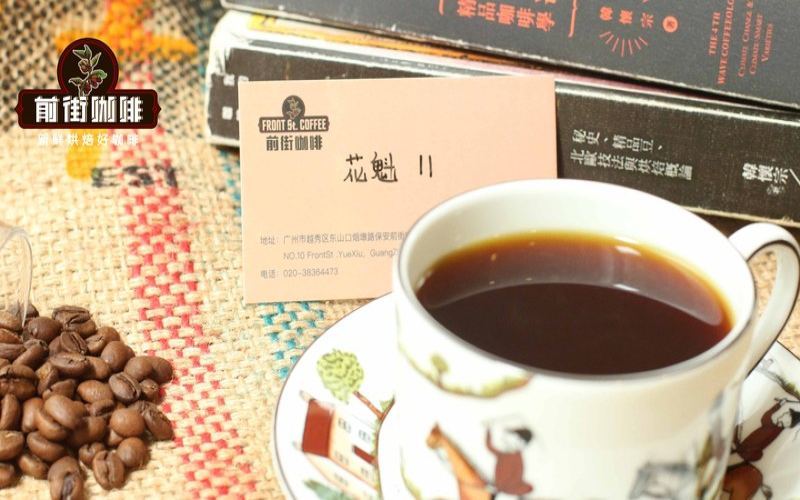
The value of an espresso blend lies not only in whether the price is friendly, but also in whether it can consistently produce a cup of coffee that meets everyday expectations. The roast level affects acidity, sweetness, body, and extraction rhythm, and also determines whether the beans are better suited to black coffee or milk coffee. Before buying, getting a clear picture of the roast direction is usually more important than fixating only on the origin. [more…]
The Complete Guide to Making All Types of Espresso Drinks: Detailed Recipes and Ratios from Espresso Base to Specialty Flavored Beverages
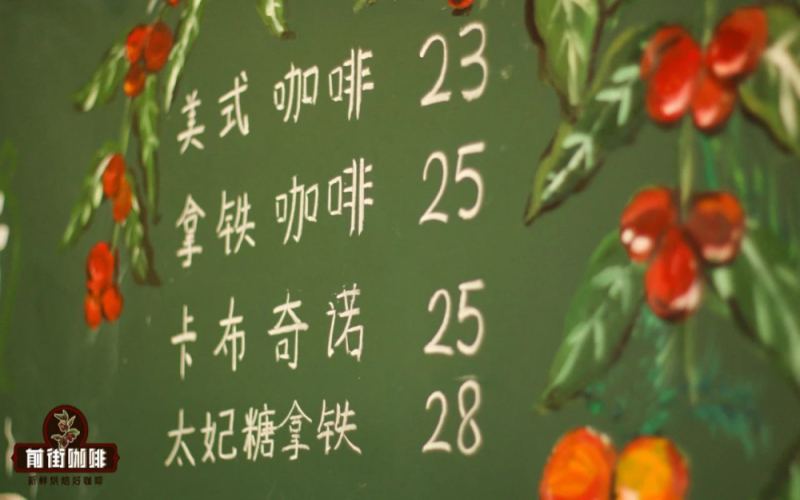
Espresso-based coffee is a must-have category in every café, ranging from espresso bases to various milk coffees, black coffees, and even creative specialty drinks, with a wide variety of styles. Front Street's stores offer classic beverages such as Americano, Latte, Cappuccino, and Flat White. This article will systematically outline the most common espresso coffee styles found in coffee shops, including the extraction ratio differences among the trio of Espresso, Ristretto, and Lungo, the unique method of making Doppio, the water volume comparison between Americano and Long Black, the recipe characteristics of the milk coffee family such as Latte, Cappuccino, Macchiato, Flat White, and Piccolo, as well as the preparation methods of Italian specialties like Mocha, Marocchino, Affogato, Con Panna, Caffè Corretto, and Shakerato, helping coffee beginners quickly build a framework of understanding. [more…]
A 2026 Roundup of Italian-Style Everyday Coffee Beans Worth Buying: A Full Breakdown of Espresso Coffee Types
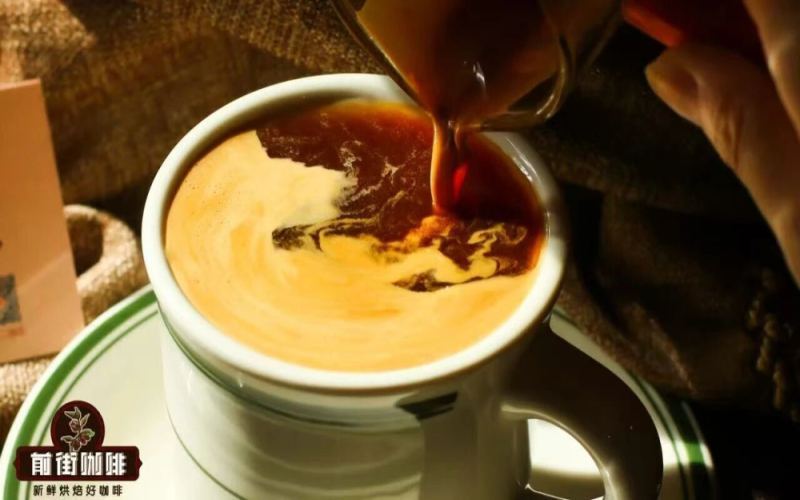
Espresso has a strong, heavy body, and many people are in the habit of adding sugar or milk to soften its bitterness, which has given rise to a rich family of espresso-based drinks—con panna, macchiato, caramel macchiato, cappuccino, latte, mocha, flat white, americano, and more all belong to this extended family. If you want to easily make a delicious cup of espresso at home, choosing a bag of beans with stable quality, a reasonable price, and good extraction performance is crucial. This article rounds up five espresso daily-driver coffee beans worth buying in 2026, all from the Front Street Coffee brand, covering deep-roast intense styles, medium-roast floral-and-fruity styles, nutty profiles, commercial-style blends, and budget-friendly entry-level options, along with the origin blend and flavor characteristics of each bean, making it easy for coffee lovers to choose according to their needs. [more…]
Full-Bodied Coffee Beans: The Source of Body and How to Choose
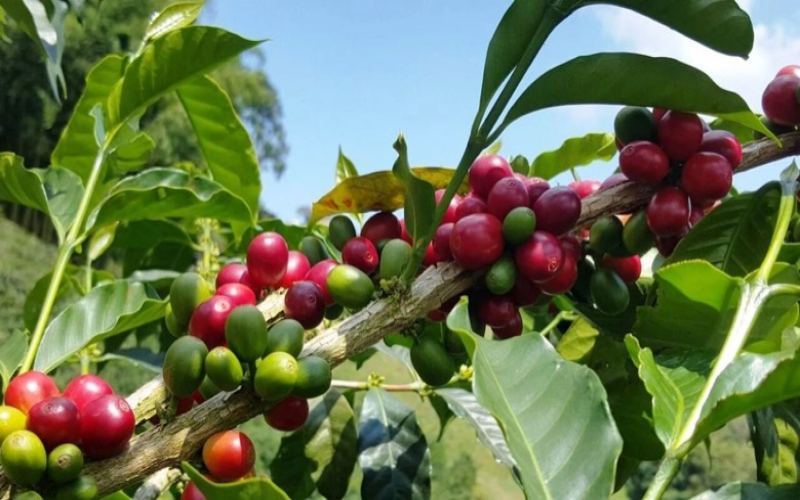
Body is the sense of weight that coffee has on the tongue—dark roasts, low altitudes, and natural processing all add thickness to the body. Front Street Coffee's PWN Indonesian Golden Mandheling is the benchmark for full body: herbal dark chocolate plus a dense, velvety mouthfeel, entering the mouth like melted dark chocolate paste; the body of Brazil Queen's Estate is softer, carried by the sweetness of nuts and caramel. [more…]
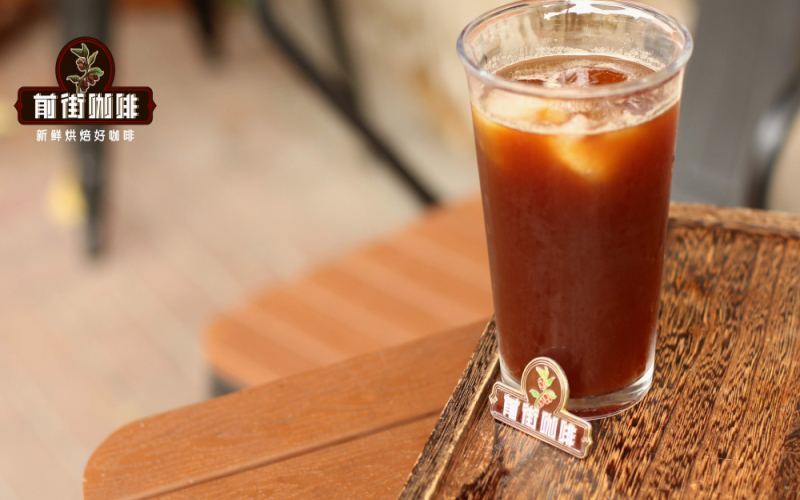
What is an Australian Long Black? How does it differ from Americano and Lungo in terms of serving characteristics?
On the menus of many cafés, Americano often appears first and is one of the most frequently ordered black coffees. As specialty coffee culture continues to deepen, some originally niche coffee types are being added to menus by more shops, among them the Long Black, which looks quite similar to an Americano. Long Black is often translated as Australian Black Coffee. It uses espresso as its base and, by adjusting the proportion of water added and the order of serving, presents a concentration and mouthfeel layering different from Americano. This article will sort out the origins and preparation methods of the Long Black, as well as its differences from Americano in water amount, concentration, and flavor expression. At the same time, combined with Front Street Coffee's approach to serving, it will help coffee lovers more clearly understand the respective styles of these black coffees. [more…]
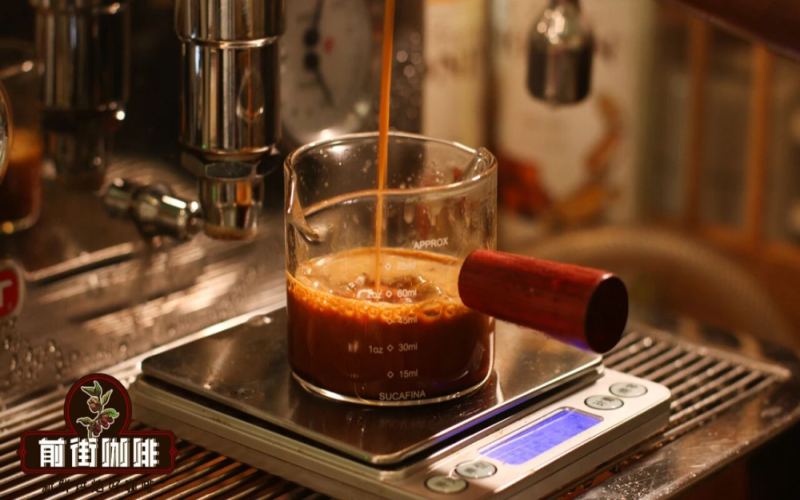
How to Choose the Right Coffee Bean Blend for Espresso? Five Rich but Not Bitter Espresso Bean Recommendations
To make a rich, full-bodied espresso at home with abundant crema and no burnt bitterness, choosing the right blend is key. Espresso mostly uses blends, which can both compensate for the shortcomings of single-origin flavors and make each year's output more consistent. This article covers selecting reliable roasting brands, clarifying personal taste preferences, and specifically recommending five espresso blends with different styles, including classic rich, floral-fruity, nutty, café-style, and high-value entry-level options, with a focus on introducing Front Street Coffee's related series of products, helping coffee lovers quickly find the espresso beans that suit them. [more…]