







Search Results for: Emerald Estate
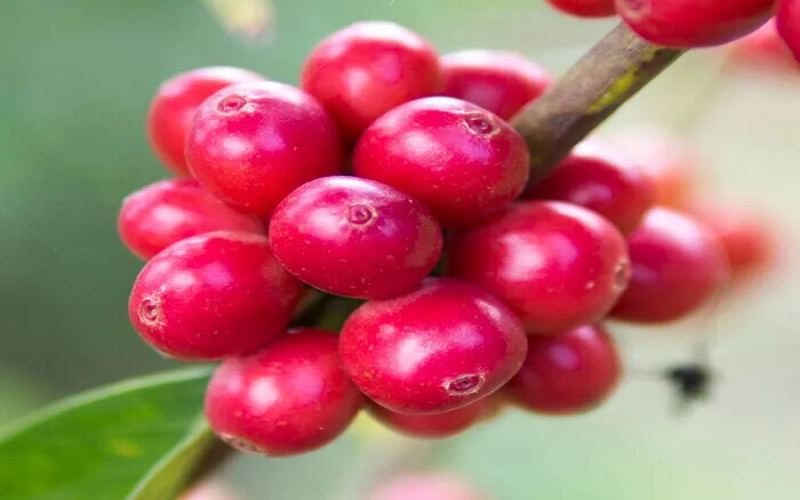
Geisha Coffee | Are Ethiopia Gesha Village Green Label and Panama Emerald Green Label the same Geisha coffee variety? What are the differences between them?
I believe everyone who loves coffee has heard of the famous Geisha. Geisha coffee shone brilliantly in Panama, which both made Panama Geisha famous and sent the value of Panamanian coffee soaring. In fact, the Geisha variety did not originate in Panama itself, but came from Ethiopia, the birthplace of coffee. Ethiopia [more…]
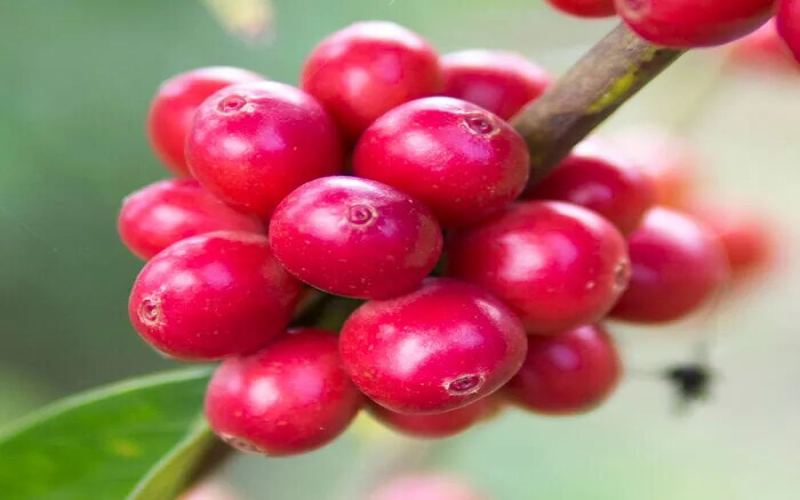
Gesha Village Gori Gesha and Gesha 1931 | What are the differences in flavor and mouthfeel between Gesha Village Green Label and Emerald Green Label Gesha? What varieties of Gesha coffee are there?
I believe everyone who loves coffee has heard of the famous Geisha. Geisha coffee shone brightly in Panama, which both made Panamanian Geisha famous and drove up the value of Panamanian coffee. In fact, the Geisha variety did not originate in Panama itself, but came from Ethiopia, the homeland of coffee. Ethiopia [more…]
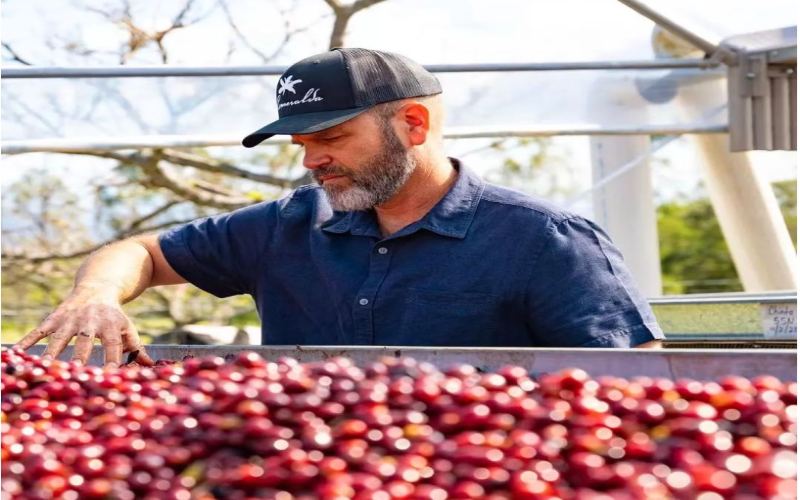
Why is Geisha coffee beans so expensive? Understand the price of Geisha coffee beans.
Geisha has made a big splash in recent years, and under the pursuit of enthusiasts, its price seems to be creating a historical high every year. With this kind of information, exactly what price should the Geisha coffee beans you buy reach before it [more…]
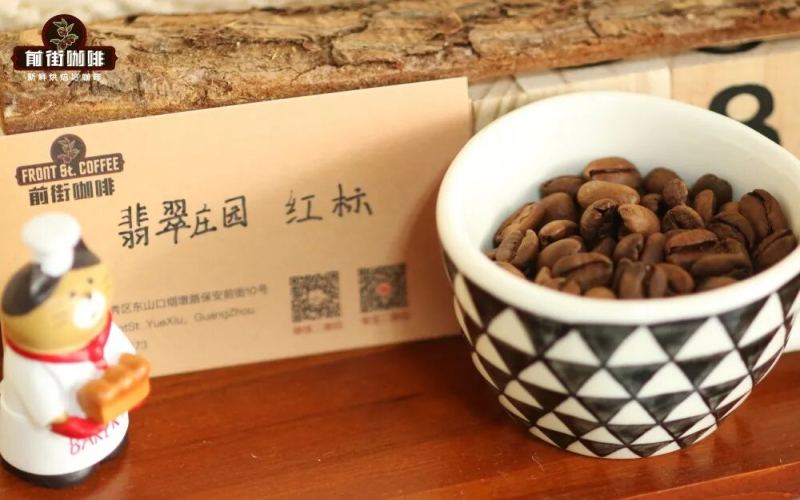
Geisha Coffee Origins | How Do Panamanian and Ethiopian Geisha Differ? What Geisha Varieties Are There? An Introduction to Panama Emerald Geisha Grades
Some people say that Geisha coffee is so expensive, so what exactly does Geisha coffee taste like? Front Street believes that when you drink Geisha coffee, you'll feel like it's not a cup of coffee, but a cup of floral and fruity tea. Because of different growing regions, the flavors that Geisha coffee presents also vary, but overall, Geisha coffee naturally has a [more…]
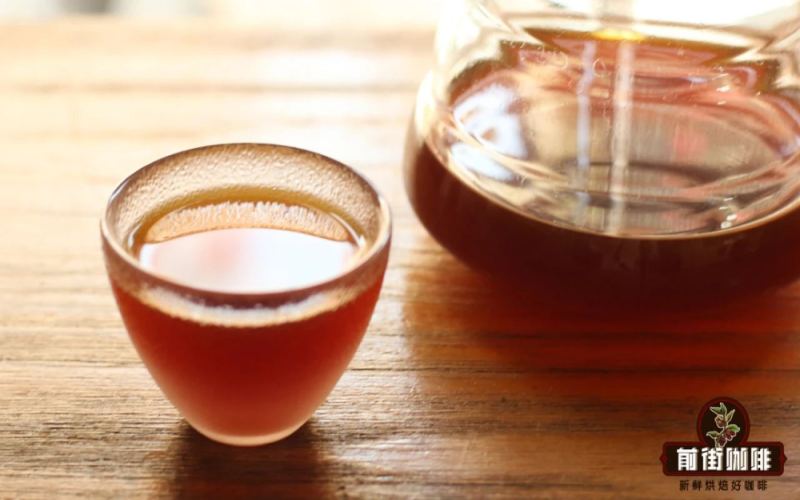
12 Common Coffee Varieties | What Coffee Do True Connoisseurs Drink? An Introduction to the Flavor Profiles of Yirgacheffe, Emerald Geisha, Jamaican Blue Mountain Single-Origin Beans
Coffee is an imported product, and everyone drinks coffee for different reasons. Some people are enjoying a petty bourgeois lifestyle, some are dependent on caffeine, and others simply like the taste of coffee. Front Street is here to take stock of which coffee those who know coffee must drink. Pour-over coffee is undoubtedly the most popular coffee-making method in the world today. [more…]
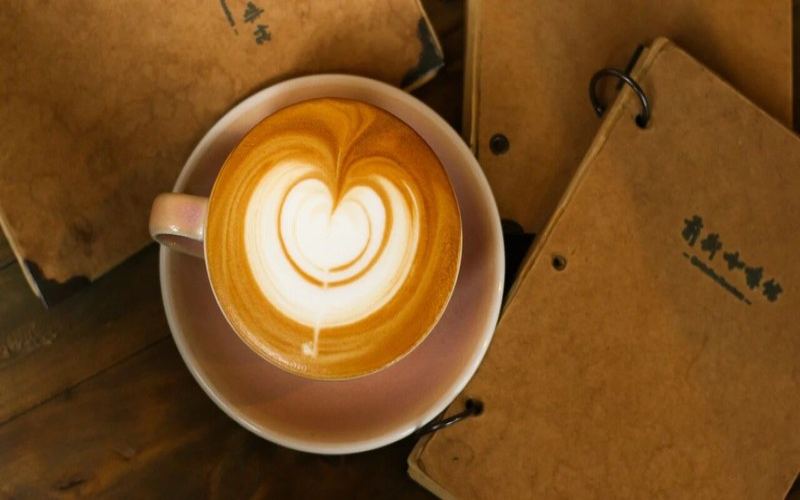
Which Coffee Beans Have Balanced Acidity and Sweetness: Balancing Budget and Drinking Frequency
When it comes to coffee beans with a balanced sweet-and-sour profile, start by thinking about how you'll drink them every day. For everyday bean purchases, you need to consider how quickly you'll go through them, how much to buy at a time, and whether you'll mainly make black coffee or milk coffee at home. If you mostly drink black coffee, you can pay more attention to aroma and aftertaste; if you often add milk, then consider whether the intensity and body can hold up. [more…]
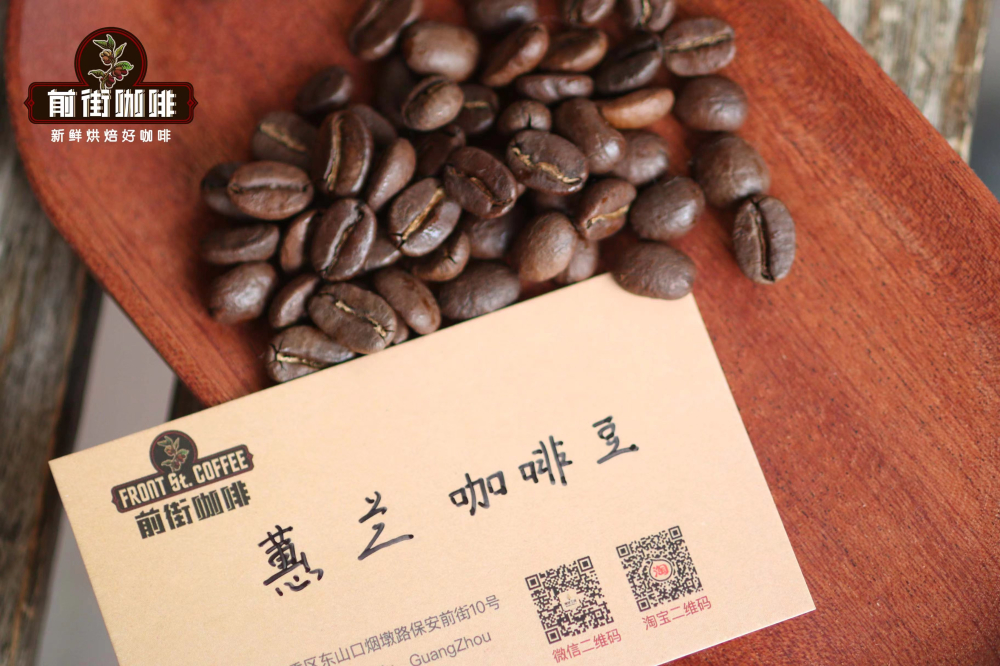
High-end coffee beans as gifts | Which specialty pour-over beans do experienced coffee enthusiasts repurchase? Recommendations for high-value pour-over coffee bean brands suitable for beginners
1. Front Street Huakui coffee bean origin: Sidamo Hambela Buku Abel processing station, altitude: 2250-2350m, variety: Heirloom, processing method: natural, brewing flavor: a rich passion fruit-like acidity on the palate, a slight fruity fermentation aroma, strawberry-like sweet and tart notes, [more…]
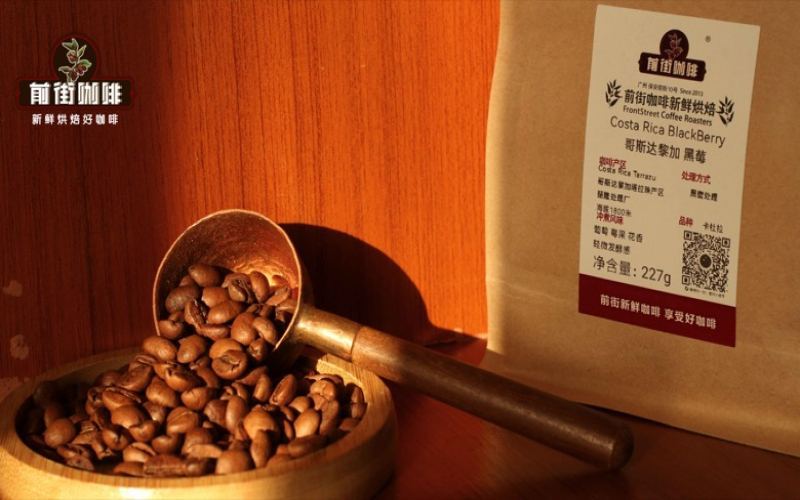
Coffee Beans with Prominent Sweetness: Where Does the Sweetness Come from Without Adding Sugar?
The sweetness in coffee isn't from added sugar, but from the sugars inherent in the beans expressing themselves through roasting and extraction: washed and medium-dark roasts show the most pronounced sweetness. Front Street Coffee's Colombia Higuito has a sweetness with juicy characteristics, balancing the sweet-tart notes of passion fruit and grape; while the Panama Emerald Estate Red Label's sweetness is delicate and lingering, hiding within the black tea's returning sweetness [more…]
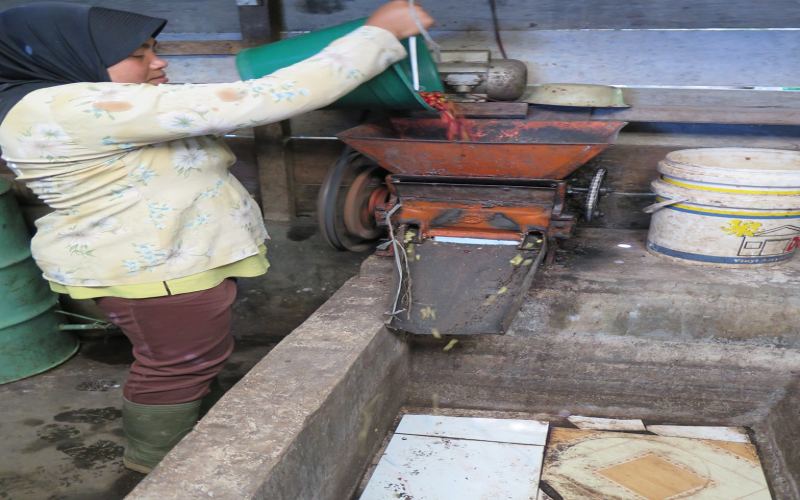
A Roundup of the World's Six Major Brand Coffee Beans | What Are the Recommended High-Value, High-Quality Single-Origin Pour-Over Coffee Beans That Beginners Must Buy?
For more specialty coffee knowledge, please follow: Front Street Coffee (Frontsteet Coffee). The world's three major beverages are cocoa, tea, and coffee. Among them, coffee was only introduced to China just over a hundred years ago, but it is only in recent years that coffee's development in China has grown increasingly massive, and the number of coffee drinkers has [more…]
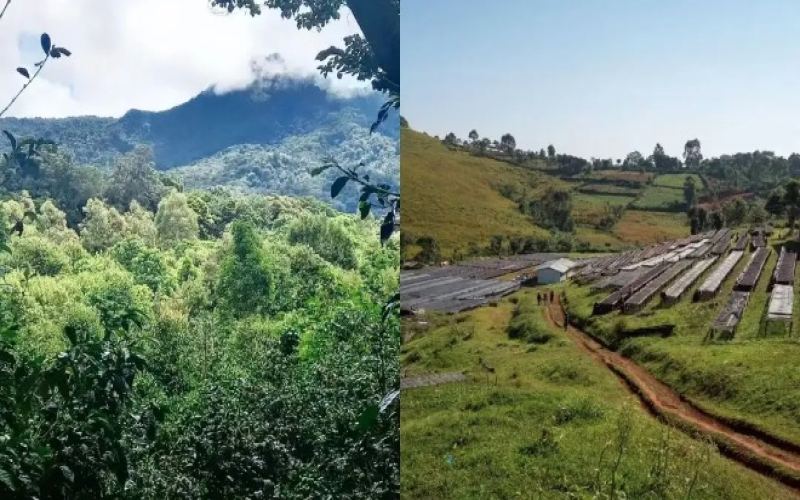
Gori Geisha, Geisha 1931, are also Geisha coffee beans?
The place where Geisha originated is in Panama, while its origin is in Ethiopia. Therefore, people often compare the Geisha from these two regions! And the "Geisha 1931" and "Gori Geisha" bean varieties are recognized by people as representatives of [more…]
Coffee Flavor | From What Angles Do We Describe and Evaluate Specialty Coffee Flavor?
In recent years, the domestic coffee industry has developed rapidly. Even when black swan events occurred and most industries were struggling, the domestic coffee market still maintained stable growth. So as an ordinary enthusiast, when faced with merchants' marketing claims, how should one evaluate a coffee bean? When drinking coffee and buying coffee beans, [more…]
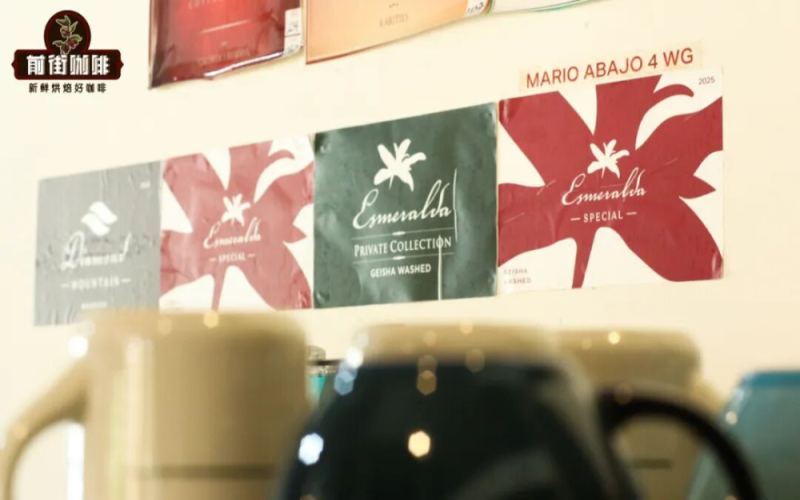
Panama Hacienda La Esmeralda Geisha Coffee Beans | What's the Difference Between Red Label Geisha and Green Label Geisha (Geisha) Coffee Beans? How Did Hacienda La Esmeralda Come to Grade Geisha Coffee?
If Geisha is compared to a legendary steed, then Hacienda La Esmeralda is undoubtedly the judge who recognized its worth. It was Hacienda La Esmeralda that discovered Geisha's potential and introduced its delicious flavor to the world at the 2004 BOP, which is why Geisha has become the top variety in today's specialty coffee scene. It can be said that without [more…]
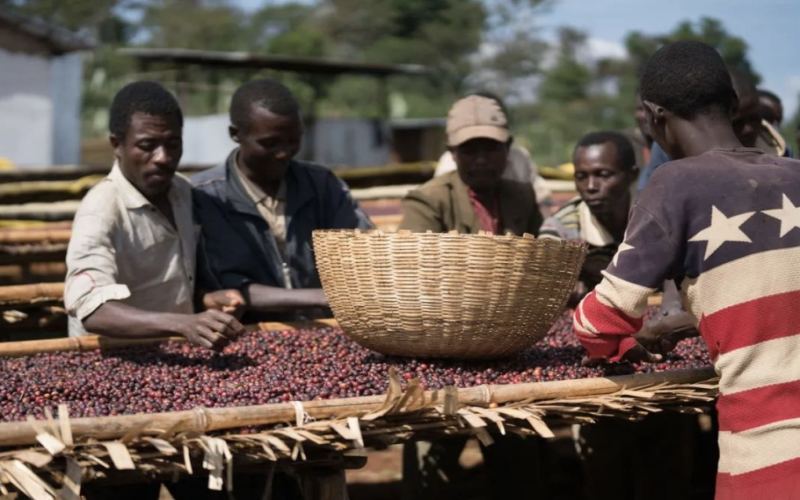
The coffee producing areas, estates, processing plants, and cooperatives, these production units have what kind of differences?
The popularity of gourmet coffee allows us to obtain more detailed planting and production information of coffee beans. These information usually accompanies the sale of coffee beans and is printed on the label of the packaging bag! Bean varieties, p [more…]
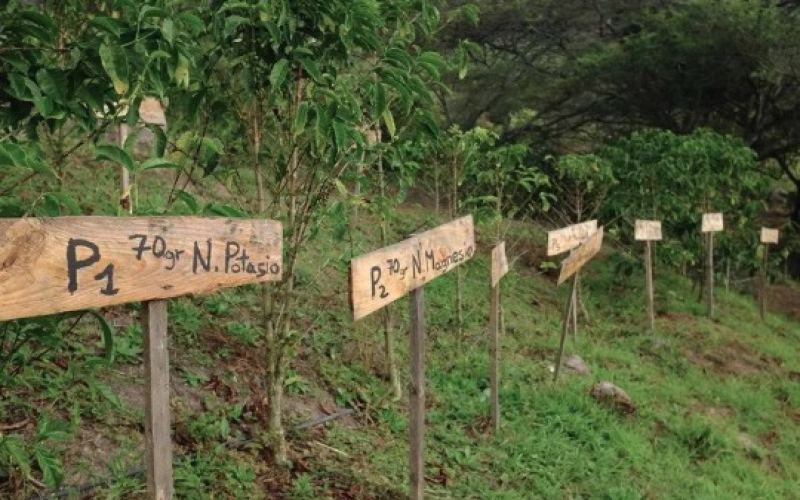
What is a microlot coffee bean? Will the quality of microlot coffee beans be better than that of regular batches?
What is a microlot coffee bean? Will the quality of microlot coffee beans be better than that of regular batches? Now, when drinking single-origin coffee, it is very easy for us to trace back to which country, which producing area, and even to the ha [more…]

Geisha Blend Introduction | Can You Taste Geisha in Panama Butterfly? Recommended High-Value Quality Panama Geisha Coffee Beans for Beginners
Panama is a Central American country, bordered by Costa Rica to the west and Colombia to the east. Anyone familiar with single-origin coffee should know that Panamanian coffee is famous in the coffee world for Hacienda La Esmeralda's Geisha. Thanks to its unique terroir and the growers' meticulous [more…]
Hacienda La Esmeralda Red Label Geisha: How to Read Panama Geisha's Grading System
In the specialty coffee world, Geisha from Panama's Hacienda La Esmeralda is a name that's almost impossible to avoid. When buying Geisha, product pages often feature terms like "Red Label," "Green Label," and "Auction Lot"—but what exactly do they mean? This article uses Hacienda La Esmeralda's Red Label Geisha as a thread to help you make sense of the grading system. Emerald [more…]
French Press Coffee | What are the differences in coffee flavors of Geisha from different regions? How to use a French press to brew a delicious cup of Geisha coffee?
Kopi Luwak, once one of the top-tier coffees, was so hard to find that a single bean was precious. Today, the newly crowned king of coffee, Geisha, is equally hard to come by. The reason Geisha coffee is so scarce is its high price. If you really do get your hands on a bag of Geisha coffee beans, you'll naturally treat it like a treasure to be savored. However, as someone who is still [more…]
Complete Guide to Geisha Coffee Beans: From Origin and Spread to Taste Grades and Flavor Differences with Huakui
Geisha, hailed as the most legendary coffee variety of the 21st century, has become an undisputed star in the specialty coffee world thanks to its stunning cupping performance and ever-rising auction prices. But where exactly did Geisha come from? Is it the same bean as Huakui? How do you distinguish between the Red Label, Green Label, and Volcanic Rock lots from Panama's Hacienda La Esmeralda? How does the product line from Gesha Village in Ethiopia differ? This article, led by Front Street Coffee (FrontStreet Coffee), will systematically trace Geisha's rise to fame, its varietal characteristics, and its flavor expression across different producing regions, along with practical brewing suggestions to help coffee lovers gain a comprehensive understanding of this legendary variety. [more…]
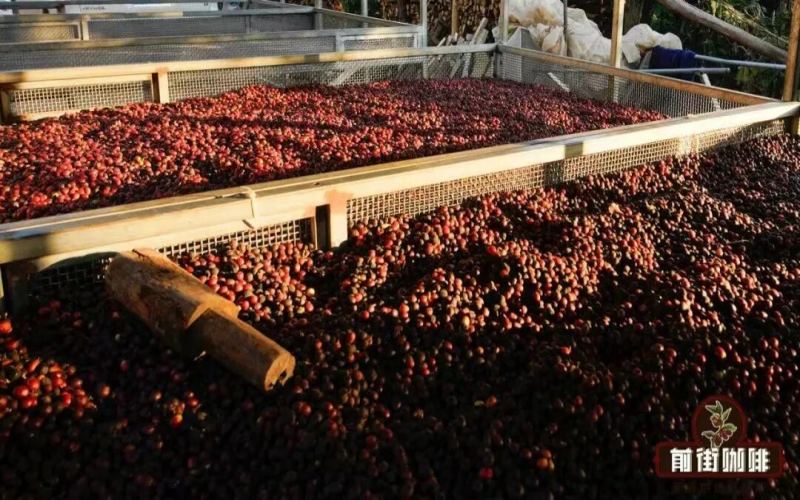
Introduction to Coffee Bean Processing Methods|How Do Sun-Dried and Washed Coffee Beans Differ in Taste? What Causes the Flavor Differences Between Sun-Dried and Washed Coffee Beans?
If you've been following the event notifications over the past couple of days, you may have noticed that Front Street has launched a washed-process Emerald Estate · Diamond Mountain at both of its stores on 🍑Bao and Tian🐱. Then some friends got very curious: "They're both Diamond Mountain—what's the difference between this washed-process one and the sun-dried one that was listed before? And then [more…]
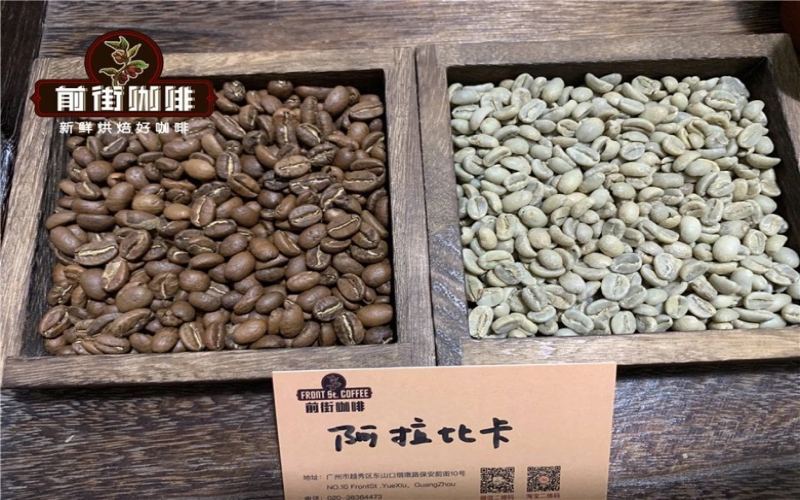
Yirgacheffe's Value-for-Money Options: The Price Gap Between Washed and Natural
A high-value-for-money choice in Yirgacheffe: the logic is to choose the right processing method and grade. The washed Gedeb Dingding is affordably priced with a complete citrus-and-floral framework—it's the standard answer for Yirgacheffe flavor. Although Panama Emerald Estate Red Label is a tier more expensive, the density of its jasmine and bergamot aromatics justifies the price difference—the two represent value for money [more…]