






What makes Panamanian geisha coffee cost so much?
Panamanian geisha coffee commands high prices because the variety is grown in specific estates and regions, then sorted into grades such as red label and green label that reflect lot quality. The same variety carries different flavors and prices depending on origin, estate, and grade, which explains why a single bag can range from modest to several hundred dollars.
Estates in Boquete, including Emerald and 90+, produce the Panamanian lots. Geisha is also grown in Ethiopia, Colombia, and Peru. A practical approach is comparing several single-origin offerings side by side, using light to medium roasting, so the floral and citrus character stays readable rather than buried under dark roast.
There are many types of Geisha coffee, from Panama to Ethiopia, Colombia, and Peru; different origins, estates, and grade combinations create coffee beans with distinct styles, and prices range from a few dozen to several hundred. This article takes the 8 Geisha coffees at Front Street Coffee stores as examples to sort out the origin, estate, grade, and flavor characteristics of each Geisha, and shares the unified light-medium roasting brewing parameters and tasting experience. Whether you want to experience the classic Geisha flavor or explore new flavors, you can find a choice that suits you.
In a previous Front Street Coffee article, "Teach You to Easily Read the Information Hidden in Coffee Bean Names!", a reader commented: "There are too many types of Geisha. Can you explain them specifically?"
Although Geisha is only a single variety, it is often combined with different country, region, estate, or cooperative names, thus forming coffee beans with distinct styles. Prices therefore vary greatly, ranging from a few dozen yuan to several hundred yuan, which leaves many people confused: How many kinds of Geisha are there exactly? Is the more expensive one always better?
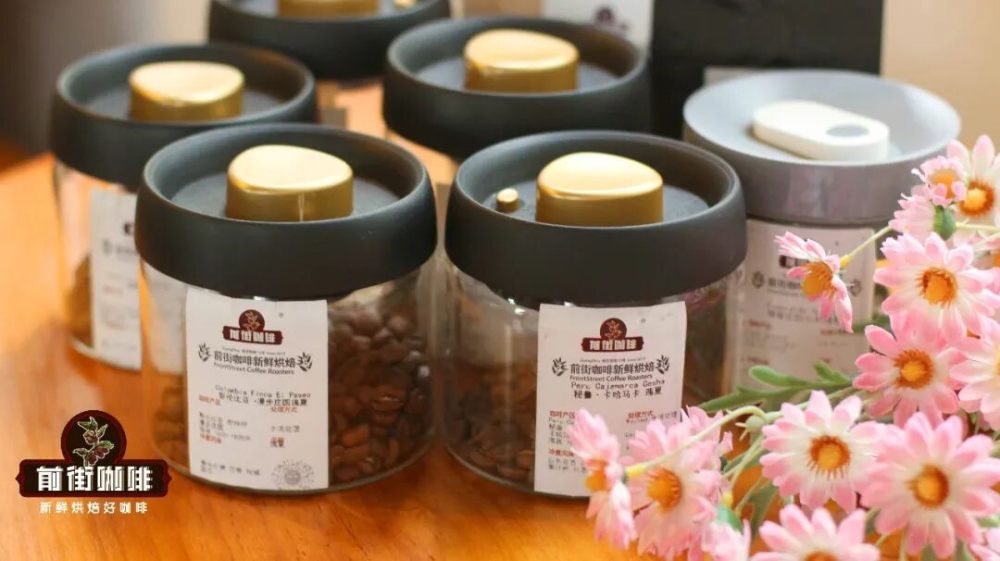
Recently, the Geisha category at Front Street Coffee stores (Taobao/Tmall flagship store) has been quite rich, with as many as 8 Geisha offerings. In addition to the long-term Front Street Coffee Geisha Village Red Label Geisha, Front Street Coffee Emerald Red Label Geisha, Front Street Coffee Emerald Green Label Geisha, and Front Street Coffee Boquete Geisha, there is also Front Street Coffee 90+ Eleta, as well as Front Street Coffee Grana Geisha, Front Street Coffee Walk Estate Geisha, and Front Street Coffee Peru Geisha, which have been newly added over the past year.
Today we will not talk about history, but only focus on these 8 single-origin offerings, starting from origin, estate, grade, and taste to help you sort out the characteristics of these common Geisha coffees.
Panama
1. Front Street Coffee Emerald Red Label Geisha → Panama → Boquete region → Emerald Estate → Red Label grade
2. Front Street Coffee Emerald Green Label Geisha → Panama → Boquete region → Emerald Estate → Green Label grade
3. Front Street Coffee 90+ Eleta → Panama → Boquete region → 90+ Estate
4. Front Street Coffee Boquete Geisha → Panama → Boquete region
Ethiopia
1. Front Street Coffee Geisha Village Red Label Geisha → Ethiopia → Geisha Village Estate → Red Label grade
2. Front Street Coffee Grana Geisha → Ethiopia → Grana Estate
Colombia
Front Street Coffee Walk Estate Geisha → Colombia → Huila region → Walk Estate
Peru
Front Street Coffee Peru Geisha → Peru → Cajamarca region
In terms of quantity, Panamanian Geisha holds an absolute advantage. But clearly they are all Geisha varieties, and some even come from the same estate, so why does Front Street Coffee keep so many offerings? The reason is simple: since Geisha became popular in the global specialty coffee scene, what people call "Geisha flavor" refers to Panamanian Geisha, and Emerald Estate, as the standout that made this variety famous, naturally became the benchmark for "Geisha flavor." Of course, under the dual influence of fame and market effects, the price of Emerald Geisha also keeps many people away.
The small town of Boquete has attracted much industry attention because it is home to many big-name estates (including Emerald Estate). After all, good coffee cannot do without the support of terroir and climate, and the same Panamanian Geisha variety should naturally have outstanding flavor. Because Front Street Coffee Boquete Geisha emphasizes the region rather than the estate, its price is relatively much cheaper.
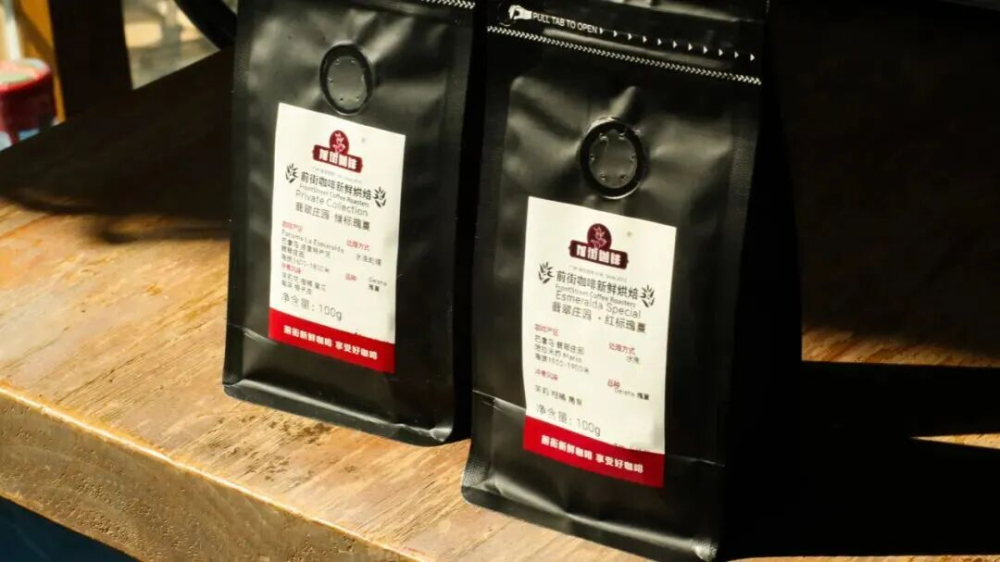
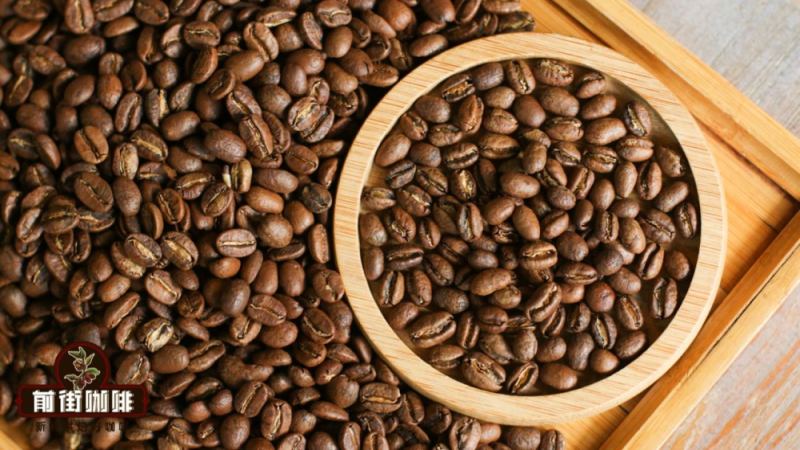
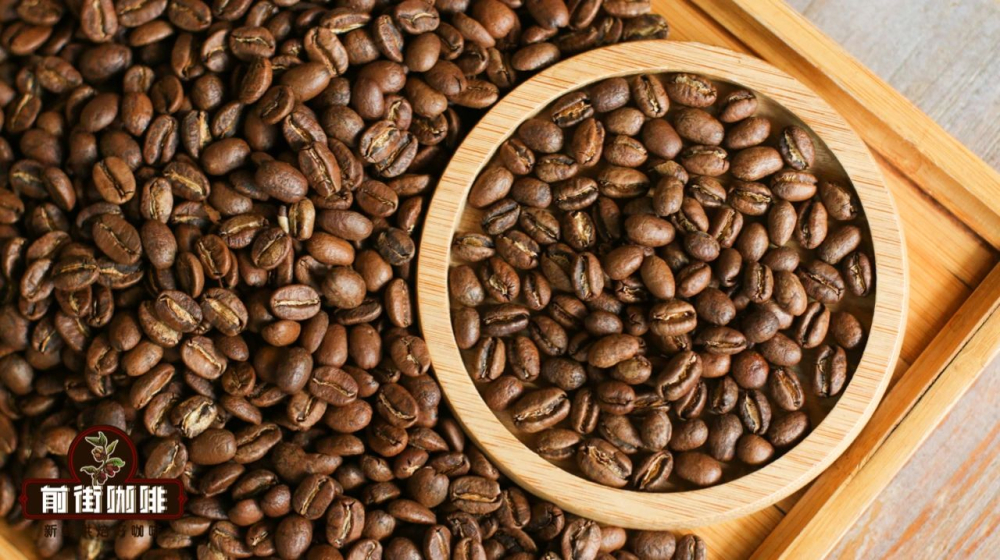
In addition to Panama, Ethiopian Geisha is also growing in popularity, not only gaining more recognition for its flavor but also offering a price advantage. The difference is that most Ethiopian Geisha does not have the long body, flared shape, and pointed ends of Panamanian Geisha; instead, the beans are smaller and fuller in the middle, so the industry sometimes also calls it native Geisha.
Geisha from Colombia and Peru is mostly produced in small batches by independent estates. The flavor depends on regional characteristics and cultivation management, and the price is usually cheaper than Panamanian Geisha but slightly more expensive than non-graded Ethiopian Geisha.
Because these eight Geisha coffees at Front Street Coffee are all light to medium roasted, with floral aroma and fruity acidity as the main profile, the brewing parameters are kept as consistent as possible:
Coffee grounds: 15 grams
Coffee-to-water ratio: 1:15
Water temperature: 91–92°C
Grind size: EK43s-10 setting/C40-24 clicks (80% passing through a No. 20 sieve)
Dripper: V60
Brewing method: 3-stage pour
For the first stage, pour 30 grams of water and bloom for 30 seconds; then pour 95 grams in a spiral motion, with the scale showing about 125 grams, finishing in about 55 seconds; when the water level drops to one-third of the coffee bed, pour the remaining 100 grams, with the scale showing about 225 grams, finishing in about 1 minute 35 seconds. Control each pot of coffee to finish dripping between 1 minute 50 seconds and 2 minutes 10 seconds, remove the dripper, and the extraction is complete.
After the coffee is brewed, we taste and describe the flavors one by one.
First, acidity: the two Ethiopian Geisha coffees have higher acidity than those from other countries, showing a bright profile, a light mouthfeel, and a tea-like finish. Among them, Front Street Coffee Geisha Village Red Label is dominated by berry acidity, accompanied by the fermented aroma of ripe plum; Front Street Coffee Grana Geisha has the fresh fragrance of yellow peach, guava, and black tea, with relatively balanced acidity and sweetness.
Next, aroma: the four Panamanian Geisha coffees all perform very well, but Front Street Coffee 90+ Geisha uses a heavy fermentation process, and its aroma is completely different from the other three. On the palate, it immediately delivers a "bold" profile of spices, longan, candied fruit, and chocolate.
Because they are all washed Geisha, Front Street Coffee Emerald Red Label, Front Street Coffee Emerald Green Label, and Front Street Coffee Boquete all carry clear jasmine and citrus-like fresh aromas, and at high temperatures the caramel note unique to the Panamanian region is especially obvious (a caramel taste also remains at the bottom of the cup after drinking). As the temperature drops, the tea-like note and acidity gradually become more prominent.
Compared with Boquete, Front Street Coffee Emerald Red Label and Front Street Coffee Emerald Green Label possess the estate's signature Geisha flavor: the lifted acidity of bergamot, the distinct aroma of jasmine, the sweetness of peach, and the lingering sweetness of oolong tea. As for the comparison between Green Label and Red Label, Front Street Coffee believes the two are equally matched in flavor, with neither being better than the other.
Finally, the Geisha coffees from Peru and Colombia. If we still compare them with Panama, Front Street Coffee Peru Geisha has more caramel flavor, with acidity as substantial as prune, and a higher overall body; Front Street Coffee Walk Estate Geisha is lighter, full of the taste of fresh flowers and perfumed lemon on the palate, with a honey-like clean sweetness, almost no perceptible bitterness, and a long tea-like finish.
Conclusion
If you just want a light taste of what people call the "classic Geisha flavor" without spending a lot, Front Street Coffee suggests you do not rush to chase big-name estates. You can try the region-representative Front Street Coffee Boquete Geisha. It lets you clearly taste Geisha flavor and also helps you explore your own coffee preferences along the way.
When you want to try something new (or are tired of Panamanian Geisha), you might look to other countries in Central and South America. If you prefer a heavier mouthfeel, choose a Geisha described with caramel notes, such as Front Street Coffee Peru Cajamarca; if you like clear, bright acidity and sweetness, buy a Geisha full of fresh aromatic descriptions, such as Front Street Coffee Colombia Walk Estate.
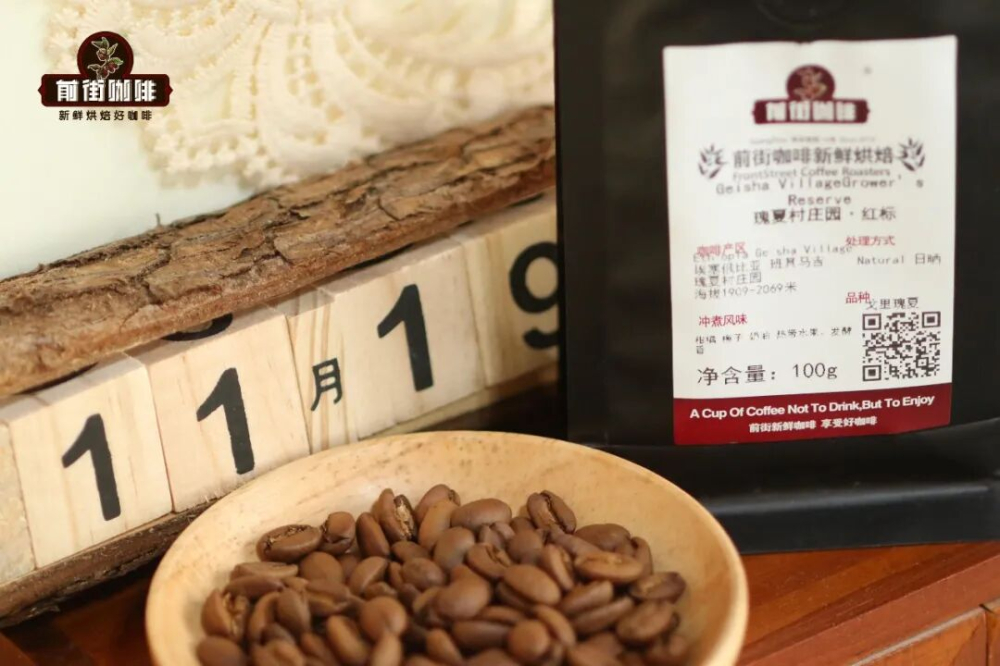
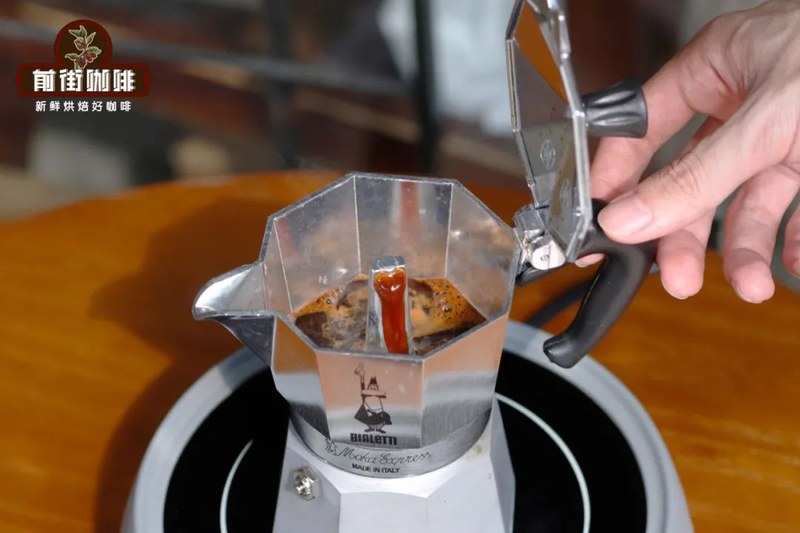
If you like Geisha with bright acidity, start with Ethiopia. If you are pursuing extreme value for money and want to make Geisha your daily staple, then choose Front Street Coffee Grana Geisha. In addition to its fresh taste, "large quantity and satisfying" is its biggest advantage. Moreover, Front Street Coffee Grana Geisha also has an SOE version, specially aimed at espresso and moka pot users.
The above content is compiled by CoffeeHunters, a coffee news website.


