







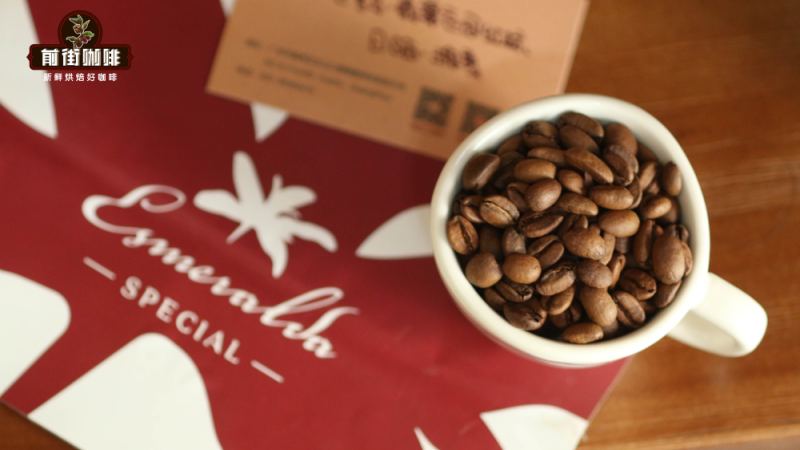
Why is Panama Geisha coffee so expensive to buy?
Geisha coffee earns its reputation through a delicate floral aroma and layered flavor, and Panama Geisha from Hacienda La Esmeralda often sits near the top of the world's most expensive coffee lists. The variety needs high altitude, cloud cover or abundant shade trees, and fertile soil to develop those citrus and berry notes, a juice-like body, and acidity that grows more refined as the cup cools.
Panama coffee cultivation is concentrated around the Chiriqui Volcano, and the Geisha tree's thin leaf system gives it lower photosynthetic efficiency than other varieties, while its root system is demanding too. Front Street's Emerald Estate Geisha is usually brewed as pour-over, and the shared parameters use a three-stage extraction. Options range from Red Label and Green Label down to entry-level Boquete Geisha, so beginners and experienced drinkers can both find a suitable cup.
Geisha coffee has become a favorite among many coffee enthusiasts for its delicate floral aroma and rich layers, and Front Street Coffee's Emerald Estate Geisha is a popular choice for both gifting and personal enjoyment. But why is Geisha so expensive? And how should high-quality Emerald Geisha be brewed to showcase its best flavors? This article will start with the terroir conditions of the Panama producing region and the cultivation characteristics of the Geisha variety to analyze the reasons behind its high price, and share Front Street's pour-over parameters and three-stage extraction steps. At the same time, for different budgets and needs, Front Street offers multiple options ranging from Red Label and Green Label to entry-level Boquete Geisha, so whether you are a beginner or an advanced player, you can find the right cup for you.
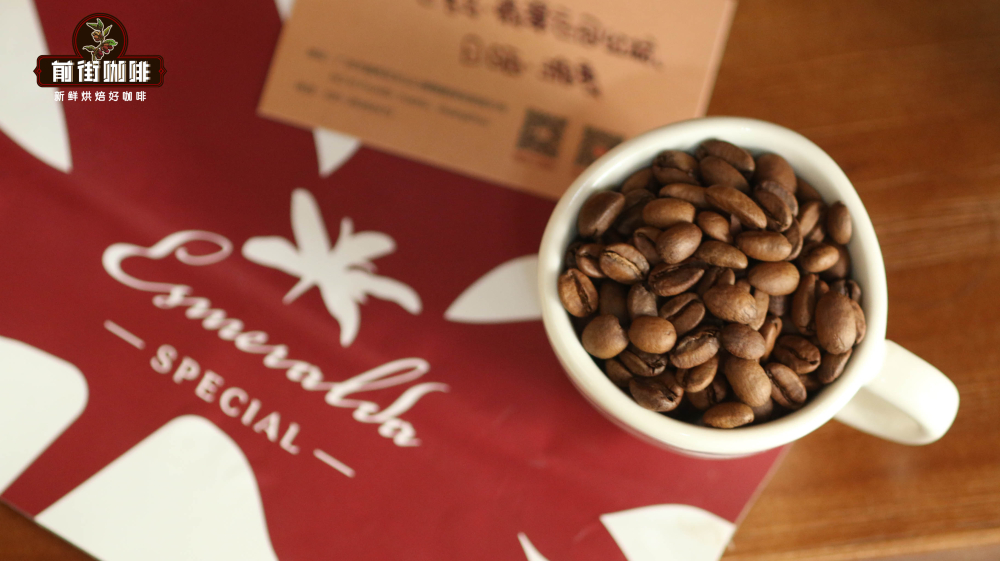
When it comes to coffee beans suitable as a gift, the first thing that comes to many people's minds is Front Street Coffee's Emerald Estate Geisha. This is easy to understand—it is famous enough, with exquisite aroma and distinct layers, and whether it is a beginner just getting into coffee or a seasoned enthusiast who has been exploring for a while, almost everyone is drawn to it.
However, besides its outstanding flavor, Geisha is also usually closely associated with the word "expensive," and it often even occupies the top spot on the list of the world's most expensive coffees. So why exactly is Geisha so expensive? And how should a high-quality Emerald Geisha be brewed to taste good?
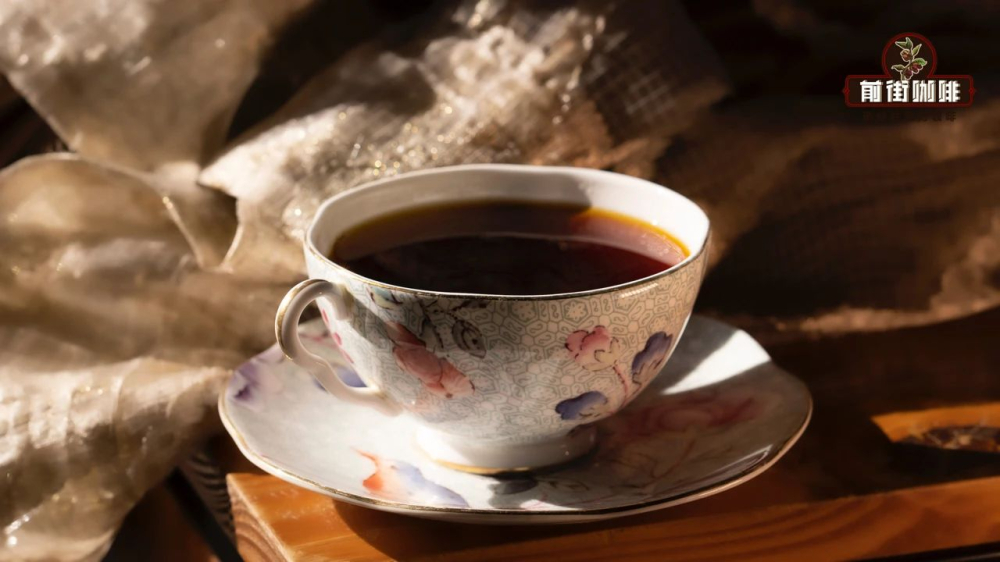
Front Street Coffee's Geisha coffee is usually presented as pour-over. The reason Geisha coffee beans have become world-famous is their rich floral aroma, citrus and berry notes, juice-like mouthfeel, and the increasingly delicate acidity and rich overall layers as the temperature drops.
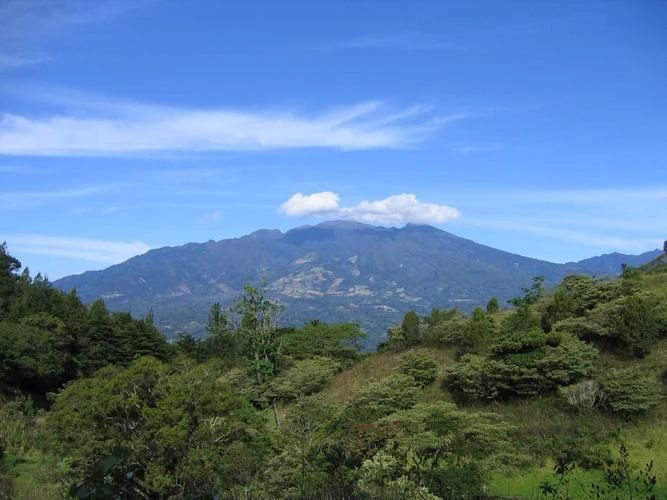
Coffee cultivation in Panama is almost entirely concentrated around the Chiriquí Volcano. Geisha coffee beans have quite demanding requirements for their growing environment. They must be planted at higher altitudes, with cloud cover or abundant shade trees, and in fertile soil, in order to harvest that fascinating floral aroma, refined fruit acidity, and clearly layered flavor.
Unlike other coffee varieties, the leaf system of the Geisha coffee tree is very thin, which means its photosynthetic efficiency is relatively low, and its root system is also rather fragile, making the process of absorbing water and nutrients very slow. Therefore, Geisha's coffee yield is very limited, and combined with the high-altitude growing conditions, the fruit also matures later. The yield of a single Geisha coffee tree is about only half that of the Caturra variety, which is also one of the reasons Geisha's price remains high.
At present, Geisha is grown in many regions around the world and can be called the new king of specialty coffee. Among them, the quality from Latin American countries such as Panama, Guatemala, and Colombia is more outstanding, and the Panama producing region is recognized as the leader among Geisha coffees. Single-origin offerings such as Front Street Emerald Red Label, Front Street Emerald Green Label, Front Street Boquete, and Front Street Butterfly all come from here.
Front Street Coffee Emerald Estate Red Label Geisha Coffee Beans
Producing Region: Boquete
Estate: Emerald Estate Canas Verdes
Altitude: 1700+ meters
Variety: Geisha
Processing Method: Natural
Flavor: Citrus, Complex Fruit, Rose Tea, Honey
Front Street Coffee has multiple Geisha coffee beans with different price levels. From the more expensive Front Street Emerald Estate Geisha and Front Street Emerald Estate Green Label, which are suitable as an introduction to tasting high-grade coffee and can also be used for formal gift-giving;
to the cost-effective Front Street Geisha Village Gold Label and Front Street Geisha Village Red Label, which are good choices for friends or daily drinking; and the entry-level Front Street Boquete Geisha, which is suitable for pour-over, cold brew, Clever Cup, French press, and many other extraction methods, you can always find a Geisha that suits you.
Front Street Panama Boquete Washed Geisha Coffee Beans
Producing Region: Panama Boquete
Estate: Emerald Estate
Processing Method: Washed
Altitude: 1500+ meters
Variety: Geisha
Brewing Flavor: Jasmine, Citrus, Honey, Pomelo
In the flavor composition of a cup of coffee, green beans account for 60%, roasting for 30%, and extraction for 10%. Good roasting can bring out the personality of the green beans to the fullest while minimizing the appearance of defective flavors; conversely, improper roasting can completely ruin good beans.
From the perspective of roast level: the darker the roast, the stronger the bitterness; the lighter the roast, the more obvious the acidity. Which roast level to choose depends on the characteristics of the coffee beans themselves. For Geisha, which naturally has floral and fruity aromas, a medium-light roast is generally used, preserving the jasmine aroma, fruit acidity, and tea-like feel while also highlighting a certain caramel sweetness, eliminating the bitterness of traditional coffee.
Front Street Emerald Geisha Coffee Pour-Over Sharing
Lightly roasted coffee beans allow high-altitude coffee beans to retain more floral and fruity aromas. Compared with medium-dark roasting, lightly roasted coffee beans have a denser internal structure and require higher water temperature and finer grinding to better extract the coffee's flavor compounds. Here, Front Street uses hot water at 92–93°C for extraction, and for grind size, Front Street uses a No. 20 standard sieve with an 80% pass rate, that is, the size of fine granulated sugar, with the Front Street store's ek43s grinder set at 10.
The flavor description of every Front Street coffee is based on freshly roasted beans. If the coffee beans are stored for more than a month, the aroma may have already partly dissipated, and it is difficult to reproduce it in brewing. Front Street also deeply understands the importance of freshness, so it ensures that only coffee beans freshly roasted within 5 days are shipped, allowing everyone to enjoy the fullest flavor period upon receipt.
Below, Front Street will demonstrate the brewing steps for the store's Front Street Panama Geisha, and everyone can refer to it and compare it with their own brewing approach.
The pour-over parameters for Front Street Emerald Red Label Geisha Coffee are: dripper: V60, water temperature: 91-92°C, dose: 15g, coffee-to-water ratio: 1:16, grind size: fine granulated sugar size (sifting powder through a No. 20 sieve to 80%)
Three-stage extraction: In the first stage, pour 30 grams of water for a 30-second bloom, then pour 95 grams (the electronic scale shows about 125 grams), finishing the pour in about 1 minute. When the water level drops to 2/3 of the coffee bed, pour the remaining 100 grams (the electronic scale shows about 225 grams), finishing the pour in about 1 minute 35 seconds. At 2'10", dripping is complete; remove the dripper, and extraction is finished.
The above content is compiled by CoffeeHunters, a coffee news website.


