







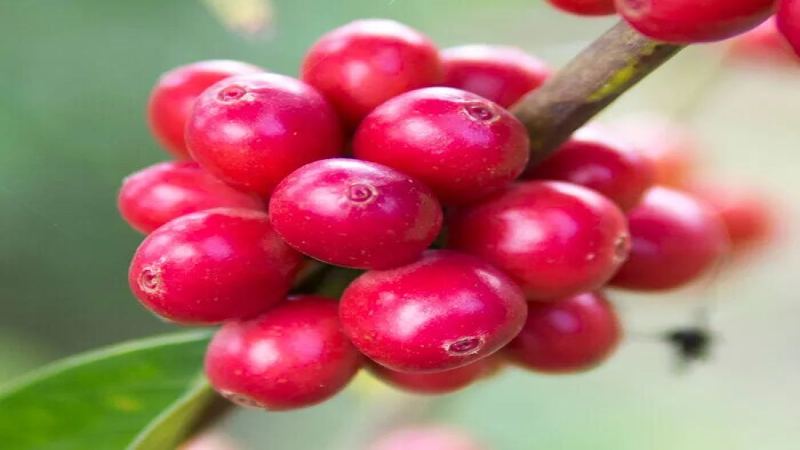
I believe everyone who loves coffee has heard of the famous Geisha. Geisha coffee shone brilliantly in Panama, which both made Panama Geisha famous and drove up the price of Panamanian coffee. Actually, the Geisha variety did not originate in Panama, but came from Ethiopia, the birthplace of coffee.
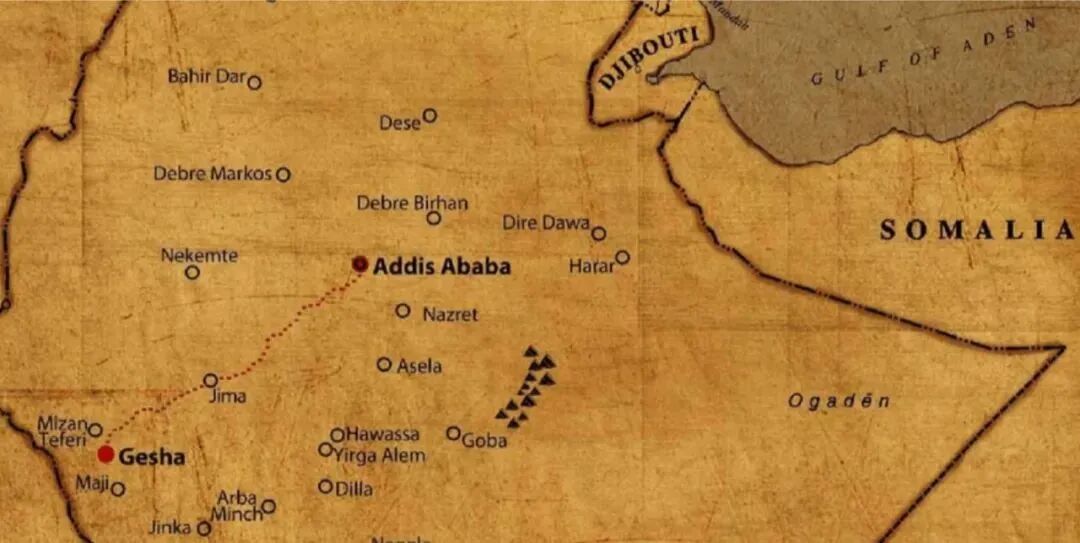
As the birthplace of coffee, Ethiopia is home to many wild coffee tree species. There are so many unknown coffee trees that even locals cannot distinguish them all, so locals simply refer to local coffee beans as Ethiopian heirloom varieties. The familiar Panama Geisha coffee was discovered in a forest called "gesha," then sent to Kenya for research, and later spread to Uganda, Tanzania, and Costa Rica. The Geisha variety in Panama was introduced from Costa Rica.
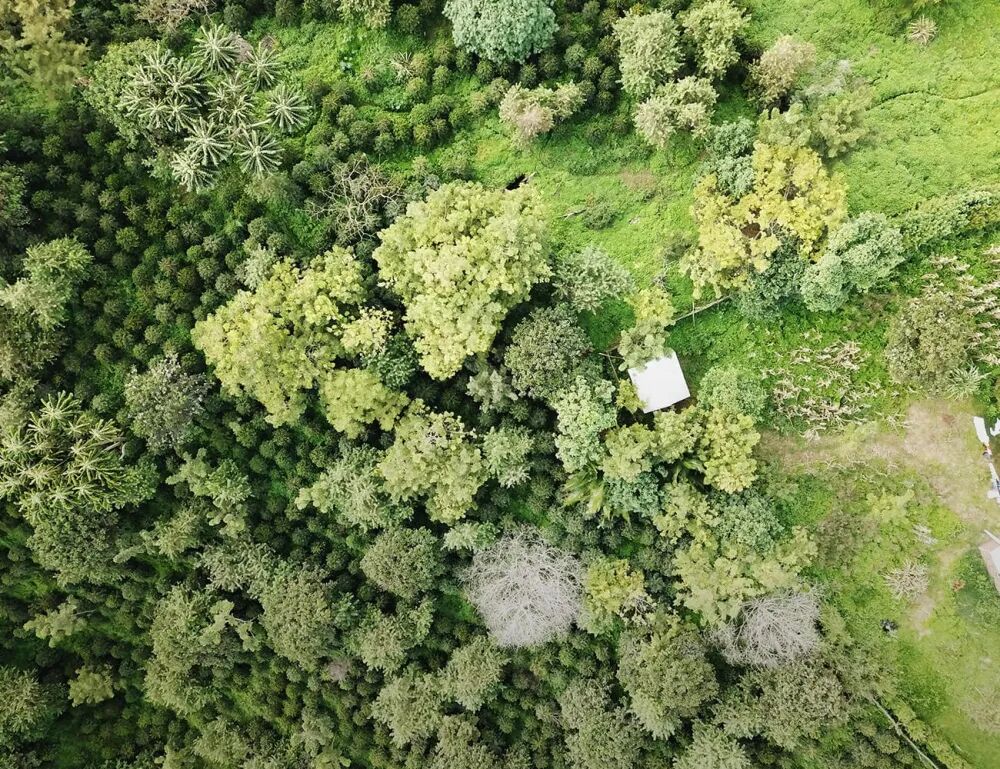
Documentary director Adam Overton and his photographer wife Rachel Samuel, near the Gori Gesha forest,Gesha Villageestablished their own estate.

Adam, together withthe owner of Hacienda La Esmeralda and BOP judgeWillem Boot, began to "explore" the forests around the estate. In a jungle magically wrapped in dense forest, they discovered many wild tree species, and what surprised them most was finding wild Geisha. Only later did they learn that this wasGori Gesha(Gori Gesha) forest, the place where the Geisha variety was first discovered. So they collected seeds from the original Geisha trees, selected among them, and then planted them in Gesha Village. They decided to establish the estate here and named it Gesha Village Coffee Estate, located on a 475-hectare coffee farm aboutGori Gesha12 miles from the forest.
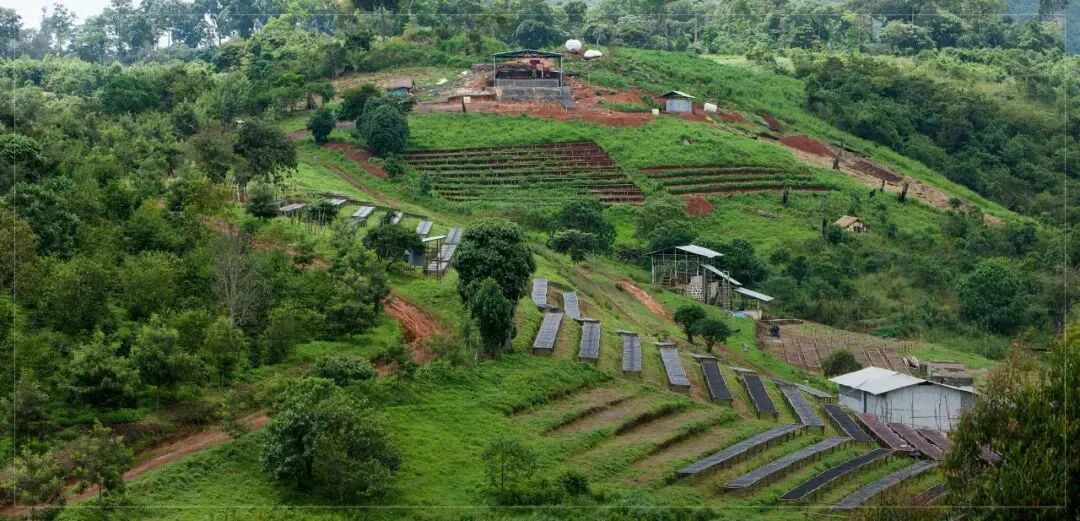
In Ethiopia, there are almost no large estates or estate grading systems. After Willem Boot and Adam discovered the Gesha forest, they decided to bring the management model of Hacienda La Esmeralda here, and so Gesha Village became Ethiopia's first coffee estate. Their approach is that each lot, each tag, can be traced back to detailed information about the beans, and they follow a strict grading system:竞标, 金标, 红标, 绿标, and Chaka lots.

Precisely because Gesha Village, like Panama's Hacienda La Esmeralda, has a strict grading system, and after arriving in China both are named according to the colors on their brand labels, many consumers confuse the products of the two estates. The most frequently confused are the Red Label Geisha and Green Label Geisha from the two estates.
Take Green Label as an example. The Hacienda La Esmeralda Green Label that Front Street Coffee obtained is a washed lot. At present, Hacienda La Esmeralda defines "Green Label" as Geisha coffee grown at altitudes between 1,600 and 1,800 meters, mainly from different lots of the estate's three major farms: Jaramillo, Cañas Verdes, and El Velo, with the classic Panama Geisha character.
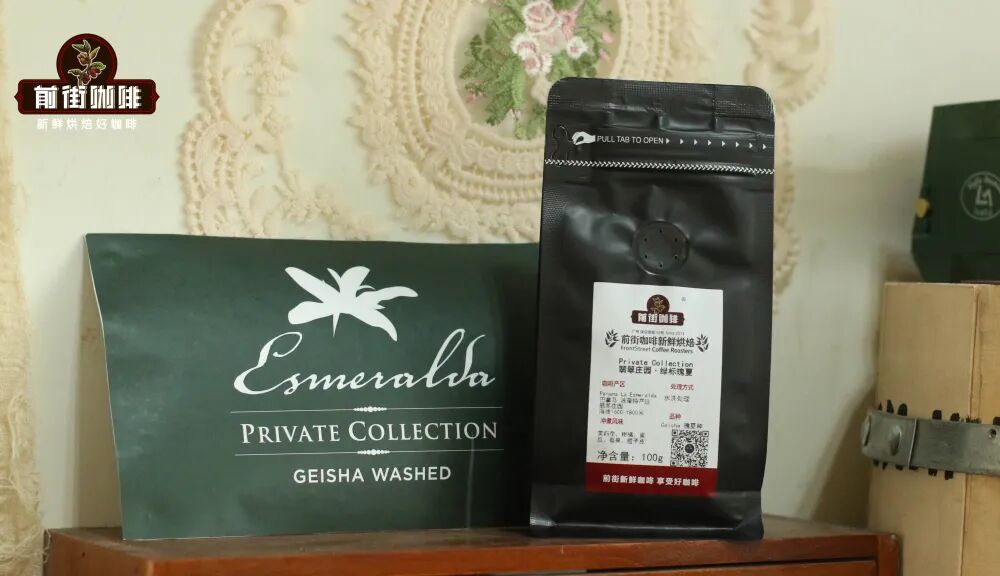
The Green Label lot from Gesha Village refers to a single-block, single-variety lot from Gesha Village Estate. Many Ethiopian coffee beans cannot provide detailed variety information, but this Green Label can be traced back to information about its growing block, coffee variety, and processing method. As for Gesha Village Green Label, Front Street Coffee also once obtained a natural process lot and used a medium-light roast to highlight its floral and fruity aromas.

Gesha Village Natural
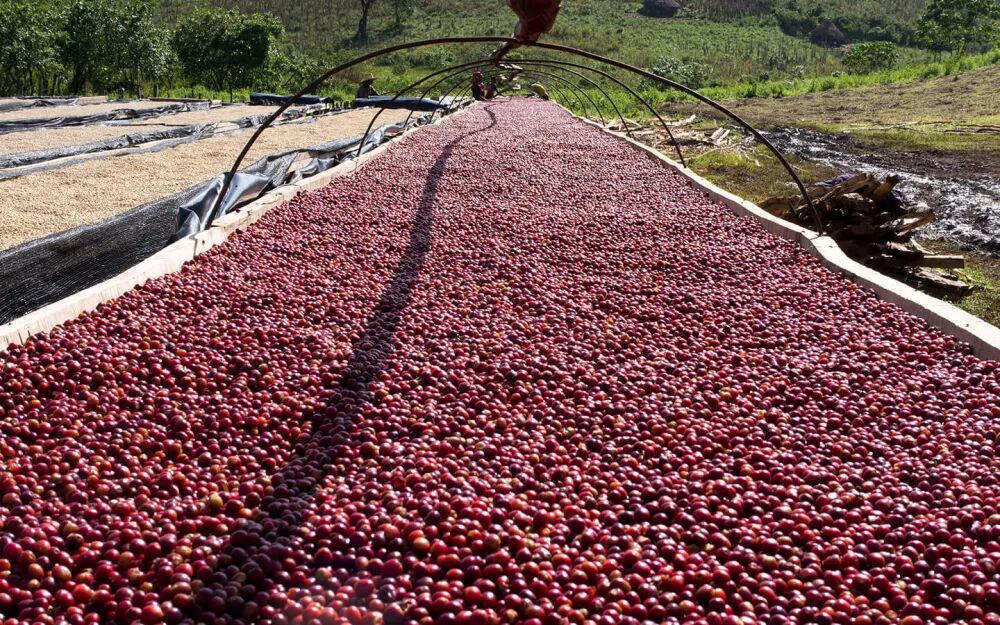
Front Street Coffee's Gesha Village coffee uses natural processing. First remove floating impurities and debris, then onAfrican raised drying bedsspread it in a thin layer and cover it with plastic sheeting for sun drying. When drying on the drying beds, it is sorted again to remove insect-damaged beans and greenish beans. The total drying time is 18-30 days. Front Street believes that naturally processed coffee has obvious sweetness, soft acidity, and a flavor profile with complex fruity notes.
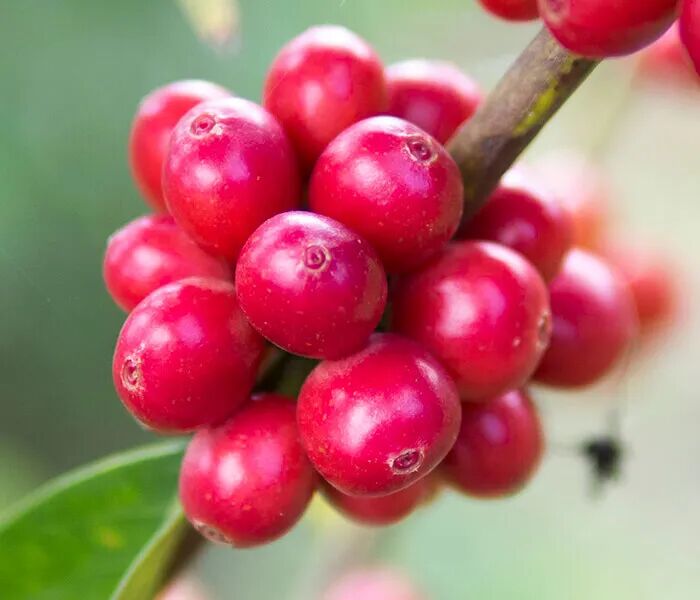
Friends familiar with the Geisha story should know that the Geisha planted at Hacienda La Esmeralda is only one variety, namely one that was once recorded as "geisha T2722" afungus-resistant variety. But Gesha Village has two Geisha varieties. One is the Gori Gesha variety. Front Street's Gesha Village Green Label is the Gori Gesha variety, named after the Gori Gesha forest where it was discovered. The other isGesha 1931(Gesha 1931), meaning the1931year Geisha was discovered. Front Street's Gold Label Geisha is this variety.
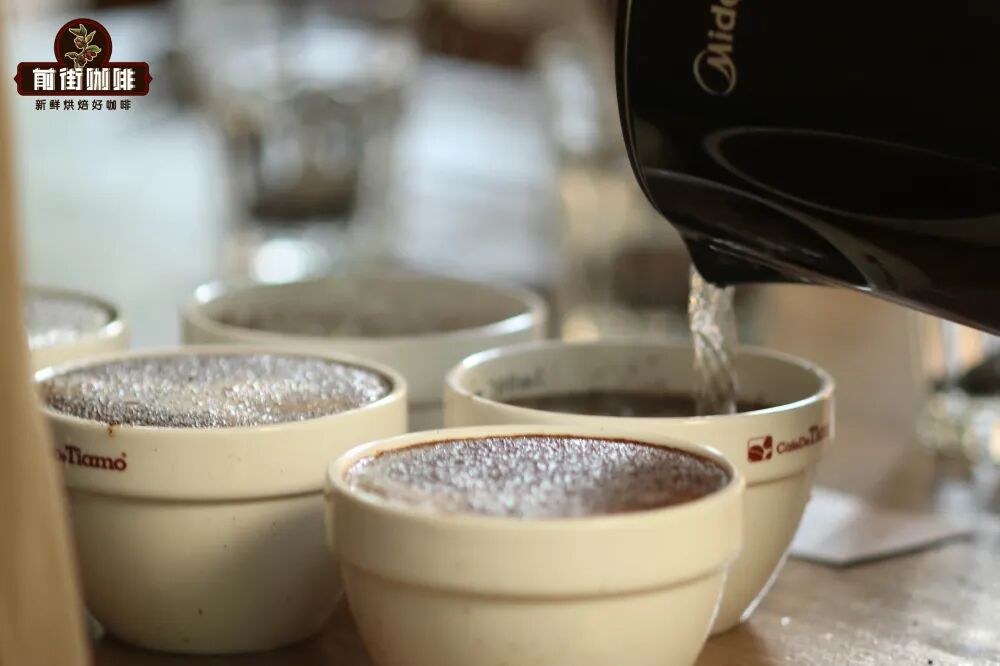
In order to more clearly find the difference between the two,Front Street took Panama Green Label Geisha coffee and Gesha Village Green Label Geisha and did a cupping comparison. First, grind these two Green Label coffees separately, 11.3 grams each, then pour in water at 94 degrees Celsius. Within these four minutes, you can smell the wet aroma of the coffee grounds. After four minutes, break the crust, remove the grounds, and begin tasting.
Through comparison, Front Street found thatGesha Village Green Label and Hacienda La Esmeralda Green Label are not very similar, and even show completely different style profiles.Hacienda La Esmeralda's washed Green Label Geisha has excellent cleanliness, with no off-flavors at all, a very smooth mouthfeel, and flavors that are more of white florals, blueberry, lemon, tea-like notes, as well as honey andbrown sugarsweetness, which is especially prominent.
While Gesha Village Green Label Geisha coffee leans more toward candied fruit and raspberry flavors.In addition to the rich berry aroma, it also has the bright acidity of cherry and citrus, and after drinking, the mouth still carries a light floral aroma and a black tea finish.
The above content is compiled by CoffeeHunters, a coffee news website.


