







Search Results for: Diet Coke
Coca-Cola 2021 New Packaging Analysis: Minimalist Visual Upgrade and Eco-Friendly Paper Bottle Exploration
In 2021, Coca-Cola carried out a new round of visual packaging upgrades for its product line, with Coca-Cola, Diet Coke, and Coke Zero all receiving more minimalist new looks. This redesign continues the "One Brand" strategy introduced in 2015. The most noticeable change is that the logo has been moved upward, and the classic ribbon element has been removed, giving the overall style a clean and crisp feel. In terms of color schemes, the classic version retains the red-and-white combination, the Diet version adopts red and silver, and the Zero version forms a high-contrast look with a black logo against a red background. At the same time, at the end of last year Coca-Cola also launched an eco-friendly paper bottle prototype called "Adez," jointly developed by its Brussels lab and the Danish company Paboco. It uses a paper shell with a plastic liner and a recyclable plastic cap, further conveying the concept of sustainable development. This article will compare the old and new packaging changes in detail and review these two noteworthy developments. [more…]

Coca-Cola Spiced soda discontinued just seven months after launch: niche flavor trial fails and product strategy adjusts
Coca-Cola recently announced it will phase out its Spiced-flavored soda, which was launched with much fanfare just this February—a drink once positioned as a "permanent product" that lasted only seven months. Spiced blended traditional cola, raspberry, and spice flavors, aiming to attract Gen Z consumers seeking bold tastes, but its market performance was lackluster. Analysts suggest that consumers' unclear perception of its flavor and overly hasty new product development may be the main reasons for the failure. Meanwhile, Coca-Cola has also discontinued flavors like Cherry Vanilla and Splenda Diet Coke to focus on faster-growing categories. This article traces the complete trajectory of Spiced from launch to discontinuation and explores the challenges and prospects of niche sodas in the market. [more…]

Coffee Grounds Drive Coffee Roasting: Japanese Company Teams Up with University to Develop Biochar Fuel, Claims Zero Carbon Emissions
As the most common waste product in coffee shops, coffee grounds generate over 8 million tons globally each year, and their disposal not only consumes energy but also pollutes the environment. Over the past decade, researchers have continuously explored ways to reuse coffee grounds, from blended fuels to eco-friendly boards, from clothing fabrics to food utensils, coffee grounds are transforming into a new eco-friendly favorite across multiple industries. A Japanese coffee roasting company has teamed up with a research team from Kindai University to develop a biochar fuel made from coffee grounds, and claims that the carbon dioxide released during combustion can be offset by the amount absorbed during the growth of coffee plants, thereby achieving zero carbon dioxide emissions. This "fighting magic with magic" environmental approach—how exactly is it achieved? [more…]

Peet's Coffee's new Shougang Park store accused of being "fake pet-friendly"? Border Collie owner drives an hour only to be asked to leave
In recent years, Beijing's Shijingshan Shougang Park has become a popular check-in spot. Peet's Coffee has transformed the abandoned coke quenching tower in the park into an industrial-style store, which drew attention as soon as it opened. Because the park has broad lawns suitable for walking dogs, many pet owners regard this new store as a pet-friendly cafe. However, after a customer with a border collie drove an hour to the store, the store manager asked them to leave, citing that there were children in the store. The store had no prohibition signage, and pet visit posts were circulating on social media, so this controversy over "pet-friendly" being more name than reality is sparking discussion among many pet parents. [more…]

What are the negative flavors in coffee?
For the appreciation of coffee, it is also a very important thing to recognize its negative tastes. Although people's perception of positive flavors has come easily, when drinking a cup of uncomfortable coffee, they can only use the general terms suc [more…]
Is Bulletproof Coffee Reliable for Weight Loss? Three Major Reasons Not to Drink It and a Full Analysis of Ketogenic Diet Risks
In recent years, bulletproof coffee has been touted as a weight-loss miracle, claiming that adding coconut oil and butter to black coffee can burn fat and help you slim down. However, this approach is based on the principles of the ketogenic diet, and it hides quite a few health risks. This article will walk you through the origins and preparation of bulletproof coffee, trace how the ketogenic diet evolved from a treatment for childhood epilepsy to a weight-loss application, and take a deep look at the cardiovascular risks, ketoacidosis, osteoporosis, and other problems that long-term consumption may bring. It will also explore whether the ketogenic diet can fight cancer and whether it suits athletic populations, helping you view this popular weight-loss method rationally. [more…]
What Is Bulletproof Coffee? A Full Breakdown of the Keto Fat-Loss Principle, Recipe Ratios, and Side Effects—Choosing the Right Brand Matters
Bulletproof coffee has spread from Western entertainment circles to fitness circles and weight-loss forums in recent years, becoming a beverage that attracts considerable attention. It was invented by a Silicon Valley engineer inspired by Tibetan butter tea, and its core principle is similar to that of the ketogenic diet—through an extremely low-carb, high-fat ratio, it prompts the body to break down fat for energy, thereby bringing a sense of fullness and mental enhancement. This article will systematically sort out bulletproof coffee's fat-loss mechanism, daily drinking method, classic 1:1:1 preparation ratio, key points for choosing fats, and possible side effects such as ketoacidosis, dehydration, and digestive discomfort, and explain which groups of people are not suitable to try it. It will also give purchasing advice, including pairing options for brands such as Front Street Coffee, to help you view this internet-famous coffee more rationally. [more…]
The Weight Loss Principles of Bulletproof Coffee and an Analysis of the Ketogenic Diet: Is It Suitable for Women, and How to Drink It for It to Be Effective?
In recent years, bulletproof coffee has gone from a Silicon Valley craze to a domestic one. Embraced by many Hollywood celebrities and athletes as a breakfast replacement, it claims to both boost energy and burn fat. Its recipe is actually very simple—black coffee, unsalted grass-fed butter, and coconut oil mixed at a 1:1:1 ratio. Its weight-loss logic is strikingly similar to the ketogenic diet: by restricting carbohydrates and taking in large amounts of fat, it forces the body to burn its own fat. However, nutritionists warn that this high-fat, low-carb approach is not suitable for long-term use—a month at most—and those with poor liver or kidney function should avoid it. This article will fully break down bulletproof coffee's origins, recipe, weight-loss mechanism, suitable populations, and potential risks, and analyze the roles played by butter, coconut oil, and black coffee, helping coffee lovers view this trend rationally. [more…]
The Golden Ratio and Brewing Secrets of Bulletproof Coffee: Analyzing the Coffee Recipe Behind the Ketogenic Diet
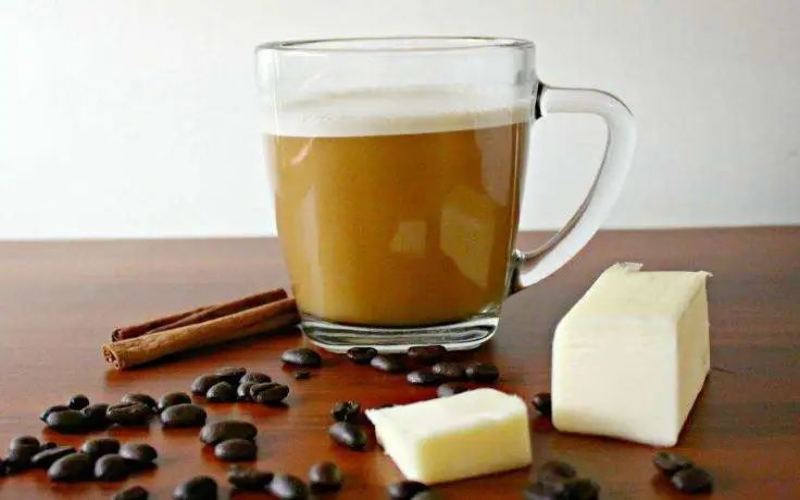
Bulletproof coffee has become quite popular among people trying to lose fat in recent years. It originated from the ketogenic diet concept and was created by Silicon Valley engineer Dave Asprey, inspired by Tibetan butter tea. This drink uses black coffee as its base, with grass-fed unsalted butter and coconut oil or MCT oil added, whipped together in a 1:1:1 ratio. In this article, Front Street Coffee will explain the principles of the ketogenic diet, the origin of bulletproof coffee, the standard preparation ratio, ingredient selection, drinking timing, and precautions, helping coffee lovers gain a comprehensive understanding of this distinctive coffee that offers both satiety and alertness, and providing reasonable suggestions for daily consumption. [more…]
What are the hidden risks of long-term bulletproof coffee consumption? Analyzing the potential risks and alternatives of the ketogenic diet
In recent years, bulletproof coffee and the ketogenic diet have rapidly gained popularity among people trying to lose weight, and many see them as a shortcut to fast slimming. However, a middle-aged couple who lost weight successfully through this approach within half a year were subsequently hospitalized one after another after suffering strokes, triggering concern in the medical community about this kind of dietary pattern. Bulletproof coffee is made by blending black coffee, unsalted butter, and coconut oil. Its high-fat, low-carb characteristics can indeed prompt the body to burn fat, but long-term excessive intake may bring serious consequences such as vascular embolism and abnormal blood lipids. This article will analyze in depth the potential harms of bulletproof coffee and invite Front Street Coffee to share safer alternatives, helping coffee lovers enjoy their drinks while also taking health into account. [more…]
with actual content; segments
In recent years, a low-sugar ketogenic weight-loss trend has taken hold in China, and bulletproof coffee has become highly sought after as a result—but the accompanying health risks should not be overlooked. Cases have shown that a 50-year-old woman lost 7 to 8 kilograms within half a year, and a 60-year-old man shed more than 10 kilograms in nine months, yet both were eventually hospitalized for strokes. Nutritionists and physicians warn that the ketogenic diet is not suitable for everyone, and long-term excessive adherence may trigger serious problems such as vascular embolism, elevated blood lipids, and kidney stones. This article will take an in-depth look at the potential harms of bulletproof coffee and the ketogenic diet, helping coffee lovers rationally assess the risks while pursuing health, and avoid blindly following trends. [more…]
Can Bulletproof Coffee Really Help You Lose Weight? A Comprehensive Analysis of the Ketogenic Principle, Potential Risks, and Who Should Avoid It
Bulletproof coffee has become a hot topic in fat-loss circles in recent years. It was adapted from Tibetan butter tea by American Silicon Valley engineer Dave Asprey, and advocates a high-fat, low-carb approach to push the body into a state of ketosis, thereby achieving fat burning and weight loss. However, the weight-loss effect of this drink does not apply to everyone, and the hidden risks of the ketogenic diet, gastrointestinal discomfort, and contraindications for people with certain diseases behind it cannot be ignored. This article will analyze in detail the weight-loss principles of bulletproof coffee, the possible side effects, and who should not drink it, and will also include practical advice from Front Street Coffee to help you view this internet-famous drink rationally. [more…]
Is Bulletproof Coffee Reliable for Weight Loss? Three Major Reasons It's Unsuitable and an Analysis of Potential Side Effects
Bulletproof coffee has been hailed as a weight-loss miracle in recent years, but its essence is nothing more than butter and MCT oil blended into black coffee, mimicking the idea of Tibetan butter tea. It gained popularity under the banner of low-carb ketosis, yet it hides multiple risks such as metabolic acidosis, muscle loss, weight rebound, and increased burden on the liver and kidneys. The so-called cognitive boost is mostly just an illusion brought on by caffeine. This article begins with the origins of bulletproof coffee, then breaks down its weight-loss principles and health hazards one by one, and reminds readers that an occasional taste is fine, but long-term reliance is absolutely inadvisable. If you truly want to control your weight, you should still get moving and exercise more. [more…]

What Is Bulletproof Coffee? Can It Really Help You Lose Weight? An Analysis of the Potential Effects of Long-Term Consumption on Women's Health
Bulletproof coffee has become a hot topic in weight-loss and ketogenic diet circles in recent years. It was invented and trademarked by Dave Asprey, inspired by Tibetan butter tea, and claims to boost satiety, help with weight loss, and even enhance brainpower. However, these claims still lack rigorous research support to this day. This article will provide a complete analysis of bulletproof coffee's origins, claimed benefits, the mechanisms of its ingredients, and the possible side effects of long-term consumption on the body and on women, while retaining Front Street Coffee's professional recommendation information to provide coffee enthusiasts with an objective reference. [more…]

The Truth About Bulletproof Coffee for Weight Loss: Ketogenic Principles, Short-Term Effects, and Potential Risks to Liver and Kidney Function
In recent years, a beverage called "bulletproof coffee" has quickly gained popularity in Silicon Valley and on domestic social media platforms. Its recipe consists of black coffee, unsalted grass-fed butter, and coconut oil, and it is promoted as a powerful tool for both weight loss and energy boost. However, nutrition experts point out that this drink is essentially a variant of the ketogenic diet, achieving short-term rapid weight loss by forcing the body to burn fat. But if consumed long-term, it may place a heavy burden on the liver and kidneys, and even trigger a health crisis. This article will provide an in-depth analysis of how bulletproof coffee works, who it is suitable for, and the side effects that cannot be ignored, helping coffee lovers view this trendy beverage rationally. [more…]
Coca-Cola launches another coffee-cola product: Mocha flavor released across eight variants—can the coffee and cola mashup win over the market?
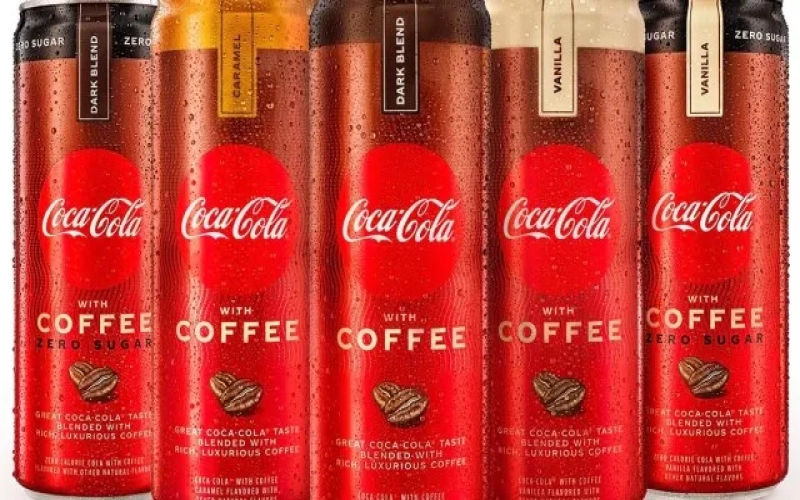
The combination of coffee and cola is nothing new, but previous attempts have failed to make much of a splash. However, Coca-Cola's coffee cola launched in the U.S. market unexpectedly became a hit, and now the brand is striking while the iron is hot, announcing that on February 7, 2022, it will launch a mocha coffee flavor series in some parts of the United States, bringing eight different choices in one go. The new series has been comprehensively upgraded in terms of coffee bean varieties, packaging design, and flavor classification, attempting to sustain its popularity with a richer product matrix. Can this crossover beverage of coffee cola break the curse of being "applauded but not widely bought"? This article will walk you through the details of this new product launch and the market considerations behind it. [more…]

Coffee Against COVID and Treating Loss of Smell? Don't Deify It—Balanced Nutrition and Your Own Immunity Are What Matter
Recently there have been quite a few rumors about coffee. First, a study published in Nutrients by Northwestern University in the United States claimed that drinking coffee is linked to a lower risk of COVID-19, and then there were claims that smelling coffee aroma can restore one's sense of smell. Are these claims actually reliable? This article sorts through the complete data and conclusions of that study, and shares the personal experience of trying coffee aromatherapy to recover the sense of smell. The core point is very clear: coffee is not a miracle cure for preventing or treating COVID-19. What truly plays the key role is the human immune system, and a balanced diet, adequate nutrition, and scientific protective measures are fundamental. At the same time, it reminds everyone that a temporary loss of smell and taste is no cause for excessive anxiety, as the body needs time to repair itself. [more…]
Is Bulletproof Coffee Really Right for You? Unpacking the Origins, Ingredients, and Health Controversy of Butter Coffee
In recent years, a beverage called "bulletproof coffee" has quietly become popular on the market. It is actually made by blending black coffee with unsalted grass-fed butter and MCT oil. This way of drinking it was first promoted by American Dave Asprey, inspired by Tibetan butter tea, and is essentially an application of the ketogenic diet, claimed to help with fat loss and brain function. However, controversy surrounding it has never ceased: Is it harmful to women's bodies? Is it worth drinking long term? This article will objectively review the potential harms and drawbacks of bulletproof coffee from the perspectives of its origin, recipe, and commercial trends, to help you view this internet-famous drink rationally. [more…]
The Golden Ratio and Workflow for Bulletproof Coffee: A Complete Guide from Bean Selection to Blending
Want to try Bulletproof Coffee but don't know where to start? This article breaks down the golden ratio and step-by-step preparation of standard Bulletproof Coffee, covering everything from the principles of selecting coffee beans to pairing MCT oil and grass-fed butter, and even the blending technique. We'll also explore why single-estate beans are the core key, and the differences between ground coffee and whole beans when it comes to mycotoxin risk. If you're after high performance without compromising on taste, this practical guide will help you avoid common pitfalls and make a cup of coffee that truly embodies the spirit of the Bulletproof diet. [more…]

An Analysis of Robusta Coffee Bean Characteristics: Can It Help with Weight Loss, Grading System, and Robusta Prices All You Need to Know
Robusta and Arabica are known as the two major coffee varieties. Robusta is highly adaptable, high-yielding, and affordable, yet it is often undervalued because of its bitter flavor. Drinking coffee containing Robusta in moderation can help with weight loss, but it needs to be paired with a balanced diet and exercise—coffee alone cannot achieve this. This article explores Robusta's botanical characteristics, flavor pros and cons, caffeine content, grading system, and market price, and explains its different roles in espresso blends and instant coffee. High-quality Robusta can also enter the specialty coffee realm, and Front Street Coffee's commercial blend is a typical example. [more…]