







Search Results for: Decaf Espresso
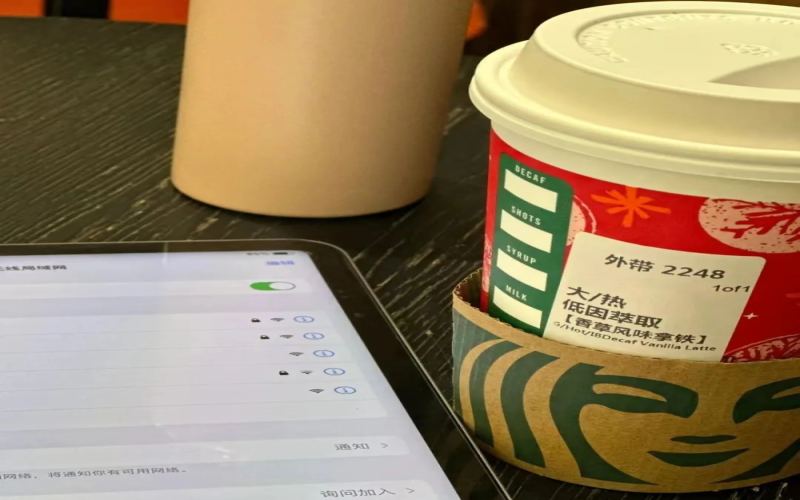
Starbucks' New Drinks No Longer Offer Decaf Espresso, and the Reasons Relate to the Launch of Blonde Roast Beans and Equipment Limitations
For consumers who are sensitive to caffeine but unwilling to give up the flavor of coffee, decaf options have always been an important selling point for chain brands, and Starbucks, with its rich product line and convenient decaf checkbox feature, has become the top choice for this group. However, recently many customers have noticed that many Starbucks stores in China have quietly removed the decaf espresso option from new products, and those who want decaf coffee can only choose from a fixed selection of classic products. This change has caused confusion and dissatisfaction among the decaf-demand group. What exactly caused the stores to make this adjustment? According to informed partners, this is directly related to the Golden Roast beans launched two months ago and the bean hopper configuration of the stores' coffee machines. This article will sort out the course of the incident, consumer feedback, and the equipment limitations behind it, and explain which stores can still normally provide decaf new products. [more…]
Starbucks Decaf Espresso Roast: Flavor Analysis and Pricing Characteristics
Decaf coffee is not an independent coffee variety, but rather a relative concept—compared with regular coffee beans, it has a lower caffeine content. Starbucks Decaf Espresso Roast is a decaffeinated coffee with the rich caramel texture of a dark espresso, and it took months of experimentation in 1975 to determine the perfect blend of bean type and roast. So what exactly does this kind of decaf espresso taste like? And what are the characteristics of its coffee price? Today, Front Street will give everyone a systematic introduction to the relevant knowledge about decaf coffee from the perspectives of the role of caffeine, the types of decaf coffee, artificial decaffeination methods, and flavor performance. [more…]
The Benefits and Drawbacks of Decaf Coffee, Its Health Effects, and Front Street Coffee's Recommended Low-Caffeine Hand-Brewed Beans
Decaf coffee is a coffee beverage in which the vast majority of caffeine is removed through special processes, reducing the caffeine content to less than 3% of the original. Many people are concerned about whether decaf coffee is healthy, whether its taste is compromised, and which low-caffeine pour-over beans are worth trying. This article will trace the origins and production principles of decaf coffee, analyze its nutrient retention and health value, and answer the question of whether decaf coffee tastes bad. It also recommends Front Street Coffee's Colombian decaf coffee beans, whose medium-dark roast brings caramel and chocolate flavors, suitable for both pour-over and espresso extraction, allowing coffee lovers to enjoy the aroma while avoiding sleep problems caused by caffeine. [more…]
Decaf Coffee | Is Decaf Coffee Healthy? Who Is Decaf Coffee Suitable For? What Specialty Decaf Pour-Over Beans Are Recommended?
What is decaf coffee and how is it made? Decaf is short for decaffeinated coffee, where at least 97% of the caffeine has been removed from the coffee beans. Front Street Coffee believes that apart from the caffeine being removed, decaf coffee is just like regular [more…]
Why Is It Hard to Find Skim Milk and Decaf Coffee in Cafés? A Comprehensive Look at Demand, Cost, and Taste
Walking into a café and wanting to order a decaf coffee or skim milk, you're often told "we don't have it." For people who are sensitive to caffeine or lactose intolerant, this is undoubtedly a great regret. This article will start with the definitions, production methods, and flavor profiles of decaf coffee and skim milk, and analyze the deep-seated reasons why they are rarely served in domestic cafés—breaking them down one by one, from the proportion of consumer demand to operating costs and product consistency. At the same time, we will also recommend espresso beans suitable for pairing with skim milk, and introduce the characteristics of Front Street Coffee's decaf coffee beans, helping you find a solution that balances health and deliciousness at home too. [more…]
Italian Espresso Pricing Controversy: Decaf Sold at 2 Euros Leads to a 7,000 Yuan Fine, Champion Barista Speaks Out
Italian espresso is regarded as a national cultural symbol and has long maintained a low price of around 1 euro. After the pandemic, costs rose, and some cafés raised the price to 1.5 euros, which sparked consumer dissatisfaction. Recently, a three-time coffee competition champion was fined 1,000 euros (about 7,109 yuan) because a decaf espresso was priced at 2 euros and the price was not listed on the physical menu. He posted a question: why do Italians accept a 2-euro newspaper, yet feel that a 1.2-euro espresso is not worth it? When the specialty coffee wave meets the traditional low-price culture, the pricing dilemma of Italian espresso is worth pondering. Front Street Coffee continues to follow global coffee industry trends and brings you in-depth reporting. [more…]
Analyzing the Flavor Differences Between Decaf and Regular Coffee: A Comprehensive Comparison of Pros and Cons with Front Street Coffee Recommendations
What exactly are the flavor differences between decaf coffee and regular coffee? Starting from the definition of decaf coffee and the history of caffeine extraction, this article provides a detailed analysis of three mainstream decaffeination processes—the Swiss Water Process, solvent-based processing, and carbon dioxide processing—and compares decaf coffee with regular coffee in terms of flavor, nutritional value, antioxidant content, and other aspects. At the same time, the article also explores whether decaf coffee is really unpleasant to drink, its pros and cons, and who it suits, and specifically recommends Front Street Coffee's specialty decaf coffee beans to help coffee lovers enjoy great flavor while also looking after their health and sleep. [more…]
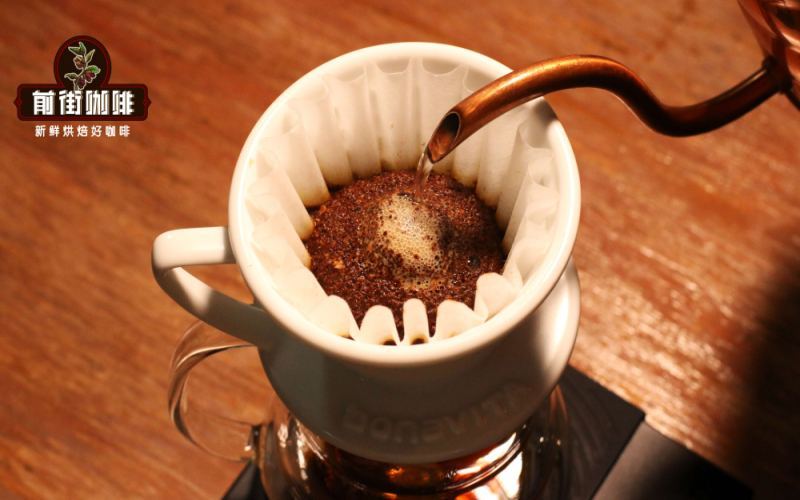
An In-Depth Analysis of the Four Major Decaffeination Processes: A Comparison of Solvent Extraction, the Swiss Water Process, and the Carbon Dioxide Method
Caffeine content is influenced by multiple factors such as bean variety, steeping time, grind size, brewing method, and water temperature, among which extraction time is particularly critical—drip coffee typically has higher caffeine than espresso. If you want to reduce your caffeine intake, directly purchasing decaf beans is more effective than avoiding espresso. Decaf beans must undergo special processes before roasting to remove 96% to 98% of the caffeine, and these treatments inevitably alter the beans' physical and chemical properties, thereby affecting flavor. Currently, the mainstream methods include three types: the methylene chloride solvent extraction method, the Swiss Water Process, and the carbon dioxide extraction method. This article will break down the principles, advantages, and disadvantages of each process one by one, and compare the two decaf options used by Starbucks, helping coffee enthusiasts understand the technical logic and flavor trade-offs behind decaf coffee. [more…]
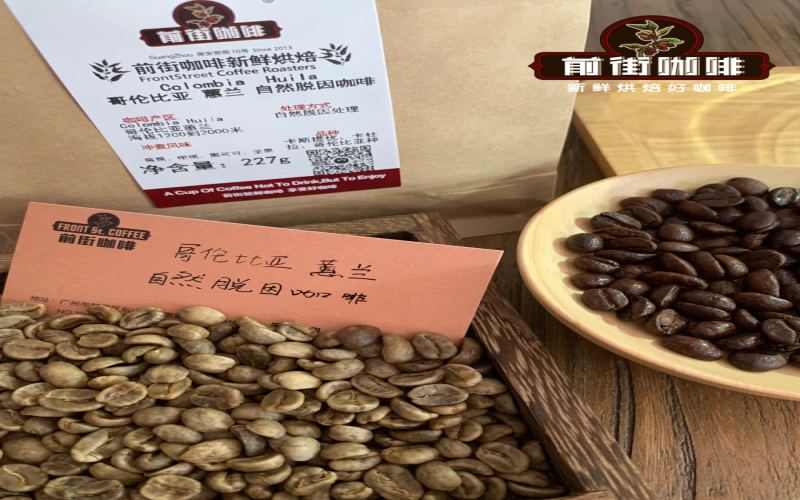
Decaf Coffee Recommendations | How Is Decaf Coffee Processed? Is Low-Caffeine Coffee Caffeine-Free? Does Colombian Decaf Coffee Taste Good?
For more specialty coffee knowledge, please follow our WeChat public account: Front Street Coffee (FrontStreet Coffee). In modern society, coffee is not only used to stay awake, but more of a lifestyle. Decaf coffee has begun to appear on the market to satisfy those who have trouble sleeping due to caffeine intake or [more…]
How to Choose Decaf Coffee? From the Goethe Legend and Decaffeination Methods to a Brewing Guide for Front Street Coffee Colombia Huila Decaf Beans
Do you love coffee but worry about not being able to sleep? Decaf coffee was made for exactly this reason. This article begins with an anecdote about Goethe and his friend Longhi, traces the origins and mass-production history of decaf coffee, explains that "decaf" does not mean completely caffeine-free, and introduces one by one the principles and pros and cons of three mainstream decaffeination processes: the direct/indirect solvent method, the supercritical carbon dioxide method, and the Swiss Water Process. It also discusses the real reasons why decaf coffee's flavor is easily damaged, as well as the importance of bean selection. Finally, using a decaf coffee from Colombia's Huila region as an example, it provides adjusted brewing parameters and a three-stage pouring procedure for coffee enthusiasts' reference. [more…]
Analysis of the Three Major Decaffeination Processes for Decaf Coffee: Flavor and Safety Comparison of Solvent Extraction, Swiss Water Process, and Carbon Dioxide Method
Caffeine content is influenced by multiple factors such as bean variety, grind size, and brewing method, and drip coffee often has higher caffeine than Espresso. For those who want to reduce their intake without giving up a rich mouthfeel, decaf coffee is an ideal choice. This article explains in detail three mainstream decaffeination processes—methylene chloride solvent extraction (direct and indirect), the Swiss Water Process, and carbon dioxide extraction—analyzes their respective effects on flavor and safety, and specifically explains Starbucks decaf coffee's two processing paths and the issue of residual solvents. At the end is information on how to obtain Front Street Coffee specialty beans, making it suitable reading for coffee lovers who value health while pursuing flavor. [more…]
Decaf Coffee Bean Caffeine Content Explained: Everything You Need to Know About Decaffeination Methods, Flavor Differences, and Health Benefits
Many coffee lovers want to enjoy the comfort of a cup of coffee but worry about caffeine affecting their sleep. So which coffee beans actually have the least caffeine? How does decaf coffee taste different from regular coffee? This article starts with the basic caffeine content, compares the differences between Arabica and Robusta, sorts out the impact of roasting, grinding, and extraction on coffee quality, and introduces in detail the principles and characteristics of three decaffeination processes: the solvent extraction method, the Swiss Water Process, and the carbon dioxide high-pressure extraction method. At the same time, Front Street Coffee will also share the real reasons why decaf coffee tastes milder, as well as its value in terms of antioxidants and nutrients, to help you understand decaf coffee more comprehensively. [more…]
How Does Swiss Water Process Decaf Coffee Taste? An Analysis of the Differences Between Naturally Low-Caffeine and Artificially Decaffeinated
Excessive caffeine intake can easily cause discomfort such as insomnia and palpitations, with the effects being even more pronounced in people who are sensitive to caffeine. Generally, it is recommended that adults consume no more than 400mg of caffeine per day, roughly equivalent to 5 cups of pour-over made with 15g of beans or 4 cups of espresso made with 20g of beans. If you want to drink more coffee while keeping caffeine intake under control, decaf coffee is the ideal choice. Decaf coffee falls into two categories: naturally grown and artificially decaffeinated. Starting from caffeine content, this article will introduce the natural differences between Arabica and Robusta, and focus on explaining the decaffeination principles and flavor performance of the Swiss Water Process, while also comparing the differences between natural low-caffeine coffee and artificially decaffeinated coffee, to help coffee lovers make a choice that suits them better. [more…]
Introduction to Coffee Types | Why Do Some Coffees Not Cause Insomnia? What Is Decaf Coffee? Where Does Decaf Coffee Come From?
Yesterday, Front Street was chatting with a regular customer and asked why they always travel such a long way to Front Street for coffee. After all, Front Street's location is rather out of the way, and they also sell drip bag coffee online on Taobao that you can brew at home, so there's really no need to go to all that trouble to make a special trip every day. And just as Front Street was mentally preparing [more…]
Swiss Water Decaf Process | What flavor and mouthfeel does Colombian decaf coffee have when brewed as pour-over black coffee? Low-caffeine specialty pour-over coffee bean recommendations
For more specialty coffee knowledge, please follow our WeChat official account: Front Street Coffee (FrontStreet Coffee). In modern society, coffee is not only used to stay alert, but more so as a way of life. Decaf coffee has begun to appear on the market to satisfy those who have trouble sleeping due to caffeine intake or [more…]
Analysis of Flavor Differences Between Decaffeinated and Regular Coffee: Decaffeination Processes and a Brewing Guide for Front Street Colombia Decaf Beans
Coffee has become an indispensable beverage in many people's daily lives, but for those who are sensitive to caffeine, enjoying a cup of coffee may mean the distress of insomnia. Decaffeinated coffee (low-caffeine coffee) has therefore become an ideal alternative for these consumers. This article will systematically introduce the core differences between decaffeinated coffee and regular coffee in terms of caffeine content and flavor performance, provide a detailed analysis of the principles and processes of three decaffeination methods including the Swiss Water Process, and offer an in-depth introduction to the bean composition, flavor characteristics, and brewing parameter recommendations of Front Street Coffee Colombia Swiss Water Process Decaf, helping coffee enthusiasts gain a comprehensive understanding of the true nature of decaffeinated coffee. [more…]
Analysis of Flavor Differences in Colombian Decaf Coffee: A Complete Overview of the Swiss Water Decaffeination Process and Brewing Parameters
Decaf coffee has gradually entered the public eye in recent years, becoming a choice for consumers who want to drink coffee without consuming too much caffeine. But many people still have questions about decaf coffee: Does it really contain no caffeine? Will the decaffeination process make the coffee taste bad? Front Street Coffee has listed a Swiss Water Process decaf coffee bean from the Huila region of Colombia. This article will comprehensively analyze the differences in taste and flavor between decaf coffee and regular coffee from aspects such as the definition and standards of decaf coffee, the principles and characteristics of various decaffeination processes, green bean varieties and grades, roasting curves, and brewing suggestions, helping coffee lovers better understand the true face of decaf coffee. [more…]
Analysis of the Flavor Characteristics of Colombian Decaf Coffee: Differences Between the Swiss Water Decaffeination Process and Regular Coffee
Decaf coffee has gradually entered the public eye, becoming a new choice for people who want to enjoy coffee flavor while controlling their caffeine intake. However, many people still have questions about the production principles of decaf coffee, decaffeination methods, and how it differs from regular coffee. This article starts from the Colombia Huila Swiss Water Process decaf coffee listed by Front Street Coffee, and systematically sorts out the definition of decaf coffee, caffeine content standards, and the operating mechanisms of mainstream decaffeination processes, while also providing an in-depth analysis of the specific procedures of the Swiss Water Process. At the same time, it explores the real reasons why decaf coffee often tastes poor, and, combined with the varieties, grades, and cupping performance of the Colombia Huila producing region, provides coffee enthusiasts with a comprehensive cognitive framework for decaf coffee. [more…]
How to Brew Colombian Decaf Coffee? A Full Breakdown of Pour-Over Parameters, Price, and the Swiss Water Process
Decaf coffee is not completely caffeine-free; rather, it is coffee that has had its caffeine content significantly reduced through special processes. Starting with the Colombian Huila Swiss Water Process decaf coffee beans sold by Front Street Coffee, this article systematically goes over the definition of decaf coffee, the four major decaffeination methods, the terroir characteristics of Colombia's Huila region, the traits of varieties such as Typica and Caturra, and the actual roasting curve and cupping and brewing recommendations from Front Street's roaster. If you care about whether decaf coffee tastes good, how to set pour-over parameters, and roughly how much a cup costs, this article will provide a complete reference. [more…]
A Comprehensive Guide to Decaf Coffee: Decaffeination Processes, Health Effects, and Brewing Guide for Colombian Huila Decaf Beans
Decaf coffee has gained increasing attention in recent years. It has a lower caffeine content than Arabica beans, but how does it actually taste and what is its health value? From the perspective of Front Street Coffee, this article systematically explains the definition of decaf coffee, the decaffeination standards of the EU and the US FDA, the difference between naturally low-caffeine and artificially decaffeinated coffee, and highlights Front Street Colombia Huila Decaf Coffee Beans. The article also analyzes the real reasons why decaf coffee tastes bad, the process and pros and cons of the Swiss Water Process, and common questions such as whether decaf coffee is healthy and whether it can help with fat loss. Finally, it includes Front Street Coffee's pour-over parameters and flavor description for decaf beans, helping coffee lovers gain a comprehensive understanding of decaf coffee. [more…]