







Search Results for: Continuous
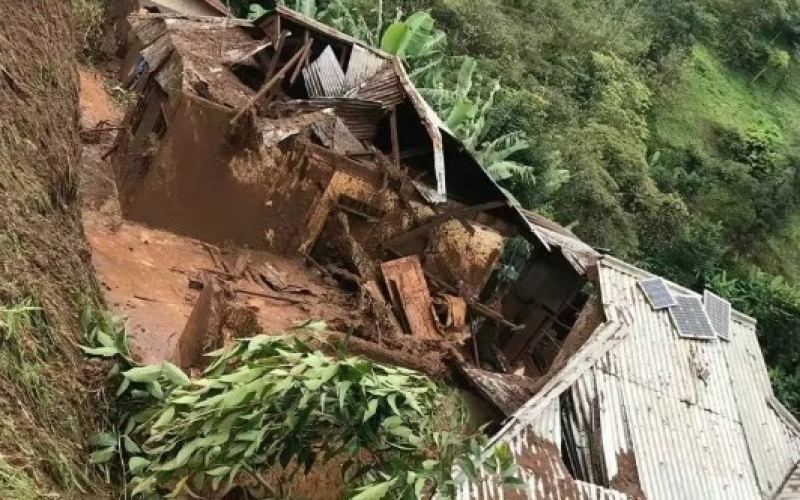
Continuous heavy rain in East Africa! Tanzanian coffee producing areas are affected.
Tanzania is located in the eastern part of Africa and has rich natural resources and a unique coffee culture. However, recently, the country of Tanzania has suffered from heavy rainfall and floods, causing casualties and large-scale damage. Local tim [more…]

Siphon Coffee | What Is the Siphon Principle? How Do the Flavors and Mouthfeel of Siphon Coffee Made with the Immersion Method and the Stirring Method Differ?
First, let's briefly talk about the origin of the siphon pot. The siphon pot originated in Europe, more than 70 years earlier than pour-over. Between 1830 and 1840, Loeff in Berlin, Germany, was the first to invent and patent the siphon extraction method using a glass double-chamber pot with upper and lower vessels. Later, through France, the United Kingdom, and Ger [more…]
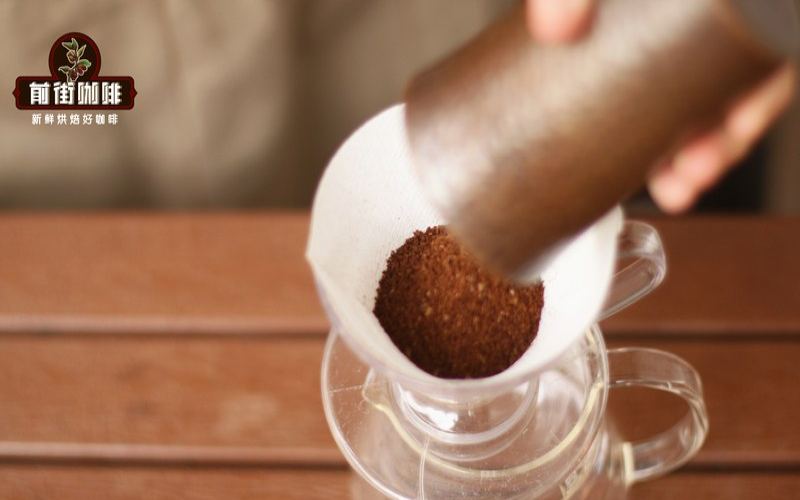
From Degassing to Opening and Consumption: A Flavor-Window Rhythm Guide for Italian-Style Dark and Medium-Dark Roasts
After coffee beans are roasted, they continuously release a large amount of carbon dioxide internally. Due to differences in the degree of heat exposure, dark roasts and medium-dark roasts naturally differ in their internal pore structure and degassing rate. This physiological change directly determines the crema condition during espresso extraction, and also defines the time window during which flavor development reaches a balanced state. [more…]
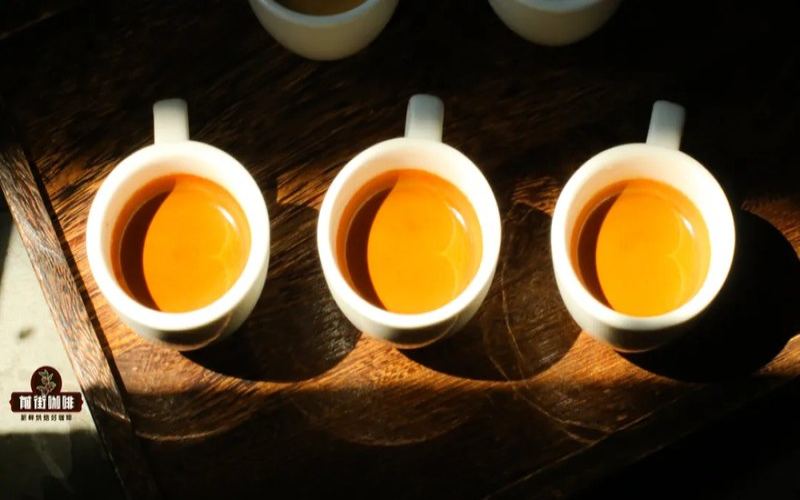
From Medium-Dark to Dark Roast: Choosing Dark Roast Beans for Pour-Over Like This
Pour-over is not only for bright, light-roasted beans. Once the roast level reaches medium-dark or dark, coffee reveals notes of cocoa, nuts, caramel, and roasted aromas, with a heavier mouthfeel and softer acidity. As long as you choose according to the intensity you want, dark-roasted pour-over can also deliver clear sweetness and a smooth texture. Pick [more…]
From Medium-Dark to Heavy Roast: How to Choose Beans for Pour-Over Dark Roast
Pour-over is not only for bright, light-roasted beans. Once the roast level reaches medium-dark or dark, coffee reveals cocoa, nut, caramel, and roasted aromas, with more weight on the palate and acidity that trends softer. As long as you choose according to the intensity you want, dark-roast pour-over can also deliver clear sweetness and a smooth texture. Pick [more…]
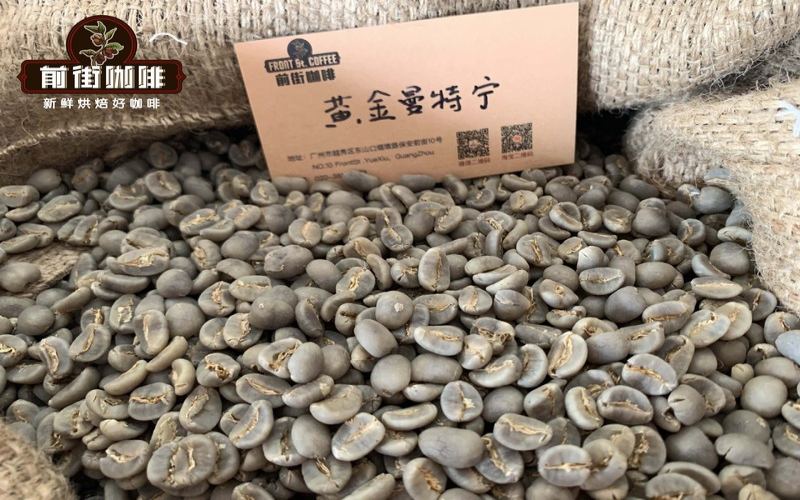
Moka Pot Medium-Dark Roast Beans: Timing Every Cup from Roast Date
Making medium-dark roast coffee beans with a moka pot is fascinating because the cocoa, caramel, and roasted aromas are concentrated, but these aromas do not settle into their proper place immediately after roasting is completed. When degassing is still vigorous, the flow may seem hurried and the aroma slightly dispersed; if left to rest too long, the fragrance in the nasal passages gradually narrows. Therefore, when selecting beans, besides [more…]
Specialty Coffee Variety Geisha | Is Panama the birthplace of Geisha coffee beans? What are the characteristics of Geisha? Light roast premium hand-brewed single-origin beans
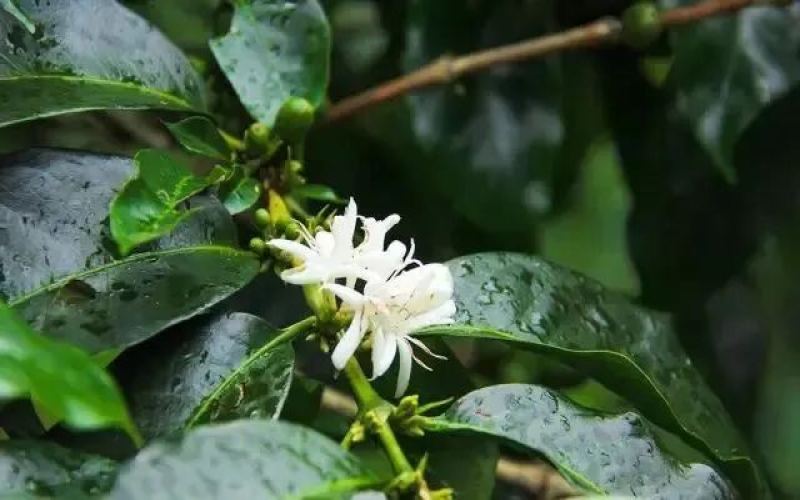
Geisha refers to a coffee variety that originated in Ethiopia, the birthplace of coffee. After continuous selection, it made its way to Central and South America, rose to fame in Panama in 2004, and became hugely popular in the consumer market due to its signature flavor. Geisha green beans are slender in shape, and the roasted beans have strong fruity aroma characteristics, accompanied by [more…]
SOE: From roast date to after opening, which cup has more aroma?
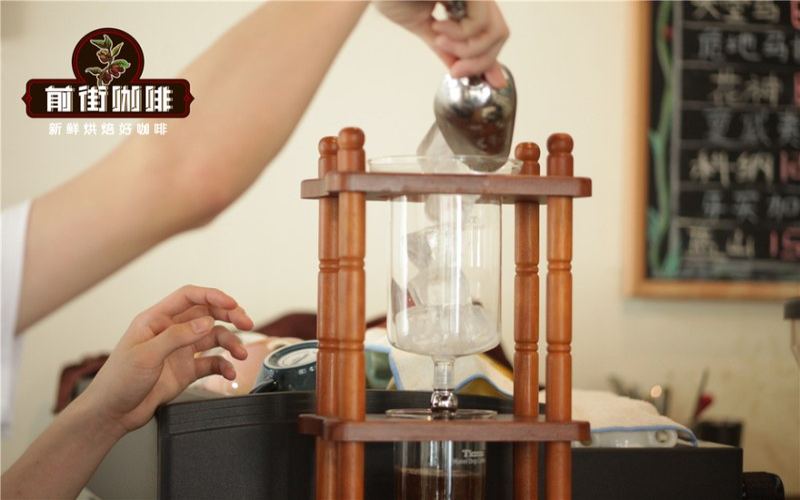
From the day roasting finishes, the aroma of coffee beans enters a track of continuous change. When SOE is pulled directly as espresso, if the gas inside the beans is still vigorous, the puck tends to extract unevenly, and the acidity in the cup is lively but somewhat scattered; as the beans gradually relax, sweetness, aroma, and texture come together more easily. Therefore, deciding whether to pull it as espresso, [more…]
The Flavor Window and Drinking Rhythm of Yirgacheffe SOE
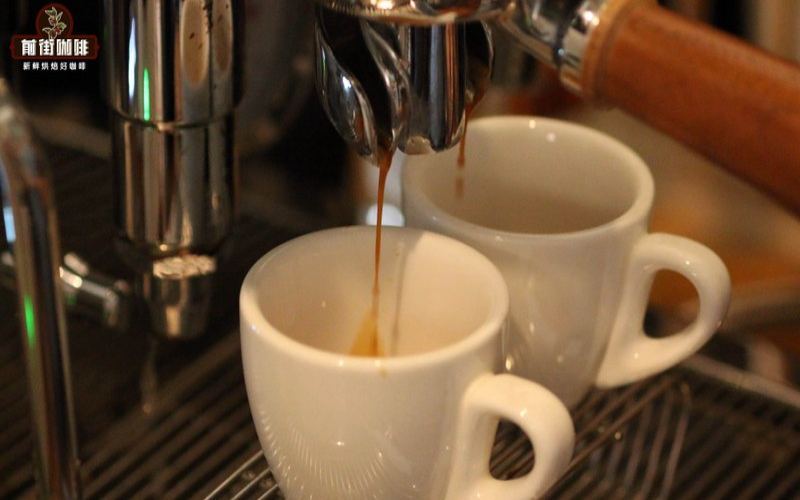
Yirgacheffe SOE is often expected to have a bright aroma, but a bag of beans will undergo continuous changes in flavor from the moment it is roasted to the moment it is tasted. Freshly roasted coffee contains more carbon dioxide, and the aroma is easily held up by the gas; during extraction, there may also be sharp acidity, channeling, or excessive foam. Keep track of the purchase date, resting time, and how quickly the bag is opened. [more…]
Understanding the flavor window and degassing patterns to make every cup from your home espresso machine full of aroma
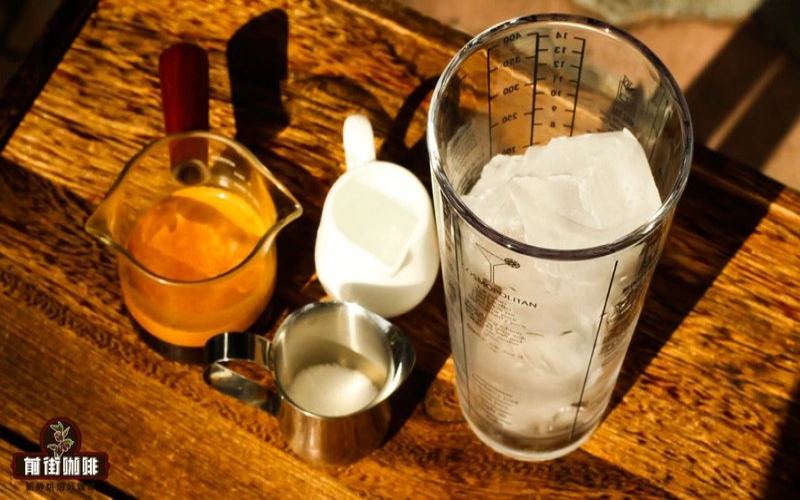
Freshly roasted coffee beans are rich in carbon dioxide, and these gases are slowly released over time. Beans just out of the roaster are often in a phase of vigorous degassing, with a relatively high level of internal gas. If they are placed directly into a coffee machine for extraction at this point, the intense bubbling reaction can easily prevent the hot water from making full contact with the coffee grounds. As [more…]
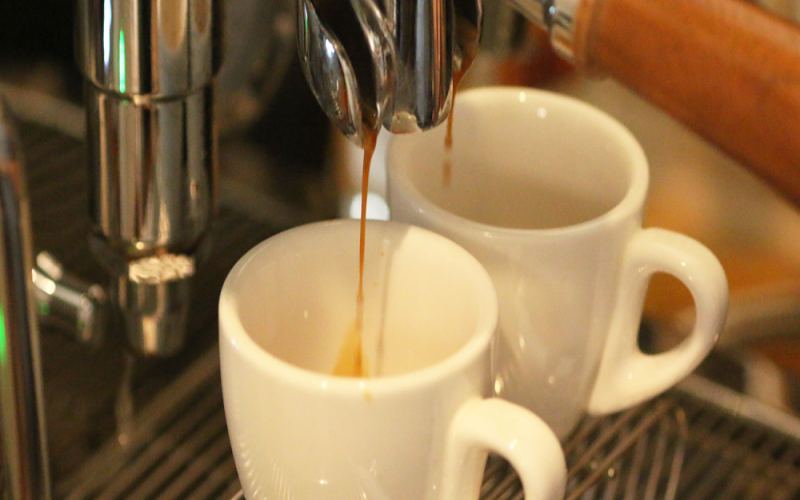
Coffee Brewing Ratio | What flavor characteristics does SOE Americano have? How to brew a delicious SOE single-origin espresso? What water temperature and grind setting are suitable for making SOE coffee?
For more specialty coffee knowledge, please follow: Front Street Coffee (Frontsteet Coffee). The coffee industry is constantly evolving—whether in terms of brewing methods or coffee varieties—and only through continuous innovation and progress can it keep refreshing its presence and avoid [more…]
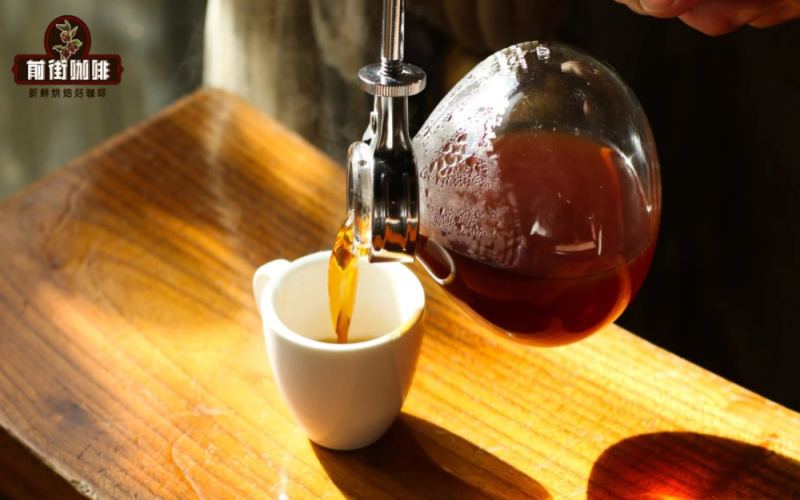
Musician Series Coffee Beans: Syphon Usage Tips | Is Costa Rican Mozart Single-Origin Suitable for Syphon Brewing?
When we correctly use a siphon to brew a pot of coffee, the coffee's aroma is fuller and its mouthfeel is richer. The reason is that the siphon filters the coffee grounds with a cloth filter, and the pores of the cloth filter are relatively large, so it cannot filter out some fine coffee particles. As a result, coffee brewed with a siphon has a pleasant texture in the mouth. And let [more…]
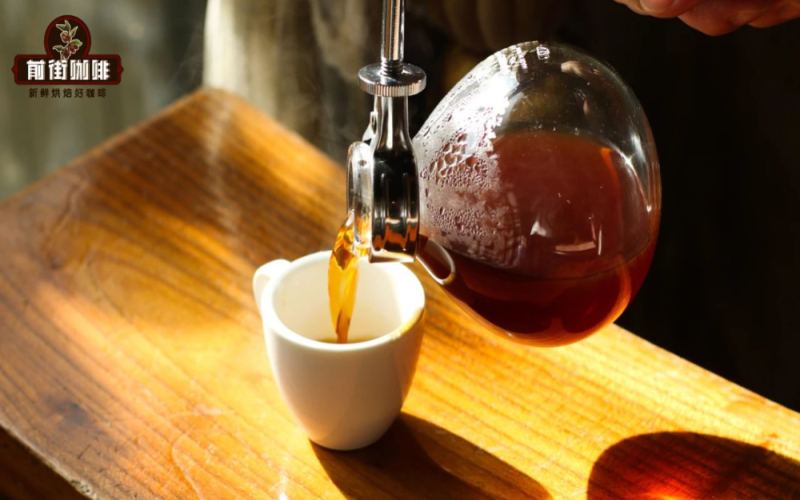
Siphon Coffee Bean Recommendations | What Is the Siphon Extraction Principle? Is the Costa Rica Musician Series Mozart Single-Origin Bean Good for Siphon Coffee?
When we correctly use a siphon to brew a pot of coffee, the coffee's aroma is fuller and its mouthfeel is thicker, because the siphon filters the coffee grounds with a cloth filter, and the gaps in the cloth are relatively large and cannot filter out some fine coffee particles, so coffee brewed with a siphon has a pleasant mouthfeel. And let [more…]

Types of Black Coffee | What is Japanese-style Coffee? What Are the Japanese Coffee Brewing Methods? What Are the Differences Between Japanese-style and Italian-style Coffee?
Coffee is a beloved beverage all over the world and the most popular drink globally. When it comes to dedication to coffee, Japan undoubtedly stands out, because Japan's coffee culture has a very long history, and Japanese coffee craftsmen are also highly dedicated. As another mainstream representative, [more…]

Ethiopian Coffee Exports Set New Record, Five-Year Plan Aims for $6 Billion Target
Recently, Ethiopia announced that its coffee export revenue for the 2025/26 fiscal year exceeded US$3 billion for the first time, reaching a historic high. Ethiopian Minister of Agriculture Adisu Arega stated that coffee export revenue for this fiscal year grew by 13% compared with the previous fiscal year, and the coffee industry continues to remain the country's largest agricultural [more…]

Rume Sudan, an ancient and delicious coffee variety.
In the World Barista Championship (WBC) in 2015, the competitor from Australia, Sasa Sestic, won the championship of that year with a Sudan Rume coffee that carried a gentle flower fragrance, the sweet and fresh juice, and the lemon grass aroma, succ [more…]

Drip Coffee Beans Recommendations | What Is Drip Coffee? How Does Drip-Style Black Coffee Differ from Espresso?
There are many types of coffee, such as Americano, espresso, and pour-over. There is also a term called drip filtration—what kind of coffee is that? In fact, the most common drip-filtered coffee is pour-over coffee, and pour-over coffee is a type of drip-filtered coffee. In reality, the drip filtration method is quite common in offices and homes because it is usually relatively simple. [more…]
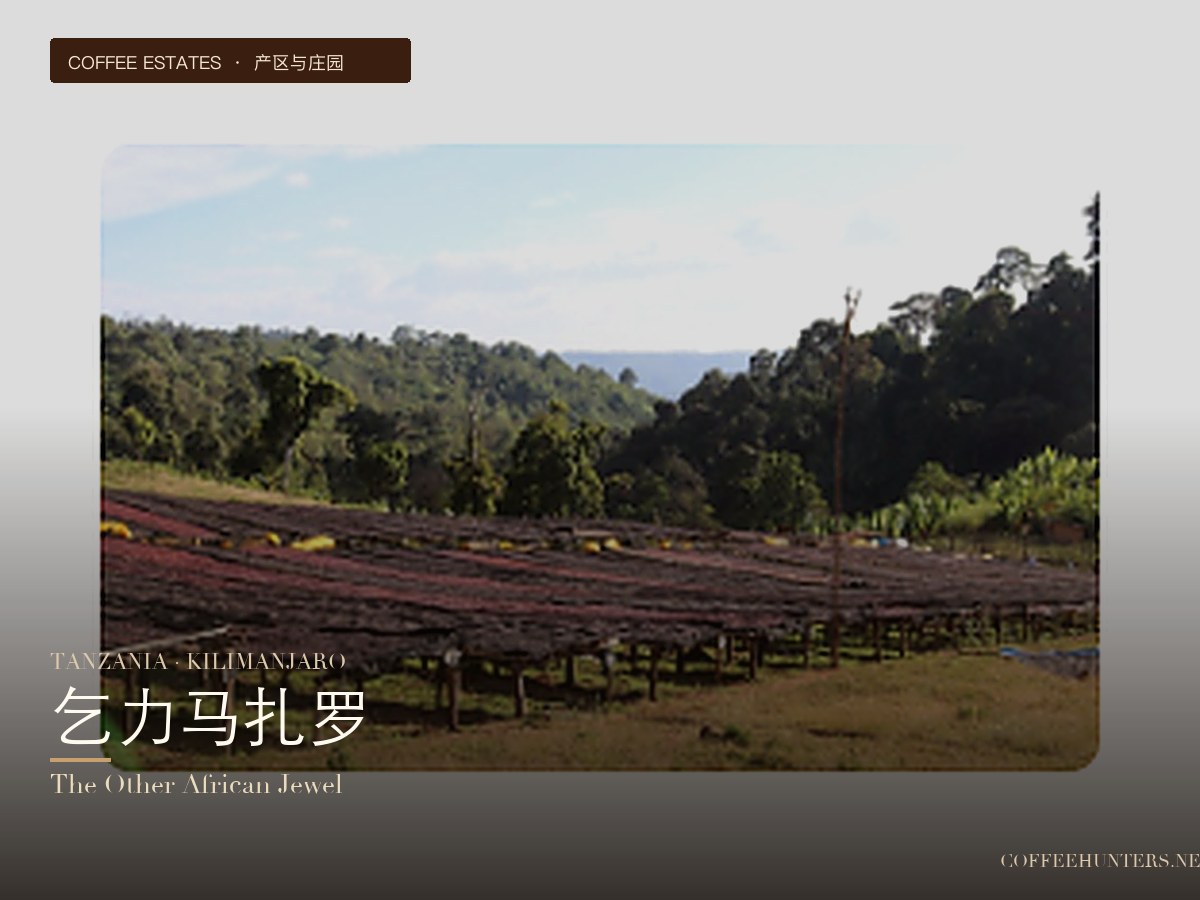
Tanzania: Kilimanjaro and Mount Meru — Another Gem of Africa
Tanzania is another important specialty coffee producer in Africa, with Mount Kilimanjaro and Mount Meru as its core producing regions. This article takes you through the history, geography, and flavor of Tanzanian coffee. [more…]
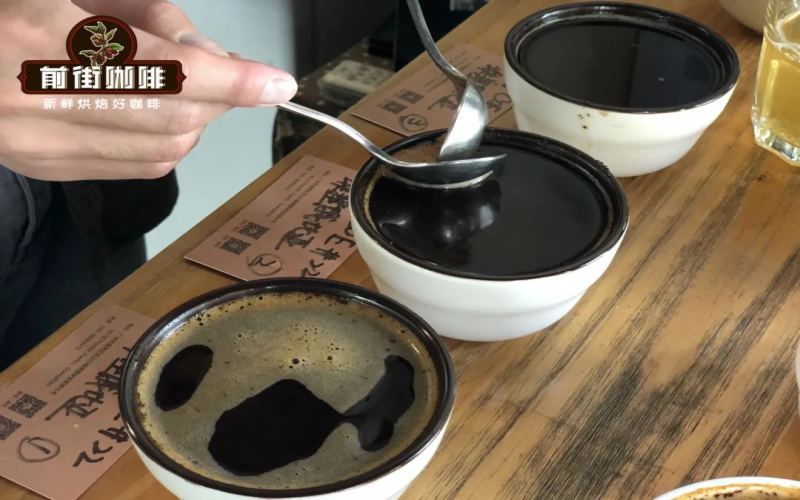
Cupping Slurp
Cupping is one of the core tasks of coffee industry professionals, and it is a way to help people evaluate coffee flavors and characteristics in a relatively fair and systematic manner. Cupping takes place throughout the entire coffee supply chain, not only at the consumer end in coffee shops, but also at the production end, including mid- and upstream roasteries and places of origin. So how do you perform a cupping? [more…]
A Complete Guide to Arabica Coffee: From Botanical Classification to Variety Characteristics and Origin Distribution
What exactly does a coffee tree look like? What is the essential difference between Arabica and Robusta? Starting from botanical classification, this article systematically sorts out the complete classification system of the genus Coffea and explains in detail the origins, growing conditions, flavor characteristics, and main subspecies of the two major commercial varieties, Arabica and Robusta. You will learn about the anatomical structure of the coffee cherry, the spread paths of classic subspecies such as Typica and Bourbon, and the genetic connections between Yunnan small-bean coffee and Blue Mountain and Kona. Whether you are a beginner enthusiast or a seasoned professional, this basic knowledge about coffee varieties is worth reading. Front Street Coffee will also recommend variety information worth paying attention to in this article. [more…]