







Search Results for: Common
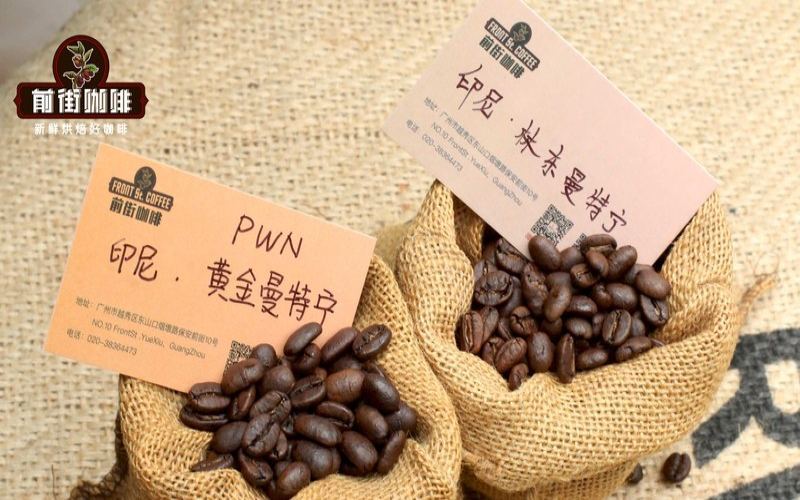
Common pour-over coffee beans: balancing budget and drinking frequency
Common pour-over coffee beans aren't something you can master just by memorizing a few names. For everyday bean buying, you need to consider how fast you'll drink them, how much to buy at once, and whether you'll mainly make black coffee or milk coffee at home. What's truly worth referencing is the sweet-and-sour balance on the palate, the body's thickness or thinness, and the aftertaste once it cools—then, combined with your brewing habits, your range of choices will [more…]
A Complete Analysis of the Geisha Coffee Variety: The Comeback Journey from Ethiopia to Panama and an Overview of Common Cultivated Varieties
Geisha, a coffee variety whose name sounds like the Japanese word for "entertainer," set out from the Geisha Mountains of southwestern Ethiopia, passed through Kenya, Tanzania, and Costa Rica, and finally made a spectacular debut in Panama. Over more than seventy years, it completed a comeback from obscurity to competition champion, winning first prize in the Panama Boquete Best of Panama cupping competition for three consecutive years from 2005 to 2007, and in 2007 it set a record for competition coffee value at $130 per pound. This article will comprehensively trace Geisha's legendary journey and systematically review common coffee cultivars—Typica, Bourbon, Caturra, Catuai, Pacamara, and others—to introduce you to the rich landscape of Arabica's genetic treasure trove. Front Street Coffee will also recommend Geisha products worth paying attention to in this article. [more…]

Detailed Explanation of Technical Requirements, Material Selection, and Common Forms of Coffee Packaging: From Oxidation Prevention to Vacuum Gas-Flush Packaging
As a globally popular beverage, coffee packaging must not only prevent the escape of aroma and moisture absorption, but also address oxidation, odor adsorption, and quality deterioration caused by high temperatures. This article focuses on the packaging needs of regular coffee and instant coffee, systematically outlining key technical requirements such as oxidation prevention, moisture resistance, gas barrier properties, and high-temperature protection, and introduces current mainstream vacuum packaging and gas-flushing packaging processes. In terms of material selection, bags, bag-in-box, metal cans, and glass jars each have corresponding composite structure solutions, while instant coffee mostly uses paper/aluminum foil/polyethylene flexible packaging. The article concludes with a summary of common packaging forms such as bags, cans, and boxes, suitable for reference by coffee enthusiasts and industry professionals. [more…]
From Water Temperature to Coffee-to-Water Ratio: Key Practical Points and Common Misconceptions in the Entire Pour-Over Coffee Process
To brew a great cup of coffee, good beans alone are far from enough—storage method, grind size, water temperature, and brewing technique all directly affect the flavor of the final cup. This article explores seven key details in coffee making, from the temperature threshold for avoiding bitterness, to the golden ratio of coffee to water, to the flavor tipping point of holding time, offering practical advice for each. Whether you prefer drip equipment or other brewing methods, these principles will help you avoid common pitfalls and consistently reproduce a clean, balanced, and fresh cup of coffee. [more…]
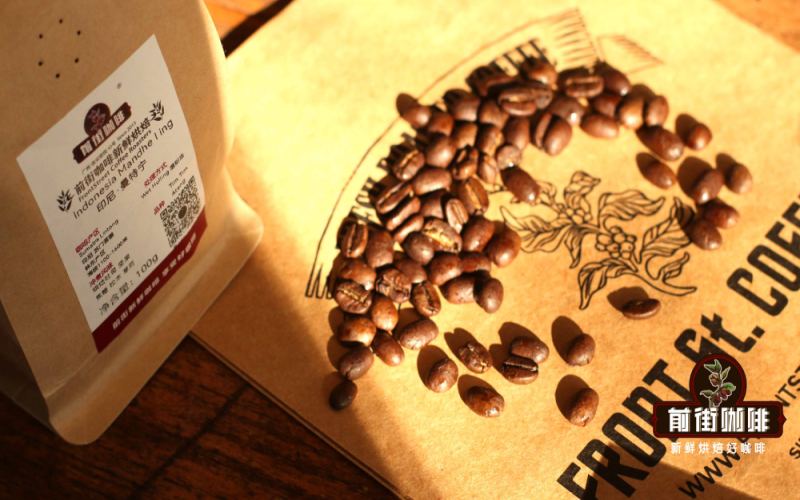
Classic Coffee Beans | What Are the Common Arabica Coffee Beans for Beginners? Recommended Specialty Hand-Grind Coffee Beans Suitable for Grinding and Brewing
When choosing coffee beans, your own taste should be the standard. Generally speaking, lightly roasted African beans tend toward acidity, American beans emphasize aroma, while Indonesian and Blue Mountain beans present a heavier, fuller flavor. The following are some of the most common Arabica coffee beans for beginners. 1. Front Street Mandheling coffee beans, the most expensive coffee in the world [more…]
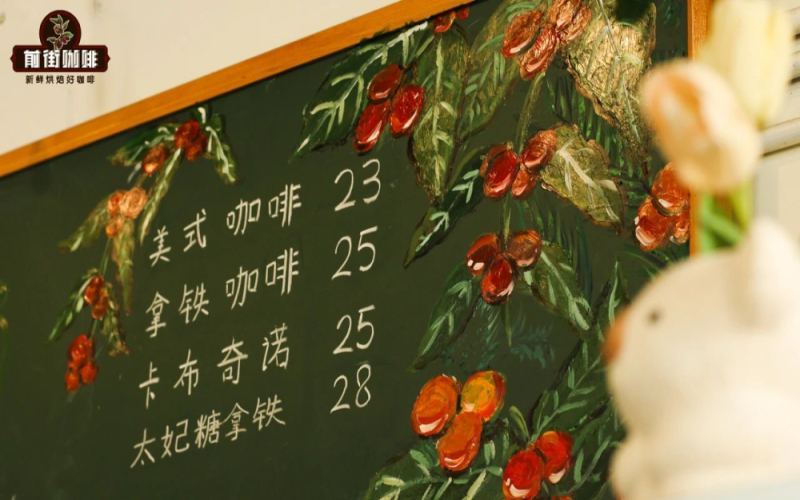
A Complete Guide to Common Coffee Types in Cafés: From Espresso to Cold Brew, the Differences Between Iced Americano, Latte, Piccolo, and Dirty
Walking into a café and facing the dazzling array of coffee names on the menu, have you ever hesitated: what exactly is the difference between an Americano, a Latte, a Dirty, and a Flat White? In fact, these common coffees can be grouped into three major camps—the espresso family, the drip coffee family, and the cold brew family. Espresso-based drinks use espresso as their foundation and, by adjusting the types and proportions of ingredients, have evolved into a rich variety including the Americano, Latte, Cappuccino, Flat White, Dirty, and Mocha; drip coffee, on the other hand, covers pour-over and cold drip, emphasizing clean, transparent layers of flavor; cold brew coffee uses immersion to deliver a full, rich mouthfeel. In this article, Front Street Coffee will guide you through the production logic, key parameters, and flavor characteristics of each category, and share application suggestions for beans such as Front Street Dark Cocoa Blend, Huakui, and Mozart, helping you easily pick the cup you love. [more…]
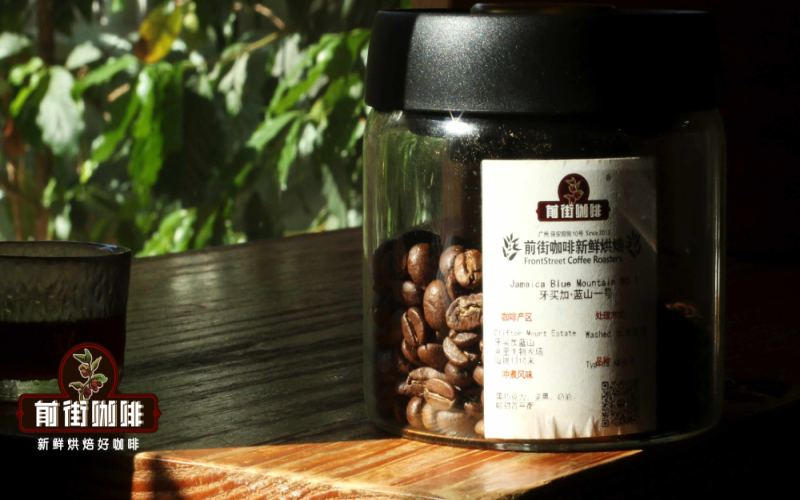
Introduction to Premium Classic Coffee Beans | What Are the Common Arabica Coffee Beans for Beginners? Recommended Affordable and Delicious Single-Origin Pour-Over Coffee Beans
Choosing coffee beans is based on your own taste preferences. Generally speaking, lightly roasted African coffees tend toward acidity, American coffees highlight aroma, while Indonesian and Blue Mountain coffees present a heavier, more full-bodied flavor. The following are some of the more common Arabica coffee beans for beginners. 1. Front Street Coffee Mandheling coffee beans, the most expensive coffee in the world [more…]
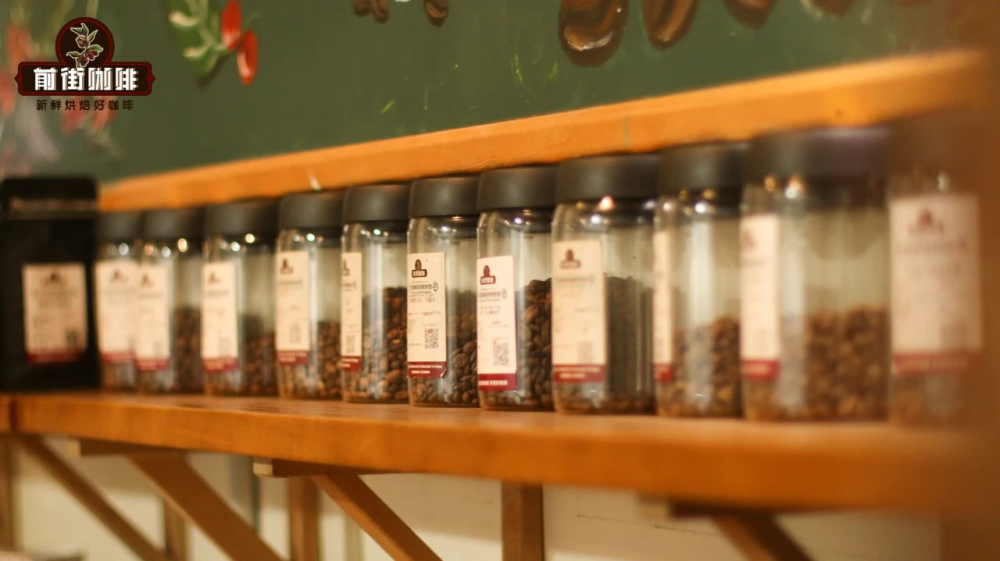
Pour-over coffee beginner knowledge | What are the six common mistakes coffee beginners should avoid when brewing coffee? How to correctly brew pour-over black coffee?
Nobody wants to ruin their own coffee, especially specialty coffee beans that aren't cheap. Nobody wants to drink a cup of terrible coffee, but with these common mistakes, if you hit even one of them, no matter what you use, it's not just a wasted pot of coffee—if you never realize where the problem lies, then you will [more…]
A Complete Guide to Coffee Defects: Ten Common Types, Causes, and Identification Methods Illustrated
The content of defective beans directly affects coffee quality and grade classification. Taking Brazil as an example, the local system uses a "deduction method," grading based on the number of defective beans per 300 grams of main beans. In addition, coffee usually requires hand sorting during processing, and only by fully mastering the types and characteristics of defective beans can they be effectively removed. So exactly how many types of defective beans are there? This article will use illustrated explanations to introduce ten common defective beans one by one, including shell beans, stones, moldy beans, fermented beans, dead beans, immature beans, shell beans, insect-damaged beans, black beans, and cocoa beans, explaining their causes, appearance characteristics, and negative effects on coffee flavor, laying the foundation for subsequent learning about defective bean selection. [more…]
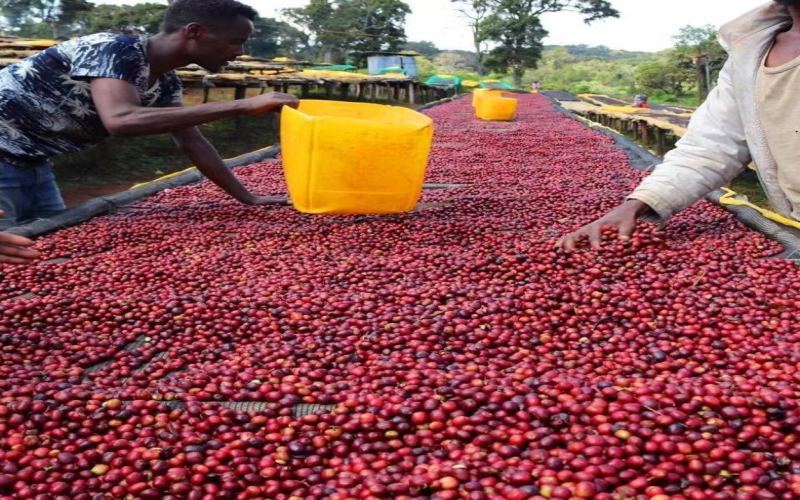
Common pour-over coffee beans: choosing based on body and cleanliness
When you first start buying beans, rather than chasing breadth of flavor, it's better to first dig deep into a single bean: choose one with a clear flavor profile and high brewing compatibility, lock in the dose, grind, and water temperature, then observe the details of the entry, sweetness, and finish—this is how a flavor reference is established. Pour-over flavor comes from origin, variety, processing method, and roast level. [more…]

Common Types of Italian Coffee | What Are the Classic Milk Coffee Recipes? What's the Difference Between a Latte, Macchiato, Cappuccino, and Dirty?
Espresso is a must-have beverage in every café. Many people's first impression of espresso is that it's unbearably bitter. In fact, espresso isn't limited to such bitter shots. If you want an espresso that isn't bitter and suits your taste, the first thing you need to understand is the different types of espresso. Front Street Cof [more…]
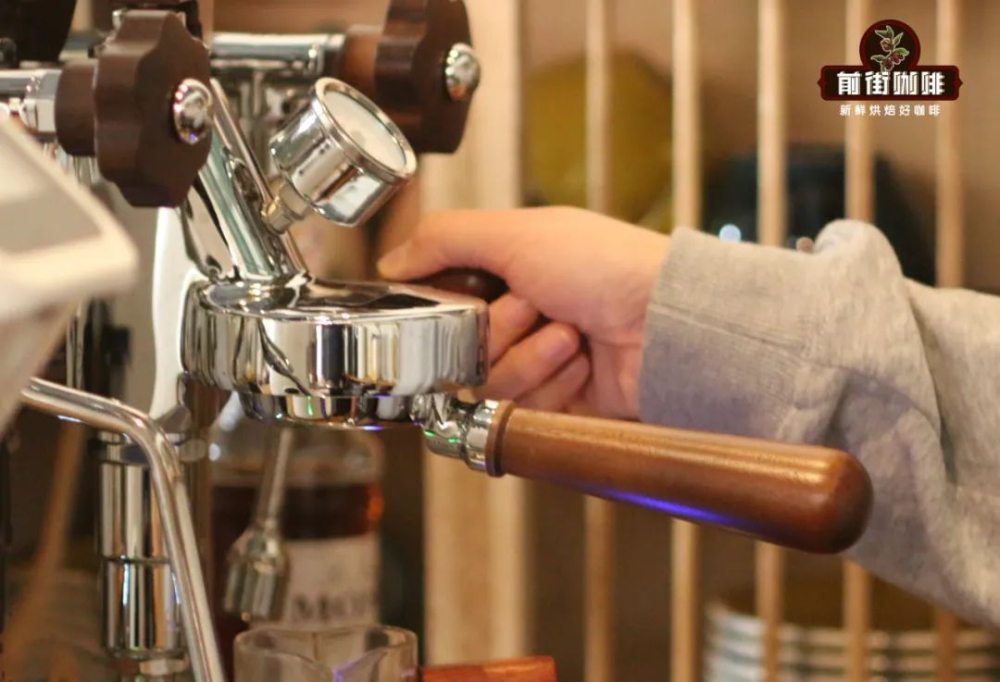
Espresso Brewing Standards | What Are the Common Espresso Extraction Problems? How to Understand Under-Extraction and Over-Extraction?
What is Espresso? Espresso, also known as "Espresso," is a coffee beverage or Italian-style coffee base originating from Italy. It is coffee that is rapidly extracted under high pressure. Traditionally, a single shot of espresso has a volume of about one ounce. The internationally accepted technical standard is as follows: around 7 grams of [more…]
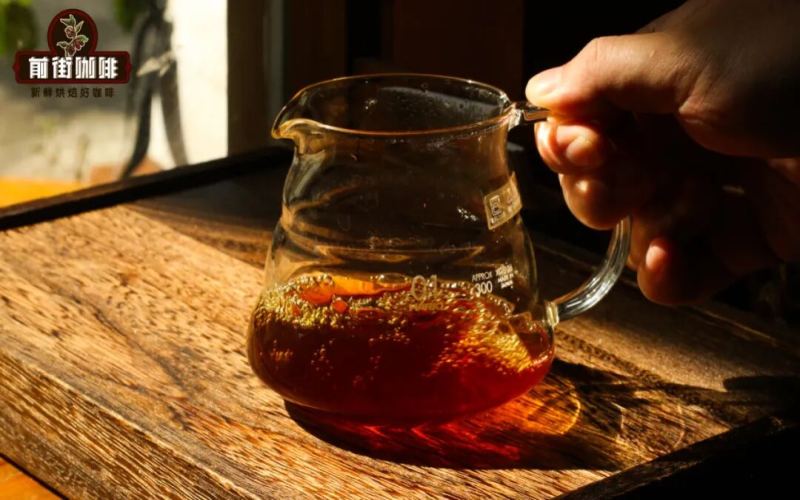
Coffee Brewing | What are the common coffee bean brewing methods, what are their characteristics, and which brewing method is suitable for coffee novices to learn on their own?
Coffee is one of the most popular beverages in the world. "Coffee" refers to any drink made from roasted coffee beans, which of course includes espresso and cold brew. There are many kinds of coffee—some people like instant, some like pour-over, and others like cold brew. Different methods [more…]

Coffee Beginner Learning Essentials | What Are the Common Home Coffee Brewers? Which Brewing Methods Suit Different Roast Levels? Which Coffee Brewer Is Recommended for Beginners?
For more specialty coffee knowledge and tips, follow Front Street Coffee (FrontStreet Coffee). Making coffee at home is actually not all that complicated—it basically comes down to your needs and budget. Coffee is a beverage, and in nature it's almost the same as tea. Many of us [more…]
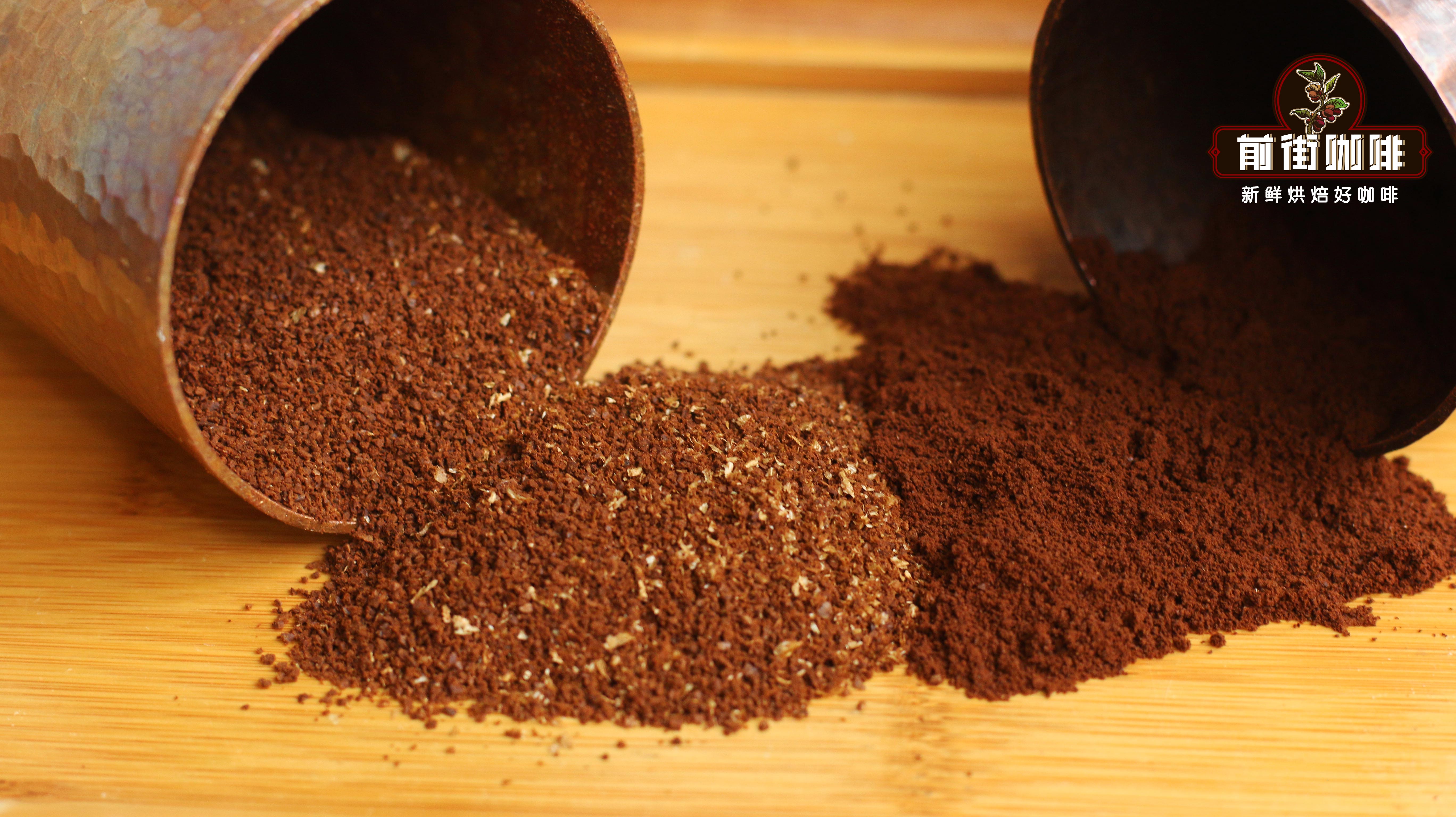
Coffee Grind Size Parameters | Pour-Over, Cold Brew, Ice Drip, Moka Pot – How Fine Should Coffee Grounds Be? A Guide to Using the Common Coffee Grind Size Reference Chart
"Excuse me, what grind size should I use for pour-over coffee?" "Why is the grind at setting 10 on your machine different from setting 10 on mine?" "When you say 'sugar-like,' do you mean caster sugar, granulated sugar, or brown sugar?" ... Are you still struggling to find the right grind size for your coffee brewing device? Front Street has an article to [more…]

Types of Italian Milk Coffee | What are the differences in flavor and mouthfeel between Piccolo, Flat White, Latte, Mocha, and Cappuccino? Where did the Piccolo coffee originate?
For more specialty coffee knowledge, please follow our WeChat official account: Front Street Coffee (FrontStreet Coffee). Front Street Coffee (FrontStreet Coffee) has shared how to make several espresso drinks, and aside from the more common ones, quite a few readers have also responded [more…]
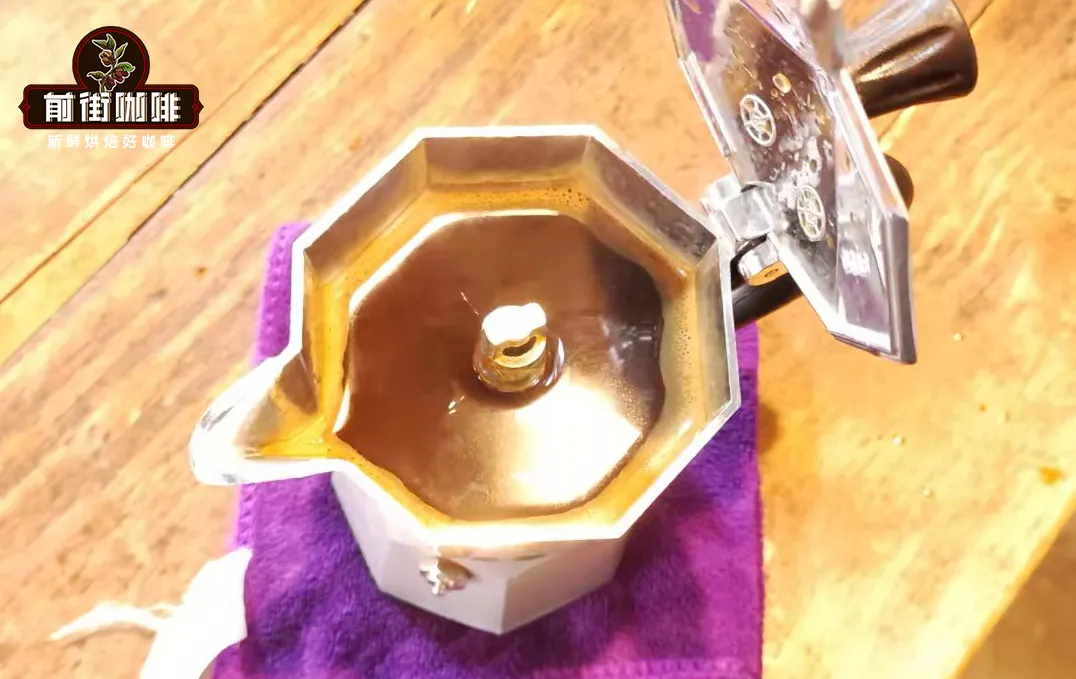
Types of Black Coffee Brewing Methods | What Are the Extraction Principles of Pour-Over and Espresso? How Do Drip Coffee, Immersion Coffee, and Boiled Coffee Differ?
There are quite a few types of coffee. Some people like instant coffee, some like pour-over, and others like cold brew. Coffee made with different methods has its own characteristics—some has a layered mouthfeel with distinct flavors, while some is convenient to brew. You can choose according to your own preferences. Pour-over [more…]
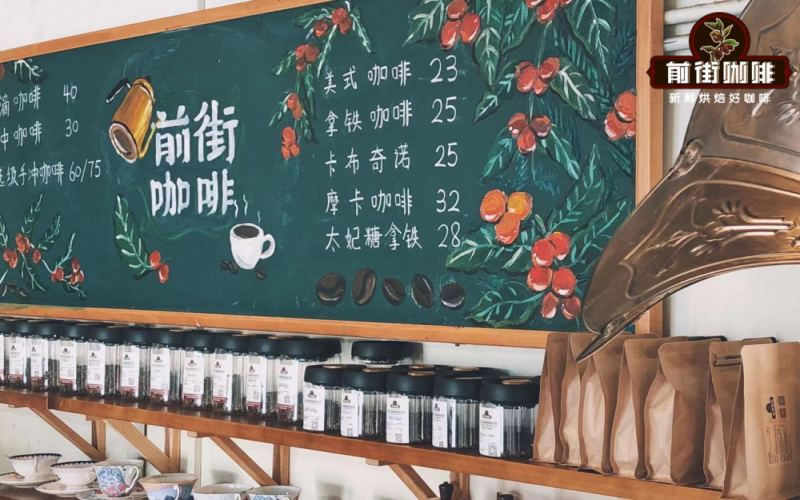
Characteristics of Italian Espresso | How Many Types of Espresso Are There? How Can Coffee Beginners Learn to Extract Espresso?
For more specialty coffee knowledge, please follow: Front Street Coffee (Frontsteet Coffee) Italian espresso, also called Espresso, uses steam pressure to force scalding hot water through ground coffee, brewing a small, strong, and aromatic cup of pure black coffee topped with golden crema. [more…]
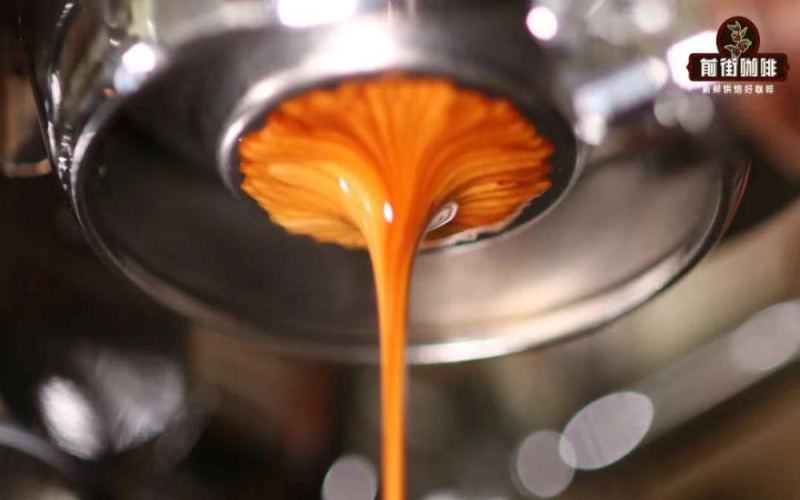
Origins of Espresso | What Are the Common Espresso Drinks? Introduction to Espresso Milk Drinks, Fancy Coffee, Espresso Extraction Ratios, and Preparation Steps
Italian coffee refers to espresso (Espresso). According to the Oxford Dictionary, espresso is a highly concentrated coffee extracted under pressurized conditions, and is a type of coffee with a strong taste. Italian coffee originated in Italy during the Industrial Age, when people, in order to make the most of a brief break, [more…]
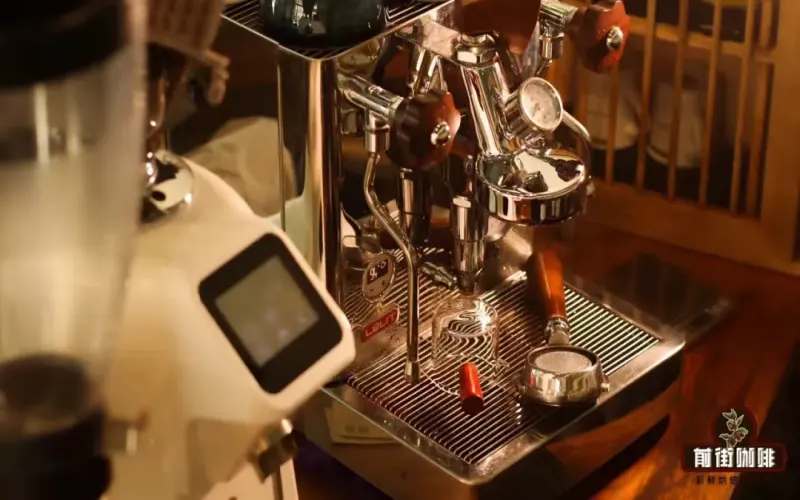
Coffee Machine Types | What are the common types of home coffee machines? Recommended high-value home espresso coffee beans for making Americano and milk coffee
The advent of coffee machines has made people's lives more convenient. Through word of mouth and mutual recommendations, coffee machines can now be found in homes, offices, and commercial settings, and their functions, styles, and brewing methods have been continuously improved and evolved. From the birth of the world's first coffee machine in 1818, to [more…]