







Search Results for: Colombian coffee beans
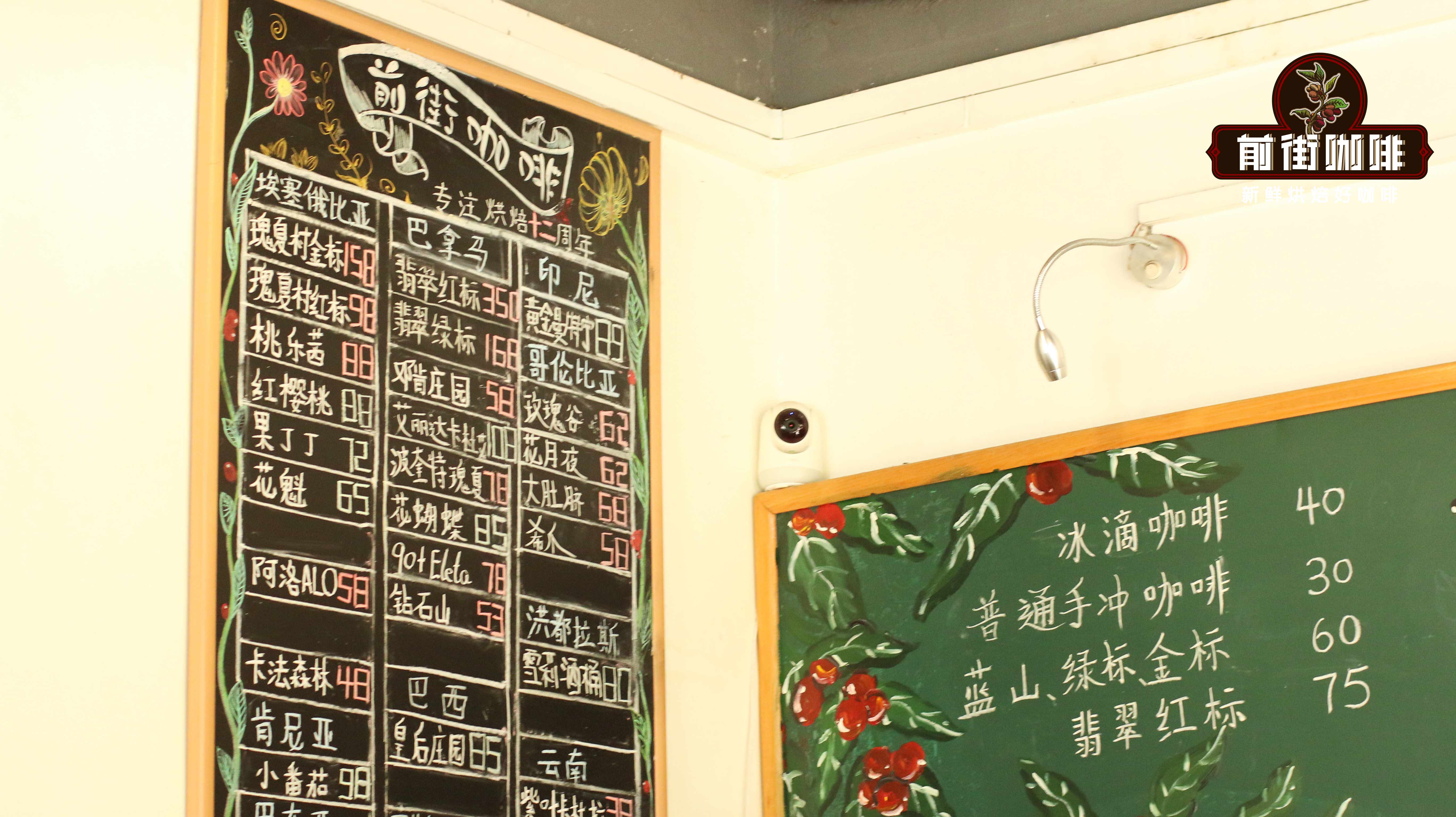
Colombia Coffee Prices | What Are the Differences Between Different Grades of Colombian Coffee Beans? What Are the Characteristics of Colombian Washed Coffee?
For more specialty coffee knowledge, please follow: Front Street Coffee (Frontsteet Coffee). When Colombian coffee beans are mentioned, the delicate berry-like sweet acidity, the aroma of roasted nuts, and the caramel-like finish, with a balanced coffee flavor, make many newcomers to pour-over coffee can't help but exclaim: This is just too [more…]

Colombian Coffee Regions | Is Colombian washed Huila coffee suitable for pour-over coffee beginners? What are the flavor characteristics of Colombian washed coffee?
When Front Street recommends coffee beans for beginners just getting into pour-over coffee, they always put the washed Colombian Huila beans first, because compared with the bright acidity of Yirgacheffe beans or the higher body of Mandheling beans, Colombian beans really are extremely [more…]
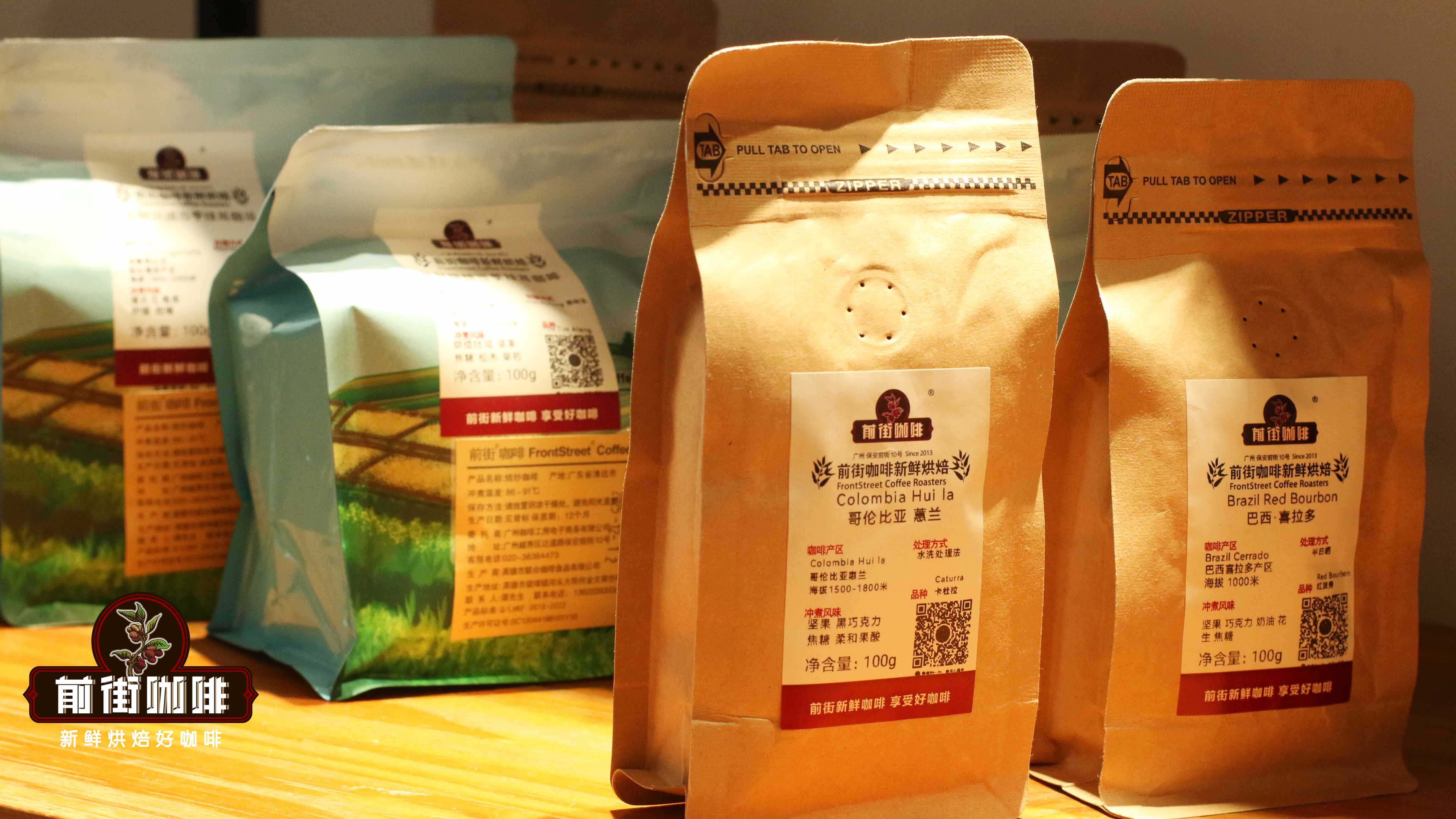
Colombian Espresso Beans Recommendation | Are Colombian Coffees Suitable for Home Espresso Machines? Which High-Quality Medium-Roast Coffee Beans Are Good for Beginners?
Colombian coffee's style is sometimes fresh and natural with rich fruity notes, and sometimes mellow and balanced with a chocolatey finish—it's a type of coffee that many people love. This diversity of style is the greatest characteristic of Colombian coffee, so it can be used not only as a pour-over single origin, but also in espresso machines to make Ame [more…]
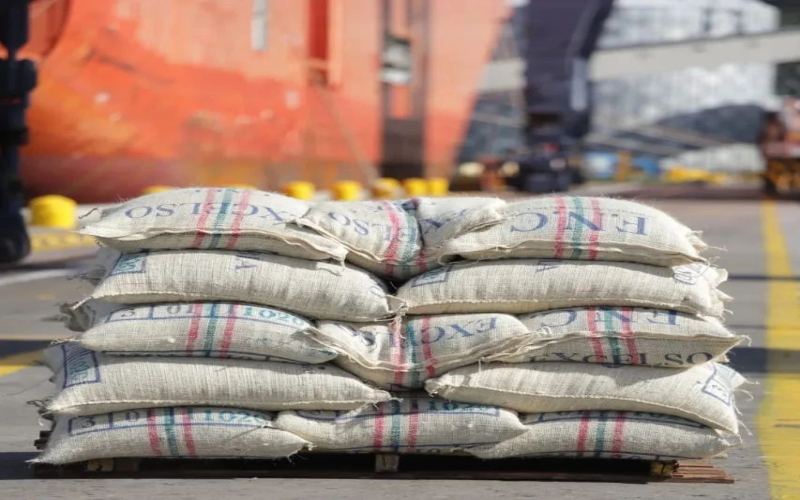
A Detailed Explanation of Colombian Green Coffee Bean Grading: The Meaning of Excelso and Supremo, and Front Street Brand Recommendations
Colombian coffee occupies an important place in the world of specialty coffee, and its green bean grading system is based primarily on defect rates and bean screen size. When buying Colombian coffee, what exactly do the words "Supremo" and "Excelso" commonly seen on burlap sacks mean? This article will systematically sort out the grading rules for Colombian green coffee beans from multiple angles, including export standards, defect scoring, and screen-size classification, and explain the specific differences among the three grades UGQ, EP, and Supremo. At the same time, the article will also introduce common Colombian coffee bean brands on the market, including product information recommended by Front Street Coffee, to help coffee lovers more clearly understand the grade and quality of the bag of beans in their hands. [more…]
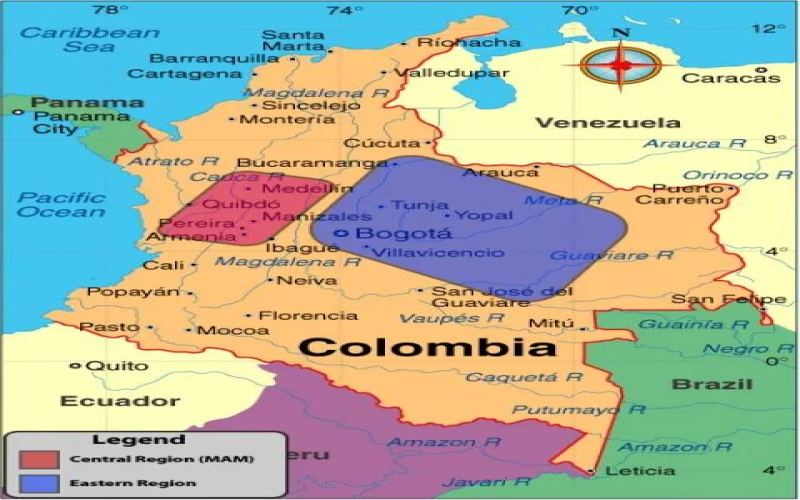
Colombia coffee | What does MAM refer to in Colombian coffee origins? What flavor and mouthfeel characteristics do Colombian specialty coffees have?
Colombia is the world's second-largest producer of Arabica coffee beans after Brazil. Everyone is familiar with the chocolatey flavor that characterizes Colombian coffee beans. We also all know that coffee originated in Ethiopia—so if no one had brought coffee seeds or coffee saplings to Colombia, how could this [more…]
The Historical Origins of Colombian Coffee | What Does FNC Mean in Colombian Coffee? What Are the Flavor Characteristics of Colombian Coffee?
Coffee has become an everyday beverage. While enjoying that morning cup—a liquid complete with sweetness, acidity, and bitterness—coffee drinkers have begun to notice that beans from different regions taste different as well. Brazilian coffee is soft and smooth, Ethiopian coffee has bright acidity, and Indonesian coffee is low in acidity and full-bodied. Front Street Coffee has encountered [more…]
Colombian Coffee Beans | What Are Colombia's Specialty Coffee Regions? Why Does Colombian Huila Coffee Have a Chocolate Flavor?
Everyone who has visited a Front Street Coffee shop knows that Front Street offers a huge variety of coffee beans. For some beginners, this can actually be a bit unfriendly, because a wide selection often means consumers need broader coffee knowledge to choose the type they like. Fortunately, the baristas at Front Street are always patient in consult [more…]
Which Colombian coffee beans are suitable for home use: balancing budget and drinking frequency
From bean to cup, a coffee must go through grinding and extraction. When it comes to Colombian coffee beans suitable for home use, your everyday buying decisions should take into account how fast you drink coffee, how much to buy at a time, and whether your household mainly makes black coffee or milk-based coffee. First confirm your usual brewing equipment and preferred taste, then compare specific bean options; the actual process will [more…]
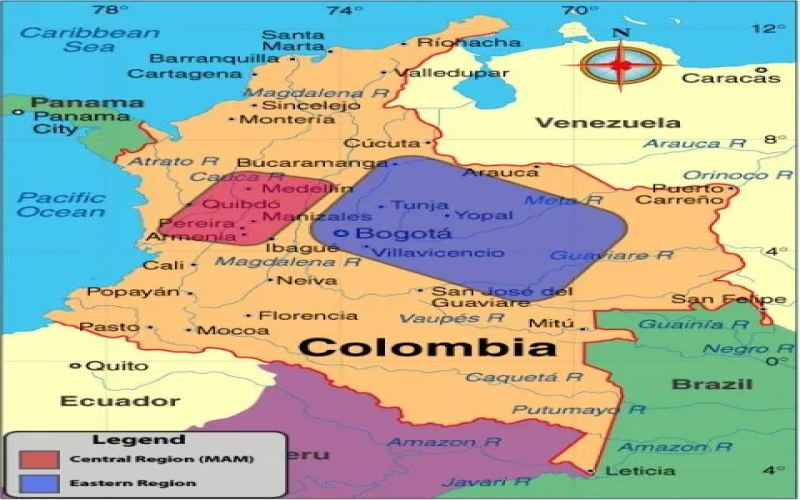
Central American Coffee Beans | Which regions in Colombia produce specialty coffee? What does the MAM designation mean? What are the flavor characteristics of washed beans from the Huila region?
Colombia is the world's second-largest producer of Arabica coffee beans after Brazil. Everyone is well acquainted with the chocolate-like flavor characteristic of Colombian coffee beans. Everyone also knows that coffee originated in Ethiopia—so if no one had brought coffee seeds or coffee saplings to Colombia, how could this [more…]
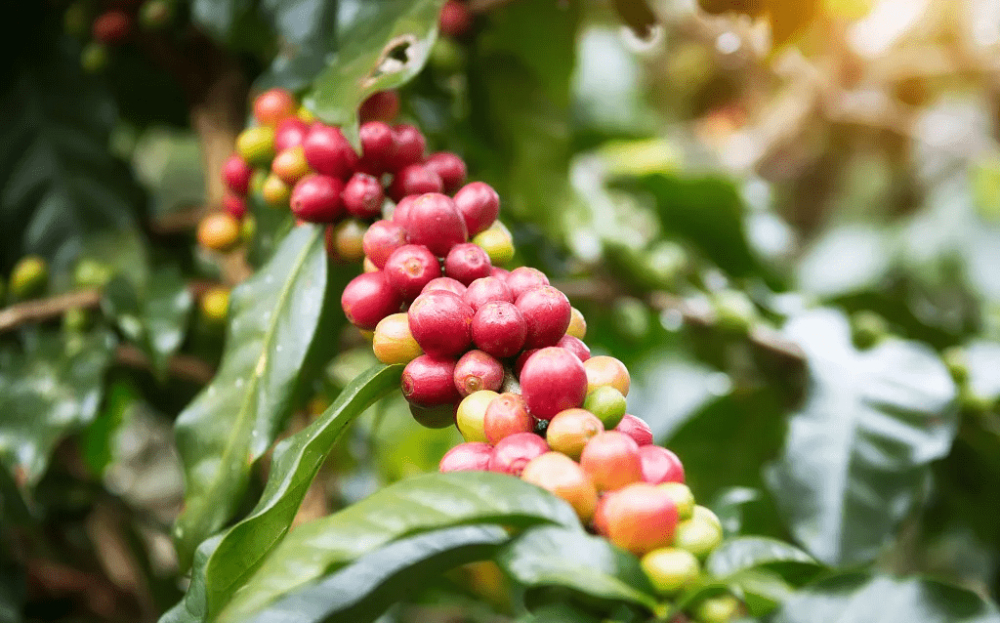
Colombian Coffee Prices | What Do Huila Washed Coffee Beans Taste Like? How to Brew Colombian Washed Pour-Over Black Coffee?
For more specialty coffee knowledge, please follow: Front Street Coffee (Frontsteet Coffee) Colombia has a very long history of coffee cultivation, and its superior geographical and climatic conditions provide a unique innate environment for coffee tree growth, with coffee-producing regions spanning the entire Andes Mountains within the country. Speaking of [more…]
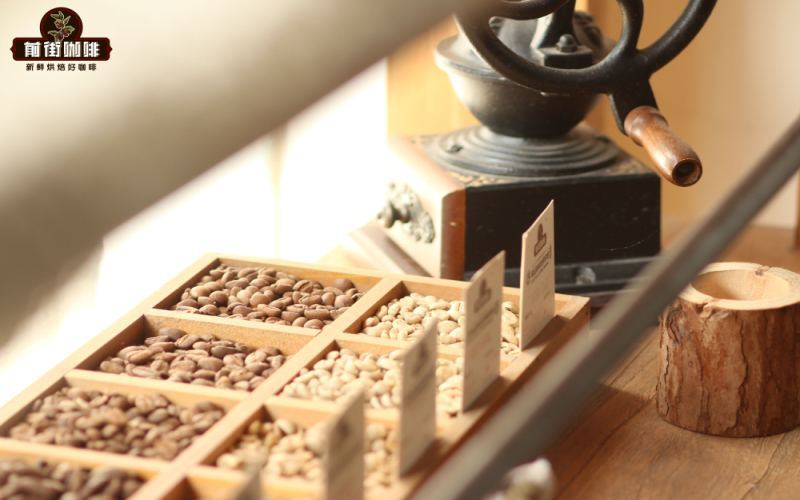
A Complete Guide to Colombian Coffee Regions: From Huila Everyday Beans to Finca El Paraiso Cherry Blossom – Flavors and Pour-Over Tips
Colombia is one of the few single-origin coffee-producing countries that sells worldwide under its national name, and the complex terrain along its Andes Mountains has created a flavor spectrum from north to south, each with its own character. From the perspective of Front Street Coffee's bean selection, this article sorts out the flavor differences among Colombia's three major growing regions—northern, central, and southern—with a focus on the dark chocolate and caramel notes of Huila's everyday drinking beans, and an in-depth analysis of Finca El Paraiso Sakura, a double anaerobic washed bean with its unique spice aroma and strawberry jam finish. At the end, it includes the V60 pour-over parameters and staged pouring steps used by Front Street Coffee baristas, helping enthusiasts reproduce at home this cup of Colombian flavor that combines floral and fruity acidity with a full-bodied mouthfeel. [more…]
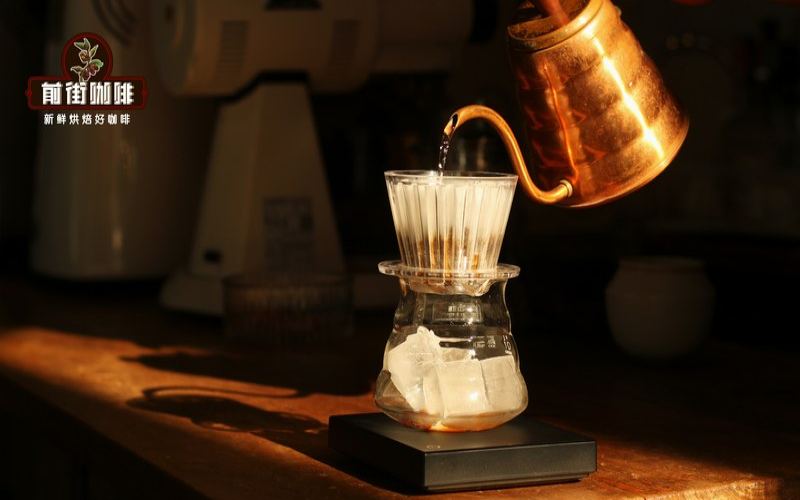
When to brew Colombian beans after buying them home to bring out the aroma
The reason Colombian coffee beans are well suited for home use lies not only in their easy-to-understand flavor, but also in their ability to clearly show the change from fresh to mature. Freshly roasted beans often release their aroma quickly, yet taste slightly tight on the palate; after a few days of resting, the acidity, sweetness, body, and aftertaste gradually come together, making them easier to work with whether you use a pour-over or an espresso machine at home. [more…]
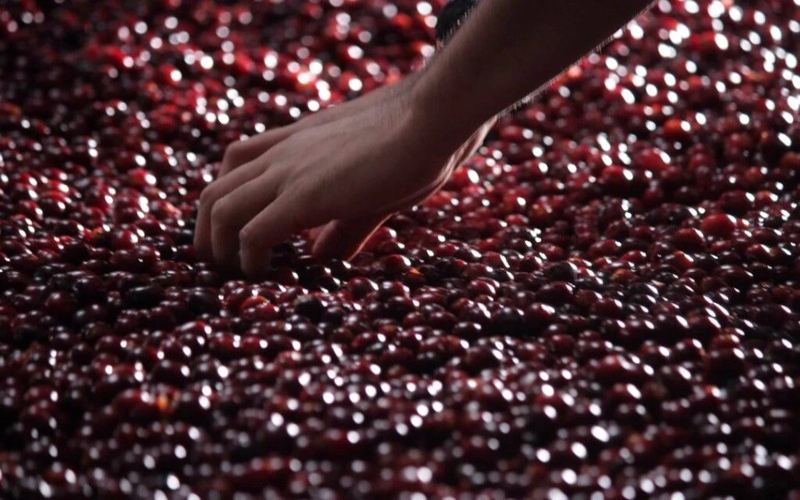
For home use Colombian coffee beans, first check the roast level
When choosing Colombian coffee beans for home, the roast level often has a more direct impact on the taste than the region name. Light roasts are suited for those seeking floral notes and fruity acidity, medium roasts more easily balance sweetness, aroma, and body, while dark roasts steer the flavor toward cocoa, nuts, and a roasted character. First determine the cup profile you prefer, then look at specific beans—this makes the choice easier. [more…]
A Detailed Guide to the Flavor Characteristics of Colombian Specialty Coffee Bean Regions: From Emerald Coffee to Andean Mountain Mellow Coffee
Colombian coffee is one of the few single-origin coffees sold worldwide under a country's name, and is renowned as the "Emerald Coffee." It is grown in the highlands of the Andes in northwestern South America, where the mild climate and humid air provide an ideal "natural pasture" for Arabica coffee. Colombian coffee is famous for its acidity with a hint of sweetness, mild bitterness, and excellent balance, with a silky, soft mouthfeel, a rich and full-bodied aroma, a bright, high-quality acidity, and sometimes a nutty nuance. The country's coffee-growing regions are divided into more than 200 grades, and harvests occur year-round, making it the world's largest exporter of washed Arabica coffee beans. This article will comprehensively analyze the unique charm of Colombian specialty coffee from the perspectives of its production background, flavor characteristics, geography and climate, cultivation management, and export system. [more…]
Mandheling Flavor and Taste | What Is the Difference Between Indonesian Sumatra Mandheling Coffee and Colombian Coffee? Who Is PWN Golden Mandheling Suitable For?
Friends who know about Geisha coffee and Blue Mountain coffee will have some understanding of Colombian coffee, so do you know what differences exist between them? If not, today let's join Front Street to distinguish Sumatra Mandheling coffee and Colombian coffee. Whether in flavor or mouthfeel, the two [more…]
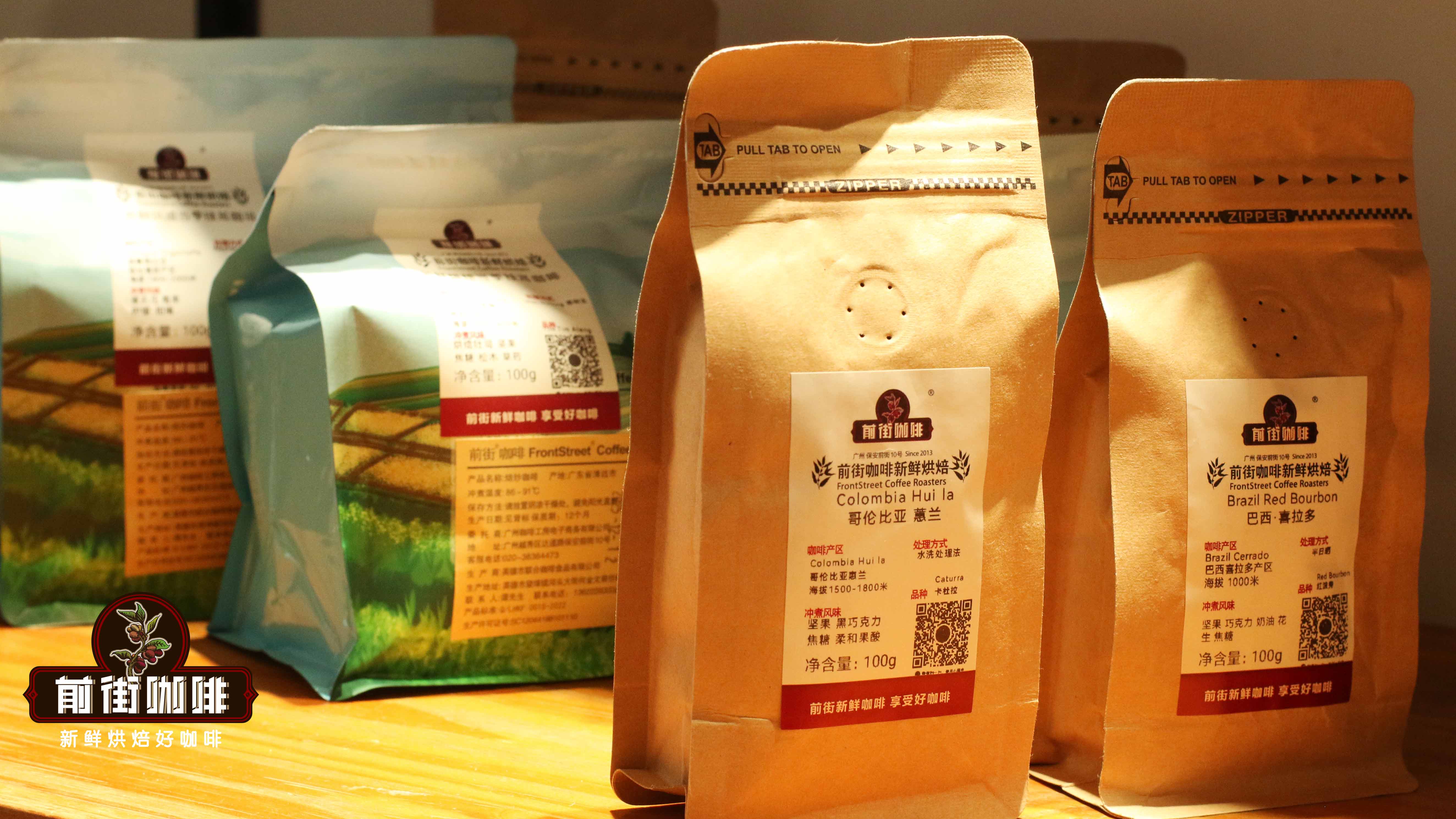
Colombia Huila Region | What brewing method suits Colombian Huila coffee beans? Recommended chocolate-flavored specialty pour-over coffee beans
Thanks to the high altitude afforded by the surrounding mountains of the Andean foothills, Colombian coffee has rich flavors and outstanding quality; some have intense chocolate and nutty aromas, while others have a sweet, jam-like taste. We highly recommend Front Street Colombia Huila coffee beans, which are wet-processed and belong to the Caturra variety. [more…]
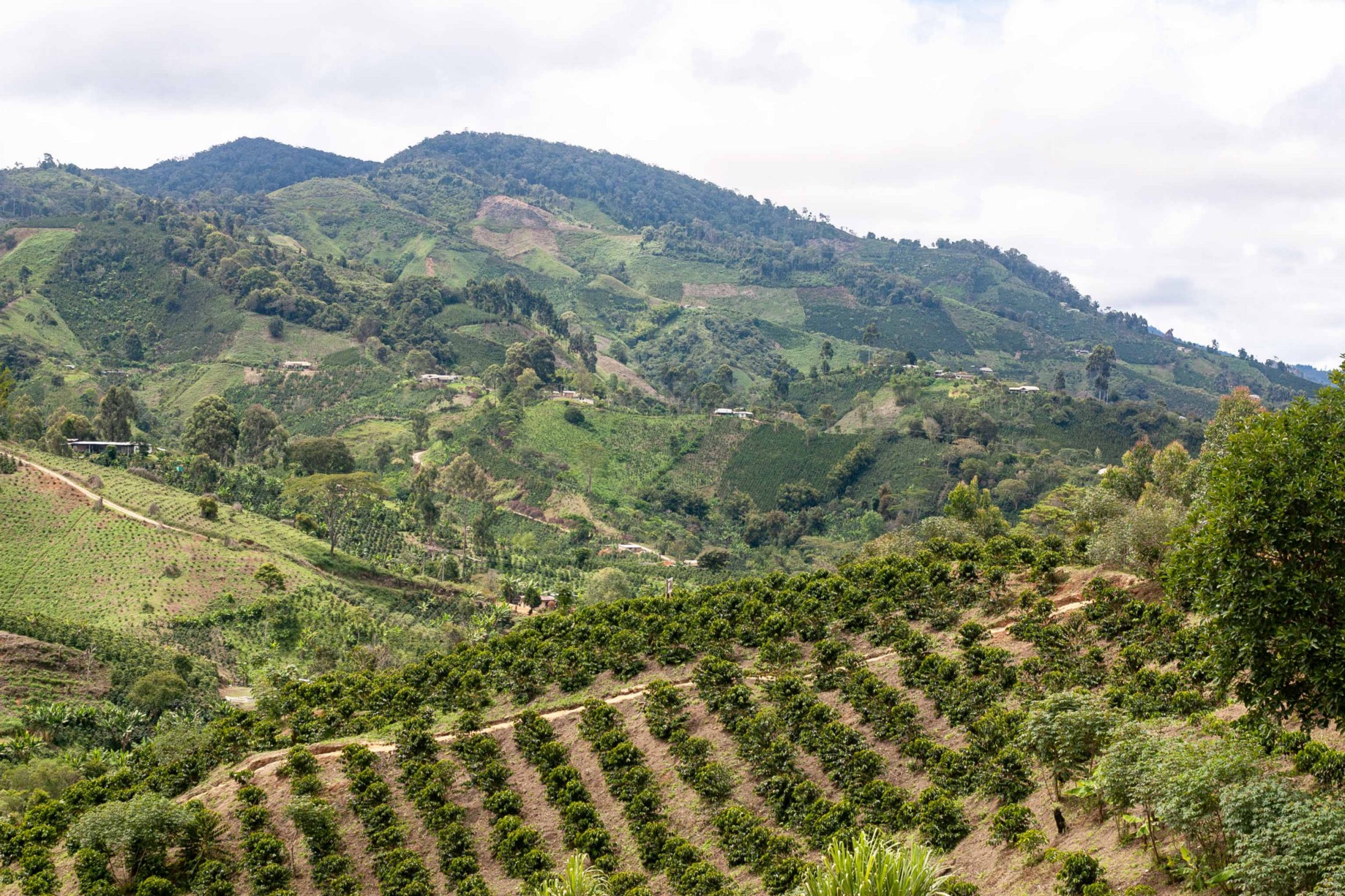
Colombian Coffee Beans | Introduction to Major Coffee Producing Regions and Flavor Characteristics of Colombia Medellín and Huila
For more specialty coffee knowledge, please follow: Front Street Coffee (Frontsteet Coffee) Today, Colombia is the world's second-largest producer of Arabica coffee beans. Colombian coffee is renowned for its unique flavor and the mild yet rich aroma that every cup exudes. [more…]
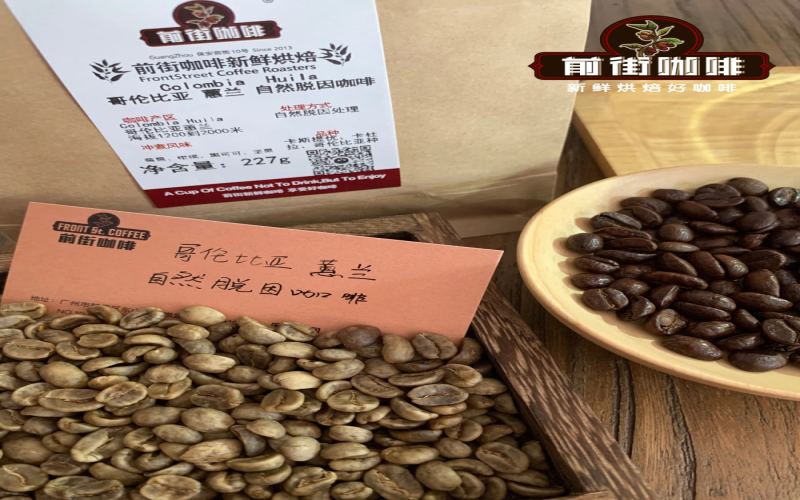
Decaf Coffee Recommendations | How Is Decaf Coffee Processed? Is Low-Caffeine Coffee Caffeine-Free? Does Colombian Decaf Coffee Taste Good?
For more specialty coffee knowledge, please follow our WeChat public account: Front Street Coffee (FrontStreet Coffee). In modern society, coffee is not only used to stay awake, but more of a lifestyle. Decaf coffee has begun to appear on the market to satisfy those who have trouble sleeping due to caffeine intake or [more…]
Swiss Water Decaf Process | What flavor and mouthfeel does Colombian decaf coffee have when brewed as pour-over black coffee? Low-caffeine specialty pour-over coffee bean recommendations
For more specialty coffee knowledge, please follow our WeChat official account: Front Street Coffee (FrontStreet Coffee). In modern society, coffee is not only used to stay alert, but more so as a way of life. Decaf coffee has begun to appear on the market to satisfy those who have trouble sleeping due to caffeine intake or [more…]
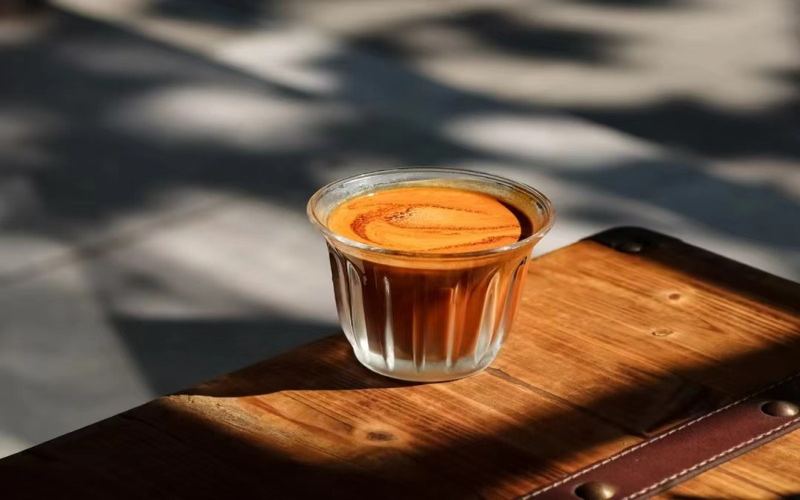
Choosing Colombian coffee beans suitable for home use by roast level
When choosing Colombian coffee beans at home, roast level is a very practical starting point. It influences the aroma direction, the balance of acidity and sweetness, and the body of the beans, and it also determines whether the same bag is better suited to a light, clean pour-over or to a rich Americano or milk coffee. Looking at it by light, medium, and dark roast gives you a clearer picture than fixating only on the name of the producing region. [more…]