








Coffee has become an everyday beverage. While enjoying that morning cup with its full array of sweet, sour, and bitter flavors, coffee drinkers began to notice that beans from different producing regions taste different. Brazilian coffee is soft and smooth, Ethiopian coffee has bright acidity, and Indonesian coffee is low in acid and full-bodied. Front Street Coffee has encountered quite a few older coffee enthusiasts who, compared to today's trendy fruit-bomb flavors, prefer the classic Colombian coffee beans with black chocolate notes.
History of Colombian Coffee
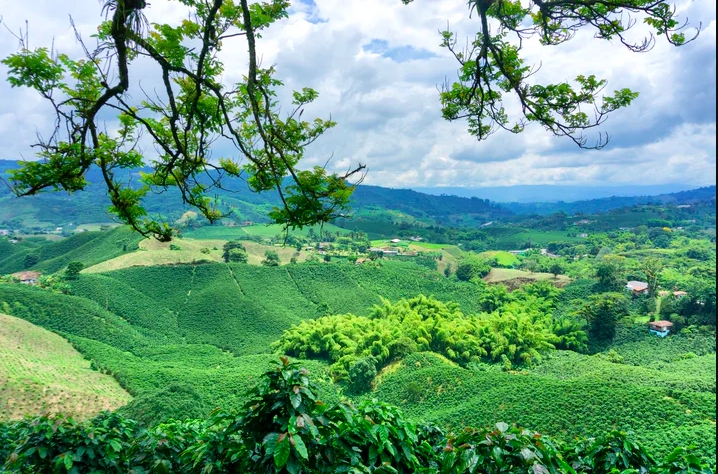
Don't be fooled by Colombia's small land area—it is a major coffee-producing country, and its output of Arabica beans is second only to neighboring Brazil. Yet, like many coffee-producing countries in the Americas, before Europeans set foot on this land, coffee—an economic crop originating in Ethiopia—had no place here.
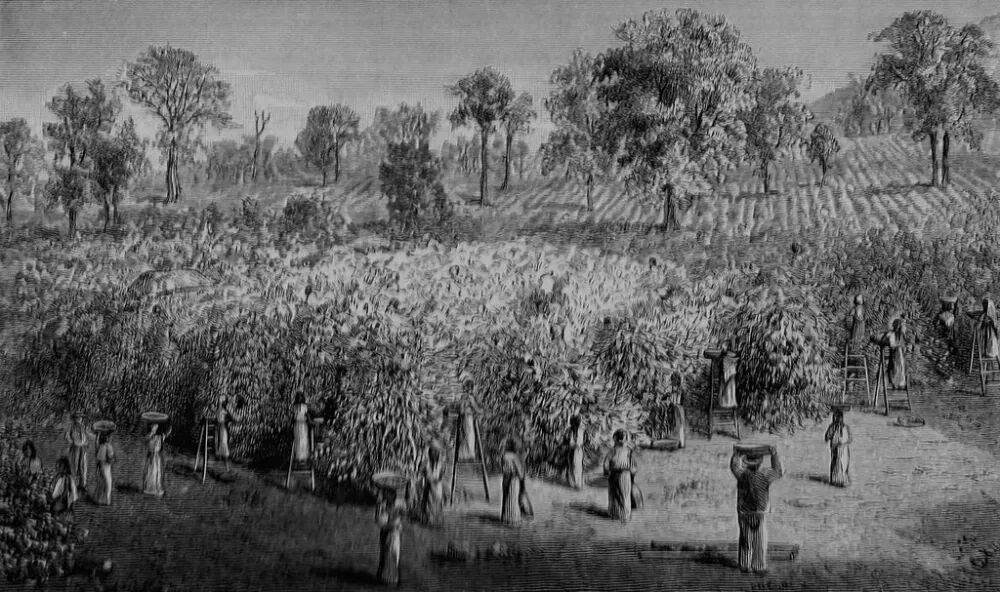
It is said that coffee cultivation in Colombia dates back to the early eighteenth century, when coffee seeds or seedlings entered Colombian soil aboard the ships of a group of Spanish Jesuit missionaries. A Spanish missionary named José Gumilla, in a book recording his travels along the Orinoco River, which flows through Venezuela and Colombia, explicitly wrote that he personally saw coffee plantations along the riverbanks in 1730.
This indirectly confirms that coffee was already being cultivated in Colombia well before 1730.
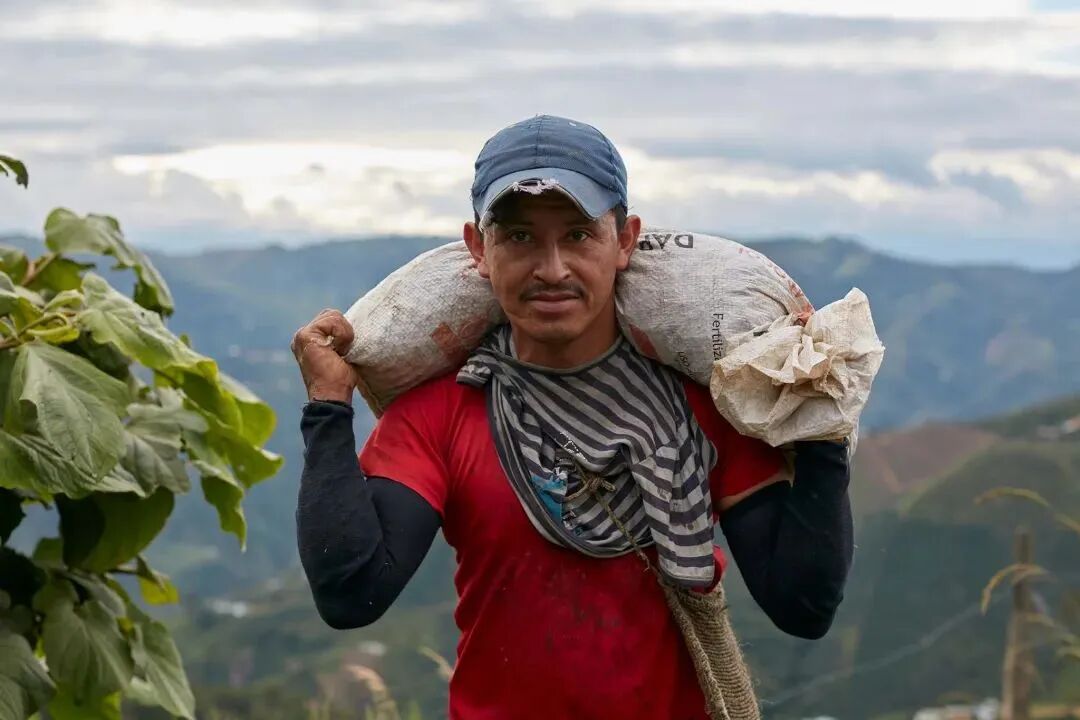
As coffee was planted on a large scale in Colombia, it became the country's main foreign-exchange export product by the end of the nineteenth century. However, the "Thousand Days' War" that lasted four years at the end of the nineteenth century dealt Colombia a heavy blow: the population plummeted, the land was devastated, and economic development ground to a halt.
Numerous large coffee plantations could no longer be maintained and even became abandoned wasteland for a time. To save the coffee industry, the Colombian government consolidated these wastelands, divided them into small plots, and sold them at extremely low prices to landless farmers. Farmers could grow coffee mixed with other crops on these lands.
Colombian National Coffee Growers Federation
Colombia's coffee industry structure, dominated by small coffee farms, was regarded as a new and flexible model. Under the influence of international coffee prices at the time, Colombian coffee showed enormous growth potential. However, Colombian coffee did not play an important role in the global market at that time.
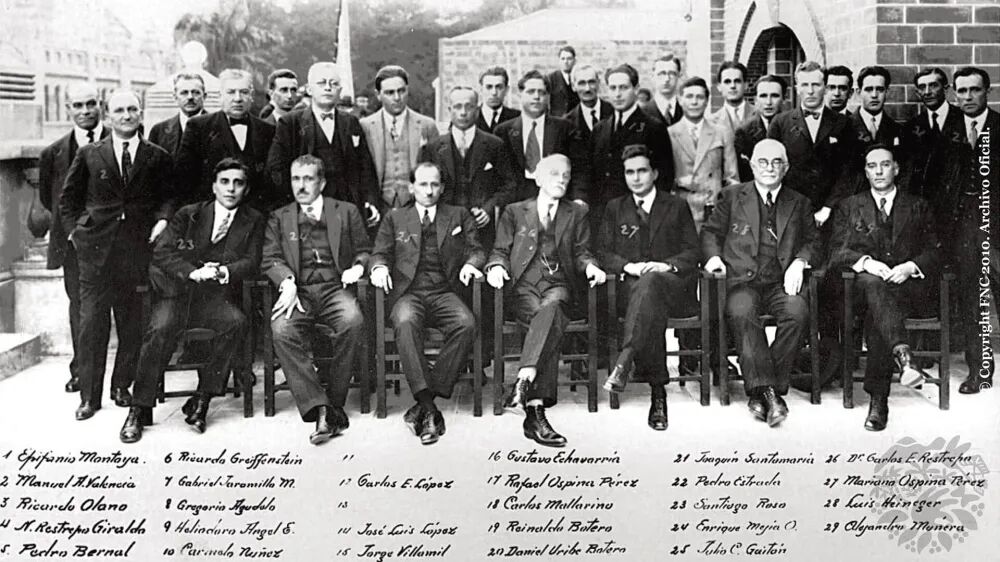
To change this situation, Colombian coffee growers organized an institution called the "Coffee Producers Organization" in 1904 to manage the domestic market. Until 1920, a coffee grower took the lead in promoting the establishment of the Colombian Coffee Union to protect the interests of many small coffee farms. This organization subsequently grew and developed continuously, and in 1927 formally established a more authoritative and larger-scale organization—the FNC.
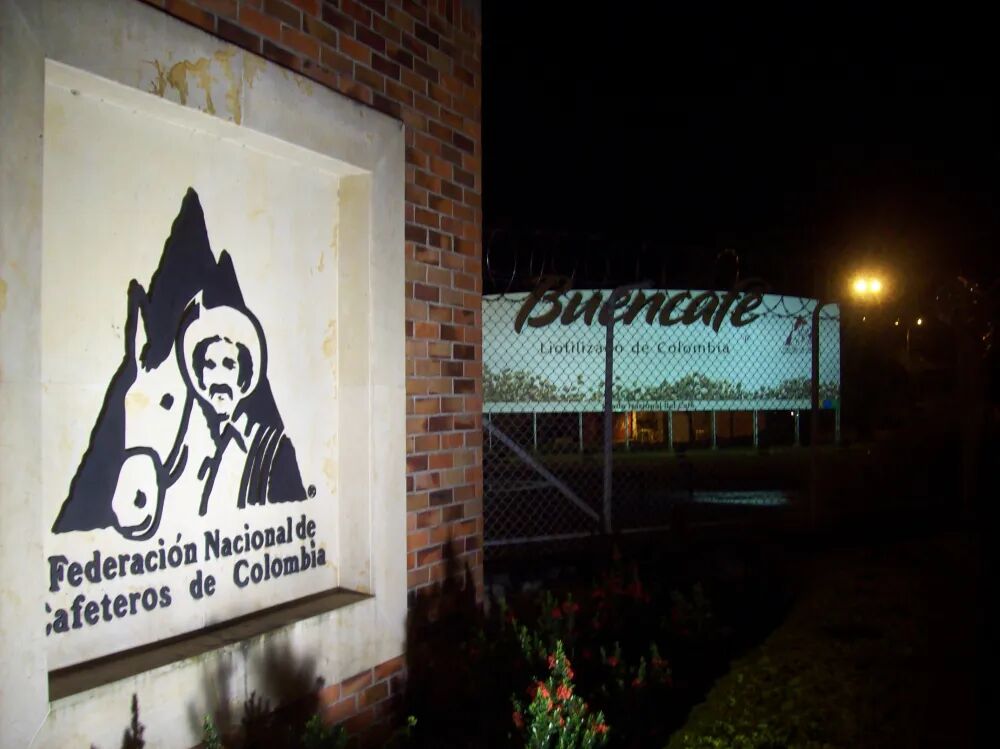
In 1927, the National Federation of Coffee Growers of Colombia was founded in Medellín. It is a trade union that brings together 560,000 coffee-producing families from 22 departments and 590 municipalities across the country.The FNC was established to protect the interests of coffee growers. In the following years, Colombia, as a coffee-producing country, became the world's third-largest coffee exporter with the help of the FNC.
The first chairman of the FNC was Luis Mariano Ospina Pérez, the grandson of President Mariano. Under Ospina's leadership, the FNC successfully consolidated the country's coffee industry and achieved tremendous success in the global market. This initiative also made coffee a major export crop for Colombia, permanently transforming the Colombian economy.

As one of the classic coffee-producing countries, Colombia not only has its own unique section on Front Street Coffee's bean list, which features nearly half a hundred coffee beans, but has even been included in Front Street Coffee's Staple Bean series. Front Street Coffee's Staple Bean series covers multiple classic coffee-producing regions. Although not from famous coffee estates, it allows coffee novices to taste the main flavors of major producing regions at affordable prices, thereby understanding which producing regions they prefer.
Through numerous cupping comparisons of various coffee beans of different varieties, processing methods, and producing regions, Front Street has found that washed coffee beans can better express the main flavor of a producing region, while natural-process coffee beans have stronger aroma and sweetness on top of the washed basis.
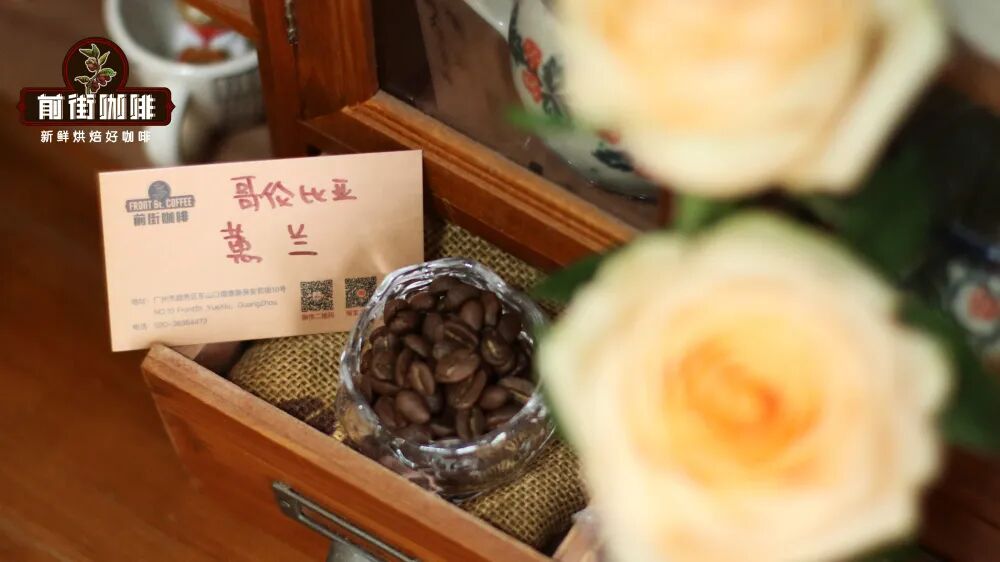
Therefore, Front Street Coffee's Staple Bean series basically adopts the washed processing method in order to express the most basic flavor of the producing region. One of Front Street Coffee's Colombian staple beans comes from the renowned Huila producing region. The washed processing method fully exposes its original terroir, showcasing a rich black chocolate flavor with soft fruit acidity.
The above content is compiled by CoffeeHunters, a coffee news website.


