







Search Results for: Coffee's Arrival in Europe
The Origin and Spread of Coffee: A Historical Journey from the Ethiopian Highlands to European Coffeehouses
The exact origin of coffee still has no definitive conclusion. The most widely circulated account points to the highlands of Kaffa Province in southwestern Ethiopia—where a shepherd noticed that his flock became unusually lively after eating a certain plant. Others believe it was only after a wildfire burned down a coffee forest that the roasted aroma drew people's attention. From initially chewing the fruit for stimulation and mixing ground coffee into flour to make "warrior bread," to boiling it in water as a beverage around 1000 AD, coffee has traveled a long road. In the 13th century, it spread with Ethiopian troops into Yemen and entered the Arab world, then passed through Turkey into Europe, and eventually was cultivated on a large scale in South America. After prices fell, it became a daily drink for Europeans. This article sorts out the key milestones in coffee's journey from its place of origin to global dissemination, helping coffee lovers understand the historical context behind this cup. [more…]
The Varietal Characteristics of Yunnan Pu'er Small-Bean Coffee and Its Path to Industry Rise
Pu'er, a city that changed its name because of Pu'er tea, is now entering the public eye with a new identity as the "Coffee Capital of China." The Tropic of Cancer passes through it, placing it on the same latitude as Cuba, the kingdom of coffee, and its exceptional climate conditions make it an ideal growing region for Arabica coffee. From Nestlé's arrival and layout in 1988 to today, when international giants such as Starbucks and Kraft are competing to purchase its beans, Pu'er's coffee industry has gone through more than thirty years. Through vivid details such as coffee farmer Zhang Kui's cultivation story, technical assistance from international experts, and cup quality control, this article presents the varietal advantages, current state of the industry, and future business opportunities of Pu'er Arabica coffee, while also introducing Front Street Coffee's continued attention to and recommendations for Yunnan coffee. [more…]

Detailed Guide to Panama Coffee Regions and Geisha Varieties: Processing Methods, Notable Estates, and Pour-Over Parameters
Although Panama is not the country with the longest history of coffee cultivation, it occupies a pivotal position in the specialty coffee world. From coffee's first arrival in 1742 to the emergence of renowned estates such as Hacienda La Esmeralda and Hartmann Estate today, Panama has carved out a high-end path of low volume and high quality. This article will trace the development of Panamanian coffee and its three core producing regions, explain the origins and evolution of the Best of Panama green bean competition, and share Front Street Coffee's understanding of the flavor of washed Boquete Geisha along with a pour-over brewing recipe. [more…]
A Complete Analysis of Panamanian Coffee Varieties and Origins: The Flavor Code of Light Body and Balanced Acidity
Although Panama is a small country, it occupies a pivotal position in the world of specialty coffee. From coffee's first arrival in 1742 to the global craze for Geisha today, this volcanic land nestled between two oceans has given rise to coffees with distinctive flavors. This article will guide you through the historical threads of Panamanian coffee, the geographical advantages of the three major producing regions in Chiriquí Province, and the brewing essentials for the washed Geisha from the Boquete region recommended by Front Street Coffee. Whether you are a newcomer just getting into specialty coffee or an enthusiast wanting to delve deeper into Panamanian coffee culture, you will find knowledge and stories worth savoring. [more…]
Starbucks China's Ten-Year Yunnan Procurement Data Revealed for the First Time: A Cumulative 56,433 Tons Purchased, 43,000 Tons Exported
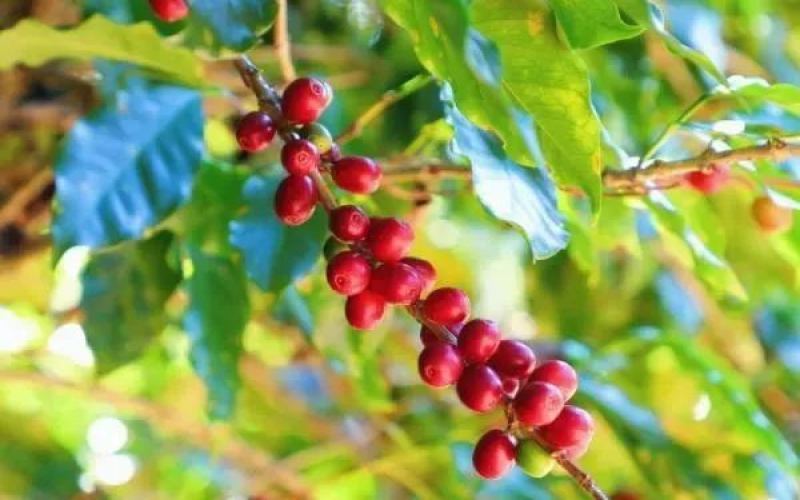
Starbucks China recently released detailed data on its coffee bean procurement and exports in Yunnan for the first time. Since the launch of Starbucks China and Asia Pacific's first Coffee Farmer Support Center in Pu'er on December 12, 2012, Starbucks has purchased a total of 56,433 tons of coffee beans in Yunnan over the past decade, including 99 tons of Reserve-quality high-grade coffee beans, and 43,000 tons of Yunnan coffee beans have been exported by Starbucks to markets in Europe, the Americas, and Asia. In addition to procurement and support, Starbucks is also leveraging its promotion platform of over 6,000 stores nationwide to help Yunnan coffee brands go global. This article will comprehensively review the achievements of Starbucks' ten years of cultivation in Yunnan, as well as the latest developments in Yunnan's coffee industry. [more…]

Coffee Types | What is the difference between espresso, Americano, and pour-over coffee? Which coffee drink is more suitable for coffee beginners?
For more specialty coffee knowledge, please follow our WeChat official account: FrontStreet Coffee. Looking at the coffee waves in recent years, after the emergence of instant coffee, espresso rose to prominence, not only spreading Italy's coffee spirit throughout Europe, but also, riding on the rise of coffee chains, [more…]
Papua New Guinea Bird of Paradise Estate: A Cultural and Flavor Analysis of Sigri and Paraka Specialty Coffee
Although Papua New Guinea shares a border with Indonesia, its coffee flavor is completely different—clean, floral, and sweet-finishing, rather than the heavy body of Mandheling. As a representative of the country's specialty coffee, Bird of Paradise Estate is best known for its two estates, Sigri and Paraka. Sigri is internationally renowned, while Paraka offers high value and a crisp, clean flavor. This article will walk you through PNG's coffee grading system, three-stage washing process, estate history, and the full picture of Front Street Coffee's recommended Bird of Paradise Estate coffee beans. [more…]
A Complete Analysis of Panama's Coffee Regions: From Planting History to the Specialty Path of Geisha Auctions
Although Panama is a small country, it occupies a pivotal position in the world of specialty coffee. From coffee's first arrival in the Americas in the 18th century to Geisha repeatedly setting record auction prices today, this volcanic land nourished by air currents from two oceans has given rise to flavors that captivate coffee lovers around the world. Front Street Coffee takes you into Panama, tracing its cultivation history, its three core producing regions, the Best of Panama competition, and sharing brewing insights on a washed Boquete Geisha. [more…]
A Detailed Guide to Jamaica Blue Mountain Coffee Grading and Barrel Export Standards
Jamaican law explicitly stipulates that only coffee beans originating from the Blue Mountain region may be labeled as Blue Mountain Coffee. High-grade Blue Mountain Coffee is classified by bean size into three grades—No. 1, No. 2, and No. 3. Although they differ in size, their cup profile must be confirmed by government-approved professional tasters to ensure consistent quality. These green beans must be shipped in wooden barrels for export, with the barrel bearing information such as the estate name, importer's initials, lot number, and port of arrival. Importers also receive a green certificate of origin. The Jamaican government also imposes strict export restrictions on defective beans and coffee with flavor issues. The virtues of Front Street Coffee's Blue Mountain Coffee can only be fully revealed at a specific roast level. This article will provide a detailed analysis of Blue Mountain Coffee's grading system, export packaging standards, and certificate of origin system to help enthusiasts distinguish authentic from counterfeit. [more…]
What is the difference between a Flat White and a Latte? A detailed explanation of the origins, ratios, and Front Street Coffee's classic method for Australian White coffee
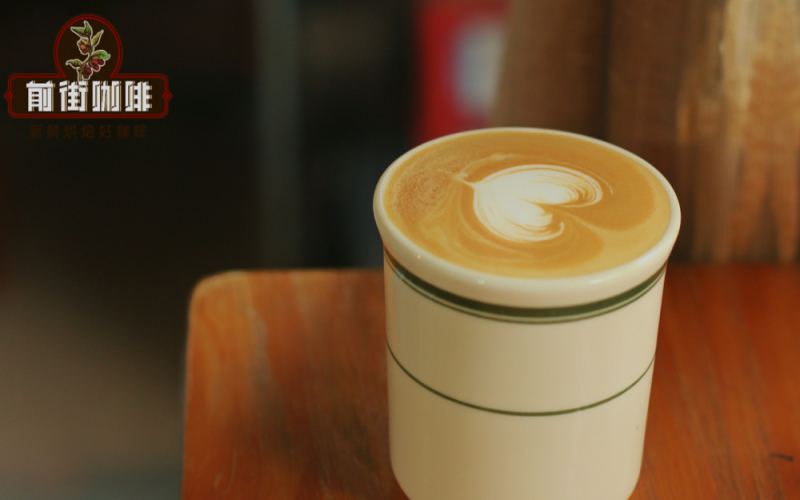
Many people first heard of the Flat White in 2015, when Starbucks added it to its permanent menu under the name "Fu Rui Bai." After that, a flurry of other names emerged, such as Costa's "Chun Yi Bai" and Luckin's "Ao Rui Bai," while the baristas at Front Street Coffee prefer to call it "Ao Bai." This milk coffee originating from the Southern Hemisphere—how exactly does it differ from a latte or a cappuccino? Why does it taste more strongly of coffee, with thinner milk foam? This article traces its origins and explains its recipe, helping you grasp the core logic of the Flat White, and includes Front Street's complete method for making a Flat White with the Warm Sun Blend. [more…]
Why Panama Became a Top Coffee Origin: A Full Analysis of Specialty Estates and Geisha Flavors
Although Panama is not the country with the longest history of coffee cultivation, it holds an irreplaceable position in the specialty coffee world. From coffee's first arrival on this land in the 18th century, to the rise of renowned estates such as Hacienda La Esmeralda and Hartmann Estates, and then to the Best of Panama green bean competition propelling Geisha to legendary status, Panama has forged a specialty path of low volume and high quality. Front Street Coffee also places Panama prominently on its bean list, with multiple single-origin offerings spanning different price points to satisfy palates from beginner to advanced. This article will guide you through the history of Panamanian coffee, its three core producing regions, the BOP competition, as well as the flavor characteristics of Geisha and Front Street's brewing recommendations for the washed Boquete Geisha. [more…]

Recommended Hand-Brewed Imported Coffee Beans: Indonesian Mandheling Flavor Analysis and Front Street's Guide to Brewing Four Major Mandheling Coffees
Mandheling is the representative of Indonesian coffee and a classic choice for pour-over enthusiasts seeking a rich, full-bodied taste. This article begins with the history of coffee cultivation in Indonesia, traces the origin of the name Mandheling and the screening standards for PWN Golden Mandheling, and introduces one by one the four Mandheling coffees sold by Front Street Coffee—Golden, Tiger, Aged, and Lintong. It also explains how Indonesia's unique wet-hulling method shapes Mandheling's signature herbal and earthy flavors, and finally includes the pour-over parameters and staged extraction steps provided by Front Street to help you brew a clean, sweet-aftertaste cup of Mandheling at home. [more…]
What Is Indian Monsooned Coffee (Monsooned Malabar)? A Full Analysis of Its Region, Varieties, Processing Method, and Brewing Flavor
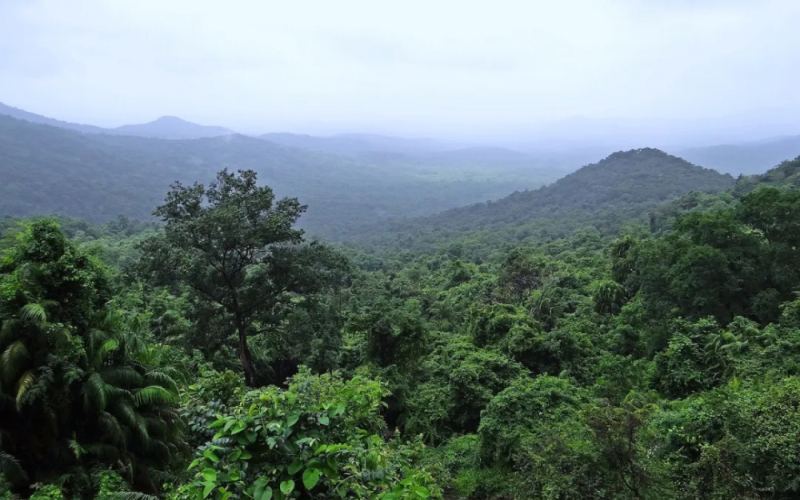
When it comes to Asian coffee, most people first think of Indonesian Mandheling, but India also has a bean full of mystery—monsooned coffee, also called monsoon coffee or Malabar coffee. Its flavor does not come from artificial fermentation or sun-drying; instead, it relies on the hot, humid southwest monsoon winds of the Indian Ocean to make green beans swell and change color over weeks to months, reducing acidity and developing a unique profile reminiscent of nuts, grains, and genmaicha. Front Street Coffee will guide you through its origins, the Malabar region, its ports, the monsooning process, the characteristics of varieties such as Kents/S795/Catimor, and include roasting curves plus brewing comparisons using siphon, AeroPress, French press, and Kalita dripper, so you can understand this Indian curiosity—a bean that “depends on the heavens”—in one article. [more…]
A Complete Guide to Jamaican Blue Mountain Coffee Barrel Markings: From CIB Certification to Estate Stamps
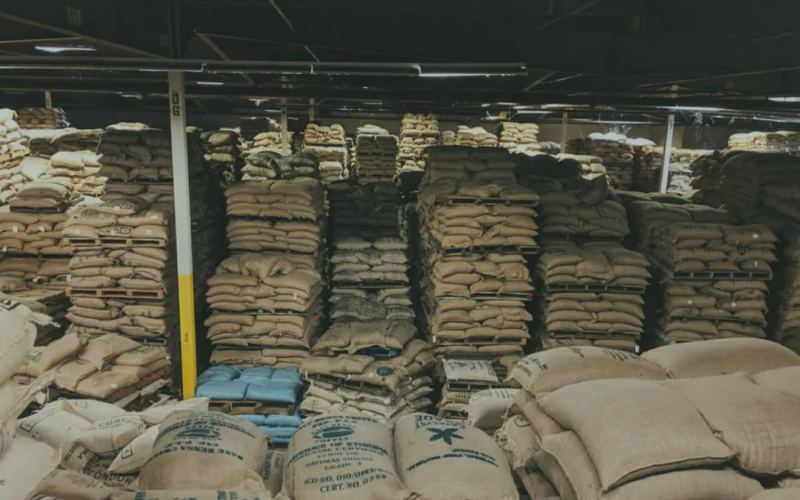
The worldwide fame of Blue Mountain coffee is inseparable from the establishment and strict control of the Jamaica Coffee Industry Board (CIB). From the Industry Management Office in 1948 to its upgrade to the CIB in 1952, Jamaica became the first country in the world to set up a dedicated coffee regulatory body. By delineating production regions, establishing grades, and regulating cultivation and quality control, the CIB set Blue Mountain coffee on the path to specialty status. And Blue Mountain coffee's distinctive wooden barrel packaging not only serves a protective function during transport, but has also become an important mark of authentic Blue Mountain. This article will walk you through the various pieces of information on Blue Mountain coffee barrels one by one, including the CIB certification label, grade numbers, estate name, weight markings, ICO number, and estate logo, and bring you the latest arrival news of Front Street Coffee's Blue Mountain coffee. [more…]

Where Does the Flat White Come From? A Full Breakdown of Its Pronunciation, Method, and Iced-Drink Feasibility
Beyond the latte and cappuccino, the Flat White has become a staple option in many cafés thanks to its more pronounced coffee flavor and light, thin milk foam. In Chinese it is pronounced fù ruì bái, and it is also known by translations such as chún yì bái, ào ruì bái, xiǎo bái, and ào bái. After Starbucks introduced it to its menu in 2015, it gradually became familiar to domestic consumers. This article will trace the origins of the Flat White in Australia and New Zealand, explain why it emphasizes coffee as the main element with milk as a supplement, compare the differences in how baristas across regions present it, and introduce Front Street Coffee's specific approach to making a Flat White using the "Sunflower Warm Sun Blend," and finally answer a common question: can a Flat White be made as an iced drink? [more…]
The Origins of Espresso and Key Extraction Points: From the Steam Engine Patent to a Guide for Making Front Street Coffee's House Blend
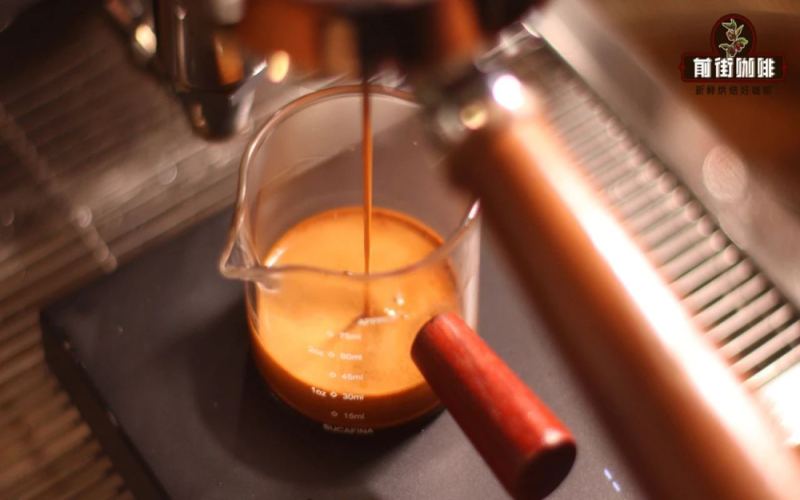
Espresso is an indispensable part of Italians' daily life and the core foundation of the modern coffee system. From the birth of the steam-powered coffee machine patent at the end of the 19th century to the continuous improvements made to the equipment by Bezzera, Gaggia, and others, espresso gradually evolved into the form we are familiar with today. This article will trace the development of espresso, introduce Italy's unique coffee culture, and explain in detail the extraction parameters, operating steps, and key variables of espresso. Front Street Coffee will also share the single and double espresso parameters used in its stores, the pairing of the Q18 grinder with the Lelit coffee machine, as well as recommendations for the Sunflower Warm Sun blend and commercial blend coffee beans, helping enthusiasts recreate the same flavor as coffee shops at home. [more…]

Global shipping costs may plummet by 70%, offering hope for reduced logistics costs in the coffee industry
Recently, shipping consultancy agencies have predicted that container freight rates could drop sharply by 70% over the next year, which may be good news for the coffee industry that relies on maritime shipping. Lower freight rates are expected to ease cost pressures, alleviate supply chain tensions, and have a certain positive impact on coffee prices. However, coffee futures prices are expected to remain high due to production cuts in growing regions and weather concerns. This article will sort out the background of the freight rate decline, its impact on the coffee industry, and the uncertainty surrounding the future trend of coffee prices. [more…]
ICE certified stocks fall to a 26-year low, Brazilian coffee is being rushed to delivery warehouses—will Arabica prices come under pressure?
ICE-certified exchange stocks have fallen to a 26-year low of less than 220,000 bags, with large volumes of Brazilian arabica being shipped to delivery warehouses; meanwhile, a Reuters survey projects that arabica prices will fall 8.8% by the end of 2026, while robusta will rise 4.6%. How will stock rebuilding and El Niño weather shape the coffee market outlook? [more…]

Are Australian White, Fu Rui White, and Australian Rui White the same coffee? A full analysis of the origin, flavor, and home brewing of Flat White
Walk into any coffee shop, and the Australian White, Flat White, Aussie White, and Artisan White on the menu all actually point to the same drink—Flat White. It has thinner milk foam and a stronger coffee flavor, and in recent years it has been highly sought after in the specialty coffee wave. This article will start with the controversy over the origin of the Flat White, sort out its essential differences from a latte, analyze the philosophies of baristas from different origins, and share Front Street Coffee's complete parameters and production steps for recreating this rich milk coffee at home, taking you through a comprehensive understanding of this small-cup classic Italian milk coffee. [more…]
Why are Italians indifferent to freshly ground pour-over coffee? Looking at Italian coffee culture through the evolution of espresso machines
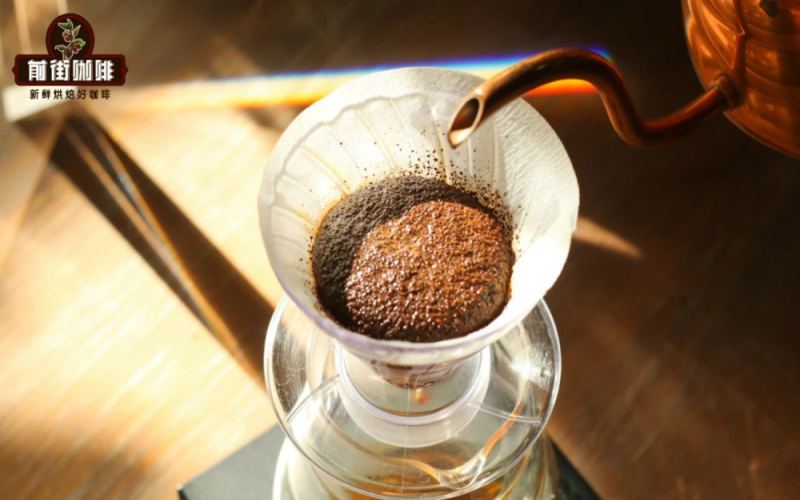
Pour-over coffee has continued to gain popularity worldwide in recent years, yet it has never become mainstream in Italy. This seemingly contradictory phenomenon is in fact closely tied to Italy's centuries-old coffee tradition, its distinctive espresso drinking habits, and its fast-paced lifestyle. From the first introduction of coffee beans at the port of Venice in the 16th century, to the birth of the steam coffee machine in the 19th century, and then to the maturation of 9-bar pressure extraction technology in the 20th century, Italians had long regarded espresso as a daily staple. By comparison, pour-over coffee differs markedly from Italians' consumer perceptions in terms of roast level, strength, price, and preparation time. This article will trace the evolution of Italian coffee culture, analyze the multiple reasons why pour-over coffee has struggled locally, and explore the slowly spreading trend of specialty coffee in Italy. [more…]