







Search Results for: Coffee Components
From Color, Aroma, and Taste to Personal Preference: A Comprehensive Guide to Coffee Quality Appreciation and Flavor Selection
The color, aroma, and taste of coffee originate from a series of complex chemical reactions during the roasting process. Only when the essential components of green beans reach a balanced state can a good cup of coffee be achieved. This article will analyze the constituent elements of coffee quality from four dimensions: aroma, bitterness, acidity, body, and sweetness, and share how to savor coffee through temperature, portion size, and concentration. Finally, we will also explore coffee bean choices for different taste preferences, including moderate, intense, mild, and minimalist, helping you find the cup that suits you best among brands like Front Street Coffee. [more…]
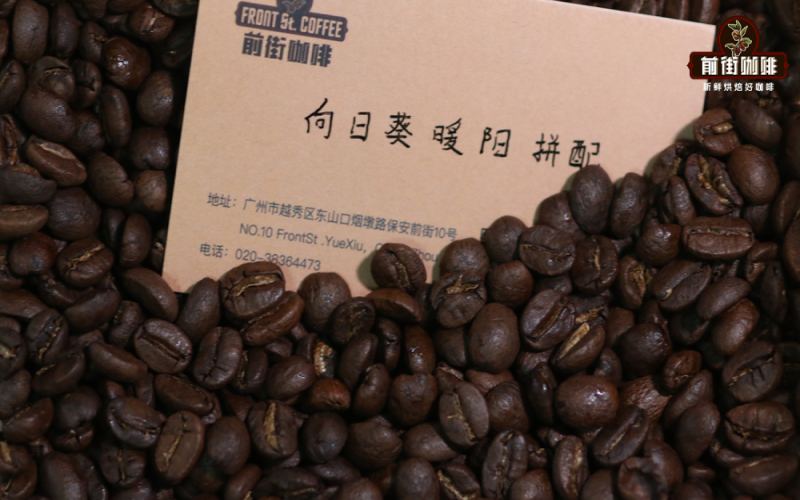
Espresso Brewing Ratio | Must Espresso Use a Blend? How Do Beginners Blend Espresso Beans?
Front Street Coffee uses espresso blend coffee beans to enhance the richness and balance of flavors, but it is not absolutely necessary. There is also the SOE coffee approach now, which uses coffee beans from a single origin to make espresso, highlighting the coffee of that origin. [more…]
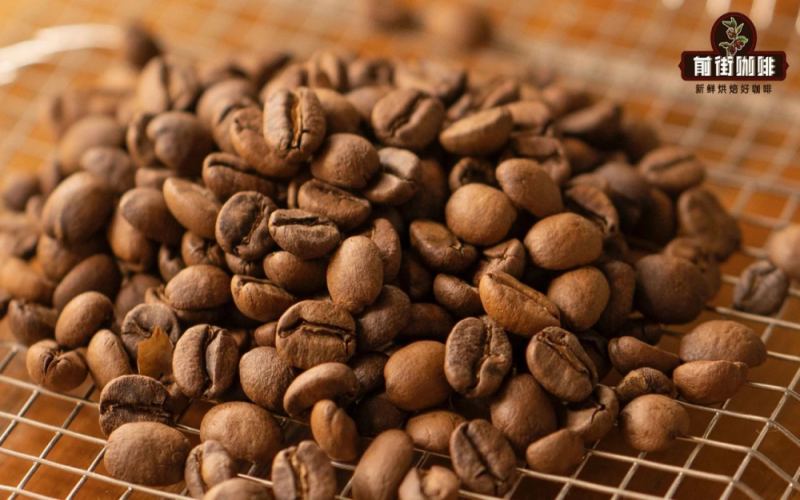
Espresso Blend Recommendations | What Are the Benefits of Blended Coffee? How to Determine the Espresso Brewing Ratio of Coffee Grounds to Water?
Espresso has a thicker texture and richer crema than drip coffee, and making high-quality espresso is inseparable from good espresso beans. Generally speaking, espresso beans are made by blending coffee from several origins to achieve a balanced flavor. Front Street Coffee (FrontStr [more…]
A Comprehensive Analysis of the Pros and Cons of Coffee Drinking: Ingredients, Benefits, Risks of Overconsumption, and Precautions for Six Groups of People
Coffee is a drink many people can't do without every day, but what exactly are its positive and negative effects on the body? This article starts with coffee's main components, systematically sorting out the effects of substances such as caffeine, tannic acid, fat, and sugar, then separately explains the benefits of drinking coffee in moderation, including refreshing the mind, protecting the skin, sobering up, and preventing gallstones, while also discussing problems that may be caused by excessive intake, such as caffeine poisoning, insomnia, and anxiety. The article also specifically lists six groups of people who should not drink much coffee, and gives reminders about drinking on an empty stomach and for people with high blood pressure. If you care about the relationship between coffee and health, this content can serve as a fairly complete reference. [more…]

Espresso Coffee Beans | Why Blend Coffee Beans? What Do Raw Blending and Roasted Blending Mean? What Should Be Noted When Blending Coffee Beans?
Many people don't understand how blend beans are formulated into a blending plan. Now Front Street Coffee will guide you through the ideas behind blending coffee beans and how to blend coffee. The reasons and purposes for blending: people need to combine coffees from different origins for several different purposes. The most ideal purpose, of course, is to blend a kind of flavor [more…]

Types of Iced Coffee | What Are the Flavor and Characteristic Differences Between Ice Drip Coffee, Cold Brew Coffee, and Cold Brewed Coffee? How Can Coffee Beginners Make Ice Drip and Cold Brew?
It's May, and summer has arrived. In the scorching heat of Guangzhou, even after rain, it remains so muggy that without a refreshing cold drink, one truly lacks the courage to survive in this furnace-like city. That's why recently, many more friends have been coming to Front Street Coffee (FrontStreet Coffe [more…]

The Purpose of Blending Coffee Beans | What Is Blended Coffee (blending coffee)? How Many Single-Origin Coffee Bean Varieties and What Proportions Are Suitable for a Blend?
Many people don't understand how blended beans are formulated. Now Front Street Coffee will guide you through the thinking behind blended coffee beans and how to blend coffee. Reasons and purposes for blending: People blend coffees from different origins together for several different purposes. The most ideal purpose, of course, is to blend a flavor [more…]
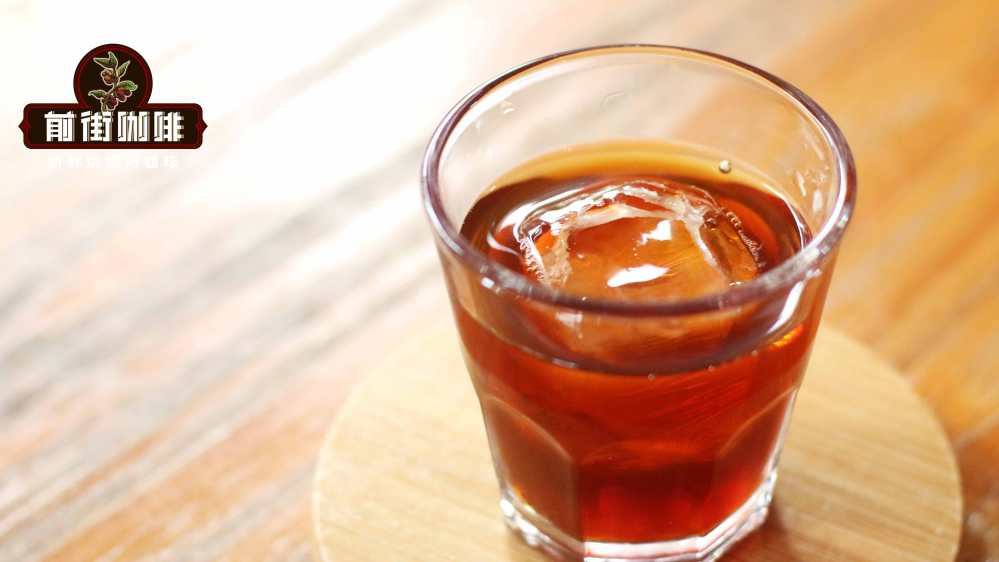
Origin of Cold Brew Coffee | What's Special About Cold Brew Coffee's Flavor and Mouthfeel? Is Cold Brew Coffee Tastier Than Hot Coffee? Is There a Big Difference Between Cold Brew Coffee and Iced Pour-Over Coffee?
For more specialty coffee knowledge, please follow: Front Street Coffee (Frontsteet Coffee). Iced coffee has a refreshing and palate-cleansing taste. Even in the dead of winter, some customers come to Front Street to order this iced coffee. Because iced coffee and hot coffee are extracted using different principles, the flavor of the coffee will also be different. [more…]
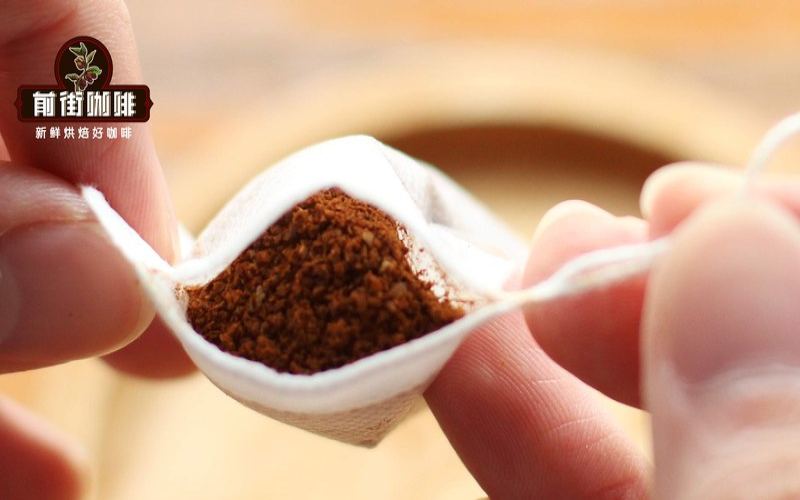
The Flavor Window of Rich Crema: Roasting Degassing Patterns and Daily Storage Rhythm
Freshly roasted coffee beans internally contain a large amount of carbon dioxide. These gases are both an important source of the rich crema layer produced during extraction and, in the early stage, also hinder the even contact between water and flavor compounds. Just-roasted coffee beans need to go through a period of natural degassing, so that the aromatic oils and soluble components inside can gradually [more…]

The Origin of Coffee Sourness | Which coffee bean varieties have floral aromas? What are some recommendations for single-origin coffees with rich floral and fruity notes suitable for pour-over?
Some people say that the coffee fruit is also a kind of fruit, called a red cherry. Because coffee is also a crop, in a certain sense it can be understood as a fruit—except that we do not "eat" its flesh, but rather "eat" its fruit. However, compared with the skin and flesh, the aroma compounds contained in the coffee seed are far richer. [more…]
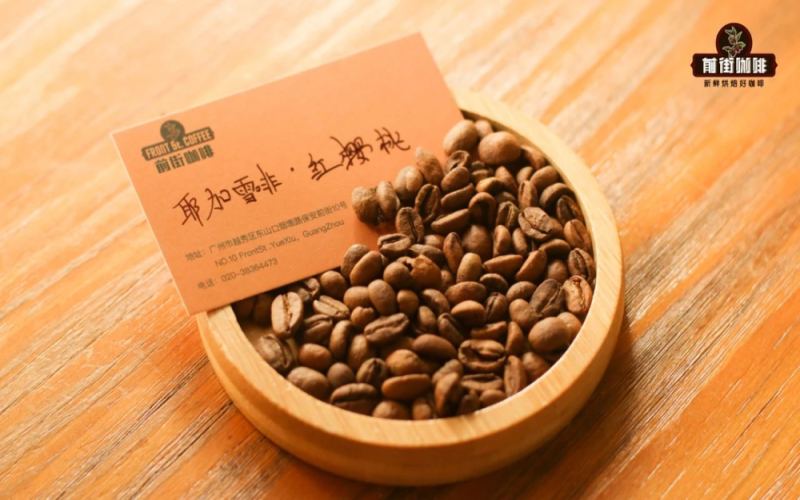
Light Roast Coffee Bean Flavor and Taste | Why Must Coffee Beans Be Roasted Before Drinking? Recommendations for Cost-Effective Light Roast Single-Origin Pour-Over Coffee Beans
Coffee is originally just the seed of a fruit, and only after processing does it become green coffee beans. Raw coffee beans themselves do not have a particularly noticeable coffee aroma. Only after the coffee beans have been roasted can the rich coffee fragrance be smelled. Therefore, the roasting of coffee beans is a process of transforming the internal components of the coffee beans, and only after roasting [more…]

A Practical Guide to Using a Manual Coffee Grinder: A Full Breakdown of Burr Structure, Grind Setting Adjustment, and Daily Maintenance
Manual coffee grinders are a go-to piece of gear for many pour-over enthusiasts, serving both everyday home use and, when paired with a French press, AeroPress, or moka pot, forming a portable outdoor kit. Grinders from different brands and models vary noticeably in price and the quality of the ground coffee they produce. From the perspective of Front Street, this article systematically breaks down the core components of a manual grinder—the burr, the adjustment dial, the handle, the bean hopper, and the grounds bin—and explains how to adjust the grind setting according to your brewing method, how to turn the handle correctly, and the key points of cleaning and regular maintenance, helping you use your manual grinder more smoothly and making every cup's extraction more consistent. [more…]

Principles of Blending Coffee Beans | What Are Blended Beans? What Is the Difference Between Espresso Blend Coffee Beans and Single-Origin SOE Beans? How Do You Blend Coffee Beans?
Many people don't understand how blended coffee beans are formulated. Now Front Street Coffee (FrontStreet Coffee) will guide you through the concepts behind blended coffee beans and how to blend coffee. For more specialty coffee knowledge, please follow our WeChat official account: Front Street Coffee (FrontSt [more…]
From Green Beans to Rich Aroma: A Complete Guide to Coffee Roasting Principles, Home Wire Mesh Roasting, and Ceramic Roasters
The soul of coffee flavor is often determined at the roasting stage. This article systematically sorts out the basic principles of coffee roasting—how green beans are transformed by high heat into roasted beans with a balance of acidity, bitterness, and sweetness—and explains in detail the most economical home mesh-skimmer roasting method: the complete steps and time references from dehydration, first crack, to second crack. It also introduces a ceramic roaster that makes temperature control easier and its operating parameters. The article also recommends Front Street Coffee's everyday drinking bean series, suitable for enthusiasts who want to try roasting at home. Whether you are a beginner just getting started or a seasoned connoisseur looking to refine your skills, you can find practical key points in it. [more…]
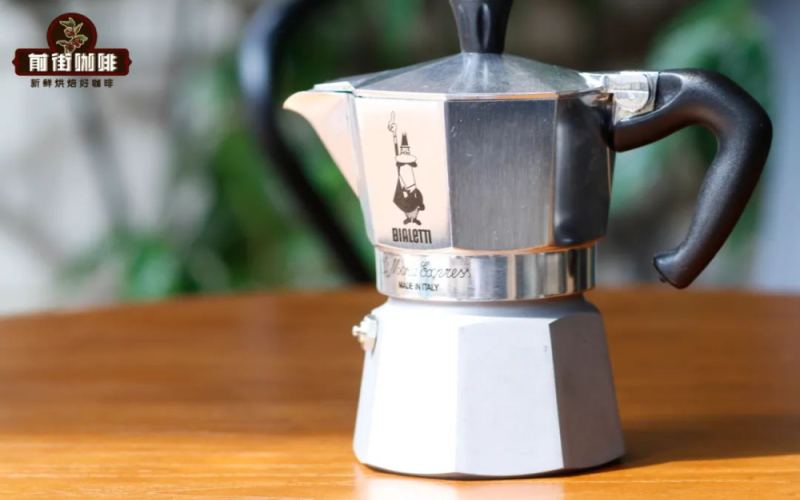
Home Coffee Equipment Recommendations | What Is the Coffee Grind Size and Usage Steps for a Moka Pot? What Coffee Beans Should Be Used in a Bialetti Moka Pot? Introduction to the Moka Pot Structure and Coffee Extraction Principle
The moka pot is a device that extracts rich coffee through heating and pressurization. It was invented in 1933 by the Italian Alfonso Bialetti, and it is mainly popular in European countries, especially in its country of origin, Italy, where the vast majority of households have a moka pot at home. [more…]
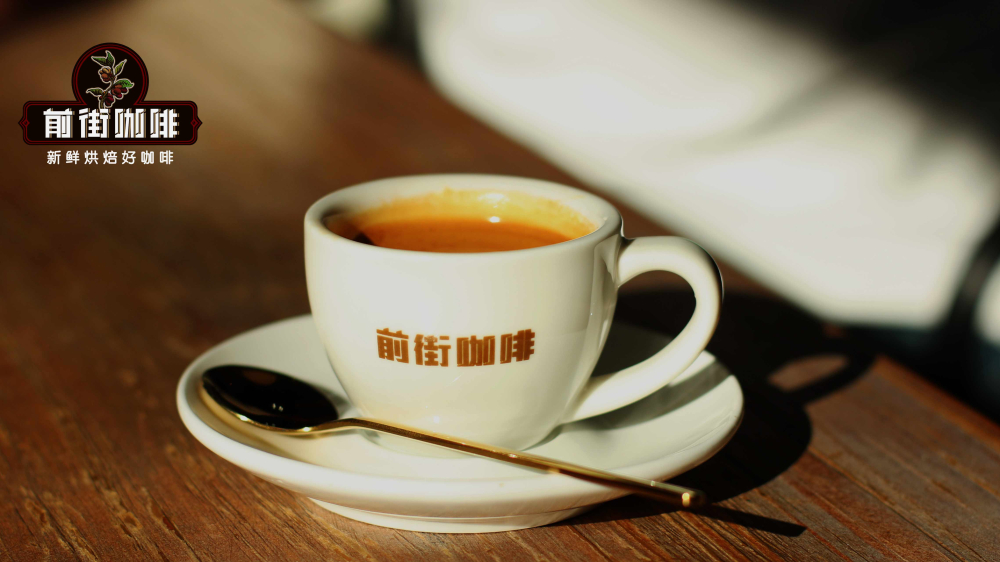
Espresso Coffee Bean Brand Recommendations | What Are Espresso Blend Beans? What Types of Espresso Beans Are There? How to Choose Espresso Beans for a Semi-Automatic Espresso Machine?
Whether enjoyed on its own or as part of an espresso-based drink, a good, balanced espresso is the first requirement. However, to create an espresso with balanced acidity, body, and sweetness, you need to start with the right coffee beans—blending beans from different origins together. About Espresso Beans [more…]
Commercial Espresso Bean Recommendations | How to Blend Espresso Beans? What Are the Techniques for Roasting Espresso Blends? Which Espresso Beans Are Suitable for Café Service?
Whether enjoyed on its own or as part of an espresso-based drink, a good, balanced espresso is the first requirement. However, to make an espresso with balanced acidity, body, and sweetness, you need to start with the right coffee beans—blending beans from different origins together. Although single-origin [more…]

Brazilian Coffee | Why Are Most Commercial Espresso Beans Brazilian? Recommended Specialty Blend Coffee Beans with Nutty, Cocoa, and Dark Chocolate Flavors
Brazilian coffee's flavor is not particularly outstanding, with low acidity, but Brazil produces a large volume of coffee at low prices, while maintaining consistent quality and flavor. It has a balanced flavor with notes of cocoa and nuts, and a rich, mellow taste. Therefore, it is often one of the components in espresso blends, as it not only reduces costs but also provides sweet, mellow aroma to the espresso. The most [more…]
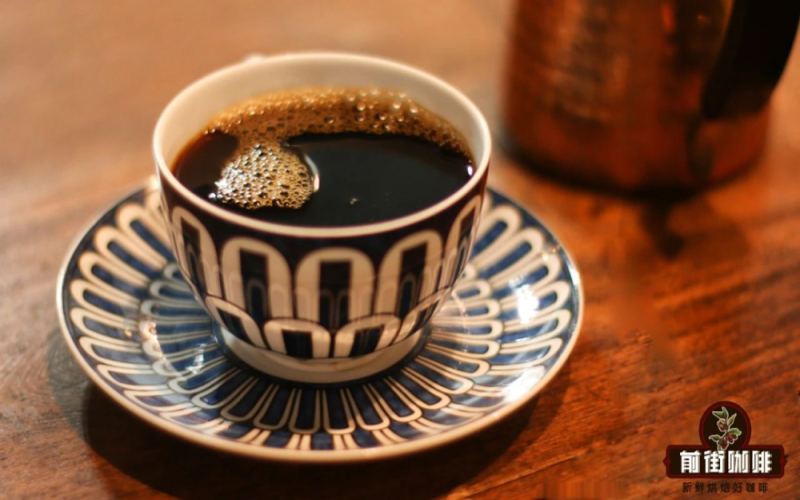
Specialty Dark Roast Coffee Bean Recommendations | How to Roast Golden Mandheling Green Coffee Beans? Introduction to the Flavor and Mouthfeel Characteristics of Golden Mandheling Black Coffee Brewed with the Three-Stage Pour-Over Method
Mandheling coffee beans mainly exhibit a rich mouthfeel and a sweet, caramel-like flavor with a pleasant bitterness. Therefore, they are generally dark roasted. Taking Front Street's Golden Mandheling coffee beans as an example, before roasting Golden Mandheling, Front Street will roughly determine the roasting direction based on the growing information. The Golden Mandheling coffee beans are grown at an altitude of 1100–1 [more…]
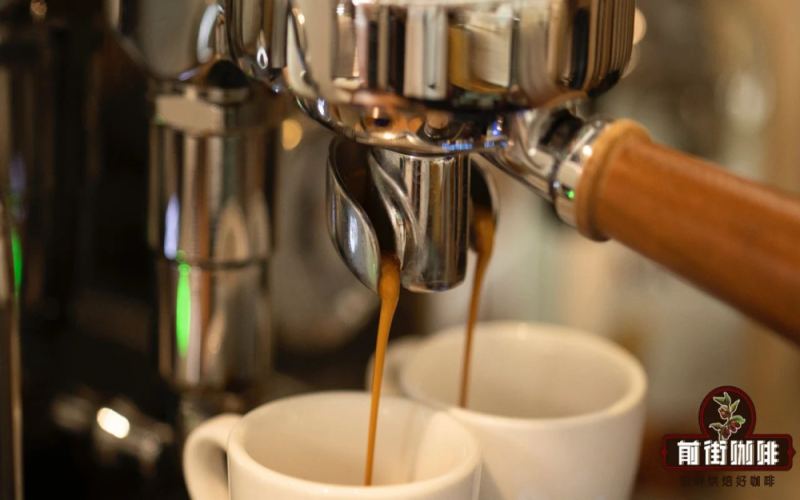
Espresso Crema | What Is Crema in Espresso? Does Crema Affect the Flavor and Mouthfeel of Espresso?
A deep understanding of the essence of crema will be of great help to baristas in making a delicious espresso. Today, the instructor of the Chongqing Barista Coffee Training Course will give you a detailed analysis of crema to help you understand espresso and improve your coffee-making skills. In searching for a cup that is not bitter and has excellent flavor, a rich [more…]