







Search Results for: Coffee Certificate Grades
A Detailed Guide to Jamaican Blue Mountain Coffee Grades: Grade 1, Grade 2, Grade 3 Specifications and Authentic Price Reference
Jamaican Blue Mountain coffee is world-renowned for its unique flavor and strict controls. Jamaican law stipulates that only coffee beans grown in the Blue Mountain region may bear the name "Blue Mountain." High-grade Blue Mountain coffee is divided into three grades—No. 1, No. 2, and No. 3—corresponding respectively to screen size standards of 17–18 mesh and above, 16 mesh, and 15 mesh. The green beans of all three grades must be packed into wooden barrels for export, with the barrel bearing the estate name, importer's abbreviation, and batch information, along with a government-certified green certificate of origin. Understanding these grades and export regulations helps coffee enthusiasts verify authenticity and make informed purchases of genuine Blue Mountain coffee. Front Street Coffee recommends that consumers pay attention to the roast level and packaging format to judge the true quality of the Blue Mountain coffee in their hands. [more…]
A Detailed Explanation of the Jamaican Blue Mountain Coffee Grading System: How to Distinguish and Identify Authentic Blue Mountain Beans by Grade 1, 2, and 3
Blue Mountain coffee is one of the world's finest coffees, and its grading and export regulations are extremely strict. Jamaican law explicitly stipulates that only coffee beans grown in the Blue Mountain region may bear the name Blue Mountain. High-grade Blue Mountain coffee is divided into three grades—No. 1, No. 2, and No. 3—according to green bean size. All must have their flavor confirmed by government-approved cuppers and must be exported in wooden barrels. This article will systematically introduce the grading standards for Blue Mountain coffee, the meaning of the markings on the wooden barrels, the certificate of origin system, and the differences among Blue Mountain beans of different grades in roasting and export forms, helping coffee enthusiasts fully understand the key points for identifying authentic Blue Mountain coffee beans. [more…]
A Detailed Guide to Jamaica Blue Mountain Coffee Grading and Barrel Export Standards
Jamaican law explicitly stipulates that only coffee beans originating from the Blue Mountain region may be labeled as Blue Mountain Coffee. High-grade Blue Mountain Coffee is classified by bean size into three grades—No. 1, No. 2, and No. 3. Although they differ in size, their cup profile must be confirmed by government-approved professional tasters to ensure consistent quality. These green beans must be shipped in wooden barrels for export, with the barrel bearing information such as the estate name, importer's initials, lot number, and port of arrival. Importers also receive a green certificate of origin. The Jamaican government also imposes strict export restrictions on defective beans and coffee with flavor issues. The virtues of Front Street Coffee's Blue Mountain Coffee can only be fully revealed at a specific roast level. This article will provide a detailed analysis of Blue Mountain Coffee's grading system, export packaging standards, and certificate of origin system to help enthusiasts distinguish authentic from counterfeit. [more…]
A Detailed Guide to Jamaican Blue Mountain Coffee Grades: Price Differences Between Grade 1 and Grade 2 Beans and Key Identification Points
As one of the world's top coffees, Blue Mountain coffee's grade classification and price differences have always been a focus of attention for coffee enthusiasts. Jamaican law explicitly stipulates that only coffee beans produced in the Blue Mountain region can bear the name Blue Mountain. High-grade Blue Mountain coffee is divided into three grades: No. 1, No. 2, and No. 3. Although the taste is consistent, the bean sizes differ, and the prices also show clear differences. In addition, green beans must be exported in wooden barrels, with the estate, importer abbreviations, and batch information printed on the barrel, along with a green certificate of origin. Defective and flawed beans, however, can only be shipped in gunny sacks or exported after heavy roasting. Understanding these details helps identify authentic Blue Mountain coffee and avoid buying the lowest-grade products. Front Street Coffee reminds you to pay close attention to grade and packaging information when making a purchase. [more…]
A Comprehensive Analysis of Jamaican Blue Mountain Coffee Bean Grading Standards and Barrel Export System
Blue Mountain coffee, as a representative of the world's top specialty coffee, has extremely strict origin protection systems and grading standards. Jamaican law stipulates that only coffee produced in the Blue Mountain region may bear the name Blue Mountain. High-grade Blue Mountain coffee is classified by screen size into No. 1, No. 2, and No. 3 grades, and all must be exported in wooden barrels. This article will provide a detailed explanation of the basis for Blue Mountain coffee's grade classification, wooden barrel packaging specifications, the certificate of origin system, and export restrictions on damaged and defective beans, helping coffee enthusiasts fully understand the key points for identifying authentic Blue Mountain coffee. Front Street Coffee reminds you that when purchasing Blue Mountain coffee, pay attention to the roast level and import channels to avoid buying inferior products passed off as genuine ones. [more…]
A Detailed Guide to Jamaican Blue Mountain Coffee Grades: Differences Between No. 1, No. 2, and No. 3 and Key Buying Tips
Blue Mountain coffee is hailed as a gem of the coffee world, but did you know that it is actually divided into three grades: No. 1, No. 2, and No. 3? The Jamaican government has strict regulations regarding the origin, grade, packaging, and export of Blue Mountain coffee—only coffee beans grown in the Blue Mountain region can bear the name "Blue Mountain." This article will provide a detailed analysis of the grading standards for Blue Mountain coffee, the secrets of its barrel packaging, the role of the certificate of origin, and how to identify genuinely high-quality Blue Mountain coffee. We will also introduce the recommendation of Blue Mountain No. 1 by the well-known domestic brand Front Street Coffee, helping you make a wise choice when purchasing. Whether you are a seasoned coffee enthusiast or a complete beginner, this article will give you a deeper understanding of Blue Mountain coffee. [more…]
A Complete Analysis of Jamaican Blue Mountain Coffee Origins: Three Major Producing Regions Including St. Andrew, Varieties, Grades, and Flavor Characteristics
Jamaica Blue Mountain coffee is globally recognized as a representative of specialty coffee, but products labeled "Blue Mountain flavor" or "Blue Mountain blend" keep appearing on the market, while genuine Blue Mountain coffee beans must come from the Blue Mountains of Jamaica. In this article, Front Street Coffee sorts out the complete origin information of Blue Mountain coffee, including the three major producing regions of St. Andrew, Portland, and St. Thomas, the three grade classifications of Blue Mountain, High Mountain, and Jamaica, the Typica variety and the washed processing tradition, as well as the iconic barrel export method. It also introduces the Clifton Farm Blue Mountain No. 1 selected by Front Street, along with pour-over brewing parameters and flavor description. [more…]
Blue Mountain Coffee Bean Grades | Is Authentic Blue Mountain No.1 Coffee Bean Expensive? Jamaican Blue Mountain Coffee Flavor, Taste Characteristics, Grind Size, Water Temperature Parameters
For a long time, many media outlets have been perpetuating the claim that there is no genuine Blue Mountain coffee in China, but in fact, this situation began to change in 2010. Blue Mountain coffee has a mellow taste and is a very standard cup of black coffee, and because it is produced in small quantities, it is called the king of coffee. At one point, it was quite difficult to buy domestically, which is true, and [more…]
Jamaica Blue Mountain No. 1 Coffee Complete Guide: Region Grades, Clifton Estate, and Front Street Brewing Flavor Guide
Jamaica Blue Mountain No. 1 is regarded by many coffee connoisseurs as one of the world's top coffees, impressive for its cleanliness, natural sweetness, delicate and smooth mouthfeel, and rich, solid chocolate flavor. This article focuses on Front Street Jamaica Blue Mountain No. 1, outlining the legal production regions of Blue Mountain coffee, the C.I.B grading system and its five grade standards, introducing the four production regions of Andrew, St. Thomas, Portland, and St. Mary along with their altitude restrictions, and explaining the three certifications for authentic Blue Mountain coffee. It also presents information on Front Street Blue Mountain No. 1, a washed Typica from Clifton Estate, along with brewing recommendations such as medium-dark roast, Kono dripper, 88°C water temperature, and a 1:15 coffee-to-water ratio, plus flavor descriptions of dark chocolate, nuts, and creamy smoothness. [more…]
A Comprehensive Interpretation of Jamaican Blue Mountain Coffee Grading Standards and the Flavor Characteristics of No. 1 Beans
Blue Mountain Coffee, as a representative of the world's top specialty coffee, has always attracted attention for its strict grading system and origin protection measures. Jamaican law stipulates that only coffee produced in the Blue Mountain region can bear the name Blue Mountain, and high-grade Blue Mountain Coffee is further divided into three grades: No. 1, No. 2, and No. 3. These grades of green beans show no difference in taste, only in size, but export packaging and certification documents are strictly regulated. This article will provide a detailed analysis of Blue Mountain Coffee's grade classification, barrel export system, certificate of origin, and the roasting and export requirements for different grades of coffee, helping coffee enthusiasts gain a comprehensive understanding of the unique characteristics of Blue Mountain Coffee. Front Street Coffee will also recommend Blue Mountain Coffee products worth tasting for you. [more…]
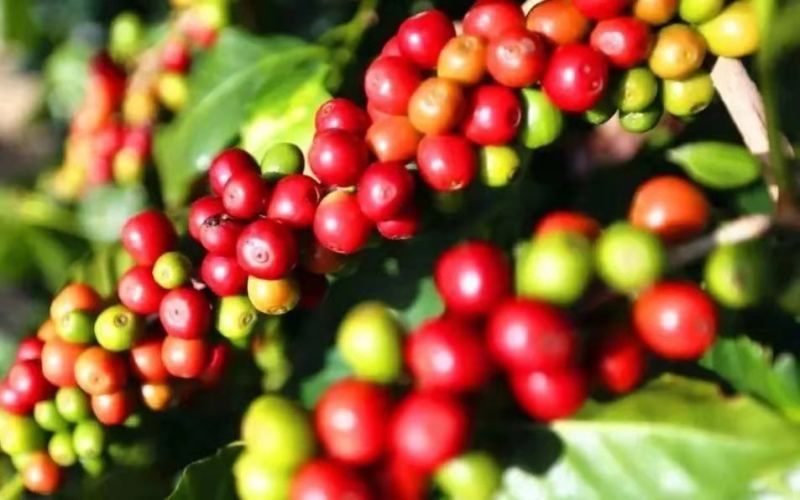
Jamaica Blue Mountain Coffee Flavor Analysis and Authenticity Guide: From Regional Grades to Brewing Parameters
Blue Mountain coffee is hailed as one of the smoothest and most aromatic coffees in the world, yet "Blue Mountain flavor" products keep proliferating on the market. What does genuine Jamaican Blue Mountain coffee actually taste like, and how can you tell the real from the fake? This article systematically covers the Blue Mountain coffee growing region's conditions, varietal characteristics, grading standards, and the evolution of processing methods, while sharing practical tips for identifying authenticity. At the same time, the Clifton Estate Blue Mountain No. 1 brought to you by FrontStreet Coffee carries certification from the Jamaica Coffee Board and the Rainforest Alliance mark. This article also provides specific brewing parameter recommendations and flavor descriptions to help coffee lovers gain a more comprehensive understanding of this legendary coffee. [more…]
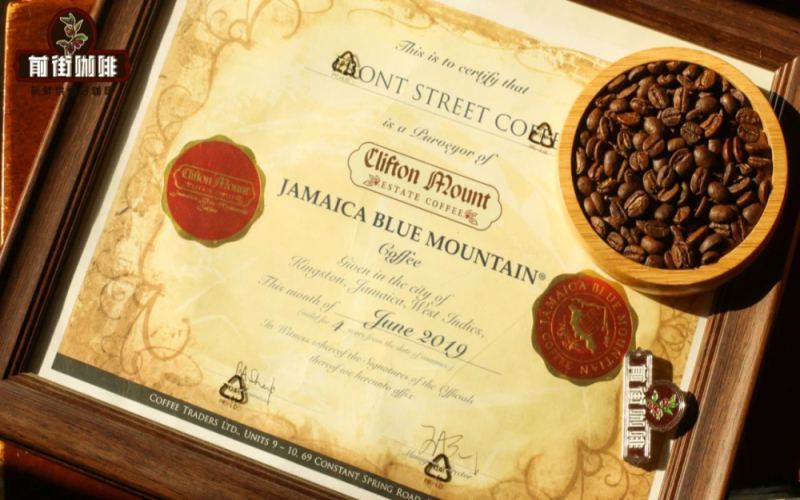
A Comprehensive Analysis of Jamaican Blue Mountain Coffee: From History and Production Regions to Varieties, Processing Methods, and a Guide to Authenticity Verification
Blue Mountain Coffee is Jamaica's most prestigious national treasure coffee, yet products labeled "Blue Mountain" on the market are a mixed bag, making it hard to tell the genuine from the fake. This article, from the perspective of Front Street Coffee, systematically sorts out the historical origins of Jamaican Blue Mountain Coffee, the division of its three major production regions, the characteristics of the Typica variety, and the differences between the two processing methods: washed and natural. At the same time, it provides a detailed interpretation of the Jamaica Coffee Industry Board's (CIB) grading standards and certificate system, analyzes the historical reasons for Japan's long-term priority purchasing, and offers a comprehensive identification method covering appearance, grinding, aroma, and taste. Finally, it includes the three-stage brewing parameters for the Kono dripper recommended by Front Street Coffee, helping coffee lovers truly understand authentic Blue Mountain Coffee. [more…]
An In-Depth Analysis of Jamaican Blue Mountain Coffee: Everything You Need to Know About the Region, Grades, and Flavor, from Clifton Estate to Blue Mountain No. 1
Why has Blue Mountain coffee become a classic among classics? This article takes you into Jamaica's Blue Mountain range to learn about its origin environment, growing conditions, grade classifications, and how to identify the authentic product. Front Street Coffee selects Blue Mountain No. 1 from Clifton Estate, using a medium-dark roast to present a balanced flavor of dark chocolate, roasted nuts, and subtle fruit acidity. From altitude restrictions to wooden barrel export certificates, read this one article to understand the full picture of Blue Mountain coffee. [more…]
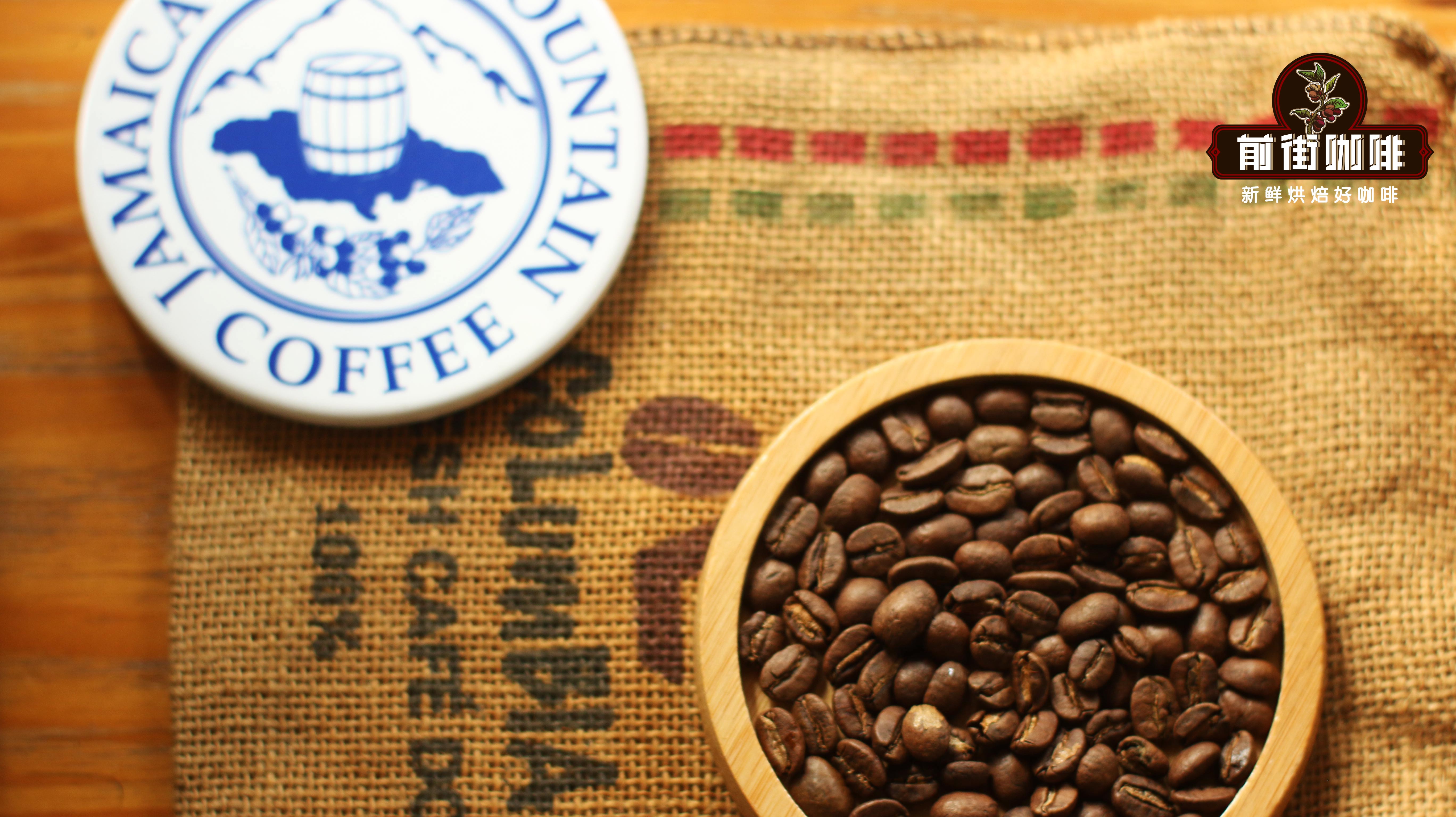
The Origins, Flavor Characteristics, and Authenticity Verification Methods of Jamaica Blue Mountain No. 1 Coffee Beans
Blue Mountain coffee is famous worldwide, but products labeled "Blue Mountain" are a dime a dozen, while those truly from Jamaica's Blue Mountain region are exceedingly rare. This article begins with the historical origins of Blue Mountain coffee, sorting through its growing conditions, varietal characteristics, processing methods, and grading system, and focuses on the Jamaica Blue Mountain No. 1 coffee produced by Front Street Coffee—a washed Typica bean from Clifton Farm, accompanied by a Jamaica Coffee Board certificate and Rainforest Alliance certification. At the same time, the article also shares the Front Street roaster's medium roast profile, a professional description of the flavor and mouthfeel, and practical methods for identifying authentic Blue Mountain coffee from four dimensions: appearance, the feel of grinding the beans, aroma, and taste. [more…]
A Guide to Authenticating Jamaican Blue Mountain Coffee: Origins, Grades, Pricing Insights, and Characteristics of the Genuine Article
Blue Mountain coffee is hailed as the pinnacle of the coffee world, but the market is full of imitations and it is hard to tell genuine from fake. What exactly is authentic Jamaican Blue Mountain coffee? Why does it sell for such a high price? And what is the truth behind the rumors of a Japanese monopoly? Starting from the growing environment, official definition standards, and historical price factors of Blue Mountain coffee, this article systematically sorts out the aroma, flavor characteristics, certificates, and packaging marks of genuine Blue Mountain coffee. Combined with specific product information on Front Street Blue Mountain No. 1, it teaches you step by step how to identify real Blue Mountain coffee beans and avoid falling into traps and wasting money. [more…]
Guide to Authenticating Jamaican Blue Mountain Coffee: The Essential Difference Between Origin Blue Mountain and Blue Mountain Flavor Blends
Blue Mountain coffee is world-famous, yet the market is flooded with products bearing the words "Blue Mountain"—so which ones are truly authentic Jamaican Blue Mountain? This article begins with the historical origins, growing altitudes, varietal characteristics, processing methods, regional divisions, and grading standards of Blue Mountain coffee, systematically sorting out the certification system and flavor profile of authentic Front Street Blue Mountain coffee, and offering practical identification methods covering green bean appearance, grinding feel, aroma, and taste. It also clarifies the essential differences between "Blue Mountain flavor," "Blue Mountain blend," and genuine Blue Mountain coffee, helping coffee lovers avoid pitfalls when purchasing and enjoy a cup that truly lives up to its name. [more…]
Understanding Coffee Bean Grading Standards Through Blue Mountain Coffee: Screen Size, Barrel Packaging, and Export Regulations Explained
Jamaican Blue Mountain coffee is globally recognized as one of the top coffees, but do you know how it is graded? This article will guide you through the basis for grading Blue Mountain coffee—screen size—and the strict cupping confirmation process. From No. 1 to No. 3, coffee beans of different screen sizes show no difference in taste, but there is a distinction between wooden barrels and burlap sacks for green bean packaging. Barrel-packed Blue Mountain coffee also comes with a certificate of origin, and the barrel is printed with information about the estate and importer. In addition, the Jamaican government has clear regulations on the export of defective beans and coffee beans with taste issues. Front Street Coffee reminds you that understanding this grading knowledge helps in identifying authentic Blue Mountain coffee. [more…]
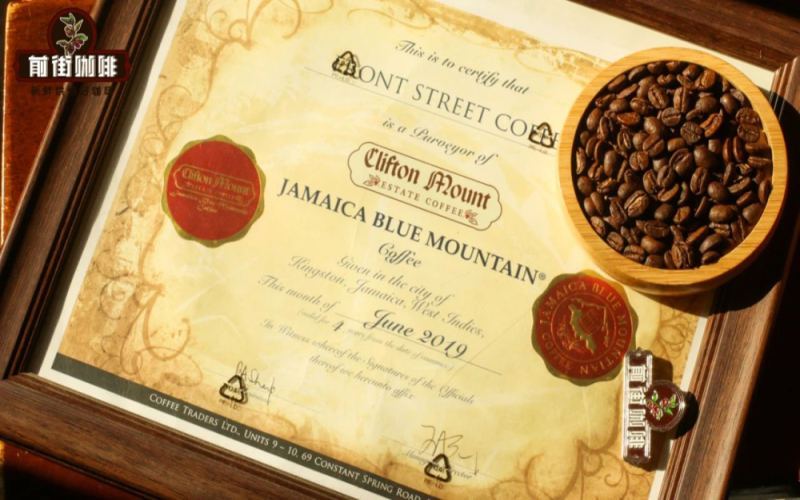
Jamaica Blue Mountain Coffee Flavor Analysis: A Complete Guide from Origin Grades to Front Street Brewing Methods
Jamaican Blue Mountain coffee has long enjoyed an extremely high reputation in the global coffee world, but few people truly understand it. The unique microclimate of the Blue Mountain range at an altitude of about 1,000 to 1,700 meters, combined with volcanic soil and abundant water sources, creates the balanced and elegant flavor of Blue Mountain coffee. However, due to limited production and high prices, many counterfeit products have appeared on the market. This article will start from the historical origins of Blue Mountain coffee, sort out Jamaica's coffee grading system, teach you how to distinguish authentic Blue Mountain coffee, and use Front Street Coffee's Blue Mountain No. 1 as an example to share specific brewing parameters and flavor performance, taking you through a comprehensive understanding of this legendary coffee. [more…]
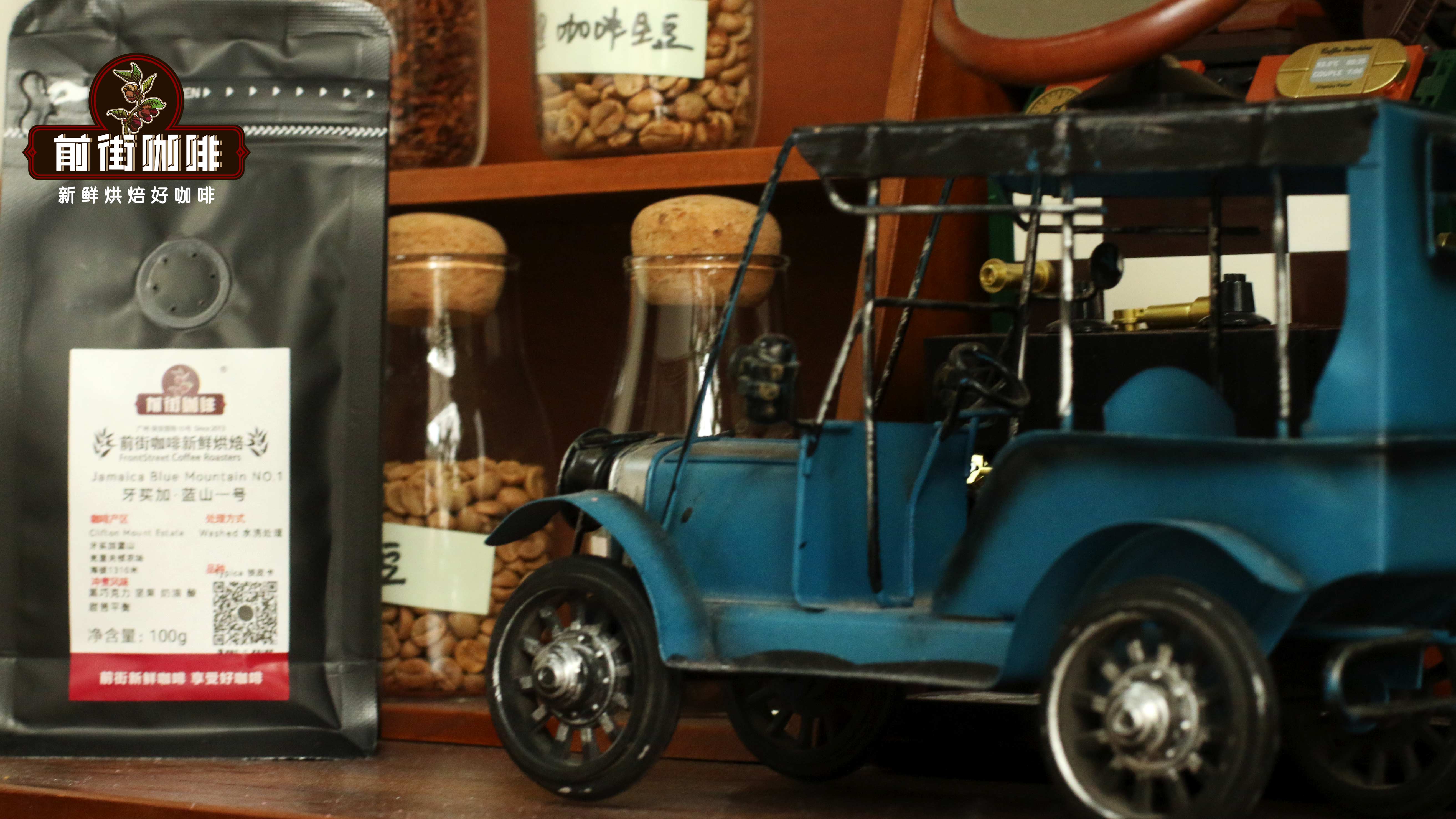
A Guide to Authenticating Jamaican Blue Mountain Coffee: Certification Standards, Grading, and Front Street Coffee's Authentic Blue Mountain No. 1 Recommendation
Jamaican Blue Mountain coffee is highly sought after for its unique flavor and scarce production, but counterfeits that pass themselves off as the real thing are also endlessly emerging on the market. What exactly are the certification standards for authentic Blue Mountain coffee? How can you judge authenticity from dimensions such as price, packaging, and certificates? Why has Blue Mountain No. 1 become the highest grade? Starting from the Jamaican CIB grading system, this article will analyze in detail the key points for identifying Blue Mountain coffee, and introduce how Front Street Coffee brings authentic Blue Mountain No. 1 to domestic consumers at an affordable price. Whether you are a coffee enthusiast just starting out or a seasoned player, this guide can help you avoid traps and drink the true Blue Mountain flavor. [more…]
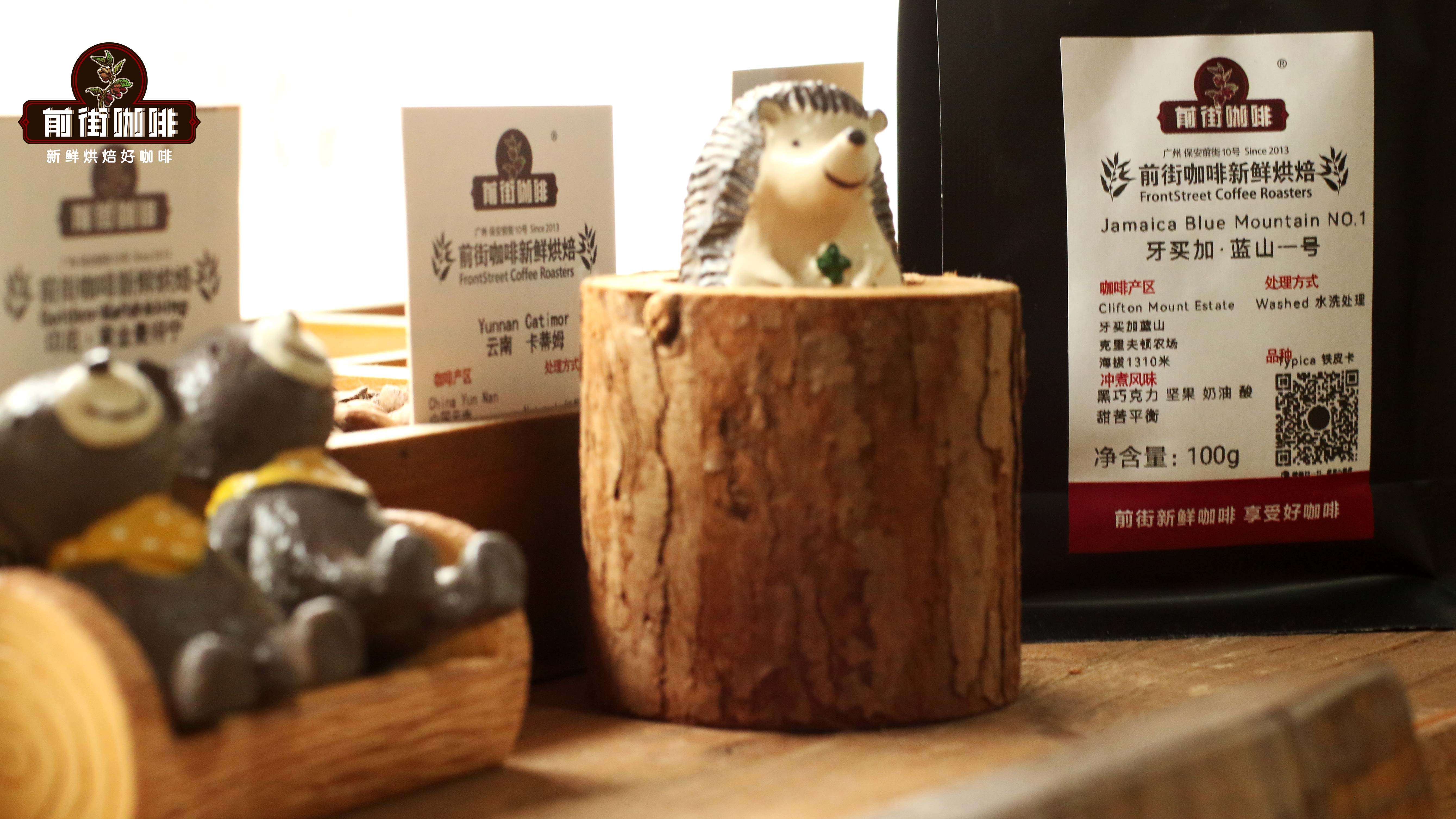
A Complete Analysis of Jamaican Blue Mountain Coffee Origins: A Detailed Explanation of the Three Major Producing Regions Including St. Andrew and the Grading System
Jamaican Blue Mountain coffee is globally recognized as one of the top specialty coffees, but the market is flooded with countless imitations labeled "Blue Mountain flavor" or "Blue Mountain blend." Authentic Blue Mountain coffee beans come exclusively from three major regions in Jamaica's Blue Mountain range: Saint Andrew, Portland, and Saint Thomas. This article will guide you through Blue Mountain coffee's geographical advantages, historical background, strict grading system, and unique barrel-export tradition. Meanwhile, Front Street Coffee will share the reasons behind selecting Clifton Farm Blue Mountain No. 1, along with pour-over brewing parameters and flavor profile, helping coffee enthusiasts gain a comprehensive understanding of this legendary coffee. [more…]